- Tel: +86 311 82620404
- Cell: 86 -13739710551
- Email: sales@potentia.cn

Trusted Crane Wheel Suppliers for Industrial and Heavy Lifting Needs
Why Crane Wheel Suppliers Matter in Today's Global Industry
When you think about large-scale lifting equipment, the humble crane wheel doesn’t immediately jump to mind. Yet, in industries spanning construction, shipping, mining, and manufacturing, crane wheel suppliers hold a pivotal role lost on casual observers. Why? Because these wheels bear the tremendous loads, facilitate smooth movement, and ensure safety standards are met. Understanding crane wheels’ function and sourcing can mean the difference between a costly downtime or seamless operation.
Globally, the demand for cranes is tied closely to infrastructure development rates, industrial growth, and urbanization. The United Nations estimates that over 55% of the world’s population now resides in urban areas (1), underscoring the construction surge. This growth demands robust support systems — including the supply chain behind crane components like wheels. The right supplier guarantees quality, on-time delivery, and technical support that ultimately safeguards project timelines.
Mini takeaway: Behind every skyscraper and port facility, crane wheel suppliers enable reliable heavy lifting and movement — a niche but essential cog in global development machinery.
Understanding Crane Wheel Suppliers: More Than Just Bearings
At its core, a crane wheel supplier is a company or manufacturer specializing in the production and distribution of wheels specifically designed for cranes. These aren’t your average wheels; they must endure extreme loads, rough terrains, and varying weather conditions — all while maintaining precision and safety. The supplier’s job is to not only provide these components but tailor them to specific crane types like overhead cranes, gantry cranes, or tower cranes.
These suppliers play a crucial role in multiple sectors, from industrial factories to emergency relief efforts, where cranes ensure fast, safe handling of materials. In humanitarian crises, for instance, having a reliable supplier means cranes can be equipped quickly to clear roads or move supplies efficiently.
Mini takeaway: Crane wheel suppliers provide the backbone for crane mobility — essential in both routine industrial work and times of urgent need.
Core Components and Key Factors in Crane Wheel Supply
1. Durability
Crane wheels face tremendous pressure, often supporting tens of tons. Suppliers source high-grade steel or alloy materials, sometimes heat-treated, to resist wear and deformation. It’s a fine balance — wheels must be hard enough to avoid flattening but tough enough not to crack.
2. Precision Engineering
It’s not enough for a crane wheel to be simply strong. It has to roll smoothly and align perfectly with rails or tracks. Suppliers invest in CNC machining and quality controls that keep tolerances minimal — often within fractions of a millimeter.
3. Cost Efficiency
Obviously, budget considerations matter. Suppliers offer scalable solutions from standard wheels to custom-engineered sets based on client needs. Longer-lasting wheels reduce replacements and downtime costs, a vital selling point.
4. Compatibility and Customization
Given the variety of crane types and load requirements worldwide, a good supplier offers customization for diameter, tread profiles, bore sizes, and even coatings for corrosion resistance — especially in maritime environments.
5. After-Sales Support
Quality suppliers go beyond delivery. They assist with installation guidance, wear monitoring, and sometimes loaner wheels during maintenance cycles to keep operations uninterrupted.
Mini takeaway: Excellent crane wheel suppliers offer a combination of durability, precision, customization, and customer care that keeps cranes rolling under pressure.
Global Applications and Real-World Use Cases
In real terms, you’ll find crane wheel suppliers active wherever heavy lifting and transport mesh with challenging environments:
- Port Authorities: Container gantry cranes rely on specialized wheels to move massive shipping containers daily. In Asia and Europe’s busiest ports, downtime means tens of thousands in revenue lost.
- Mining Operations: Rough terrain cranes used in mining sites rely on heavy-duty wheels to navigate uneven ground while carrying heavy loads.
- Disaster Relief: In post-disaster zones like after earthquakes or floods, cranes equipped via reliable suppliers enable rapid debris removal and infrastructure rebuilding.
- Manufacturing Facilities: Overhead cranes equipped with engineered wheels streamline assembly lines in automobile or aerospace plants.
One curious story I came across involved a European supplier providing customized wheels for a crane used in Arctic conditions. The wheels had special anti-corrosion treatments to survive the salty air and freezing temperatures — a reminder of how global and varied this industry is.
Mini takeaway: Whether clearing debris or stacking containers, crane wheels are the unsung heroes in some of the world’s toughest operational scenarios.
Advantages & Long-Term Value of Partnering with Leading Crane Wheel Suppliers
The benefits of sourcing crane wheels thoughtfully go beyond just keeping the machine moving. Here’s why many companies make it a cornerstone of their procurement strategy:
- Cost Savings: Longer lasting, reliable wheels mean fewer replacements and reduced accident risk.
- Sustainability: Using materials with longer lifespans reduces waste and energy spent on frequent production.
- Safety: Well-crafted wheels reduce the risk of mechanical failure that could lead to workplace accidents.
- Innovation: Suppliers continuously improve materials and design for efficiency — a technological edge.
- Trust & Reliability: A dependable supply chain ensures projects stay on track, safeguarding reputations and revenues alike.
Frankly, there’s also the peace of mind that comes from knowing your gear won’t unexpectedly give in on the job — surely worth the investment.
Specifications of a Typical Crane Wheel
| Parameter | Typical Range/Value | Notes |
|---|---|---|
| Diameter | 150 mm - 800 mm | Depends on crane type and load |
| Material | Carbon Steel, Alloy Steel | Heat-treated for hardness |
| Load Capacity | Several tons up to 50+ tons | Varies widely |
| Tread Type | Plain, Grooved | Based on rail system |
| Coatings | Anti-corrosion, Heat-resistant | Used in special environments |
Comparing Leading Crane Wheel Suppliers
| Supplier | Specialty | Lead Time | Customization | After-Sales Support |
|---|---|---|---|---|
| SteelMove Inc. | Heavy-duty wheels for industrial cranes | 3-4 weeks | High | Technical support & installation assistance |
| TrackRoll Solutions | Modular wheels for port cranes and gantries | 2-3 weeks | Medium | Remote diagnostics & wear monitoring |
| ArcticRoll | Special coatings for cold region cranes | 4-5 weeks | High | On-site consultation & maintenance training |
Emerging Trends and Innovations in Crane Wheel Manufacturing
In an industry that feels pretty set in its ways, innovations are quietly brewing. For example, many suppliers now experiment with composite materials to reduce wheel weight without sacrificing durability. This can improve energy efficiency, a priority as sustainability grows in importance globally.
Also, digital transformation has reached crane maintenance with IoT-enabled wheels that monitor wear and send alerts long before failure risk spikes. This proactive maintenance approach saves money and prevents accidents.
Green energy initiatives mean some wheels and their production processes are being overhauled to reduce carbon footprints. It feels like the industry is awakening to the idea that even tiny components matter in global sustainability targets.
Challenges in Sourcing and How Suppliers Are Addressing Them
Despite advances, sourcing crane wheels is not without hurdles. Long lead times can jeopardize projects, especially if a wheel fails unexpectedly. Supply chain disruptions — like those witnessed during global events — push engineers to seek suppliers with faster turnarounds or regional warehouses.
Another issue is matching the wheel to very specific crane track types or environmental requirements. Experts often highlight the need for better standardization without sacrificing customization — a tricky balance.
To tackle these, suppliers are investing in modular designs, rapid prototyping, and flexible manufacturing lines. Combining these with excellent customer communication seems to be the formula that keeps projects humming.
FAQ: Common Questions about Crane Wheel Suppliers
- Q1: How do I know which crane wheel is right for my crane type?
- A1: Start by consulting your crane’s specifications — diameter, load capacity, and tread type. Then, working with a knowledgeable supplier, tailor choices based on operating environment and maintenance plans. They can often provide samples or CAD models for compatibility checks.
- Q2: How long do crane wheels typically last before replacement?
- A2: Lifespan varies widely depending on load, terrain, and usage, but many last from 3 to 10 years. Regular inspections and maintenance extend life, while harsh environments might shorten it.
- Q3: Can crane wheels be customized for extreme environments?
- A3: Absolutely. Suppliers offer coatings for corrosion resistance, heat resistance, and can even use special alloys designed for cold or abrasive conditions. These customizations are vital for specialized projects.
- Q4: How can companies find reliable crane wheel suppliers?
- A4: Start with industry directories and reviews, then reach out for quotes including lead times, after-sales support, and customization options. Visiting supplier websites, webinars, or trade shows also helps connect with vetted manufacturers.
Conclusion: The Long-Term Value of Choosing the Right Crane Wheel Supplier
So, here’s the bottom line: crane wheels might seem like a minor detail in gigantic operations, but choosing the right supplier is critical for safety, efficiency, and cost optimization across a crane’s lifecycle. Whether you’re managing a mining fleet in Africa or a dockyard in Singapore, investing in quality wheels and proactive partner relationships pays dividends you might not immediately see but feel unmistakably whenever your crane rolls without a hitch.
If you’re on the lookout for trusted crane wheel suppliers with worldwide reach and robust portfolios, check out crane wheel suppliers — their network spans the globe, ensuring that when you need parts, they’re ready and waiting. Because at the end of the day, keeping cranes moving means keeping the world building.
Mini takeaway: For anyone involved in heavy lifting, the quiet dependability of crane wheels sourced from trusted suppliers keeps progress on track, one roll at a time.
References
-
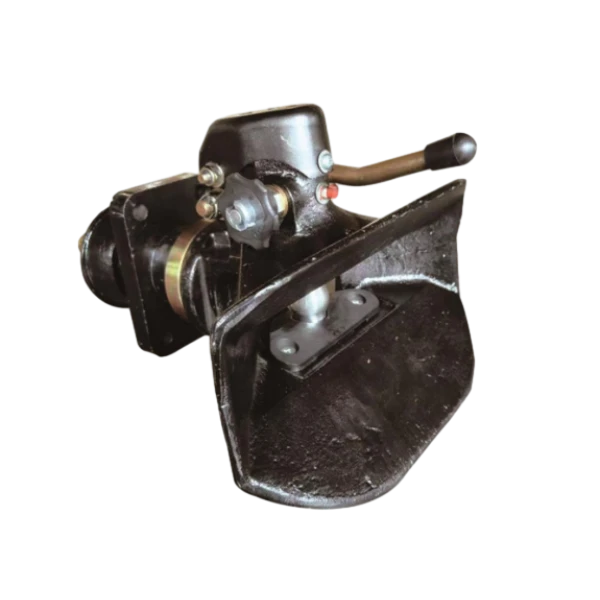 Trailer Coupling
The trailer coupling is a critical component in vehicle towing systems, designed to ensure a secure and efficient connection between a towing vehicle and a trailer. These couplings are manufactured using high-strength carbon steel, alloy steel, or stainless steel, ensuring durability and resistance to heavy loads and harsh environments.
-
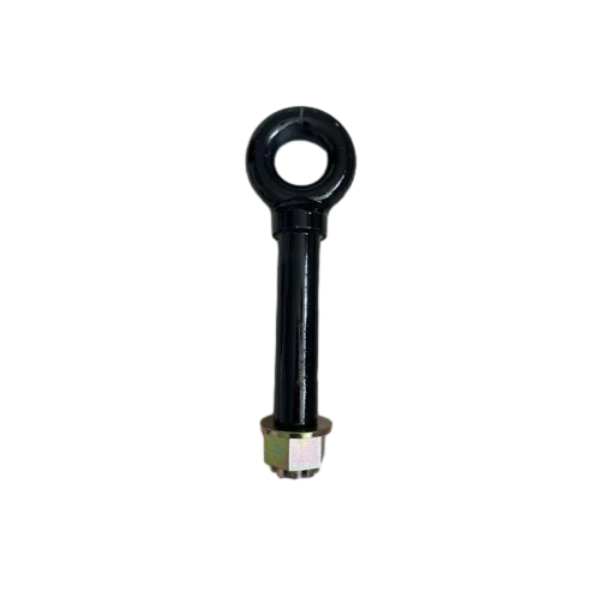 Drawbar Eyes
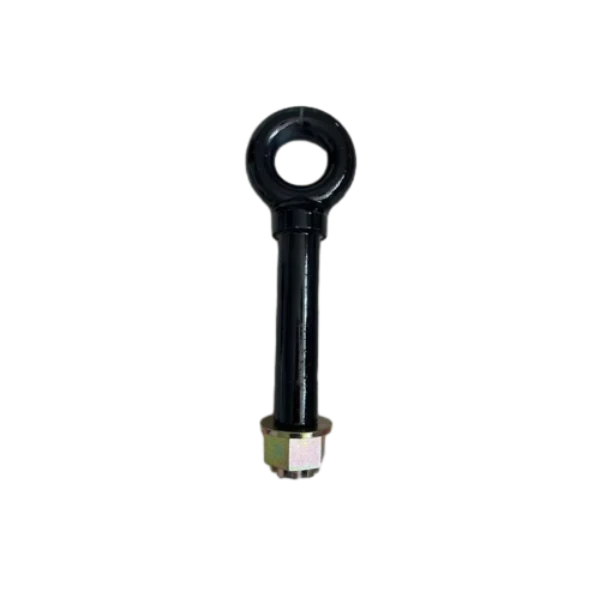
Drawbar eyes are essential components in towing and hauling applications, providing a strong and secure attachment point between the trailer and the towing vehicle. They are designed to endure extreme pulling forces, making them suitable for heavy-duty applications.
-
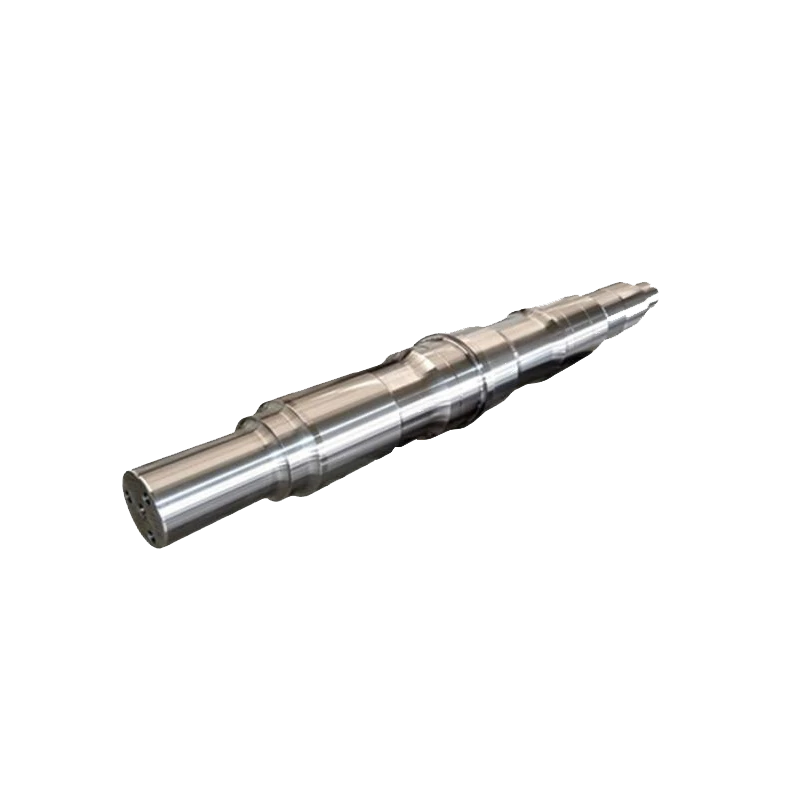 Axles
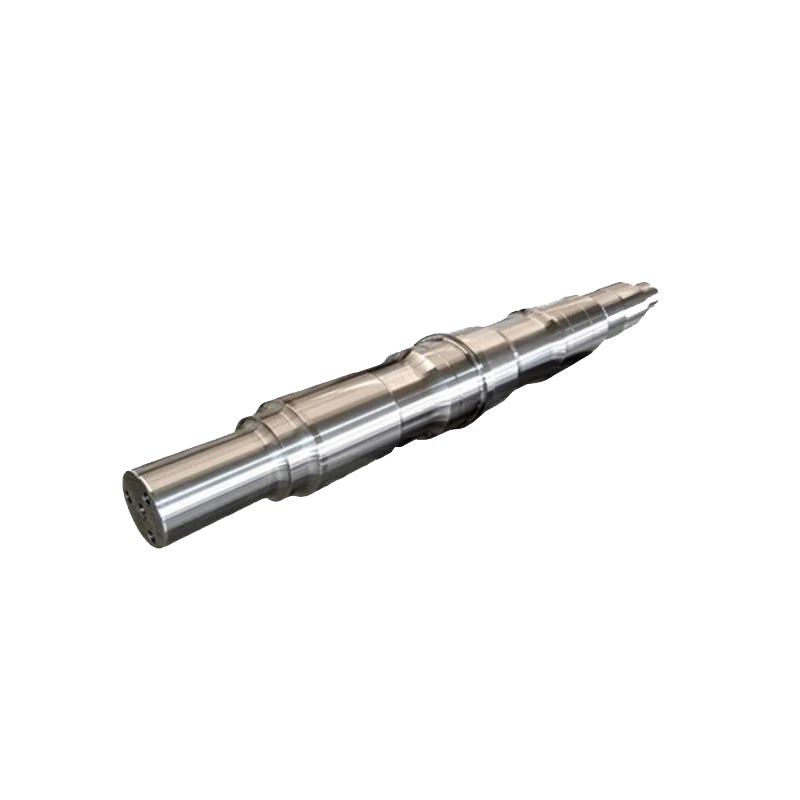
AxlesAxles are essential for vehicle load-bearing and power transmission, ensuring smooth movement and weight distribution. They must withstand high stress, torque, and impact, making material selection and precise manufacturing crucial.
-
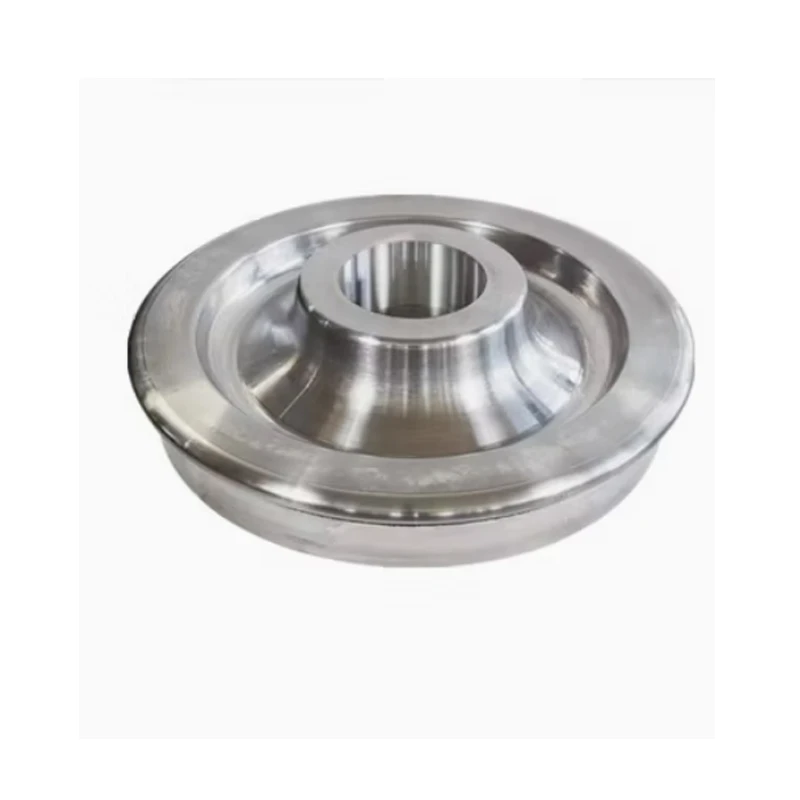 Profile S1002 Series Rail Wheels
The S1002 series rail wheels are designed for Rail-Road Vehicles (RRVs) that require seamless operation on both roads and railway tracks. Engineered with high precision and durability, these wheels conform to S1002 tread profiles, ensuring compatibility with standard railway systems.
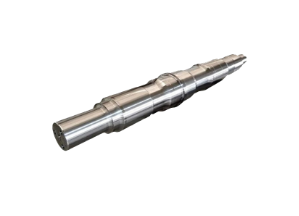
A Comprehensive Guide to Axles Types for Industry Decision Makers | Manufacturing Base
Axles Types is a key solution in the industry, specifically within heavy machinery and transportation sectors. This article explores how https://www.manufacturing-base.com supports professionals with durable, high-performance products
>
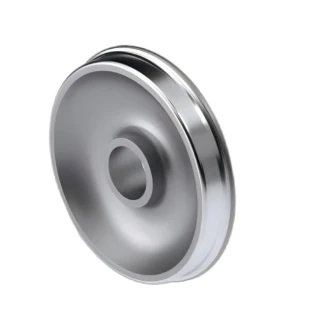
Reliable Rail Wheels: Optimize Your Rail Transport Solutions
For industries that rely on rail-based vehicles, choosing the right rail wheels is essential for smooth operations and safety.
>
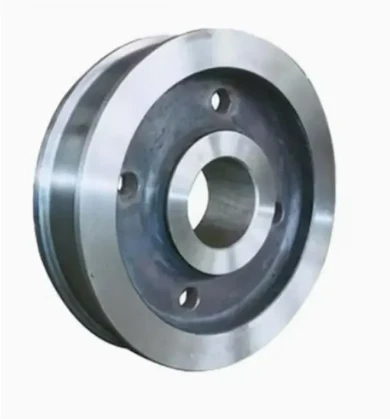
Premium Overhead Crane Wheels For Sale: Enhance Industrial Lifting Efficiency
In modern industrial operations, high-quality overhead crane wheels for sale are essential for safe, reliable, and efficient lifting.
>
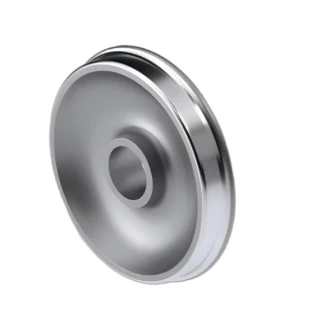
Premium Hi Rail Wheels For Sale: Boost Rail Vehicle Performance
In the modern industrial and railway sectors, having reliable hi rail wheels for sale is essential for operational efficiency and safety.
>
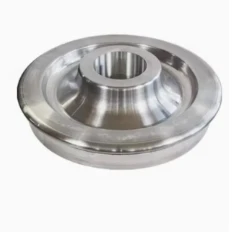
High-Quality Hi Rail Wheels For Sale: Enhance Your Rail Equipment Efficiency
When it comes to reliable rail maintenance and industrial operations, investing in hi rail wheels for sale is crucial.
>
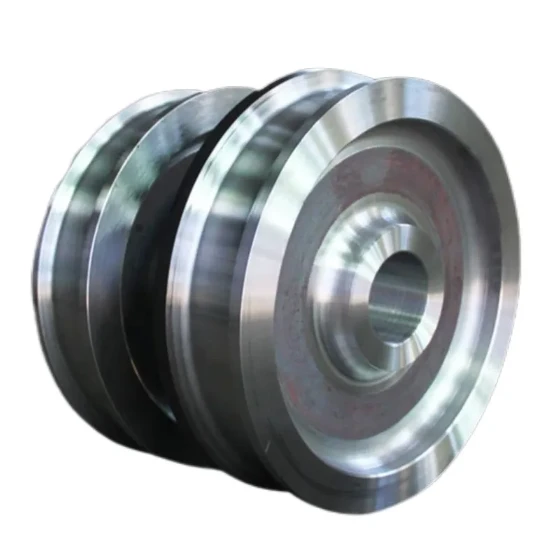
High-Quality Crane Wheels For Sale: Enhance Your Crane Operations
For industries relying on heavy lifting and material handling, investing in high-quality crane wheels for sale is crucial.
>
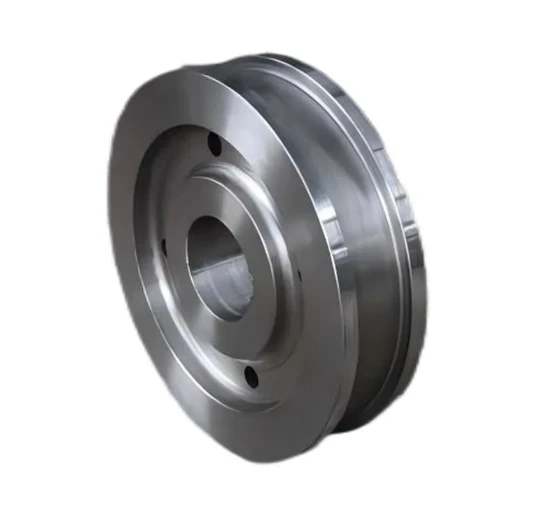
Durable Gantry Crane Wheels For Sale: Maximize Lifting Efficiency
For industries relying on heavy-duty lifting and material handling, selecting the right gantry crane wheels for sale is vital.
>
Reliable Tandem Drive Axles for Heavy-Duty Industrial Vehicles
Tandem Drive Axles: What I’ve Learned After Years in the Industrial Equipment Sector Ha
>
Reliable Semi Trailer Axles for Heavy-Duty Trailers | Expert Insight
Understanding semi trailer axles: The Backbone of Heavy Hauling Having spent more than a deca
>
RC Portal Axles: Industrial Strength and Custom Performance
RC Portal Axles: A Veteran’s Take on Industrial-Grade Performance Having spent over a d
>
Engineered for Excellence
Our forged solutions deliver reliability and performance, powering demanding industries to keep operations running smoothly.

Sign up
for Newsletter
Subscribe to the weekly newsletter for all the latest updates