- Tel: +86 311 82620404
- Cell: 86 -13739710551
- Email: sales@potentia.cn

Overhead Crane Wheels: Key Selection Guide & Industry Trends | Manufacturing Base
What Exactly Are Overhead Crane Wheels — And Why Should You Care?
If you’re navigating the world of heavy industry or warehousing, overhead crane wheels probably aren’t the first topic you chatted about at brunch. But believe me, these humble components quietly keep huge operations running smoothly worldwide. From towering shipyards in Rotterdam to sprawling factories in Asia, overhead crane wheels are literally the wheels that keep industries moving.
Simply put, overhead crane wheels are the round, usually steel or alloy parts that allow massive cranes to glide along overhead rails — lifting and moving heavy loads with surprising precision. They may seem small compared to the cranes themselves, but without reliable wheels, productivity grinds to a halt, safety declines, and costs skyrocket.
Globally, manufacturing and logistics sectors rely on overhead crane wheels to maintain efficiency and safety. According to an ISO report, nearly 70% of material handling cranes in heavy industries utilize specialized wheels engineered to withstand extreme loads and environments. Exploring these wheels reveals not just mechanics but an evolving story of innovation, durability, and global supply chains.
Takeaway: Overhead crane wheels are small parts with big responsibilities — core to global industry health and increasingly tied to advances in engineering and sustainability.
Global Context: Why Cranes and Their Wheels Matter Now More Than Ever
We’re in a time of rampant globalization and rapid infrastructure expansion. The global crane market size was valued at approximately $24 billion in 2023, with overhead cranes accounting for a significant share. Why? Because industries like construction, shipping, and logistics are expanding fast — especially in Asia-Pacific and parts of Europe.
However, challenges arise. Frequent heavy loads, variable weather, and the demand for minimal downtime push overhead crane wheels to their limits. Faulty wheels cause costly delays and hazards. The United Nations Industrial Development Organization (UNIDO) emphasizes that adopting quality material handling components, such as crane wheels, is crucial for sustaining rapid industrial growth while minimizing accidents.
Interestingly, environmental concerns also push the industry towards greener manufacturing and materials that can extend wheel life without increasing maintenance frequency.
Mini Summary: The global boom in infrastructure and industry means overhead crane wheels are under high demand — but that demand also presses for better quality, safety, and sustainability standards.
What Are Overhead Crane Wheels? A Simple Explanation
In its essence, an overhead crane wheel is a crafted component designed to roll along a beam or rail, carrying an overhead crane and everything it lifts. They come in many varieties—steel, polyurethane-coated, or composite materials—each suited for specific weight loads, speeds, and environments.
The role of these wheels extends beyond simple motion. They influence the crane’s stability, noise levels, and vibration resistance. In humanitarian settings — say, rapid debris removal after a natural disaster — reliable overhead cranes equipped with sturdy and durable wheels can mean faster rebuilding and saved lives.
Core types of overhead crane wheels:
- Steel wheels: Traditional, highly durable but can be noisy.
- Polyurethane wheels: Quieter, reduced floor wear but less load capacity.
- Composite wheels: Emerging tech, blending durability and noise reduction.
Quick look: Overhead crane wheels are not just “wheels” — they’re specialized engineering parts that balance strength, wear resistance, and smooth operation to keep heavy loads moving safely.
Core Components and Factors to Consider
1. Durability
The first hurdle is always how long the wheels last under stress. Steel wheels, for example, must be heat-treated and forged to withstand heavy material loads day after day. The complexity is that they must resist cracking, chipping, and deformation. This isn’t something you want to skim on, especially when your crane handles several tons every hour.
2. Load Capacity
Not every wheel is made equal. Wheels come with specific load ratings, which must match or exceed the crane’s maximum working load. In warehouses and manufacturing plants, matching wheel specs to the required capacity isn’t just smart; it’s legally mandated in many regions.
3. Noise and Vibration Control
Any factory or terminal worker will tell you: noise levels matter. Polyurethane wheels have grown popular precisely because they dampen noise and vibrations better than steel, lowering fatigue and improving working conditions.
4. Maintenance and Serviceability
Regular inspection is non-negotiable. Accessible wheel designs that ease bearing checks, lubrication, and replacement save downtime and expense.
5. Environmental Resistance
From extreme cold in Canada’s arctic ports to humid tropical climates in Southeast Asia, wheels often face tough environmental conditions. Corrosion-resistant coatings or materials make a big difference.
Summary takeaway: Durable materials, correct load specs, noise control, and ease of maintenance are fundamental to choosing overhead crane wheels that last and perform.
Real-World Applications: How and Where Overhead Crane Wheels Make a Difference
Think of large shipyards loading enormous cargo containers, steel mills moving molten metals, or recycling plants shifting heavy scrap metal piles. Each relies on overhead cranes fitted with specially designed wheels.
For example, in the German automotive sector, manufacturers opt for polyurethane wheels on facility overhead cranes to reduce noise and protect floor surfaces — essential in precision assembly lines. Meanwhile, in mining operations in Chile, the brutal conditions demand ultra-durable steel wheels to withstand abrasive dust and rough weather.
Humanitarian work also leverages these wheels indirectly. Overhead cranes with tough wheels clear debris rapidly after earthquakes or hurricanes, speeding recovery.
Mini takeaway: Overhead crane wheels adapt to almost every major heavy industry and humanitarian need—showing their versatility and critical role in global operations.
Advantages and Long-Term Value of Choosing Quality Overhead Crane Wheels
- Cost Efficiency: Quality wheels reduce downtime and maintenance costs.
- Operational Safety: Reliable wheels prevent derailments and accidents.
- Sustainability: Longer-lasting wheels reduce waste and material use.
- Worker Well-being: Noise and vibration reduction improves work environment.
- Reliability and Trust: Equipment uptime builds confidence across operations.
There’s also a softer side to this technical story. Workers feel safer and more comfortable, and engineers enjoy specifying equipment that won’t fail unexpectedly. This trust fosters smoother projects and less stressful days — sometimes overlooked but vital aspects of industrial life.
Future Trends & Innovations on the Horizon
Smart factory concepts now integrate sensors inside overhead crane wheels to monitor temperature, wear, or misalignment in real-time. This digital transformation allows predictive maintenance, reducing unplanned breakdowns.
Material science is advancing too, with research into sustainable composites and self-lubricating bearing materials. Some manufacturers explore green production processes to cut carbon footprints.
Automation is another driver; as more cranes operate remotely or autonomously, the wheels’ precision and feedback systems become crucial to robotic control.
Common Challenges and How Experts Solve Them
Wear and tear, unexpected loading conditions, and environmental damage top the list of problems. But many companies now apply advanced heat treatments, better coatings, and sensor technology to extend wheel life.
For example, specialists recommend scheduled ultrasonic testing to spot hidden cracks before failure occurs. Plus, modular wheel systems facilitate quick swaps without removing the entire crane.
FAQs About Overhead Crane Wheels
- What is the typical lifespan of overhead crane wheels?
- A well-maintained steel wheel can last 5–10 years under normal conditions, but this depends on load cycles and environment. Regular inspections help maximize lifespan.
- Are polyurethane wheels suitable for heavy industrial use?
- Polyurethane wheels excel in noise and floor protection but usually have lower load capacities compared to steel wheels, so they’re best for medium loads.
- How often should overhead crane wheels be inspected?
- Industry best practice is monthly visual inspections and annual detailed checks including bearing condition and wheel tread integrity.
- Can overhead crane wheels be customized for special applications?
- Yes, manufacturers commonly offer custom diameters, tread profiles, and materials tailored to specific industrial challenges.
- What certifications should overhead crane wheels have?
- Look for compliance with ISO 4301-1 and relevant regional safety standards to ensure quality and legal adherence.
Product Specification Table
| Specification | Steel Wheel | Polyurethane Wheel |
|---|---|---|
| Load Capacity | Up to 50 tons | Up to 20 tons |
| Material | Forged Heat-treated Steel | Polyurethane with Steel Core |
| Noise Level | Loud | Low |
| Maintenance | Periodic lubrication | Low (self-lubricating options available) |
| Environment Suitability | Harsh, outdoor, dusty | Indoor, smooth floors |
Vendor Comparison Table
| Vendor | Wheel Types Offered | Customization | Warranty | Pricing |
|---|---|---|---|---|
| SteelGear Inc. | Steel, Composite | Full Custom | 5 years | Mid-Range |
| PolyCo Wheels | Polyurethane | Limited | 3 years | Budget-Friendly |
| CraneWheel Solutions | Steel, Polyurethane, Composite | Full Custom + Sensors | 7 years | Premium |
Wrapping It Up — Why Overhead Crane Wheels Well Chosen Matter
So, the next time you see an expansive warehouse or steel foundry, spare a moment to think about the overhead crane wheels silently at work. These components, often overlooked, ensure safety, efficiency, and longevity of crane systems worldwide. Advances in material science, environmental sensing, and manufacturing promise even better performance ahead.
For engineers and plant managers looking to upgrade or replace overhead crane wheels, quality, durability, and proper specification cannot be overstated. A wise choice here unlocks long-term operational peace of mind and cost savings.
To delve deeper into selecting the right overhead crane wheels for your needs, check out our extensive resources and trusted suppliers online.
Let’s keep the wheels turning, literally.
References
-
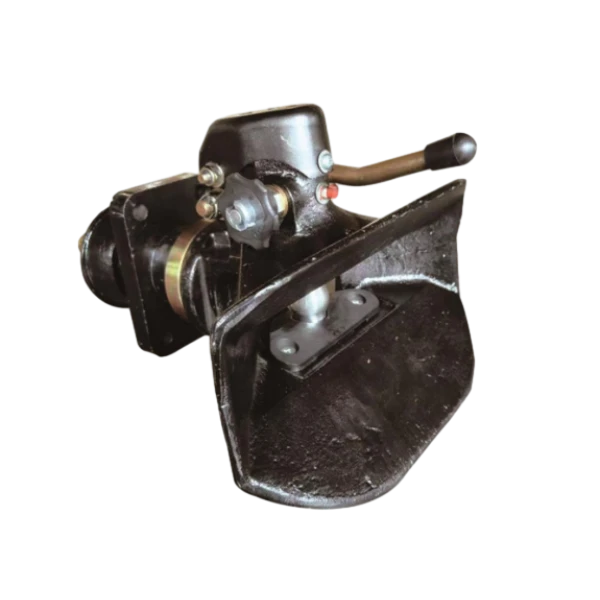 Trailer Coupling
The trailer coupling is a critical component in vehicle towing systems, designed to ensure a secure and efficient connection between a towing vehicle and a trailer. These couplings are manufactured using high-strength carbon steel, alloy steel, or stainless steel, ensuring durability and resistance to heavy loads and harsh environments.
-
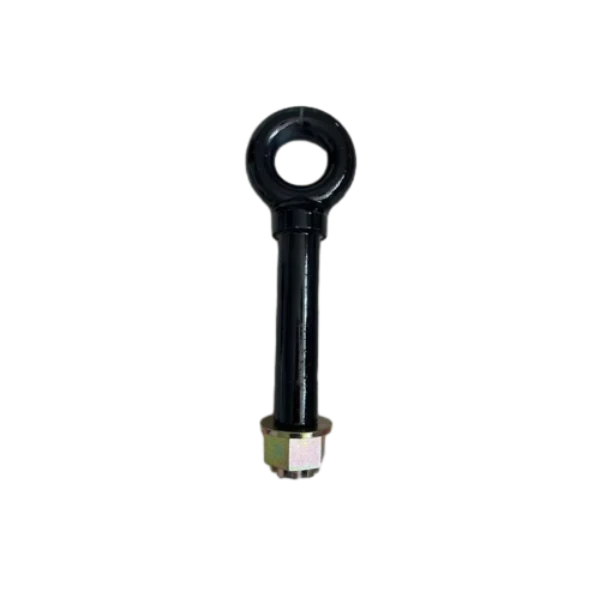
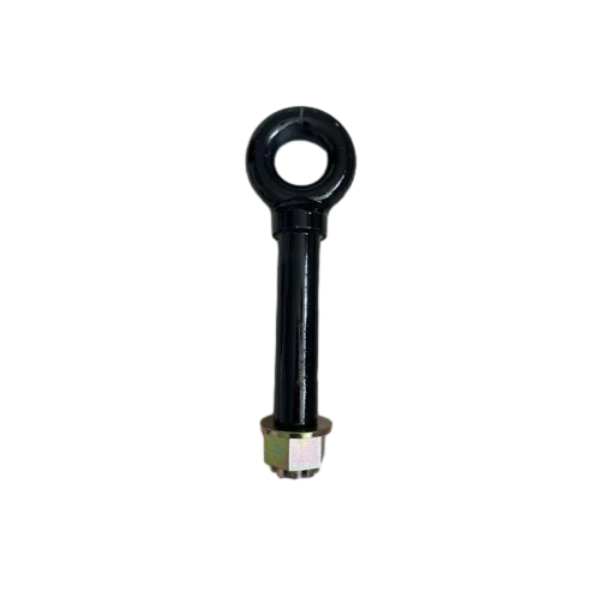 Drawbar Eyes
Drawbar eyes are essential components in towing and hauling applications, providing a strong and secure attachment point between the trailer and the towing vehicle. They are designed to endure extreme pulling forces, making them suitable for heavy-duty applications.
-
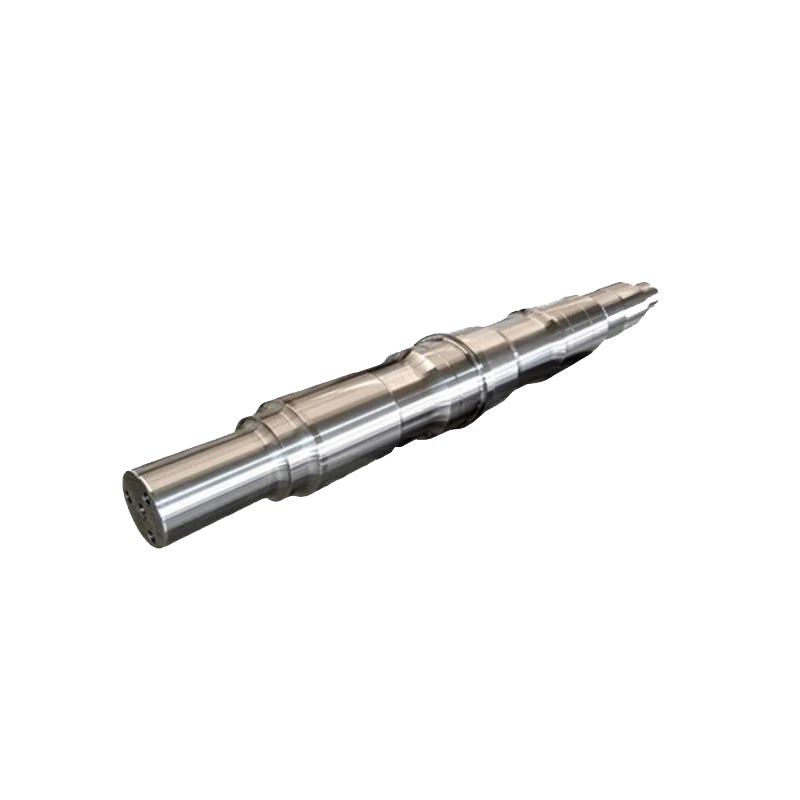
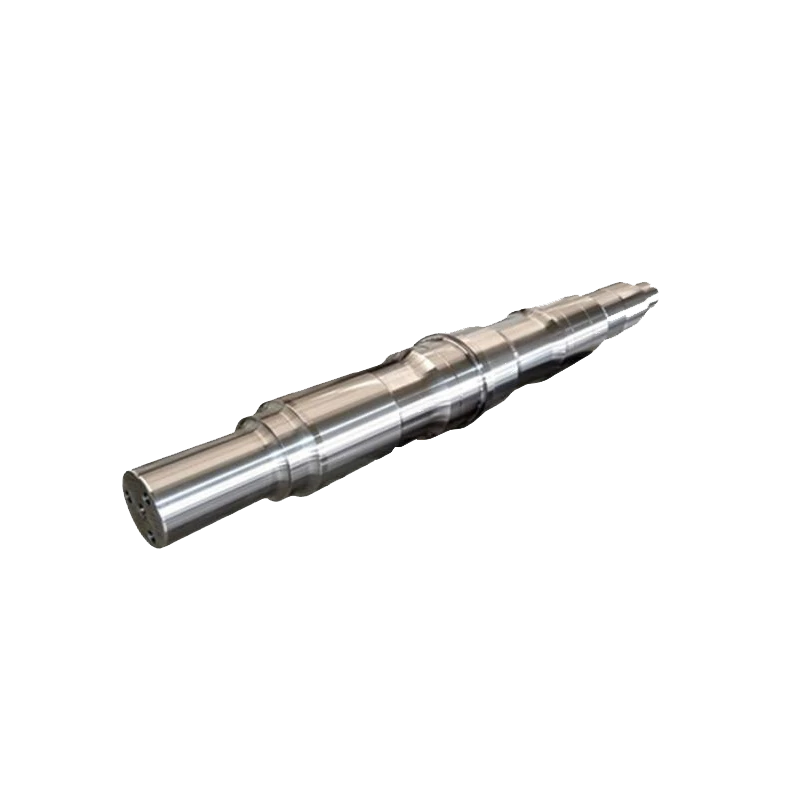 Axles
AxlesAxles are essential for vehicle load-bearing and power transmission, ensuring smooth movement and weight distribution. They must withstand high stress, torque, and impact, making material selection and precise manufacturing crucial.
-
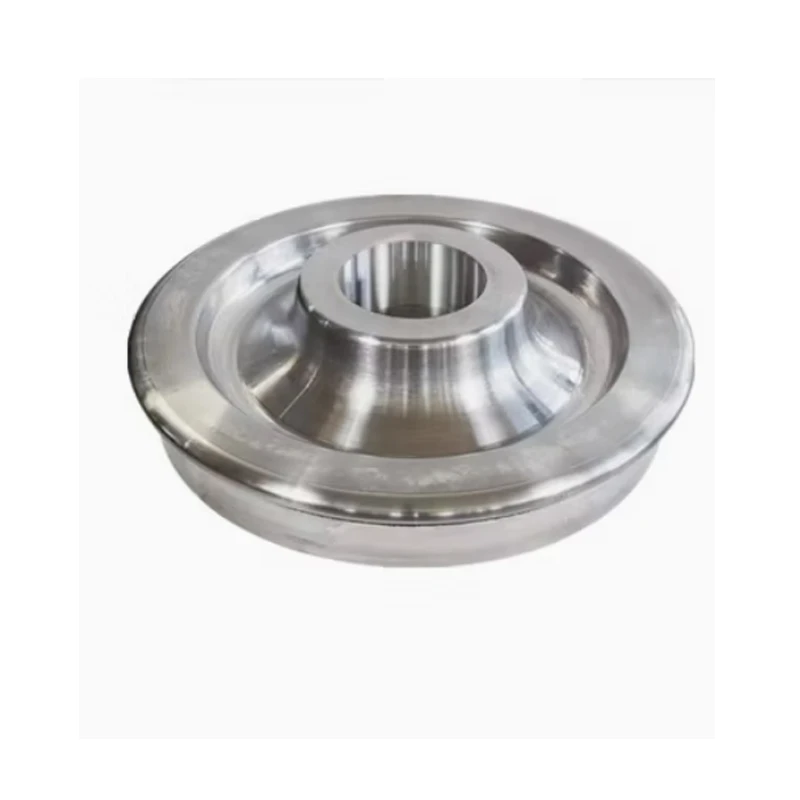 Profile S1002 Series Rail Wheels
The S1002 series rail wheels are designed for Rail-Road Vehicles (RRVs) that require seamless operation on both roads and railway tracks. Engineered with high precision and durability, these wheels conform to S1002 tread profiles, ensuring compatibility with standard railway systems.
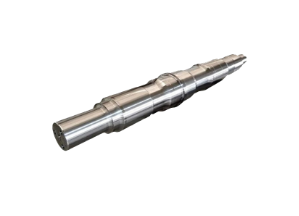
A Comprehensive Guide to Axles Types for Industry Decision Makers | Manufacturing Base
Axles Types is a key solution in the industry, specifically within heavy machinery and transportation sectors. This article explores how https://www.manufacturing-base.com supports professionals with durable, high-performance products
>
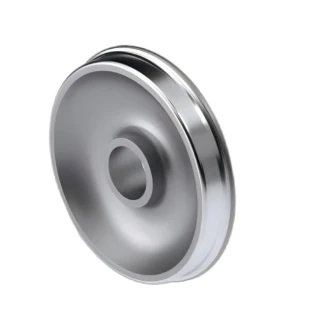
Reliable Rail Wheels: Optimize Your Rail Transport Solutions
For industries that rely on rail-based vehicles, choosing the right rail wheels is essential for smooth operations and safety.
>
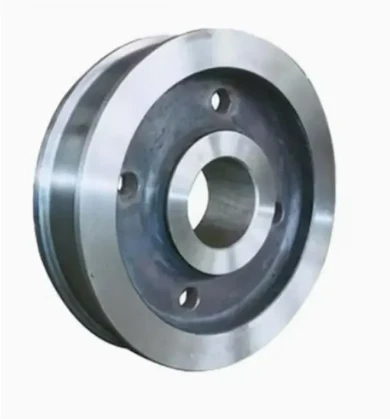
Premium Overhead Crane Wheels For Sale: Enhance Industrial Lifting Efficiency
In modern industrial operations, high-quality overhead crane wheels for sale are essential for safe, reliable, and efficient lifting.
>
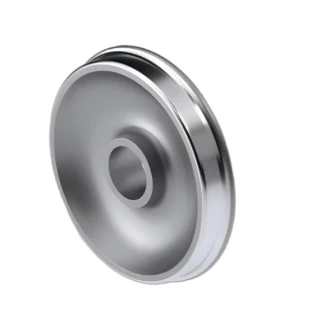
Premium Hi Rail Wheels For Sale: Boost Rail Vehicle Performance
In the modern industrial and railway sectors, having reliable hi rail wheels for sale is essential for operational efficiency and safety.
>
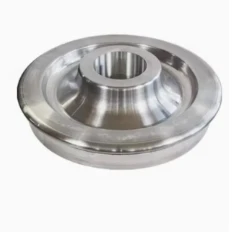
High-Quality Hi Rail Wheels For Sale: Enhance Your Rail Equipment Efficiency
When it comes to reliable rail maintenance and industrial operations, investing in hi rail wheels for sale is crucial.
>
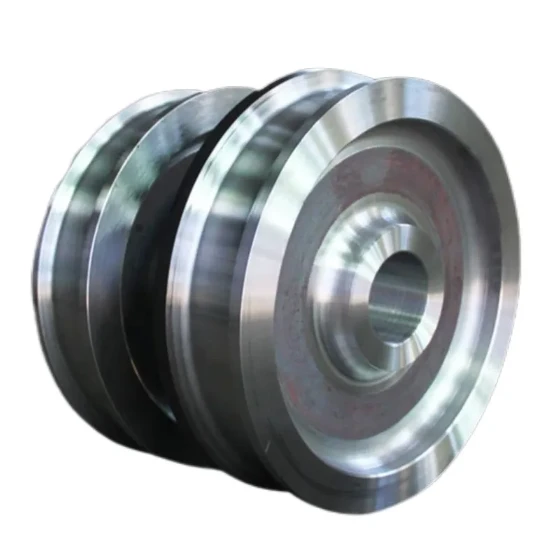
High-Quality Crane Wheels For Sale: Enhance Your Crane Operations
For industries relying on heavy lifting and material handling, investing in high-quality crane wheels for sale is crucial.
>
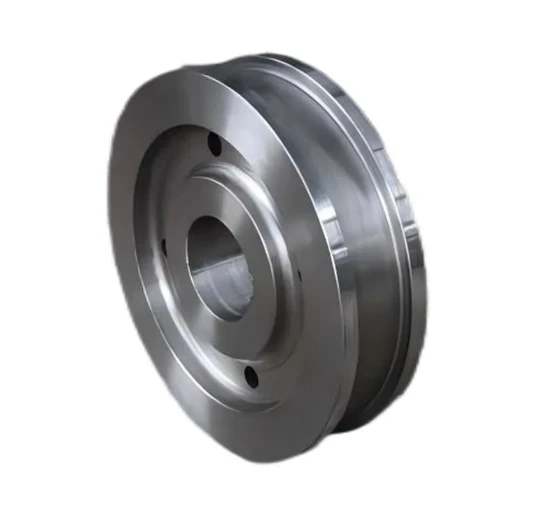
Durable Gantry Crane Wheels For Sale: Maximize Lifting Efficiency
For industries relying on heavy-duty lifting and material handling, selecting the right gantry crane wheels for sale is vital.
>
Reliable Tandem Drive Axles for Heavy-Duty Industrial Vehicles
Tandem Drive Axles: What I’ve Learned After Years in the Industrial Equipment Sector Ha
>
Reliable Semi Trailer Axles for Heavy-Duty Trailers | Expert Insight
Understanding semi trailer axles: The Backbone of Heavy Hauling Having spent more than a deca
>
RC Portal Axles: Industrial Strength and Custom Performance
RC Portal Axles: A Veteran’s Take on Industrial-Grade Performance Having spent over a d
>
Engineered for Excellence
Our forged solutions deliver reliability and performance, powering demanding industries to keep operations running smoothly.

Sign up
for Newsletter
Subscribe to the weekly newsletter for all the latest updates