- Tel: +86 311 82620404
- Cell: 86 -13739710551
- Email: sales@potentia.cn

Durable Mine Cart Wheels: Heavy-Duty & High-Performance
The Pivotal Role of Mine Cart Wheels in Industrial Operations
In the demanding landscapes of mining, quarrying, and heavy industrial material handling, the efficiency and safety of operations hinge significantly on robust and reliable equipment. Central to these systems are high-performance mine cart wheels, engineered to withstand extreme loads, abrasive environments, and continuous duty cycles. These specialized components are not mere accessories but critical elements dictating the longevity, operational cost, and safety standards of entire conveyance systems. Understanding their design, manufacturing, and application is paramount for B2B decision-makers and engineering professionals seeking optimal performance and minimized downtime. This comprehensive guide delves into the intricate world of these essential industrial components, from their core technical specifications to their strategic role in various sectors.
Evolving Industry Trends in Material Handling Conveyance
The industrial material handling sector, particularly in mining and heavy manufacturing, is undergoing significant transformations driven by a push for automation, enhanced safety protocols, and sustainable practices. Modern trends necessitate components that offer not only superior durability but also contribute to energy efficiency and reduced maintenance. The demand for mine cart wheels for sale reflects these trends, with a focus on advanced materials, precision engineering, and integrated sensor technologies for predictive maintenance. Globally, there's a shift towards lighter yet stronger alloys, composite materials, and designs that minimize rolling resistance, thereby reducing energy consumption. Furthermore, the integration of condition monitoring systems directly into wheel assemblies is becoming more common, providing real-time data on temperature, vibration, and wear to prevent catastrophic failures and optimize service intervals.
Another critical trend is the customization of wheel designs to meet specific operational demands. Standardized solutions are increasingly giving way to bespoke designs that account for unique track geometries, load distributions, and environmental factors, such as extreme temperatures or highly corrosive atmospheres. This adaptability ensures that each mine cart wheel functions optimally within its intended application, maximizing efficiency and minimizing the total cost of ownership.
Technical Specifications and Engineering Excellence
The design and manufacturing of a high-quality mine cart wheel are governed by stringent technical parameters and engineering principles. Key specifications include material composition, heat treatment, load capacity, flange type, tread profile, and bore/axle dimensions. These elements are meticulously chosen to deliver exceptional performance under relentless stress.
Core Parameters for Mine Cart Wheels:
| Parameter | Typical Range/Specification | Significance |
|---|---|---|
| Material | Forged Steel (e.g., 42CrMo, ASTM A504 Class C), Ductile Iron (e.g., QT500-7) | Determines strength, hardness, wear resistance, and impact tolerance. Forged steel offers superior structural integrity. |
| Hardness (Tread) | HB 280-350 (Forged Steel), HB 200-260 (Ductile Iron) | Critical for resisting abrasive wear and prolonging service life, especially in high-load applications. |
| Diameter Range | 200mm to 1000mm+ | Influences load distribution, rolling resistance, and compatibility with various cart designs and track gauges. |
| Load Capacity per Wheel | Up to 50 tons (dependent on material, design, and diameter) | The maximum weight a single wheel can safely bear, crucial for system design and safety. |
| Bearing Type | Tapered Roller Bearings, Spherical Roller Bearings, Sleeve Bearings | Affects rotational efficiency, load distribution, and maintenance requirements. Sealed bearings are preferred for dusty environments. |
| Flange Type | Single Flange, Double Flange, Flangeless (for specific applications) | Ensures proper guidance on rails and prevents derailing. Double flange provides superior guidance. |
| Axle Hole Diameter | Customizable, typically from 50mm to 200mm | Ensures compatibility with the cart's axle assembly and bearing housing. |
The selection of the appropriate material, such as high-grade forged steel (e.g., 42CrMo for heavy-duty applications, known for its excellent strength and toughness) or durable ductile iron (e.g., QT500-7 for general industrial use, offering good wear resistance and machinability), is critical. These materials undergo specific heat treatments, including quenching and tempering, to achieve the desired hardness and mechanical properties, ensuring optimal resistance to wear, impact, and fatigue.
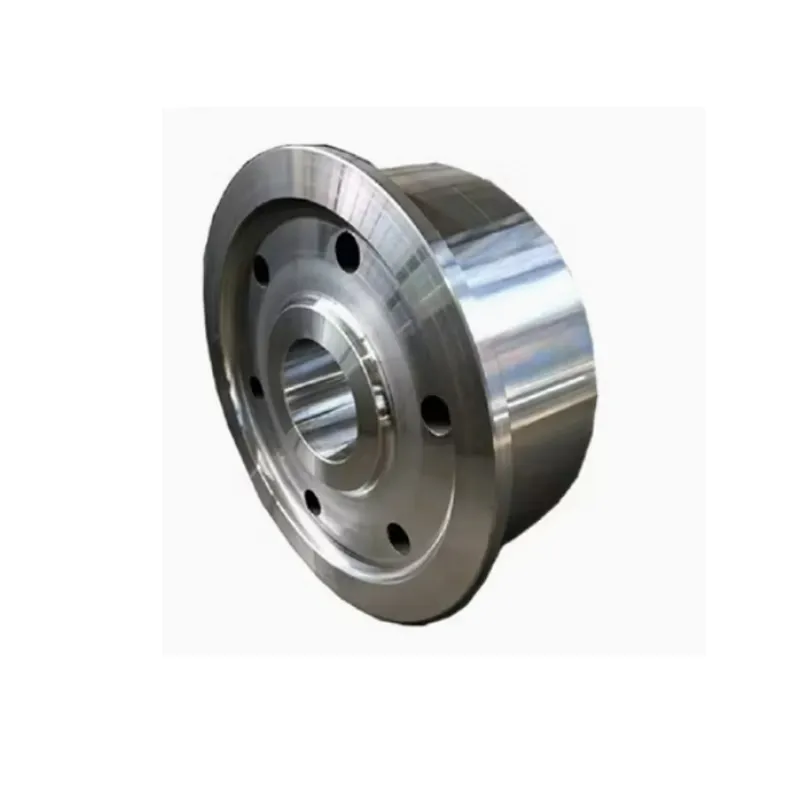
Detailed Manufacturing Process Flow of Mine Cart Wheels
The production of high-performance mine cart wheels is a sophisticated multi-stage process, demanding precision and adherence to strict quality control standards. Each step is vital in ensuring the final product meets the rigorous demands of industrial use.
Manufacturing Process Schematic:
-
Material Selection & Preparation:
High-grade alloy steels (e.g., 42CrMo, 50Mn) or ductile iron (e.g., QT500-7, QT600-3) are selected based on the required load capacity, wear resistance, and environmental conditions. Raw materials undergo stringent quality checks for chemical composition and structural integrity before processing.
-
Forging or Casting:
- Forging (for superior strength): Steel billets are heated to forging temperature (typically 1100-1250°C) and then shaped into a wheel blank using powerful hydraulic presses. This process refines the grain structure, eliminating porosity and improving mechanical properties, leading to higher strength and fatigue resistance.
- Casting (for complex shapes/cost-effectiveness): Molten ductile iron or steel is poured into molds to form the wheel blank. After cooling, the castings undergo fettling (removing excess material) and initial cleaning. While less dense than forged parts, modern casting techniques achieve excellent metallurgical integrity.
-
Heat Treatment:
This crucial step involves quenching and tempering. Wheels are heated to specific temperatures (austenitizing), rapidly cooled (quenched) in oil or water to achieve high hardness, and then reheated to a lower temperature (tempered) to reduce brittleness and improve toughness. This precise control over microstructure optimizes hardness (e.g., HB 280-350 for tread) and internal stresses, ensuring a long service life and resistance to fatigue and impact.
-
CNC Machining:
After heat treatment, the wheel blanks undergo precision machining on CNC (Computer Numerical Control) lathes and milling machines. This process shapes the wheel to exact dimensions, including the tread profile, flange, hub bore, and bearing seats. Tight tolerances (e.g., ISO IT6-IT7 for critical dimensions) are maintained to ensure smooth operation, minimal vibration, and proper fitment with axles and bearings.
-
Surface Treatment & Finishing:
Depending on the application, wheels may receive surface treatments such as shot blasting for improved fatigue resistance, phosphating for corrosion protection, or specialized coatings for specific environmental challenges (e.g., marine or chemical resistance). All surfaces are deburred and cleaned thoroughly.
-
Quality Control & Testing:
Every mine cart wheel undergoes rigorous testing to meet industry standards like ISO 9001, ANSI, and often specific client specifications. This includes:
- Non-Destructive Testing (NDT): Ultrasonic testing (UT) for internal defects, Magnetic Particle Inspection (MPI) for surface cracks.
- Dimensional Inspection: Using CMMs (Coordinate Measuring Machines) to verify all critical dimensions.
- Hardness Testing: Rockwell or Brinell tests on the tread and flange surfaces.
- Mechanical Properties Testing: Tensile strength, yield strength, impact toughness (Charpy V-notch) are verified on test samples from the same batch.
- Dynamic Balancing: For high-speed applications, wheels are balanced to minimize vibration.
-
Assembly (if applicable) & Packaging:
If complete wheel assemblies (with bearings, axles, and housings) are ordered, they are precisely assembled. Finished wheels are then treated with rust preventative and carefully packaged to prevent damage during transit, ensuring they arrive in pristine condition.
This meticulous process ensures that each mine cart wheel delivers an extended service life, typically ranging from 3 to 10 years or more depending on operating conditions and maintenance, significantly outperforming generic alternatives. This commitment to quality translates directly into energy saving through reduced friction and enhanced corrosion resistance due to superior material and treatment choices, providing tangible benefits in target industries such as petrochemical, metallurgy, and water supply & drainage.
Application Scenarios and Target Industries
The robust nature of mine cart wheels makes them indispensable across a spectrum of heavy industrial applications where reliable, continuous material transport is critical. Their design versatility allows for deployment in various challenging environments.
Typical Application Scenarios:
- Mining and Quarrying: Hauling ore, coal, aggregates, and overburden in underground and open-pit mines. The wheels must endure heavy loads, abrasive dust, and potential impacts.
- Metallurgical Plants: Transporting hot metal ladles, slag pots, and raw materials (coke, iron ore, fluxes) within steel mills, foundries, and smelters. Resistance to high temperatures and heavy, often uneven, loads is crucial.
- Port and Rail Yards: Movement of heavy gantry cranes, rail transfer carts, and specialized container111 handling equipment. Precision and high load-bearing capacity are paramount.
- Manufacturing and Assembly Lines: Heavy-duty transfer carts for large machinery components, automotive chassis, or aerospace structures in production facilities.
- Power Plants: Coal handling systems, ash removal carts, and maintenance trolleys.
- Water Supply & Drainage Infrastructure: Specialized maintenance vehicles and gate handling mechanisms where robust movement is required.
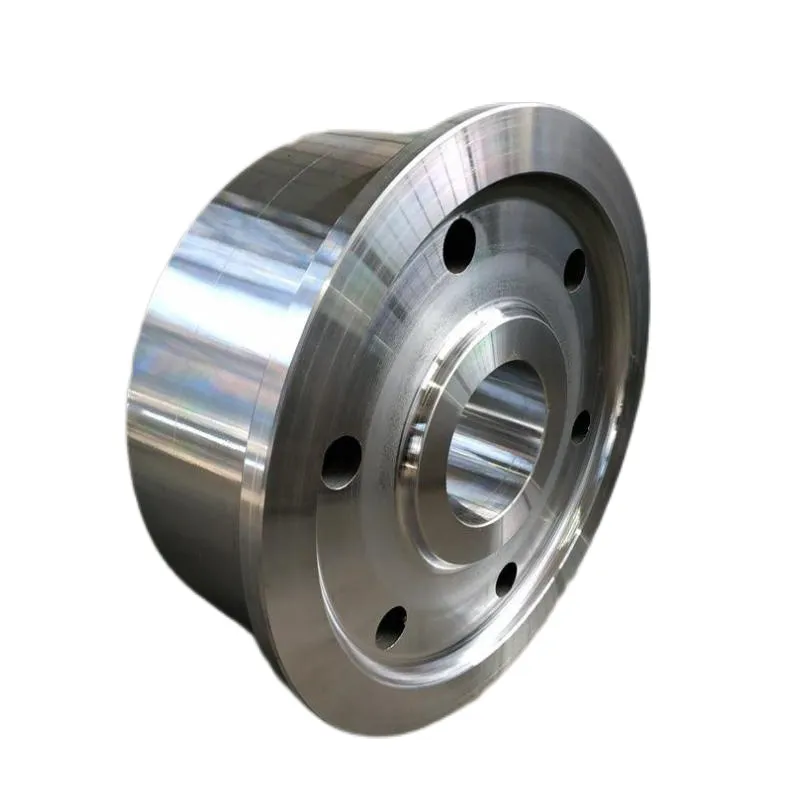
In these scenarios, the advantages of well-engineered mine cart wheels are evident:
- Energy Saving: Precisely machined and balanced wheels with high-quality bearings reduce rolling resistance, leading to lower power consumption for propulsion. For a typical mining operation, this can translate to a 5-10% reduction in energy costs for conveyance systems.
- Corrosion Resistance: For operations in humid, acidic, or saline environments (e.g., coastal mines, chemical processing), wheels treated with specialized coatings or made from corrosion-resistant alloys significantly extend operational life and reduce replacement frequency.
- Enhanced Safety: Superior material strength, proper heat treatment, and stringent quality control minimize the risk of wheel failure, preventing costly and dangerous derailments.
- Reduced Maintenance: Long-life bearings, wear-resistant treads, and robust construction lead to longer intervals between maintenance, lowering labor and material costs.
Technical Advantages and Performance Differentiation
The competitive edge of leading mine cart wheel manufacturers lies in their ability to deliver superior technical advantages that directly impact operational efficiency and cost-effectiveness.
Key Differentiators:
- Optimized Tread Profiles: Advanced tread designs, including conical or cylindrical profiles, are engineered to minimize wear on both the wheel and the rail, reduce friction, and improve tracking stability, especially on curves. This extends the service life of both components.
- Precision Bearing Housing: The integration of high-precision, sealed bearings (e.g., deep groove ball bearings, spherical roller bearings) within meticulously machined housings ensures minimal rotational friction, exceptional load distribution, and protection against contaminants, leading to longer bearing life and reduced energy consumption.
- Superior Hardness and Depth of Hardening: Through advanced induction hardening techniques, the tread surface can achieve high hardness (e.g., HRC 45-55) to a significant depth, providing excellent wear resistance while maintaining a tough, ductile core to resist impact and fatigue.
- Dynamic Balancing: For wheels operating at higher speeds or in critical applications, dynamic balancing reduces vibrations, minimizing stress on the cart structure, increasing bearing life, and providing a smoother, quieter operation.
Vendor Comparison and Selection Criteria
When sourcing mine cart wheels, selecting the right vendor is as critical as the product itself. A comprehensive evaluation should go beyond mere price comparison.
Key Criteria for Vendor Assessment:
- Manufacturing Capabilities: Assess the vendor's ability to perform forging, casting, heat treatment, and precision CNC machining in-house. This indicates better quality control and customization potential.
- Quality Certifications: Look for ISO 9001, CE, TUV, or equivalent certifications demonstrating adherence to international quality management systems and product safety standards.
- Engineering Expertise: A vendor with a strong engineering team can offer design consultation, analyze application requirements, and provide tailored solutions.
- Track Record & References: Review case studies, customer testimonials, and client lists from similar industries. Longevity in the market (e.g., 20+ years of service) often indicates reliability.
- After-Sales Support: Availability of spare parts, technical assistance, and warranty commitments are crucial for long-term operational peace of mind.
- Customization Options: The ability to produce bespoke wheels for unique track gauges, load requirements, or environmental challenges is a significant advantage.
A thorough vendor comparison ensures not only competitive pricing but also a reliable partnership that guarantees product quality, timely delivery, and responsive support throughout the product lifecycle.
Customized Solutions for Unique Operational Demands
While standard mine cart wheels cater to many applications, unique operational environments often necessitate customized solutions. Leading manufacturers offer extensive customization capabilities to precisely match client-specific requirements.
Areas of Customization:
- Material Specification: Tailoring alloy compositions (e.g., addition of nickel for enhanced corrosion resistance, or specific chromium content for abrasion resistance) for extreme temperatures, highly corrosive atmospheres, or explosive environments.
- Design Modifications: Custom diameters, tread profiles (flat, conical, cylindrical, double-flange), flange heights, and bore sizes to fit existing cart designs or unique track geometries.
- Load and Speed Requirements: Engineering wheels to handle exceptionally high static or dynamic loads, or to perform optimally at specific operational speeds, sometimes requiring specialized bearing arrangements or internal reinforcements.
- Integrated Components: Providing complete wheel assemblies including axles, bearings (e.g., sealed self-aligning roller bearings for misaligned tracks), bearing housings, and mounting brackets, all pre-assembled and ready for installation.
- Surface Coatings: Applying specialized coatings (e.g., ceramic, polymer, or hard chrome plating) to enhance specific properties such as chemical resistance, very high wear resistance, or non-stick properties.
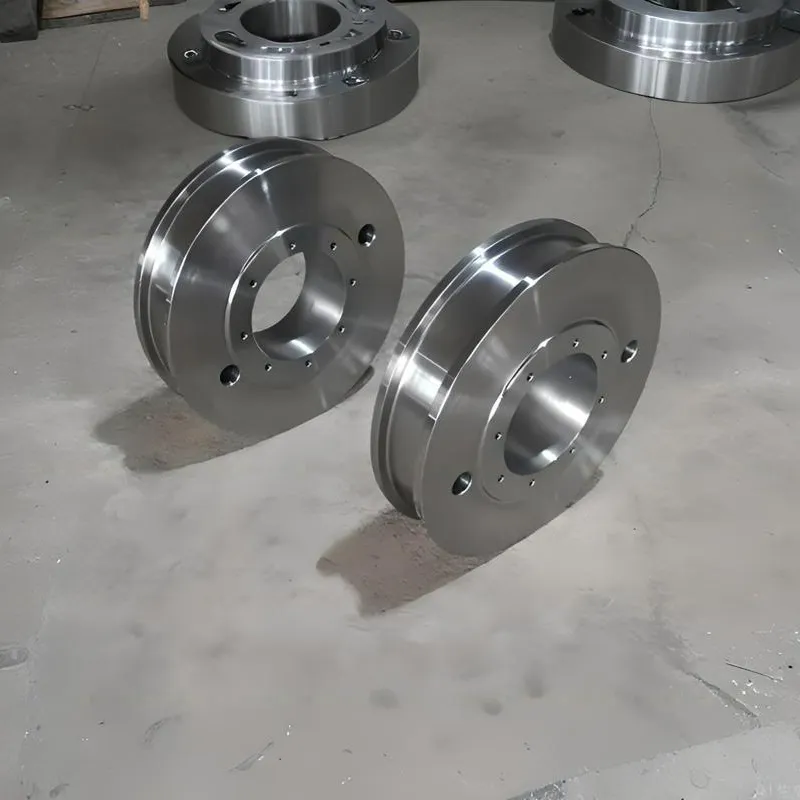
This bespoke approach ensures that clients receive a solution perfectly aligned with their operational parameters, minimizing integration issues and maximizing performance from the outset.
Real-World Application Case Studies
Case Study 1: Enhanced Durability in an Underground Coal Mine
A major coal mining operation in West Virginia faced persistent issues with premature wear and failure of their standard mine car wheels, leading to frequent replacements and significant downtime. The abrasive environment and heavy, continuous loads shortened the typical wheel life to less than 18 months. A custom solution was engineered, utilizing forged 42CrMo steel wheels with a deep induction-hardened tread (to HRC 50, 10mm depth) and sealed tapered roller bearings. After implementation, the average service life of the new mine cart wheels extended to over 4 years. This resulted in a 60% reduction in wheel replacement costs and an estimated 30% increase in operational uptime over a 5-year period.
Case Study 2: High-Temperature Resistance in a Steel Mill
A large integrated steel mill in Pennsylvania required new wheels for their ladle transfer cars, which transport molten metal at temperatures exceeding 1000°C. Standard ductile iron wheels suffered from heat-induced deformation and rapid bearing degradation. The solution involved custom-designed cast steel wheels (ASTM A148 Gr. 105-85) with a specialized high-temperature bearing system and a unique hub design for enhanced heat dissipation. The wheels were fitted with high-temperature graphite-impregnated bronze bushings instead of conventional roller bearings, capable of continuous operation up to 400°C without external lubrication. This enabled reliable operation in extreme heat zones, drastically reducing transfer system failures and increasing the safety factor for personnel. The previous wheel lifespan of 6 months was extended to over 2 years, improving efficiency and reducing maintenance needs for this critical process.
Frequently Asked Questions (FAQ) about Mine Cart Wheels
Q1: What materials are typically used for mine cart wheels?
A1: High-grade forged steel (e.g., 42CrMo, 50Mn, or customized alloys) and ductile iron (e.g., QT500-7, QT600-3) are commonly used. Forged steel offers superior strength and impact resistance, while ductile iron is chosen for its good wear resistance and machinability.
Q2: How does heat treatment enhance the performance of a mine cart wheel?
A2: Heat treatment, particularly quenching and tempering, refines the internal grain structure and increases the hardness of the wheel's tread and flange, typically to HB 280-350. This significantly improves wear resistance, extends service life, and enhances overall mechanical properties, making the wheel more resilient to heavy loads and harsh operating conditions.
Q3: Can mine cart wheels be customized for specific track gauges or load capacities?
A3: Absolutely. Customization is a key aspect of advanced manufacturing. Wheels can be engineered with specific diameters, tread profiles, flange types, bore sizes, and material compositions to precisely match unique track gauges, demanding load capacities, and environmental factors like extreme temperatures or corrosive atmospheres.
Q4: What testing standards ensure the quality of these wheels?
A4: Reputable manufacturers adhere to international standards such as ISO 9001 for quality management, and product-specific standards like ANSI, ASTM, and DIN. Rigorous testing includes Ultrasonic Testing (UT), Magnetic Particle Inspection (MPI), dimensional checks, hardness tests, and mechanical property evaluations.
Q5: What is the typical lead time for custom mine cart wheels?
A5: Lead times for custom solutions typically range from 4 to 12 weeks, depending on the complexity of the design, material availability, and production queue. Standard sizes for `mine cart wheels for sale` might have shorter lead times of 2-4 weeks. Expedited options may be available upon request and project review.
Lead Time, Warranty, and Customer Support
Lead Time and Fulfillment:
Understanding the lead time is crucial for project planning. For standard mine cart wheels, manufacturing and delivery typically range from 2 to 4 weeks. Custom-engineered solutions or large-volume orders, requiring specialized tooling or materials, may have lead times between 6 to 12 weeks. We work closely with clients to establish realistic timelines and offer expedited production options where project schedules demand it. Our robust supply chain and optimized production planning aim to ensure on-time delivery without compromising quality.
Warranty Commitments:
We stand behind the quality and durability of our mine cart wheels with comprehensive warranty coverage. Typically, a standard warranty of 12 to 24 months from the date of installation or 18 to 30 months from the date of shipment (whichever comes first) is provided, covering defects in material and workmanship under normal operating conditions. Extended warranty options are available for specific long-term project requirements or demanding applications, demonstrating our confidence in product longevity.
Dedicated Customer Support:
Our commitment extends beyond delivery. We offer dedicated after-sales support, including technical assistance for installation, operation, and troubleshooting. Our engineering team is available for consultation to address any performance queries or to assist with maintenance planning. Spare parts are readily available, ensuring minimal downtime. We believe that robust support is integral to building long-term partnerships and ensuring the optimal performance of our products throughout their operational life.
Conclusion
The performance of industrial material handling systems, particularly in arduous environments, is intrinsically linked to the quality of their foundational components. High-quality mine cart wheels are not just parts; they are strategic assets that drive efficiency, enhance safety, and reduce operational costs. By prioritizing advanced materials, precision manufacturing, rigorous testing, and tailored solutions, industries can ensure their conveyance systems operate at peak performance, yielding substantial returns on investment.
References
- ASTM International. (n.d.). _ASTM A504/A504M - 15 Standard Specification for Wrought Carbon Steel Wheels for Electric Railway Service_. Retrieved from ASTM Standards.
- ISO (International Organization for Standardization). (n.d.). _ISO 9001 Quality Management Systems_. Retrieved from ISO.org.
- ASM International. (n.d.). _Heat Treating of Steel_. Retrieved from ASM International.
- National Institute for Occupational Safety and Health (NIOSH). (n.d.). _Mining Safety and Health Research_. Retrieved from CDC.gov/niosh/mining.
- SAE International. (n.d.). _SAE J434: Automotive Ductile Iron Castings_. Retrieved from SAE.org.
-
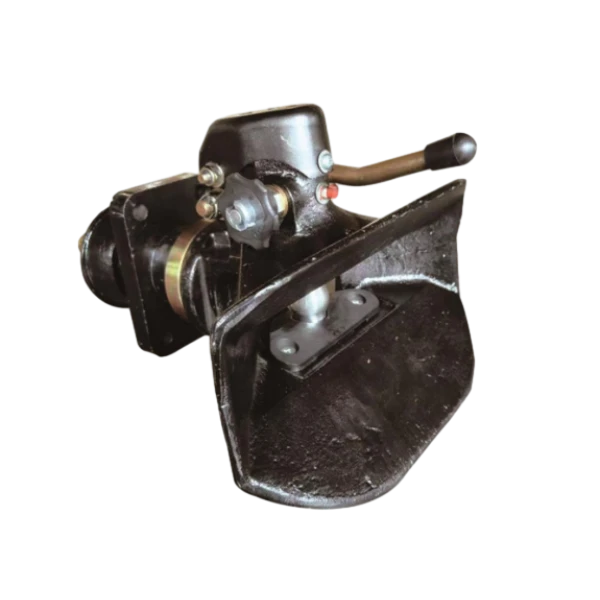 Trailer Coupling
The trailer coupling is a critical component in vehicle towing systems, designed to ensure a secure and efficient connection between a towing vehicle and a trailer. These couplings are manufactured using high-strength carbon steel, alloy steel, or stainless steel, ensuring durability and resistance to heavy loads and harsh environments.
-
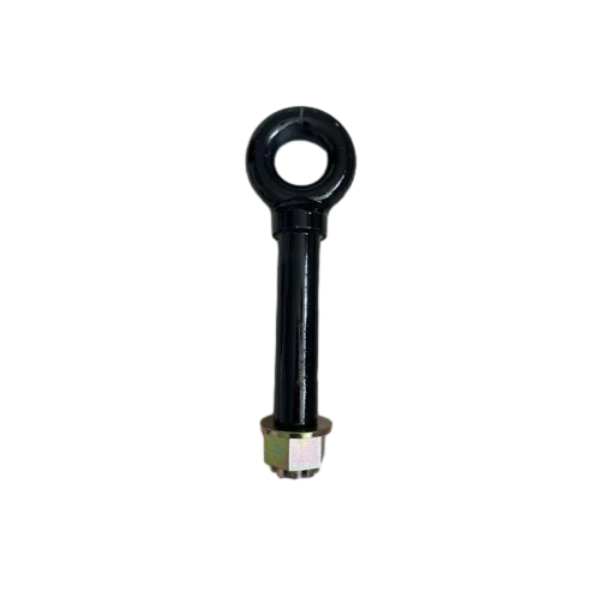 Drawbar Eyes
Drawbar eyes are essential components in towing and hauling applications, providing a strong and secure attachment point between the trailer and the towing vehicle. They are designed to endure extreme pulling forces, making them suitable for heavy-duty applications.
-
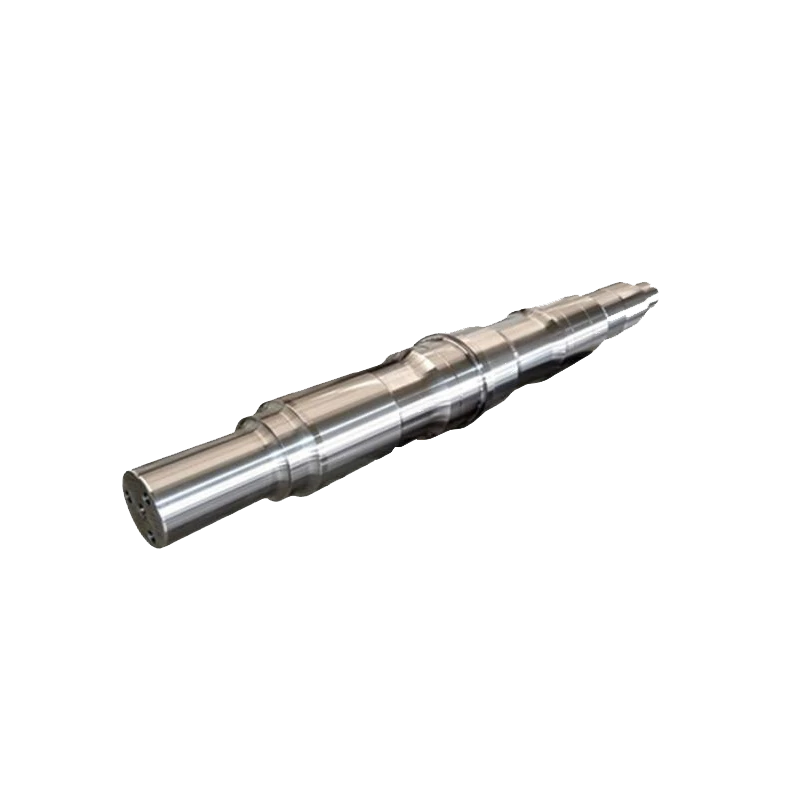 Axles
AxlesAxles are essential for vehicle load-bearing and power transmission, ensuring smooth movement and weight distribution. They must withstand high stress, torque, and impact, making material selection and precise manufacturing crucial.
-
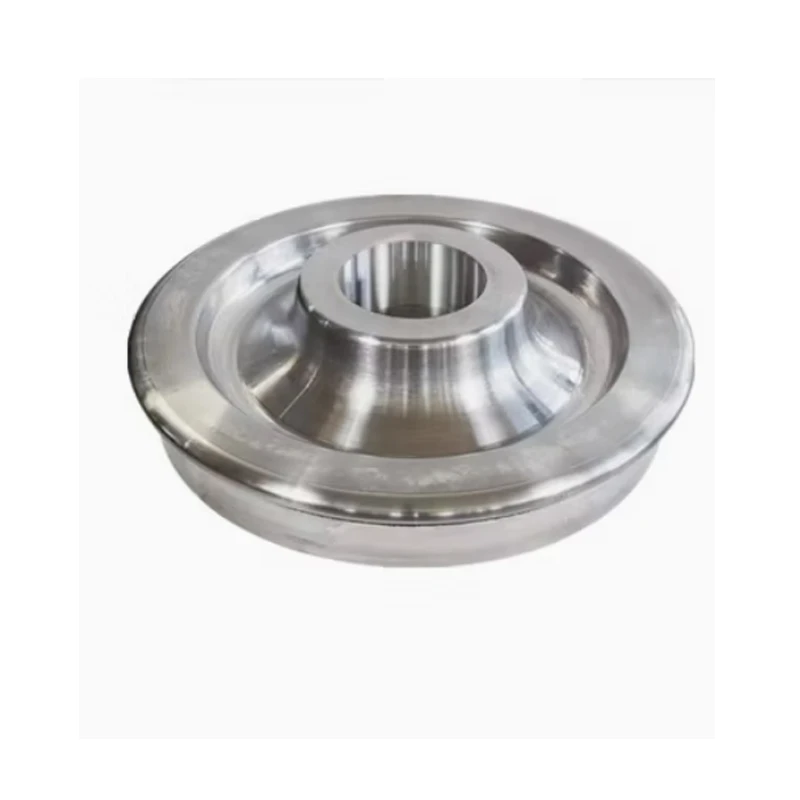 Profile S1002 Series Rail Wheels
The S1002 series rail wheels are designed for Rail-Road Vehicles (RRVs) that require seamless operation on both roads and railway tracks. Engineered with high precision and durability, these wheels conform to S1002 tread profiles, ensuring compatibility with standard railway systems.
A Comprehensive Guide to Axles Types for Industry Decision Makers | Manufacturing Base
Axles Types is a key solution in the industry, specifically within heavy machinery and transportation sectors. This article explores how https://www.manufacturing-base.com supports professionals with durable, high-performance products
>
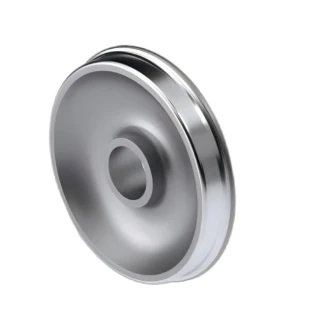
Reliable Rail Wheels: Optimize Your Rail Transport Solutions
For industries that rely on rail-based vehicles, choosing the right rail wheels is essential for smooth operations and safety.
>
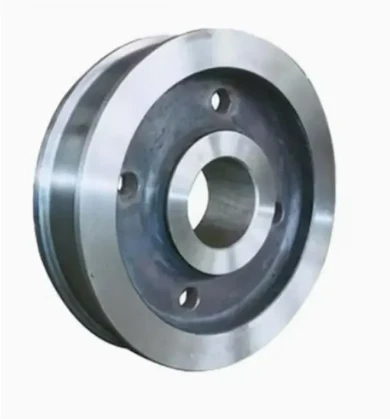
Premium Overhead Crane Wheels For Sale: Enhance Industrial Lifting Efficiency
In modern industrial operations, high-quality overhead crane wheels for sale are essential for safe, reliable, and efficient lifting.
>
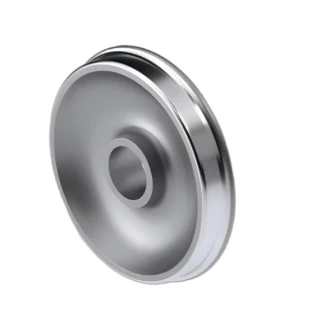
Premium Hi Rail Wheels For Sale: Boost Rail Vehicle Performance
In the modern industrial and railway sectors, having reliable hi rail wheels for sale is essential for operational efficiency and safety.
>
High-Quality Hi Rail Wheels For Sale: Enhance Your Rail Equipment Efficiency
When it comes to reliable rail maintenance and industrial operations, investing in hi rail wheels for sale is crucial.
>
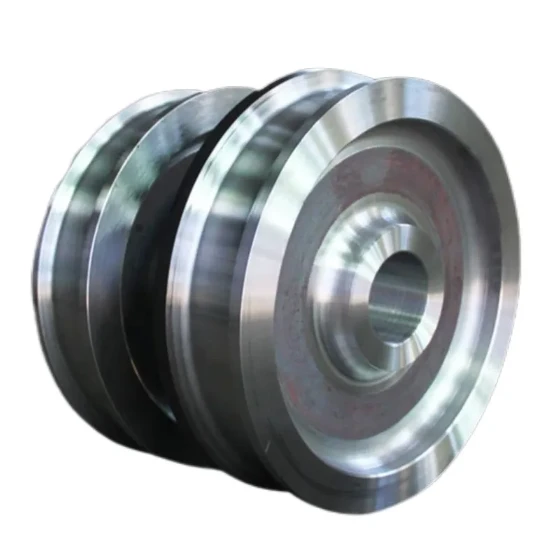
High-Quality Crane Wheels For Sale: Enhance Your Crane Operations
For industries relying on heavy lifting and material handling, investing in high-quality crane wheels for sale is crucial.
>
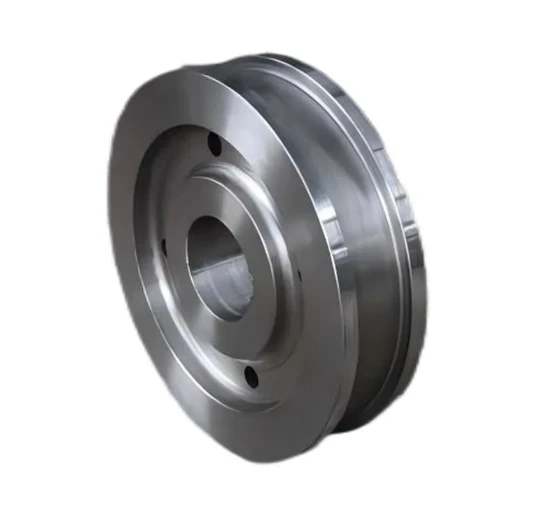
Durable Gantry Crane Wheels For Sale: Maximize Lifting Efficiency
For industries relying on heavy-duty lifting and material handling, selecting the right gantry crane wheels for sale is vital.
>
Reliable Tandem Drive Axles for Heavy-Duty Industrial Vehicles
Tandem Drive Axles: What I’ve Learned After Years in the Industrial Equipment Sector Ha
>
Reliable Semi Trailer Axles for Heavy-Duty Trailers | Expert Insight
Understanding semi trailer axles: The Backbone of Heavy Hauling Having spent more than a deca
>
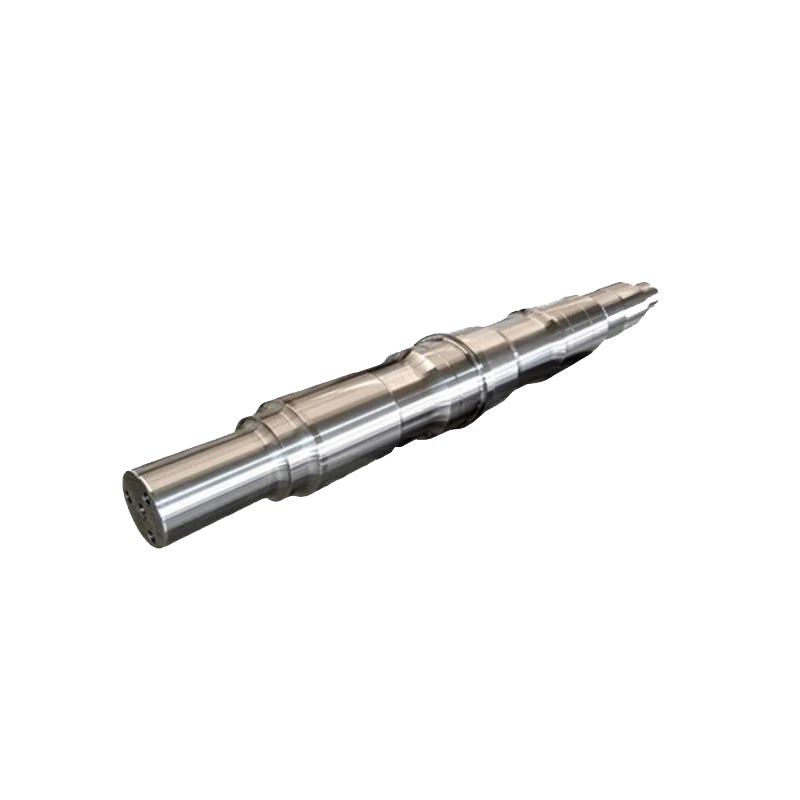
RC Portal Axles: Industrial Strength and Custom Performance
RC Portal Axles: A Veteran’s Take on Industrial-Grade Performance Having spent over a d
>
Engineered for Excellence
Our forged solutions deliver reliability and performance, powering demanding industries to keep operations running smoothly.

Sign up
for Newsletter
Subscribe to the weekly newsletter for all the latest updates