- Tel: +86 311 82620404
- Cell: 86 -13739710551
- Email: sales@potentia.cn

Durable Rail Car Wheels for Sale - High Quality & Ready to Ship
The Critical Role of Advanced Rail Car Wheels in Industrial Operations
In the demanding landscape of modern industrial and transportation sectors, the integrity and performance of rail infrastructure components are paramount. Among these, rail car wheels for sale stand as fundamental elements dictating operational efficiency, safety, and longevity. This comprehensive guide delves into the intricate world of high-performance rail wheels, exploring their manufacturing intricacies, technical specifications, diverse application scenarios, and the critical factors discerning superior products in the market. As industries increasingly prioritize durability, energy efficiency, and low maintenance, the choice of appropriate rail wheels becomes a strategic decision impacting an organization's bottom line and operational reliability.
From heavy-duty industrial transport to specialized material handling systems, the demand for robust and reliable rail wheels continues to grow. We aim to provide B2B decision-makers and technical engineers with in-depth insights to make informed procurement choices, ensuring their operations benefit from the latest advancements in wheel technology.
Precision Engineering: The Manufacturing Process of High-Performance Rail Wheels
The production of high-quality rail wheels for sale is a testament to advanced metallurgical and mechanical engineering. It involves a meticulous, multi-stage process designed to imbue the wheels with exceptional strength, wear resistance, and dimensional accuracy, meeting stringent international standards.
1. Material Selection: The Foundation of Durability
The performance of any rail wheel begins with its material. Typically, high-grade carbon steel alloys are selected, such as those conforming to AAR M-107/M-208 for North American freight service, EN 13262 for European railway applications, or ASTM A504/A504M for specific industrial uses. These alloys are chosen for their optimal balance of hardness, toughness, and fatigue resistance. Key considerations include:
- Carbon Content: Dictates hardness and strength. Typical ranges for railway wheels are 0.45-0.75%.
- Manganese and Silicon: Enhance strength, deoxidization, and hardenability.
- Chromium and Vanadium: Improve wear resistance, temper stability, and impact toughness.
2. Forging and Forming: Shaping for Strength
Most high-performance rail wheels are produced via forging. This process involves heating steel billets to precise temperatures (typically 1100-1250°C) and then subjecting them to immense pressure using hydraulic presses and rolling mills. Forging refines the grain structure of the steel, eliminating internal defects, increasing density, and orienting the grain flow along the wheel's contour. This results in superior mechanical properties, including enhanced tensile strength, impact resistance, and fatigue life compared to cast wheels.
- Billet Preparation: Sizing and uniform heating of raw steel billets.
- Upsetting and Piercing: Initial shaping to form a thick disc and create the central hub bore.
- Forging/Rolling: Precision forming of the tread, flange, and web profile to approximate final dimensions.
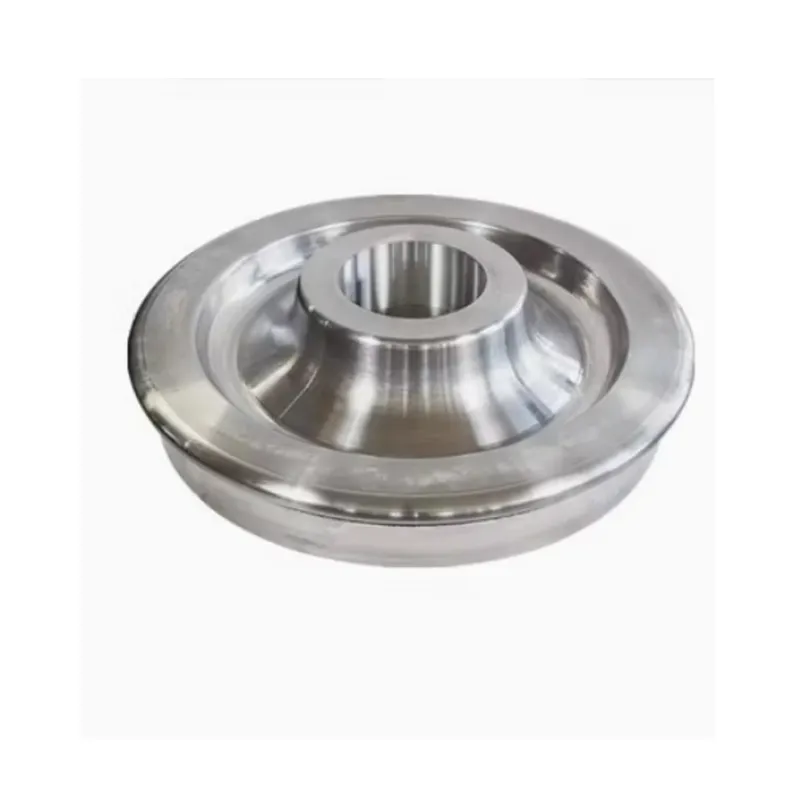
3. Heat Treatment: Optimizing Material Properties
After forging, wheels undergo a controlled heat treatment process. This typically includes normalizing, quenching, and tempering. Normalizing refines the grain structure, while quenching rapidly cools the steel to achieve desired hardness (e.g., bainitic or martensitic structures for tread and flange). Tempering then reduces brittleness and improves ductility and toughness. Advanced heat treatments like rim-toughening and tread-hardening processes are employed to create a hardened wear layer on the tread and flange while maintaining a tough, ductile core, significantly extending the service life of rail car wheels.
- Normalizing: Uniform cooling from austenitizing temperature to refine grain and homogenize structure.
- Quenching: Rapid cooling (oil, water, or polymer) to achieve specific microstructures for increased hardness.
- Tempering: Reheating to an intermediate temperature to relieve internal stresses, improve ductility, and adjust final hardness.
4. CNC Machining and Finishing: Precision and Profile Accuracy
Following heat treatment, wheels are precisely machined using state-of-the-art CNC (Computer Numerical Control) lathes. This stage ensures exact adherence to design specifications for diameter, tread profile, flange dimensions, and bore geometry. High-precision machining is critical for achieving optimal wheel-rail interaction, minimizing wear, and enhancing operational smoothness. Surface finishing, including grinding and polishing, prepares the wheel for service, reducing stress concentrations and improving fatigue resistance. This meticulous process is vital for the long-term performance of rail wheels.
- Tread and Flange Profiling: Precision shaping of the critical contact surfaces for optimal wheel-rail dynamics.
- Hub Boring: Precisely dimensioned bore for secure and concentric fitment onto the axle, often requiring tight tolerances.
- Surface Finish: Reducing roughness and improving fatigue characteristics, crucial for preventing crack initiation.
5. Rigorous Quality Assurance and Testing
Each wheel undergoes extensive testing to ensure compliance with international standards and product specifications. This comprehensive QA process is foundational to the reliability of our rail wheels for sale:
- Non-Destructive Testing (NDT): Ultrasonic testing (UT) for internal defects and integrity, magnetic particle inspection (MPI) for surface cracks, and eddy current testing for subsurface flaws.
- Mechanical Properties Testing: Hardness tests (Brinell, Rockwell) across the tread and rim, tensile strength and yield strength tests, and impact tests (Charpy V-notch) to verify toughness at specified temperatures.
- Dimensional Inspection: Using advanced CMMs (Coordinate Measuring Machines) and laser scanners for precise geometry verification, including diameter, run-out, and concentricity.
- Material Composition Analysis: Spectroscopic analysis to confirm alloy constituents meet precise chemical requirements.
Adherence to standards like ISO 9001 for quality management, AAR M-107/M-208, EN 13262, and ANSI/ASME ensures that all industrial rail car wheels meet the highest benchmarks for safety and performance. This stringent process guarantees a service life optimized for harsh industrial environments, offering superior resistance to wear, fatigue, and corrosion, and demonstrating advantages in energy saving through optimized profiles.
Industry Trends in Rail Wheel Technology
The market for advanced rail car wheels for sale is continuously evolving, driven by demands for increased efficiency, reduced environmental impact, and enhanced safety. Several key trends are shaping the future of rail wheel manufacturing and application:
- Lightweighting and Advanced Materials: Research into lighter, stronger, and more durable materials, including advanced high-strength steels (AHSS) and metal matrix composites, aims to reduce unsprung mass, thereby improving energy efficiency, reducing track damage, and allowing for higher payloads.
- Predictive Maintenance and IoT Integration: The integration of smart sensors (e.g., acoustic emission, vibration, temperature, strain gauges) directly into wheels to monitor performance and health in real-time. This allows for predictive maintenance, optimizing replacement schedules, preventing catastrophic failures, and significantly extending the operational lifespan of rail wheels by identifying issues before they become critical.
- Enhanced Surface Treatments: Beyond conventional heat treatment, advanced surface engineering techniques like laser cladding, thermal spraying of specialized ceramics, and novel coatings are being explored to further improve wear resistance, corrosion protection, and reduce rolling contact fatigue (RCF). These treatments extend wheel life, especially in abrasive or corrosive environments.
- Noise and Vibration Reduction: With growing environmental concerns and stricter regulations, design innovations are focusing on wheel profile optimization, resilient wheel designs (e.g., with elastic inserts), and advanced damping technologies to significantly reduce noise emissions and vibrations, critical for urban rail systems and worker comfort in industrial settings.
- Sustainability and Recyclability: Growing emphasis on manufacturing processes that minimize waste, reduce energy consumption, and utilize recyclable materials. The lifecycle assessment of rail wheels is gaining importance, promoting eco-friendly production and end-of-life management.
Profile S1002 Series Rail Wheels: Technical Specifications
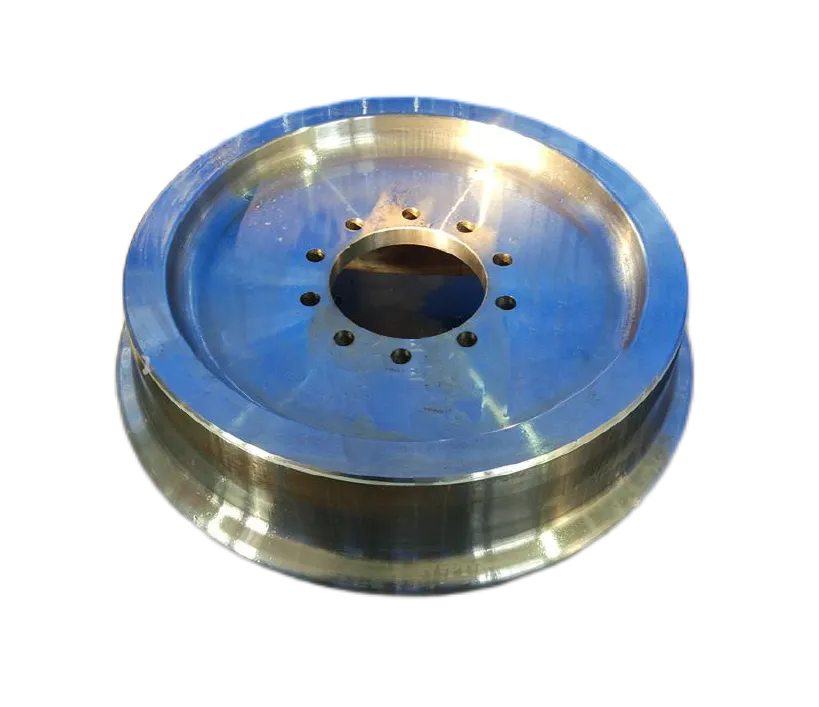
Our Profile S1002 Series Rail Wheels represent the pinnacle of engineering excellence, designed for heavy-duty industrial applications requiring maximum reliability and extended service life. Manufactured to meet and exceed international standards, these wheels offer superior performance under extreme conditions.
Key Features and Parameters:
Application Scenarios for Industrial Rail Wheels
The versatility of high-quality rail wheels extends across numerous heavy industries, where reliable and durable rail transport solutions are indispensable. Our Profile S1002 Series is engineered to excel in these demanding environments:
- Petrochemical Industry: Transport of hazardous materials, refined products, and raw chemicals in tank cars and specialized wagons. Wheels must withstand heavy loads, corrosive atmospheres, and potentially wide temperature fluctuations. Our wheels' inherent corrosion resistance and robust construction ensure safe and continuous operation.
- Metallurgy and Steel Mills: Movement of molten metal ladles, hot slag pots, heavy steel coils, and scrap metal within plant confines. Applications here demand exceptional load-bearing capacity, resistance to thermal shock, and high-temperature performance, where the Profile S1002 series proves its mettle.
- Mining and Quarrying: Haulage of raw ore, aggregates, and waste materials over long distances and often uneven tracks in open-pit or underground operations. The superior wear resistance and fatigue life of our rail wheels are critical in abrasive and dynamic environments.
- Port and Container Terminals: Gantry cranes, straddle carriers, and rail-mounted container111 handling equipment (RMGCs) rely on durable wheels for continuous, heavy-duty operation. Precision machining ensures smooth movement, minimal track wear, and high throughput.
- Power Generation Plants: Coal handling systems, ash removal, and internal maintenance rail systems for transporting heavy components. Wheels must offer consistent performance under high load cycles and potentially dusty or humid conditions.
- Water Supply & Drainage Systems: Specialized rail vehicles used for maintenance and inspection of large-scale infrastructure, often requiring custom wheel designs to navigate unique track geometries or environmental conditions within tunnels or treatment plants.
Technical Advantages of Our Rail Wheels
Choosing the right rail wheels offers significant operational and economic benefits. Our Profile S1002 Series delivers distinct advantages designed to enhance performance and reduce total cost of ownership:
- Extended Service Life: Through advanced heat treatment (e.g., controlled rim hardening) and optimal material selection, our wheels achieve exceptional wear and rolling contact fatigue resistance, significantly reducing the frequency of replacements and maintenance downtime. This results in superior longevity compared to standard offerings.
- Superior Load-Bearing Capacity: Engineered for maximum strength and stiffness, our wheels are capable of supporting extremely heavy static and dynamic loads without deformation or premature failure, ensuring safety and reliability in the most demanding industrial applications.
- Enhanced Energy Efficiency: Optimized wheel profiles and precision machining minimize rolling resistance at the wheel-rail interface, leading to lower energy consumption for propulsion and reduced stress on drive systems. This directly translates to significant operational cost savings over the lifespan of the equipment.
- Corrosion and Abrasion Resistance: High-grade steel alloys, combined with optional specialized surface coatings, provide excellent protection against harsh environmental factors such as chemical exposure, moisture, and abrasive particles. This resilience ensures sustained performance in challenging industrial settings like petrochemical plants or mines.
- Reduced Track Wear: Precisely manufactured wheel treads and flanges ensure optimal contact geometry with the rail, distributing load evenly and minimizing abrasive wear on both the wheel and the critical track infrastructure. This extends the life of costly rail assets.
- Safety and Reliability: Rigorous testing at every stage of manufacturing, coupled with strict adherence to international safety standards (e.g., AAR, EN), guarantees wheels that perform consistently and reliably, significantly reducing the risk of derailments and operational hazards.
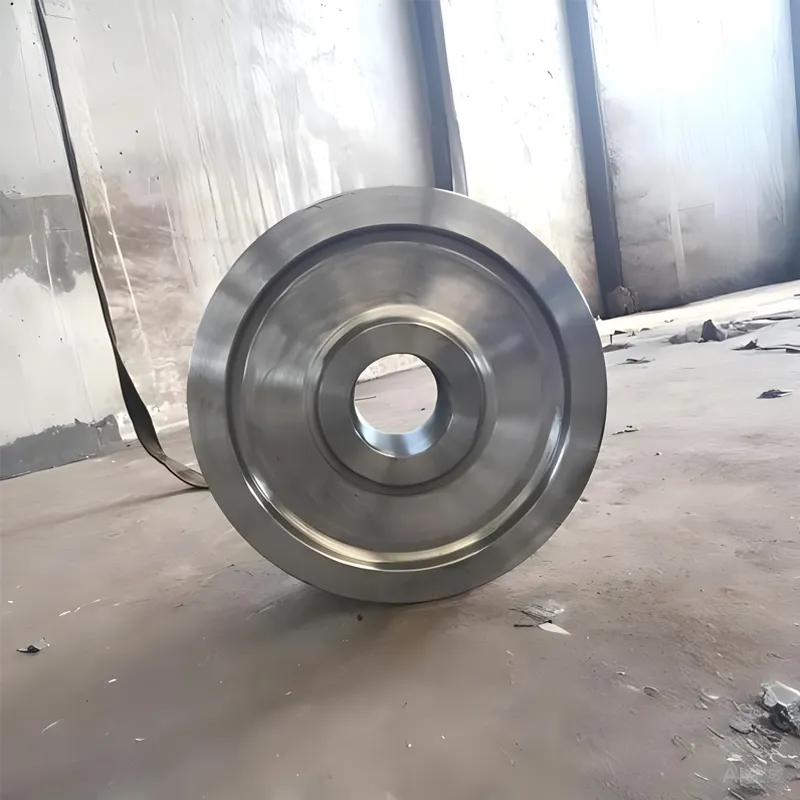
Choosing Your Supplier: A Vendor Comparison Framework
When evaluating suppliers for rail car wheels for sale, B2B buyers must consider a range of factors beyond just initial cost. A comprehensive vendor comparison ensures long-term value, reliability, and support, impacting total cost of ownership and operational continuity:
A leading manufacturer emphasizes precision, material integrity, and comprehensive support, factors that directly translate to lower total cost of ownership and enhanced operational safety. When investing in rail car wheels for sale, the long-term benefits of quality and reliability often far outweigh initial price differences.
Customized Rail Wheel Solutions
Many industrial applications present unique challenges that standard, off-the-shelf rail wheels cannot adequately address. Recognizing this, leading manufacturers offer bespoke engineering and customization services. This includes:
- Specialized Material Alloys: For operations in extreme temperatures (cryogenic to high heat), highly corrosive environments, or requiring specific load characteristics beyond standard specifications, custom alloy compositions can be developed.
- Unique Profiles and Dimensions: Adapting tread and flange geometry for unconventional track systems, unusually tight curves, specific vehicle designs, or applications requiring minimized hunting motion. This ensures optimal wheel-rail conformity and reduced wear.
- Integrated Sensor Technology: Custom embedding of sensors for real-time monitoring of wheel health parameters such as temperature, vibration, speed, and strain. This enables advanced predictive maintenance capabilities and enhanced operational safety.
- Advanced Surface Treatments and Coatings: Applying specialized coatings (e.g., tungsten carbide, ceramic, polymer-based) to enhance wear resistance, reduce friction, or improve corrosion protection for highly specific operational demands, like those in chemical processing or offshore platforms.
- Axle and Bearing Integration: Providing complete wheelset assemblies, pre-fitted with axles and bearings, tailored to customer specifications for seamless integration into existing bogies or custom vehicle designs, reducing assembly time and ensuring compatibility.
Our engineering team collaborates closely with clients from conceptual design to final production, utilizing advanced CAD/CAM and finite element analysis (FEA) to ensure that custom rail wheels deliver optimal performance, integrate perfectly with existing systems, and meet all required certification standards.
Application Case Studies
Case Study 1: Heavy-Duty Ore Transportation in a Mining Operation
Challenge: A large open-pit mining company in South America faced excessive wear and premature failure of their standard rail wheels on ore haulage cars. The highly abrasive nature of the iron ore, combined with constant heavy loads of up to 120 tons per car and operation on steep gradients, led to high maintenance costs and frequent unscheduled downtime. Conventional wheels lasted only 18-24 months, impacting production targets.
Solution: We supplied custom-engineered Profile S1002 Series rail wheels with an enhanced manganese-chrome alloy composition and a specialized deep-tread hardening treatment. These wheels were specifically designed for extreme wear resistance and higher fatigue strength, tailored to the unique load cycles and abrasive track conditions of the mine, including dynamic braking stresses.
Outcome: The new wheels demonstrated a remarkable increase in service life, averaging 48-60 months in continuous operation, effectively doubling their operational lifespan. This resulted in a 55% reduction in wheel replacement frequency, significantly lowering maintenance expenditures by an estimated $1.5 million annually and improving overall operational uptime by 10% for the mine. The client also reported a noticeable improvement in energy efficiency due to reduced rolling resistance from the optimized wheel profile.
Case Study 2: Petrochemical Plant Internal Logistics
Challenge: A major petrochemical complex required highly reliable rail wheels for their internal tank car shunting and material transfer system. The environment was highly corrosive due to frequent chemical spills, acid vapors, and exposure to fluctuating temperatures, leading to rapid degradation of standard wheel surfaces, flange wear, and increased safety risks due to potential cracking. Existing wheels required re-profiling every 12 months.
Solution: We provided Profile S1002 Series wheels manufactured from a specialized, high-alloy steel with inherent corrosion resistance, further enhanced with an inert ceramic-polymer coating applied to all exposed surfaces. This solution also included precise hub boring for a secure, interference fit with the axles, crucial for safety and stability in hazardous areas. Each wheel was certified to AAR and ISO standards for chemical transport applications.
Outcome: The specially coated wheels exhibited superior resistance to the aggressive corrosive environment, extending their useful life to 30-36 months before requiring any maintenance, a 150% improvement over previous wheels. The plant significantly reduced unscheduled maintenance related to wheel degradation by 75%, improving safety compliance and operational continuity in a critical industrial setting, leading to an estimated $800,000 in annual savings from reduced maintenance and increased throughput.
Frequently Asked Questions (FAQ)
Q: What are the primary advantages of forged rail wheels over cast wheels?
A: Forged rail wheels possess a superior, refined grain structure that significantly enhances strength, fatigue resistance, and toughness, making them less prone to internal defects, porosity, and catastrophic failure compared to cast wheels. The forging process provides better control over material properties and internal integrity, resulting in a substantially longer service life and higher safety margins, particularly in heavy-duty or high-speed applications.
Q: How do I determine the correct wheel profile and dimensions for my specific application?
A: Selecting the correct wheel profile and dimensions depends on several critical factors: track gauge, rail type and material, vehicle load capacity (static and dynamic), operating speed, minimum curve radius, and adherence to specific industry standards (e.g., AAR, EN, DIN). Our experienced engineering team offers comprehensive consultation services. We analyze your operational parameters, environmental conditions, and existing infrastructure to recommend the optimal profile from our range of rail car wheels for sale, or design a custom solution if required, ensuring perfect fit and peak performance.
Q: What is the typical lead time for custom rail wheels from your facility?
A: Lead times for custom rail wheels vary based on factors such as design complexity, specific material requirements, current production schedules, and order volume. For standard Profile S1002 Series wheels, production can typically range from 8-12 weeks. For highly customized solutions involving extensive design and prototyping, lead times may extend to 14-20 weeks. We provide clear, committed timelines at the quoting stage, with regular updates throughout the manufacturing process to ensure transparency and planning efficiency for our clients.
Q: What warranty is provided with the Profile S1002 Series Rail Wheels?
A: Our Profile S1002 Series rail wheels are backed by a comprehensive 24-month warranty against manufacturing defects in material and workmanship, as well as premature wear under normal operating conditions. This robust commitment underscores our confidence in the superior quality, durability, and reliability of our products. Specific terms and conditions, including detailed coverage and claims procedures, are provided in our sales contracts.
Q: What kind of after-sales support and technical assistance are available?
A: We offer extensive after-sales support to ensure the optimal performance and longevity of our products. This includes dedicated technical assistance for installation and operational queries, comprehensive troubleshooting services, and efficient replacement part provision. Our expert support team and field engineers are available to address any operational concerns or issues. Additionally, we provide guidance on best practices for maintenance, inspection, and wheel re-profiling to maximize the service life and cost-effectiveness of your rail wheels.
Conclusion
The selection of high-quality rail car wheels for sale is a critical investment for any industrial operation relying on rail transport. The Profile S1002 Series, with its meticulous manufacturing process, adherence to rigorous international standards, and advanced material properties, exemplifies reliability, durability, and superior performance. By understanding the technical intricacies and considering comprehensive vendor capabilities, businesses can ensure they procure rail wheels that not only meet immediate operational needs but also contribute significantly to long-term efficiency, safety, and substantial cost savings through reduced maintenance and extended asset life.
Investing in engineered excellence means investing in uninterrupted operations, optimized performance, reduced maintenance overhead, and enhanced safety for both personnel and valuable cargo. Our unwavering commitment to quality, innovation, and customer support ensures that our rail wheels remain at the forefront of industrial rail component technology, providing a foundation of reliability for your most demanding applications.
References
- Association of American Railroads (AAR). Manual of Standards and Recommended Practices, Section G, Part II: Wheels and Axles.
- European Committee for Standardization (CEN). EN 13262: Railway applications – Wheelsets and bogies – Wheels – Product requirements.
- ASTM International. ASTM A504/A504M: Standard Specification for Wrought Carbon Steel Wheels.
- International Organization for Standardization (ISO). ISO 9001: Quality management systems – Requirements.
-
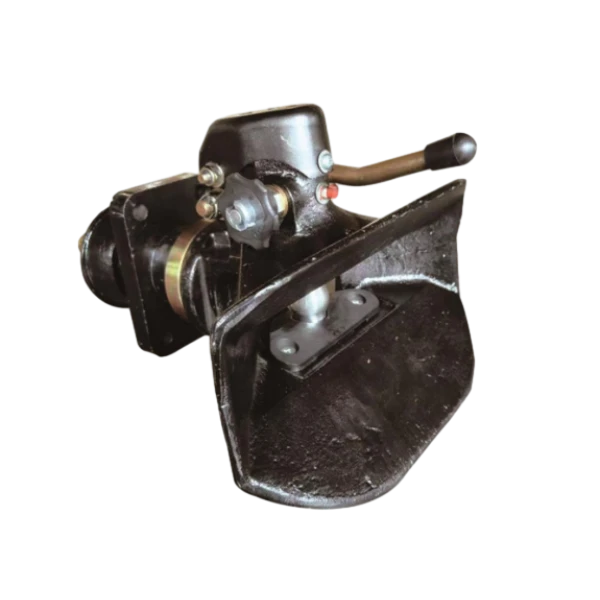 Trailer Coupling
The trailer coupling is a critical component in vehicle towing systems, designed to ensure a secure and efficient connection between a towing vehicle and a trailer. These couplings are manufactured using high-strength carbon steel, alloy steel, or stainless steel, ensuring durability and resistance to heavy loads and harsh environments.
-
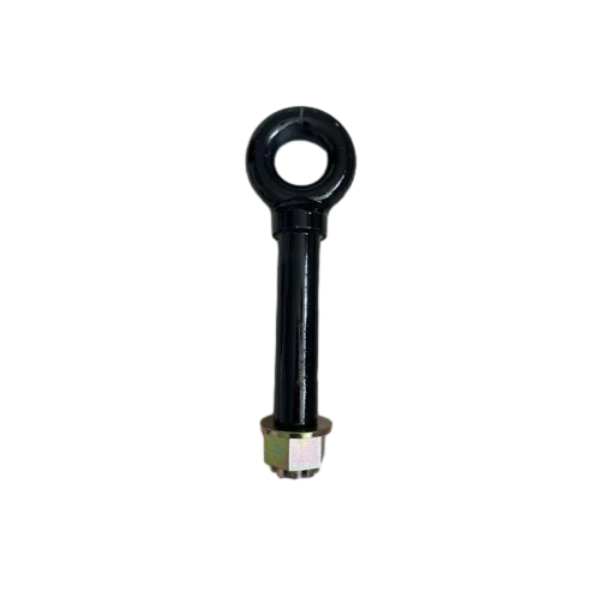 Drawbar Eyes
Drawbar eyes are essential components in towing and hauling applications, providing a strong and secure attachment point between the trailer and the towing vehicle. They are designed to endure extreme pulling forces, making them suitable for heavy-duty applications.
-
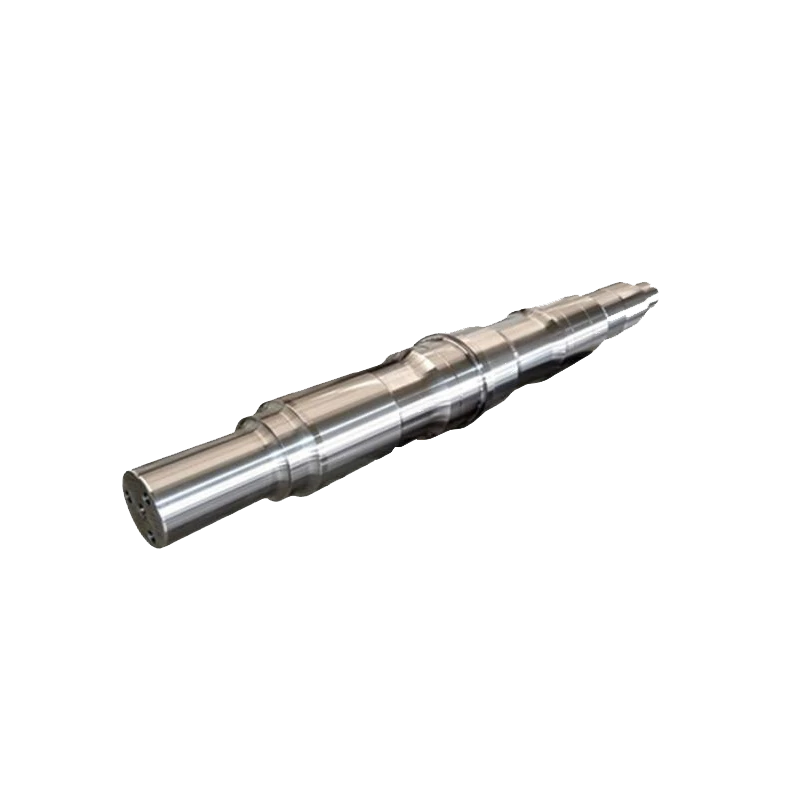 Axles
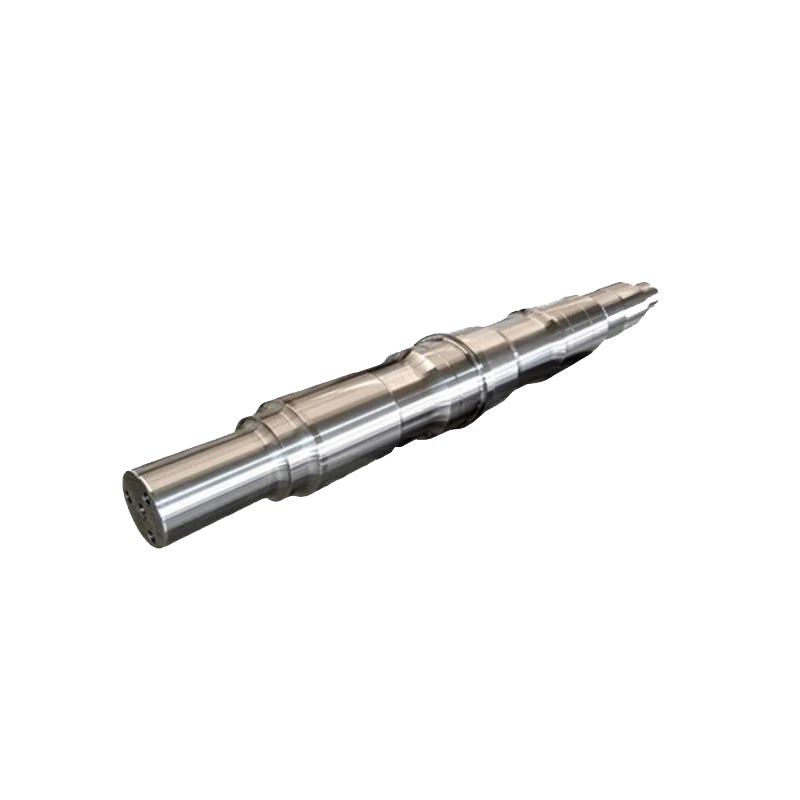
AxlesAxles are essential for vehicle load-bearing and power transmission, ensuring smooth movement and weight distribution. They must withstand high stress, torque, and impact, making material selection and precise manufacturing crucial.
-
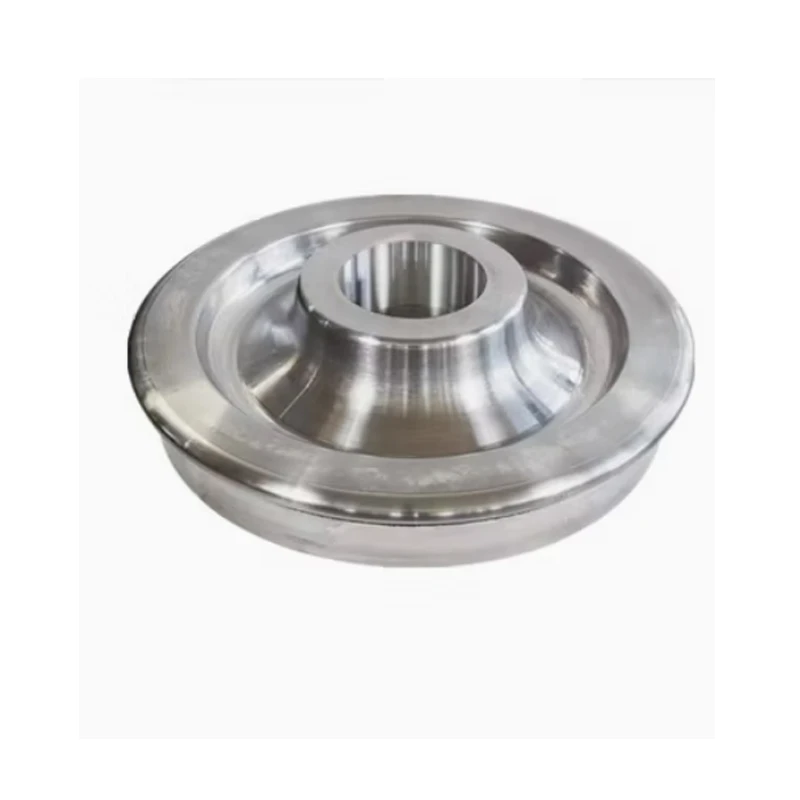 Profile S1002 Series Rail Wheels
The S1002 series rail wheels are designed for Rail-Road Vehicles (RRVs) that require seamless operation on both roads and railway tracks. Engineered with high precision and durability, these wheels conform to S1002 tread profiles, ensuring compatibility with standard railway systems.
A Comprehensive Guide to Axles Types for Industry Decision Makers | Manufacturing Base
Axles Types is a key solution in the industry, specifically within heavy machinery and transportation sectors. This article explores how https://www.manufacturing-base.com supports professionals with durable, high-performance products
>
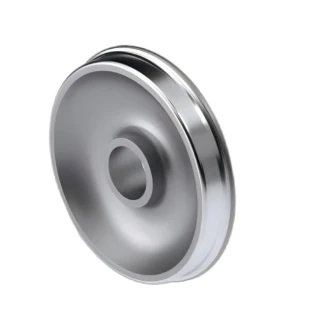
Reliable Rail Wheels: Optimize Your Rail Transport Solutions
For industries that rely on rail-based vehicles, choosing the right rail wheels is essential for smooth operations and safety.
>
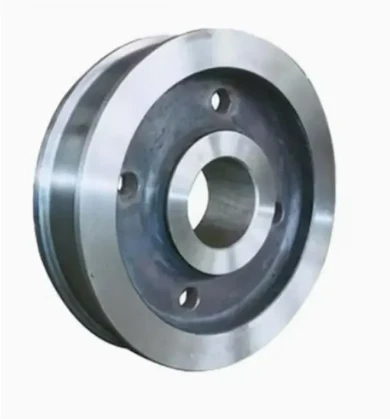
Premium Overhead Crane Wheels For Sale: Enhance Industrial Lifting Efficiency
In modern industrial operations, high-quality overhead crane wheels for sale are essential for safe, reliable, and efficient lifting.
>
Premium Hi Rail Wheels For Sale: Boost Rail Vehicle Performance
In the modern industrial and railway sectors, having reliable hi rail wheels for sale is essential for operational efficiency and safety.
>
High-Quality Hi Rail Wheels For Sale: Enhance Your Rail Equipment Efficiency
When it comes to reliable rail maintenance and industrial operations, investing in hi rail wheels for sale is crucial.
>
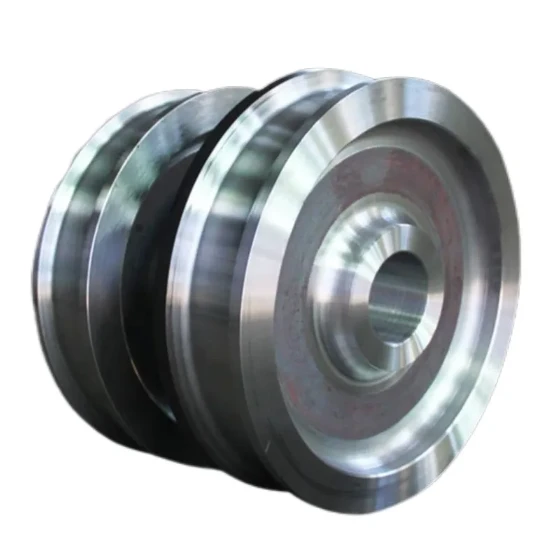
High-Quality Crane Wheels For Sale: Enhance Your Crane Operations
For industries relying on heavy lifting and material handling, investing in high-quality crane wheels for sale is crucial.
>
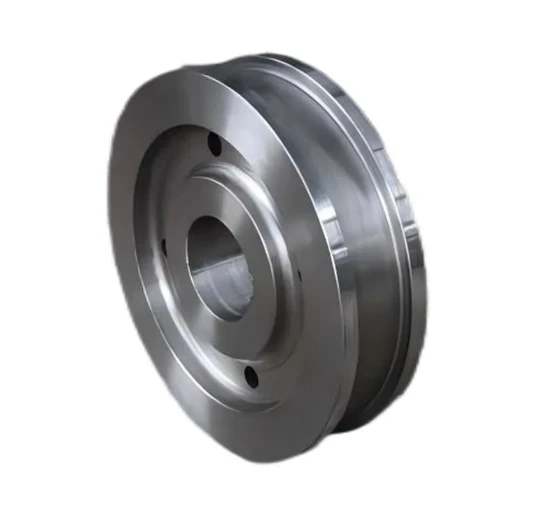
Durable Gantry Crane Wheels For Sale: Maximize Lifting Efficiency
For industries relying on heavy-duty lifting and material handling, selecting the right gantry crane wheels for sale is vital.
>
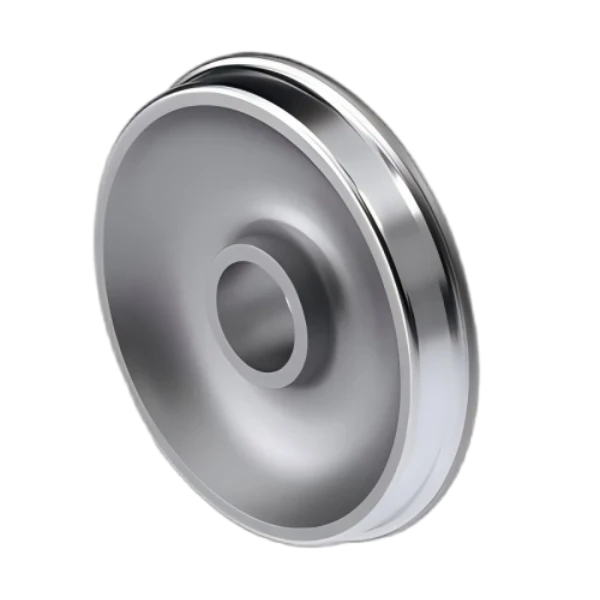
Reliable Tandem Drive Axles for Heavy-Duty Industrial Vehicles
Tandem Drive Axles: What I’ve Learned After Years in the Industrial Equipment Sector Ha
>
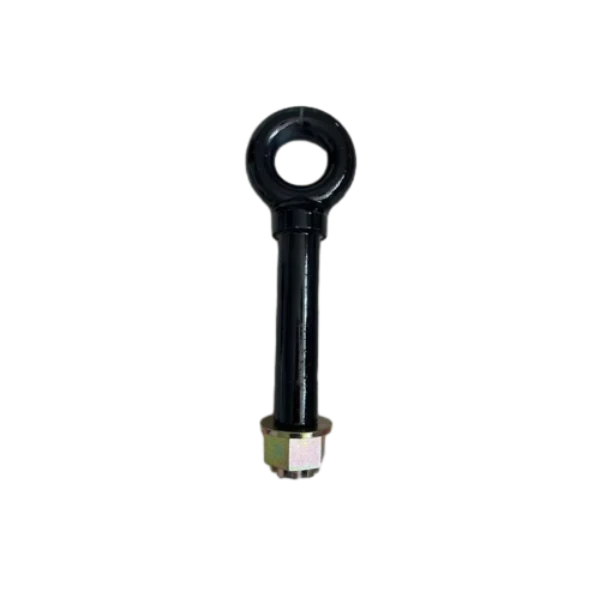
Reliable Semi Trailer Axles for Heavy-Duty Trailers | Expert Insight
Understanding semi trailer axles: The Backbone of Heavy Hauling Having spent more than a deca
>
RC Portal Axles: Industrial Strength and Custom Performance
RC Portal Axles: A Veteran’s Take on Industrial-Grade Performance Having spent over a d
>
Engineered for Excellence
Our forged solutions deliver reliability and performance, powering demanding industries to keep operations running smoothly.

Sign up
for Newsletter
Subscribe to the weekly newsletter for all the latest updates