- Tel: +86 311 82620404
- Cell: 86 -13739710551
- Email: sales@potentia.cn

High-Performance Axles: 7k, 8k & RC Types for Every Need
The Critical Role of Industrial Axles in Modern Manufacturing
In the intricate machinery of industrial operations, the foundational components that ensure reliability, efficiency, and safety are paramount. Among these, axles stand out as indispensable elements, enabling the rotation and support of wheels or gears, and transmitting power within a vast array of equipment. From heavy-duty transport to precision industrial machinery, the integrity and performance of these components directly impact operational uptime and productivity. This comprehensive guide delves into the advanced engineering, applications, and strategic considerations surrounding industrial axle technology.
Our focus is on the advanced materials, rigorous manufacturing processes, and stringent quality controls that define high-performance industrial axles, ensuring they meet the demanding requirements of various sectors. We will explore the latest industry trends, detailed technical specifications, and real-world application scenarios, providing B2B decision-makers and engineers with the insights necessary to select and implement optimal solutions for their specific operational needs.
Evolving Landscape: Industry Trends in Axle Technology
The industrial sector is continually evolving, driven by demands for increased load capacities, enhanced durability, and improved energy efficiency. These trends significantly influence the design and manufacturing of industrial axles. Innovations in material science, particularly with high-strength alloys and advanced composites, are leading to lighter yet stronger axle designs, crucial for reducing overall equipment weight and improving fuel economy in mobile applications.
There's a growing emphasis on smart manufacturing and predictive maintenance, incorporating sensors into axles for real-time monitoring of load, temperature, and vibration. This data enables proactive maintenance, minimizing downtime and extending service life. Furthermore, the market is seeing a surge in demand for specialized axles, such as heavy-duty 8k axles and 7k axles, designed for severe-duty applications requiring exceptional strength and reliability, particularly in construction, mining, and agricultural equipment. The push for electric and autonomous vehicles also necessitates re-imagined axle designs to accommodate new propulsion systems and control mechanisms, optimizing for torque delivery and regenerative braking.
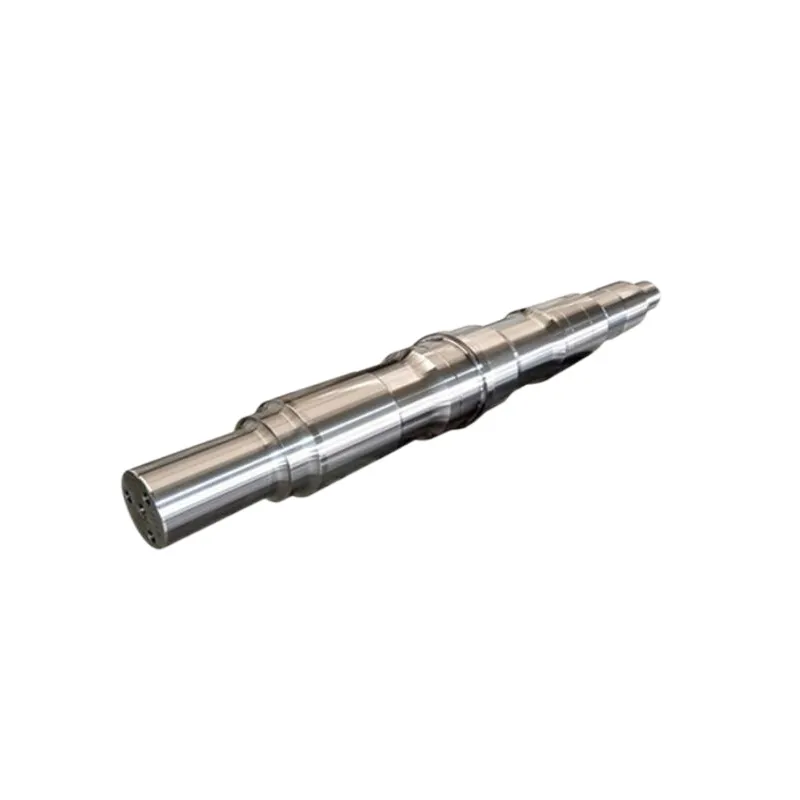
Figure 1: Advanced industrial axle assembly for heavy-duty applications.
Precision Engineering: Manufacturing Process of Industrial Axles
The manufacturing of high-performance industrial axles is a multi-stage process, demanding meticulous attention to detail and adherence to stringent quality controls. This ensures the final product can withstand extreme operational stresses and deliver extended service life.
Process Flow:
- Material Selection and Preparation: High-grade alloy steels, such as chromium-molybdenum steel (e.g., AISI 4140, 4340) or specialized stainless steels (for corrosion resistance), are commonly selected based on required strength, hardness, and environmental resistance. Materials undergo rigorous chemical analysis and mechanical testing to ensure compliance with specifications (e.g., ASTM A29).
-
Forging or Casting:
- Forging: For high-strength axles, hot forging is preferred. This process refines the grain structure, enhances mechanical properties, and eliminates internal voids, resulting in superior fatigue strength and impact resistance.
- Casting: For certain geometries or larger components where forging is impractical, casting (e.g., sand casting, investment casting) may be employed, followed by heat treatment to achieve desired material properties.
- Heat Treatment: A critical step involving processes like quenching and tempering, carburizing, or nitriding. This optimizes hardness, tensile strength, yield strength, and wear resistance, significantly extending the service life of the axle.
- CNC Machining: Precision machining (turning, milling, grinding) shapes the axle to exact dimensions and tolerances. Modern CNC machines ensure high accuracy for critical features like bearing surfaces, splines, and keyways, adhering to standards like ANSI B4.1 or ISO 2768.
- Surface Finishing: Processes such as shot peening improve fatigue resistance by introducing compressive residual stresses on the surface. Polishing and specialized coatings (e.g., hard chrome plating, phosphate coatings) enhance corrosion resistance and reduce friction.
-
Quality Control and Testing: Each axle undergoes a battery of tests including:
- Non-destructive testing (NDT): Ultrasonic, magnetic particle, and eddy current inspections for internal flaws.
- Dimensional inspection: CMM (Coordinate Measuring Machine) for precise measurement.
- Material property testing: Hardness (Rockwell, Brinell), tensile strength, impact strength, and fatigue testing.
- Adherence to international standards like ISO 9001 for quality management and ISO 14001 for environmental management.
- Assembly and Packaging: Final assembly of associated components (bearings, seals) and protective packaging for shipment.
This rigorous process ensures that each axle produced is of the highest quality, capable of delivering superior performance and long-term reliability in demanding industrial environments. For applications in petrochemical, metallurgy, and water supply & drainage industries, specialized material treatments ensure exceptional corrosion resistance, while optimized designs contribute to significant energy saving in rotation.
Technical Specifications and Performance Parameters
Selecting the appropriate axle requires a deep understanding of its technical specifications and how these parameters relate to operational demands. Key specifications include load capacity, material composition, shaft diameter, length, end configurations, and tolerance levels. Below is a representative table outlining common parameters for different industrial axle capacities.
Typical Industrial Axle Specifications
| Parameter | Light Duty (e.g., 3.5k Axle) | Medium Duty (e.g., 7k Axle) | Heavy Duty (e.g., 8k Axle) | Severe Duty (10k+ Axle) |
|---|---|---|---|---|
| Load Capacity (lbs) | Up to 3,500 | 3,501 - 7,000 | 7,001 - 8,000 | 8,001 - 25,000+ |
| Material (Typical) | ASTM A36 Carbon Steel | AISI 4140 Alloy Steel | AISI 4340 Alloy Steel, Heat Treated | High-Strength Low-Alloy (HSLA) Steel, Forged |
| Shaft Diameter (inches) | 1.5 - 2.0 | 2.0 - 3.0 | 3.0 - 4.0 | 4.0 - 6.0+ |
| Tensile Strength (min. psi) | 60,000 | 95,000 | 125,000 | 150,000+ |
| Yield Strength (min. psi) | 36,000 | 75,000 | 100,000 | 120,000+ |
| Hardness (Brinell HB) | 120 - 160 | 200 - 240 | 250 - 300 | 300+ |
| Typical Service Life (Years) | 5 - 10 | 10 - 15 | 15 - 20 | 20+ |
Note: Specifications are typical and can vary based on specific application, material, and manufacturing process.
Diverse Applications: Where Industrial Axles Drive Progress
The versatility of industrial axles makes them critical components across an extensive range of industries and applications. Their design is often specialized to meet the unique demands of each sector, ensuring optimal performance and longevity.
- Petrochemical Industry: Axles are integral in pumps, compressors, agitators, and conveying systems operating in corrosive and high-temperature environments. Stainless steel or specialty alloy axles with advanced coatings are crucial for resisting chemical degradation, ensuring system integrity and safety.
- Metallurgy and Heavy Manufacturing: In steel mills, rolling mills, and foundries, axles support heavy loads and endure extreme thermal and mechanical stresses. They are found in overhead cranes, transfer cars, and mill equipment, requiring robust materials and heat treatments for continuous operation.
- Water Supply & Drainage Systems: Axles are used in large-scale pumps, valves, and water treatment machinery. Corrosion-resistant materials are paramount here to prevent contamination and ensure long-term, maintenance-free operation in aquatic environments.
- Automotive and Heavy-Duty Transport: Beyond conventional vehicles, industrial axles are vital for specialty trucks, trailers, construction equipment (excavators, loaders), and agricultural machinery, where they bear immense static and dynamic loads. Specialized RC axles are also employed in high-performance remote-controlled industrial models for testing and simulation purposes, mirroring real-world conditions.
- Mining and Construction: These sectors demand axles that can withstand abrasive conditions, heavy impacts, and continuous operation in rugged terrain. Axles for dump trucks, excavators, and drilling rigs are designed for maximum resilience.
- Renewable Energy: In wind turbines, axles (often integrated into main shafts) handle immense torsional and bending loads, crucial for converting wind energy into rotational power. Material fatigue resistance and precision balancing are key.
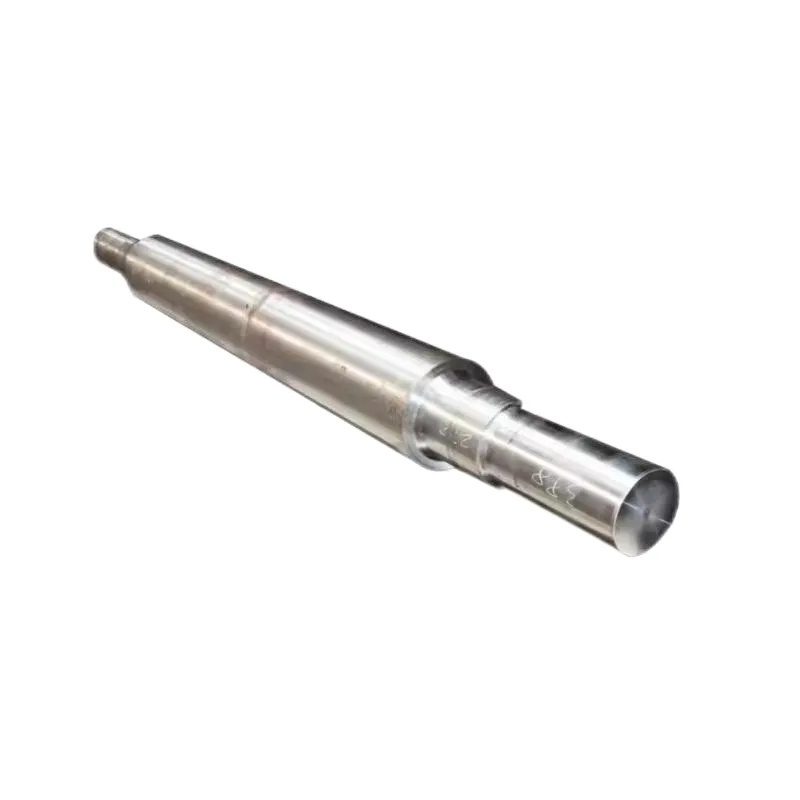
Figure 2: Heavy-duty axle system integrated into a large industrial vehicle.
Unrivaled Performance: Key Technical Advantages
High-quality industrial axles offer a range of technical advantages that translate directly into operational benefits, enhancing equipment longevity, reducing maintenance, and improving overall system efficiency.
- Superior Load-Bearing Capacity: Engineered from advanced alloys and optimized geometries, these axles can support significantly higher static and dynamic loads, preventing premature failure and ensuring stability under extreme conditions.
- Exceptional Durability and Service Life: Through precise heat treatments and surface finishing, axles exhibit outstanding resistance to wear, fatigue, and impact. This extends their operational lifespan, reducing the frequency and cost of replacements.
- Corrosion Resistance: For environments exposed to chemicals, moisture, or saltwater, specialized materials (e.g., stainless steel) and protective coatings provide robust defense against corrosion, maintaining structural integrity and performance.
- Precision Manufacturing: Tight tolerances and superior surface finishes minimize friction and vibration, leading to smoother operation, reduced noise, and extended bearing life. This precision is critical for high-speed machinery.
- Optimized Energy Efficiency: Reduced friction due to advanced material pairing and precision manufacturing means less energy is lost as heat, translating into energy savings and lower operational costs, particularly for continuously running systems.
- Enhanced Safety: The inherent strength and reliability of industrial axles minimize the risk of catastrophic failure, protecting personnel and valuable equipment, aligning with stringent industrial safety standards.
Strategic Partnerships: Vendor Comparison and Selection Criteria
Choosing the right supplier for industrial axles is as crucial as the technical specifications themselves. A strategic partnership ensures not only product quality but also reliability in supply, technical support, and value-added services.
Key Vendor Comparison Factors:
| Criterion | Vendor A (Example: Manufacturing-Base) | Vendor B (Competitor) | Vendor C (Competitor) |
|---|---|---|---|
| Certifications (ISO 9001, CE) | ISO 9001:2015, CE Certified | ISO 9001:2008 | In Progress |
| Material Traceability | 100% Guaranteed | Partial | Limited |
| Customization Capabilities | Full Engineering Support & Prototyping | Standard Modifications Only | OEM Designs Only |
| Typical Lead Time (Standard Orders) | 4-6 Weeks | 8-12 Weeks | 6-10 Weeks |
| Warranty Period | 2 Years Comprehensive | 1 Year Limited | 1 Year Standard |
| After-Sales Support | 24/7 Technical Support, On-site Service | Business Hours Support | Email Support Only |
A thorough evaluation based on these criteria ensures alignment with procurement objectives and long-term operational needs. Our company, with over 25 years of specialized experience in industrial components, is proud to uphold the highest standards, evidenced by our ISO 9001:2015 certification and a robust portfolio of successful partnerships with leading global enterprises.
Tailored Solutions: Custom Axle Design and Engineering
While standard axles types cater to many applications, unique operational requirements often necessitate custom-engineered solutions. Factors like extreme load conditions, specific environmental challenges (e.g., cryogenic temperatures, explosive atmospheres), or unusual geometric constraints demand a bespoke approach to design and manufacturing.
Our customization process begins with an in-depth consultation to understand the precise application parameters, performance goals, and integration requirements. Leveraging advanced CAD/CAM software and finite element analysis (FEA), our engineering team designs axles optimized for specific stress profiles, material fatigue, and thermal management. This includes selecting specialized materials, applying unique heat treatments, and developing custom surface finishes or coatings. Whether it's a high-precision shaft for robotics or a heavy-duty spindle for a specialized industrial machine, our capability to deliver custom solutions ensures perfect fit and superior performance. This extends to niche areas like bespoke RC axles, where specific torque and speed characteristics are paramount for research or highly specialized lightweight applications.
Real-World Impact: Application Case Studies
Case Study 1: Enhanced Durability for Mining Equipment
A major global mining corporation faced frequent failures of excavator drive axles due to extreme shock loads and abrasive conditions in their open-pit operations. Standard axles were yielding a service life of approximately 18 months. Our engineering team collaborated with their maintenance department to redesign the axles using a high-strength, low-alloy (HSLA) steel, combined with a proprietary induction hardening process and a specialized anti-abrasion coating. The new design resulted in a significant increase in fatigue life and wear resistance.
- Challenge: Premature axle failure in heavy mining excavators.
- Solution: Custom-engineered HSLA steel axles with induction hardening and anti-abrasion coating.
- Outcome: Average service life extended to over 48 months, a 167% improvement, leading to a 25% reduction in unscheduled downtime for the affected fleet and substantial cost savings in parts and labor.
Case Study 2: Corrosion Resistance for Marine Applications
A manufacturer of offshore oil & gas platforms required drive axles for deep-sea robotic inspection vehicles. These axles needed to operate reliably under constant saltwater immersion and extreme pressures. Conventional stainless steel axles showed signs of pitting corrosion and stress corrosion cracking after short deployment periods. We developed custom axles from Super Duplex Stainless Steel (UNS S32760), precisely machined and electropolished to achieve an exceptionally smooth surface finish, further enhancing corrosion resistance.
- Challenge: Corrosion and cracking in axles for deep-sea robotic vehicles.
- Solution: Custom axles made from Super Duplex Stainless Steel with electropolished finish.
- Outcome: Eliminated corrosion issues, extended operational lifespan by 300%, and significantly improved data acquisition reliability for critical offshore infrastructure inspections. Customer feedback highlighted the exceptional resilience under previously unachievable operational durations.
Ensuring Trust: Quality Assurance, Warranty, and Support
Our commitment to quality extends beyond manufacturing into comprehensive after-sales support and robust warranty programs, fostering long-term trust and partnership with our clients.
- Quality Assurance: All products adhere to ISO 9001:2015 quality management systems. Our testing protocols include 100% material traceability, ultrasonic flaw detection, magnetic particle inspection, and dimensional verification via CMM. We maintain an in-house metallurgical lab for continuous material analysis and performance validation.
- Lead Time & Fulfillment: Standard axle orders typically have a lead time of 4-6 weeks, depending on volume and customization. For urgent requirements, expedited manufacturing and shipping options are available. Our robust supply chain and optimized production planning ensure consistent and timely delivery, minimizing project delays.
- Warranty Commitments: We offer a comprehensive 2-year warranty on all industrial axles, covering manufacturing defects and material failures under normal operating conditions. This commitment reflects our confidence in the durability and quality of our products. Extended warranty options are also available for specific high-stakes applications.
- Customer Support: Our dedicated technical support team is available 24/7 to address any inquiries, provide troubleshooting assistance, or facilitate spare parts orders. We offer on-site technical support for complex installations or diagnostic needs, ensuring seamless integration and optimal performance throughout the product lifecycle.
Frequently Asked Questions (FAQ)
Q1: How do I determine the correct load capacity for my axle application?
A1: The required load capacity depends on the Gross Axle Weight Rating (GAWR) of your equipment, which considers the total weight distributed over the axle, including the tare weight and maximum payload. It's crucial to factor in dynamic loads and safety margins. Consult our engineering team for a precise calculation tailored to your specific application.
Q2: What are the primary factors contributing to axle failure?
A2: Common causes include fatigue (due to cyclic loading), overloading beyond design limits, material defects, corrosion, improper installation, and inadequate lubrication of associated components (bearings, seals). Regular inspection and maintenance are vital for prevention.
Q3: Can your axles be used in high-temperature environments?
A3: Yes, we offer specialized axles manufactured from high-temperature alloys (e.g., Inconel, specific stainless steels) designed to maintain mechanical properties and structural integrity in elevated temperature applications. Surface treatments and coatings are also selected to withstand thermal stress.
Q4: What is the typical lead time for custom axle orders?
A4: Custom axle orders typically require 8-12 weeks, depending on the complexity of the design, material availability, and specific manufacturing processes involved. This includes design, prototyping, testing, and final production. We provide clear timelines upon project initiation.
Conclusion
The performance of industrial machinery is inextricably linked to the quality and reliability of its core components. Industrial axles, as central elements in power transmission and load support, demand a commitment to advanced engineering, meticulous manufacturing, and rigorous quality assurance. By understanding the intricate details of their production, their diverse applications, and the benefits of tailored solutions, B2B decision-makers can make informed choices that drive operational excellence, enhance safety, and secure long-term value. Partnering with a trusted manufacturer that prioritizes precision, durability, and comprehensive support is paramount for success in today's demanding industrial landscape.
References
- American Society for Testing and Materials (ASTM). "Standard Specifications for Carbon and Alloy Steel Axles, for Car and Locomotive Service." ASTM A21.
- International Organization for Standardization (ISO). "Quality management systems – Requirements." ISO 9001:2015.
- ASM International. "ASM Handbook, Volume 4: Heat Treating." ASM International, 1991.
- Machinery's Handbook. 30th Edition. Industrial Press, Inc.
-
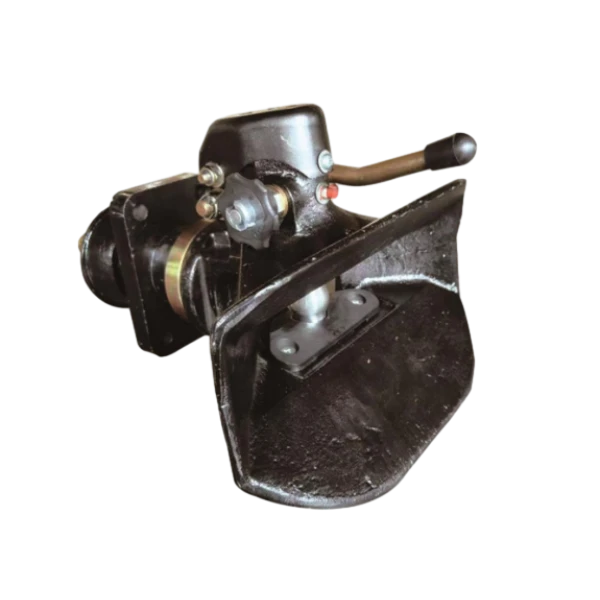 Trailer Coupling
The trailer coupling is a critical component in vehicle towing systems, designed to ensure a secure and efficient connection between a towing vehicle and a trailer. These couplings are manufactured using high-strength carbon steel, alloy steel, or stainless steel, ensuring durability and resistance to heavy loads and harsh environments.
-
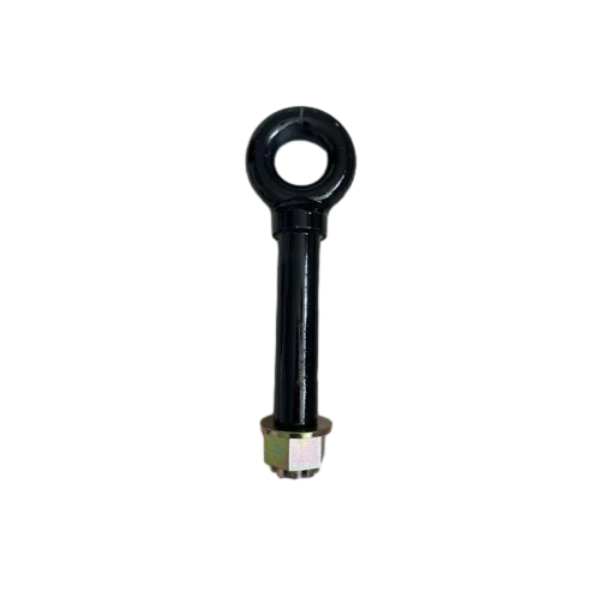 Drawbar Eyes
Drawbar eyes are essential components in towing and hauling applications, providing a strong and secure attachment point between the trailer and the towing vehicle. They are designed to endure extreme pulling forces, making them suitable for heavy-duty applications.
-
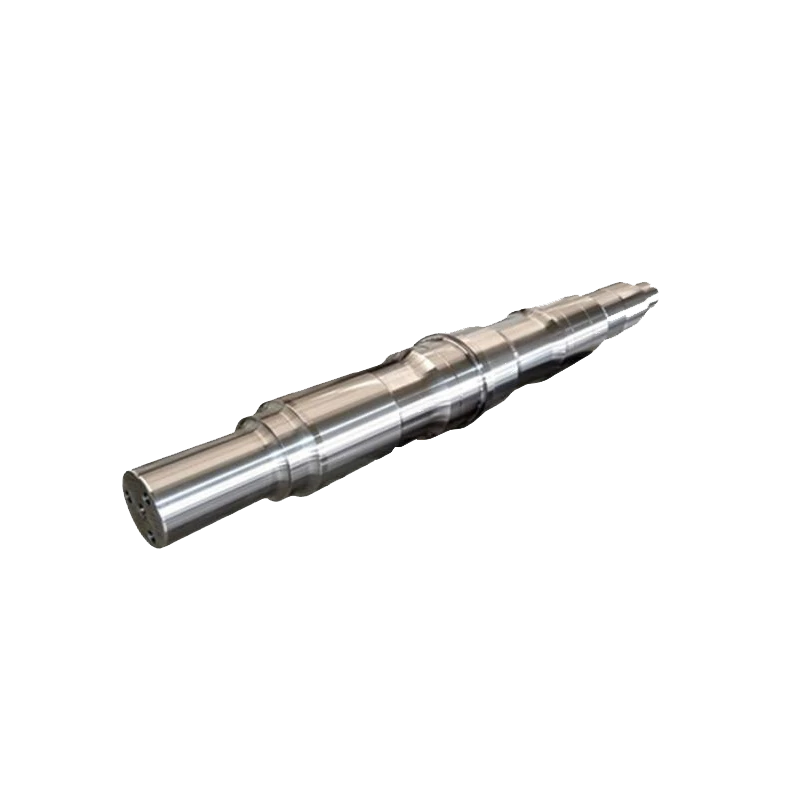 Axles
AxlesAxles are essential for vehicle load-bearing and power transmission, ensuring smooth movement and weight distribution. They must withstand high stress, torque, and impact, making material selection and precise manufacturing crucial.
-
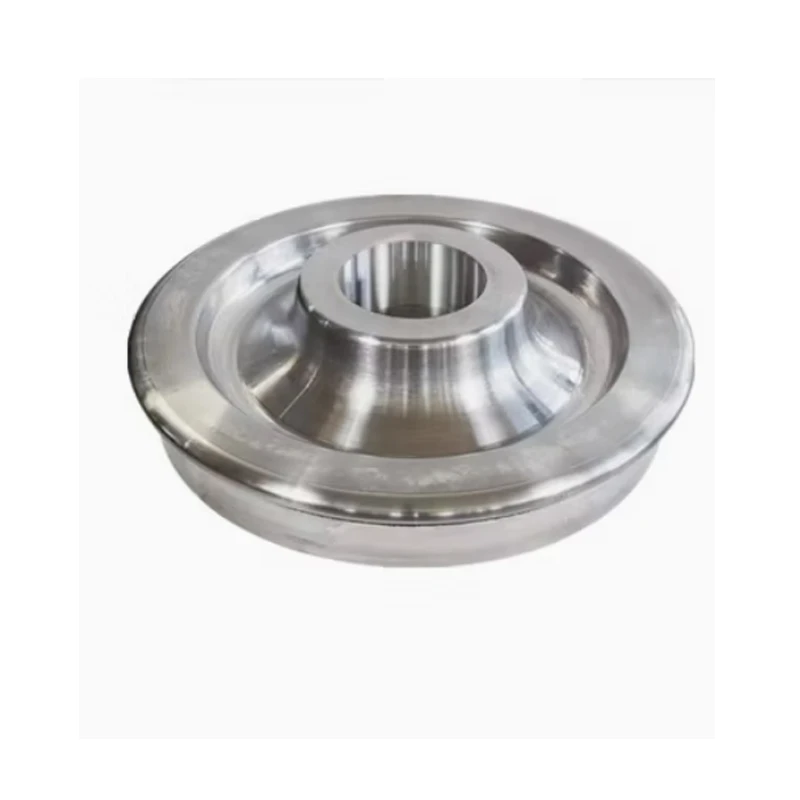 Profile S1002 Series Rail Wheels
The S1002 series rail wheels are designed for Rail-Road Vehicles (RRVs) that require seamless operation on both roads and railway tracks. Engineered with high precision and durability, these wheels conform to S1002 tread profiles, ensuring compatibility with standard railway systems.
A Comprehensive Guide to Axles Types for Industry Decision Makers | Manufacturing Base
Axles Types is a key solution in the industry, specifically within heavy machinery and transportation sectors. This article explores how https://www.manufacturing-base.com supports professionals with durable, high-performance products
>
Reliable Rail Wheels: Optimize Your Rail Transport Solutions
For industries that rely on rail-based vehicles, choosing the right rail wheels is essential for smooth operations and safety.
>
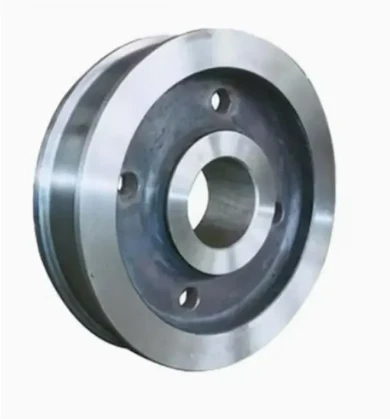
Premium Overhead Crane Wheels For Sale: Enhance Industrial Lifting Efficiency
In modern industrial operations, high-quality overhead crane wheels for sale are essential for safe, reliable, and efficient lifting.
>
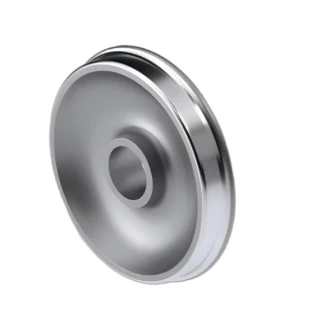
Premium Hi Rail Wheels For Sale: Boost Rail Vehicle Performance
In the modern industrial and railway sectors, having reliable hi rail wheels for sale is essential for operational efficiency and safety.
>
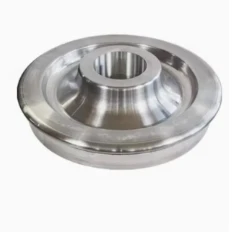
High-Quality Hi Rail Wheels For Sale: Enhance Your Rail Equipment Efficiency
When it comes to reliable rail maintenance and industrial operations, investing in hi rail wheels for sale is crucial.
>
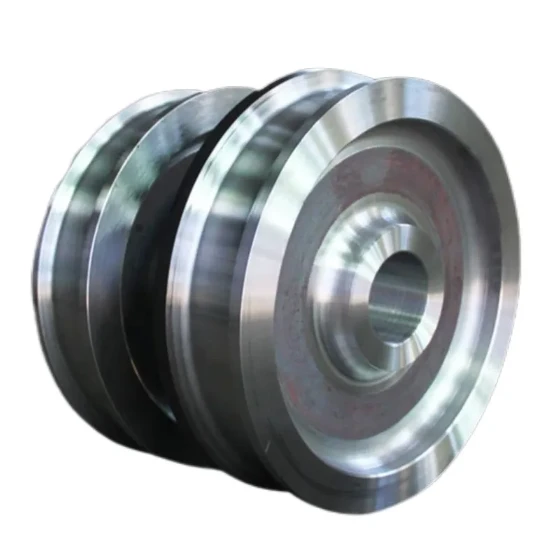
High-Quality Crane Wheels For Sale: Enhance Your Crane Operations
For industries relying on heavy lifting and material handling, investing in high-quality crane wheels for sale is crucial.
>
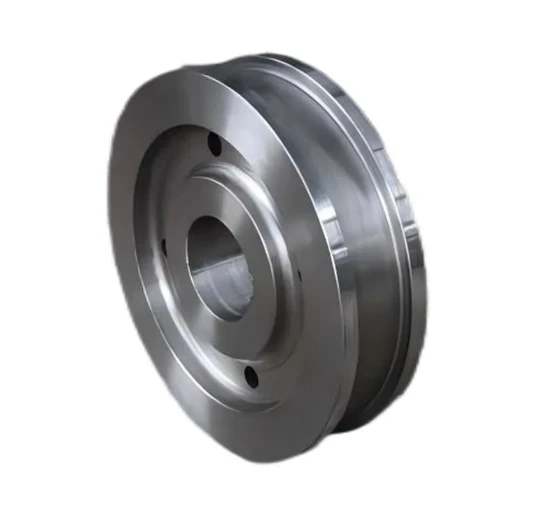
Durable Gantry Crane Wheels For Sale: Maximize Lifting Efficiency
For industries relying on heavy-duty lifting and material handling, selecting the right gantry crane wheels for sale is vital.
>
Reliable Tandem Drive Axles for Heavy-Duty Industrial Vehicles
Tandem Drive Axles: What I’ve Learned After Years in the Industrial Equipment Sector Ha
>
Reliable Semi Trailer Axles for Heavy-Duty Trailers | Expert Insight
Understanding semi trailer axles: The Backbone of Heavy Hauling Having spent more than a deca
>
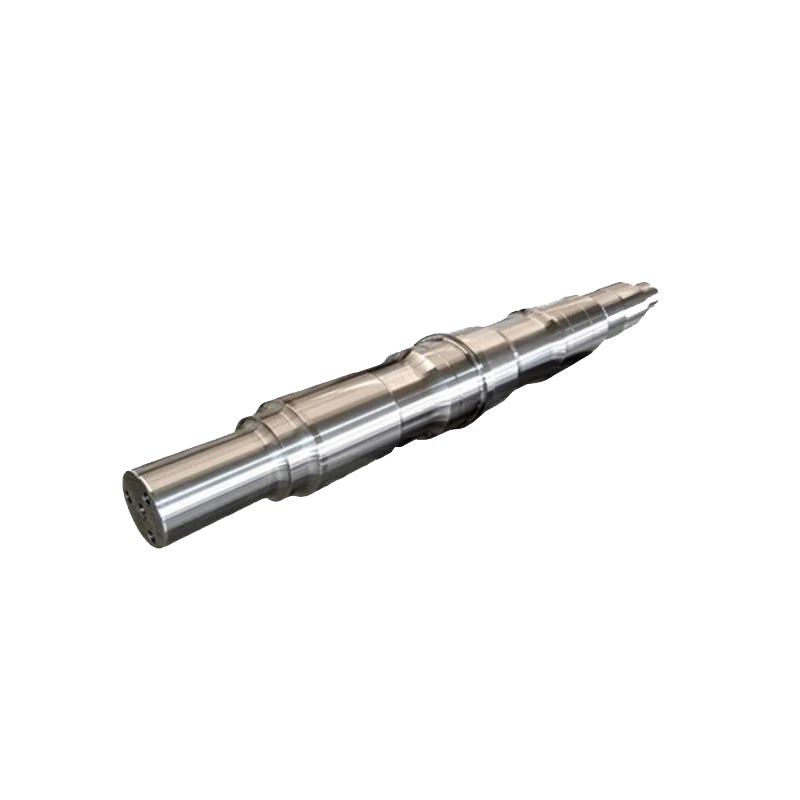
RC Portal Axles: Industrial Strength and Custom Performance
RC Portal Axles: A Veteran’s Take on Industrial-Grade Performance Having spent over a d
>
Engineered for Excellence
Our forged solutions deliver reliability and performance, powering demanding industries to keep operations running smoothly.

Sign up
for Newsletter
Subscribe to the weekly newsletter for all the latest updates