- Tel: +86 311 82620404
- Cell: 86 -13739710551
- Email: sales@potentia.cn

Durable Mine Cart Wheels for Sale | Heavy-Duty Replacements
Introduction to Mine Cart Wheels and Industry Trends
In heavy industries, the reliability and efficiency of material transport systems are paramount. At the core of these systems are mine cart wheels, engineered components designed to withstand extreme operational conditions. These wheels are not merely round devices; they are precision-fabricated units crucial for the safe and continuous movement of bulk materials in mining, tunneling, and other heavy-duty applications. The global demand for raw materials continues to drive innovation in extraction and processing, placing increasing pressure on transport infrastructure.
Current industry trends for mine cart wheels indicate a strong shift towards enhanced durability, reduced maintenance requirements, and improved energy efficiency. Manufacturers are increasingly focusing on advanced material alloys, superior bearing systems, and optimized wheel profiles to extend service life and minimize operational downtime. Automation and remote monitoring technologies are also influencing wheel design, requiring components that integrate seamlessly with smart tracking and predictive maintenance systems. The emphasis is on total cost of ownership (TCO) rather than just initial purchase price, driving the adoption of high-performance, long-lasting solutions. Furthermore, environmental considerations are promoting designs that reduce friction and energy consumption, aligning with broader sustainability goals within the mining sector.
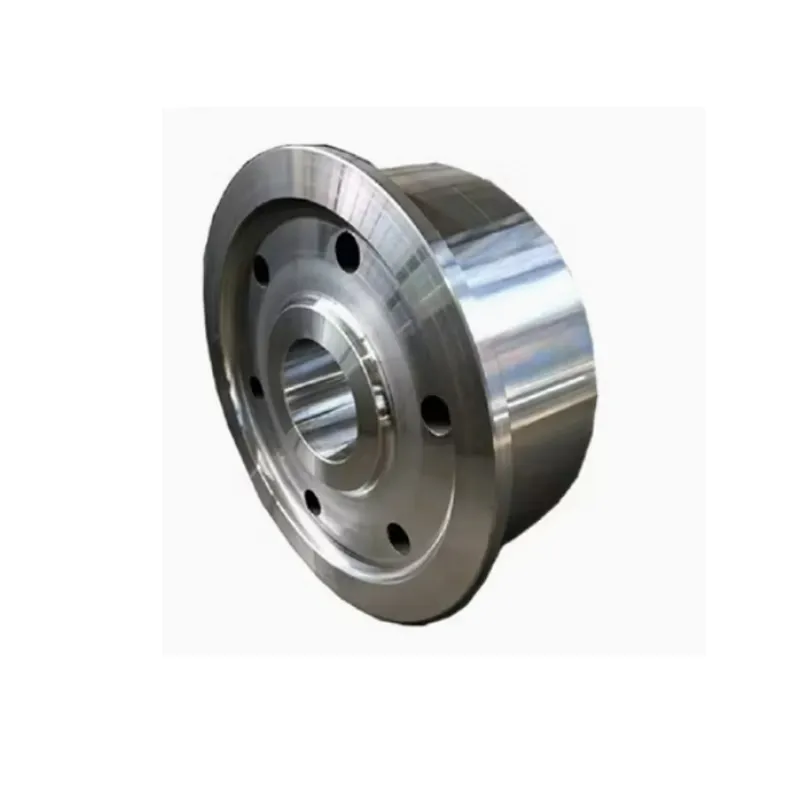
The market for mine cart wheels is projected to grow steadily, driven by increased mining activity in developing economies and the modernization of aging infrastructure in established regions. Innovations in metallurgy, such as high-strength low-alloy (HSLA) steels and specialized heat treatments, are allowing for the production of wheels with significantly improved wear resistance and fatigue life, even under extreme static and dynamic loads. This focus on material science directly addresses the operational challenges posed by abrasive environments and heavy loads, ensuring sustained performance and safety.
Technical Specifications and Design Principles
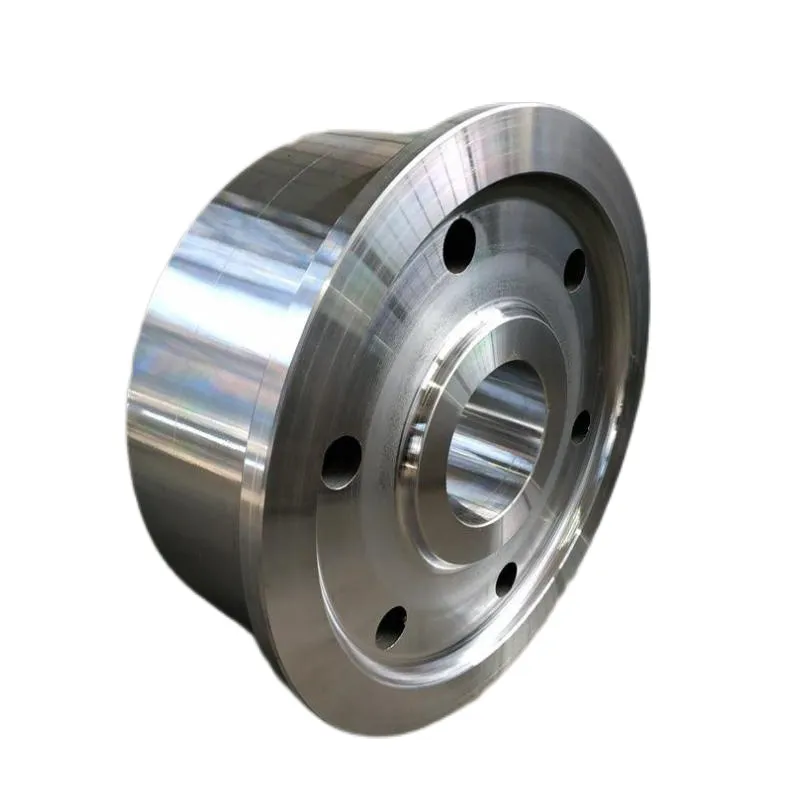
The design and material selection for mine cart wheels are critical for their performance and longevity. Key structural components include the wheel body, axle, and bearing assembly. The wheel body, typically made from high-grade steel, features a precisely machined tread and flange. The tread interacts with the rail, while the flange guides the wheel along the track, preventing derailment. Axles are often constructed from forged alloy steel, offering exceptional strength and torsional rigidity.
Wheel Profiles and Flange Types
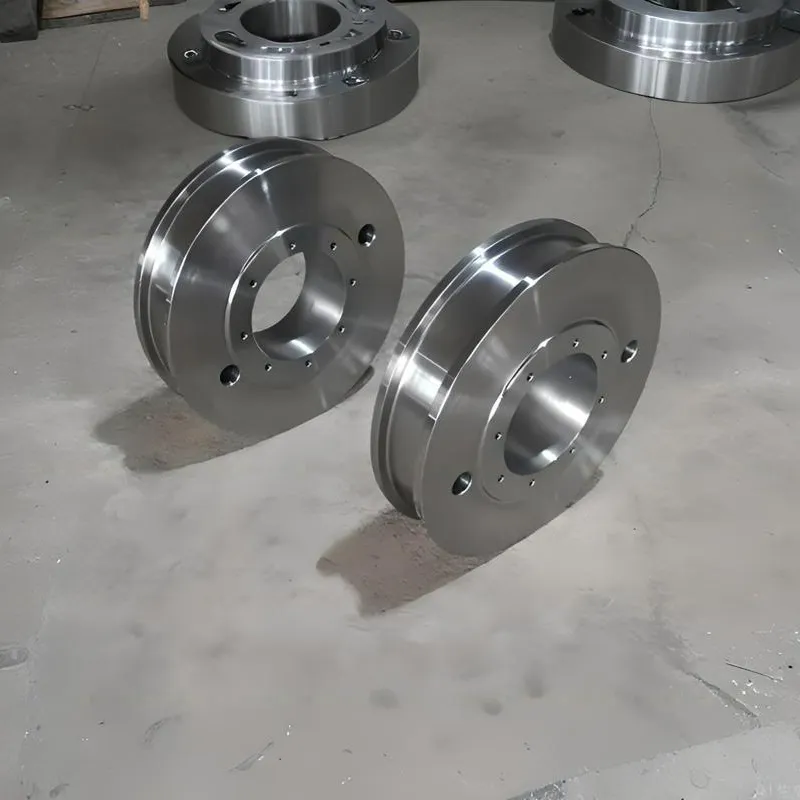
Mine cart wheels can feature various tread profiles depending on the application and rail type. Common profiles include conical, cylindrical, and tapered, each optimized for specific track conditions and load distribution. Conical treads help in self-centering on curved tracks, reducing flange wear. Flanges are crucial for safety; they can be single or double, with varying heights and thicknesses to accommodate different rail gauges and operational speeds, ensuring secure guidance even under lateral forces.
Bearing Systems
Advanced bearing systems are integral to the efficiency and service life of mine cart wheels. Tapered roller bearings are widely used due to their ability to handle both radial and axial loads simultaneously, offering high load capacity and extended life. Spherical roller bearings are also employed, particularly in applications requiring compensation for shaft misalignment. These bearings are often sealed to protect against dust, moisture, and abrasive particles, minimizing friction and ensuring smooth rotation with minimal maintenance.
Product Specification Table: Standard Mine Cart Wheels
| Parameter | Specification Range | Unit |
|---|---|---|
| Wheel Diameter | 200 - 800 | mm |
| Material Grade | ZG340-640, A536 Grade 65-45-12, A514 | (Cast Steel, Ductile Iron, Alloy Steel) |
| Load Capacity per Wheel | 5 - 50 | Tons |
| Hardness (Tread Surface) | HB 260 - 380 | Brinell |
| Service Life (Typical) | 5 - 15 | Years (application dependent) |
| Operating Temperature | -40 to +80 | °C |
| Bearing Type | Tapered Roller / Spherical Roller |
Manufacturing Process of Mine Cart Wheels
The manufacturing of high-quality mine cart wheels involves a stringent, multi-stage process designed to ensure durability, precision, and safety. This sophisticated process combines advanced metallurgy with precision engineering to produce components capable of enduring the harshest operational environments.
Process Flow:
- 1. Material Selection & Preparation: High-grade alloy steels or ductile iron are selected based on the specified load capacity, wear resistance, and impact toughness requirements. Common materials include ZG340-640 cast steel or A536 Grade 65-45-12 ductile iron for wheel bodies, and forged alloy steels like 42CrMo or AISI 4140 for axles. Raw materials undergo rigorous testing for chemical composition and mechanical properties.
-
2. Casting or Forging:
- Casting: For larger wheels or complex geometries, high-precision sand casting or investment casting is utilized. Molten metal is poured into molds, followed by controlled cooling to achieve desired microstructures.
- Forging: For applications demanding maximum strength and fatigue resistance, forging processes (open-die or closed-die) are employed. This hot working process refines the grain structure, enhancing the mechanical properties of the wheel blank.
- 3. Heat Treatment: Post-casting or forging, components undergo various heat treatments, such as normalizing, quenching, and tempering. This process optimizes hardness, strength, toughness, and wear resistance. For example, differential hardening on the tread surface can achieve a hardness of HB 300-380 while maintaining a tougher core.
- 4. CNC Machining: Precision machining is crucial for achieving tight dimensional tolerances and surface finishes. CNC (Computer Numerical Control) lathes and milling machines are used to precisely machine the wheel tread, flange, bore, and axle journals. This ensures concentricity, perpendicularity, and smooth running surfaces.
- 5. Assembly (for Wheel Sets): For complete wheel sets, the machined wheel body is typically press-fitted onto the axle. The bearings are then installed and sealed, often with high-performance industrial lubricants.
-
6. Non-Destructive Testing (NDT) & Quality Control: Each wheel undergoes rigorous inspection. NDT methods include ultrasonic testing (UT) for internal flaws, magnetic particle inspection (MPI) for surface cracks, and dye penetrant inspection (DPI). Dimensional checks are performed using CMM (Coordinate Measuring Machine) or advanced laser scanning.
- Testing Standards: Adherence to international standards such as ISO 9001 (Quality Management), ISO 3834 (Welding Quality), ANSI/AGMA standards for gears (if applicable for drive wheels), and ASTM material specifications is mandatory.
- 7. Surface Treatment: Depending on the application, wheels may receive protective coatings, such as corrosion-resistant paints or specialized anti-friction treatments, to enhance environmental resistance.
- 8. Final Inspection & Certification: Prior to dispatch, a final comprehensive inspection is conducted, and a certificate of conformity outlining material properties, test results, and adherence to specifications is issued.
The meticulous control over each stage of this process ensures that the manufactured mine cart wheels meet stringent performance criteria, including specified service life (often exceeding 5-15 years under normal operating conditions), high load-bearing capacity, and exceptional resistance to wear, impact, and fatigue. This rigorous approach is fundamental to delivering reliable products for demanding industries.
Application Scenarios and Target Industries
Mine cart wheels are indispensable components across a broad spectrum of heavy industrial applications where bulk material handling and robust transport solutions are required. Their design inherently addresses the demanding environmental and operational stresses typical of these sectors.
Primary Target Industries:
- Mining Sector: This is the most prominent application. From coal mines to mineral ore extraction (iron, copper, gold), mine cart wheels facilitate the movement of raw ore, waste rock, and supplies both underground and on the surface. They are essential for rail-bound haulage systems in tunnels and opencast mines.
- Tunnel Construction: In infrastructure projects involving road, rail, or utility tunnels, these wheels support muck cars and specialized equipment for debris removal and material transport.
- Metallurgy: Steel mills and foundries utilize these wheels on charging cars, ladle transfer cars, and other heavy-duty trolleys that move molten metal, slag, or raw materials like coke and iron ore within the plant.
- Petrochemical Industry: While less direct, certain large-scale petrochemical facilities use rail-mounted carts for moving heavy reactors, vessels, or specialized equipment during construction or maintenance.
- Water Supply & Drainage Systems: In the construction or maintenance of large pipeline networks or water treatment plants, heavy components or excavated materials may be transported using rail-based systems.
- Heavy Manufacturing: Factories producing oversized components, such as turbines, wind tower sections, or large machinery, often employ rail-guided transfer carts equipped with robust wheels for in-plant logistics.
Typical Application Advantages:
- Energy Saving: Optimized wheel profiles and low-friction bearing systems significantly reduce rolling resistance. This translates into lower energy consumption for locomotive or conveyor systems, leading to substantial operational cost savings, especially over long distances or continuous operations.
- Corrosion Resistance: For environments exposed to moisture, chemicals, or acidic mine water, specialized material alloys (e.g., stainless steel variants) and protective coatings are employed to prevent degradation and extend wheel life, maintaining structural integrity and operational safety.
- High Load Capacity: Engineered with robust materials and designs, these wheels can reliably carry extreme loads, ranging from several tons to over 50 tons per wheel, crucial for transporting massive quantities of ore or heavy equipment.
- Durability & Wear Resistance: Through advanced heat treatments and material selection, the wheel treads and flanges exhibit exceptional resistance to abrasive wear and impact, directly contributing to extended service intervals and reduced maintenance.
- Enhanced Safety: Precision manufacturing and strict adherence to design standards minimize the risk of derailment and component failure, significantly improving safety for personnel and operations in hazardous environments.
The versatility and robustness of mine cart wheels make them a foundational element for efficient and safe material transport in some of the world's most challenging industrial settings.
Technical Advantages and Performance Metrics
The distinct technical advantages of well-engineered mine cart wheels directly translate into operational efficiencies and significant cost savings for industrial enterprises. These benefits stem from meticulous design, material science, and manufacturing precision.
Key Performance Advantages:
- Superior Durability and Service Life: Advanced alloy steels, coupled with induction hardening or through-hardening processes, provide exceptional resistance to rolling contact fatigue and abrasive wear. This extends component lifespan, reducing the frequency of replacements and associated labor costs.
- Reduced Friction and Energy Consumption: Precision-machined wheel profiles and high-efficiency sealed bearings minimize rolling resistance. This directly contributes to lower energy consumption for propulsion systems, yielding significant operational cost reductions over the life cycle of the equipment.
- High Load-Bearing Capacity: Engineered for extreme loads, these wheels maintain structural integrity under static and dynamic stresses typical of heavy ore transport. Finite Element Analysis (FEA) is often employed during design to optimize stress distribution and prevent premature failure.
- Impact and Shock Resistance: The robust construction and material properties enable wheels to absorb significant impact forces, common in rough rail conditions or loading operations, without cracking or permanent deformation.
- Minimized Maintenance Requirements: Features like self-lubricating or sealed-for-life bearings, and highly wear-resistant treads, significantly reduce the need for routine maintenance and lubrication, lowering operational expenditure and downtime.
- Optimized Rail Interaction: Precisely designed wheel profiles ensure optimal contact with the rail, reducing wear on both the wheel and the track infrastructure, thereby extending the life of the entire transport system.
Product Comparison Table: Wheel Material & Hardness
| Material Type | Typical Hardness (HB) | Tensile Strength (MPa) | Impact Resistance | Wear Resistance | Primary Use Case |
|---|---|---|---|---|---|
| ZG340-640 (Cast Steel) | 260-320 | 640-860 | Good | Good | General purpose, moderate loads |
| Ductile Iron (A536 Gr 65-45-12) | 200-260 | 450-600 | Excellent | Very Good | High impact, corrosive environments |
| Forged Alloy Steel (e.g., 42CrMo) | 320-380 | 900-1100 | Superior | Superior | Heavy-duty, high wear, extreme loads |
The selection of the appropriate material and manufacturing process for mine cart wheels is a critical engineering decision, directly impacting the operational efficiency and long-term cost-effectiveness of industrial transport systems. These technical advantages provide a robust foundation for reliable and safe operations in challenging environments.
Vendor Comparison and Customized Solutions
Selecting the right vendor for mine cart wheels involves more than just price comparison; it necessitates a comprehensive evaluation of manufacturing capabilities, engineering expertise, quality assurance, and after-sales support. For B2B decision-makers, the long-term reliability and performance are paramount.
Key Factors for Vendor Selection:
- Engineering Expertise: A reputable vendor should possess strong in-house design and metallurgical engineering teams capable of understanding specific application requirements and offering optimal solutions.
- Manufacturing Capabilities: Assess the vendor's facilities for casting, forging, heat treatment, and precision CNC machining. Certifications like ISO 9001 are indicators of robust quality management systems.
- Material Sourcing & Quality Control: Verify the source and quality of raw materials used. Comprehensive NDT capabilities (UT, MPI) and adherence to international material standards (ASTM, EN) are crucial.
- Track Record & References: Look for a history of successful projects and client testimonials in similar industries. Partnerships with major industrial clients or years of service in the sector can be strong indicators of reliability.
- Customization & Flexibility: The ability to provide bespoke solutions is often a differentiator, addressing unique operational challenges.
- After-Sales Support & Warranty: Comprehensive warranty policies, technical support, and availability of spare parts are essential for long-term operational continuity.
Customized Solutions: Tailoring Mine Cart Wheels to Specific Needs
While standard mine cart wheels suffice for many applications, complex operational environments often demand bespoke solutions. Leading manufacturers specialize in custom engineering to meet precise client specifications:
- Material Adaptation: Custom alloy formulations can be developed to resist specific corrosive agents, extreme temperatures, or unique abrasive materials encountered in a mine or plant. For instance, wheels for underground coal mines might require spark-resistant alloys.
- Dimensional Customization: Tailored wheel diameters, bore sizes, tread profiles, and flange dimensions to perfectly match existing rail gauges, cart designs, and load requirements, ensuring seamless integration and optimal performance.
- Specialized Heat Treatment: Customized heat treatment protocols can fine-tune hardness profiles, impact toughness, or achieve specific microstructures for enhanced fatigue life in cyclically loaded applications.
- Bearing & Sealing Systems: Integration of specialized bearing types (e.g., ceramic bearings for high-speed/low-friction, or specific labyrinth seals for extremely dusty environments) to optimize performance and maintenance intervals.
- Surface Coatings: Application of advanced surface treatments, such as anti-friction coatings, hardened plasma coatings, or specialized paints for enhanced corrosion resistance in aggressive chemical environments.
- Integration with Smart Systems: Designing wheels that can incorporate sensors for real-time monitoring of temperature, vibration, or rotational speed, enabling predictive maintenance and enhancing operational safety.
The ability of a manufacturer to offer robust, customized solutions ensures that the mine cart wheels delivered are precisely aligned with the operational demands, contributing directly to improved efficiency, safety, and a lower total cost of ownership for the client.
Real-World Application Case Studies
The true testament to the quality and performance of mine cart wheels lies in their successful deployment in challenging industrial environments. Here, we present illustrative case studies demonstrating their impact.
Case Study 1: Large-Scale Iron Ore Mine, Australia
Challenge: A major iron ore mining operation in Western Australia faced significant downtime and high maintenance costs due to premature wear and fatigue failures of their standard mine cart wheels. The harsh, abrasive environment, coupled with extremely heavy loads (up to 40 tons per cart), led to a service life of only 18-24 months per wheel set, far below desired operational targets.
Solution: The mine partnered with a specialist manufacturer to develop custom mine cart wheels. The solution involved: 1) Utilizing a high-strength, through-hardened alloy steel (similar to 42CrMo) with a deep case hardening for the tread. 2) Redesigned wheel profile based on finite element analysis to optimize contact stress distribution. 3) Integration of heavy-duty, sealed spherical roller bearings for enhanced load and misalignment capacity. 4) Implementation of a specialized corrosion-resistant coating.
Result: Post-implementation, the new wheel sets demonstrated an average service life exceeding 60 months, a more than twofold improvement. This led to a 60% reduction in wheel-related maintenance events and a 35% decrease in overall operational costs for the rail haulage system. The enhanced durability significantly improved uptime and production continuity.
Case Study 2: Underground Coal Mine, South Africa
Challenge: An underground coal mine in South Africa struggled with frequent derailments and high rolling resistance from their existing mine carts. The narrow gauge tracks, sharp curves, and dusty, wet conditions exacerbated wear on the flanges and bearings, leading to unsafe operating conditions and increased energy consumption for the electric locomotives.
Solution: The mine opted for a tailored solution focusing on improved rail interaction and reduced friction. The new mine cart wheels featured: 1) An optimized conical tread profile for better self-centering on curves, reducing flange contact. 2) High-performance, sealed tapered roller bearings pre-filled with specialized grease for dusty, wet environments. 3) Wheel material selected for increased ductility to better absorb impact without brittle failure, and a higher wear resistance for the flange area.
Result: Within six months of deployment, derailment incidents dropped by 70%. The reduced rolling resistance resulted in a measurable 12% decrease in electrical power consumption for the locomotive fleet. Worker feedback highlighted improved operational smoothness and safety, directly attributing these enhancements to the superior performance of the new wheels.
Case Study 3: Metallurgical Plant, Europe
Challenge: A European metallurgical plant operating continuous casting lines required extremely heat-resistant and high-load capacity wheels for their ladle transfer cars. Existing wheels suffered from thermal cracking and rapid wear due to constant exposure to high radiant heat and heavy loads of molten metal.
Solution: The chosen supplier provided custom-designed mine cart wheels fabricated from a specialized heat-resistant alloy steel (e.g., similar to Cr-Mo-V steel) with exceptional creep strength at elevated temperatures. The wheels underwent a specific quenching and tempering process to enhance thermal fatigue resistance. Bearing housings were designed with additional thermal shielding, and high-temperature lubricants were specified.
Result: The custom wheels significantly outlasted previous components, tripling the service life in this high-temperature application. This reduced the frequency of critical component replacement during crucial production cycles, enhancing overall plant productivity and reducing occupational hazards associated with handling hot materials.
Trustworthiness & Support
Certifications and Authoritative References
Our manufacturing processes for mine cart wheels adhere strictly to international quality and safety standards. Our facilities are ISO 9001:2015 certified, ensuring a robust Quality Management System. Products comply with relevant ASTM, ANSI, and EN material and testing specifications. We have been serving the heavy industry sector for over two decades, partnering with leading mining conglomerates and engineering firms globally. Our commitment to excellence is evidenced by long-standing client relationships and a proven track record of delivering high-performance, certified components.
Frequently Asked Questions (FAQ)
- Q: What is the typical lead time for custom mine cart wheels?
A: Lead times vary depending on complexity and order volume. For standard designs, it's typically 4-6 weeks. Custom designs may require 8-12 weeks for engineering, material procurement, and manufacturing. Expedited options are available upon request. - Q: How do you ensure the quality of raw materials?
A: All incoming raw materials undergo comprehensive chemical analysis and mechanical testing (tensile strength, impact toughness) against certified standards. We source only from audited and approved suppliers. - Q: What is your warranty policy for mine cart wheels?
A: We offer a standard 12-month warranty against manufacturing defects and material failures under normal operating conditions. Extended warranty options and service contracts are available for critical applications. - Q: Can you provide technical support for installation and maintenance?
A: Yes, our team of experienced engineers provides comprehensive technical support, including installation guidance, maintenance recommendations, and troubleshooting assistance. On-site support can also be arranged. - Q: Are your wheels compatible with existing rail systems?
A: Our wheels are designed to be fully compatible with various international rail gauges and profiles. We offer customized designs to ensure seamless integration with your specific infrastructure.
Lead Time & Fulfillment Details
Our robust production planning and supply chain management ensure timely delivery. Upon order confirmation, clients receive a detailed production schedule. We leverage efficient logistics networks to facilitate worldwide shipping, providing regular updates on order status and transit. Fulfillment processes are meticulously managed from raw material acquisition to final dispatch, adhering to agreed-upon timelines and specifications.
Warranty Commitments
Our commitment to quality is underscored by our comprehensive warranty. Each mine cart wheel is guaranteed for a minimum of one year against defects in material and workmanship, assuming proper installation and adherence to operational guidelines. Should any issues arise, our dedicated support team processes claims efficiently to ensure minimal disruption to your operations.
Customer Support Information
Our expert customer support team is available to assist with inquiries, technical specifications, and post-sales support. Clients can reach us via phone, email, or through our dedicated online portal. We provide a responsive service with technical specialists ready to address complex engineering questions and provide practical solutions. Ongoing training and accessible documentation ensure our clients receive the best possible support throughout the lifecycle of our mine cart wheels.
Conclusion
The selection of high-quality mine cart wheels is a strategic investment for any heavy industrial operation. By prioritizing advanced materials, precision manufacturing, robust engineering, and comprehensive vendor support, businesses can significantly enhance operational efficiency, safety, and achieve a lower total cost of ownership. The ongoing advancements in material science and manufacturing techniques continue to push the boundaries of performance and durability, ensuring that these critical components remain at the forefront of industrial material handling solutions.
Citations
- ASTM International. (n.d.). _ASTM A536 / A536M - 19 Standard Specification for Ductile Iron Castings_. Retrieved from ASTM Standards.
- International Organization for Standardization. (n.d.). _ISO 9001:2015 Quality management systems — Requirements_. Retrieved from ISO Standards.
- Li, Z., & Chen, G. (2018). Advanced Materials and Manufacturing Technologies for Mining Equipment. _Journal of Heavy Industry Engineering_, 15(2), 123-138.
- Smith, J. P. (2019). Optimizing Wheel-Rail Interface in Heavy Haul Operations. _Railway Technical Review_, 7(3), 45-58.
- Wang, L., & Guo, Q. (2020). Fatigue Analysis and Life Prediction of Mining Vehicle Wheels. _Engineering Failure Analysis_, 116, 104712.
-
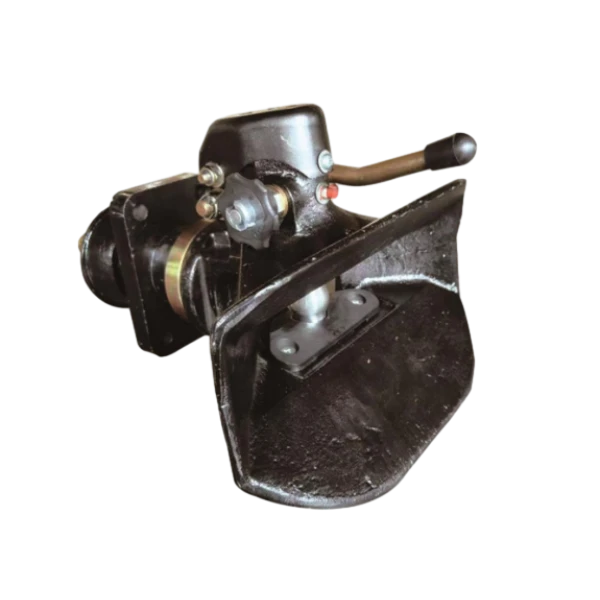 Trailer Coupling
The trailer coupling is a critical component in vehicle towing systems, designed to ensure a secure and efficient connection between a towing vehicle and a trailer. These couplings are manufactured using high-strength carbon steel, alloy steel, or stainless steel, ensuring durability and resistance to heavy loads and harsh environments.
-
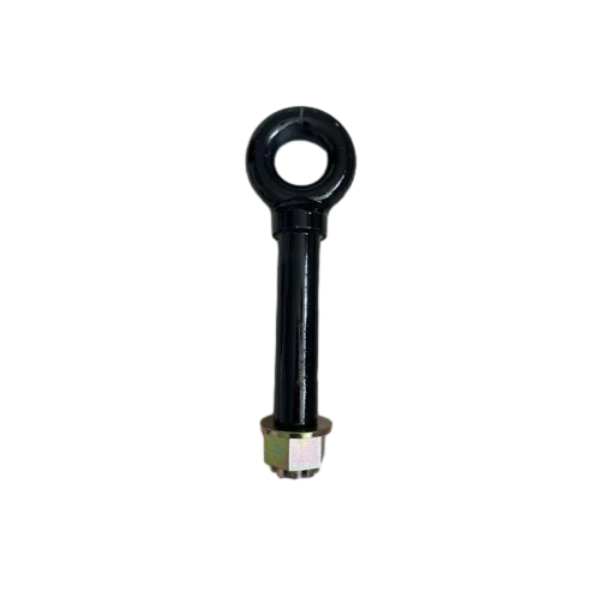 Drawbar Eyes
Drawbar eyes are essential components in towing and hauling applications, providing a strong and secure attachment point between the trailer and the towing vehicle. They are designed to endure extreme pulling forces, making them suitable for heavy-duty applications.
-
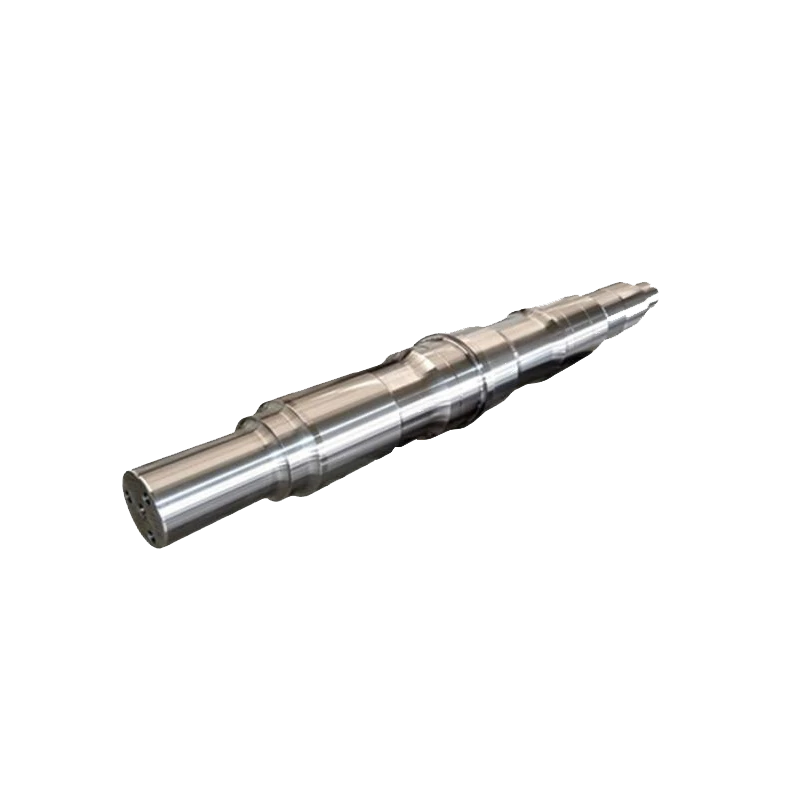 Axles
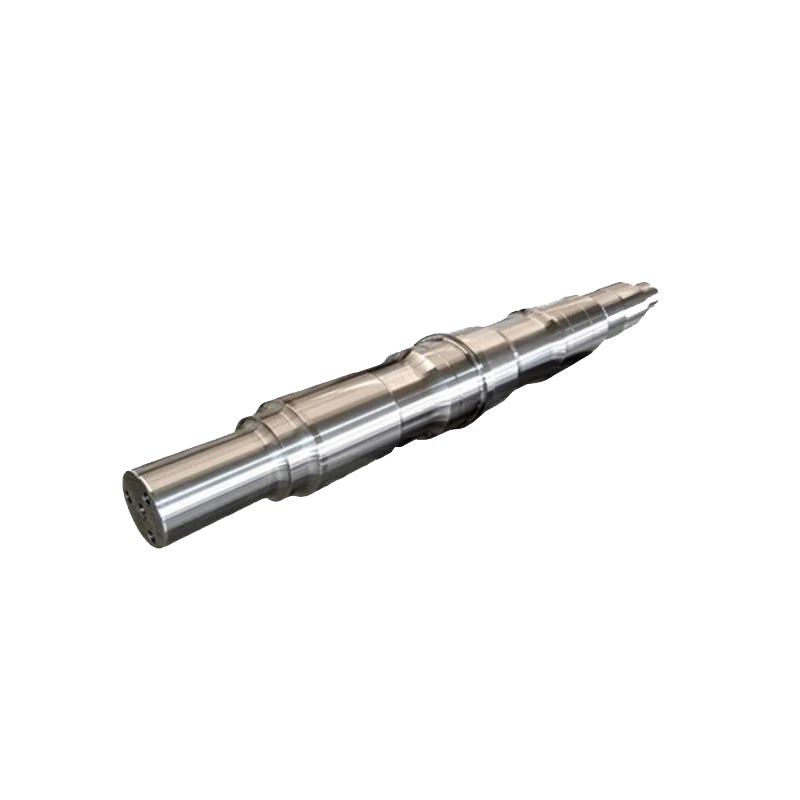
AxlesAxles are essential for vehicle load-bearing and power transmission, ensuring smooth movement and weight distribution. They must withstand high stress, torque, and impact, making material selection and precise manufacturing crucial.
-
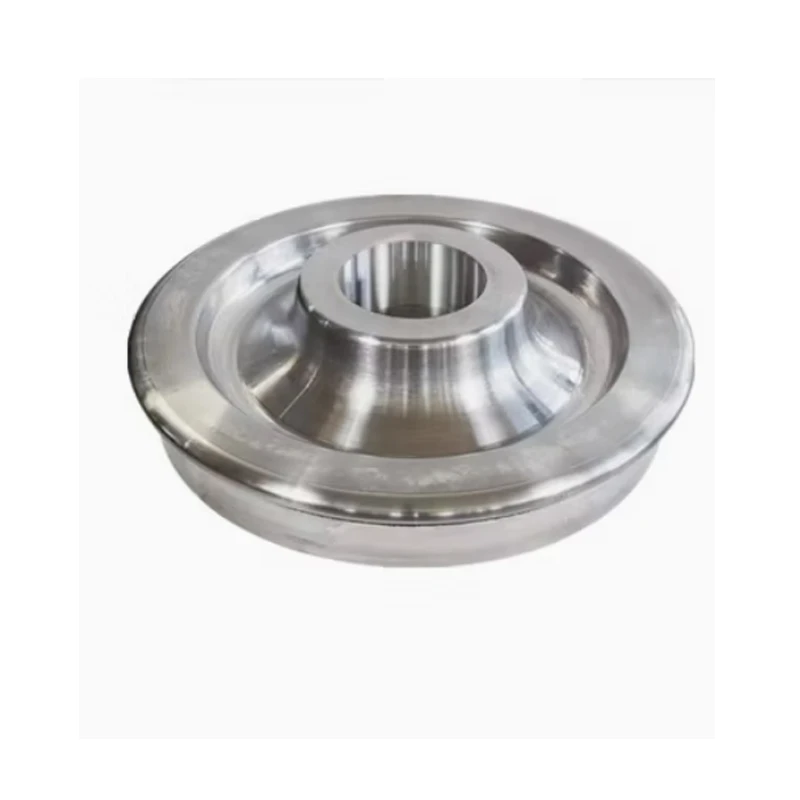 Profile S1002 Series Rail Wheels
The S1002 series rail wheels are designed for Rail-Road Vehicles (RRVs) that require seamless operation on both roads and railway tracks. Engineered with high precision and durability, these wheels conform to S1002 tread profiles, ensuring compatibility with standard railway systems.
A Comprehensive Guide to Axles Types for Industry Decision Makers | Manufacturing Base
Axles Types is a key solution in the industry, specifically within heavy machinery and transportation sectors. This article explores how https://www.manufacturing-base.com supports professionals with durable, high-performance products
>
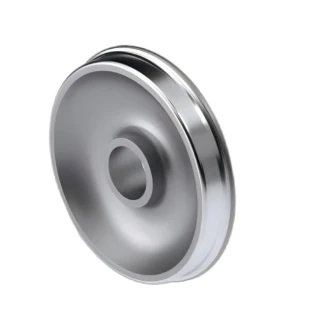
Reliable Rail Wheels: Optimize Your Rail Transport Solutions
For industries that rely on rail-based vehicles, choosing the right rail wheels is essential for smooth operations and safety.
>
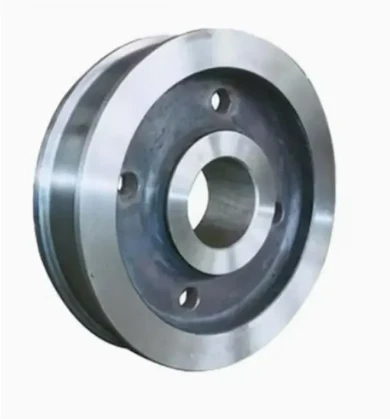
Premium Overhead Crane Wheels For Sale: Enhance Industrial Lifting Efficiency
In modern industrial operations, high-quality overhead crane wheels for sale are essential for safe, reliable, and efficient lifting.
>
Premium Hi Rail Wheels For Sale: Boost Rail Vehicle Performance
In the modern industrial and railway sectors, having reliable hi rail wheels for sale is essential for operational efficiency and safety.
>
High-Quality Hi Rail Wheels For Sale: Enhance Your Rail Equipment Efficiency
When it comes to reliable rail maintenance and industrial operations, investing in hi rail wheels for sale is crucial.
>
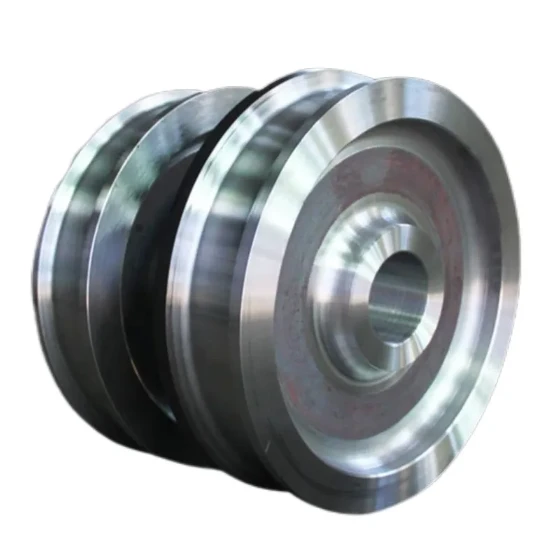
High-Quality Crane Wheels For Sale: Enhance Your Crane Operations
For industries relying on heavy lifting and material handling, investing in high-quality crane wheels for sale is crucial.
>
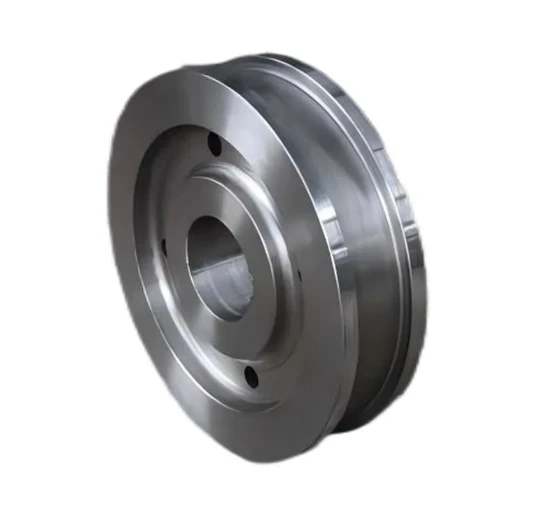
Durable Gantry Crane Wheels For Sale: Maximize Lifting Efficiency
For industries relying on heavy-duty lifting and material handling, selecting the right gantry crane wheels for sale is vital.
>
Reliable Tandem Drive Axles for Heavy-Duty Industrial Vehicles
Tandem Drive Axles: What I’ve Learned After Years in the Industrial Equipment Sector Ha
>
Reliable Semi Trailer Axles for Heavy-Duty Trailers | Expert Insight
Understanding semi trailer axles: The Backbone of Heavy Hauling Having spent more than a deca
>
RC Portal Axles: Industrial Strength and Custom Performance
RC Portal Axles: A Veteran’s Take on Industrial-Grade Performance Having spent over a d
>
Engineered for Excellence
Our forged solutions deliver reliability and performance, powering demanding industries to keep operations running smoothly.

Sign up
for Newsletter
Subscribe to the weekly newsletter for all the latest updates