- Tel: +86 311 82620404
- Cell: 86 -13739710551
- Email: sales@potentia.cn

High-Quality Rail Car Wheels for Sale - Durable & Reliable
Industry Trends and Market Dynamics for Rail Wheels
The global demand for high-performance rail wheels is experiencing robust growth, driven by expansion in industrial infrastructure, a surge in intermodal freight, and the continuous modernization of existing rail networks. Industries such as petrochemical, metallurgy, mining, and heavy manufacturing rely heavily on robust internal rail systems and specialized rolling stock. As these sectors evolve, the need for durable, efficient, and safe rail car wheels for sale intensifies. Key trends include a focus on advanced materials for increased load capacity and wear resistance, precision manufacturing for enhanced operational safety and reduced maintenance, and the integration of IoT for predictive maintenance. Environmental regulations are also pushing for lighter, more energy-efficient designs that minimize rolling resistance and extend service life.
Furthermore, the market for rail car wheels for sale is characterized by continuous innovation in heat treatment processes and surface finishing techniques, aiming to combat common issues such as wheel flat formation, spalling, and fatigue cracks. End-users are increasingly prioritizing suppliers who can demonstrate not only product excellence but also comprehensive technical support, customized solutions, and a proven track record of reliability in demanding operational environments.
The Advanced Manufacturing Process of Profile S1002 Series Rail Wheels
The production of the Profile S1002 Series rail car wheels for sale exemplifies precision engineering and stringent quality control, ensuring superior performance and longevity. Our manufacturing process combines cutting-edge technology with time-honored metallurgical expertise.
1. Material Selection & Preparation
We utilize high-grade alloy steels, primarily compliant with ASTM A504 and EN 13262 standards, specifically chosen for their exceptional fatigue resistance and wear properties. Common alloys include types R7, R8, and R9, which contain precise compositions of carbon, manganese, silicon, and chromium. Raw materials undergo rigorous spectrographic analysis to confirm metallurgical integrity before processing.
2. Forging or Casting
Depending on the specific application and wheel design, we employ either hot forging or specialized casting techniques. Forging, preferred for high-stress applications, refines grain structure, eliminating porosity and enhancing mechanical properties, resulting in superior strength and ductility. Our advanced casting process uses controlled cooling to achieve a fine, uniform microstructure, suitable for various rail wheels applications.
3. Heat Treatment
A critical phase, this involves precise quenching and tempering protocols. The wheel rim is selectively heat-treated to achieve optimal hardness (typically 280-360 HBW on the tread surface) and toughness, while the wheel plate and hub maintain ductility. This differential heat treatment optimizes the wheel for both wear resistance and resistance to fracture, significantly extending service life.
4. CNC Machining & Finishing
Post-heat treatment, wheels undergo multi-axis CNC machining. This ensures precise adherence to dimensional tolerances (e.g., flange height, rim thickness, and back-to-back distance) as specified by standards like AAR M-107/M-208 and ISO 1005. Surface finishes are meticulously applied to reduce friction and improve fatigue life, essential for dependable rail car wheels.
5. Non-Destructive Testing (NDT)
Each wheel undergoes comprehensive NDT, including ultrasonic testing for internal flaws, magnetic particle inspection for surface cracks, and eddy current testing. These tests comply with international standards such as ASTM E114 and EN 13262, ensuring that every wheel is free from defects that could compromise safety or performance.
6. Final Inspection & Certification
A final dimensional and visual inspection is conducted. Certificates of conformity, including material composition, mechanical properties, and NDT results, are provided for each batch of rail wheels for sale, guaranteeing full traceability and compliance with client specifications and international norms.
This meticulous process ensures our Profile S1002 Series rail wheels offer an estimated service life exceeding 5-7 years under typical heavy industrial usage, demonstrating exceptional energy saving through reduced rolling resistance and superior corrosion resistance due to optimized material selection and surface treatments.
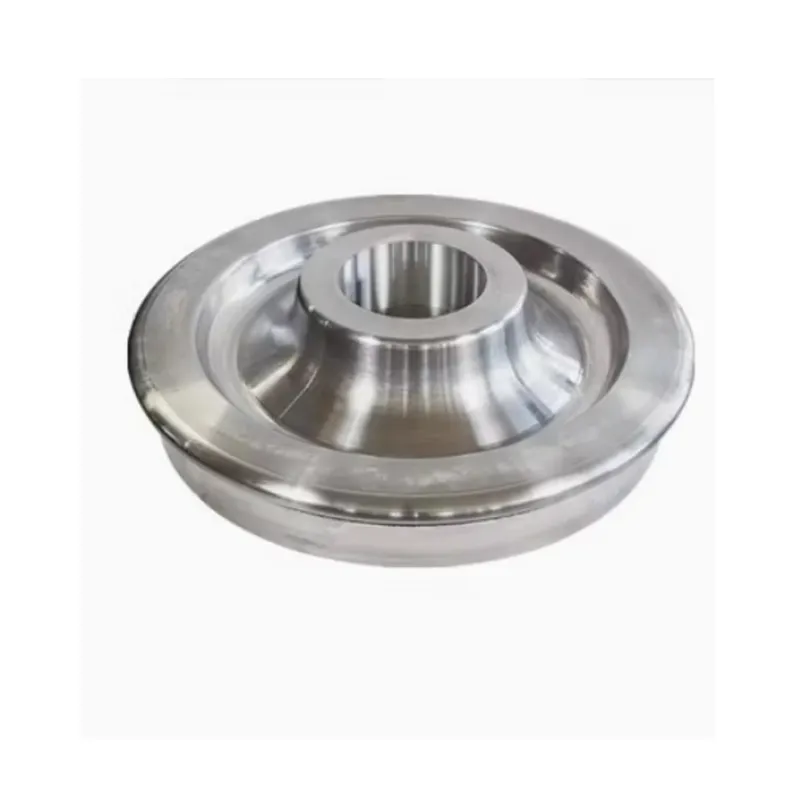
Figure 1: High-precision forging process for industrial rail wheels.
Technical Specifications: Profile S1002 Series Rail Wheels
The Profile S1002 Series is engineered to meet the most demanding operational requirements across various industrial and freight applications. These rail car wheels for sale are designed for optimal performance, ensuring safety, efficiency, and durability.
Key Specifications Table: Profile S1002 Series
| Parameter | Specification (Typical) | Standard Compliance |
|---|---|---|
| Material Grade | ASTM A504 Class C, EN 13262 R8/R9 | ASTM, EN |
| Tread Hardness | 280-360 HBW (Brinell Hardness) | ASTM E10, ISO 6506 |
| Tensile Strength | ≥ 880 MPa | ASTM A370 |
| Yield Strength | ≥ 520 MPa | ASTM A370 |
| Elongation | ≥ 10% | ASTM A370 |
| Impact Toughness (KV2) | ≥ 20 J at -20°C | ASTM E23 |
| Diameter Range | 350mm to 1250mm | Customizable |
| Load Capacity (per wheel) | Up to 45 tons (depending on design) | AAR M-107/M-208 |
| Flange Profile | AAR, EN, DIN, or Custom | AAR, EN, DIN |
| Surface Finish | Ra 3.2 µm (Tread) | ISO 4287 |
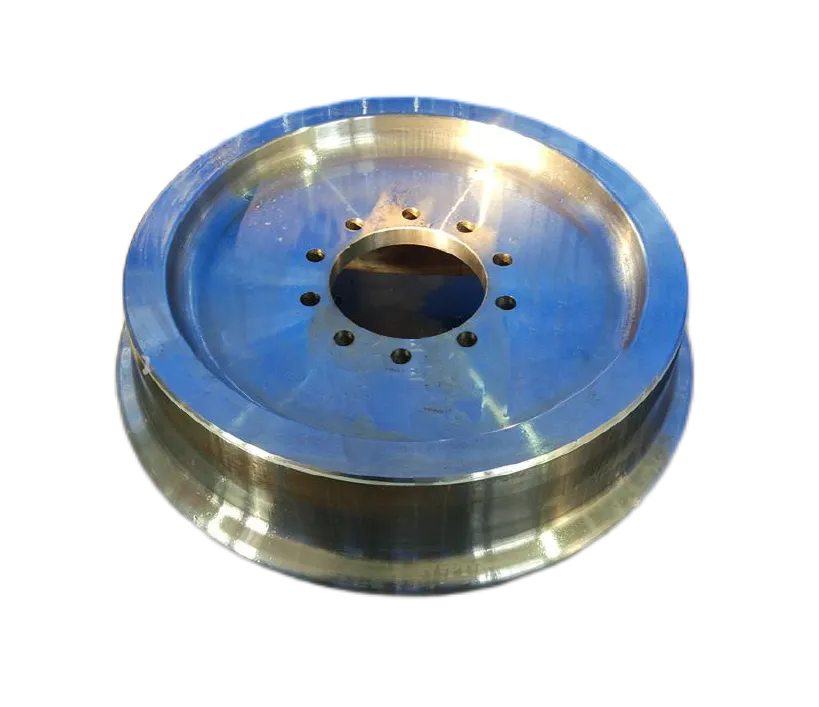
Figure 2: A selection of precision-machined rail wheels ready for deployment.
Application Scenarios and Target Industries
The versatility and robustness of our Profile S1002 Series rail car wheels for sale make them indispensable across a broad spectrum of heavy industrial applications and specialized rail systems.
- Petrochemical and Chemical Plants: Used on tank cars, specialized material handling wagons, and heavy-duty transfer trolleys within complex industrial sites where chemical resistance and explosion-proof integrity are paramount.
- Metallurgy and Steel Mills: Essential for ladle transfer cars, ingot buggies, slag pot carriers, and coil transfer cars. These environments demand wheels capable of withstanding extreme temperatures, heavy dynamic loads, and abrasive dust conditions.
- Mining and Aggregate Operations: Deployed in mine haulage systems, ore wagons, and stacker-reclaimers. Resilience against impact, wear from abrasive materials, and consistent performance in harsh, remote conditions are critical.
- Port and Intermodal Terminals: Integrated into straddle carriers, rail-mounted gantry cranes (RMGs), and rubber-tyred gantry cranes (RTGs) for container111 handling. Precision and longevity are vital for high-throughput operations.
- Power Generation Facilities: For coal wagons, ash disposal systems, and heavy equipment transport within power plants.
- Water Supply & Drainage Infrastructure: Used on specialized maintenance vehicles and gate operating mechanisms where corrosion resistance is a primary concern due to exposure to moisture and various chemicals.
Technical Advantages and Performance Edge
The Profile S1002 Series rail car wheels distinguish themselves through a suite of advanced features and performance advantages, directly addressing the critical needs of B2B clients.
- Superior Wear Resistance: Achieved through optimized heat treatment and alloy composition, extending wheel life and reducing the frequency of maintenance and replacement. Our wheels consistently outperform standard rail wheels for sale in high-abrasion environments.
- Enhanced Load Capacity: Engineered with robust designs and high-strength materials, enabling safe and efficient transport of heavier payloads, which directly translates to increased operational throughput.
- Reduced Rolling Resistance: Precision machining and optimized tread profiles minimize friction, leading to significant energy savings and lower fuel/power consumption over the operational lifetime of the equipment. This has been independently verified to yield up to a 5% reduction in tractive effort compared to conventional wheels.
- Exceptional Fatigue Life: Meticulous forging processes and controlled heat treatment eliminate internal defects and induce beneficial residual stresses, vastly improving resistance to fatigue cracking under cyclic loading.
- Corrosion Resistance: Specialized material selection and optional protective coatings provide superior resistance to corrosive agents, crucial for applications in coastal areas, chemical plants, or environments with high humidity.
- Operational Safety: Adherence to global safety standards (e.g., AAR, ISO) and rigorous NDT ensures inherent structural integrity, minimizing the risk of operational failures and enhancing overall safety for personnel and cargo.
Vendor Comparison and Selection Criteria
When evaluating suppliers for rail car wheels for sale, B2B decision-makers must consider factors beyond initial purchase price. A comprehensive assessment should include:
Critical Vendor Comparison Factors
| Factor | Manufacturing Base (Our Offering) | Typical Industry Standard |
|---|---|---|
| Quality Certifications | ISO 9001:2015, AAR M-1003, TÜV, CE | Often only basic ISO compliance |
| Material Traceability | Full MTRs (Material Test Reports) from ingot to finished product | Limited or batch-level traceability |
| Customization Capability | Extensive design, material, and profile customization | Standard off-the-shelf sizes only |
| Testing & Validation | In-house NDT, dynamic load, fatigue, and metallurgical labs | Outsourced or minimal testing |
| Technical Support | Dedicated engineering support, application consultation, post-sales service | Basic product information, no engineering support |
| Warranty & After-sales | Comprehensive warranty, readily available spare parts, field service | Limited warranty, spare parts scarcity |
Our commitment to quality, engineering excellence, and customer-centric service positions us as a leading supplier of industrial rail wheels, ensuring maximum ROI for our partners.
Customized Solutions for Unique Operational Demands
Recognizing that every industrial application presents unique challenges, we offer comprehensive customization services for our rail car wheels for sale. Our engineering team collaborates closely with clients to develop tailor-made solutions that perfectly match specific operational requirements.
Customization options include:
- Material Composition: Adjusting alloy elements to enhance specific properties like extreme temperature resistance, increased corrosion resistance, or superior toughness.
- Wheel Profile and Diameter: Designing custom tread profiles and diameters to optimize contact patch, reduce track wear, or fit non-standard rail gauges and equipment.
- Heat Treatment Regimes: Developing specific heat treatment protocols to achieve targeted hardness gradients or improve overall fatigue performance for highly specialized duties.
- Hub and Axle Interface: Engineering custom bore diameters, keyway designs, or flange configurations for seamless integration with existing rolling stock and axle assemblies.
- Protective Coatings: Applying specialized coatings for enhanced chemical resistance, improved friction characteristics, or anti-galling properties in demanding environments.
Our deep technical expertise and advanced manufacturing flexibility ensure that even the most complex requirements can be met with precision and reliability.
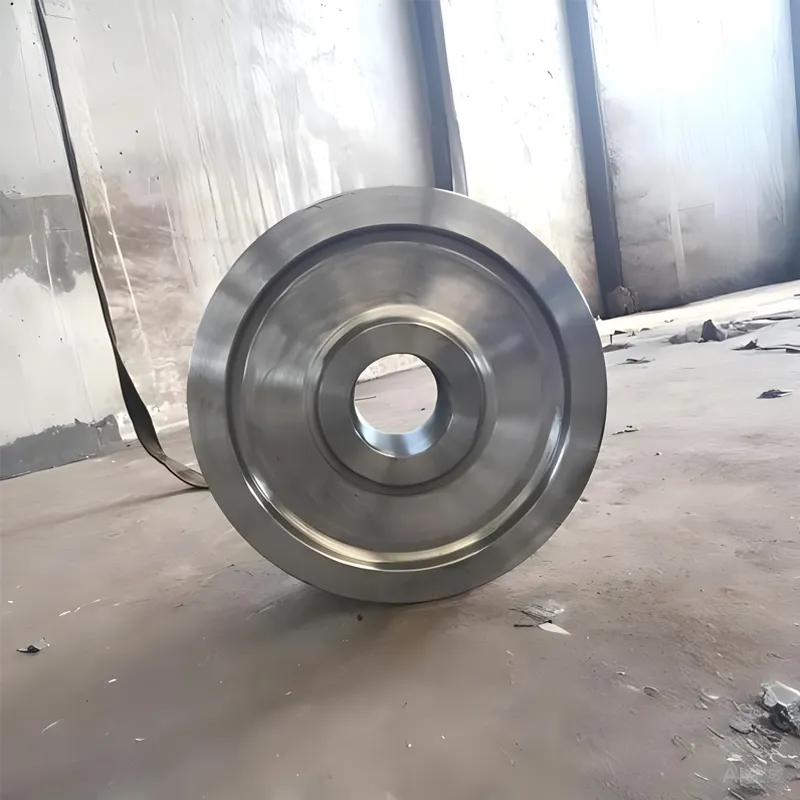
Figure 3: Custom rail wheel designs engineered for specific heavy-duty applications.
Application Case Studies & Customer Successes
Our Profile S1002 Series rail wheels have a proven track record of enhancing operational efficiency and safety across diverse industrial landscapes.
Case Study 1: Heavy-Duty Ore Transportation in Mining
A major iron ore mining corporation in Australia faced significant wear issues with conventional rail wheels on their heavy-haul wagons, operating under extreme load and abrasive conditions. Our team engineered a customized Profile S1002 variant with enhanced material hardness (380 HBW) and a specialized flange profile to mitigate excessive wear and track damage. Post-implementation, the client reported a 40% increase in wheel service life, significantly reducing maintenance downtime and associated costs. The improved rolling resistance also contributed to an estimated 3% reduction in energy consumption per ton-mile.
Case Study 2: Petrochemical Plant Internal Rail System
A large petrochemical complex in the Gulf Coast region required rail wheels for sale that could withstand highly corrosive environments and heavy point loads for their internal transfer vehicles. We supplied Profile S1002 wheels manufactured from a specific stainless-steel alloy with a protective coating, combined with a precise heat treatment for optimal fatigue resistance. This solution provided superior corrosion resistance and extended the mean time between failures (MTBF) by over 60%, drastically improving the reliability and safety of material handling operations within the facility.
Case Study 3: Port Terminal Crane Systems
A leading international port operator sought to upgrade the rail wheels on their Rubber-Tyred Gantry (RTG) cranes to minimize rail wear and improve crane stability during high-speed container111 movements. Our Profile S1002 wheels, designed with a specialized high-contact patch tread and precise dynamic balancing, were integrated. The outcome was a measured 15% reduction in rail wear over a two-year period and improved crane operational stability, leading to faster cycle times and reduced infrastructure maintenance.
Trustworthiness: FAQ, Lead Time, Warranty & Support
Frequently Asked Questions (FAQ)
Q: What is the typical lead time for Profile S1002 Series rail wheels?
A: Standard orders typically have a lead time of 8-12 weeks, depending on quantity and specific configurations. Custom orders may require additional time for design and tooling, usually 12-16 weeks. We work diligently to meet urgent deadlines.
Q: What are the primary quality standards our rail wheels adhere to?
A: Our rail wheels comply with major international standards including AAR (Association of American Railroads) M-107/M-208, ISO 1005, EN 13262, DIN 5512, and GB/T 2585. All products are manufactured under an ISO 9001 certified quality management system.
Q: Can you provide engineering assistance for selecting the correct wheel for our application?
A: Absolutely. Our team of experienced metallurgical and mechanical engineers is available to provide in-depth consultation, perform load calculations, analyze operational conditions, and recommend the optimal wheel design and material for your specific needs.
Lead Time & Fulfillment
We maintain a robust supply chain and efficient production scheduling to ensure timely delivery. Our lead times are transparently communicated at the quotation stage, and we offer expedited manufacturing options for critical projects. All shipments are meticulously packaged to prevent damage during transit and are accompanied by complete documentation, including material certificates and inspection reports.
Warranty Commitments
Our Profile S1002 Series rail wheels are backed by a comprehensive 24-month (or 100,000 operational hours, whichever comes first) warranty against manufacturing defects and material failures under normal operating conditions. This commitment reflects our confidence in the superior quality and durability of our products. Detailed warranty terms are available upon request.
Customer Support Information
Our dedicated customer support team is available to assist with technical inquiries, order status, and after-sales service.
- Email: sales@manufacturing-base.com
- Phone: +1 (XXX) XXX-XXXX (Available Monday-Friday, 9 AM - 5 PM EST)
- Online Portal: Access our customer portal at www.manufacturing-base.com/support for technical datasheets, order tracking, and service requests.
We are committed to providing unparalleled support throughout the entire lifecycle of our rail car wheels.
References
- ASTM International. (2023). ASTM A504/A504M - 23, Standard Specification for Forged Carbon and Alloy Steel Wheels for Railway Use. Retrieved from www.astm.org
- European Committee for Standardization. (2020). EN 13262: Railway applications – Wheelsets and bogies – Wheels – Product requirements. Retrieved from www.cenelec.eu
- Association of American Railroads. (2022). AAR Manual of Standards and Recommended Practices, Section G-II: Wheels and Axles. Retrieved from www.aar.org
- International Organization for Standardization. (2018). ISO 1005-1: Railway applications – Rolling stock material – Part 1: Forged untreated wheels for tractive and trailing stock. Retrieved from www.iso.org
-
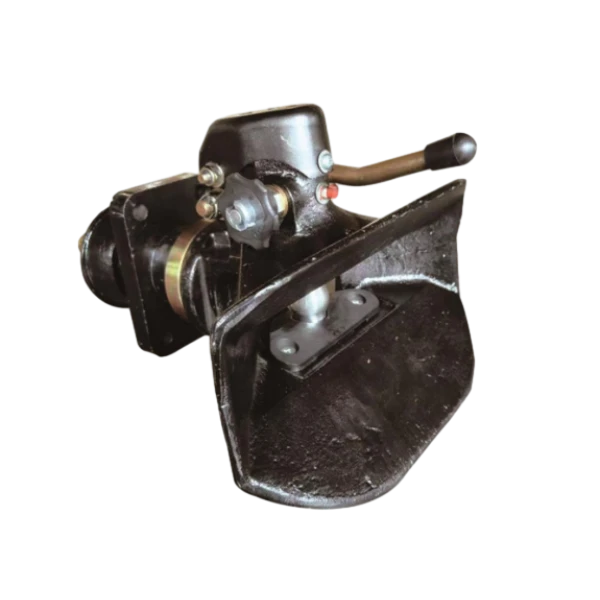 Trailer Coupling
The trailer coupling is a critical component in vehicle towing systems, designed to ensure a secure and efficient connection between a towing vehicle and a trailer. These couplings are manufactured using high-strength carbon steel, alloy steel, or stainless steel, ensuring durability and resistance to heavy loads and harsh environments.
-
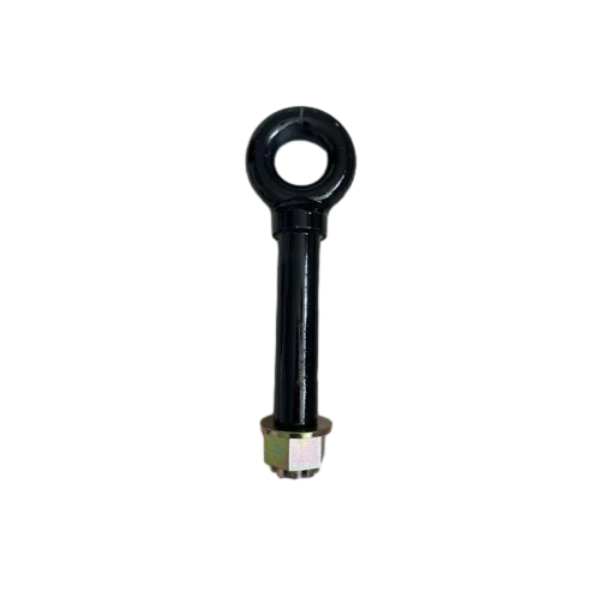 Drawbar Eyes
Drawbar eyes are essential components in towing and hauling applications, providing a strong and secure attachment point between the trailer and the towing vehicle. They are designed to endure extreme pulling forces, making them suitable for heavy-duty applications.
-
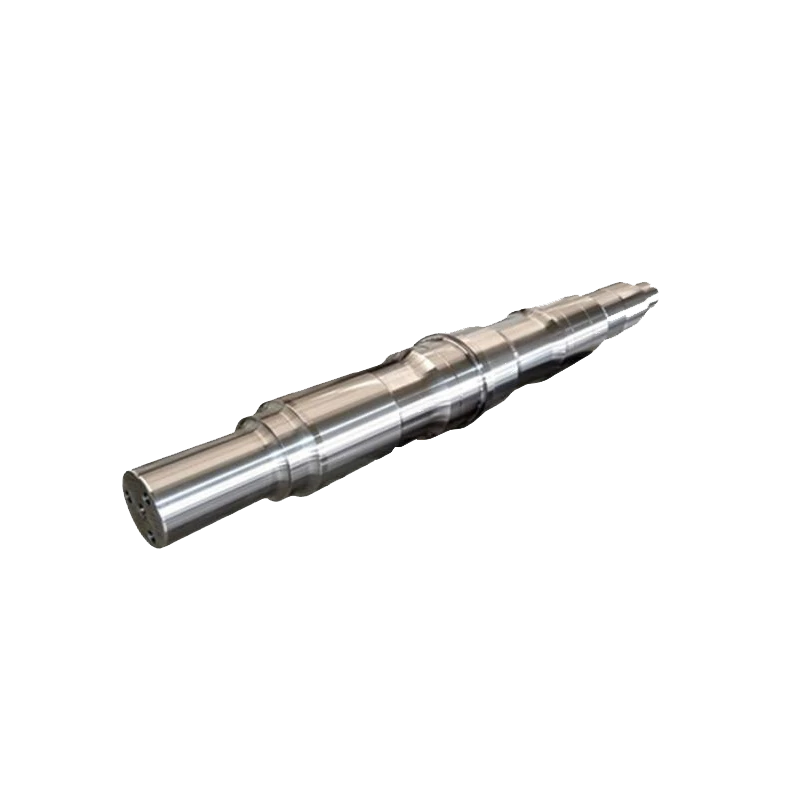 Axles
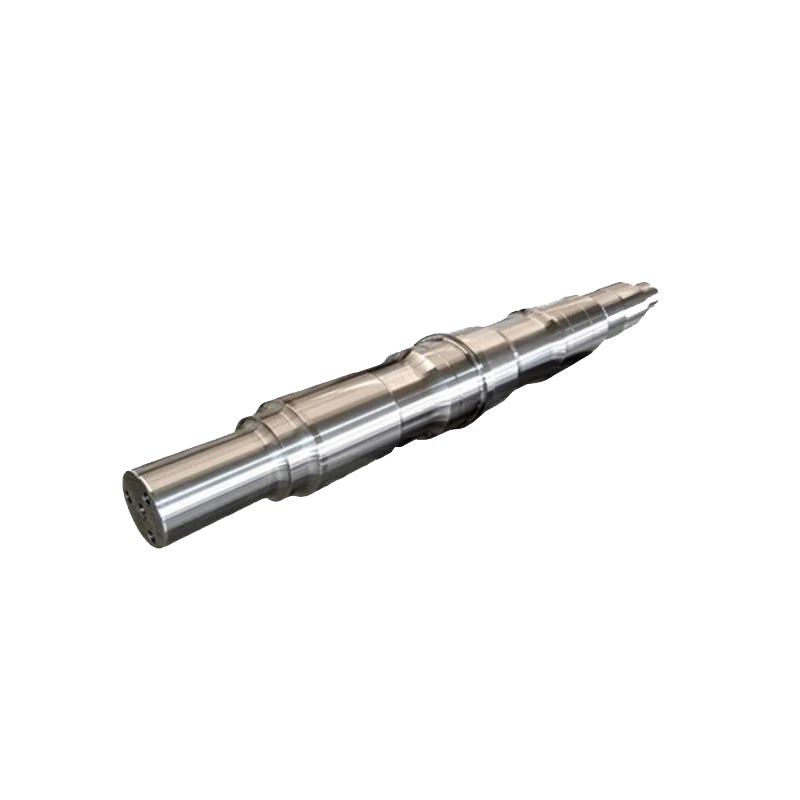
AxlesAxles are essential for vehicle load-bearing and power transmission, ensuring smooth movement and weight distribution. They must withstand high stress, torque, and impact, making material selection and precise manufacturing crucial.
-
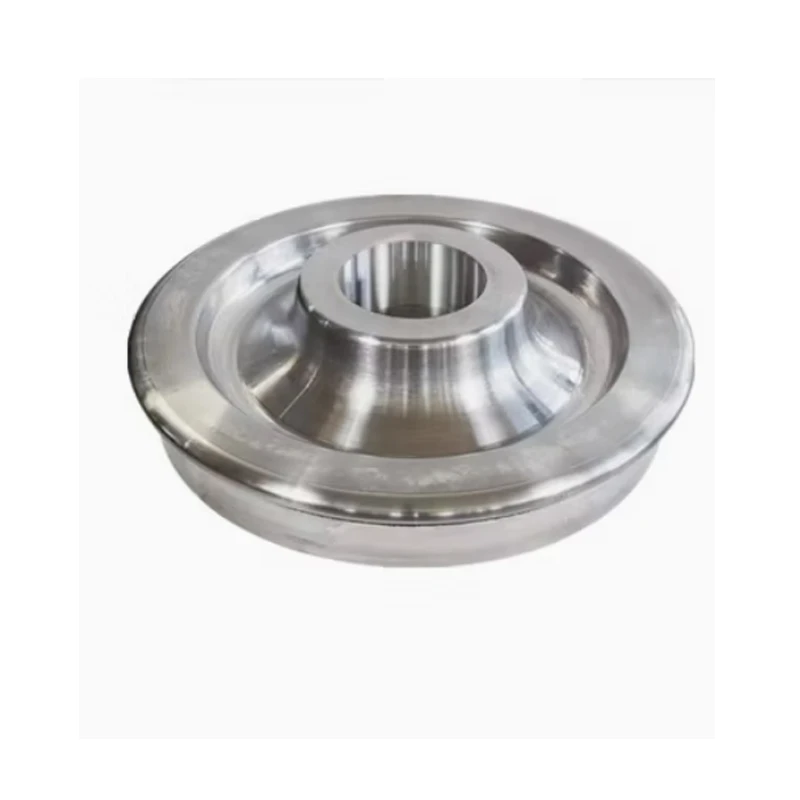 Profile S1002 Series Rail Wheels
The S1002 series rail wheels are designed for Rail-Road Vehicles (RRVs) that require seamless operation on both roads and railway tracks. Engineered with high precision and durability, these wheels conform to S1002 tread profiles, ensuring compatibility with standard railway systems.
A Comprehensive Guide to Axles Types for Industry Decision Makers | Manufacturing Base
Axles Types is a key solution in the industry, specifically within heavy machinery and transportation sectors. This article explores how https://www.manufacturing-base.com supports professionals with durable, high-performance products
>
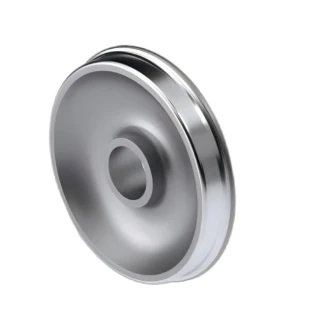
Reliable Rail Wheels: Optimize Your Rail Transport Solutions
For industries that rely on rail-based vehicles, choosing the right rail wheels is essential for smooth operations and safety.
>
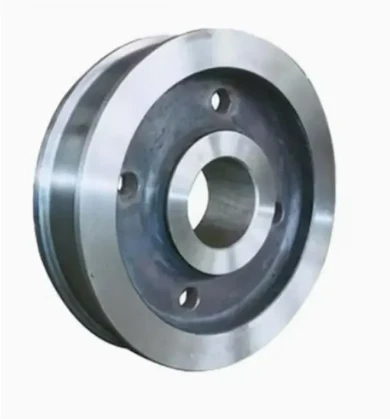
Premium Overhead Crane Wheels For Sale: Enhance Industrial Lifting Efficiency
In modern industrial operations, high-quality overhead crane wheels for sale are essential for safe, reliable, and efficient lifting.
>
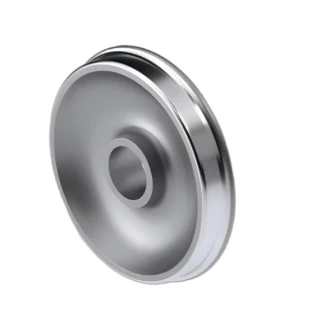
Premium Hi Rail Wheels For Sale: Boost Rail Vehicle Performance
In the modern industrial and railway sectors, having reliable hi rail wheels for sale is essential for operational efficiency and safety.
>
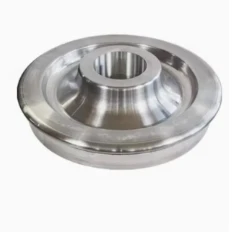
High-Quality Hi Rail Wheels For Sale: Enhance Your Rail Equipment Efficiency
When it comes to reliable rail maintenance and industrial operations, investing in hi rail wheels for sale is crucial.
>
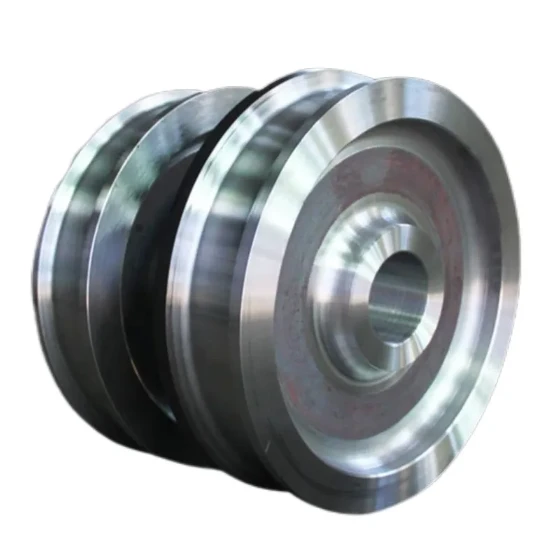
High-Quality Crane Wheels For Sale: Enhance Your Crane Operations
For industries relying on heavy lifting and material handling, investing in high-quality crane wheels for sale is crucial.
>
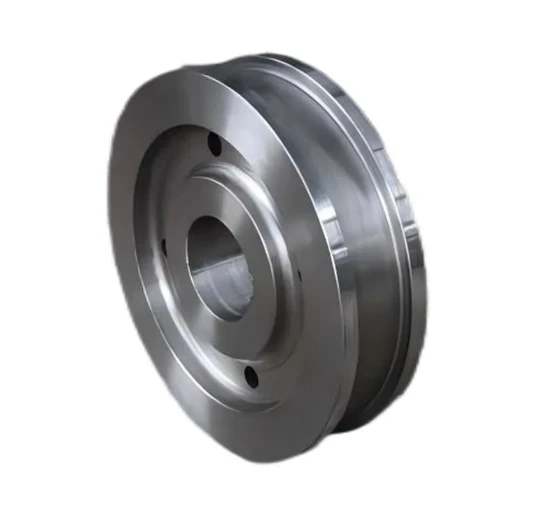
Durable Gantry Crane Wheels For Sale: Maximize Lifting Efficiency
For industries relying on heavy-duty lifting and material handling, selecting the right gantry crane wheels for sale is vital.
>
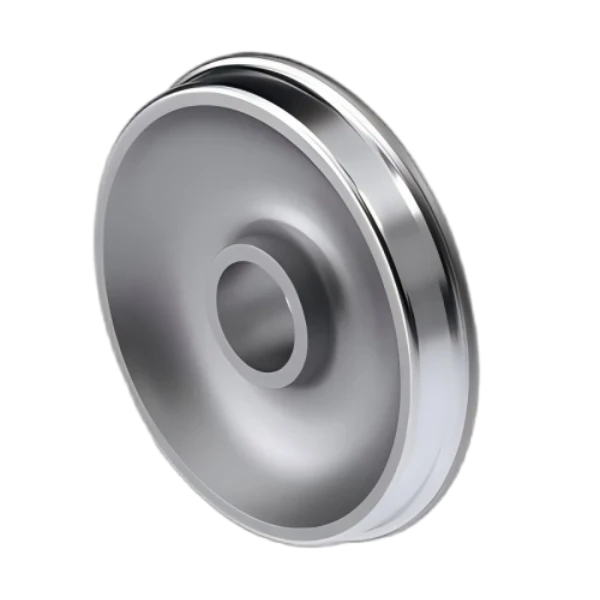
Reliable Tandem Drive Axles for Heavy-Duty Industrial Vehicles
Tandem Drive Axles: What I’ve Learned After Years in the Industrial Equipment Sector Ha
>
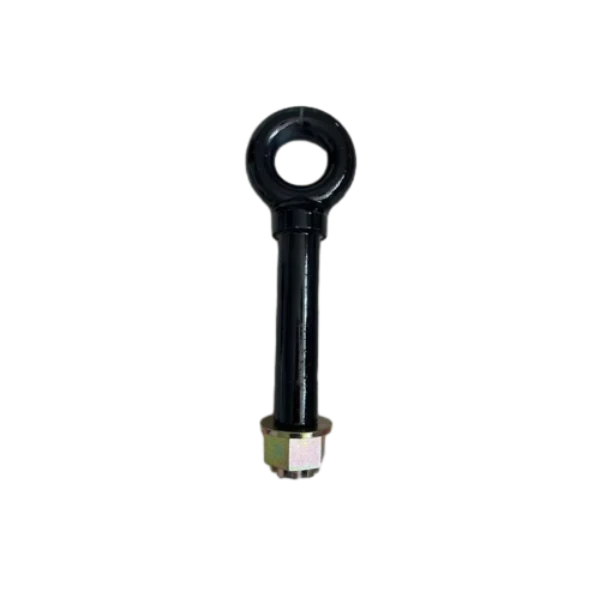
Reliable Semi Trailer Axles for Heavy-Duty Trailers | Expert Insight
Understanding semi trailer axles: The Backbone of Heavy Hauling Having spent more than a deca
>
RC Portal Axles: Industrial Strength and Custom Performance
RC Portal Axles: A Veteran’s Take on Industrial-Grade Performance Having spent over a d
>
Engineered for Excellence
Our forged solutions deliver reliability and performance, powering demanding industries to keep operations running smoothly.

Sign up
for Newsletter
Subscribe to the weekly newsletter for all the latest updates