- Tel: +86 311 82620404
- Cell: 86 -13739710551
- Email: sales@potentia.cn

Premium Rails Wheels for Sale - Durable Rail Car Wheels
The Pivotal Role and Evolution of Rail Wheels in Modern Industry
In the vast landscape of industrial and logistical operations, the integrity and performance of rails wheels are paramount. These critical components are not merely simple circular devices; they are engineered marvels that facilitate the efficient and safe movement of goods and personnel across diverse environments. From heavy-haul freight trains traversing continents to specialized industrial rail cars within manufacturing facilities, the demands on rail wheels are immense, encompassing extreme loads, varying speeds, and harsh environmental conditions. This comprehensive article delves into the intricate world of rail wheels, covering industry trends, technical specifications, manufacturing processes, application scenarios, and the compelling advantages offered by advanced solutions like the Profile P1 Series Rail Wheels, addressing the needs of businesses seeking reliable rail car wheels for sale.
Current Industry Trends Driving Rail Wheel Innovation
The global rail industry is undergoing significant transformation, propelled by demands for increased efficiency, enhanced safety, and reduced environmental impact. This directly influences the development and procurement of rails wheels. Key trends include:
- Advanced Materials Science: The adoption of higher-strength, more wear-resistant steel alloys and composite materials is leading to lighter, more durable wheels with extended service lives. This includes micro-alloyed steels and advanced heat treatment processes for improved toughness and fatigue resistance.
- Digitalization and IoT Integration: Smart wheels equipped with sensors for real-time monitoring of temperature, vibration, and acoustic emissions are becoming more prevalent. This data enables predictive maintenance, reducing unexpected failures and optimizing maintenance schedules, thereby enhancing operational safety and efficiency for rail car wheels.
- Sustainability and Energy Efficiency: Efforts to reduce rolling resistance and overall wheel weight contribute to lower fuel consumption and reduced carbon emissions. This trend is critical for achieving ambitious sustainability goals within the logistics and transportation sectors.
- Increased Load Capacity and Speed: The demand for moving heavier loads at higher speeds necessitates wheels designed for superior structural integrity and thermal management, pushing the boundaries of traditional engineering.
- Noise and Vibration Reduction: With growing urbanization, minimizing noise and vibration from rail operations is a critical design consideration, leading to innovations in wheel profiles and damping technologies.
These trends highlight the continuous innovation required to meet the evolving challenges of modern rail transport, ensuring that specialized rail car wheels for sale offer cutting-edge performance and reliability.
Detailed Manufacturing Process of High-Performance Rail Wheels
The production of high-quality rails wheels is a meticulous multi-stage process that combines advanced metallurgy with precision engineering. The objective is to create a product capable of enduring extreme stresses, prolonged service, and demanding operational environments. Here’s a breakdown of the typical manufacturing process, exemplified by products like the Profile P1 Series Rail Wheels:
Process Flow Overview:
- Material Selection and Preparation:
The foundation of a durable rail wheel begins with selecting high-grade steel. Common choices include carbon steel alloys meeting specifications like AAR M-107/M-208 for North America or EN 13262 for Europe, which specify minimum tensile strength, yield strength, and impact resistance. These materials provide the necessary toughness and wear resistance. Raw steel billets are carefully inspected for defects before processing.
- Forging or Casting:
Forging: This is the most common method for high-performance wheels. Steel billets are heated to forging temperatures (typically 1100-1250°C) and then shaped under immense pressure using presses or hammers. This process refines the grain structure, eliminates porosity, and enhances the mechanical properties (tensile strength, fatigue resistance) of the wheel blank. This method is crucial for creating structurally sound rail car wheels.
Casting: For certain applications, casting may be used, where molten steel is poured into molds. While less common for mainline wheels due to potentially lower fatigue strength, advancements in casting technology (e.g., vacuum casting) have improved quality for specialized applications. - Heat Treatment:
After forging/casting, wheels undergo a controlled heat treatment process, usually involving normalizing, quenching, and tempering. This process optimizes the microstructure of the steel, increasing hardness, strength, and wear resistance in the tread and flange while maintaining ductility in the web and hub. For example, rim-quenched wheels offer superior wear performance for specific rails wheels profiles.
- CNC Machining:
Precision CNC (Computer Numerical Control) machining is critical for achieving the exact wheel profile, bore diameter, and surface finish. This includes turning the tread and flange to specific dimensions (e.g., AAR S-003 or UIC 510-2 standards), boring the hub for axle fitment, and ensuring dynamic balance. Accuracy at this stage is vital for smooth operation and minimal wear.
- Inspection and Testing:
Every wheel undergoes rigorous quality control to ensure it meets stringent industry standards.
- Non-Destructive Testing (NDT): Ultrasonic testing (UT) detects internal flaws, while magnetic particle inspection (MPI) reveals surface and near-surface cracks.
- Dimensional Inspection: Calipers, gauges, and laser measurement systems verify all critical dimensions.
- Hardness Testing: Ensures the specified hardness levels in the tread and flange.
- Mechanical Property Testing: Samples may be taken for tensile, impact, and fatigue testing.
- Dynamic Balancing: Ensures smooth rotation at high speeds, minimizing vibration.
- Surface Treatment and Finishing:
Depending on application, wheels may receive corrosion-resistant coatings or protective treatments. Final marking with product identification, serial numbers, and manufacturing dates is applied.
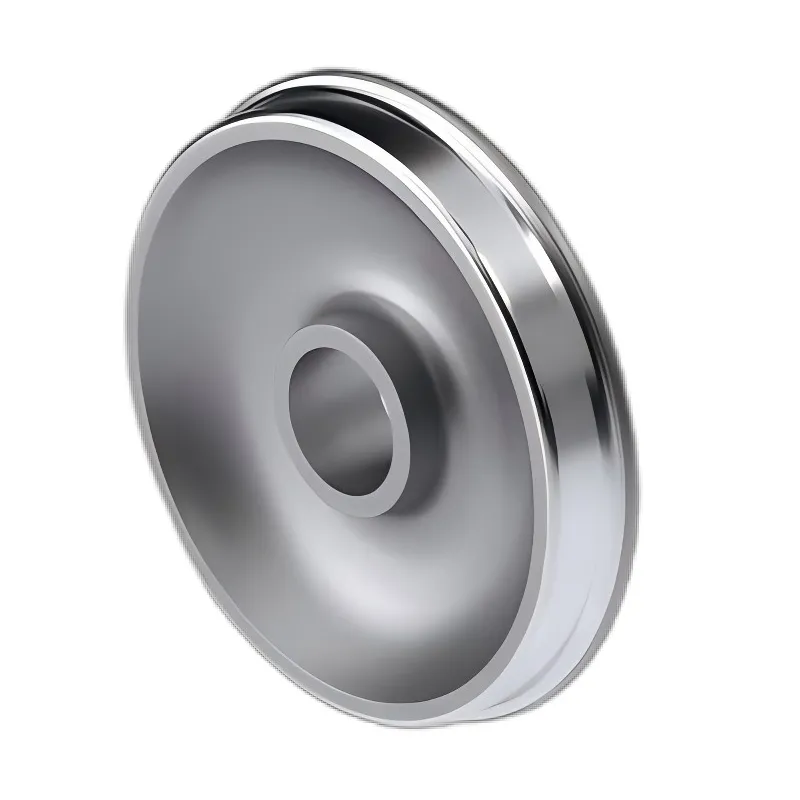
Advantages in Typical Application Scenarios:
- Energy Saving: Precisely manufactured wheels with optimized profiles and low rolling resistance contribute to significant fuel efficiency gains, especially in heavy-haul applications.
- Corrosion Resistance: For industries like petrochemicals, water supply & drainage, or coastal operations, specific material treatments or alloys ensure longevity against harsh chemical or saline environments.
- Extended Service Life: Through superior materials and manufacturing, wheels in target industries such as metallurgy (withstanding high temperatures and impact), mining (handling abrasive conditions), and general heavy transport (enduring massive loads) achieve extended operational life, reducing downtime and replacement costs.
This rigorous process guarantees that each wheel, including specialized rail car wheels for sale, offers unparalleled reliability and performance.
Technical Specifications: Profile P1 Series Rail Wheels
The Profile P1 Series Rail Wheels are engineered to meet the most demanding industrial and railway requirements. Designed with a focus on durability, safety, and operational efficiency, these wheels incorporate advanced material science and precision manufacturing techniques. Below are the key technical parameters that define the superior performance of the Profile P1 Series.
Profile P1 Series Rail Wheels - Key Specifications:
| Parameter | Specification (Profile P1 Series) | Technical Detail / Standard |
|---|---|---|
| Material Grade | High-Carbon Forged Steel (e.g., AAR Class C, EN 13262 R8T) | Superior tensile strength (min. 800 MPa) and wear resistance. |
| Diameter Range | 300 mm to 1200 mm | Customizable to various gauge requirements and rolling stock types. |
| Tread Hardness (HBW) | 280-320 HBW | Achieved through controlled rim quenching for enhanced wear life. |
| Flange Thickness | Variable (e.g., 28.6mm to 33mm) | Conforms to AAR, UIC, and other specific railway standards. |
| Load Capacity (per wheel) | Up to 40 tonnes (88,000 lbs) | Designed for heavy-haul and specialized industrial applications. |
| Maximum Operating Speed | Up to 160 km/h (100 mph) | Suitable for both freight and medium-speed passenger applications. |
| Service Life Expectancy | Minimum 800,000 km (500,000 miles) or 10 years (whichever comes first) | Dependent on operating conditions and maintenance schedules. |
| Compliance Standards | ISO 9001:2015, AAR M-107/M-208, EN 13262, TB/T 2817 | Ensures global interoperability and adherence to stringent safety and quality mandates. |
| Surface Finish | Ra 3.2 – Ra 6.3 (Machined surfaces) | Contributes to reduced rolling resistance and minimized rail wear. |
These specifications underscore the advanced engineering behind the Profile P1 Series, positioning them as a leading choice for businesses requiring high-performance rail car wheel solutions.
Versatile Application Scenarios for High-Performance Rail Wheels
The versatility of modern rails wheels extends across a broad spectrum of industries, each presenting unique operational challenges. The Profile P1 Series, alongside other high-performance rail car wheels for sale, are designed to excel in diverse and demanding applications:
- Heavy-Haul Freight and Mainline Railways: Critical for locomotives and freight wagons carrying massive loads over long distances. Durability, high load capacity, and fatigue resistance are paramount to ensure continuous operation and safety.
- Industrial Locomotives and Shunting Operations: Used in steel mills, power plants, ports, and large manufacturing facilities for internal transport of raw materials and finished goods. These environments often involve tight curves, frequent starts/stops, and abrasive conditions, requiring robust wheels with excellent wear properties.
- Mining and Quarry Operations: Haulage trains within mines transport ore and waste. Wheels in this sector must withstand extreme impact loads, abrasive dust, and corrosive underground environments.
- Petrochemical and Chemical Plants: Specialized rail cars transport hazardous or corrosive materials. Wheels here require enhanced corrosion resistance and strict compliance with safety regulations to prevent failures that could lead to environmental or safety incidents.
- Water Supply & Drainage Infrastructure: Maintenance and inspection rail vehicles operating in environments with high moisture, potentially corrosive chemicals, and uneven tracks rely on durable and precisely engineered wheels for safe access.
- Crane and Transfer Car Systems: Beyond traditional rail, high-capacity rail car wheels are integral to overhead cranes, gantry cranes, and transfer cars in heavy manufacturing, shipbuilding, and logistics hubs, requiring precise alignment and load distribution.
Each scenario demands tailored engineering to ensure optimal performance, safety, and longevity, making the selection of the right rail car wheel a strategic decision for any operation.
Technical Advantages of Advanced Rail Wheels
Investing in advanced rails wheels like the Profile P1 Series provides a multitude of technical and operational benefits that directly impact the bottom line and overall system reliability:
- Enhanced Durability and Extended Service Life: Superior material selection and controlled heat treatment processes (e.g., rim quenching) lead to significantly improved wear resistance on the tread and flange, extending the operational lifespan of the wheel and reducing the frequency of replacements.
- Optimized Energy Efficiency: Precision machining to tight tolerances ensures optimal wheel-rail contact, minimizing rolling resistance. This translates to reduced energy consumption (fuel or electricity) for propulsion, offering substantial operational savings over time.
- Reduced Maintenance Costs and Downtime: The robust construction and excellent wear characteristics of advanced wheels reduce the need for frequent re-profiling or replacement. This minimizes rolling stock downtime, lowers labor costs, and decreases the inventory of spare parts.
- Superior Safety Performance: Rigorous manufacturing and testing protocols, including ultrasonic and magnetic particle inspection, ensure freedom from internal defects and surface cracks. This drastically reduces the risk of in-service wheel failures, enhancing overall operational safety.
- Improved Ride Quality and Reduced Noise/Vibration: Advanced wheel profiles, precise concentricity, and dynamic balancing contribute to smoother operation, reducing noise and vibration. This is beneficial for passenger comfort, cargo integrity, and minimizing infrastructure wear.
- Corrosion and Fatigue Resistance: Materials are specifically chosen or treated to withstand corrosive environments (e.g., salt, chemicals) and cyclical loading, preventing premature failure due to fatigue cracking, a common issue in heavily utilized rail car wheels.
These advantages collectively contribute to a lower total cost of ownership (TCO) and significantly enhance the operational performance and reliability of rail-bound equipment.
Vendor Comparison: Selecting the Right Rail Wheel Supplier
When sourcing rail car wheels for sale, a thorough vendor comparison is essential. Beyond initial cost, factors such as product quality, certifications, customization capabilities, and after-sales support significantly impact long-term operational efficiency and safety. Here’s a comparative overview, positioning the Profile P1 Series against typical industry offerings:
Rail Wheel Vendor & Product Comparison:
| Feature/Criterion | Profile P1 Series Rail Wheels | Standard Industry Wheel (Typical) | Budget Offering (Generic) |
|---|---|---|---|
| Material Grade | High-Carbon Forged Steel (AAR Class C/EN R8T equivalent) | Medium-Carbon Steel (AAR Class B/EN R7T equivalent) | Basic Carbon Steel |
| Manufacturing Process | Advanced Forging, Multi-stage Heat Treatment, CNC Precision Machining | Standard Forging, Basic Heat Treatment, Standard Machining | Basic Casting or Forging, Minimal Heat Treatment |
| Tread Hardness (HBW) | 280-320 | 240-280 | <240 |
| Service Life Expectancy | Excellent (800,000+ km) | Good (400,000-600,000 km) | Moderate (<300,000 km) |
| Load Capacity | High (up to 40 tonnes/wheel) | Medium (up to 30 tonnes/wheel) | Basic (up to 25 tonnes/wheel) |
| Compliance/Certifications | ISO 9001, AAR, EN, stringent internal QC | Meets basic regional standards | Limited or no formal certification |
| Customization Options | Extensive (material, profile, treatment) | Limited (standard profiles only) | Minimal to none |
| Technical Support | Comprehensive engineering & after-sales support | Standard support | Limited or reactive support |
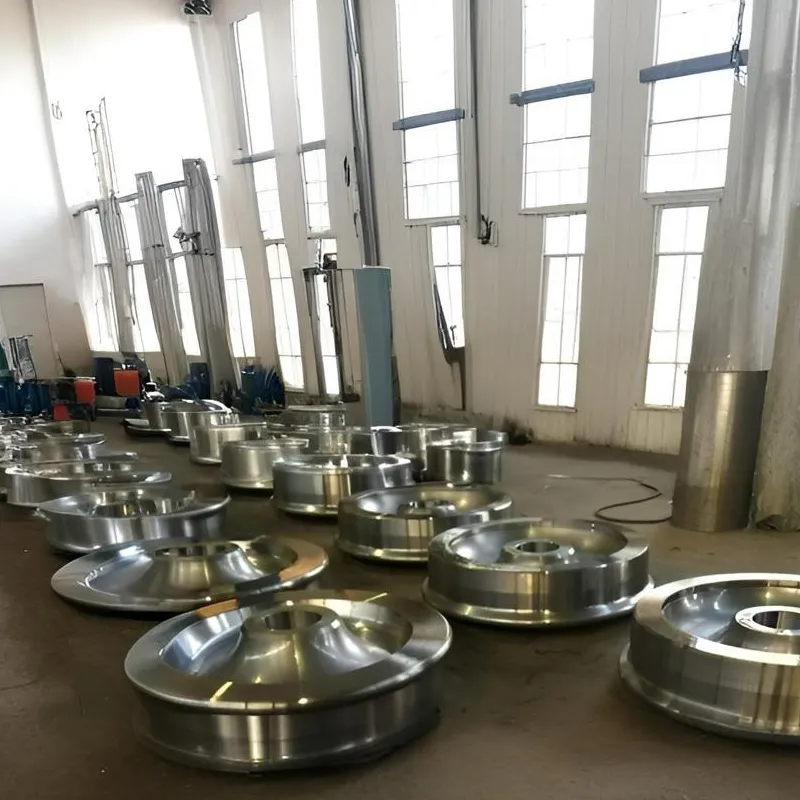
This comparison highlights that while budget options may seem attractive upfront, the long-term total cost of ownership, operational reliability, and safety provided by high-quality rails wheels like the Profile P1 Series offer significant advantages to discerning industrial buyers.
Customized Solutions for Unique Rail Wheel Requirements
Recognizing that no two rail operations are identical, the provision of customized rails wheels solutions is a cornerstone of modern manufacturing excellence. Standard rail car wheels for sale may not always precisely fit the nuances of specific applications, especially in highly specialized industrial sectors or unique geographical environments.
Our approach to customization involves a collaborative engineering process:
- Detailed Requirements Analysis: We work closely with clients to understand precise operational parameters, including maximum load, track gauge, speed requirements, environmental conditions (e.g., temperature extremes, corrosive agents), and desired service life.
- Material Engineering: Tailoring the alloy composition to meet specific challenges. For instance, high-chromium steels for enhanced corrosion resistance in marine or chemical environments, or specific micro-alloyed steels for extreme impact resistance in mining.
- Profile and Design Optimization: Using advanced CAD (Computer-Aided Design) and FEA (Finite Element Analysis) tools, we can optimize wheel profiles to minimize wear, reduce noise, and improve ride quality for specific track geometries or rolling stock designs. This can include specialized tread tapers or flange thicknesses.
- Advanced Heat Treatment Regimes: Developing bespoke heat treatment cycles to achieve localized hardness and toughness properties within the wheel. This might involve differential quenching or specialized tempering for specific performance enhancements.
- Prototyping and Validation: For truly unique requirements, rapid prototyping and extensive testing (both in-house and field trials) ensure the customized wheel performs exactly as specified before full-scale production.
This ability to engineer bespoke rail car wheel solutions ensures that even the most niche and demanding applications can benefit from optimized performance, safety, and longevity, moving beyond off-the-shelf limitations.
Application Case Studies: Real-World Performance of Advanced Rail Wheels
The proven performance of high-quality rails wheels in real-world scenarios demonstrates their value. Here are examples of how advanced wheel technologies, like the Profile P1 Series, deliver tangible benefits:
Case Study 1: Heavy-Duty Mining Locomotive in North America
- Challenge: A major North American mining company faced frequent replacement of rail car wheels on their heavy-duty ore haulage locomotives due to extreme abrasive wear and impact damage from uneven tracks, leading to significant downtime and maintenance costs. Average wheel lifespan was 250,000 km.
- Solution: Implementation of custom-designed Profile P1 Series wheels, featuring a higher-grade, wear-resistant steel alloy and an optimized rim-quenched profile for enhanced hardness and toughness.
- Result: The new rail car wheels achieved an average lifespan exceeding 600,000 km, a 140% improvement. This resulted in a 60% reduction in annual wheel replacement costs and a 30% increase in locomotive availability.
Case Study 2: Petrochemical Facility Rail Car Fleet
- Challenge: Rail cars transporting corrosive chemicals within a large petrochemical complex experienced rapid corrosion of standard rails wheels, leading to premature fatigue and strict safety compliance issues.
- Solution: Deployment of Profile P1 Series wheels manufactured from a specialized stainless steel alloy, coupled with a durable anti-corrosion coating, specifically engineered for chemical resistance.
- Result: The custom wheels demonstrated exceptional resistance to the corrosive environment, extending their operational life by over 200% compared to previous wheels. This significantly enhanced safety compliance and reduced environmental risk associated with material transport.
Case Study 3: High-Speed Rail Maintenance Vehicle
- Challenge: A European high-speed rail operator required extremely precise and vibration-damped rail car wheels for its track inspection and maintenance vehicles to ensure accurate data collection and high-speed stability.
- Solution: Customized Profile P1 Series wheels with ultra-precision CNC machining, advanced dynamic balancing, and a specialized internal damping system to minimize vibrations at speeds exceeding 200 km/h.
- Result: The new wheels provided significantly improved ride quality (measured by acceleration sensors) and enhanced data accuracy for track diagnostics. The reduced vibration also extended the lifespan of sensitive onboard equipment, demonstrating the value of precision-engineered rails wheels.
Ensuring Trustworthiness: Certifications, Lead Time, Warranty, and Support
Trust is built on transparency, quality assurance, and reliable support. For specialized components like rails wheels, especially when procuring rail car wheels for sale, these elements are crucial for B2B decision-makers.
Certifications and Authoritative References:
Our manufacturing processes and products, including the Profile P1 Series Rail Wheels, adhere to the highest international quality and safety standards. Key certifications and affiliations include:
- ISO 9001:2015 Certification: Demonstrates our commitment to a robust Quality Management System, ensuring consistent product quality and continuous improvement.
- AAR (Association of American Railroads) Compliance: Products meet stringent North American railway standards for material, manufacturing, and performance.
- EN (European Norm) Standards: Adherence to European railway standards, such as EN 13262 for railway applications – wheelsets and bogies – wheels, ensures compatibility and safety across European networks.
- In-house Test Data: Comprehensive fatigue, impact, hardness, and ultrasonic test data is available for all production batches, verifiable upon request. Our wheels are rigorously tested beyond minimum standards.
- Partner Clients: We proudly serve leading operators in mining, heavy industry, and railway sectors globally, a testament to our enduring product quality and service.
Lead Time and Fulfillment Details:
We understand the importance of timely delivery for maintaining operational continuity. Our typical lead times for standard Profile P1 Series wheels range from 8-12 weeks, depending on order volume and specific customizations. For urgent requirements, expedited manufacturing and logistics options are available. Our global logistics network ensures efficient and reliable shipment to destinations worldwide, with full tracking and customs support.
Warranty Commitments:
All Profile P1 Series rail car wheels come with a standard 12-month warranty against manufacturing defects from the date of installation or 18 months from the date of shipment, whichever comes first. Extended warranty options are available for specific projects, subject to agreement on operational conditions and maintenance schedules. Our warranty ensures peace of mind and commitment to product reliability.
Customer Support and After-Sales Service:
Our commitment extends beyond delivery. We provide comprehensive after-sales support designed to maximize the lifespan and performance of your rails wheels:
- Technical Assistance: A dedicated team of engineers is available for technical consultations, troubleshooting, and guidance on wheel installation and maintenance best practices.
- Spare Parts Management: Efficient supply chain for critical spare parts and components to ensure minimal disruption.
- On-site Support and Training: For large-scale projects or complex installations, our experts can provide on-site technical support and training for your maintenance personnel.
- Performance Monitoring & Feedback: We actively seek feedback and collaborate on performance monitoring to ensure our wheels continue to meet and exceed expectations in diverse operating conditions.
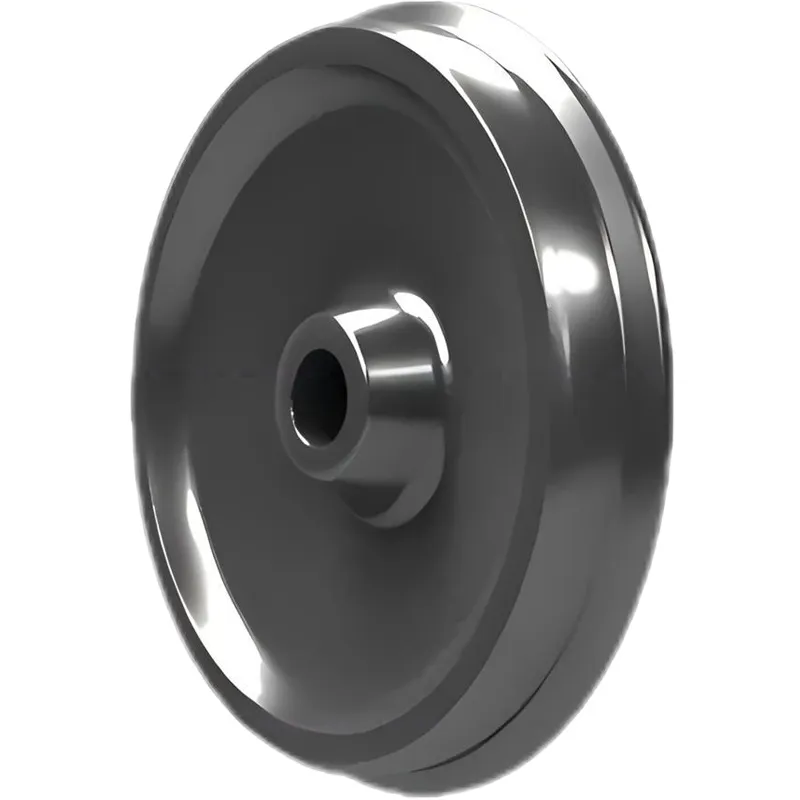
Frequently Asked Questions (FAQ)
-
Q1: What are the primary factors affecting the lifespan of rails wheels?
A1: Key factors include material quality, manufacturing precision, operational load, speed, track condition (e.g., curves, gradients, rail wear), environmental exposure (corrosion, temperature extremes), and maintenance practices (e.g., lubrication, re-profiling frequency).
-
Q2: How often should rail car wheels be inspected and replaced?
A2: Inspection frequency depends on regulatory requirements (e.g., AAR, UIC), operational intensity, and vehicle type. Regular visual inspections are typically done daily/weekly, with more detailed ultrasonic or magnetic particle inspections annually or biennially. Replacement is dictated by wear limits (flange wear, tread loss), development of critical defects (cracks), or reaching their prescribed service life, as outlined by manufacturer guidelines and regulatory bodies.
-
Q3: Can rail car wheels be re-profiled or repaired?
A3: Yes, wheel re-profiling (turning) is a common maintenance procedure to restore the original wheel profile and remove minor surface defects, extending the wheel's service life before full replacement. Repairs for significant damage are usually not recommended due to safety concerns and the complexity of ensuring structural integrity. It's crucial that re-profiling is performed by certified facilities following strict industry standards.
-
Q4: What are the key considerations when selecting rail car wheels for sale?
A4: Key considerations include the intended application (heavy-haul, industrial, passenger), load capacity, maximum speed, environmental conditions, track gauge, material requirements (e.g., wear resistance, corrosion resistance), adherence to international standards (AAR, EN, ISO), vendor reputation, customization capabilities, and total cost of ownership (initial cost + maintenance + lifespan).
-
Q5: How does material composition impact rail wheel performance?
A5: Material composition directly influences critical performance parameters such as wear resistance, fatigue strength, impact toughness, and corrosion resistance. Higher carbon content and specific alloying elements (e.g., chromium, manganese) combined with precise heat treatment enhance hardness and wear characteristics. The right material choice is crucial for matching the wheel to its specific operational demands and maximizing its lifespan.
Conclusion
The performance of rails wheels is foundational to the efficiency, safety, and economic viability of rail-bound transport across all industrial sectors. As technology advances and operational demands intensify, the need for precision-engineered, durable, and highly reliable rail car wheels becomes ever more critical. The Profile P1 Series embodies this evolution, offering advanced solutions that significantly enhance operational lifespans, reduce maintenance burdens, and ensure peak performance in the most challenging environments. By prioritizing cutting-edge manufacturing, rigorous quality control, and comprehensive customer support, we empower industries to move forward with confidence, optimizing their investments in rail car wheels for sale that truly deliver.
References
- Association of American Railroads (AAR). Manual of Standards and Recommended Practices, Section G - Wheels.
- European Committee for Standardization (CEN). EN 13262: Railway applications - Wheelsets and bogies - Wheels - Product requirements.
- International Organization for Standardization (ISO). ISO 9001:2015 - Quality management systems - Requirements.
- ASTM International. Standard Specification for Steel Wheels for Railway and Industrial Service, A551/A551M.
- UIC (International Union of Railways). UIC Code 510-2: Trailing Stock – Wheels – Technical conditions for the supply.
-
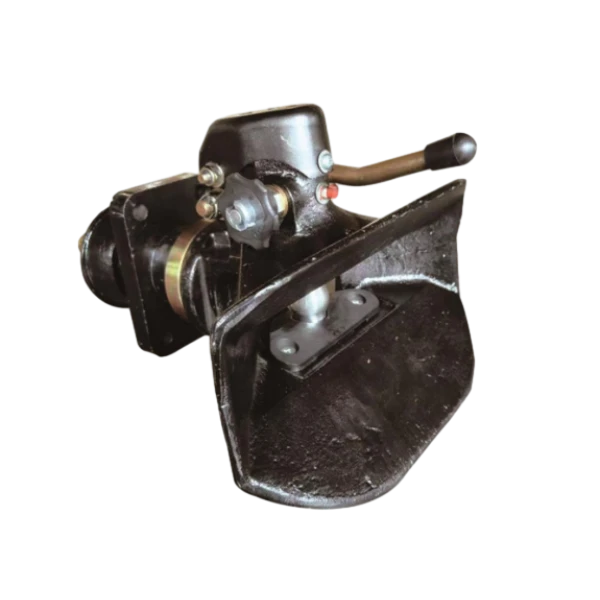 Trailer Coupling
The trailer coupling is a critical component in vehicle towing systems, designed to ensure a secure and efficient connection between a towing vehicle and a trailer. These couplings are manufactured using high-strength carbon steel, alloy steel, or stainless steel, ensuring durability and resistance to heavy loads and harsh environments.
-
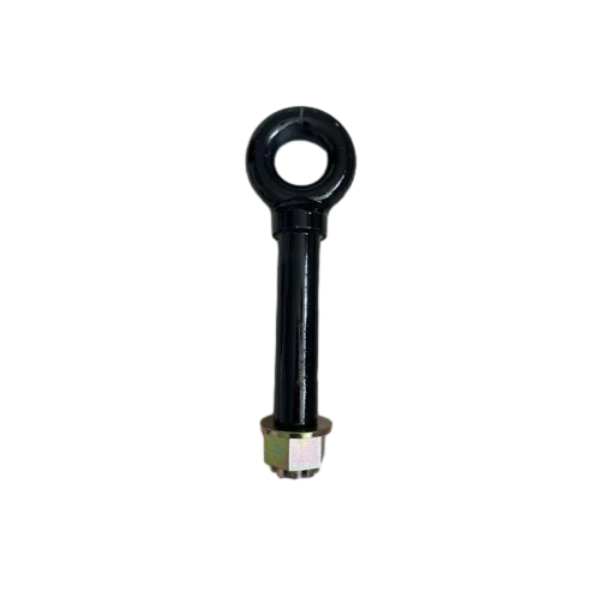 Drawbar Eyes
Drawbar eyes are essential components in towing and hauling applications, providing a strong and secure attachment point between the trailer and the towing vehicle. They are designed to endure extreme pulling forces, making them suitable for heavy-duty applications.
-
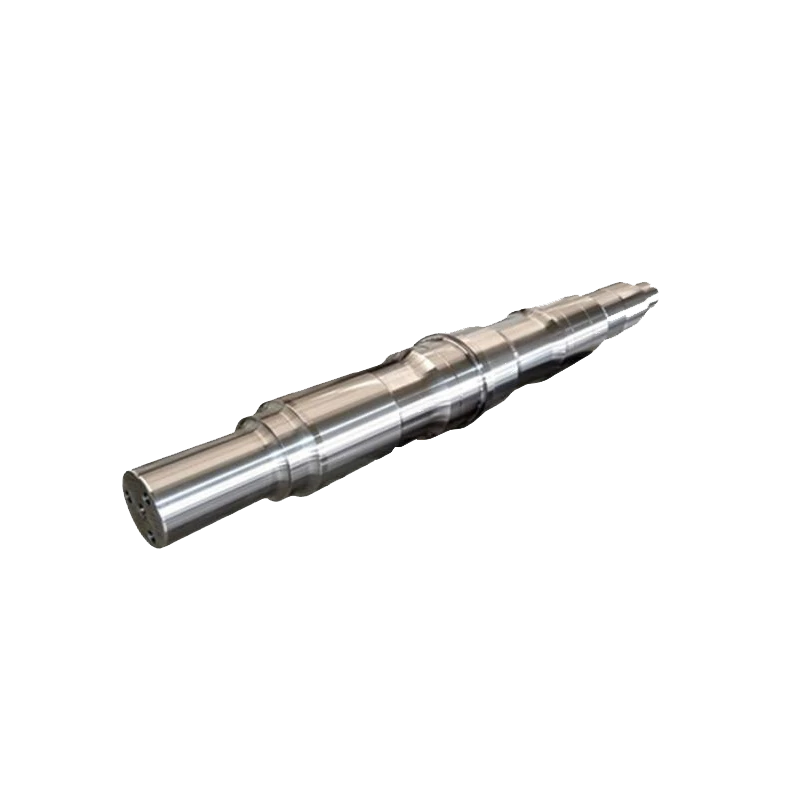 Axles
AxlesAxles are essential for vehicle load-bearing and power transmission, ensuring smooth movement and weight distribution. They must withstand high stress, torque, and impact, making material selection and precise manufacturing crucial.
-
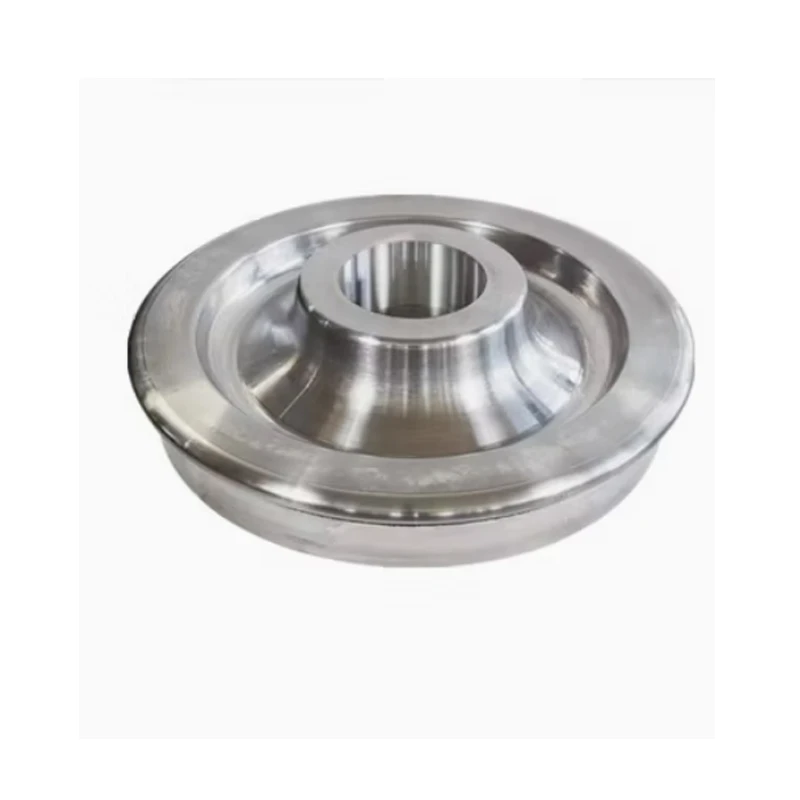 Profile S1002 Series Rail Wheels
The S1002 series rail wheels are designed for Rail-Road Vehicles (RRVs) that require seamless operation on both roads and railway tracks. Engineered with high precision and durability, these wheels conform to S1002 tread profiles, ensuring compatibility with standard railway systems.
A Comprehensive Guide to Axles Types for Industry Decision Makers | Manufacturing Base
Axles Types is a key solution in the industry, specifically within heavy machinery and transportation sectors. This article explores how https://www.manufacturing-base.com supports professionals with durable, high-performance products
>
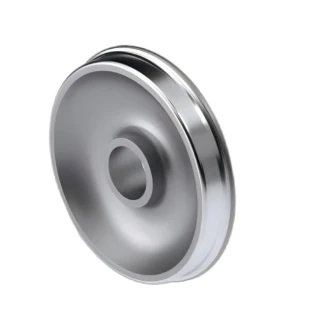
Reliable Rail Wheels: Optimize Your Rail Transport Solutions
For industries that rely on rail-based vehicles, choosing the right rail wheels is essential for smooth operations and safety.
>
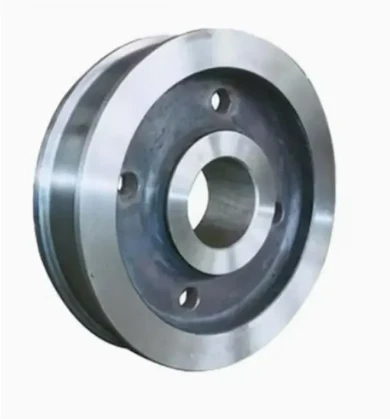
Premium Overhead Crane Wheels For Sale: Enhance Industrial Lifting Efficiency
In modern industrial operations, high-quality overhead crane wheels for sale are essential for safe, reliable, and efficient lifting.
>
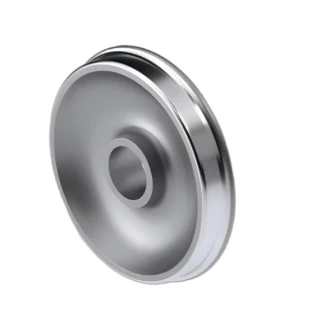
Premium Hi Rail Wheels For Sale: Boost Rail Vehicle Performance
In the modern industrial and railway sectors, having reliable hi rail wheels for sale is essential for operational efficiency and safety.
>
High-Quality Hi Rail Wheels For Sale: Enhance Your Rail Equipment Efficiency
When it comes to reliable rail maintenance and industrial operations, investing in hi rail wheels for sale is crucial.
>
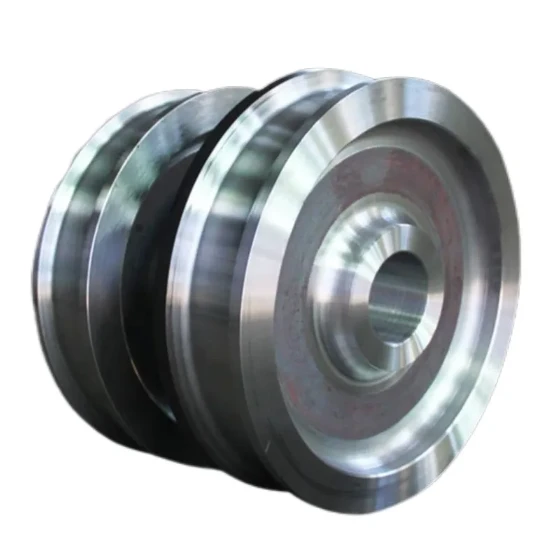
High-Quality Crane Wheels For Sale: Enhance Your Crane Operations
For industries relying on heavy lifting and material handling, investing in high-quality crane wheels for sale is crucial.
>
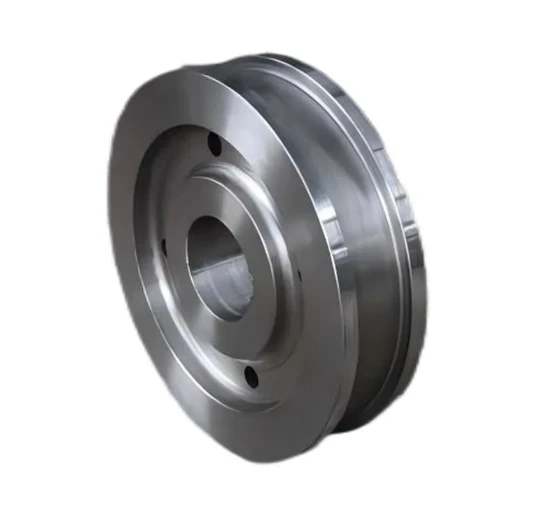
Durable Gantry Crane Wheels For Sale: Maximize Lifting Efficiency
For industries relying on heavy-duty lifting and material handling, selecting the right gantry crane wheels for sale is vital.
>
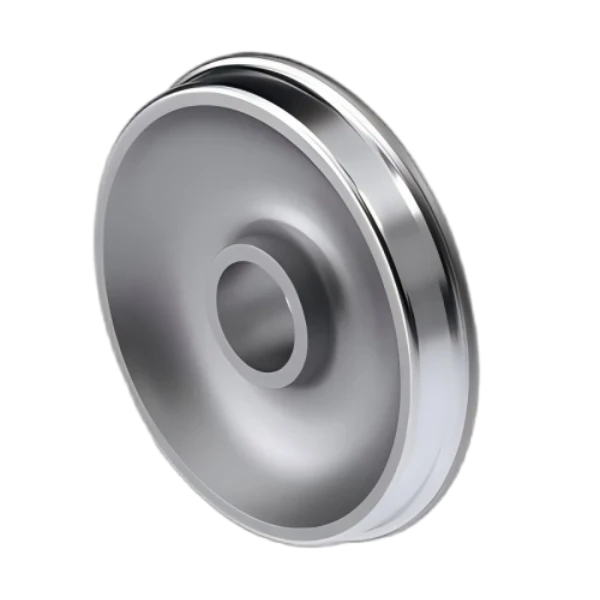
Reliable Tandem Drive Axles for Heavy-Duty Industrial Vehicles
Tandem Drive Axles: What I’ve Learned After Years in the Industrial Equipment Sector Ha
>
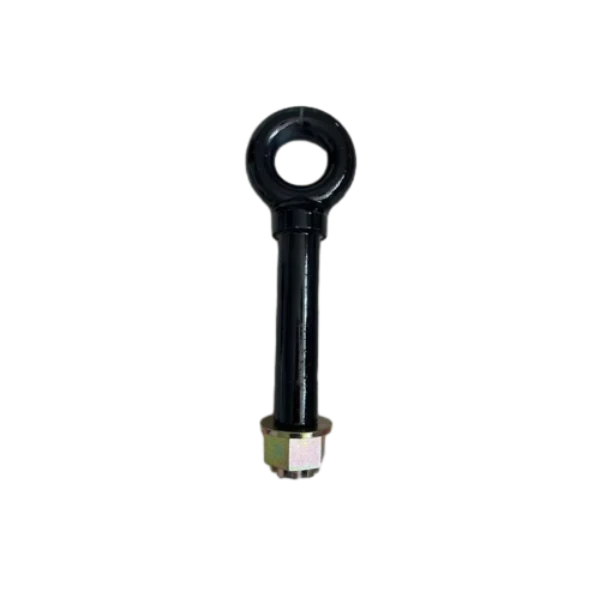
Reliable Semi Trailer Axles for Heavy-Duty Trailers | Expert Insight
Understanding semi trailer axles: The Backbone of Heavy Hauling Having spent more than a deca
>
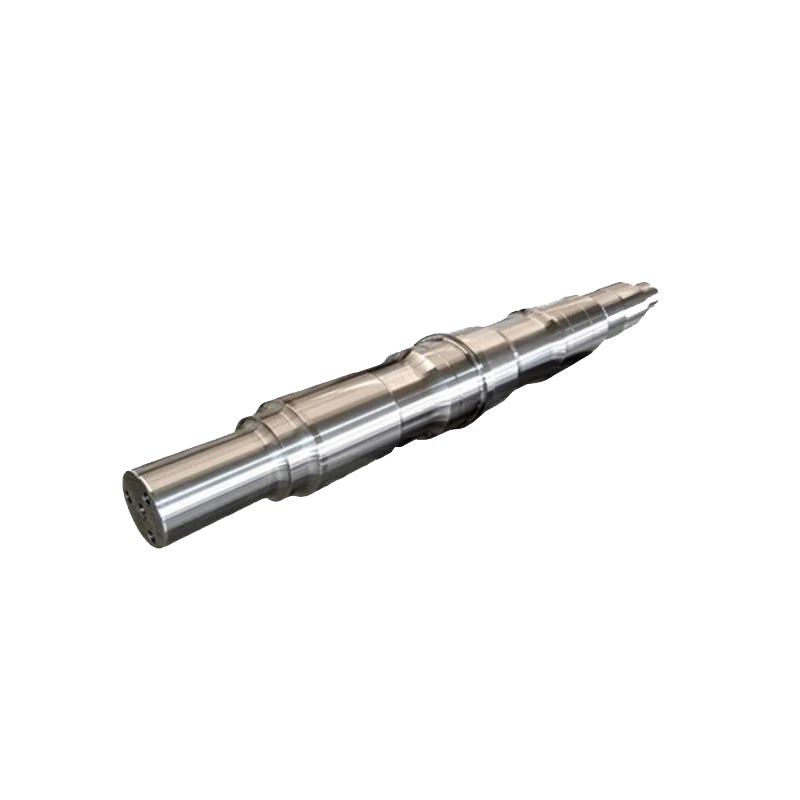
RC Portal Axles: Industrial Strength and Custom Performance
RC Portal Axles: A Veteran’s Take on Industrial-Grade Performance Having spent over a d
>
Engineered for Excellence
Our forged solutions deliver reliability and performance, powering demanding industries to keep operations running smoothly.

Sign up
for Newsletter
Subscribe to the weekly newsletter for all the latest updates