- Tel: +86 311 82620404
- Cell: 86 -13739710551
- Email: sales@potentia.cn

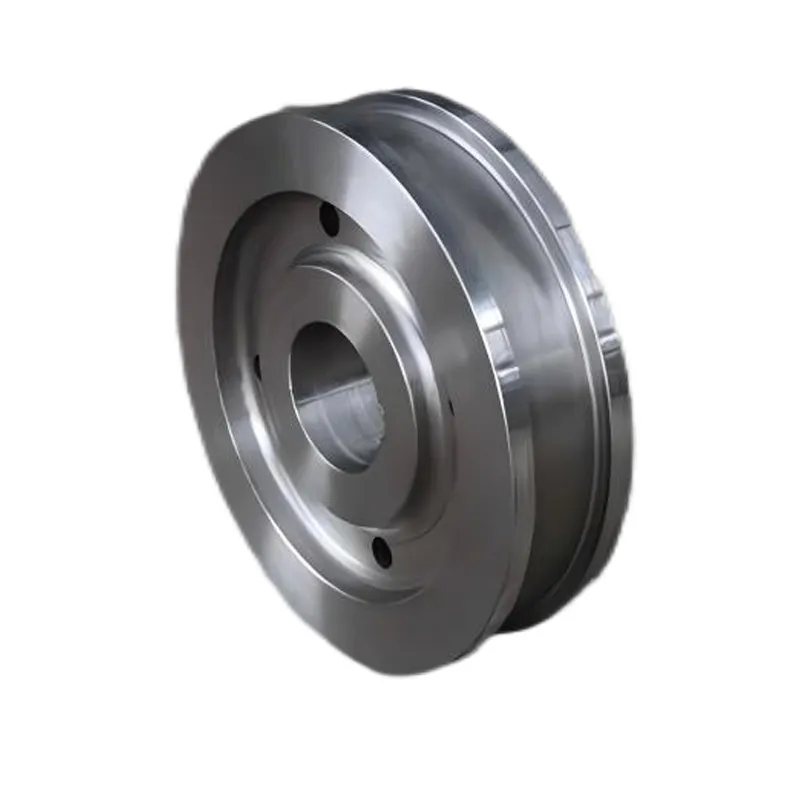
Premium Gantry Crane Wheels: Forged for Heavy Duty
Introduction to Advanced Crane Wheel Systems
In the realm of heavy industrial material handling, the reliability and efficiency of overhead and gantry crane systems are paramount. At the heart of these robust machines are their wheels, components that bear immense loads and endure constant operational stresses. Specifically, gantry crane wheels are engineered to provide exceptional performance and longevity, ensuring seamless movement across diverse industrial landscapes. These specialized wheels are fundamental to the operational success of gantry cranes, facilitating precise horizontal movement, and are designed to withstand the rigorous demands of continuous heavy-duty applications, from ports and shipyards to steel mills and fabrication plants. Their design and material selection are critical factors in the overall safety, efficiency, and maintenance profile of any gantry crane system.
The evolution of crane technology has driven significant advancements in wheel design and manufacturing, focusing on enhanced durability, reduced wear, and improved energy efficiency. This detailed guide explores the critical aspects of gantry crane wheels, covering their manufacturing processes, technical specifications, diverse applications, and the strategic advantages they offer to modern industries. Understanding these facets is crucial for B2B decision-makers and engineers seeking to optimize their material handling operations with reliable and high-performance components.
Industry Trends in Crane Wheel Manufacturing
The landscape of crane wheel manufacturing is continually evolving, driven by demands for greater efficiency, sustainability, and technological integration. One significant trend is the adoption of advanced materials, such as specialized alloy steels and heat-treated composites, which offer superior wear resistance and increased load-bearing capabilities. Manufacturers are also focusing on optimizing wheel profiles and flange designs to minimize rail wear and reduce operational noise, contributing to a more sustainable and ergonomic working environment. The integration of smart technologies, including sensors for real-time monitoring of wheel wear and temperature, is also gaining traction, enabling predictive maintenance and significantly extending the service life of gantry crane wheels.
Furthermore, there's a growing emphasis on precision manufacturing techniques, notably advanced CNC machining, to achieve tighter tolerances and finer surface finishes, which are crucial for high-speed and high-precision crane applications. Environmental considerations are also influencing design, with efforts to reduce energy consumption through lighter yet stronger designs and more efficient rolling characteristics. The global supply chain for crane wheels, including prominent manufacturers of crane wheels china, is also adapting to these trends, offering a wider range of specialized and standardized products to meet diverse industrial requirements.
Detailed Manufacturing Process of Gantry Crane Wheels
The production of high-performance gantry crane wheels is a meticulous process involving several critical stages, each contributing to the final product's integrity and operational efficiency. The emphasis throughout is on material quality, precision engineering, and rigorous testing to meet stringent industry standards.
Process Flow:
1. Material Selection
High-grade carbon steel or alloy steel (e.g., 42CrMo, 65Mn) known for strength and wear resistance.
2. Forging/Casting
Hot forging for superior grain structure and mechanical properties, or casting for complex shapes.
3. Heat Treatment
Quenching and tempering, or induction hardening for optimal surface hardness (HRC 40-60) and core toughness.
4. CNC Machining
Precision turning, boring, and milling to achieve exact dimensions, surface finish, and groove profiles.
5. Quality Inspection
Ultrasonic flaw detection, hardness testing, dimensional checks, and material composition analysis.
6. Surface Treatment
Anti-corrosion coatings or priming as per customer specifications for extended service life.
Throughout these stages, adherence to international testing standards such as ISO 9001 for quality management, ASTM E112 for grain size, and ANSI/ASME B30.2 for overhead and gantry cranes, ensures product reliability. The expected service life of a well-maintained forged crane wheel can exceed 20 years, depending on the operational environment and load cycles. Target industries include petrochemical, metallurgy, water supply & drainage, power generation, and heavy manufacturing.
In typical application scenarios, these wheels demonstrate advantages such as energy saving through optimized rolling resistance and precision machining, leading to less friction. Furthermore, specialized coatings and material selections provide enhanced corrosion resistance, crucial for outdoor gantry cranes operating in harsh environments like coastal ports or chemical processing plants.
Technical Specifications and Parameters
The precise engineering of gantry crane wheels is reflected in their detailed technical specifications, which dictate their performance and suitability for specific applications. Key parameters include wheel diameter, material composition, surface hardness, load capacity, and flange design. These specifications are critical for ensuring operational safety and maximizing efficiency within the material handling system. For instance, a higher surface hardness, typically achieved through induction hardening, significantly extends the wear life of the wheel tread, reducing maintenance frequency and costs. Load capacity is directly related to the material's yield strength and the wheel's structural design, ensuring that the wheels can safely bear the maximum rated load of the crane.
Flange design, whether single or double, tapered or cylindrical, plays a crucial role in guiding the crane along its rail system, preventing derailment, and distributing lateral forces. Manufacturers adhere to strict tolerances for these dimensions to ensure smooth operation and minimize stress on both the wheel and the rail. Below is a table detailing typical specifications for high-quality bridge crane wheels, highlighting the critical dimensions and material properties.
Typical Gantry Crane Wheel Specifications
| Parameter | Specification Range | Key Benefit |
|---|---|---|
| Material | Forged 42CrMo / 65Mn Alloy Steel | High strength, excellent wear resistance |
| Wheel Diameter | 200mm - 1200mm (Customizable) | Versatility for various crane sizes and load requirements |
| Surface Hardness (Tread) | HRC 40-60 (Induction Hardened) | Extended service life, reduced wear |
| Core Hardness | HB 230-280 (Tempered) | Superior toughness, resistance to shock loads |
| Tensile Strength | ≥ 980 MPa | High load-bearing capacity |
| Flange Type | Single, Double, Tapered, Cylindrical | Optimized rail guidance and load distribution |
| Machining Precision | ISO 2768-m (General Tolerances) | Smooth operation, reduced vibration |
| Load Capacity | Up to 200+ tons per wheel pair | Suitable for heavy-duty and super heavy-duty cranes |
Application Scenarios and Industries
The robust design and superior performance of gantry crane wheels make them indispensable across a wide array of heavy industries. These components are specifically engineered to endure demanding operational conditions, ranging from extreme temperatures to corrosive environments and continuous heavy load cycles. Understanding their diverse application scenarios helps illustrate their critical role in maintaining efficient and safe industrial operations.
- Metallurgical Industry: In steel mills and foundries, gantry cranes equipped with specialized wheels handle molten metal, heavy ingots, and finished products. The wheels must resist high temperatures, abrasive dust, and heavy shock loads, providing reliable motion in a 24/7 operational environment.
- Ports and Shipyards: Ship-to-shore gantry cranes and yard gantry cranes rely on massive wheels to move container111s and heavy cargo. These wheels are exposed to saline environments and must offer excellent corrosion resistance and high load capacity for continuous, high-speed operations.
- Petrochemical and Chemical Plants: Cranes in these sectors often operate in potentially hazardous or corrosive atmospheres. Crane wheels with specific coatings and materials are selected to ensure long-term integrity and safety, minimizing maintenance needs.
- Power Generation: From conventional power plants to nuclear facilities, gantry cranes are used for equipment installation, maintenance, and fuel handling. The wheels here must offer exceptional durability and precision for critical lifting operations.
- Warehousing and Logistics: In large automated warehouses, gantry and bridge crane wheels enable efficient movement of goods, often requiring high-speed and precise positioning capabilities to optimize storage and retrieval processes.
- Construction and Precast Concrete: Heavy-duty gantry cranes are utilized to lift and transport massive concrete elements, structural steel, and other construction materials, where robust and reliable wheels are essential for safety and productivity.
These application scenarios underscore the need for customizable and highly durable crane wheels that can be tailored to the unique challenges of each industrial setting, ensuring optimal performance and safety.
Technical Advantages of Advanced Gantry Crane Wheels
Investing in high-quality gantry crane wheels delivers a multitude of technical advantages that directly impact operational efficiency, safety, and long-term cost-effectiveness. These advantages stem from superior material science, advanced manufacturing techniques, and meticulous quality control.
- Extended Service Life: Through advanced heat treatment processes like induction hardening, the tread surface achieves exceptional hardness (HRC 40-60), dramatically increasing wear resistance. This prolongs the operational lifespan of the wheels, reducing the frequency and cost of replacements.
- Superior Load-Bearing Capacity: Forged from high-strength alloy steels (e.g., 42CrMo), these wheels possess immense tensile and yield strength, allowing them to safely support significant static and dynamic loads, crucial for heavy-duty applications of forged crane wheels.
- Enhanced Corrosion Resistance: For operations in harsh environments, such as coastal ports or chemical facilities, specialized anti-corrosion coatings and material selections provide superior protection against rust and chemical degradation, maintaining structural integrity over time.
- Optimized Energy Efficiency: Precision CNC machining ensures smooth running surfaces and perfect concentricity, minimizing friction between the wheel and rail. This reduces the energy required for propulsion and braking, leading to lower operational costs and a smaller carbon footprint.
- Reduced Maintenance Requirements: The combination of high wear resistance, robust construction, and effective lubrication systems translates into fewer breakdowns and less frequent maintenance interventions, significantly improving crane uptime and productivity.
- Improved Operational Safety: Adherence to stringent manufacturing and testing standards (e.g., ISO, DIN, ASTM) ensures that each wheel meets critical safety thresholds. Features like robust flanges prevent derailment, while consistent material properties prevent unexpected failures under stress.
- Minimized Rail Wear: Precisely machined wheel profiles and correct material hardness reduce localized stresses on the crane rails, extending the lifespan of both the wheels and the rail infrastructure. This is a crucial advantage for heavily used gantry and bridge crane wheels.
These technical advantages collectively contribute to a lower total cost of ownership (TCO) and enhanced operational reliability, making advanced crane wheels a strategic investment for any industrial operation.
Vendor Comparison for Gantry Crane Wheels
Selecting the right vendor for gantry crane wheels is a critical decision that impacts long-term operational efficiency, safety, and cost. While many suppliers offer crane wheels, their capabilities, quality standards, and service offerings can vary significantly. A comprehensive vendor comparison should consider factors beyond just initial price, focusing on material quality, manufacturing precision, customization capabilities, lead times, and post-sales support. Below is a conceptual comparison table illustrating key differentiating factors among typical vendor types.
Gantry Crane Wheel Vendor Comparison
| Feature | High-End/Specialized Manufacturer | Mid-Range Supplier (e.g., certain Crane Wheels China) | General Components Distributor |
|---|---|---|---|
| Material Quality | Premium forged alloy steels (e.g., 42CrMo4, 34CrNiMo6), certified origin. | Standard forged carbon or alloy steel (e.g., 45#, 65Mn), varying origin. | Mixed origin, potentially cast iron, less stringent material control. |
| Manufacturing Precision | Advanced CNC machining, tight tolerances, superior surface finish. | Standard CNC machining, acceptable tolerances. | Basic machining, wider tolerances, potential for inconsistencies. |
| Heat Treatment | Induction hardening (HRC 40-60), full tempering, precise control. | Standard quenching & tempering (HRC 30-45), less depth. | Basic heat treatment, inconsistent hardness. |
| Customization Options | Extensive customization for specific loads, environments, and crane types. | Limited customization for standard designs. | Typically off-the-shelf products only. |
| Certifications & Standards | ISO 9001, EN, ASTM, DIN compliance, full material traceability. | Basic ISO, sometimes local standards, partial traceability. | Minimal certifications, often no traceability. |
| Lead Time | Generally 4-8 weeks for custom orders, reliable delivery. | 2-6 weeks for standard items, potentially longer for custom. | Often immediate for stock, unpredictable for non-stock. |
| Technical Support | Comprehensive engineering support, design consultation. | Basic technical assistance. | Limited to no technical support. |
| Price Point | Higher initial investment, lower TCO. | Competitive mid-range pricing. | Lowest initial price, higher long-term costs. |
For critical applications requiring maximum safety, durability, and minimal downtime, investing in a high-end, specialized manufacturer of crane wheels is typically the most prudent choice, despite a higher initial cost. Their expertise, quality control, and commitment to international standards significantly reduce operational risks and extend the lifespan of the crane system.
Customized Solutions for Gantry Crane Wheels
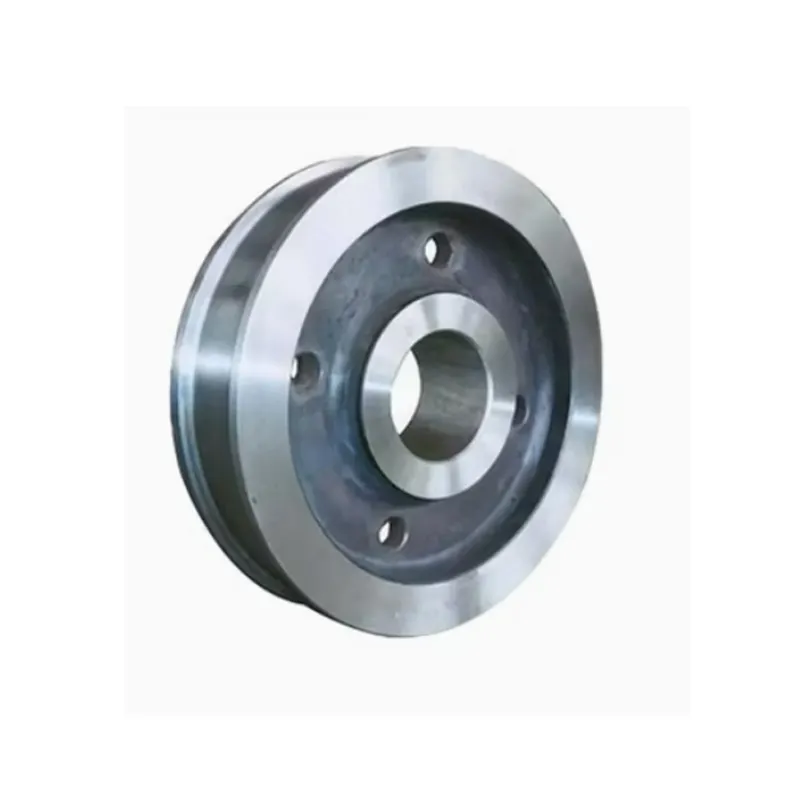
Standardized gantry crane wheels can meet many industrial requirements, but for highly specialized applications or unique operational challenges, customized solutions offer distinct advantages. Tailoring wheel specifications to precise demands ensures optimal performance, extends service life, and enhances overall crane system efficiency and safety. Customization encompasses several key areas, allowing engineers to fine-tune components for specific environments and load profiles.
- Material Adaptation: Beyond standard alloy steels, custom wheels can be forged from materials with enhanced properties for extreme temperatures (e.g., cryogenic steels for cold storage or heat-resistant alloys for foundries), or specific chemical resistance for corrosive environments.
- Unique Heat Treatment Protocols: While induction hardening is common, specific applications might benefit from through-hardening or case hardening to different depths or hardness profiles to balance wear resistance with impact toughness.
- Specialized Coatings and Surface Treatments: For highly abrasive or corrosive settings, custom wheels can receive advanced ceramic coatings, tungsten carbide overlays, or specific paint systems to dramatically enhance their resistance and extend operational intervals.
- Precision Flange and Tread Profiles: Customization allows for the exact replication of existing wheel profiles or the design of entirely new ones to optimize interaction with specific rail types, minimize rail wear, or improve guidance in complex track layouts. This is particularly important for bridge crane wheels operating on intricate rail systems.
- Integrated Bearing Solutions: Custom solutions can include pre-fitted bearings (e.g., spherical roller bearings, tapered roller bearings) that are sealed for life or designed for specific lubrication regimes, reducing installation complexity and improving reliability.
- Specific Dimensional Requirements: Non-standard diameters, bore sizes, or hub designs are common customization requests to ensure perfect fitment with existing crane structures and drive systems.
By engaging with a manufacturer capable of delivering customized crane wheels, businesses can address unique operational challenges, optimize performance, and achieve a higher return on investment for their material handling equipment. This collaborative approach between client and manufacturer ensures that the wheels are perfectly aligned with the crane's operational demands and the environmental conditions.
Application Case Studies
Real-world application case studies provide tangible evidence of the performance and reliability of advanced gantry crane wheels. These examples highlight how tailored solutions and high-quality manufacturing contribute to operational success in demanding industrial environments.
- Case Study 1: Steel Mill Slab Handling Gantry Crane
A major steel producer faced frequent wheel replacements (every 18 months) on their 200-ton capacity slab handling gantry crane due to extreme heat, abrasive dust, and continuous heavy-duty cycles. The original wheels, made of standard carbon steel, exhibited rapid tread wear and flange degradation. A specialized manufacturer provided custom forged crane wheels made from 42CrMo alloy steel with deep induction hardening (HRC 55-60) and a robust double-flange design. After two years of operation, the new wheels showed minimal wear, extending service life by over 100% and significantly reducing maintenance downtime and associated costs. Ultrasonic testing every six months confirmed material integrity, demonstrating superior longevity and robustness.
- Case Study 2: Container Port Ship-to-Shore Gantry Cranes
A busy international container111 port experienced challenges with premature corrosion and accelerated wear of crane wheels on its ship-to-shore gantry cranes, largely due to the harsh saline environment and high-speed operation. The solution involved implementing wheels with a specialized anti-corrosion coating and a unique tapered tread profile designed to optimize load distribution and minimize lateral forces on the rails. The new wheels, produced by a leading crane wheels china manufacturer adhering to international standards, dramatically reduced maintenance intervals for wheel re-profiling and replacement. Operational data showed a 15% improvement in crane cycle times due to smoother travel and reduced vibration, contributing to enhanced port efficiency and cargo throughput.
- Case Study 3: Hydroelectric Power Plant Maintenance Gantry
A hydroelectric dam utilized a heavy-lift gantry crane for turbine and generator maintenance, requiring precise positioning and extreme reliability, even after long periods of inactivity. The existing wheels, while robust, suffered from surface pitting due to infrequent use and condensation. The new bridge crane wheels supplied were fabricated with a specific surface treatment designed for long-term storage and intermittent heavy use. This included a rust-inhibiting primer and a micro-textured finish that improved grip during initial movements. This solution extended the inspection interval from annually to biennially, ensuring readiness for critical maintenance tasks with enhanced confidence in equipment integrity.
Ensuring Trustworthiness & Support
For B2B clients, trust is built not only on product quality but also on transparent processes, reliable support, and clear commitments. Manufacturers of high-grade gantry crane wheels understand this and provide comprehensive support structures to ensure customer satisfaction and long-term partnerships.
Frequently Asked Questions (FAQ)
-
Q: What materials are typically used for your gantry crane wheels?
A: We primarily use high-grade forged alloy steels such as 42CrMo and 65Mn, known for their superior strength, wear resistance, and fatigue life. Material certificates are provided with every order to ensure full traceability and quality assurance.
-
Q: How do you ensure the quality and durability of your crane wheels?
A: Our manufacturing process includes rigorous quality control at every stage: material inspection, ultrasonic flaw detection post-forging, precise CNC machining, controlled heat treatment for optimal hardness (HRC 40-60), and final dimensional and hardness testing. All processes comply with international standards like ISO 9001, ASTM, and DIN.
-
Q: Can you produce custom-designed gantry crane wheels?
A: Absolutely. We specialize in customized solutions, including non-standard diameters, specific flange configurations, unique material compositions, and specialized surface treatments to meet the exact requirements of your crane system and operational environment. Our engineering team works closely with clients to develop optimal designs.
-
Q: What is the typical lead time for an order of crane wheels?
A: For standard crane wheels, lead times typically range from 4-6 weeks. Custom or highly specialized orders may require 8-12 weeks, depending on complexity and material sourcing. We always aim to provide accurate timelines and maintain transparent communication throughout the production process.
Lead Time & Fulfillment
We understand the importance of timely delivery for industrial operations. Our standard lead time for most forged crane wheels is 4-6 weeks from order confirmation to shipment, with expedite options available for urgent requirements. For highly customized wheels or large-volume orders, lead times are confirmed at the quotation stage, ensuring transparency and realistic planning for our clients. Our logistics team coordinates global shipping to deliver products efficiently and securely, whether by sea, air, or land freight.
Warranty Commitments
All our gantry crane wheels are backed by a comprehensive 2-year warranty against manufacturing defects in material and workmanship, assuming proper installation, operation, and maintenance. This commitment underscores our confidence in the quality and durability of our products. Detailed warranty terms and conditions are provided with every purchase agreement, ensuring clarity and peace of mind for our customers.
Customer Support
Our dedicated customer support team and technical engineers are available to provide expert assistance from initial inquiry through post-installation. This includes technical consultations, design recommendations, installation guidance, and troubleshooting. We offer responsive support via phone and email to ensure minimal downtime and optimal performance of your crane systems. Our commitment extends to ongoing technical partnership, assisting clients in maximizing the lifespan and efficiency of their crane wheels.
Conclusion
The criticality of gantry crane wheels in modern industrial operations cannot be overstated. As foundational components for heavy material handling, their design, manufacturing quality, and application-specific tailoring are paramount to ensuring safety, efficiency, and longevity. By embracing advanced materials, precision engineering, and rigorous testing standards, manufacturers are continually pushing the boundaries of what these essential components can achieve. For B2B decision-makers, choosing a reputable supplier offering comprehensive customization options, robust quality assurances, and dedicated support is not merely a procurement decision but a strategic investment in the seamless and reliable operation of their entire material handling infrastructure. The continuous innovation in crane wheels promises even greater efficiency and sustainability for the industrial sector's future.
References
- ISO.org - International Organization for Standardization.
- ASTM International - Standards Worldwide.
- DIN - Deutsches Institut für Normung e.V. (German Institute for Standardization).
- ASME.org - American Society of Mechanical Engineers.
- The Fabricator. "The Essentials of Crane Wheel Maintenance".
-
 Trailer Coupling
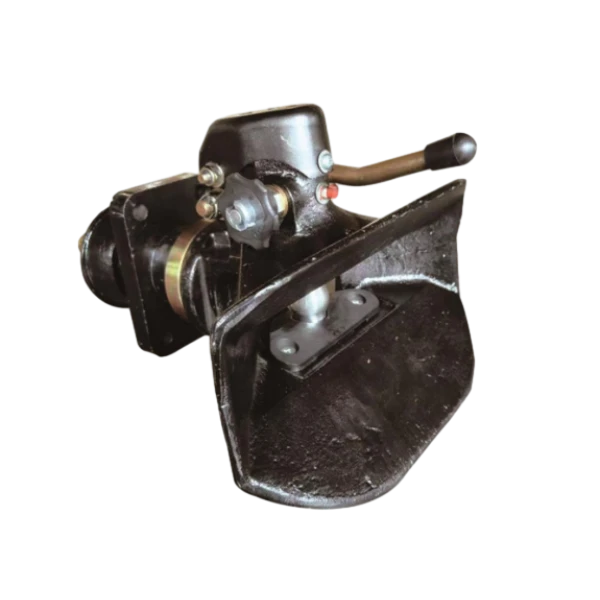
The trailer coupling is a critical component in vehicle towing systems, designed to ensure a secure and efficient connection between a towing vehicle and a trailer. These couplings are manufactured using high-strength carbon steel, alloy steel, or stainless steel, ensuring durability and resistance to heavy loads and harsh environments.
-
 Drawbar Eyes
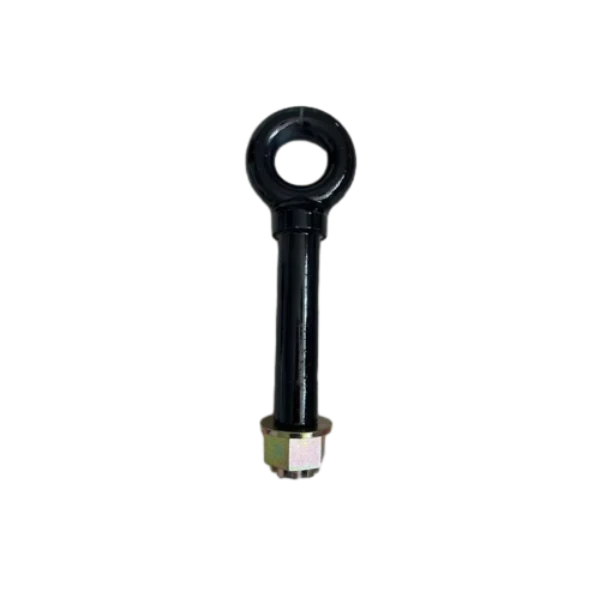
Drawbar eyes are essential components in towing and hauling applications, providing a strong and secure attachment point between the trailer and the towing vehicle. They are designed to endure extreme pulling forces, making them suitable for heavy-duty applications.
-
 Axles
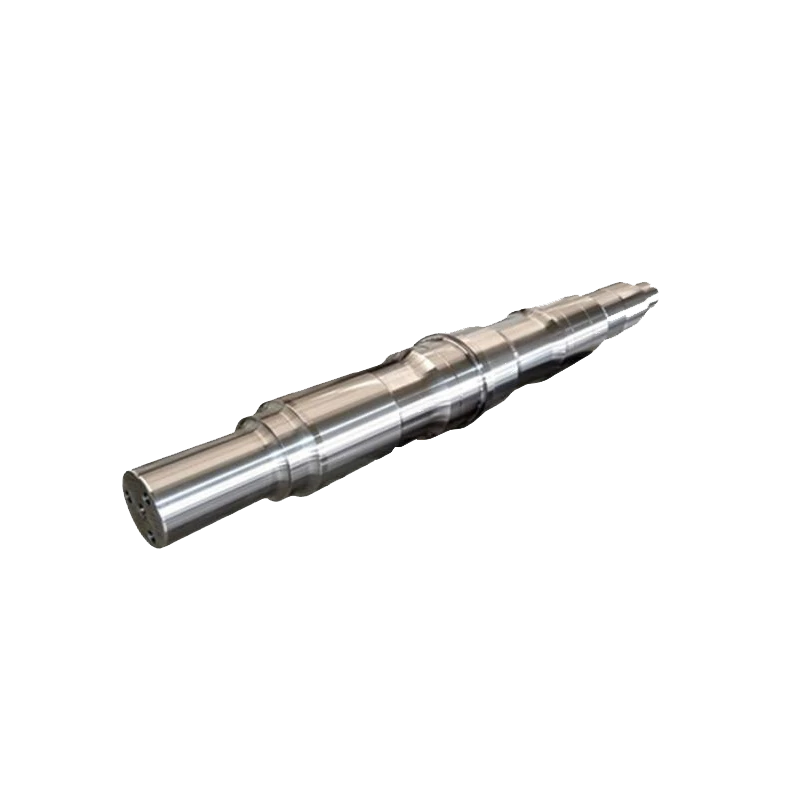
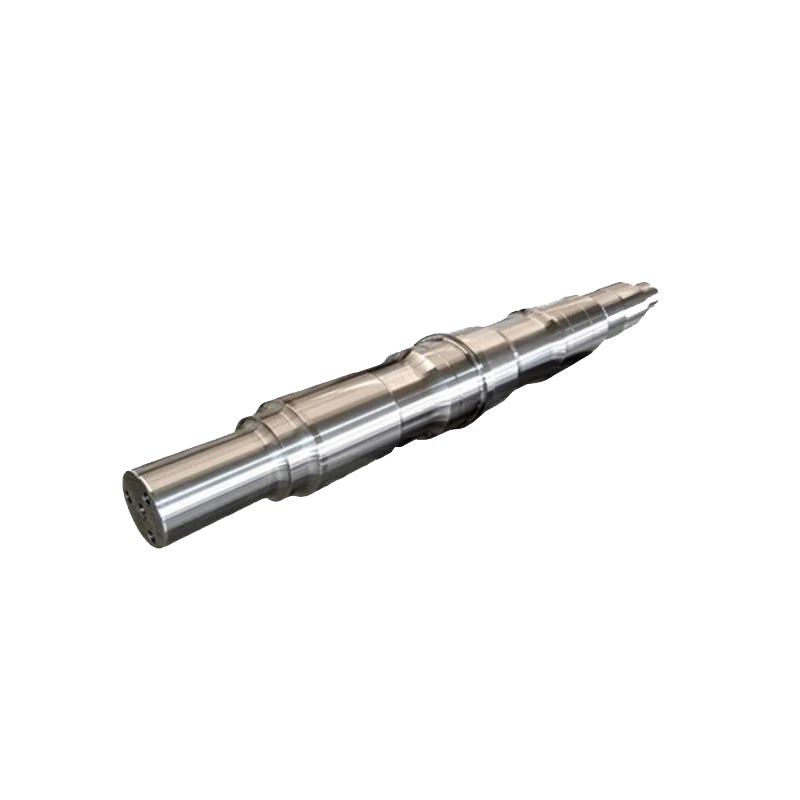
AxlesAxles are essential for vehicle load-bearing and power transmission, ensuring smooth movement and weight distribution. They must withstand high stress, torque, and impact, making material selection and precise manufacturing crucial.
-
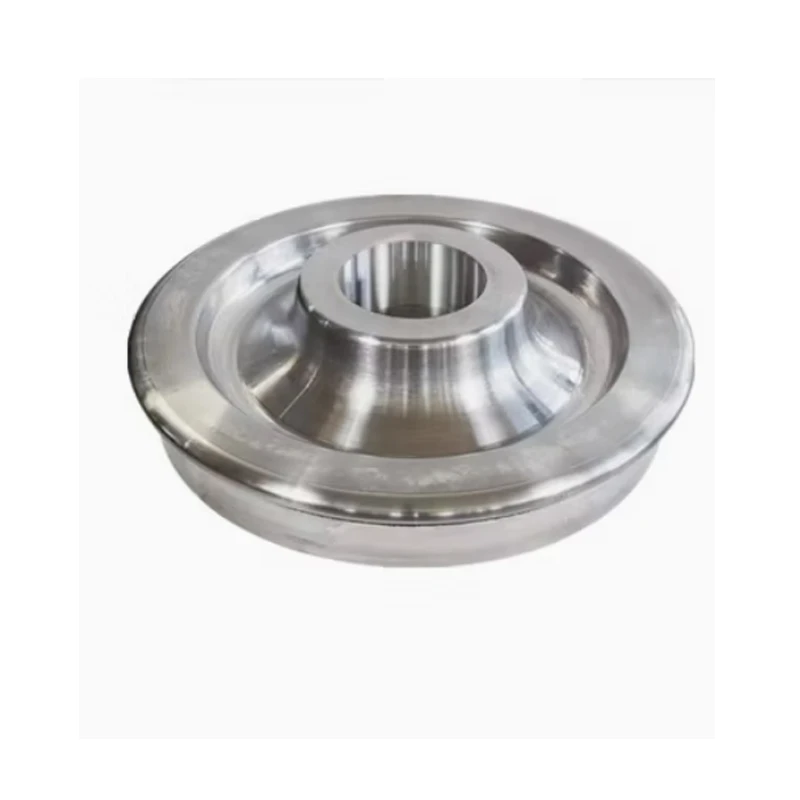 Profile S1002 Series Rail Wheels
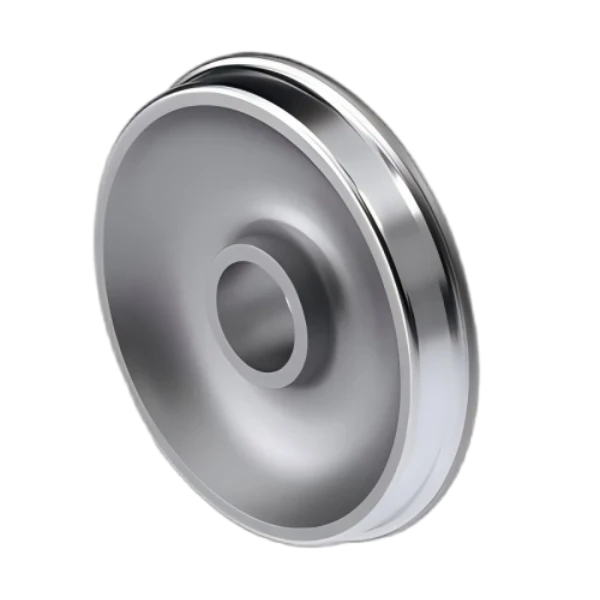
The S1002 series rail wheels are designed for Rail-Road Vehicles (RRVs) that require seamless operation on both roads and railway tracks. Engineered with high precision and durability, these wheels conform to S1002 tread profiles, ensuring compatibility with standard railway systems.
A Comprehensive Guide to Axles Types for Industry Decision Makers | Manufacturing Base
Axles Types is a key solution in the industry, specifically within heavy machinery and transportation sectors. This article explores how https://www.manufacturing-base.com supports professionals with durable, high-performance products
>
Reliable Rail Wheels: Optimize Your Rail Transport Solutions
For industries that rely on rail-based vehicles, choosing the right rail wheels is essential for smooth operations and safety.
>
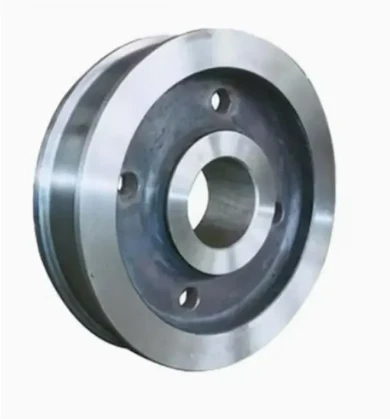
Premium Overhead Crane Wheels For Sale: Enhance Industrial Lifting Efficiency
In modern industrial operations, high-quality overhead crane wheels for sale are essential for safe, reliable, and efficient lifting.
>
Premium Hi Rail Wheels For Sale: Boost Rail Vehicle Performance
In the modern industrial and railway sectors, having reliable hi rail wheels for sale is essential for operational efficiency and safety.
>
High-Quality Hi Rail Wheels For Sale: Enhance Your Rail Equipment Efficiency
When it comes to reliable rail maintenance and industrial operations, investing in hi rail wheels for sale is crucial.
>
High-Quality Crane Wheels For Sale: Enhance Your Crane Operations
For industries relying on heavy lifting and material handling, investing in high-quality crane wheels for sale is crucial.
>
Durable Gantry Crane Wheels For Sale: Maximize Lifting Efficiency
For industries relying on heavy-duty lifting and material handling, selecting the right gantry crane wheels for sale is vital.
>
Reliable Tandem Drive Axles for Heavy-Duty Industrial Vehicles
Tandem Drive Axles: What I’ve Learned After Years in the Industrial Equipment Sector Ha
>
Reliable Semi Trailer Axles for Heavy-Duty Trailers | Expert Insight
Understanding semi trailer axles: The Backbone of Heavy Hauling Having spent more than a deca
>
RC Portal Axles: Industrial Strength and Custom Performance
RC Portal Axles: A Veteran’s Take on Industrial-Grade Performance Having spent over a d
>
Engineered for Excellence
Our forged solutions deliver reliability and performance, powering demanding industries to keep operations running smoothly.

Sign up
for Newsletter
Subscribe to the weekly newsletter for all the latest updates
Premium Gantry Crane Wheels: Forged for Heavy Duty
Introduction to Advanced Crane Wheel Systems
In the realm of heavy industrial material handling, the reliability and efficiency of overhead and gantry crane systems are paramount. At the heart of these robust machines are their wheels, components that bear immense loads and endure constant operational stresses. Specifically, gantry crane wheels are engineered to provide exceptional performance and longevity, ensuring seamless movement across diverse industrial landscapes. These specialized wheels are fundamental to the operational success of gantry cranes, facilitating precise horizontal movement, and are designed to withstand the rigorous demands of continuous heavy-duty applications, from ports and shipyards to steel mills and fabrication plants. Their design and material selection are critical factors in the overall safety, efficiency, and maintenance profile of any gantry crane system.
The evolution of crane technology has driven significant advancements in wheel design and manufacturing, focusing on enhanced durability, reduced wear, and improved energy efficiency. This detailed guide explores the critical aspects of gantry crane wheels, covering their manufacturing processes, technical specifications, diverse applications, and the strategic advantages they offer to modern industries. Understanding these facets is crucial for B2B decision-makers and engineers seeking to optimize their material handling operations with reliable and high-performance components.
Industry Trends in Crane Wheel Manufacturing
The landscape of crane wheel manufacturing is continually evolving, driven by demands for greater efficiency, sustainability, and technological integration. One significant trend is the adoption of advanced materials, such as specialized alloy steels and heat-treated composites, which offer superior wear resistance and increased load-bearing capabilities. Manufacturers are also focusing on optimizing wheel profiles and flange designs to minimize rail wear and reduce operational noise, contributing to a more sustainable and ergonomic working environment. The integration of smart technologies, including sensors for real-time monitoring of wheel wear and temperature, is also gaining traction, enabling predictive maintenance and significantly extending the service life of gantry crane wheels.
Furthermore, there's a growing emphasis on precision manufacturing techniques, notably advanced CNC machining, to achieve tighter tolerances and finer surface finishes, which are crucial for high-speed and high-precision crane applications. Environmental considerations are also influencing design, with efforts to reduce energy consumption through lighter yet stronger designs and more efficient rolling characteristics. The global supply chain for crane wheels, including prominent manufacturers of crane wheels china, is also adapting to these trends, offering a wider range of specialized and standardized products to meet diverse industrial requirements.
Detailed Manufacturing Process of Gantry Crane Wheels
The production of high-performance gantry crane wheels is a meticulous process involving several critical stages, each contributing to the final product's integrity and operational efficiency. The emphasis throughout is on material quality, precision engineering, and rigorous testing to meet stringent industry standards.
Process Flow:
1. Material Selection
High-grade carbon steel or alloy steel (e.g., 42CrMo, 65Mn) known for strength and wear resistance.
2. Forging/Casting
Hot forging for superior grain structure and mechanical properties, or casting for complex shapes.
3. Heat Treatment
Quenching and tempering, or induction hardening for optimal surface hardness (HRC 40-60) and core toughness.
4. CNC Machining
Precision turning, boring, and milling to achieve exact dimensions, surface finish, and groove profiles.
5. Quality Inspection
Ultrasonic flaw detection, hardness testing, dimensional checks, and material composition analysis.
6. Surface Treatment
Anti-corrosion coatings or priming as per customer specifications for extended service life.
Throughout these stages, adherence to international testing standards such as ISO 9001 for quality management, ASTM E112 for grain size, and ANSI/ASME B30.2 for overhead and gantry cranes, ensures product reliability. The expected service life of a well-maintained forged crane wheel can exceed 20 years, depending on the operational environment and load cycles. Target industries include petrochemical, metallurgy, water supply & drainage, power generation, and heavy manufacturing.
In typical application scenarios, these wheels demonstrate advantages such as energy saving through optimized rolling resistance and precision machining, leading to less friction. Furthermore, specialized coatings and material selections provide enhanced corrosion resistance, crucial for outdoor gantry cranes operating in harsh environments like coastal ports or chemical processing plants.
Technical Specifications and Parameters
The precise engineering of gantry crane wheels is reflected in their detailed technical specifications, which dictate their performance and suitability for specific applications. Key parameters include wheel diameter, material composition, surface hardness, load capacity, and flange design. These specifications are critical for ensuring operational safety and maximizing efficiency within the material handling system. For instance, a higher surface hardness, typically achieved through induction hardening, significantly extends the wear life of the wheel tread, reducing maintenance frequency and costs. Load capacity is directly related to the material's yield strength and the wheel's structural design, ensuring that the wheels can safely bear the maximum rated load of the crane.
Flange design, whether single or double, tapered or cylindrical, plays a crucial role in guiding the crane along its rail system, preventing derailment, and distributing lateral forces. Manufacturers adhere to strict tolerances for these dimensions to ensure smooth operation and minimize stress on both the wheel and the rail. Below is a table detailing typical specifications for high-quality bridge crane wheels, highlighting the critical dimensions and material properties.
Typical Gantry Crane Wheel Specifications
| Parameter | Specification Range | Key Benefit |
|---|---|---|
| Material | Forged 42CrMo / 65Mn Alloy Steel | High strength, excellent wear resistance |
| Wheel Diameter | 200mm - 1200mm (Customizable) | Versatility for various crane sizes and load requirements |
| Surface Hardness (Tread) | HRC 40-60 (Induction Hardened) | Extended service life, reduced wear |
| Core Hardness | HB 230-280 (Tempered) | Superior toughness, resistance to shock loads |
| Tensile Strength | ≥ 980 MPa | High load-bearing capacity |
| Flange Type | Single, Double, Tapered, Cylindrical | Optimized rail guidance and load distribution |
| Machining Precision | ISO 2768-m (General Tolerances) | Smooth operation, reduced vibration |
| Load Capacity | Up to 200+ tons per wheel pair | Suitable for heavy-duty and super heavy-duty cranes |
Application Scenarios and Industries
The robust design and superior performance of gantry crane wheels make them indispensable across a wide array of heavy industries. These components are specifically engineered to endure demanding operational conditions, ranging from extreme temperatures to corrosive environments and continuous heavy load cycles. Understanding their diverse application scenarios helps illustrate their critical role in maintaining efficient and safe industrial operations.
- Metallurgical Industry: In steel mills and foundries, gantry cranes equipped with specialized wheels handle molten metal, heavy ingots, and finished products. The wheels must resist high temperatures, abrasive dust, and heavy shock loads, providing reliable motion in a 24/7 operational environment.
- Ports and Shipyards: Ship-to-shore gantry cranes and yard gantry cranes rely on massive wheels to move container111s and heavy cargo. These wheels are exposed to saline environments and must offer excellent corrosion resistance and high load capacity for continuous, high-speed operations.
- Petrochemical and Chemical Plants: Cranes in these sectors often operate in potentially hazardous or corrosive atmospheres. Crane wheels with specific coatings and materials are selected to ensure long-term integrity and safety, minimizing maintenance needs.
- Power Generation: From conventional power plants to nuclear facilities, gantry cranes are used for equipment installation, maintenance, and fuel handling. The wheels here must offer exceptional durability and precision for critical lifting operations.
- Warehousing and Logistics: In large automated warehouses, gantry and bridge crane wheels enable efficient movement of goods, often requiring high-speed and precise positioning capabilities to optimize storage and retrieval processes.
- Construction and Precast Concrete: Heavy-duty gantry cranes are utilized to lift and transport massive concrete elements, structural steel, and other construction materials, where robust and reliable wheels are essential for safety and productivity.
These application scenarios underscore the need for customizable and highly durable crane wheels that can be tailored to the unique challenges of each industrial setting, ensuring optimal performance and safety.
Technical Advantages of Advanced Gantry Crane Wheels
Investing in high-quality gantry crane wheels delivers a multitude of technical advantages that directly impact operational efficiency, safety, and long-term cost-effectiveness. These advantages stem from superior material science, advanced manufacturing techniques, and meticulous quality control.
- Extended Service Life: Through advanced heat treatment processes like induction hardening, the tread surface achieves exceptional hardness (HRC 40-60), dramatically increasing wear resistance. This prolongs the operational lifespan of the wheels, reducing the frequency and cost of replacements.
- Superior Load-Bearing Capacity: Forged from high-strength alloy steels (e.g., 42CrMo), these wheels possess immense tensile and yield strength, allowing them to safely support significant static and dynamic loads, crucial for heavy-duty applications of forged crane wheels.
- Enhanced Corrosion Resistance: For operations in harsh environments, such as coastal ports or chemical facilities, specialized anti-corrosion coatings and material selections provide superior protection against rust and chemical degradation, maintaining structural integrity over time.
- Optimized Energy Efficiency: Precision CNC machining ensures smooth running surfaces and perfect concentricity, minimizing friction between the wheel and rail. This reduces the energy required for propulsion and braking, leading to lower operational costs and a smaller carbon footprint.
- Reduced Maintenance Requirements: The combination of high wear resistance, robust construction, and effective lubrication systems translates into fewer breakdowns and less frequent maintenance interventions, significantly improving crane uptime and productivity.
- Improved Operational Safety: Adherence to stringent manufacturing and testing standards (e.g., ISO, DIN, ASTM) ensures that each wheel meets critical safety thresholds. Features like robust flanges prevent derailment, while consistent material properties prevent unexpected failures under stress.
- Minimized Rail Wear: Precisely machined wheel profiles and correct material hardness reduce localized stresses on the crane rails, extending the lifespan of both the wheels and the rail infrastructure. This is a crucial advantage for heavily used gantry and bridge crane wheels.
These technical advantages collectively contribute to a lower total cost of ownership (TCO) and enhanced operational reliability, making advanced crane wheels a strategic investment for any industrial operation.
Vendor Comparison for Gantry Crane Wheels
Selecting the right vendor for gantry crane wheels is a critical decision that impacts long-term operational efficiency, safety, and cost. While many suppliers offer crane wheels, their capabilities, quality standards, and service offerings can vary significantly. A comprehensive vendor comparison should consider factors beyond just initial price, focusing on material quality, manufacturing precision, customization capabilities, lead times, and post-sales support. Below is a conceptual comparison table illustrating key differentiating factors among typical vendor types.
Gantry Crane Wheel Vendor Comparison
| Feature | High-End/Specialized Manufacturer | Mid-Range Supplier (e.g., certain Crane Wheels China) | General Components Distributor |
|---|---|---|---|
| Material Quality | Premium forged alloy steels (e.g., 42CrMo4, 34CrNiMo6), certified origin. | Standard forged carbon or alloy steel (e.g., 45#, 65Mn), varying origin. | Mixed origin, potentially cast iron, less stringent material control. |
| Manufacturing Precision | Advanced CNC machining, tight tolerances, superior surface finish. | Standard CNC machining, acceptable tolerances. | Basic machining, wider tolerances, potential for inconsistencies. |
| Heat Treatment | Induction hardening (HRC 40-60), full tempering, precise control. | Standard quenching & tempering (HRC 30-45), less depth. | Basic heat treatment, inconsistent hardness. |
| Customization Options | Extensive customization for specific loads, environments, and crane types. | Limited customization for standard designs. | Typically off-the-shelf products only. |
| Certifications & Standards | ISO 9001, EN, ASTM, DIN compliance, full material traceability. | Basic ISO, sometimes local standards, partial traceability. | Minimal certifications, often no traceability. |
| Lead Time | Generally 4-8 weeks for custom orders, reliable delivery. | 2-6 weeks for standard items, potentially longer for custom. | Often immediate for stock, unpredictable for non-stock. |
| Technical Support | Comprehensive engineering support, design consultation. | Basic technical assistance. | Limited to no technical support. |
| Price Point | Higher initial investment, lower TCO. | Competitive mid-range pricing. | Lowest initial price, higher long-term costs. |
For critical applications requiring maximum safety, durability, and minimal downtime, investing in a high-end, specialized manufacturer of crane wheels is typically the most prudent choice, despite a higher initial cost. Their expertise, quality control, and commitment to international standards significantly reduce operational risks and extend the lifespan of the crane system.
Customized Solutions for Gantry Crane Wheels
Standardized gantry crane wheels can meet many industrial requirements, but for highly specialized applications or unique operational challenges, customized solutions offer distinct advantages. Tailoring wheel specifications to precise demands ensures optimal performance, extends service life, and enhances overall crane system efficiency and safety. Customization encompasses several key areas, allowing engineers to fine-tune components for specific environments and load profiles.
- Material Adaptation: Beyond standard alloy steels, custom wheels can be forged from materials with enhanced properties for extreme temperatures (e.g., cryogenic steels for cold storage or heat-resistant alloys for foundries), or specific chemical resistance for corrosive environments.
- Unique Heat Treatment Protocols: While induction hardening is common, specific applications might benefit from through-hardening or case hardening to different depths or hardness profiles to balance wear resistance with impact toughness.
- Specialized Coatings and Surface Treatments: For highly abrasive or corrosive settings, custom wheels can receive advanced ceramic coatings, tungsten carbide overlays, or specific paint systems to dramatically enhance their resistance and extend operational intervals.
- Precision Flange and Tread Profiles: Customization allows for the exact replication of existing wheel profiles or the design of entirely new ones to optimize interaction with specific rail types, minimize rail wear, or improve guidance in complex track layouts. This is particularly important for bridge crane wheels operating on intricate rail systems.
- Integrated Bearing Solutions: Custom solutions can include pre-fitted bearings (e.g., spherical roller bearings, tapered roller bearings) that are sealed for life or designed for specific lubrication regimes, reducing installation complexity and improving reliability.
- Specific Dimensional Requirements: Non-standard diameters, bore sizes, or hub designs are common customization requests to ensure perfect fitment with existing crane structures and drive systems.
By engaging with a manufacturer capable of delivering customized crane wheels, businesses can address unique operational challenges, optimize performance, and achieve a higher return on investment for their material handling equipment. This collaborative approach between client and manufacturer ensures that the wheels are perfectly aligned with the crane's operational demands and the environmental conditions.
Application Case Studies
Real-world application case studies provide tangible evidence of the performance and reliability of advanced gantry crane wheels. These examples highlight how tailored solutions and high-quality manufacturing contribute to operational success in demanding industrial environments.
- Case Study 1: Steel Mill Slab Handling Gantry Crane
A major steel producer faced frequent wheel replacements (every 18 months) on their 200-ton capacity slab handling gantry crane due to extreme heat, abrasive dust, and continuous heavy-duty cycles. The original wheels, made of standard carbon steel, exhibited rapid tread wear and flange degradation. A specialized manufacturer provided custom forged crane wheels made from 42CrMo alloy steel with deep induction hardening (HRC 55-60) and a robust double-flange design. After two years of operation, the new wheels showed minimal wear, extending service life by over 100% and significantly reducing maintenance downtime and associated costs. Ultrasonic testing every six months confirmed material integrity, demonstrating superior longevity and robustness.
- Case Study 2: Container Port Ship-to-Shore Gantry Cranes
A busy international container111 port experienced challenges with premature corrosion and accelerated wear of crane wheels on its ship-to-shore gantry cranes, largely due to the harsh saline environment and high-speed operation. The solution involved implementing wheels with a specialized anti-corrosion coating and a unique tapered tread profile designed to optimize load distribution and minimize lateral forces on the rails. The new wheels, produced by a leading crane wheels china manufacturer adhering to international standards, dramatically reduced maintenance intervals for wheel re-profiling and replacement. Operational data showed a 15% improvement in crane cycle times due to smoother travel and reduced vibration, contributing to enhanced port efficiency and cargo throughput.
- Case Study 3: Hydroelectric Power Plant Maintenance Gantry
A hydroelectric dam utilized a heavy-lift gantry crane for turbine and generator maintenance, requiring precise positioning and extreme reliability, even after long periods of inactivity. The existing wheels, while robust, suffered from surface pitting due to infrequent use and condensation. The new bridge crane wheels supplied were fabricated with a specific surface treatment designed for long-term storage and intermittent heavy use. This included a rust-inhibiting primer and a micro-textured finish that improved grip during initial movements. This solution extended the inspection interval from annually to biennially, ensuring readiness for critical maintenance tasks with enhanced confidence in equipment integrity.
Ensuring Trustworthiness & Support
For B2B clients, trust is built not only on product quality but also on transparent processes, reliable support, and clear commitments. Manufacturers of high-grade gantry crane wheels understand this and provide comprehensive support structures to ensure customer satisfaction and long-term partnerships.
Frequently Asked Questions (FAQ)
-
Q: What materials are typically used for your gantry crane wheels?
A: We primarily use high-grade forged alloy steels such as 42CrMo and 65Mn, known for their superior strength, wear resistance, and fatigue life. Material certificates are provided with every order to ensure full traceability and quality assurance.
-
Q: How do you ensure the quality and durability of your crane wheels?
A: Our manufacturing process includes rigorous quality control at every stage: material inspection, ultrasonic flaw detection post-forging, precise CNC machining, controlled heat treatment for optimal hardness (HRC 40-60), and final dimensional and hardness testing. All processes comply with international standards like ISO 9001, ASTM, and DIN.
-
Q: Can you produce custom-designed gantry crane wheels?
A: Absolutely. We specialize in customized solutions, including non-standard diameters, specific flange configurations, unique material compositions, and specialized surface treatments to meet the exact requirements of your crane system and operational environment. Our engineering team works closely with clients to develop optimal designs.
-
Q: What is the typical lead time for an order of crane wheels?
A: For standard crane wheels, lead times typically range from 4-6 weeks. Custom or highly specialized orders may require 8-12 weeks, depending on complexity and material sourcing. We always aim to provide accurate timelines and maintain transparent communication throughout the production process.
Lead Time & Fulfillment
We understand the importance of timely delivery for industrial operations. Our standard lead time for most forged crane wheels is 4-6 weeks from order confirmation to shipment, with expedite options available for urgent requirements. For highly customized wheels or large-volume orders, lead times are confirmed at the quotation stage, ensuring transparency and realistic planning for our clients. Our logistics team coordinates global shipping to deliver products efficiently and securely, whether by sea, air, or land freight.
Warranty Commitments
All our gantry crane wheels are backed by a comprehensive 2-year warranty against manufacturing defects in material and workmanship, assuming proper installation, operation, and maintenance. This commitment underscores our confidence in the quality and durability of our products. Detailed warranty terms and conditions are provided with every purchase agreement, ensuring clarity and peace of mind for our customers.
Customer Support
Our dedicated customer support team and technical engineers are available to provide expert assistance from initial inquiry through post-installation. This includes technical consultations, design recommendations, installation guidance, and troubleshooting. We offer responsive support via phone and email to ensure minimal downtime and optimal performance of your crane systems. Our commitment extends to ongoing technical partnership, assisting clients in maximizing the lifespan and efficiency of their crane wheels.
Conclusion
The criticality of gantry crane wheels in modern industrial operations cannot be overstated. As foundational components for heavy material handling, their design, manufacturing quality, and application-specific tailoring are paramount to ensuring safety, efficiency, and longevity. By embracing advanced materials, precision engineering, and rigorous testing standards, manufacturers are continually pushing the boundaries of what these essential components can achieve. For B2B decision-makers, choosing a reputable supplier offering comprehensive customization options, robust quality assurances, and dedicated support is not merely a procurement decision but a strategic investment in the seamless and reliable operation of their entire material handling infrastructure. The continuous innovation in crane wheels promises even greater efficiency and sustainability for the industrial sector's future.
References
- ISO.org - International Organization for Standardization.
- ASTM International - Standards Worldwide.
- DIN - Deutsches Institut für Normung e.V. (German Institute for Standardization).
- ASME.org - American Society of Mechanical Engineers.
- The Fabricator. "The Essentials of Crane Wheel Maintenance".
NEXT:
PREV:
-
Trailer Coupling
The trailer coupling is a critical component in vehicle towing systems, designed to ensure a secure and efficient connection between a towing vehicle and a trailer. These couplings are manufactured using high-strength carbon steel, alloy steel, or stainless steel, ensuring durability and resistance to heavy loads and harsh environments.
-
Drawbar Eyes
Drawbar eyes are essential components in towing and hauling applications, providing a strong and secure attachment point between the trailer and the towing vehicle. They are designed to endure extreme pulling forces, making them suitable for heavy-duty applications.
-
Axles
Axles are essential for vehicle load-bearing and power transmission, ensuring smooth movement and weight distribution. They must withstand high stress, torque, and impact, making material selection and precise manufacturing crucial.
-
Profile S1002 Series Rail Wheels
The S1002 series rail wheels are designed for Rail-Road Vehicles (RRVs) that require seamless operation on both roads and railway tracks. Engineered with high precision and durability, these wheels conform to S1002 tread profiles, ensuring compatibility with standard railway systems.
A Comprehensive Guide to Axles Types for Industry Decision Makers | Manufacturing Base
Axles Types is a key solution in the industry, specifically within heavy machinery and transportation sectors. This article explores how https://www.manufacturing-base.com supports professionals with durable, high-performance products
>
Reliable Rail Wheels: Optimize Your Rail Transport Solutions
For industries that rely on rail-based vehicles, choosing the right rail wheels is essential for smooth operations and safety.
>
Premium Overhead Crane Wheels For Sale: Enhance Industrial Lifting Efficiency
In modern industrial operations, high-quality overhead crane wheels for sale are essential for safe, reliable, and efficient lifting.
>
Premium Hi Rail Wheels For Sale: Boost Rail Vehicle Performance
In the modern industrial and railway sectors, having reliable hi rail wheels for sale is essential for operational efficiency and safety.
>
High-Quality Hi Rail Wheels For Sale: Enhance Your Rail Equipment Efficiency
When it comes to reliable rail maintenance and industrial operations, investing in hi rail wheels for sale is crucial.
>
High-Quality Crane Wheels For Sale: Enhance Your Crane Operations
For industries relying on heavy lifting and material handling, investing in high-quality crane wheels for sale is crucial.
>
Durable Gantry Crane Wheels For Sale: Maximize Lifting Efficiency
For industries relying on heavy-duty lifting and material handling, selecting the right gantry crane wheels for sale is vital.
>
Reliable Tandem Drive Axles for Heavy-Duty Industrial Vehicles
Tandem Drive Axles: What I’ve Learned After Years in the Industrial Equipment Sector Ha
>
Reliable Semi Trailer Axles for Heavy-Duty Trailers | Expert Insight
Understanding semi trailer axles: The Backbone of Heavy Hauling Having spent more than a deca
>
RC Portal Axles: Industrial Strength and Custom Performance
RC Portal Axles: A Veteran’s Take on Industrial-Grade Performance Having spent over a d
>
Engineered for Excellence
Our forged solutions deliver reliability and performance, powering demanding industries to keep operations running smoothly.
Sign up
for Newsletter
Subscribe to the weekly newsletter for all the latest updates