- Tel: +86 311 82620404
- Cell: 86 -13739710551
- Email: sales@potentia.cn

Durable and Innovative Rail Track Wheels for Global Rail Systems | Manufacturing Base
What Are Rail Track Wheels and Why Do They Matter?
We don't often pause to think about the tiny yet mighty components that keep the world’s railroads running smoothly. Rail track wheels, the unsung heroes of the rail industry, are crucial not only for transportation efficiency but also for global trade, infrastructure development, and even humanitarian aid. In simple terms, these wheels are the direct interface between trains and rails—translating torque, supporting weight, and ensuring safety across thousands of miles of tracks.
Understanding rail track wheels is not just for engineers or train enthusiasts. Their design, durability, and material impact economic performance, fuel consumption, and even carbon emissions at a massive scale. Globally, railroads move roughly 18% of the world’s goods by ton-kilometer, according to the International Union of Railways (UIC), highlighting why optimizing everything from wheels to rails matters tremendously.
Mini takeaway: Rail track wheels are tiny giants that enable global commerce, improve safety, and even support crisis response.
The Global Context: A Track That Connects the World
It’s fascinating how interconnected our planet has become thanks to railways. As reported by the World Bank, nearly 50 billion tons of freight are transported annually by rail globally. That’s a colossal number, but it also introduces complexities. Rail track wheels have to withstand everything from icy Siberian winters to the sweltering heat of African deserts — an engineering feat in itself.
Despite their importance, many rail systems face challenges with wheel wear, uneven track conditions, or supply chain bottlenecks. A worn or damaged rail track wheel can cause derailments, costing lives and billions of dollars in losses. This means R&D in rail wheel technology isn’t just about making trains run smoother; it literally saves lives and economies.
Mini takeaway: The global rail network’s efficiency hinges on robust, well-maintained rail track wheels that withstand harsh environments and heavy loads.
Defining Rail Track Wheels: More Than Just Rolling Circles
Simply put, rail track wheels are specially designed solid steel wheels that fit onto train axles, rolling on steel rails. Unlike car wheels, they have a distinct flange to keep them aligned on tracks, preventing derailment. This flange is essential, especially on tight curves and switches.
In modern industry, rail track wheels aren’t just about locomotives. Think automated warehouses, mining operations, and even sophisticated urban light rail systems—all depend on variations of rail wheels. From humanitarian logistics to heavy industry, their role is quietly pervasive.
Rail track wheels embody a subtle but critical marriage of metallurgy, precision engineering, and rigorous testing.
Mini takeaway: Rail track wheels are carefully engineered components balancing safety, strength, and precise fit.
Core Aspects of Rail Track Wheels
Durability
Durability is king when it comes to rail wheels. These components must resist fatigue, abrasion, and impacts. Many manufacturers use high-carbon steel alloys with special heat treatment processes like quenching and tempering to achieve hardness without brittleness.
Manufacturing Precision
The tolerance in diameter, roundness, and flange profile dictates wheel-rail interaction. Even minor deviations can accelerate wear or raise derailment risks. Hence, modern IT-controlled machining and non-destructive testing methods (like ultrasonic inspection) ensure reliability.
Cost Efficiency
Balancing upfront manufacturing costs with lifespan and maintenance schedules is a constant juggling act. Some companies focus on lightweight designs or modular wheelsets to reduce total lifecycle costs.
Customization & Compatibility
Rails vary worldwide—different gauges, speeds, and axle loads require tailored wheels. A mining company in Australia faces very different needs compared to a commuter rail in Europe. Thankfully, suppliers increasingly offer bespoke solutions.
Environmental Resistance
In humid, salty coastal regions or freezing alpine tracks, wheels must resist corrosion and degradation. Surface coating innovations and materials science are playing larger roles here.
Mini takeaway: Each wheel component—from material to finish—must align with practical demands for safety, cost, and environment.
Real-World Applications of Rail Track Wheels
Rail track wheels find action everywhere trains do, but their influence extends beyond. For instance:
- Industrial Zones: Heavy-duty wheels power ore transport trains in mining regions of South America and Africa, where durability under harsh conditions is critical.
- Post-Disaster Relief: In flood-affected regions of Southeast Asia, rail helps deliver vast quantities of aid. Reliable wheels ensure supply lines remain uninterrupted.
- Urban Transit: Metro systems in cities like Tokyo or London depend on quiet, smooth-running wheels for passenger comfort and schedule adherence.
- High-Speed Rail: Wheels designed for speeds exceeding 300 km/h in countries like China incorporate advanced materials to handle elevated stresses.
Oddly enough, beyond just movement, some emergency medical services are exploring rail-based mobile clinics, meaning wheel technology now touches healthcare logistics too.
Mini takeaway: Wherever rails run, rail track wheels are frontline workers powering industry, aid, and daily life.
Advantages and Long-Term Benefits
The right rail track wheels don't just roll—they translate into lower maintenance expenses, enhanced safety, and longer equipment life. Frankly, the economic impact is profound: better wheels mean less downtime, fewer accidents, and smoother rides, which builds trust between operators, passengers, and freight clients.
Sustainability-wise, optimized wheels reduce energy consumption by lowering friction. They also support green policies by extending asset lifespans and reducing scrap. Socially, reliable rail infrastructure contributes to community dignity, connecting remote areas to services, markets, and opportunities.
Mini takeaway: Investing in quality rail track wheels yields dividends across safety, cost, and environmental stewardship.
Future Trends Shaping Rail Track Wheels
- Smart Wheels: Embedded sensors are becoming a thing. They detect wear and stress in real time, allowing predictive maintenance that prevents accidents and costly repairs.
- Eco-Friendly Materials: Research into recycled steel alloys and specialized coatings aims to reduce environmental footprints.
- Automation and Robotics: Automated inspection systems speed up quality assurance processes and track wheel replacements.
- Green Energy Railways: As electric railways expand, wheels must adapt to new dynamic loading patterns and regenerative braking systems.
In short, the “smartification” of rail track wheels promises a leap forward in operational safety and sustainability — something many engineers say is long overdue.
Addressing Challenges
Of course, there are hurdles. The high cost of advanced materials can deter adoption, especially in lower-income regions. Also, supply chain disruptions have shown the vulnerability of over-reliance on limited suppliers.
Innovative responses include:
- Developing modular wheel systems that can be easily repaired or upgraded onsite.
- Encouraging regional manufacturing hubs to reduce dependency and lead times.
- Investing in collaborative R&D between rail operators and academia.
Ultimately, adaptability and collaboration remain the best solutions for future-proofing rail track wheels.
Product Specification Table: Typical Heavy-Duty Rail Track Wheel
| Specification | Description |
|---|---|
| Material | High carbon steel alloy (AISI 1055–1065) |
| Diameter | 800 mm (typical range 600–1000 mm) |
| Flange Height | 28 mm (±2 mm tolerance) |
| Hardness | 320–350 HB (Brinell Scale) |
| Weight | ~250 kg |
| Operating Temperature Range | -40°C to +80°C |
Vendor Comparison Table: Leading Rail Track Wheel Suppliers
| Supplier | Specialization | Regional Focus | Key Strength | Typical Lead Time |
|---|---|---|---|---|
| SteelMotive Inc. | Heavy industrial & mining wheels | Asia-Pacific | Customized heat treatments | 8–12 weeks |
| RailPro Solutions | Urban transit & light rail wheels | Europe & North America | Smart sensor integration | 6–9 weeks |
| EcoTrack Wheels | Sustainable & recycled materials | Global | Green eco-certified production | 10–14 weeks |
Frequently Asked Questions About Rail Track Wheels
- Q: How often should rail track wheels be inspected or replaced?
- A: Typically, wheels are inspected every 20,000 to 40,000 km depending on operating conditions. Replacement depends on wear limits, flange height, and any visible defects. Advanced sensor tech is now enabling real-time health monitoring for predictive maintenance.
- Q: Can rail track wheels be customized for different rail gauges?
- A: Absolutely. Wheels need to match the track gauge—the distance between rails. Manufacturers tailor flange sizes, wheel diameter, and materials to specific gauge standards, be it the broad gauge of India or standard gauge common in Europe and the US.
- Q: Are lightweight rail track wheels reliable for heavy freight?
- A: Lightweight wheels reduce rotational inertia and energy consumption but must still meet strength requirements. Many engineers favor advanced alloys and modular designs to maintain durability while cutting weight.
- Q: How do environmental conditions affect rail track wheel performance?
- A: Moisture, temperature swings, and corrosive agents like salt can accelerate wear and cause surface damage. Protective coatings and special alloys help counteract these effects, especially in coastal or arctic regions.
- Q: Is it easy to source replacement rail track wheels internationally?
- A: It depends on the supplier’s network and certification standards. Major vendors operate global distribution but lead times vary. Some customers ship wheels via rail freight, which is ironically appropriate, while others prefer local sourcing to reduce downtime.
Conclusion: Rolling Towards a Safer, Smarter Future
Rail track wheels might feel like humble components, but their impact is anything but small. Across industries, geographies, and climate zones, they support the movement of goods and people critical to our economies and societies. Investing in quality, innovation, and sustainability in rail wheels is, frankly, investing in trust—trust in safe journeys, economic growth, and a greener future.
If you want to explore the latest in durable, customizable rail track wheels and learn more about innovative manufacturers, visit our website. Because sometimes, the wheels you don’t notice are the ones you absolutely depend on.
References
-
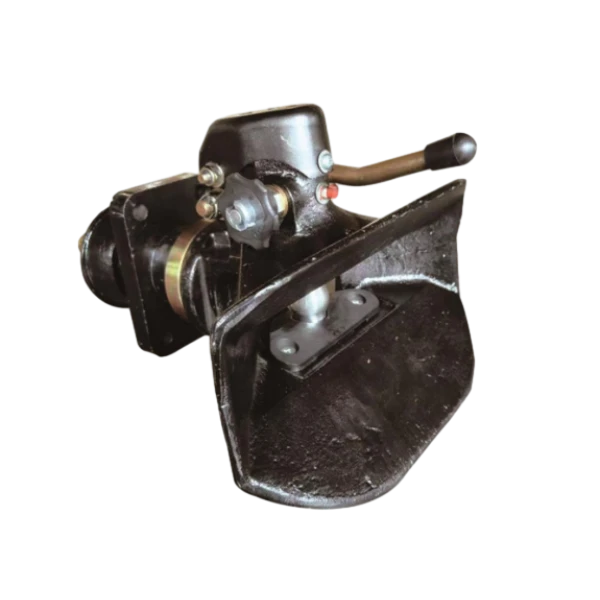 Trailer Coupling
The trailer coupling is a critical component in vehicle towing systems, designed to ensure a secure and efficient connection between a towing vehicle and a trailer. These couplings are manufactured using high-strength carbon steel, alloy steel, or stainless steel, ensuring durability and resistance to heavy loads and harsh environments.
-
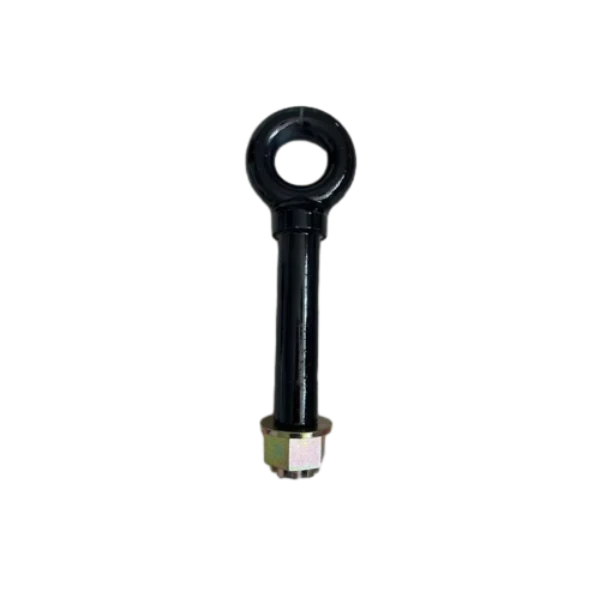
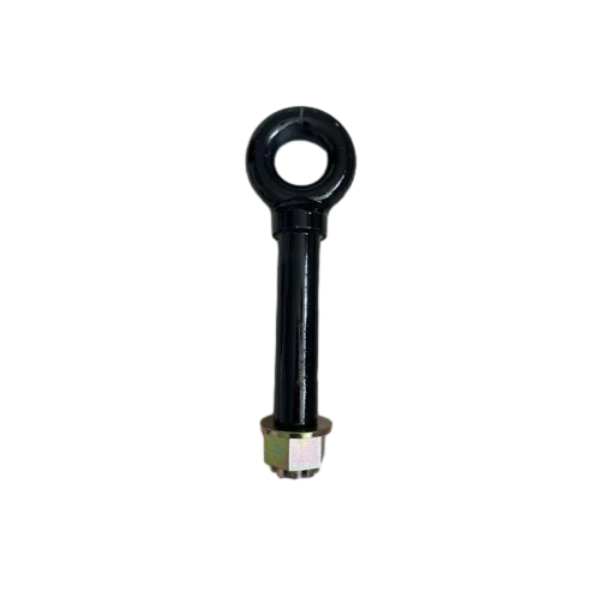 Drawbar Eyes
Drawbar eyes are essential components in towing and hauling applications, providing a strong and secure attachment point between the trailer and the towing vehicle. They are designed to endure extreme pulling forces, making them suitable for heavy-duty applications.
-
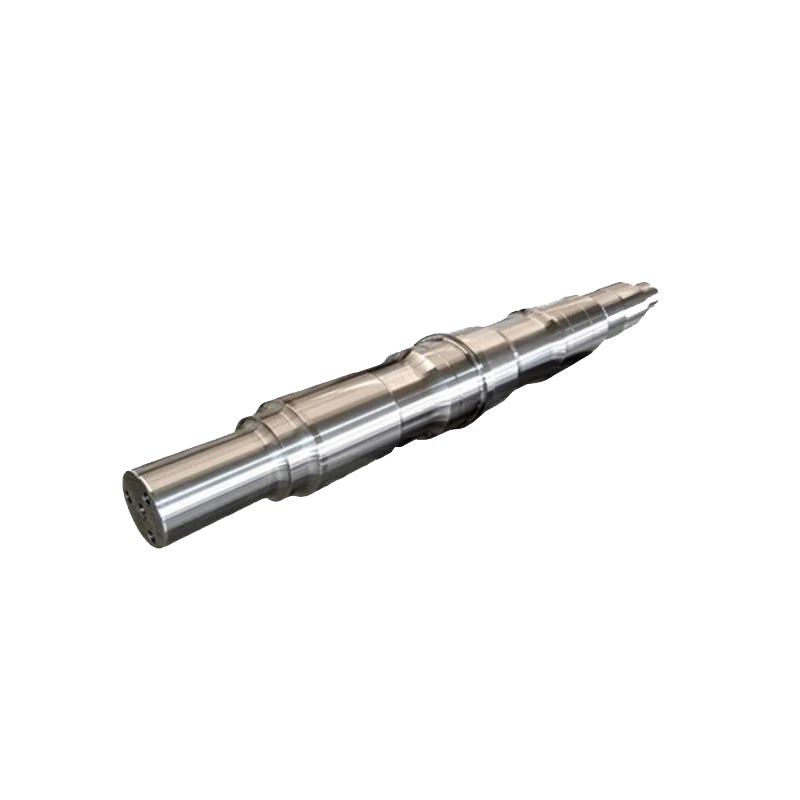
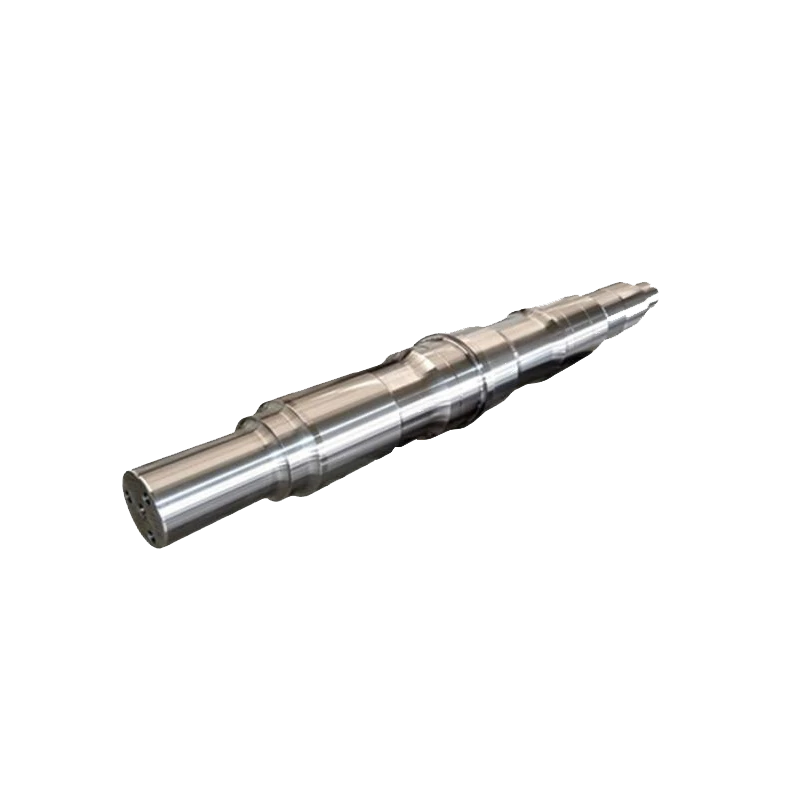 Axles
AxlesAxles are essential for vehicle load-bearing and power transmission, ensuring smooth movement and weight distribution. They must withstand high stress, torque, and impact, making material selection and precise manufacturing crucial.
-
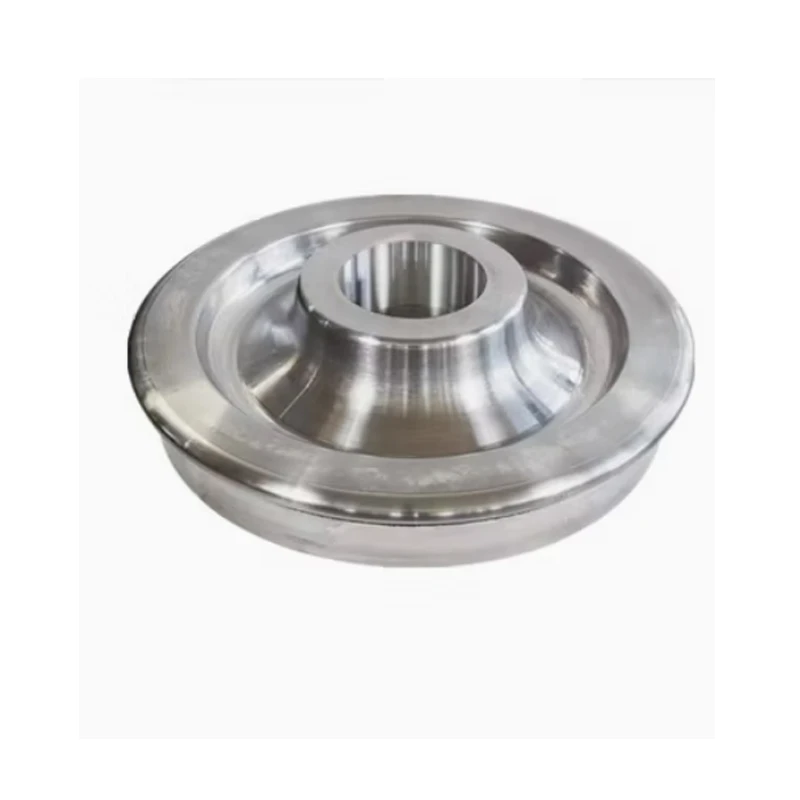 Profile S1002 Series Rail Wheels
The S1002 series rail wheels are designed for Rail-Road Vehicles (RRVs) that require seamless operation on both roads and railway tracks. Engineered with high precision and durability, these wheels conform to S1002 tread profiles, ensuring compatibility with standard railway systems.
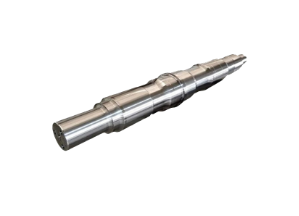
A Comprehensive Guide to Axles Types for Industry Decision Makers | Manufacturing Base
Axles Types is a key solution in the industry, specifically within heavy machinery and transportation sectors. This article explores how https://www.manufacturing-base.com supports professionals with durable, high-performance products
>
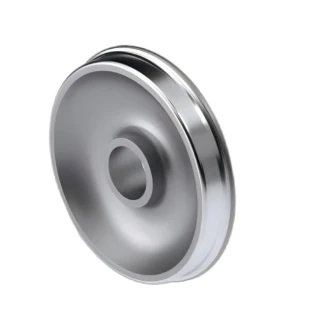
Reliable Rail Wheels: Optimize Your Rail Transport Solutions
For industries that rely on rail-based vehicles, choosing the right rail wheels is essential for smooth operations and safety.
>
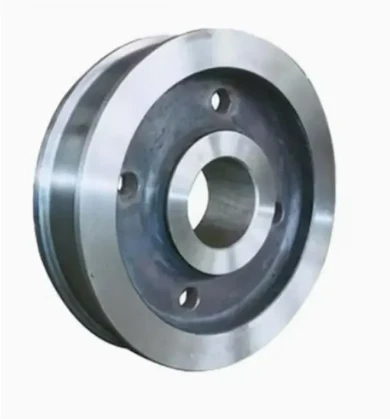
Premium Overhead Crane Wheels For Sale: Enhance Industrial Lifting Efficiency
In modern industrial operations, high-quality overhead crane wheels for sale are essential for safe, reliable, and efficient lifting.
>
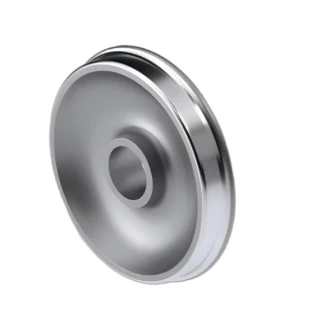
Premium Hi Rail Wheels For Sale: Boost Rail Vehicle Performance
In the modern industrial and railway sectors, having reliable hi rail wheels for sale is essential for operational efficiency and safety.
>
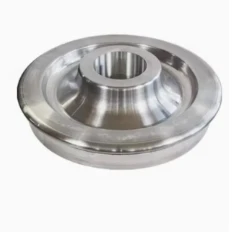
High-Quality Hi Rail Wheels For Sale: Enhance Your Rail Equipment Efficiency
When it comes to reliable rail maintenance and industrial operations, investing in hi rail wheels for sale is crucial.
>
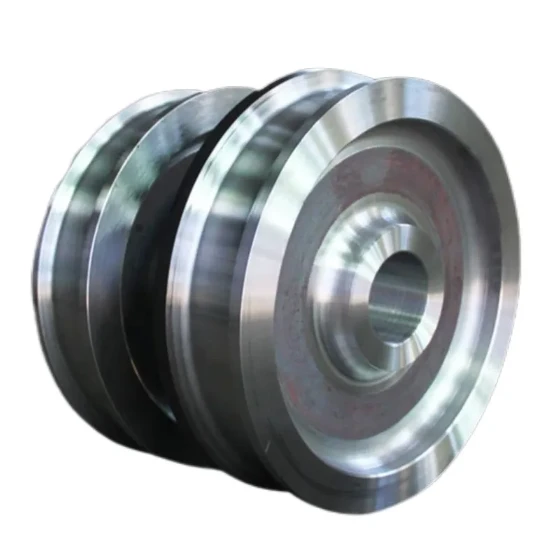
High-Quality Crane Wheels For Sale: Enhance Your Crane Operations
For industries relying on heavy lifting and material handling, investing in high-quality crane wheels for sale is crucial.
>
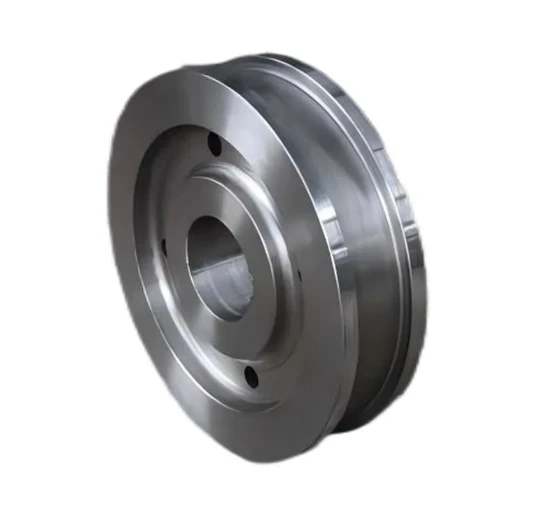
Durable Gantry Crane Wheels For Sale: Maximize Lifting Efficiency
For industries relying on heavy-duty lifting and material handling, selecting the right gantry crane wheels for sale is vital.
>
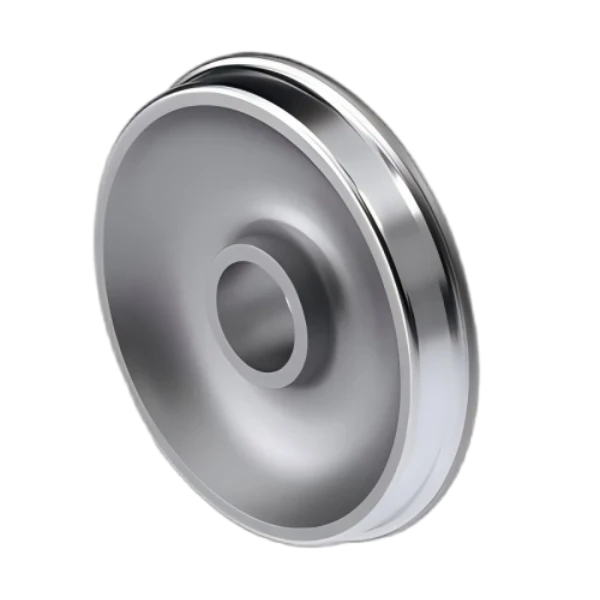
Reliable Tandem Drive Axles for Heavy-Duty Industrial Vehicles
Tandem Drive Axles: What I’ve Learned After Years in the Industrial Equipment Sector Ha
>
Reliable Semi Trailer Axles for Heavy-Duty Trailers | Expert Insight
Understanding semi trailer axles: The Backbone of Heavy Hauling Having spent more than a deca
>
RC Portal Axles: Industrial Strength and Custom Performance
RC Portal Axles: A Veteran’s Take on Industrial-Grade Performance Having spent over a d
>
Engineered for Excellence
Our forged solutions deliver reliability and performance, powering demanding industries to keep operations running smoothly.

Sign up
for Newsletter
Subscribe to the weekly newsletter for all the latest updates