- Tel: +86 311 82620404
- Cell: 86 -13739710551
- Email: sales@potentia.cn

Comprehensive Guide to Rail and Wheel Systems in Modern Industry
Understanding Rail and Wheel: The Backbone of Modern Mobility
If you ever paused to watch a train thunder down the tracks or a heavy-duty conveyor belt hum in a factory, you're witnessing the subtle brilliance of rail and wheel systems in action. These mechanical marvels, seemingly simple at a glance, have underpinned industrial progress, humanitarian logistics, and even everyday commuting worldwide. But why exactly does understanding “rail and wheel” matter — globally and practically? Well, they form the essential connection between movement and infrastructure, enabling the mass transportation of goods and people efficiently, safely, and sustainably. Grasping these concepts isn’t just for engineers or transport geeks; it’s key to appreciating how global trade, disaster relief, and even urban development pulse along the invisible veins of rails and wheels.Rail and Wheel in the Global Context
Consider this: according to the International Union of Railways (UIC), more than 10 billion tons of goods are transported annually by rail globally, accounting for roughly 9% of the world's land freight. The World Bank highlights how rail freight systems are pivotal drivers for developing economies, offering cost-effective and scalable transport solutions. But here’s the rub: aging infrastructure, rising demand, and environmental concerns create significant challenges for rail and wheel technologies. As urbanization accelerates and climate targets tighten, the need to innovate around this basic pairing grows urgent. There’s a quiet revolution underway—new materials, smarter wheels, and digital monitoring — all aiming to upgrade how rails and wheels collaborate worldwide.What Does Rail and Wheel Really Mean?
At its core, rail and wheel is the physical interface where a wheel meets a track — whether that's a train's steel wheel on a steel rail or a wagon's wheel on an industrial assembly line track. But it’s more than just a contact point; it’s a system designed to minimize friction, maximize load capacity, and ensure stability over incredible distances. Thanks to that clever marriage, freight trains can haul massive cargo thousands of miles with a fraction of the energy trucks burn on roads. This simple mechanical principle dates back to ancient times but remains ever relevant, underpinning everything from humanitarian supply chains to mining operations where terrain is challenging and reliability is non-negotiable.Main Components Shaping Rail and Wheel Systems
Durability and Material Science
Rail and wheel components face immense mechanical stress daily. That means materials like hardened steel, carbon composites, and even innovative alloys are carefully tested for wear resistance. You’d be surprised how much science goes into choosing the right wheel rims or rail profiles to withstand harsh climates and heavy loads.Scalability of Design
Rail and wheel setups aren’t one-size-fits-all. From light urban trams to massive freight trains, the geometry, gauge (track width), and wheel diameter shift wildly. Scalability ensures the technology adapts to its environment—whether it’s a slick city metro or a rugged mining shunter.Cost Efficiency and Maintenance
Railway operators and industrial users alike need to balance upfront costs with ongoing maintenance. Well-designed wheels and rails that resist deformation and can be easily repaired reduce downtime and operational expenses — a critical factor especially for resource-limited regions.Safety and Stability
The contact between rail and wheel isn’t just about motion, but about trust. A derailment's consequences underline how precision engineering in wheel profiles, rail alignment, and suspension systems are lifesaving.Real-World Applications Across the Globe
Rail and wheel systems have a hand in everything:- Urban Transit Systems: Cities like Tokyo, Paris, and São Paulo rely on sprawling rail networks featuring millions of wheels carrying daily commuters — an everyday lifeline.
- Post-Disaster Relief: When crises strike, railways deliver essentials rapidly where roads can’t keep up, proved again during COVID-19 vaccine distributions and after natural disasters.
- Industrial Zones: Heavy industries in Canada’s remote mining regions or Australia use specialized rail systems for bulk transport, showcasing adaptability.
- International Freight: Intermodal container transport combines rail and wheels to bridge sea ports with inland hubs seamlessly.
Why Rail and Wheel Offer Long-Term Value
The benefits are multifaceted. From a sustainability standpoint, trains produce roughly 80% less greenhouse gas emissions per ton-mile compared to trucks — a huge win when battling climate change. Economically, rail and wheel systems lower transportation costs and increase efficiency, benefiting producers and consumers alike. On the social front, these networks foster connectivity, ensuring essential goods and services reach people with greater reliability and dignity. For engineers and operators, the dependability of rail and wheel technology boosts confidence — knowing that innovation, trust, and safety ride hand-in-hand every mile.Product Specification: Typical Industrial Rail and Wheel System
| Specification | Details |
|---|---|
| Rail Material | Carbon or alloy steel (e.g., 60 kg/m rail standard) |
| Wheel Type | Steel tread, tapered profile |
| Gauge Width | Standard: 1435 mm (4 ft 8½ in) |
| Max Load Capacity | Up to 25 tons per axle |
| Operating Temperature Range | -40°C to +60°C |
| Maintenance Interval | Typically every 20,000 km |
Comparing Leading Rail and Wheel Vendors
| Vendor | Specialty | Global Reach | Key Innovation | Industry Focus |
|---|---|---|---|---|
| Roberts Rail Co. | Heavy freight steel wheels | North America, Europe | Heat-treated wheel rims | Mining, rail freight |
| Global Track Solutions | Pre-fabricated rail modules | Asia-Pacific, Middle East | Rapid deployment rails | Disaster relief, construction |
| EcoWheel Dynamics | Lightweight composite wheels | Europe, North America | Recycled material tech | Urban transit, logistics |
Looking Ahead: Innovations Steering Rail and Wheel Forward
From eco-friendly composite wheels to digital sensors embedded into rails — the future looks both promising and complex. Think about AI systems that monitor wheel and rail conditions in real time to predict failures before they happen, or ultra-lightweight wheels cutting energy consumption in half. Green energy is steering innovations, prompting vendors to adapt materials and design to lower carbon footprints. Moreover, automation (including driverless trains) increasingly banks on reliable rail-wheel dynamics. Oddly enough, some engineers think the oldest tech — steel-on-steel contact — still has secrets to unlock with nanocoatings and better lubrication systems. It’s a space where tradition meets futuristic tech, and the payoff is safer, greener, smarter transport.Common Questions About Rail and Wheel Systems
Q1: What makes modern rail wheels more durable than older versions?Older wheels often suffered from cracking and deformation under heavy loads. Now, advanced heat treatment and tougher alloy blends significantly boost lifespan and resistance, reducing unexpected failures and maintenance costs. Q2: How do rail and wheel designs improve safety?
Specialized wheel profiles and precision rail alignment stabilize motion, while new sensor technologies monitor wear in real time, preventing derailments and enhancing passenger and cargo safety. Q3: Are lightweight wheels reliable for heavy freight?
Composite and lightweight wheels are primarily used in urban or light freight applications to cut energy use. For heavy freight, steel wheels remain the standard due to their strength and durability, though hybrid designs are emerging. Q4: Can rail and wheel systems be quickly deployed in emergency zones?
Yes! Prefabricated rails and modular wheels enable rapid assembly of temporary tracks crucial in disaster relief, ensuring swift logistics when roads are compromised. Q5: How can companies source custom rail and wheel products internationally?
Most vendors offer global shipping and customizable specs. Establishing early contact to discuss requirements and certifications ensures smooth import/export, often assisted by logistics platforms.
Wrapping Up: Why Rail and Wheel Still Matter Today
In the grand scheme, rail and wheel is more than just steel logistics — it’s a keystone technology enabling efficient, sustainable transport and economic resilience worldwide. Whether you’re moving coal from a mine or vaccines across continents, the craft and science behind these components matter deeply. For those intrigued, I definitely recommend exploring further. And if you’re ready to dive deeper into tailored solutions or latest advances, visit our website: https://www.manufacturing-base.com — it’s a trove for anyone passionate about the machinery that keeps the world moving. ---
Mini Takeaways:
- The rail and wheel interface is foundational to global transport efficiency and sustainability.
- Material science and design scalability are critical for durability and safety.
- Innovations like AI monitoring and eco-friendly materials are shaping the future transport landscape.
References:
1. International Union of Railways (UIC): https://uic.org
2. World Bank Transport Reports: https://worldbank.org/transport
3. ISO Standards on Rail Infrastructure: https://iso.org
1. International Union of Railways (UIC): https://uic.org
2. World Bank Transport Reports: https://worldbank.org/transport
3. ISO Standards on Rail Infrastructure: https://iso.org
-
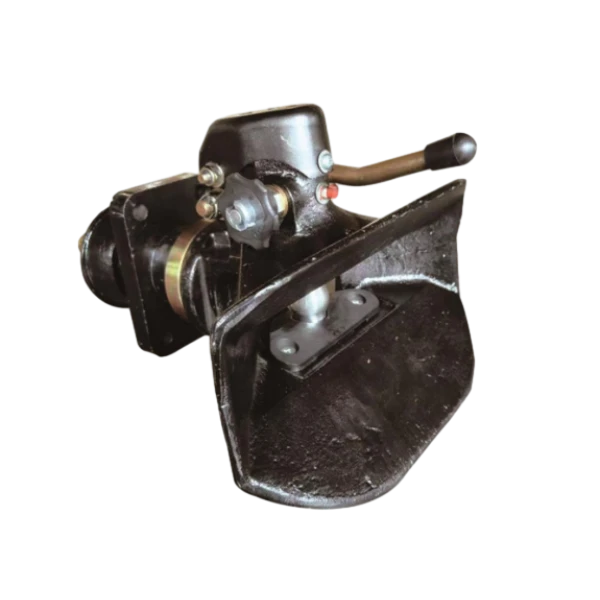 Trailer Coupling
The trailer coupling is a critical component in vehicle towing systems, designed to ensure a secure and efficient connection between a towing vehicle and a trailer. These couplings are manufactured using high-strength carbon steel, alloy steel, or stainless steel, ensuring durability and resistance to heavy loads and harsh environments.
-
 Drawbar Eyes
Drawbar eyes are essential components in towing and hauling applications, providing a strong and secure attachment point between the trailer and the towing vehicle. They are designed to endure extreme pulling forces, making them suitable for heavy-duty applications.
-
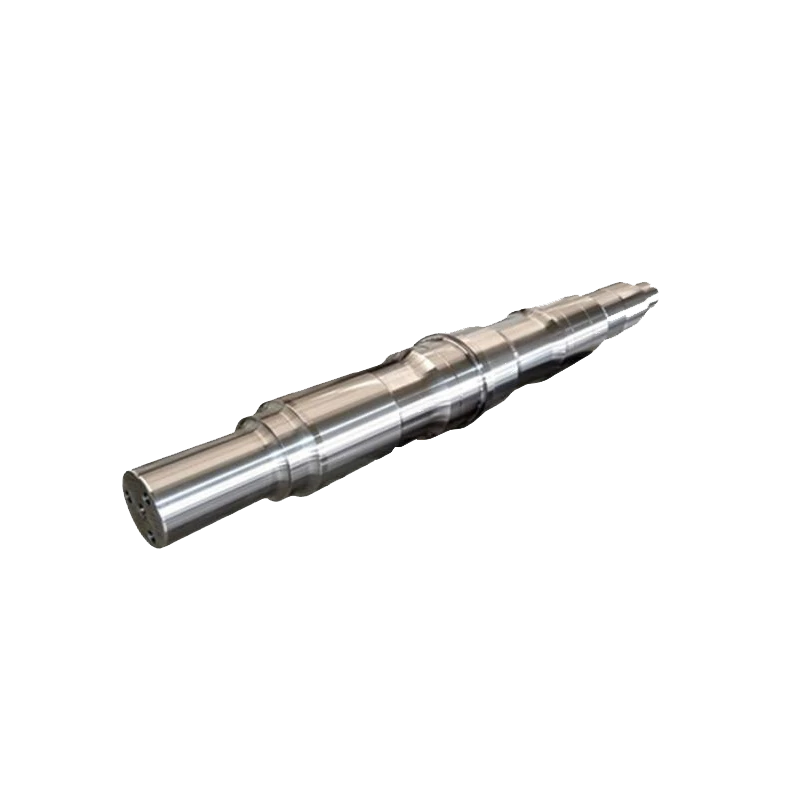 Axles
AxlesAxles are essential for vehicle load-bearing and power transmission, ensuring smooth movement and weight distribution. They must withstand high stress, torque, and impact, making material selection and precise manufacturing crucial.
-
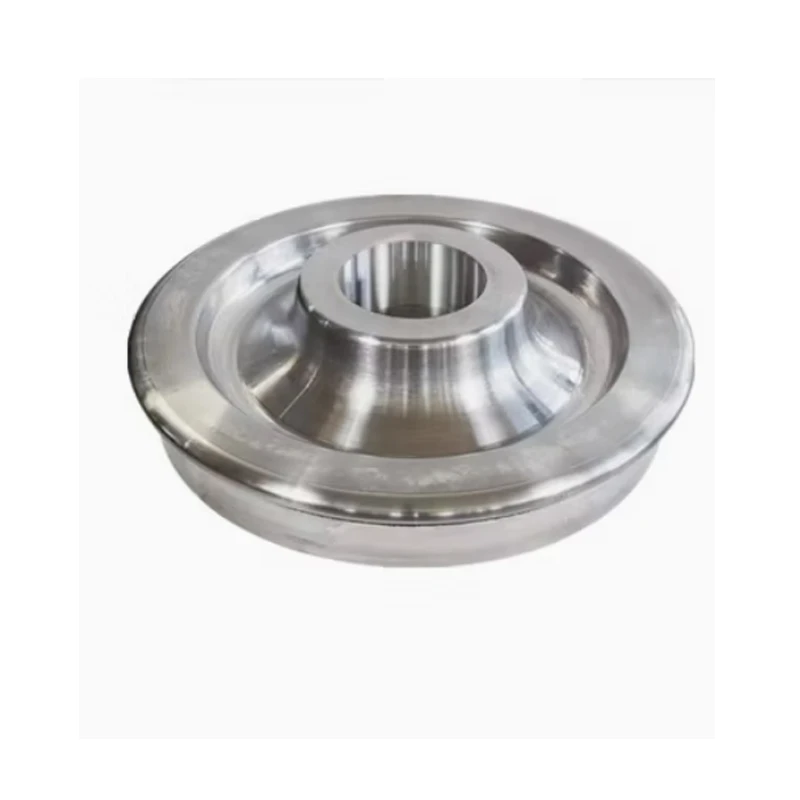 Profile S1002 Series Rail Wheels
The S1002 series rail wheels are designed for Rail-Road Vehicles (RRVs) that require seamless operation on both roads and railway tracks. Engineered with high precision and durability, these wheels conform to S1002 tread profiles, ensuring compatibility with standard railway systems.
A Comprehensive Guide to Axles Types for Industry Decision Makers | Manufacturing Base
Axles Types is a key solution in the industry, specifically within heavy machinery and transportation sectors. This article explores how https://www.manufacturing-base.com supports professionals with durable, high-performance products
>
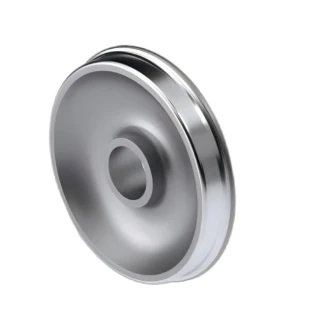
Reliable Rail Wheels: Optimize Your Rail Transport Solutions
For industries that rely on rail-based vehicles, choosing the right rail wheels is essential for smooth operations and safety.
>
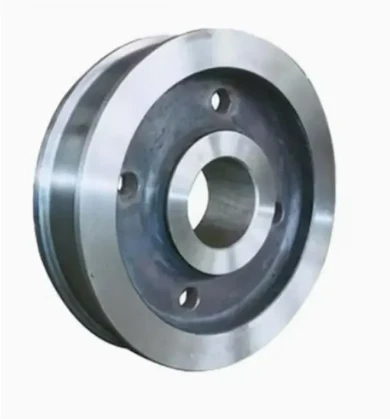
Premium Overhead Crane Wheels For Sale: Enhance Industrial Lifting Efficiency
In modern industrial operations, high-quality overhead crane wheels for sale are essential for safe, reliable, and efficient lifting.
>
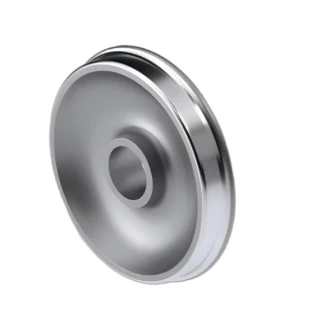
Premium Hi Rail Wheels For Sale: Boost Rail Vehicle Performance
In the modern industrial and railway sectors, having reliable hi rail wheels for sale is essential for operational efficiency and safety.
>
High-Quality Hi Rail Wheels For Sale: Enhance Your Rail Equipment Efficiency
When it comes to reliable rail maintenance and industrial operations, investing in hi rail wheels for sale is crucial.
>
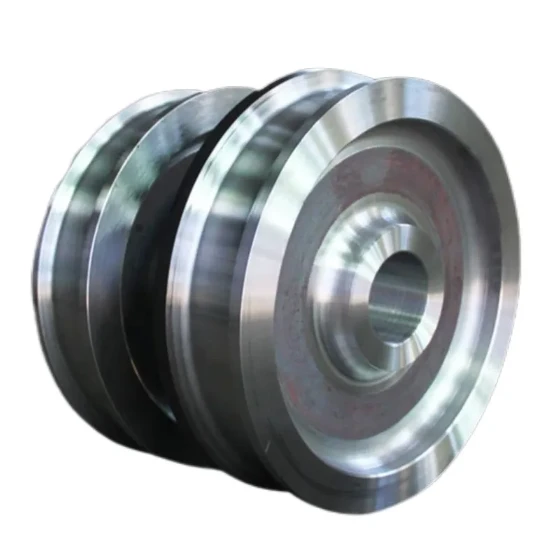
High-Quality Crane Wheels For Sale: Enhance Your Crane Operations
For industries relying on heavy lifting and material handling, investing in high-quality crane wheels for sale is crucial.
>
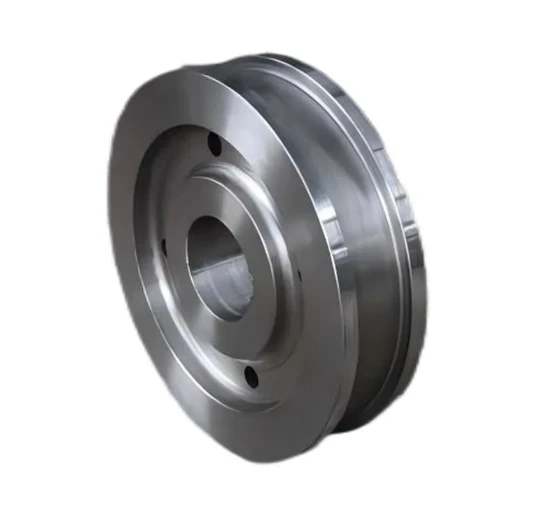
Durable Gantry Crane Wheels For Sale: Maximize Lifting Efficiency
For industries relying on heavy-duty lifting and material handling, selecting the right gantry crane wheels for sale is vital.
>
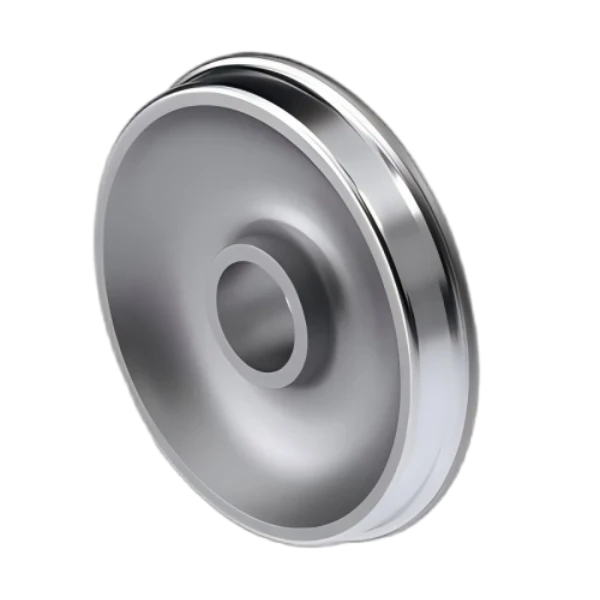
Reliable Tandem Drive Axles for Heavy-Duty Industrial Vehicles
Tandem Drive Axles: What I’ve Learned After Years in the Industrial Equipment Sector Ha
>
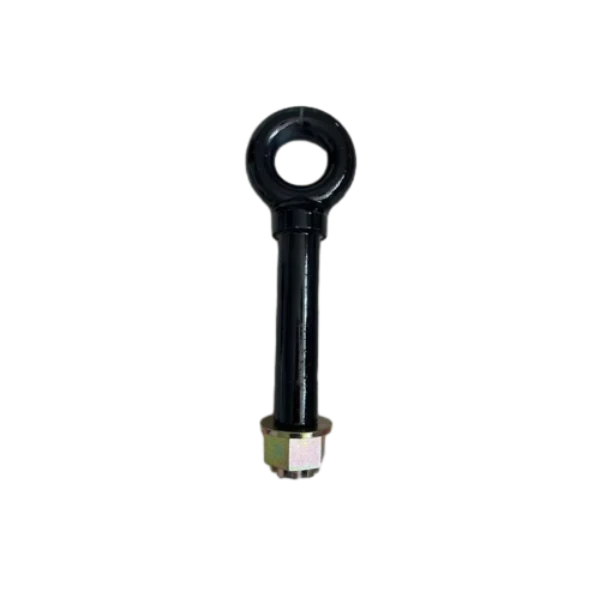
Reliable Semi Trailer Axles for Heavy-Duty Trailers | Expert Insight
Understanding semi trailer axles: The Backbone of Heavy Hauling Having spent more than a deca
>
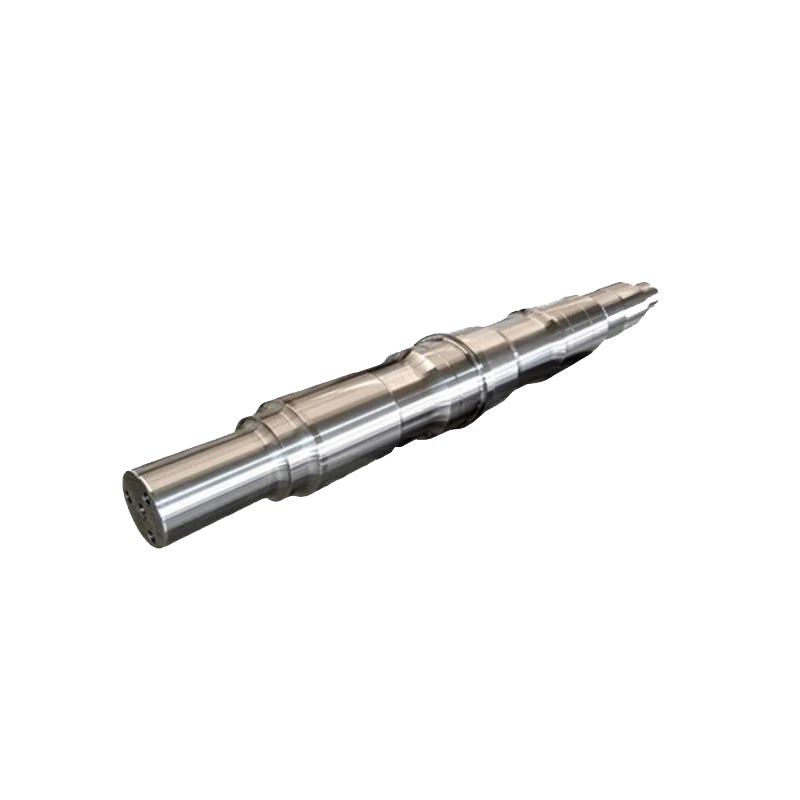
RC Portal Axles: Industrial Strength and Custom Performance
RC Portal Axles: A Veteran’s Take on Industrial-Grade Performance Having spent over a d
>
Engineered for Excellence
Our forged solutions deliver reliability and performance, powering demanding industries to keep operations running smoothly.

Sign up
for Newsletter
Subscribe to the weekly newsletter for all the latest updates