- Tel: +86 311 82620404
- Cell: 86 -13739710551
- Email: sales@potentia.cn

Comprehensive Guide to Rail Car Wheels | Durability, Applications & Innovations
The Rail Car Wheel: An Unsung Hero Keeping the World Moving
When you think about the enormous machinery and complex systems that move goods and people across continents, one often-overlooked component quietly does its job: the rail car wheel. It might seem simple at first glance—a round piece of metal attached beneath railcars—but it's critical to global trade, infrastructure, and industrial progress.
Understanding rail car wheels—and their design, durability, and application—matters globally because rail freight forms the backbone of many economies. According to the International Union of Railways (UIC), rail tracks span over a million kilometers worldwide, carrying billions of tonnes of goods every year (Wikipedia).
In a world striving for sustainable, cost-efficient logistics, knowing what goes into a rail car wheel translates into smarter choices—from maintenance schedules to investment in new technologies.
Why Rail Car Wheels Are More Important Than You Think
Globally, rail networks transport about 9 billion tonnes of goods annually (UIC data). That's roughly 18% of all freight transported in the world, proving rail’s irreplaceable position among freight logistics (UIC Economic Analysis).
Yet, rail car wheels face tremendous challenges—wear and tear, extreme weather, and heavy loading conditions—which demand ongoing innovation. For operators, this means balancing cost-effectiveness, safety, and environmental concerns while preventing costly downtimes.
Oddly enough, even slight inefficiencies or defects in the wheels can snowball into delays and huge repair bills. That’s why understanding the materials, design, and lifecycle of rail car wheels has become a top priority for manufacturers and operators alike.
What Exactly Is a Rail Car Wheel?
Put simply, a rail car wheel is a specially crafted circular component mounted to axles on freight or passenger railcars. Its job: to carry load, guide the railcar on the track, and absorb shocks from variable terrain.
Unlike your average vehicle wheel, rail car wheels are designed to interface precisely with steel rails, featuring a slightly conical tread profile that helps keep train cars stable when cornering or encountering uneven rails.
Beyond logistics, rail car wheels are an enabler for modern industry. They support everything from raw materials for manufacturing to food, medicine, and even humanitarian aid shipments traveling to remote areas.
Core Aspects of Rail Car Wheels That Matter
1. Durability
Rail car wheels must resist metal fatigue, corrosion, and wear from thousands of kilometers of travel. Many wheels today are forged from high-grade steel alloys and heat-treated to extend service life.
2. Load Capacity
These wheels support massive weights—think hundreds of tonnes per axle in heavy freight cars. Proper design ensures that even under immense load, the wheels maintain shape and reliability.
3. Precision Engineering
The wheel profile is critical. The taper, flange height, and tread shape are tightly regulated (per ISO 1005-1:2013), allowing smooth navigation on rails while preventing derailments.
4. Cost Efficiency
With regular wear, wheels need maintenance or replacement. Innovations aim to reduce lifecycle costs by improving wear resistance and ease of servicing.
5. Safety
Wheels influence braking performance and stability. Failures can put entire trainsets at risk, so quality assurance and regular inspections are mandatory.
6. Environmental Considerations
The industry increasingly focuses on sustainable production methods and recycling worn wheels to reduce environmental impact.
Mini takeaway: Rail car wheels are the unsung pillars of freight and passenger rail networks because they marry strength, precision, and sustainability like few other components.
Where Rail Car Wheels Do Their Hardest Work
Rail wheels are everywhere—from the high-tech corridors of Europe’s industrial heartland to the sprawling resource extraction sites in Australia, Canada, and Russia.
- Heavy Industry: Transport of coal, ore, and steel in mining and manufacturing zones relies on robust rail car wheels resistant to rough terrain.
- Urban Mass Transit: Passenger systems in cities across Asia and Europe depend on precision-engineered wheels for smooth, safe rides.
- Disaster Relief and Aid: Rail networks ferry emergency supplies to regions recovering from calamities—rail car wheels must perform reliably under all conditions.
For example, during the 2011 Japan earthquake and tsunami relief efforts, rapid deployment of rail freight ensured timely aid delivery despite damaged infrastructure—a tribute to the resilience of the components involved.
Realistic Product Specifications for a Typical Rail Car Wheel
| Specification | Typical Value | Notes |
|---|---|---|
| Material | Carbon steel alloy (grade AAR Class B) | Heat-treated for wear resistance |
| Diameter | 36 inches (~914 mm) | Standard for freight applications |
| Weight per wheel | ~320 kg | Includes hub and flange mass |
| Load capacity | 25 tons per axle | Typical for bulk freight |
| Service life | Up to 500,000 km before re-profiling | Varies by load and maintenance |
| Flange height | 28 mm | Regulated per railway safety standards |
Choosing Your Rail Car Wheel Partner: Vendor Comparison
| Vendor | Material Quality | Customization Options | Global Reach | Sustainability Practices |
|---|---|---|---|---|
| SteelWheels Inc. | Premium-grade alloy | Wide range, including custom profiles | Serves North America & Europe | 50% recycled steel usage |
| Global Rail Tech | Standard steel with heat treatment | Limited customization | Asia-Pacific & Middle East focus | Ongoing green initiatives |
| EcoTrax Components | Eco-friendly alloys & composites | Bespoke green tech options | Global but selective clients | Zero waste manufacturing |
The Advantages of Investing in Quality Rail Car Wheels
Let’s be honest—no one loves downtime. But a reliable rail wheel helps avoid those costly repairs. You benefit from:
- Lower operating costs: Longer wheel life means fewer replacements or maintenance stops.
- Better safety: When wheels are strong and precise, derailment risks fall sharply.
- Sustainability: Using recycled materials or eco-friendly alloys reduces environmental footprint.
- Business trust: Clients feel confident when shipments arrive on time via dependable rail services.
It’s about more than metal; it’s about dignity for workers, peace of mind for managers, and innovation that keeps the supply chains humming.
What the Future Holds for Rail Car Wheels
We’re seeing some exciting innovations in the rail industry. For rail car wheels, that means:
- Smart Wheels: Embedded sensors monitor wear and temperature in real time to predict maintenance needs.
- Advanced Materials: Composite metals and nano-engineered coatings that resist corrosion even better.
- Green Manufacturing: Factories powered by renewable energy producing wheels from recycled steel.
- Digital Twins: Virtual models simulating wheel behavior under various conditions to refine designs before production.
Imagine a day when a wheel alerts the operator it needs service before visible damage ever appears—that’s not sci-fi anymore.
Challenges Faced and How the Industry Tackles Them
Despite all progress, there are bumps on the rail. For instance:
- Wear from abrasive tracks: Especially in harsh climates, wheels degrade faster.
- Cost constraints: Operators balancing quality vs budget pressures can hesitate to upgrade.
- Supply chain delays: Custom wheels often require long lead times.
To overcome these, many manufacturers now offer on-site wheel reprofiling, just-in-time supply, and better alloy formulations. Some startups are experimenting with 3D printing metal parts to speed delivery too.
FAQ: Your Practical Rail Car Wheel Questions Answered
- Q: How often should rail car wheels be inspected or replaced?
- A: Regular inspections are recommended every 30,000 to 50,000 kilometers of travel. Actual replacement depends on wear patterns, but many wheels last up to 500,000 km with proper maintenance.
- Q: What differentiates a rail car wheel for freight vs passenger trains?
- A: Freight wheels are heavier and designed for higher load capacity, while passenger rail wheels focus more on ride comfort and noise reduction.
- Q: Can rail car wheels be customized for specific terrain or cargo?
- A: Yes, wheel profiles and materials are often tailored depending on service conditions, climate, and cargo weight to optimize performance and lifespan.
- Q: How do manufacturers address environmental concerns in rail wheel production?
- A: Many employ recycled steel, eco-friendly heat treatments, and energy-efficient plants. Some use lifecycle analysis to minimize carbon footprints.
Final Thoughts: The Rail Car Wheel Powers Progress
From hauling grain in the Midwest U.S. to transporting medicines across rugged terrains, the rail car wheel quietly supports global trade and human well-being. Investing in better materials, smart designs, and responsible manufacturing pays off in safety, savings, and sustainability.
If you want to deep dive into reliable suppliers or explore innovative rail wheels for your business, feel free to visit rail car wheel manufacturing hubs and browse top-quality components.
References
1. Wikipedia – Rail Transport
2. UIC Economic and Traffic Data
3. ISO 1005-1:2013 – Railway Applications: Wheel Profiles
1. Wikipedia – Rail Transport
2. UIC Economic and Traffic Data
3. ISO 1005-1:2013 – Railway Applications: Wheel Profiles
-
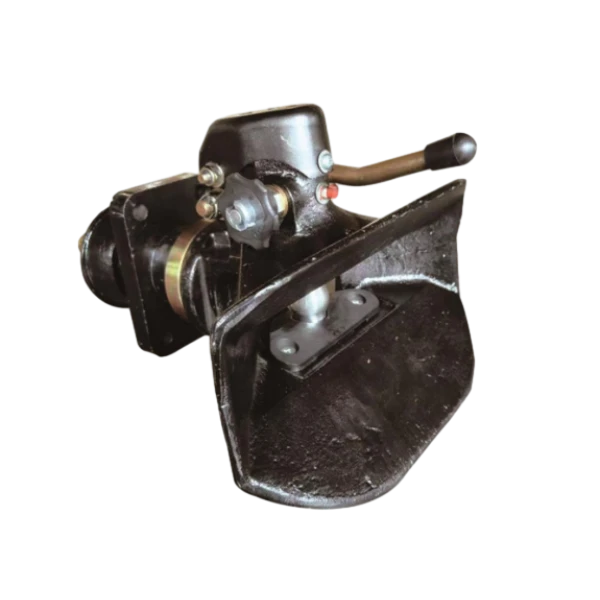 Trailer Coupling
The trailer coupling is a critical component in vehicle towing systems, designed to ensure a secure and efficient connection between a towing vehicle and a trailer. These couplings are manufactured using high-strength carbon steel, alloy steel, or stainless steel, ensuring durability and resistance to heavy loads and harsh environments.
-
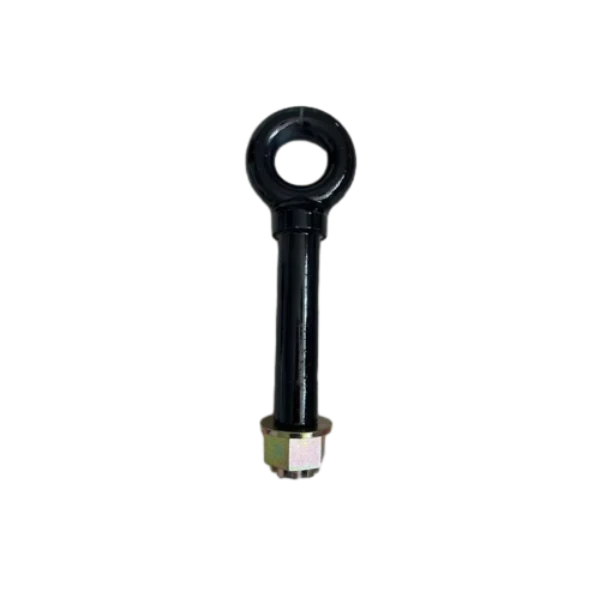
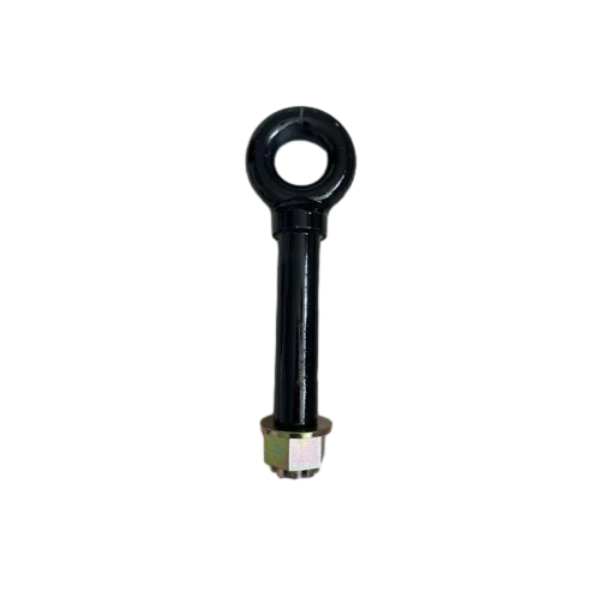 Drawbar Eyes
Drawbar eyes are essential components in towing and hauling applications, providing a strong and secure attachment point between the trailer and the towing vehicle. They are designed to endure extreme pulling forces, making them suitable for heavy-duty applications.
-
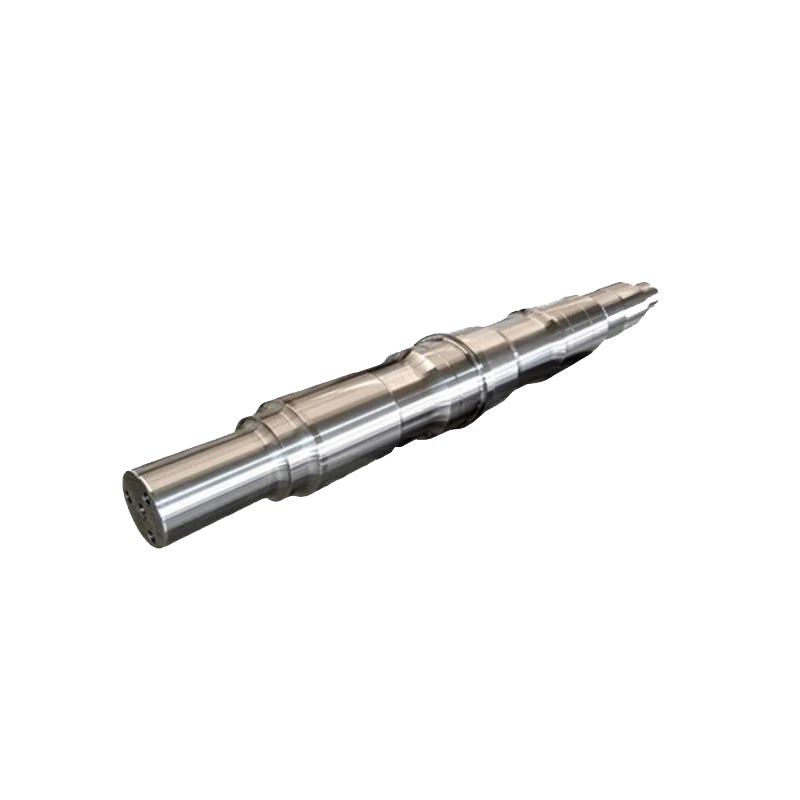
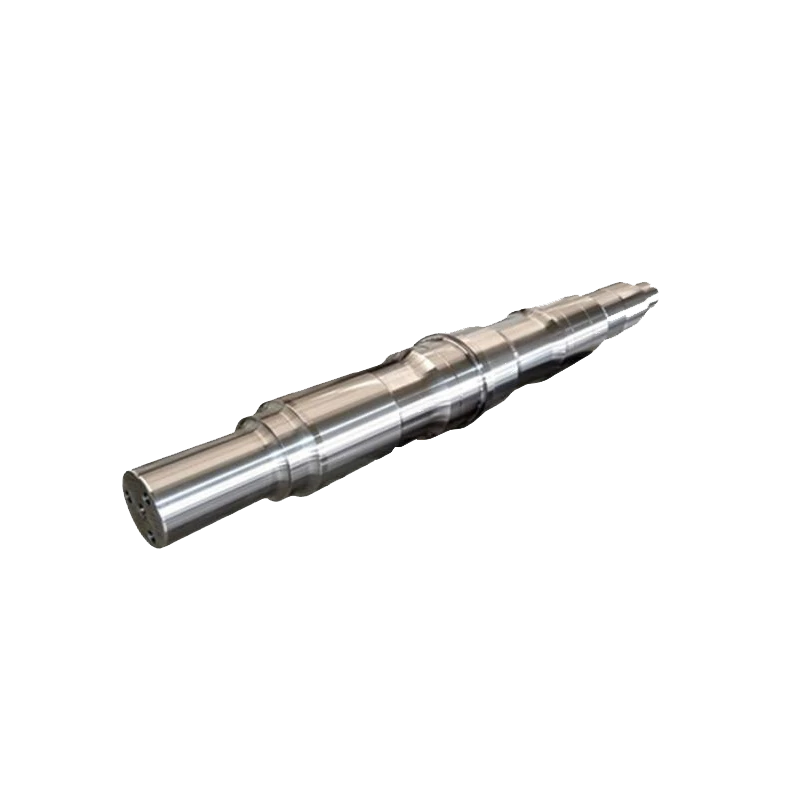 Axles
AxlesAxles are essential for vehicle load-bearing and power transmission, ensuring smooth movement and weight distribution. They must withstand high stress, torque, and impact, making material selection and precise manufacturing crucial.
-
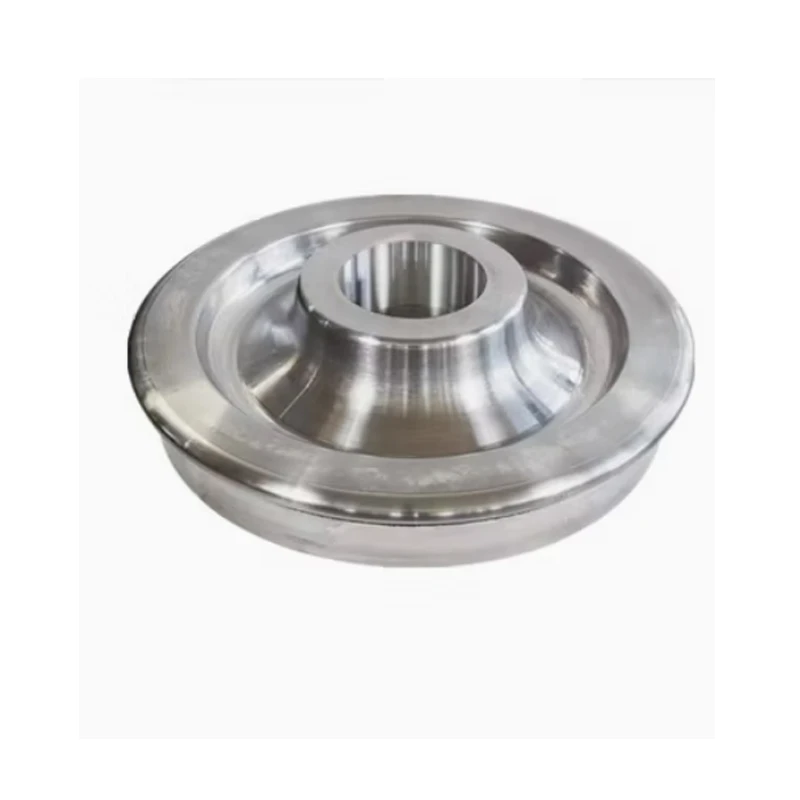 Profile S1002 Series Rail Wheels
The S1002 series rail wheels are designed for Rail-Road Vehicles (RRVs) that require seamless operation on both roads and railway tracks. Engineered with high precision and durability, these wheels conform to S1002 tread profiles, ensuring compatibility with standard railway systems.
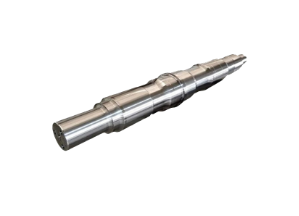
A Comprehensive Guide to Axles Types for Industry Decision Makers | Manufacturing Base
Axles Types is a key solution in the industry, specifically within heavy machinery and transportation sectors. This article explores how https://www.manufacturing-base.com supports professionals with durable, high-performance products
>
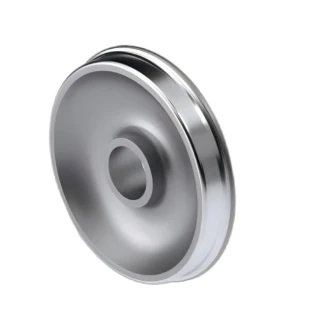
Reliable Rail Wheels: Optimize Your Rail Transport Solutions
For industries that rely on rail-based vehicles, choosing the right rail wheels is essential for smooth operations and safety.
>
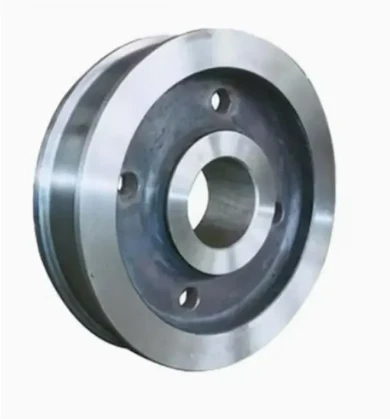
Premium Overhead Crane Wheels For Sale: Enhance Industrial Lifting Efficiency
In modern industrial operations, high-quality overhead crane wheels for sale are essential for safe, reliable, and efficient lifting.
>
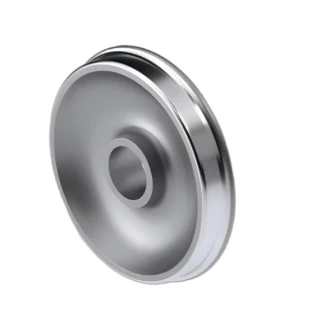
Premium Hi Rail Wheels For Sale: Boost Rail Vehicle Performance
In the modern industrial and railway sectors, having reliable hi rail wheels for sale is essential for operational efficiency and safety.
>
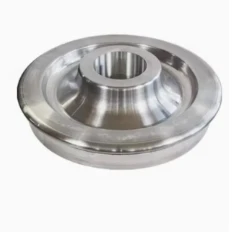
High-Quality Hi Rail Wheels For Sale: Enhance Your Rail Equipment Efficiency
When it comes to reliable rail maintenance and industrial operations, investing in hi rail wheels for sale is crucial.
>
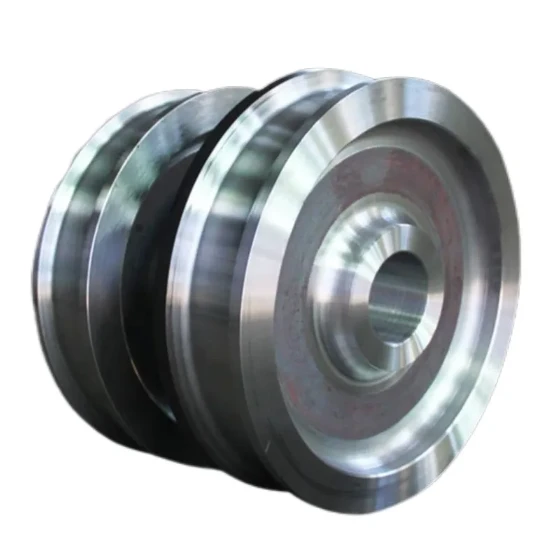
High-Quality Crane Wheels For Sale: Enhance Your Crane Operations
For industries relying on heavy lifting and material handling, investing in high-quality crane wheels for sale is crucial.
>
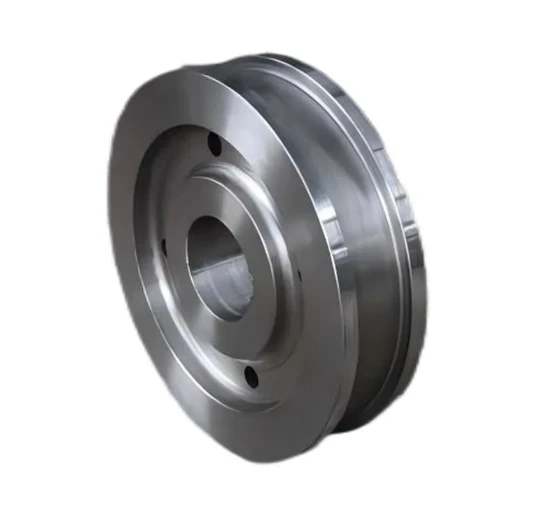
Durable Gantry Crane Wheels For Sale: Maximize Lifting Efficiency
For industries relying on heavy-duty lifting and material handling, selecting the right gantry crane wheels for sale is vital.
>
Reliable Tandem Drive Axles for Heavy-Duty Industrial Vehicles
Tandem Drive Axles: What I’ve Learned After Years in the Industrial Equipment Sector Ha
>
Reliable Semi Trailer Axles for Heavy-Duty Trailers | Expert Insight
Understanding semi trailer axles: The Backbone of Heavy Hauling Having spent more than a deca
>
RC Portal Axles: Industrial Strength and Custom Performance
RC Portal Axles: A Veteran’s Take on Industrial-Grade Performance Having spent over a d
>
Engineered for Excellence
Our forged solutions deliver reliability and performance, powering demanding industries to keep operations running smoothly.

Sign up
for Newsletter
Subscribe to the weekly newsletter for all the latest updates