- Tel: +86 311 82620404
- Cell: 86 -13739710551
- Email: sales@potentia.cn

Comprehensive Guide to Rails Wheels: Design, Usage, and Innovations
Understanding Rails Wheels: The Backbone of Modern Rail Transport
Rails wheels — easy to overlook unless you’re a rail buff — are actually key components in sustaining the global rail infrastructure that moves millions daily and millions more tonnes of goods. Worldwide, railways carry over 9.7 billion tons of freight annually, according to the International Union of Railways. That sheer throughput means these wheels aren't just round bits of metal; their design and performance actually impact safety, efficiency, and economic progress on a grand scale. Whether in bustling urban metros or freight corridors connecting continents, understanding rails wheels offers insights into a quiet, yet vital part of modern industry and humanitarian logistics.
The Global Context: Why Rails Wheels Matter Now More Than Ever
In an era marked by urbanization and sustainability goals, rail transport is a clear winner over road traffic in emissions and energy efficiency. The United Nations tracks sustainable mobility as critical to meeting climate objectives, and railways, dependent on reliable rails wheels, are central to that evolution. Yet, challenges arise: aging infrastructure, high maintenance costs, and the push for greener, smarter transport all put extra demands on rails wheels technology.
Industry analysts note a rising trend in rail modernization projects worldwide, with anticipated investments exceeding $150 billion by 2025 (source: International Railway Journal). Ironically, it’s often the humble rails wheels that face extremes — friction, heat, and mechanical stress — showcasing the relentless wear endured by what many see as “just a wheel.”
Mini Takeaway:
Rails wheels aren’t just components; they’re enablers of a greener, more effective global transportation network underpinning economic and social connectivity.
What Exactly Are Rails Wheels?
Simply put: rails wheels are specifically engineered steel wheels designed to run on steel rails. Their unique profile — often with flanges — ensures the train stays safely on track without unnecessary friction or risk of derailment. Unlike the rubber tires on cars or trucks, rails wheels have strict geometry and material standards, reflecting the enormous loads they carry, sometimes upwards of 30 tonnes per wheel in freight applications.
They are critical to everything from commuter trains ferrying people across cities, to heavy-haul freight transporting raw materials or emergency supplies. In humanitarian efforts, reliable rails wheels ensure aid gets to remote or vulnerable regions quickly, a factor often overlooked but nonetheless pivotal.
Key Components of Rails Wheels
Durability
Rails wheels must withstand constant pounding, abrasion, and variable weather conditions. High-carbon steel alloys are standard, sometimes treated with heat or coatings to resist wear.
Precisely Engineered Profiles
The shape is more than aesthetic; the flange and tread profiles determine safe contact with the rail, guiding stability and minimizing noise and vibration.
Load Capacity
The design must support massive weight, including dynamic stresses during acceleration, braking, and cornering.
Maintenance and Replaceability
Because wheels wear out, ease of inspection, re-profiling by lathe machining, and replacement factors heavily into both safety and economics.
Material Innovation
Advancements in metallurgy and composites may soon reduce weight and increase efficiency, tempting transit agencies towards longer-lasting solutions.
Mini Takeaway:
Rails wheels’ design balances engineering precision with rugged durability — a core tension that engineers continuously tackle.
Rails Wheels in Action: Global Applications and Use Cases
Look no further than European high-speed rail networks running at 300 km/h, or the sprawling freight corridors in North America. In Asia, expanding metro systems lean heavily on advanced rails wheels that endure rapid cycles and intense daily traffic.
Flying back to emergency contexts, consider how rails wheels factor into disaster relief. After earthquakes or floods, where road access may falter, rail networks equipped with top-notch wheels help move aid supplies and rapid-building materials to cut turnaround times. Organizations like the Red Cross have noted this in their logistics reports — unreliable wheels mean delayed relief.
Meanwhile, remote mining operations in places like Australia or South Africa depend on robust rails wheels that handle harsh terrain and high loads, proving the concept’s versatility.
Product Specification Table: Typical Rails Wheels for Freight Trains
| Feature | Specification | Typical Value |
|---|---|---|
| Diameter | Measured at tread | 920 mm |
| Material | Steel Alloy | Grade R10 |
| Flange Height | Standard compliant | 28 mm |
| Bearing Type | Roller bearing | Self-lubricated |
| Average Lifespan | With regular maintenance | 5-7 years |
Leading Rails Wheels Vendors: A Quick Comparison
| Vendor | Specialty | Price Range | Global Reach | Sustainability Initiatives |
|---|---|---|---|---|
| SteelWheels Inc. | High-performance freight wheels | Mid-High | Global (NA, EU, Asia) | Recycled steel programs |
| RailMax Solutions | Urban transit & metro wheels | Mid | Asia, EU | Green energy factories |
| EcoRail Technologies | Innovative composite wheels | High | NA, EU, Australia | Carbon neutral production |
Advantages and Enduring Value
- Cost-efficiency: Well-designed rails wheels decrease maintenance intervals, reducing unexpected downtimes on your rail lines.
- Sustainability: Lighter, stronger wheels contribute to lower fuel consumption and carbon emissions.
- Safety and Reliability: The perfect contact between wheel and rail helps avoid accidents, earning passenger trust and safeguarding cargo.
- Social Impact: Reliable rails wheels support essential supply chains, even in crisis zones, contributing to human dignity and economic resilience.
What’s Next? Future Trends in Rails Wheels Technology
Oddly enough, some of the greatest rail wheel innovations are happening at the nano-scale. Researchers experiment with advanced coatings that reduce friction, or composite materials that resist corrosion and cracking better than steel alone. With digital monitoring becoming standard, “smart wheels” equipped with sensors promise predictive maintenance, meaning failures can be spotted long before they occur.
Also notable is the ongoing push for green manufacturing. Many vendors are investing in factories powered by renewables and using recycled materials to reduce environmental impact.
Challenges and How the Industry Is Overcoming Them
Rails wheels face constant wear, and their failure risks severe accidents. The tricky balance is optimizing strength without compromising flexibility. Experts advocate for a combination of better predictive maintenance using IoT sensors, improved materials, and standardized testing protocols — such as those ISO specifies for wheel integrity — to keep these failures at bay. Meanwhile, cost pressures mean manufacturers must innovate smartly to stay competitive.
Frequently Asked Questions About Rails Wheels
Q1: How often should rails wheels be replaced in heavy freight service?
A: Typically, rails wheels last about 5–7 years in heavy freight use, but this can vary based on track conditions and maintenance practices. Regular inspections and re-profiling extend their lifespan.
Q2: Can rails wheels be recycled or refurbished?
A: Yes, many steel rails wheels are re-profiled multiple times before they become scrap, and the steel can often be recycled back into new wheels or other components.
Q3: How does climate affect rails wheels performance?
A: Extreme temperatures can affect steel hardness and wear rates. Wheels in cold climates may need different material treatments than those in tropical regions to prevent cracking or brittleness.
Q4: Are rails wheels standardized globally?
A: There are international standards (such as UIC and ISO) that set guidelines for dimensions and materials, but some regional variations exist depending on rail gauge and operating conditions.
Q5: Where can I buy quality rails wheels for custom industrial applications?
A: Established manufacturers like those listed previously offer customizable options, and you can explore the market further at platforms like rails wheels. Always verify certifications and on-time delivery capability.
Wrapping Up: Why Rails Wheels Are Worth Your Attention
The simple truth is this — rails wheels keep the world moving, literally. From connecting cities to delivering critical aid, their design and resilience ripple across industries and geographies. If you’re in transportation, engineering, or supply chain, taking a moment to understand rails wheels and their evolving tech might just give you the edge (or at least avoid a derailment).
Curious to explore more or source rails wheels for your projects? Visit our website: https://www.manufacturing-base.com — where industry standards meet customer-centric innovation.
References
-
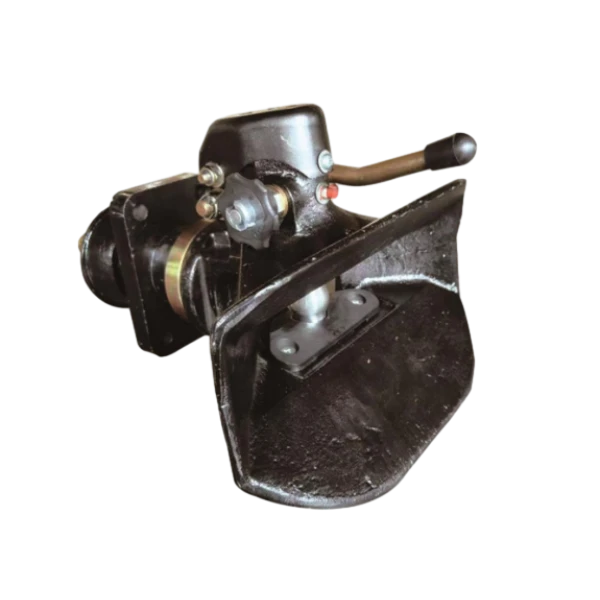 Trailer Coupling
The trailer coupling is a critical component in vehicle towing systems, designed to ensure a secure and efficient connection between a towing vehicle and a trailer. These couplings are manufactured using high-strength carbon steel, alloy steel, or stainless steel, ensuring durability and resistance to heavy loads and harsh environments.
-
 Drawbar Eyes
Drawbar eyes are essential components in towing and hauling applications, providing a strong and secure attachment point between the trailer and the towing vehicle. They are designed to endure extreme pulling forces, making them suitable for heavy-duty applications.
-
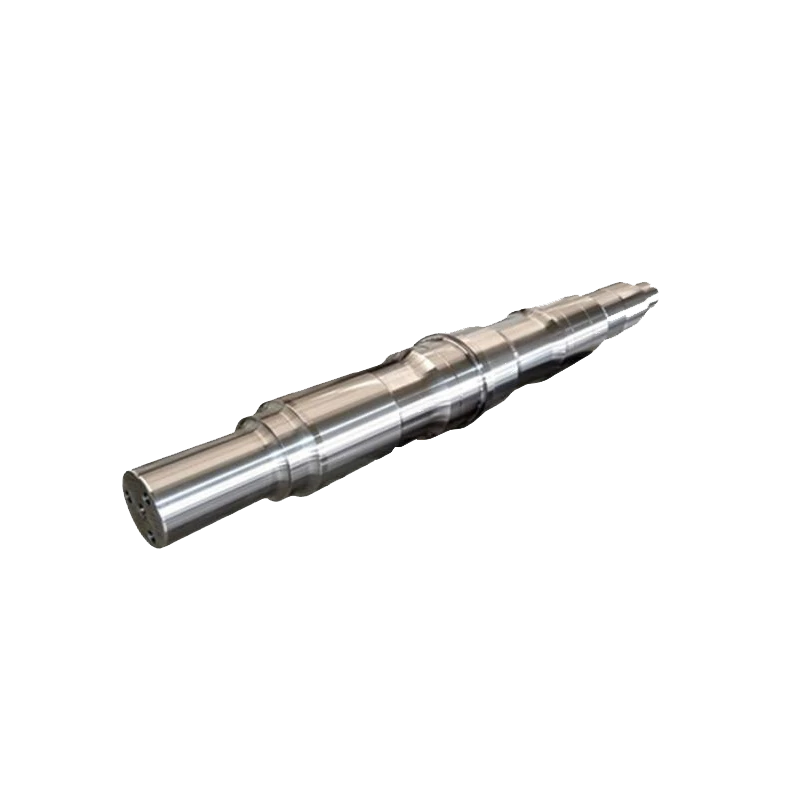 Axles
AxlesAxles are essential for vehicle load-bearing and power transmission, ensuring smooth movement and weight distribution. They must withstand high stress, torque, and impact, making material selection and precise manufacturing crucial.
-
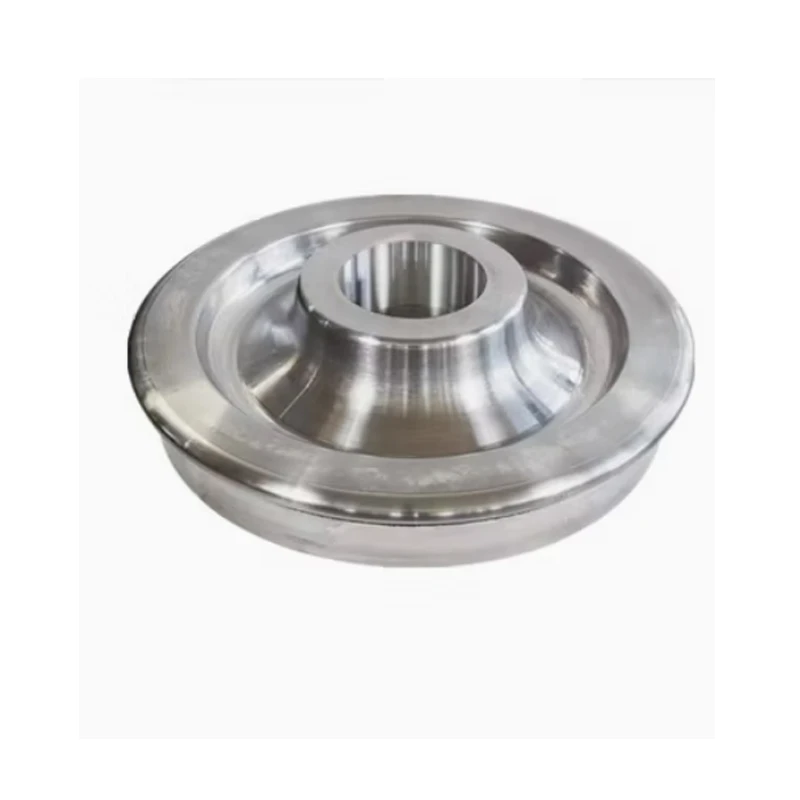 Profile S1002 Series Rail Wheels
The S1002 series rail wheels are designed for Rail-Road Vehicles (RRVs) that require seamless operation on both roads and railway tracks. Engineered with high precision and durability, these wheels conform to S1002 tread profiles, ensuring compatibility with standard railway systems.
A Comprehensive Guide to Axles Types for Industry Decision Makers | Manufacturing Base
Axles Types is a key solution in the industry, specifically within heavy machinery and transportation sectors. This article explores how https://www.manufacturing-base.com supports professionals with durable, high-performance products
>
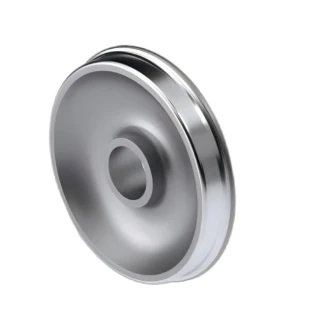
Reliable Rail Wheels: Optimize Your Rail Transport Solutions
For industries that rely on rail-based vehicles, choosing the right rail wheels is essential for smooth operations and safety.
>
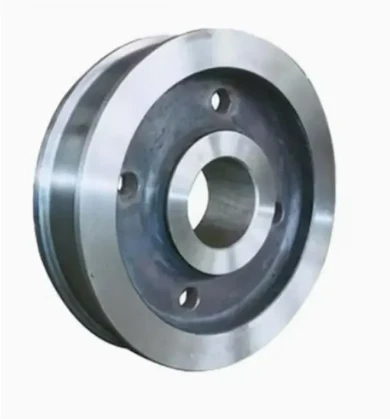
Premium Overhead Crane Wheels For Sale: Enhance Industrial Lifting Efficiency
In modern industrial operations, high-quality overhead crane wheels for sale are essential for safe, reliable, and efficient lifting.
>
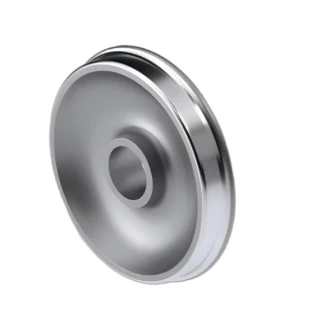
Premium Hi Rail Wheels For Sale: Boost Rail Vehicle Performance
In the modern industrial and railway sectors, having reliable hi rail wheels for sale is essential for operational efficiency and safety.
>
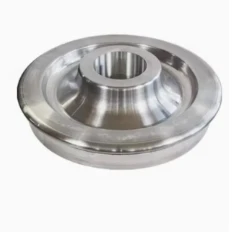
High-Quality Hi Rail Wheels For Sale: Enhance Your Rail Equipment Efficiency
When it comes to reliable rail maintenance and industrial operations, investing in hi rail wheels for sale is crucial.
>
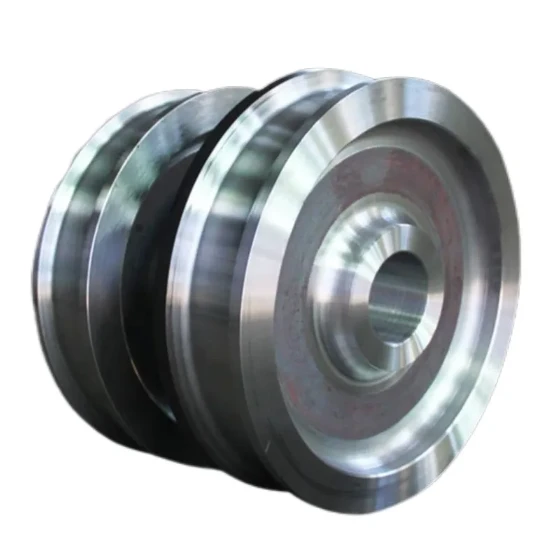
High-Quality Crane Wheels For Sale: Enhance Your Crane Operations
For industries relying on heavy lifting and material handling, investing in high-quality crane wheels for sale is crucial.
>
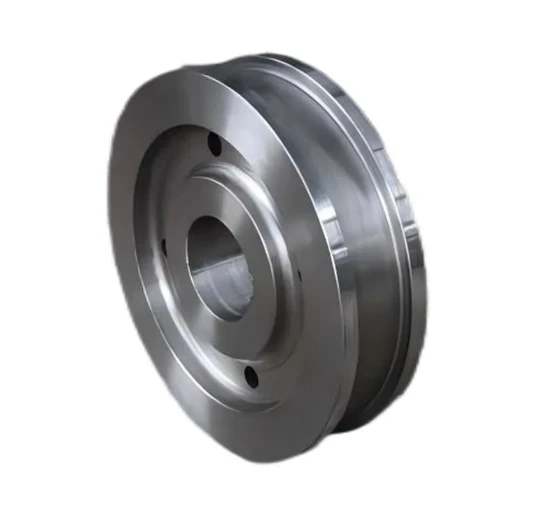
Durable Gantry Crane Wheels For Sale: Maximize Lifting Efficiency
For industries relying on heavy-duty lifting and material handling, selecting the right gantry crane wheels for sale is vital.
>
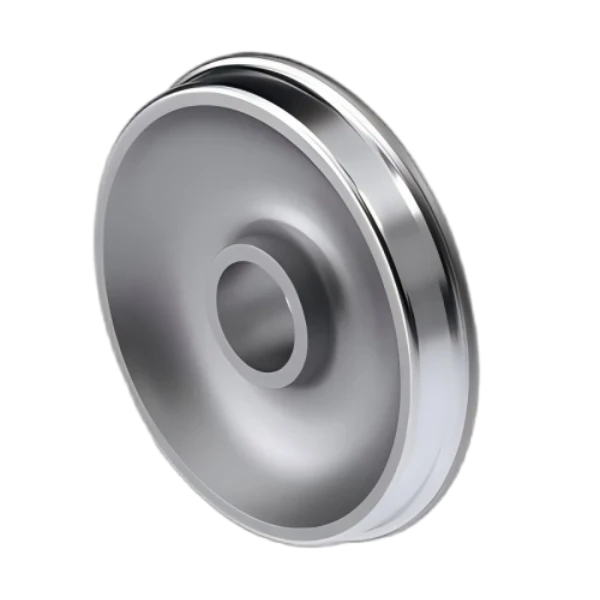
Reliable Tandem Drive Axles for Heavy-Duty Industrial Vehicles
Tandem Drive Axles: What I’ve Learned After Years in the Industrial Equipment Sector Ha
>
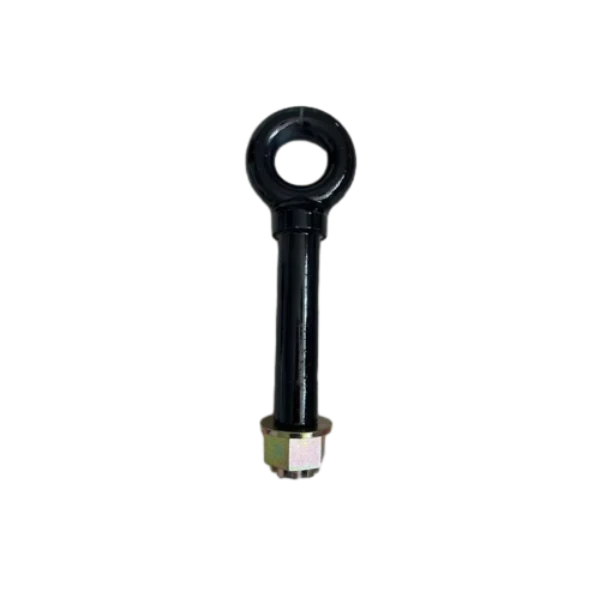
Reliable Semi Trailer Axles for Heavy-Duty Trailers | Expert Insight
Understanding semi trailer axles: The Backbone of Heavy Hauling Having spent more than a deca
>
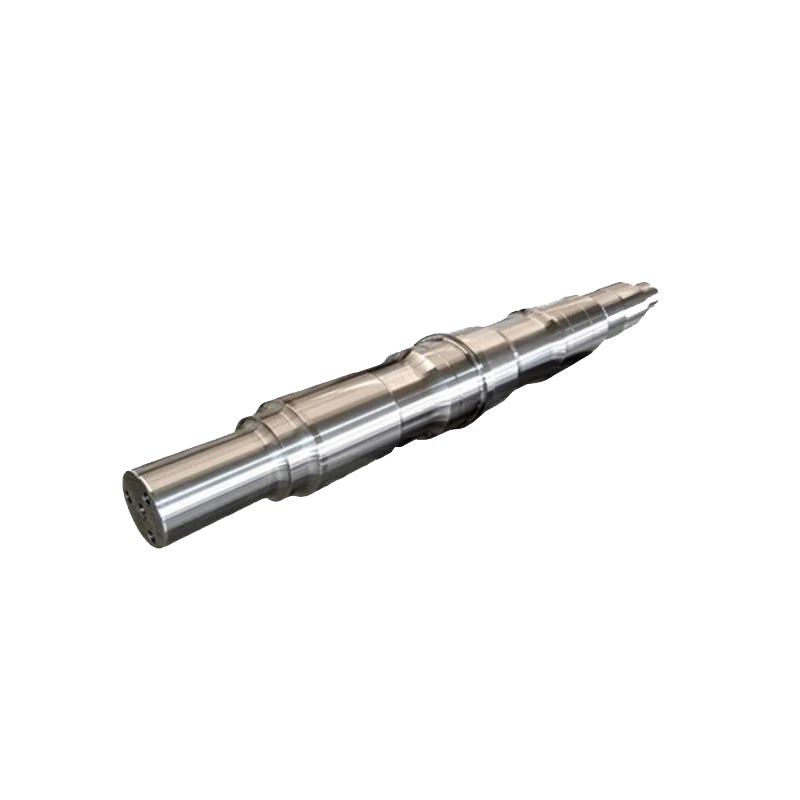
RC Portal Axles: Industrial Strength and Custom Performance
RC Portal Axles: A Veteran’s Take on Industrial-Grade Performance Having spent over a d
>
Engineered for Excellence
Our forged solutions deliver reliability and performance, powering demanding industries to keep operations running smoothly.

Sign up
for Newsletter
Subscribe to the weekly newsletter for all the latest updates