- Tel: +86 311 82620404
- Cell: 86 -13739710551
- Email: sales@potentia.cn

Comprehensive Guide to Wheel and Rail Technologies for Modern Industry
What Exactly Is Wheel and Rail—and Why Should We Care?
At first glance, the phrase wheel and rail might sound like old news—railroads, right? But in our modern hyper-connected, industrialized world, the design, material, and interaction between wheels and rails remain absolutely vital. Whether you’re thinking about freight trains rolling across continents or automated guided vehicles in a warehouse, the wheel and rail system shapes efficiency, safety, and sustainability on a global scale.
Some statistics to chew on: The International Union of Railways reports that rail transports over 9 billion tons of freight every year worldwide, moving 16% of the world’s freight ton-kilometers—that’s a huge share! And this number keeps growing, especially in emerging economies. So understanding the nuances of wheel and rail technology is about more than nostalgia; it's about powering global trade and development.
In other words, wheel and rail technology forms the backbone of many industries, humanitarian operations, and urban transit systems. Getting it right means better speed, durability, and safety — and that's no small matter.
The Global Context: Why Wheel and Rail Matters Today
Take a step back: transportation infrastructure underpins economic growth and social well-being worldwide. The UN emphasizes sustainable transport systems in its Sustainable Development Goals (SDG 9 specifically), noting how crucial rail-based transport is in delivering goods and people efficiently and with lower carbon footprints compared to road transport.
Yet challenges remain. Rail systems face intense wear and tear from heavy loads and high-frequency use. Maintenance costs climb, and improper wheel and rail interaction often leads to noise pollution, track damage, even derailments. According to ISO standards like ISO 3095 for railway noise, minimizing these impacts requires precision engineering and ongoing innovation.
Enter the “wheel and rail” conundrum—not just metal on metal but a sophisticated dynamic involving forces, friction, and materials science. Getting this balance right improves not only performance but also sustainability and safety worldwide.
What Is Wheel and Rail? A Simple Definition
Put simply, the wheel and rail system consists of a steel wheel rolling along steel rails, supporting vehicles like trains, trams, or even some factory conveyor systems. Though it sounds straightforward, the interface is a complex mechanical relationship involving rolling friction, wear mechanisms, and load distribution.
This technology is critical in modern industry, especially in logistics and transportation, but also plays a subtle humanitarian role. For instance, in post-disaster scenarios, railways can provide lifelines—transporting food, medical aid, and evacuees rapidly and safely where roads are damaged.
In essence, wheel and rail technology is a classic example of an old innovation continuously optimized for current and future needs.
Core Components and Key Factors of Wheel and Rail Systems
1. Durability and Material Strength
The wheels and rails must withstand enormous pressure and friction. Typically made from hardened steel alloys, they need to resist wear and fatigue over millions of kilometers of use. New alloy compositions and heat treatments help extend life cycles, reducing downtime and costs.
2. Precision Engineering and Profile Design
The exact shape of the wheel tread and rail head makes a huge difference in ride smoothness and minimizing damage. The contact patch is roughly the size of a coin but experiences extremely high stress. Engineers optimize the conicity (taper) of wheels and the rail profile to help guide trains, absorb shocks, and reduce slippage.
3. Maintenance and Monitoring
Modern rail networks employ sensors and predictive maintenance tools to detect irregular wear or defects before failures occur. This digital transformation decreases unexpected disruptions and enhances safety—a perfect example of combining traditional mechanics with smart tech.
4. Cost Efficiency and Scalability
Mass production of wheels and rails helps economies of scale, but quality matters. Lower-grade materials may save an upfront buck but cause higher operational costs later. Scalability also refers to adapting wheel-rail systems for different loads—from light commuter trains to heavy freight haulers.
5. Environmental Impact
Steel manufacturing has a carbon footprint, but rails can last decades if properly designed and maintained. The wheel and rail system enables mass transit solutions that reduce road congestion and emissions comparing favorably against trucks or cars.
Mini takeaway: The wheel and rail interface isn’t just “steel on steel”—it’s a finely tuned balance of material science, engineering precision, and operational strategy vital to modern transit and logistics.
Global Applications and Real-World Use Cases
The wheel and rail mechanism powers a staggering variety of applications around the globe:
- High-speed rail in Asia and Europe: Countries like Japan and France lead with trains reaching above 300 km/h, where precision engineering of wheels and rails is critical to safety and comfort.
- Freight corridors in North America: Heavy, long-haul trains moving coal, grains, and containers rely on robust wheel and rail systems optimized for huge loads and varying climates.
- Urban transit networks worldwide: Subways and trams in cities from New York to Shanghai depend on smooth wheel and rail interactions to keep millions moving daily.
- Humanitarian relief: Post-disaster freight trains in regions like Southeast Asia play a crucial role in shuttling supplies quickly where roads are compromised.
- Industrial zones: Automated guided vehicles (AGVs) on factory floors often use miniaturized wheel and rail setups to efficiently move parts and materials.
Product Specification: Typical Wheel and Rail Components
| Component | Material | Typical Lifetime | Load Capacity | Standards |
|---|---|---|---|---|
| Rail (head and web) | High-carbon steel alloy | 30+ years | Up to 30 tons per axle | EN 13674, AREMA |
| Wheel tread | Heat-treated steel | 10-15 years | Varies by vehicle | ISO 10025, UIC 510-2 |
| Fasteners and clips | Spring steel / composite | 5-10 years | N/A | EN 13481-5 |
Vendor Comparison: Leading Wheel and Rail Suppliers
| Vendor | Specialty | Global Reach | Custom Solutions | Sustainability Initiatives |
|---|---|---|---|---|
| RailTech Inc. | High-speed rail wheels | Europe, Asia | Yes, tailored alloys | Recycled steel sourcing |
| SteelRail Global | Heavy haul rails | North America, Africa | Standard profiles | Energy-efficient production |
| TrackMakers Ltd. | Urban transit components | Global | Custom sizes & materials | Carbon footprint tracking software |
Advantages and Long-Term Value of Wheel and Rail Systems
Beyond the technical details, the benefits of investing in advanced wheel and rail systems are manifold:
- Cost savings: Longer-lasting rails and wheels reduce renewal and maintenance expenses.
- Sustainability: Rail transport emits roughly one-quarter the greenhouse gases of trucks per ton-kilometer, creating a lower environmental footprint.
- Reliability: Predictive monitoring reduces breakdowns and improves on-time performance—the kind of predictability logistics companies dream about.
- Safety: Proper matching of wheels and rails prevents derailments, protecting passengers, cargo, and communities.
- Social impact: Enhanced rail networks foster access to jobs, education, and healthcare across regions.
It feels like one of those quiet heroes of infrastructure — working reliably, largely unnoticed, but absolutely essential.
Innovations and Future Trends in Wheel and Rail Technology
Wheel and rail tech isn’t stuck in the past. A few trends I’ve noticed recently:
- Green materials: Research into biodegradable lubricants and low-carbon steel production methods is gaining momentum.
- Smart monitoring: Internet of Things (IoT) sensors embedded in rails and wheels help real-time performance tracking and predictive maintenance.
- Automation: Automated inspection drones and robotic grinding reduce human risk and improve precision maintenance.
- Advanced coatings: Nanostructured surface treatments aim to reduce friction, wear, and noise — good news for residents near tracks.
Common Challenges and How Industry Tackles Them
Of course, no system is perfect. Some ongoing issues:
- Wear and fatigue: Continuous exposure to heavy loads cracks materials, but improved alloys and heat treatments help.
- Noise pollution: Urban communities near tracks sometimes suffer from excessive noise; specialized rail grinding and dampers address this.
- Cost vs. quality: Some operators prioritize upfront savings over durability, resulting in higher lifecycle costs — a classic false economy.
- Climate impacts: Extreme weather affects steel expansion/contraction. Designing adaptable systems is a growing focus.
Experts say a mix of better design, materials science, and digital monitoring is the best way forward—sort of a “smart steel” revolution.
FAQ: Frequently Asked Questions About Wheel and Rail
Q1: How do wheel profiles impact train safety?
A: The wheel profile controls contact with rails, affecting traction, wear, and derailment risks. Incorrect profiles cause uneven wear or instability. Modern design ensures smooth guiding, stability at speed, and longevity.
Q2: Can wheel and rail components be recycled?
A: Yes, most steel wheels and rails can be recycled efficiently, lowering environmental impact. However, contamination and alloy types must be managed properly to maintain quality in reprocessed steel.
Q3: How long does a wheel typically last?
A: Depending on usage and maintenance, wheels last anywhere from 10 to 15 years. Regular inspections and reprofiling extend service life in many rail systems.
Q4: Are there standards for wheel and rail manufacturing?
A: Absolutely. International standards like EN, AREMA, and UIC ensure quality, safety, and interchangeability among global suppliers, critical to smooth railway operations.
Q5: How is wheel and rail technology evolving with automation?
A: Automation brings real-time condition monitoring, robotic maintenance, and predictive analytics, reducing human error and maintenance downtime, which ultimately improves system reliability.
Wrapping Up: Why Wheel and Rail Still Matter — and Will for Decades
So, glancing back at the humble wheel and rail might seem old-fashioned in today’s digital age, but it’s actually a cutting-edge arena of engineering and sustainability. These systems connect economies, support communities, and push industrial innovation forward quietly but powerfully.
For manufacturers, operators, and policy makers, investing in quality wheel and rail components is not just about steel and mechanics—it’s about trust, safety, and future readiness.
Want to dig deeper or explore custom solutions? Visit our website at https://www.manufacturing-base.com — where expertise meets innovation.
References:
1. International Union of Railways (UIC) Statistics
2. United Nations Sustainable Development Goals (SDG 9)
3. ISO Standards on Railway Noise and Materials
1. International Union of Railways (UIC) Statistics
2. United Nations Sustainable Development Goals (SDG 9)
3. ISO Standards on Railway Noise and Materials
-
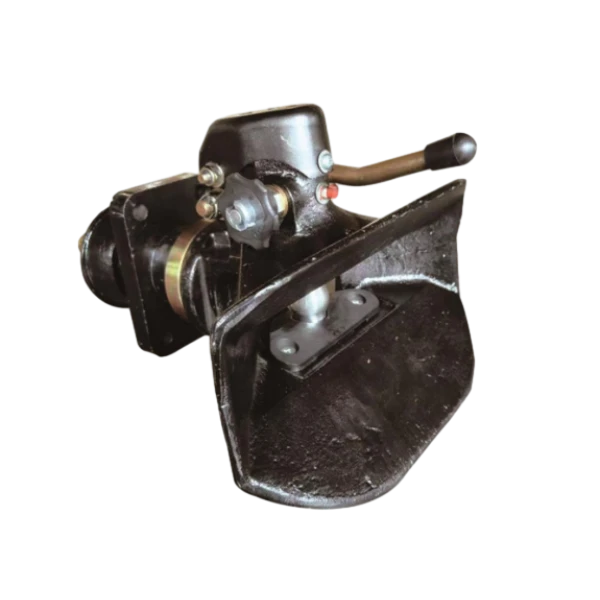 Trailer Coupling
The trailer coupling is a critical component in vehicle towing systems, designed to ensure a secure and efficient connection between a towing vehicle and a trailer. These couplings are manufactured using high-strength carbon steel, alloy steel, or stainless steel, ensuring durability and resistance to heavy loads and harsh environments.
-
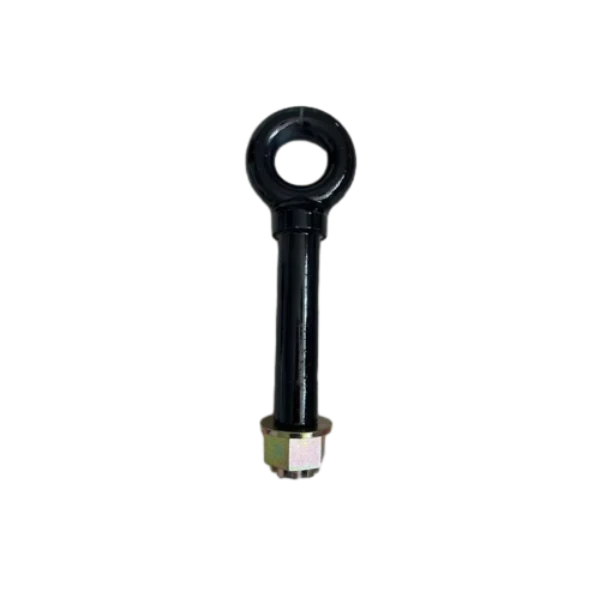
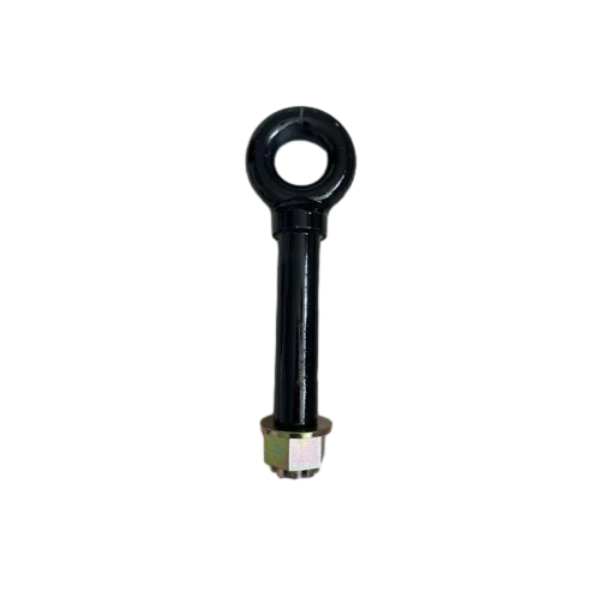 Drawbar Eyes
Drawbar eyes are essential components in towing and hauling applications, providing a strong and secure attachment point between the trailer and the towing vehicle. They are designed to endure extreme pulling forces, making them suitable for heavy-duty applications.
-
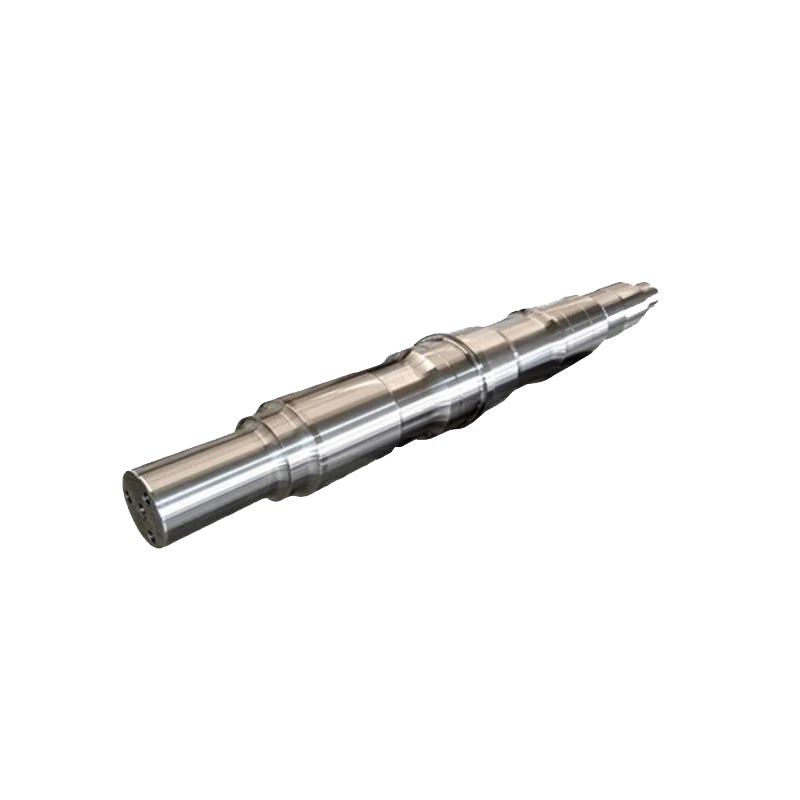
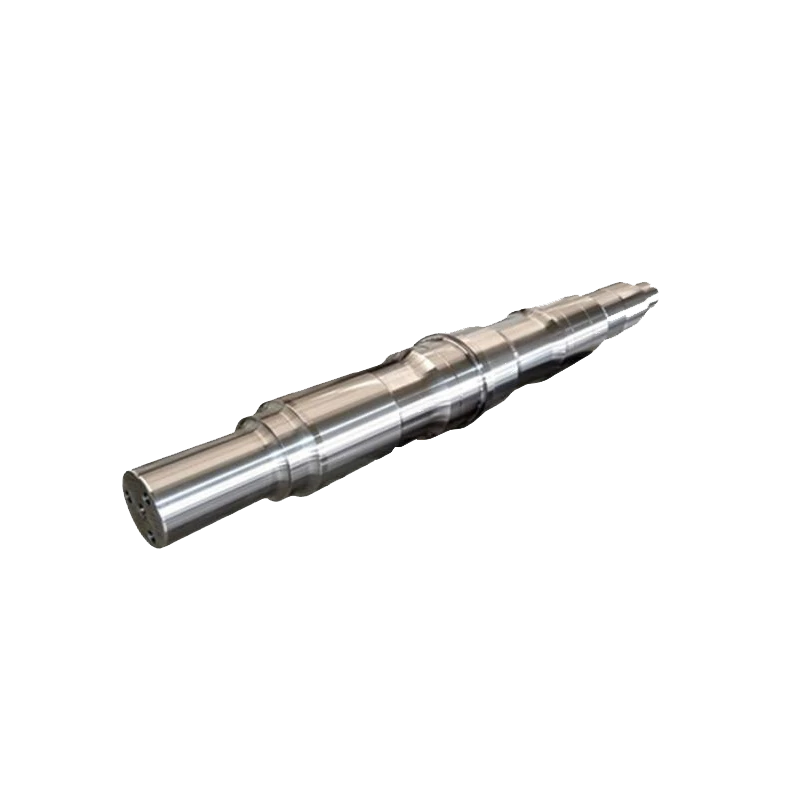 Axles
AxlesAxles are essential for vehicle load-bearing and power transmission, ensuring smooth movement and weight distribution. They must withstand high stress, torque, and impact, making material selection and precise manufacturing crucial.
-
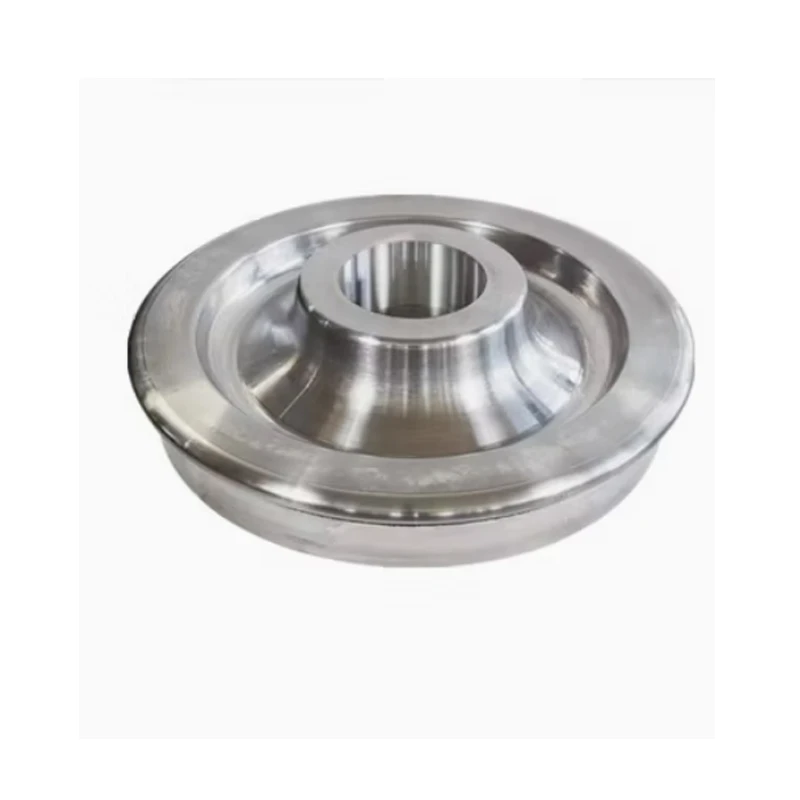 Profile S1002 Series Rail Wheels
The S1002 series rail wheels are designed for Rail-Road Vehicles (RRVs) that require seamless operation on both roads and railway tracks. Engineered with high precision and durability, these wheels conform to S1002 tread profiles, ensuring compatibility with standard railway systems.
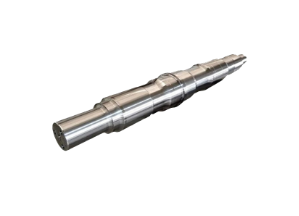
A Comprehensive Guide to Axles Types for Industry Decision Makers | Manufacturing Base
Axles Types is a key solution in the industry, specifically within heavy machinery and transportation sectors. This article explores how https://www.manufacturing-base.com supports professionals with durable, high-performance products
>
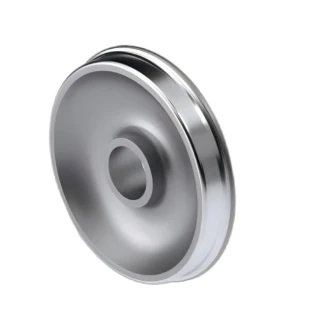
Reliable Rail Wheels: Optimize Your Rail Transport Solutions
For industries that rely on rail-based vehicles, choosing the right rail wheels is essential for smooth operations and safety.
>
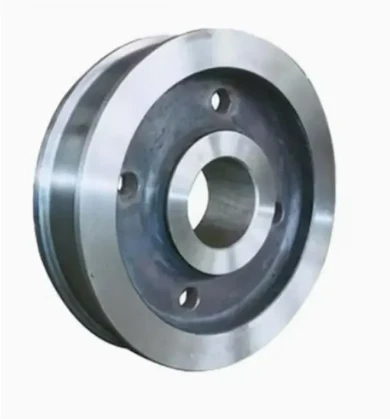
Premium Overhead Crane Wheels For Sale: Enhance Industrial Lifting Efficiency
In modern industrial operations, high-quality overhead crane wheels for sale are essential for safe, reliable, and efficient lifting.
>
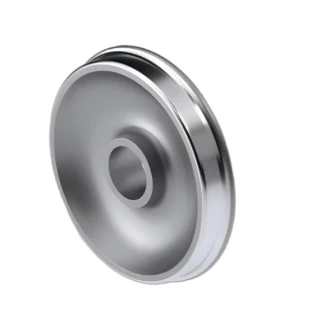
Premium Hi Rail Wheels For Sale: Boost Rail Vehicle Performance
In the modern industrial and railway sectors, having reliable hi rail wheels for sale is essential for operational efficiency and safety.
>
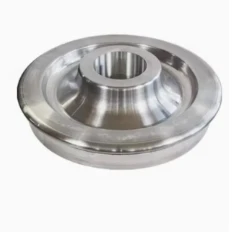
High-Quality Hi Rail Wheels For Sale: Enhance Your Rail Equipment Efficiency
When it comes to reliable rail maintenance and industrial operations, investing in hi rail wheels for sale is crucial.
>
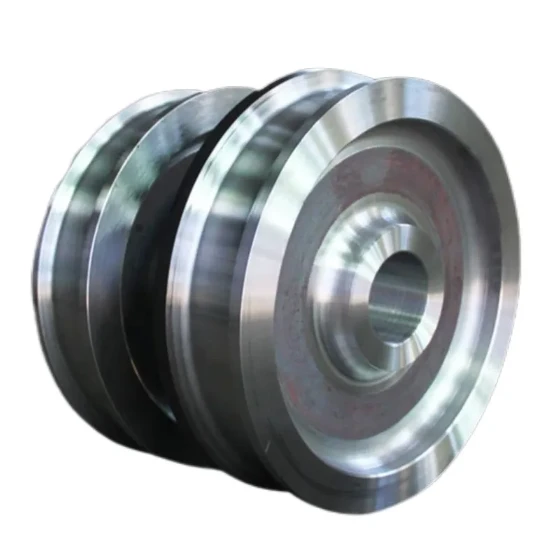
High-Quality Crane Wheels For Sale: Enhance Your Crane Operations
For industries relying on heavy lifting and material handling, investing in high-quality crane wheels for sale is crucial.
>
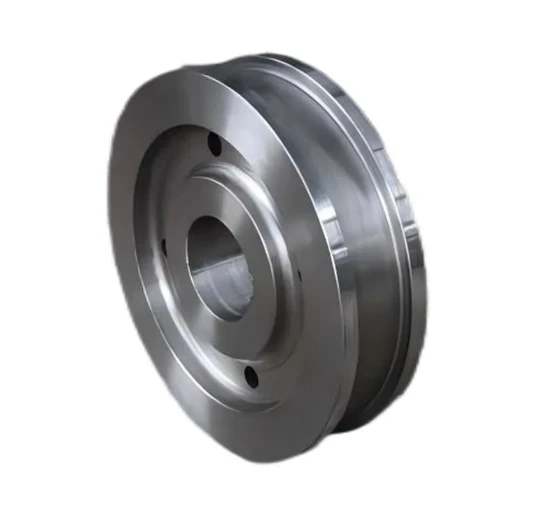
Durable Gantry Crane Wheels For Sale: Maximize Lifting Efficiency
For industries relying on heavy-duty lifting and material handling, selecting the right gantry crane wheels for sale is vital.
>
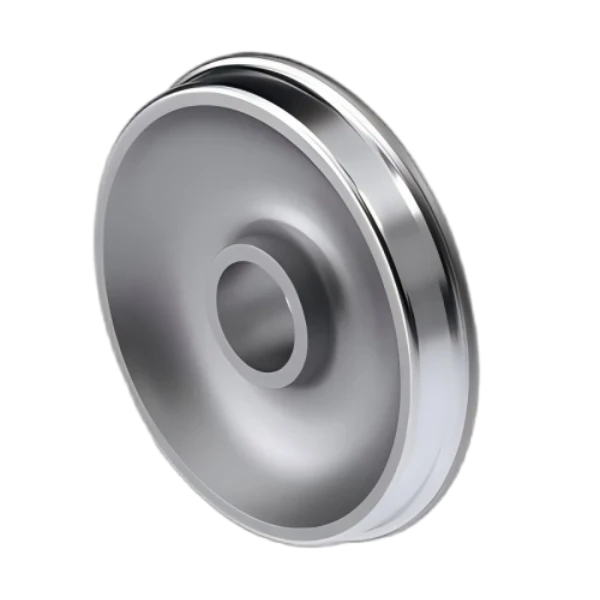
Reliable Tandem Drive Axles for Heavy-Duty Industrial Vehicles
Tandem Drive Axles: What I’ve Learned After Years in the Industrial Equipment Sector Ha
>
Reliable Semi Trailer Axles for Heavy-Duty Trailers | Expert Insight
Understanding semi trailer axles: The Backbone of Heavy Hauling Having spent more than a deca
>
RC Portal Axles: Industrial Strength and Custom Performance
RC Portal Axles: A Veteran’s Take on Industrial-Grade Performance Having spent over a d
>
Engineered for Excellence
Our forged solutions deliver reliability and performance, powering demanding industries to keep operations running smoothly.

Sign up
for Newsletter
Subscribe to the weekly newsletter for all the latest updates