- Tel: +86 311 82620404
- Cell: 86 -13739710551
- Email: sales@potentia.cn

Linear Rail Wheels: Precision Motion Components Powering Global Industry
The Rising Importance of Linear Rail Wheels in Modern Industry
Ever notice how smoothly a high-speed train glides along, or how effortlessly automated machinery moves in factories? At the heart of such precision and reliability often lie linear rail wheels. These small, yet incredibly vital components guide motion in a straight line with minimal friction. Sounds simple, right? But their global impact is anything but.
The demand for accuracy, speed, and durability in manufacturing and transportation systems, across continents, has made understanding linear rail wheels a priority. From factories in Germany to assembly lines in Japan, even to remote mining operations in Australia — the right choice of rail wheels can mean the difference between costly downtime and smooth production.
In fact, according to the International Organization for Standardization (ISO), precision linear motion components have seen growth rates of over 5% annually worldwide, reflecting increasing investment in automation and robotics. As industries push for greener, more efficient solutions, the humble linear rail wheel quietly powers much of the revolution.
What Exactly Are Linear Rail Wheels?
Simply put, linear rail wheels are specialized wheels designed to roll along linear rails or tracks, enabling controlled, linear movement of mechanical parts. Imagine a low-friction skateboard traveling along a long narrow track — that's roughly the idea. Their design minimizes resistance and maximizes stability, which is why they’re preferred in precision machinery and robotics.
But beyond just machines, these components indirectly enhance humanitarian efforts too. Think about disaster relief robotics or automated medical devices — the seamless, dependable motion is often thanks to quality linear rail wheels.
Quick Summary:
- Linear rail wheels enable smooth linear motion with low friction.
- Crucial for industries from manufacturing to robotics.
- Support advancements in automation and even humanitarian tech.
Core Elements of Effective Linear Rail Wheels
Durability
A linear rail wheel needs to endure constant stress — sometimes in harsh environments. Think of mineral dust in mining or extreme temperatures in aerospace manufacturing. Materials like hardened steel or ceramic composites are often chosen for their resilience.
Precision & Smoothness
It’s not just about rolling along. The track-and-wheel pairing must maintain consistent alignment to enable precise movement. This precision translates to better product quality in factories and accuracy in measurement tools.
Load Capacity
From lightweight conveyor parts to heavy-duty robotic arms, linear rail wheels come in various sizes and strengths. Knowing the load limits prevents downtime and mechanical failure.
Cost Efficiency
In practice, companies balance quality with budget. Linear rail wheels that combine longer lifecycle with affordable pricing win out, especially for mass production.
Customization & Compatibility
Industries increasingly demand tailor-made solutions. Wheels might be designed for specific rail profiles or surface finishes. Thankfully, many vendors now offer customization, making it easier to integrate with legacy systems.
Environmental Resistance
If you’re working in a food processing plant or outdoors under all weather conditions, corrosion resistance and hygiene become priority factors.
Mini Takeaway:
Choosing the right linear rail wheel is about more than size or price — durability, precision, and environment all play key roles.
Real-World Uses of Linear Rail Wheels Across the Globe
The world is a big place, and so are the applications for linear rail wheels. Here are a few snapshots:
- High-tech manufacturing in East Asia: Automakers and electronics factories rely on ultra-precise linear rail wheels for robotic assembly lines.
- Logistics and warehouse automation in Europe: Automated guided vehicles (AGVs) use these wheels to navigate narrow aisles swiftly and safely.
- Post-disaster relief operations: In areas struck by natural disasters, robotics for search and rescue often use rugged linear rail wheels to handle debris terrain.
- Mining and heavy industries in Australia and Africa: Heavy-duty rail wheels withstand harsh conditions and loads, enabling continuous operations underground.
If you ever wonder about aerospace manufacturing or even CNC machines in the US, those precise, silent linear motions? Yep, they often depend on these unassuming wheels.
Mini Summary:
From robotics to mining, linear rail wheels are everywhere, fueling progress in both developed and emerging markets.
Advantages and the Long-Lasting Value of Linear Rail Wheels
The benefits of quality linear rail wheels aren’t just technical — they ripple outward in surprising ways.
- Cost Savings: Longer life cycles and reduced machine downtime mean fewer emergency repairs and lower operational costs.
- Sustainability: Smooth, efficient movement reduces energy consumption — a win for both budgets and the planet.
- Safety & Trust: Reliable motion gear means safer workplaces; engineers and operators can trust their machines won’t suddenly stall.
- Innovation Enabler: Automating complex tasks becomes feasible, pushing the boundaries of what's possible.
I recall a facility where switching to premium linear rail wheels cut machine failures by nearly 30%, an improvement that translated to happier staff and more predictable deliveries.
What’s Next? Future Trends in Linear Rail Wheel Technology
The next few years promise exciting advances. For one, materials science breakthroughs hint at even lighter yet tougher wheel compounds, including hybrid carbon-fiber-infused polymers.
Then there’s digitization — some manufacturers are embedding sensors in the rail wheels to monitor wear in real-time, enabling predictive maintenance instead of reactive repairs. Pretty cool, right?
And of course, as industries push toward green energy, smarter, more efficient rail wheel designs that reduce friction and energy use will be front and center.
Common Challenges and What’s Being Done
No tech is perfect. Some challenges that engineers face with linear rail wheels include:
- Wear and corrosion: Particularly in salty, humid, or dusty environments.
- Alignment issues: Small misalignments can cause uneven wear or failure.
- Cost of replacement parts: High-end wheels can be expensive upfront, which some companies hesitate on.
Innovations like advanced coatings, real-time diagnostics, and modular system designs help solve these problems — so there's promise that the 'downtime' days are numbered.
Product Specifications at a Glance
| Specification | Typical Range | Comments |
|---|---|---|
| Wheel Diameter | 10mm – 100mm | Based on load and rail application |
| Load Capacity | Up to 5000 N | Varies with material and design |
| Material Composition | Hardened Steel, Ceramics, Polymer Composites | Material impacts durability and friction |
| Operating Temperature | -40°C to 150°C | Application dependent |
| Surface Finish | Polished, Coated | Affects friction and corrosion resistance |
Comparing Top Vendors for Linear Rail Wheels
| Vendor | Material Options | Customization | Pricing | Global Reach |
|---|---|---|---|---|
| PrecisionMotion Inc. | Steel, Ceramic | High | Premium | North America, Europe, Asia |
| MotionWorks Ltd. | Alloy Steel, Polymer | Medium | Mid-Range | Europe, Asia |
| GlobalRoll Technologies | Steel, Composite | Custom Design Available | Competitive | Worldwide |
FAQs: Answering Your Top Questions on Linear Rail Wheels
- Q: How do I select the right linear rail wheel for my equipment?
- Consider the load capacity, operating environment, required precision, and rail compatibility. Consulting datasheets and vendor experts helps, but understanding your application’s specific needs—like temperature or exposure to chemicals—is crucial.
- Q: Can linear rail wheels be used outdoors in harsh weather?
- Absolutely, but you’ll want corrosion-resistant materials and protective coatings. Stainless steel or ceramic wheels paired with sealed rails perform best in moisture or dust-heavy environments.
- Q: Are customized linear rail wheels more expensive?
- While custom solutions usually have higher upfront costs, the improved fit and performance often lead to long-term savings through reduced maintenance and enhanced efficiency.
- Q: How often should linear rail wheels be inspected or replaced?
- Inspection frequency depends on usage and environment but a rule of thumb is every 6 to 12 months. Signs like noise, uneven motion, or visible wear indicate replacement is needed.
Final Thoughts and Your Next Step
All in all, linear rail wheels might seem like a small part of the industrial puzzle, but their impact is broad and deep. Choosing the right wheels means smoother operations, better productivity, and even contributes to sustainability goals. If your business depends on accurate linear motion — or you just want to learn more about how these components are quietly propelling modern industry forward — check out the latest from vendors and experts.
Curious to explore premium selections or get custom advice? Please visit our detailed guide and product showcase at https://www.manufacturing-base.com, where you can dive into specs, pricing, and solutions tailored to your needs.
References
- ISO Standards on Linear Motion Systems
- Wikipedia: Linear Motion Bearing
- World Bank Industry Overview
---
-
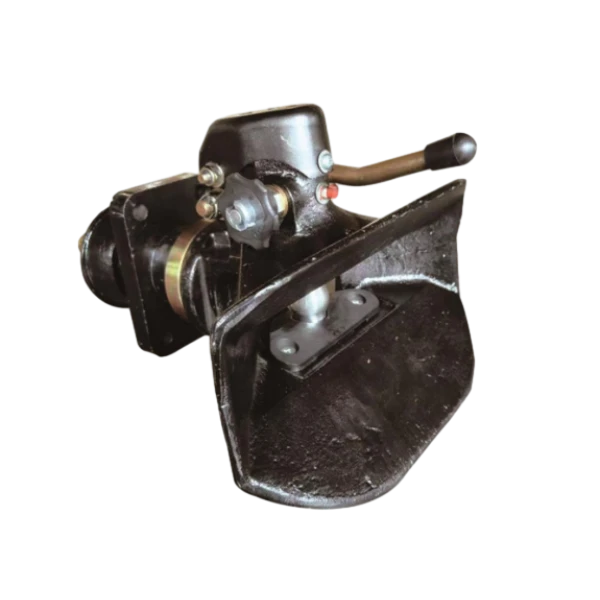 Trailer Coupling
The trailer coupling is a critical component in vehicle towing systems, designed to ensure a secure and efficient connection between a towing vehicle and a trailer. These couplings are manufactured using high-strength carbon steel, alloy steel, or stainless steel, ensuring durability and resistance to heavy loads and harsh environments.
-
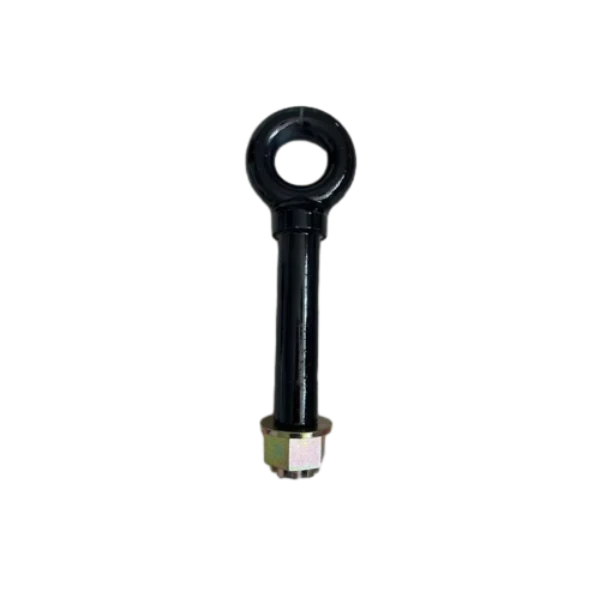
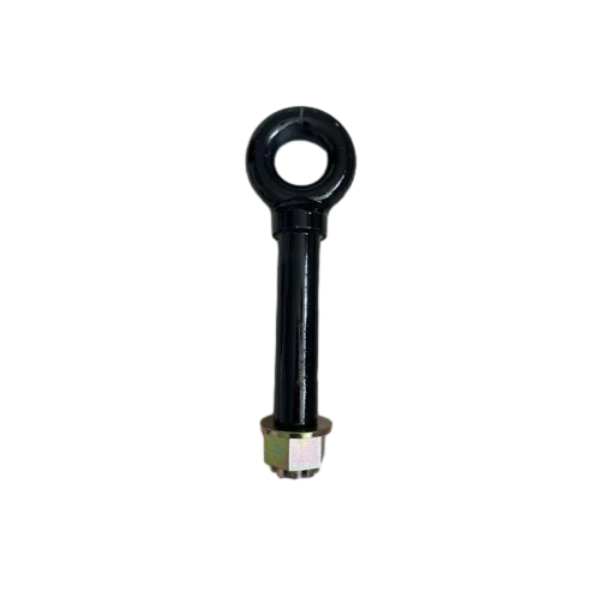 Drawbar Eyes
Drawbar eyes are essential components in towing and hauling applications, providing a strong and secure attachment point between the trailer and the towing vehicle. They are designed to endure extreme pulling forces, making them suitable for heavy-duty applications.
-
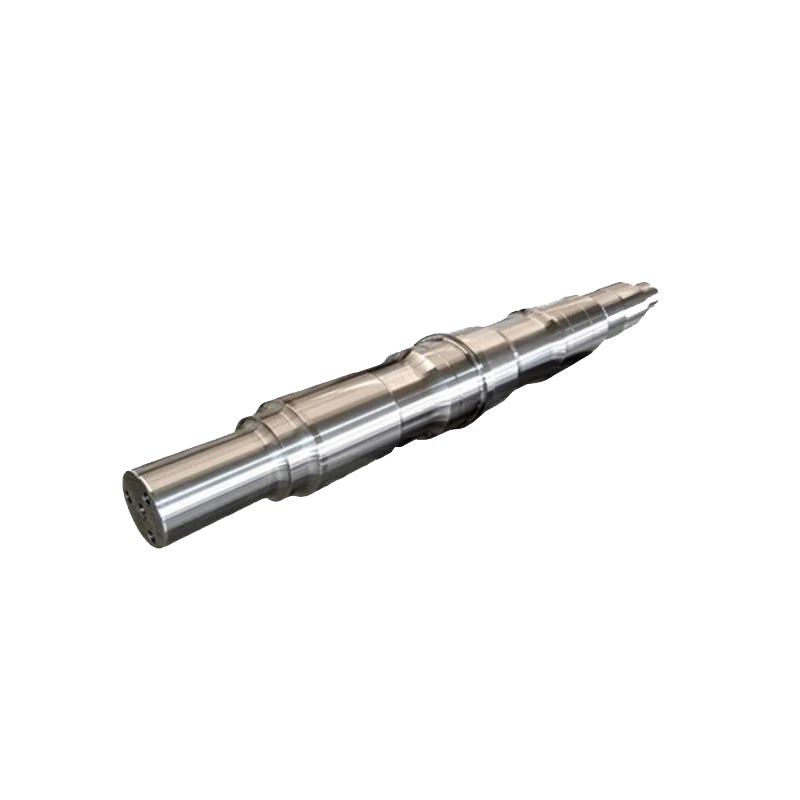
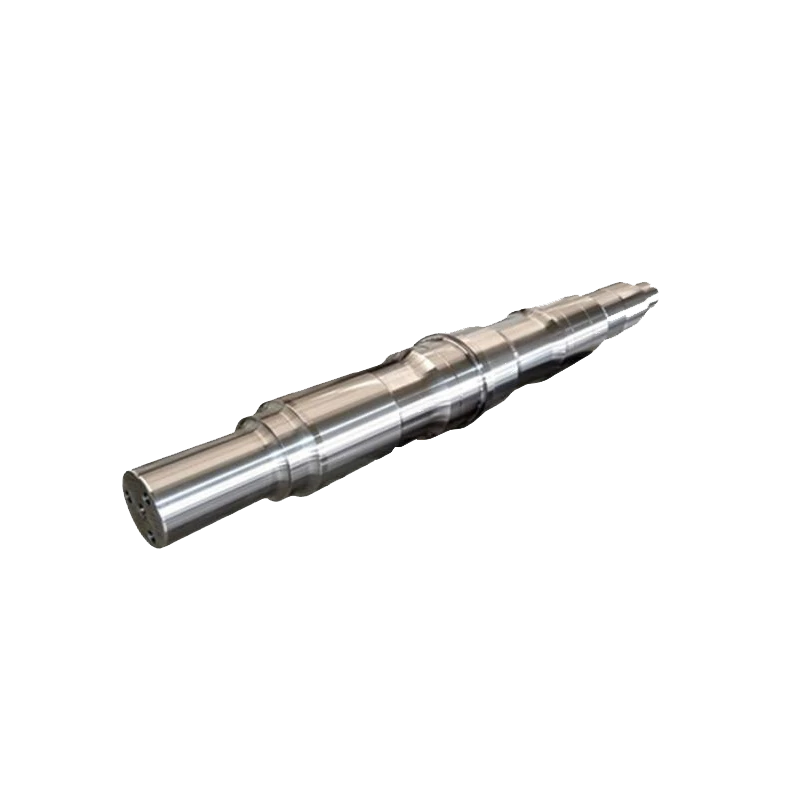 Axles
AxlesAxles are essential for vehicle load-bearing and power transmission, ensuring smooth movement and weight distribution. They must withstand high stress, torque, and impact, making material selection and precise manufacturing crucial.
-
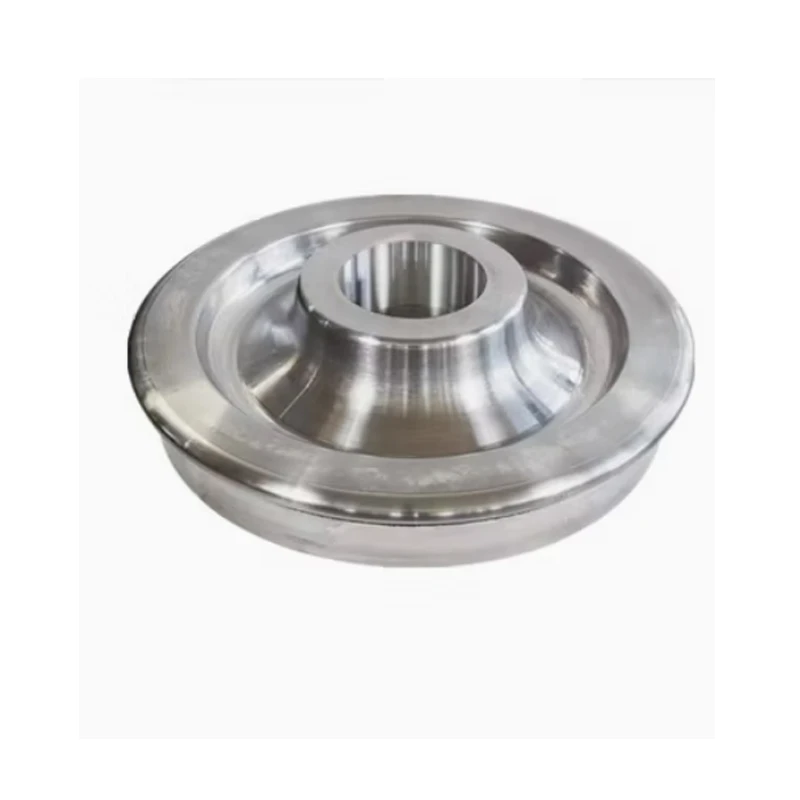 Profile S1002 Series Rail Wheels
The S1002 series rail wheels are designed for Rail-Road Vehicles (RRVs) that require seamless operation on both roads and railway tracks. Engineered with high precision and durability, these wheels conform to S1002 tread profiles, ensuring compatibility with standard railway systems.
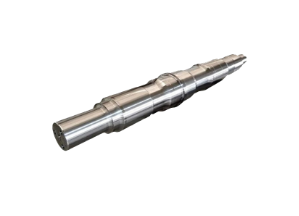
A Comprehensive Guide to Axles Types for Industry Decision Makers | Manufacturing Base
Axles Types is a key solution in the industry, specifically within heavy machinery and transportation sectors. This article explores how https://www.manufacturing-base.com supports professionals with durable, high-performance products
>
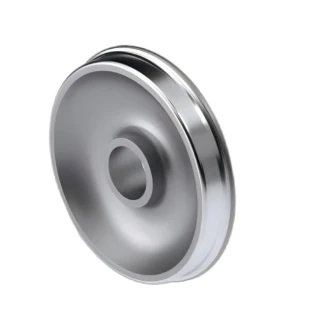
Reliable Rail Wheels: Optimize Your Rail Transport Solutions
For industries that rely on rail-based vehicles, choosing the right rail wheels is essential for smooth operations and safety.
>
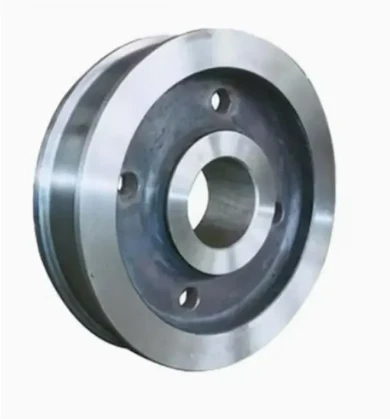
Premium Overhead Crane Wheels For Sale: Enhance Industrial Lifting Efficiency
In modern industrial operations, high-quality overhead crane wheels for sale are essential for safe, reliable, and efficient lifting.
>
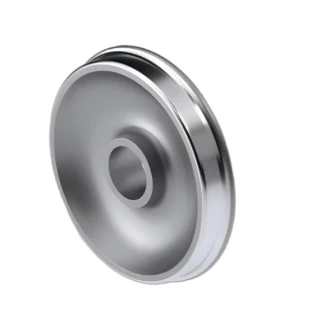
Premium Hi Rail Wheels For Sale: Boost Rail Vehicle Performance
In the modern industrial and railway sectors, having reliable hi rail wheels for sale is essential for operational efficiency and safety.
>
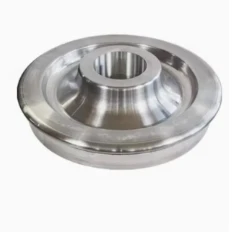
High-Quality Hi Rail Wheels For Sale: Enhance Your Rail Equipment Efficiency
When it comes to reliable rail maintenance and industrial operations, investing in hi rail wheels for sale is crucial.
>
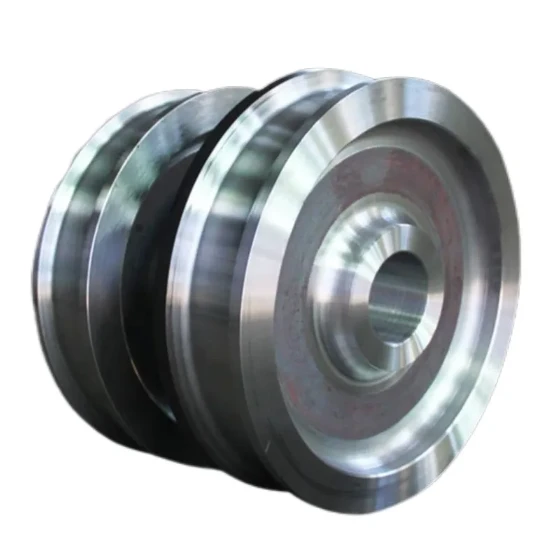
High-Quality Crane Wheels For Sale: Enhance Your Crane Operations
For industries relying on heavy lifting and material handling, investing in high-quality crane wheels for sale is crucial.
>
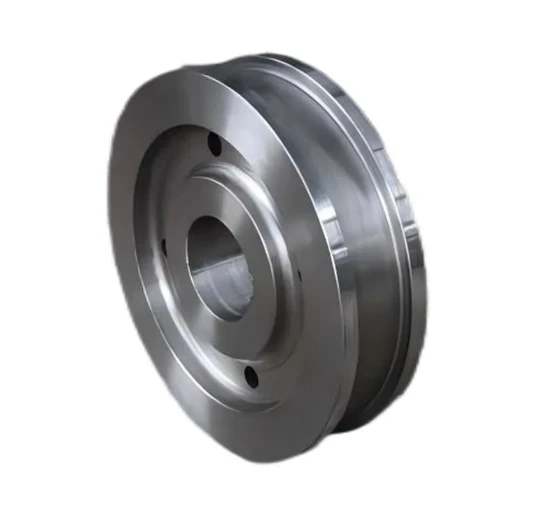
Durable Gantry Crane Wheels For Sale: Maximize Lifting Efficiency
For industries relying on heavy-duty lifting and material handling, selecting the right gantry crane wheels for sale is vital.
>
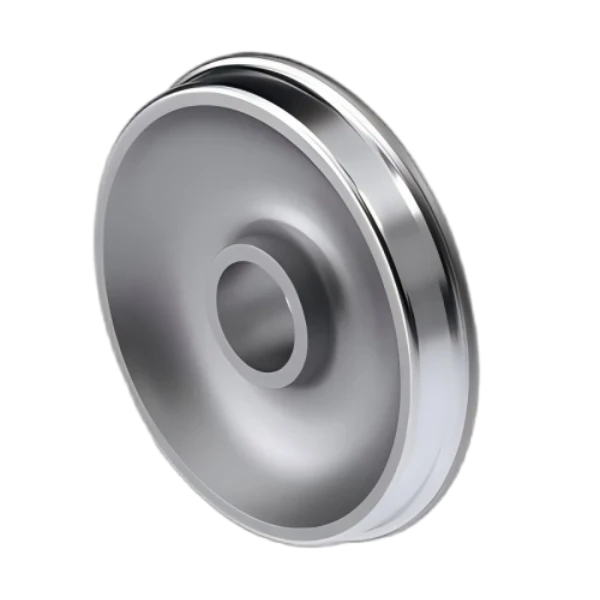
Reliable Tandem Drive Axles for Heavy-Duty Industrial Vehicles
Tandem Drive Axles: What I’ve Learned After Years in the Industrial Equipment Sector Ha
>
Reliable Semi Trailer Axles for Heavy-Duty Trailers | Expert Insight
Understanding semi trailer axles: The Backbone of Heavy Hauling Having spent more than a deca
>
RC Portal Axles: Industrial Strength and Custom Performance
RC Portal Axles: A Veteran’s Take on Industrial-Grade Performance Having spent over a d
>
Engineered for Excellence
Our forged solutions deliver reliability and performance, powering demanding industries to keep operations running smoothly.

Sign up
for Newsletter
Subscribe to the weekly newsletter for all the latest updates