- Tel: +86 311 82620404
- Cell: 86 -13739710551
- Email: sales@potentia.cn

Crane Wheel Design: Engineering for Safety, Durability, and Global Industry Impact
Understanding Crane Wheel Design: Why It Matters More Than You Think
At first glance, crane wheel design might seem like a niche, purely technical topic confined to engineers and manufacturers. But if you pause for a moment, you'll see it’s a cornerstone of modern construction, logistics, and even humanitarian aid worldwide. These unassuming components bear enormous loads while navigating complex environments, literally keeping heavy industry moving. Better crane wheel designs translate to safer operations, cost savings, and less downtime — factors that ripple through economies and communities alike. So diving into what makes a good crane wheel design is not just for the specialists; it’s a subtle nod to global efficiency, safety, and innovation.
The Global Context: Why Crane Wheel Design Is a Worldwide Concern
You might be surprised to learn that the global crane market surpassed $40 billion recently, and with expanding urban megaprojects across Asia, Europe, and the Americas, the demand for reliable crane operations is skyrocketing (source: Statista). According to ISO standards on industrial vehicles and lifting equipment, ensuring the integrity and resilience of crane wheels is a top priority. After all, the slightest failure in these parts can cause costly delays, or worse — accidents.
Challenges abound: uneven surfaces, heavy cyclical loads, and environmental wear all take a toll. Plus, as cranes get larger and more sophisticated, wheel systems must evolve too — matching speed, durability and compliance with an eye on sustainability.
What Exactly Is Crane Wheel Design?
Simply put, crane wheel design covers the engineering, materials selection, and configuration of wheels that support crane movement. These wheels can differ significantly — from heavy-duty steel track wheels to polyurethane-coated rollers, suited to various terrains and loads.
The design ensures the wheels balance strength, traction, noise control, and shock absorption — essential for moving massive loads safely and smoothly. Think of it like the unsung hero beneath the crane’s hustle.
Crane Wheels Connect Industry and Humanitarian Efforts
It’s fascinating how crane wheel design serves both booming industrial sectors and urgent humanitarian needs. In disaster zones, mobile cranes execute speedy infrastructure builds or debris clearing — where reliable wheels make all the difference between success or a frustrating stall. The wheel design indirectly supports relief agencies by enabling quick, secure equipment mobility even in harsh conditions.
Key Factors in Effective Crane Wheel Design
1. Durability Against Wear and Tear
With constant exposure to rough surfaces, high loading, and weather extremes, the wheels must resist abrasion and deformation. Many engineers choose forged steel with hardened treads or composite coatings to extend lifespan.
2. Load Capacity and Weight Distribution
The wheels’ thickness, diameter, and tread pattern are critical. They must distribute the crane’s massive load evenly, preventing undue stress on any single part—think balancing an elephant on a tightrope.
3. Traction and Maneuverability
Effective traction prevents slippage during operation, especially on steel tracks or uneven surfaces. Sometimes, polyurethane treads strike a balance between grip and surface protection.
4. Noise and Vibration Dampening
This is often overlooked but crucial. Excessive noise can disrupt sensitive environments. Meanwhile, vibration dampening protects mechanical parts and improves operator comfort.
5. Maintenance and Cost Efficiency
Wheels designed for easy inspection, minimal lubrication, and modular replacement reduce downtime and long-term costs — vital for site managers juggling tight schedules and budgets.
Mini takeaway: At its core, crane wheel design is a balancing act — mixing toughness with finesse to match specific operational demands. crane wheel design isn’t just about metal wheels; it’s about optimizing performance under pressure.
Global Applications and Practical Use Cases
Across the globe, crane wheel designs adapt to vastly different contexts. In the shipyards of South Korea, ultra-heavy cranes rely on precision-engineered wheels tolerant of saltwater corrosion. European construction sites favor quiet, vibration-dampened wheels amid dense urban settings. Meanwhile, in remote African mining operations, wheels withstand dusty, rugged terrain while carrying massive mineral loads.
In post-disaster relief efforts — say, after earthquakes or floods — mobile crane units equipped with specialized wheels enhance rapid infrastructure rebuilding. NGOs and governments increasingly recognize that wheel design improvements can accelerate critical aid deliveries, indirectly saving lives.
Crane Wheel Design Specifications
| Specification | Typical Value / Range | Notes |
|---|---|---|
| Wheel Diameter | 300-1200 mm | Varies by crane size & application |
| Load Capacity | Up to 150,000 kg per wheel | Depends on material & build quality |
| Tread Material | Forged steel, polyurethane coating | Coatings improve grip & noise reduction |
| Operating Temperature Range | -40°C to +60°C | Ensures reliability in various climates |
| Maintenance Interval | 6-12 months | Depending on workload and environment |
Comparing Leading Crane Wheel Vendors
| Vendor | Specialty | Materials | Unique Selling Point | Typical Customers |
|---|---|---|---|---|
| SteelWorks Inc. | Heavy-duty steel wheels | Forged alloy steel | High lifespan, ISO 9001 certified | Shipyards, heavy industry |
| EcoRoll Solutions | Polyurethane-tread wheels | Steel core + PU coating | Noise reduction, environmentally friendly | Urban construction, hospitals |
| FlexTrack Tech | Modular, quick-swap wheels | Composite materials | Rapid maintenance, lightweight | Remote mining, disaster relief |
Real-World Benefits of Smart Crane Wheel Design
Investing in advanced wheel design produces upsides far beyond the obvious. Less downtime means projects finish on schedule, cutting costs. Better traction and reliability reduce the chance of accidents — a win for operators’ peace of mind and corporate responsibility. There’s also an environmental angle: softer materials and noise dampening decrease pollution in dense urban zones.
Oddly enough, the dignity of workers can hinge on such details. When equipment runs smoothly, human error dips, and safety rises. This reliability cultivates a subtle trust between crews and management — the sort that keeps innovation alive on the frontlines.
What’s Next? Trends Shaping Future Crane Wheel Designs
The future looks intriguing — expect green materials like recycled composites, digital sensors embedded in wheels for real-time wear monitoring, and smarter maintenance scheduling powered by AI. Some companies are even eyeing autonomous cranes that rely on precisely engineered wheels to navigate complex sites without human control.
Altogether, these evolving technologies position crane wheel design at the crossroads of sustainability, safety, and operational excellence.
Common Challenges (and How Innovators Are Tackling Them)
Durability versus cost is the age-old juggling act. Premium composite wheels last longer but come with a steeper upfront price. Another headache: environmental degradation, especially corrosion from salt or chemicals, which speeds up wear.
To deal with this, many vendors are experimenting with hybrid coatings and modular wheels that can be swapped out quickly on site — reducing downtime and repair expenses. Add to this advanced simulation tools during design phases allowing engineers to predict failure points, and the industry is on a solid track.
FAQs About Crane Wheel Design
Q1: How often should crane wheels be inspected or replaced?
Ideally, wheels undergo inspection every 6 to 12 months, depending on load cycles and operating conditions. Replacement timing varies — some wheels last years under moderate use, while others might need swapping after heavy-duty seasonal campaigns. Regular checks for wear, cracks, or deformation are vital for safety.
Q2: Can polyurethane-coated wheels be used in outdoor industrial sites?
Yes, polyurethane coatings offer good abrasion resistance and noise reduction, but prolonged exposure to UV radiation and chemicals can degrade them faster. For harsh outdoor sites, specially formulated PU compounds or layered coatings provide enhanced protection.
Q3: What materials are best for heavy lifts over uneven terrain?
Forged alloy steel wheels with deep tread patterns are often preferred for heavy loads on uneven or rough surfaces. Some designs integrate shock-absorbing inserts or flexible treads to improve traction while minimizing wheel damage.
Q4: Are smart sensors in crane wheels a practical innovation?
Absolutely. Embedded sensors can monitor temperature, stress, and wear in real time, alerting maintenance teams before failures happen. This can dramatically reduce downtime and improve safety, especially in 24/7 industrial operations.
Wrapping Up: The Unsung Backbone of Heavy Industry
To sum up, crane wheel design combines high-stakes engineering with practical wisdom to push cranes onward — often in ways we hardly notice but deeply rely on. From construction megasites to humanitarian crisis zones, the right wheels keep projects moving, workers safe, and budgets sane.
Interested in upgrading your crane systems or learning more? Visit our website: https://www.manufacturing-base.com for expert insights and tailored solutions.
References:
1. ISO Standard 8686-1: Industrial Trucks - Crane Wheels
2. United Nations Industrial Development Organization (UNIDO) Reports
3. Wikipedia - Crane
-
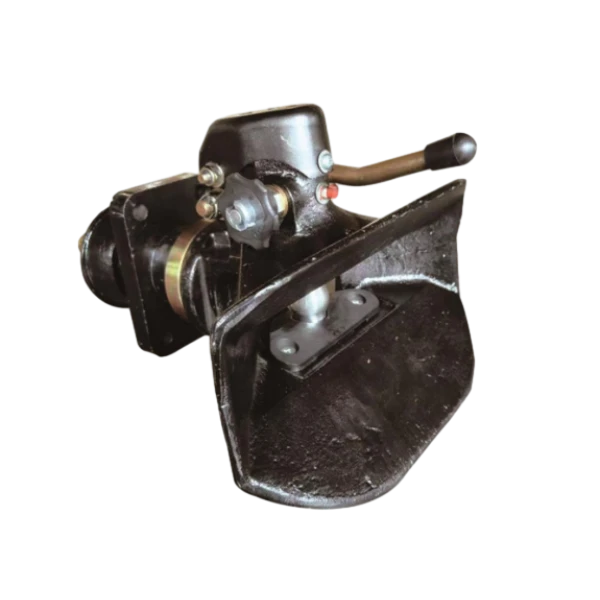 Trailer Coupling
The trailer coupling is a critical component in vehicle towing systems, designed to ensure a secure and efficient connection between a towing vehicle and a trailer. These couplings are manufactured using high-strength carbon steel, alloy steel, or stainless steel, ensuring durability and resistance to heavy loads and harsh environments.
-
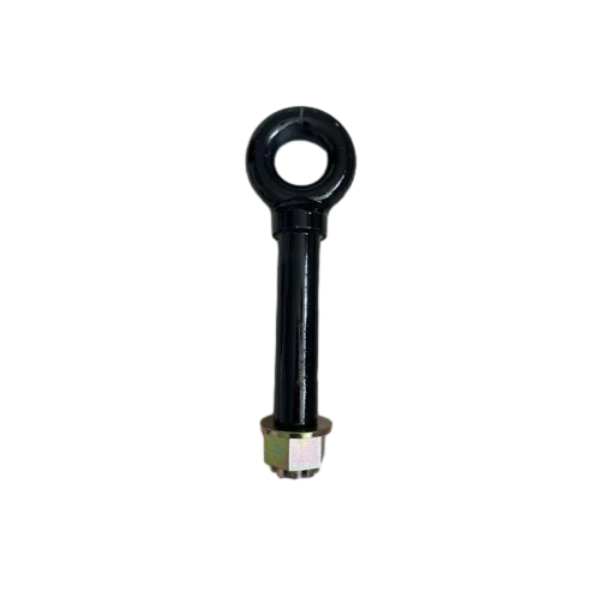 Drawbar Eyes
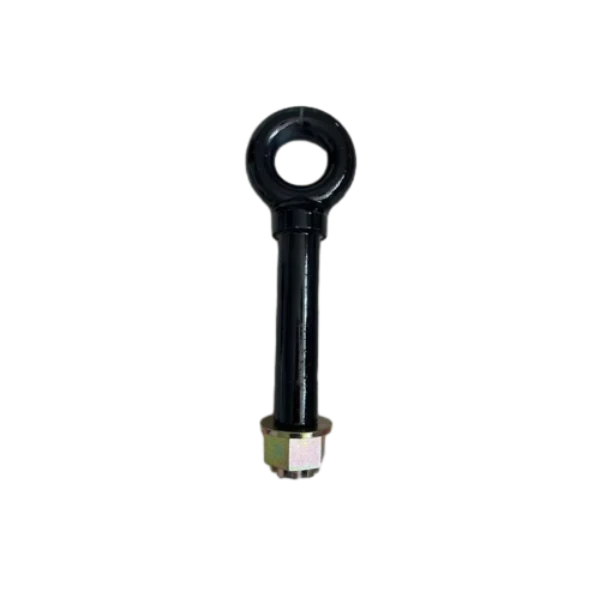
Drawbar eyes are essential components in towing and hauling applications, providing a strong and secure attachment point between the trailer and the towing vehicle. They are designed to endure extreme pulling forces, making them suitable for heavy-duty applications.
-
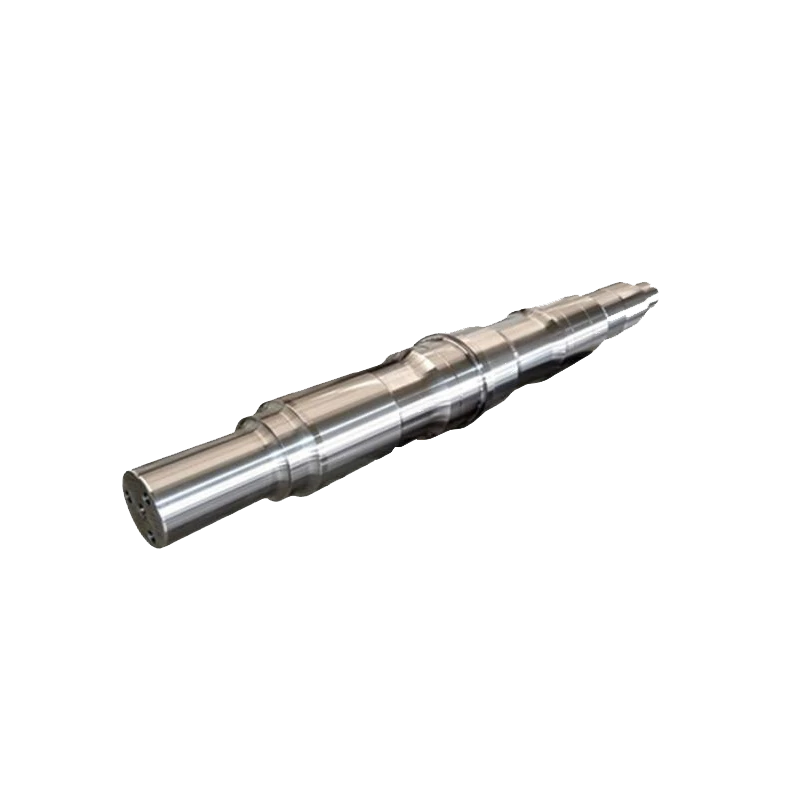 Axles
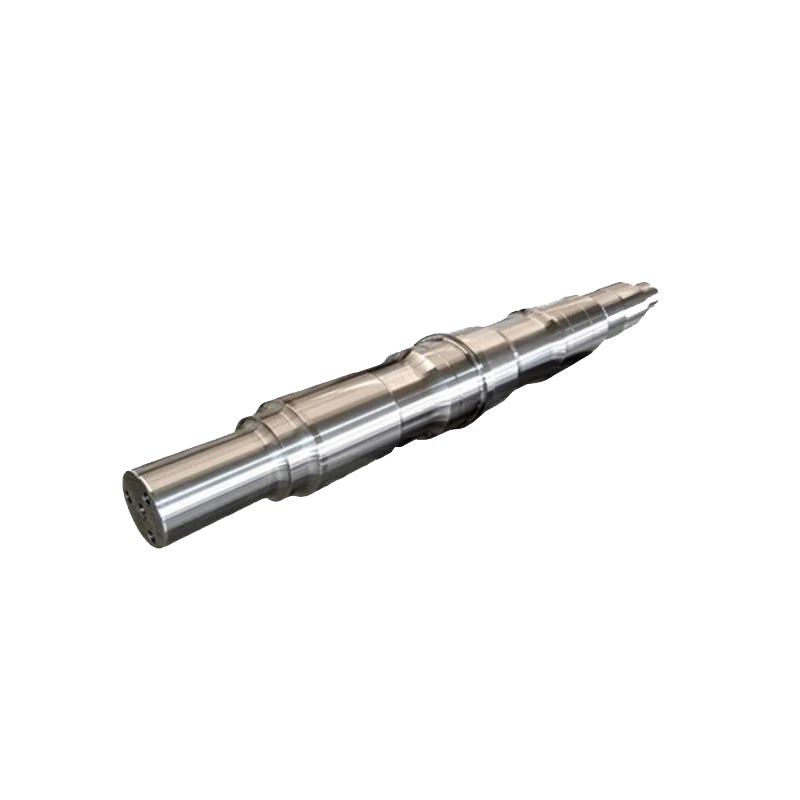
AxlesAxles are essential for vehicle load-bearing and power transmission, ensuring smooth movement and weight distribution. They must withstand high stress, torque, and impact, making material selection and precise manufacturing crucial.
-
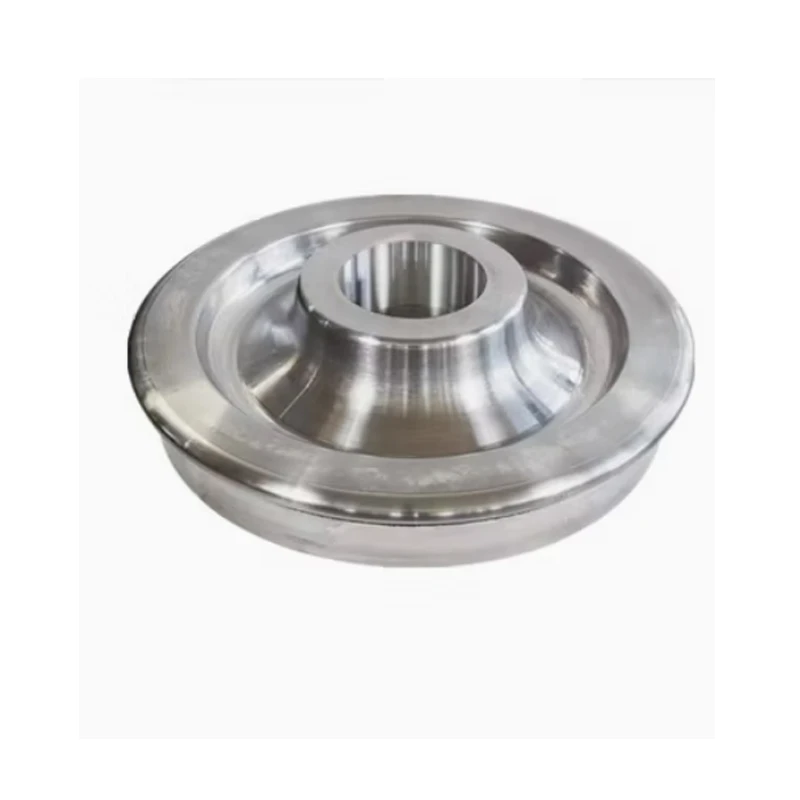 Profile S1002 Series Rail Wheels
The S1002 series rail wheels are designed for Rail-Road Vehicles (RRVs) that require seamless operation on both roads and railway tracks. Engineered with high precision and durability, these wheels conform to S1002 tread profiles, ensuring compatibility with standard railway systems.
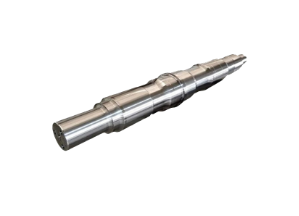
A Comprehensive Guide to Axles Types for Industry Decision Makers | Manufacturing Base
Axles Types is a key solution in the industry, specifically within heavy machinery and transportation sectors. This article explores how https://www.manufacturing-base.com supports professionals with durable, high-performance products
>
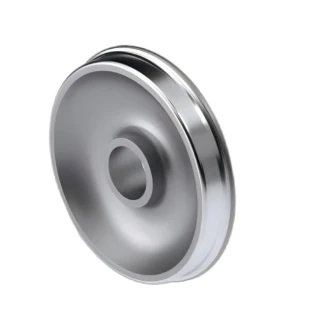
Reliable Rail Wheels: Optimize Your Rail Transport Solutions
For industries that rely on rail-based vehicles, choosing the right rail wheels is essential for smooth operations and safety.
>
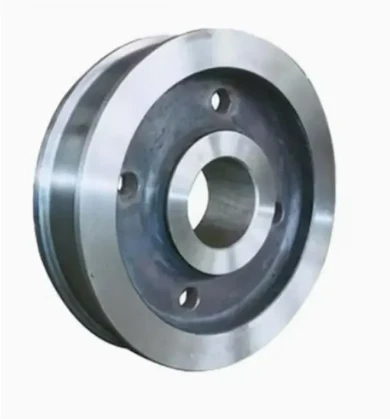
Premium Overhead Crane Wheels For Sale: Enhance Industrial Lifting Efficiency
In modern industrial operations, high-quality overhead crane wheels for sale are essential for safe, reliable, and efficient lifting.
>
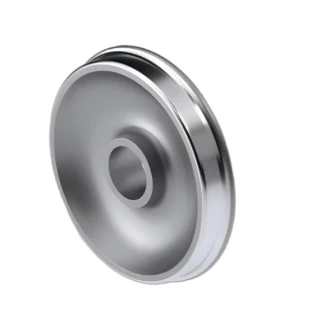
Premium Hi Rail Wheels For Sale: Boost Rail Vehicle Performance
In the modern industrial and railway sectors, having reliable hi rail wheels for sale is essential for operational efficiency and safety.
>
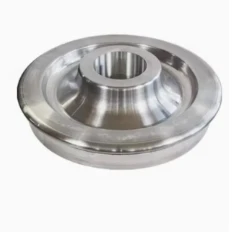
High-Quality Hi Rail Wheels For Sale: Enhance Your Rail Equipment Efficiency
When it comes to reliable rail maintenance and industrial operations, investing in hi rail wheels for sale is crucial.
>
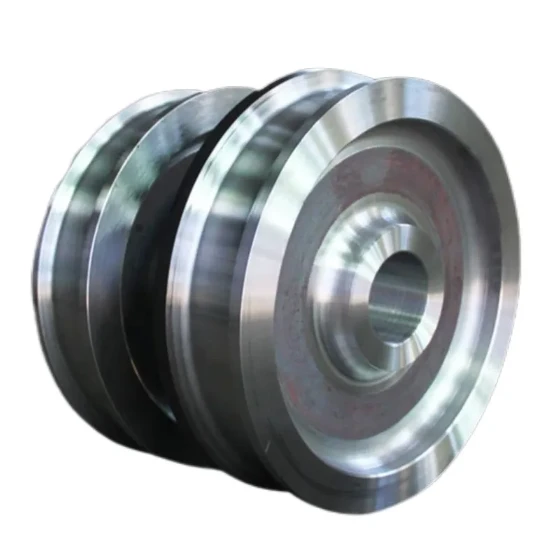
High-Quality Crane Wheels For Sale: Enhance Your Crane Operations
For industries relying on heavy lifting and material handling, investing in high-quality crane wheels for sale is crucial.
>
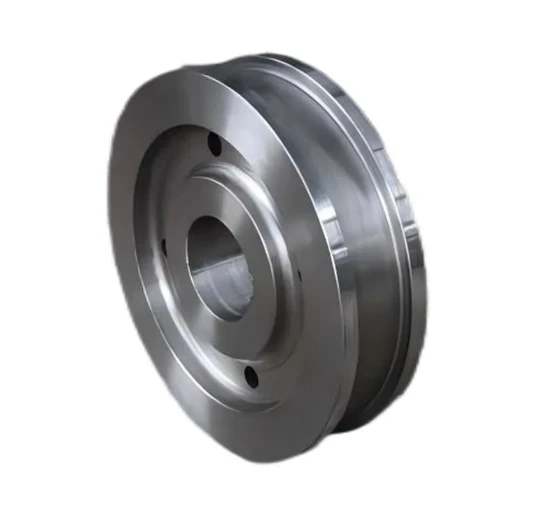
Durable Gantry Crane Wheels For Sale: Maximize Lifting Efficiency
For industries relying on heavy-duty lifting and material handling, selecting the right gantry crane wheels for sale is vital.
>
Reliable Tandem Drive Axles for Heavy-Duty Industrial Vehicles
Tandem Drive Axles: What I’ve Learned After Years in the Industrial Equipment Sector Ha
>
Reliable Semi Trailer Axles for Heavy-Duty Trailers | Expert Insight
Understanding semi trailer axles: The Backbone of Heavy Hauling Having spent more than a deca
>
RC Portal Axles: Industrial Strength and Custom Performance
RC Portal Axles: A Veteran’s Take on Industrial-Grade Performance Having spent over a d
>
Engineered for Excellence
Our forged solutions deliver reliability and performance, powering demanding industries to keep operations running smoothly.

Sign up
for Newsletter
Subscribe to the weekly newsletter for all the latest updates