- Tel: +86 311 82620404
- Cell: 86 -13739710551
- Email: sales@potentia.cn

End Carriage Wheel: Essential Guide to Industrial Durability & Performance
Understanding the End Carriage Wheel: Industry Linchpin and Why It Matters Globally
The humble end carriage wheel may not be a household name, but it’s an unsung hero of modern industrial machinery and transportation systems worldwide. From cranes and conveyor setups to heavy-duty material handlers, these wheels bear the brunt of crucial movements, enabling efficiency and safety on massive scales.
Globally, industries depend on seamless material handling to meet production goals — and the end carriage wheel plays a key role in ensuring those wheels keep turning, literally. Whether it’s streamlining port logistics or enabling smooth heavy-load movements in manufacturing, the importance of understanding and choosing the right end carriage wheel can’t be overstated.
In fact, recent reports by the International Organization for Standardization (ISO) estimate that improper wheel design or maintenance contributes to 15-20% more downtime in heavy equipment globally. That's a striking figure when you think about the financial and logistical knock-on effects.
Mini takeaway: The end carriage wheel is a foundational component ensuring safe, reliable operations across many industries — making its design and deployment a subject worth a closer look.
The Global Landscape: Why End Carriage Wheels Are Critical Today
Think of modern supply chains — a complex choreography of timing, weight, and movement. The end carriage wheel ensures that, for cranes on construction sites or automated conveyors in ports, moving heavy loads doesn't translate into operational bottlenecks or catastrophic failures.
According to the World Bank, global industrial output has seen a 4.5% annual increase the past five years, pushing machinery uptime demands to new heights. At the same time, sustainability standards push manufacturers toward longer-lasting, eco-friendly parts — meaning the end carriage wheel must evolve beyond just "wheels that roll."
Challenges such as adverse environmental conditions (think: salt corrosion at coastal ports or abrasive dust in mining sites) further amplify why only the right materials and designs will stand the test of global operations. It’s not just a mechanical issue; it’s a supplier reliability and safety concern that resonates worldwide.
Mini takeaway: In a fast-paced, increasingly green-conscious global economy, meticulously engineered end carriage wheels combine durability with adaptability — a non-negotiable for many industries.
What Exactly Is an End Carriage Wheel?
Put simply, an end carriage wheel is one of the wheels mounted at the end of a carriage frame, commonly seen on cranes, gantry systems, and automated material handlers. These wheels facilitate the horizontal movement of heavy loads along rails or tracks, helping transfer burdens smoothly and safely.
In contemporary industries, these wheels are engineered for extreme stress, customized to suit surfaces, and made with durable materials that accommodate everything from routine factory floor use to challenging humanitarian relief logistics in rough terrain.
For instance, in remote disaster zones, end carriage wheels attached to mobile cranes enable rapid setup and logistics support for emergency shelters and supplies — bridging the gap between complex machinery and urgent humanitarian needs.
Core Features That Make or Break End Carriage Wheels
1. Durability and Material Quality
End carriage wheels often deal with intense loads and harsh environments. Many manufacturers turn to hardened steels, polyurethane coatings, or composite materials to optimize strength without sacrificing wear resistance. Some even get specialized heat treatment or surface finishes to resist corrosion — especially important near marine environments.
2. Load Capacity and Size Variability
Depending on the application — say a shipping port versus an indoor manufacturing line — wheels come in vastly different sizes and load ratings. Engineers have to carefully match specifications with expected forces to avoid overloading, which can cause premature failure or even accidents.
3. Rolling and Guiding Performance
Good end carriage wheels roll effortlessly yet remain stable to guide massive loads. Ball or roller bearings inside help reduce friction and absorb shock. A smooth "roll" ensures reduced energy consumption and wear on adjacent machinery parts.
4. Maintenance Friendliness
Many systems operate nonstop, so wheels designed for easy inspection and servicing minimize downtime. Quick-lubrication systems, sealed bearings, or even self-lubricating materials today form part of smarter end carriage wheel packages.
5. Customization and Adaptability
It's not plug-and-play. Dimensions, tread profiles, noise levels, and environmental resistances are tailored to the project. This means producers often collaborate closely with clients for perfect-fit solutions that squeeze every bit of performance and reliability.
Mini takeaway: Selecting an end carriage wheel isn’t just about size — it involves nuanced balance across durability, load handling, and ongoing maintenance demands.
End Carriage Wheels Across the Globe: Applications and Case Studies
The industrial heartbeat of China’s expansive ports, Europe’s heavy machine workshops, and North America’s mining zones all buzz thanks largely to dependable end carriage wheels.
- Port Logistics (Asia-Pacific): In places like Singapore and Shanghai, end carriage wheels on gantry cranes handle container movements 24/7 with high load volumes subject to salty air; corrosion resistance is paramount.
- Manufacturing Hubs (Europe): In Germany and Italy, precision in wheel diameter and bearing quality directly affects assembly line speeds and reliability.
- Mining Industry (Africa & Americas): Robust wheels withstand abrasive dust, uneven tracks, and rough handling, enabling ongoing raw material extraction.
- Humanitarian & Disaster Response: Mobile cranes equipped with end carriage wheels in disaster zones help with rapid infrastructure setup, delivering relief materials across rugged ground.
Each example reveals the unseen yet critical role these wheels play — a small part, yes, but with huge impact.
Advantages of High-Quality End Carriage Wheels: More Than Just Movement
In practical terms, premium end carriage wheels cut down machine downtime, reduce energy costs thanks to smooth rolling, and improve safety by minimizing failures. From a social standpoint, safer, reliable machinery translates to fewer accidents, preserving human lives and dignity on the job.
The environmental angle isn’t far behind. Longer-lasting wheels minimize waste and reduce resource use in replacements. Some newer polyurethane wheels are recyclable or made from greener materials, aligning with global sustainability targets (ISO 14001 standards).
On a more emotional note, many operators say there's a certain “peace of mind” knowing their equipment won’t fail under a heavy load — especially during critical operations like disaster relief or large-scale constructions.
The Future: Innovations Steering the Next Generation of End Carriage Wheels
With Industry 4.0 ushering in automation, end carriage wheels are evolving into smart components. Embedded sensors now monitor wheel temperature, vibration, and wear in real-time, feeding data for predictive maintenance — goodbye unexpected downtimes.
Material science also marches forward: nano-coatings improve corrosion resistance while lightweight composites reduce energy needed for movement. As green energy solutions permeate industry, manufacturers aim to produce wheels using environmentally-conscious processes and recyclable components.
Oddly enough, 3D printing is beginning to tweak wheel prototyping and even small-batch production, allowing rapid customization tailored perfectly to the client's needs and site conditions.
Challenges and How the Industry Is Tackling Them
Despite progress, challenges remain. Harsh environments still wear wheels down faster than desired. Also, replacement logistics for large-scale suppliers can cause delays — we’ve all seen cranes idle weeks due to a tiny missing part.
Experts advocate for modular designs easing repair, enhanced coatings to prolong life under corrosive conditions, and smarter supply chain coordination using IoT tracking for timely reordering.
Collaboration between manufacturers, end-users, and engineers fosters innovation — like hybrid steel-polymer wheels blending toughness and noise reduction, or adaptive treads for rough terrain.
Frequently Asked Questions About End Carriage Wheels
- Q: How do I know which end carriage wheel is suitable for my crane?
- A: Assess your crane’s carrying load, track type, and operating environment. Consult suppliers who offer customization based on these details — because specs matter greatly to avoid safety risks or downtime.
- Q: How often should end carriage wheels be inspected?
- Standard practice suggests inspections every 3-6 months depending on usage intensity. Real-time sensors can supplement this by alerting wear signs to prevent sudden failure.
- Q: Are polyurethane wheels better than steel for end carriages?
- Polyurethane wheels provide quieter operation and are gentler on floors but generally have lower load capacity than hardened steel wheels. Choice depends on load, noise considerations, and surface types.
- Q: Can end carriage wheels be reused or repaired?
- In many cases, wheels can be re-machined, re-coated, or have bearings replaced to extend life, but this depends on wheel condition and whether the core structure remains sound.
- Q: Where can I source certified end carriage wheels suitable for extreme environments?
- Look for suppliers compliant with ISO 9001 quality standards who specialize in industrial wheels for harsh conditions. Many offer custom solutions with warranty and testing documentation.
Product Specifications: Typical End Carriage Wheel Models
| Model | Diameter (mm) | Load Capacity (kg) | Material | Bearing Type | Recommended Use |
|---|---|---|---|---|---|
| ECW-150 | 150 | 8000 | Hardened Steel | Sealed Roller Bearing | Medium Load Cranes |
| ECW-250P | 250 | 15000 | Polyurethane Coated Steel | Ball Bearing | Heavy-Duty Port Cranes |
| ECW-300C | 300 | 20000 | Composite Steel-Polymer | Self-lubricating Bearings | Mining & Heavy Industry |
Vendor Comparison: Leading Suppliers of End Carriage Wheels
| Vendor | Country | Specialties | Customization | Sustainability | Typical Delivery |
|---|---|---|---|---|---|
| RollMaster Wheels | USA | Heavy-duty steel wheels, monitoring tech | Full Custom based on specs | ISO 14001 Certified | 4-6 Weeks |
| EuroWheel Tech | Germany | Polyurethane & composite wheels | Moderate Custom | Green Manufacturing Process | 3-5 Weeks |
| Asia Industrial Wheels | China | Cost-effective bulk orders | Basic Custom | Ongoing Sustainability Initiatives | 6-8 Weeks |
Final Thoughts: Why Carefully Choosing Your End Carriage Wheel Pays Dividends
To sum it up, the end carriage wheel isn't just a simple part — it’s a small powerhouse that affects uptime, safety, and even environmental footprints across global industries. With innovations and smarter materials, the future looks bright for equipment that moves not just cargo but vital projects and communities forward.
Thinking about upgrading or sourcing your next end carriage wheel? Don’t hesitate to visit our website for expert advice and tailored solutions designed to meet your exact needs.
References:
-
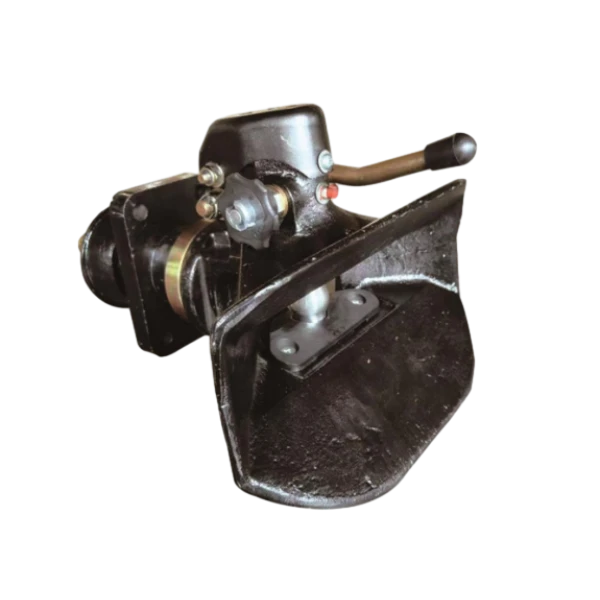 Trailer Coupling
The trailer coupling is a critical component in vehicle towing systems, designed to ensure a secure and efficient connection between a towing vehicle and a trailer. These couplings are manufactured using high-strength carbon steel, alloy steel, or stainless steel, ensuring durability and resistance to heavy loads and harsh environments.
-
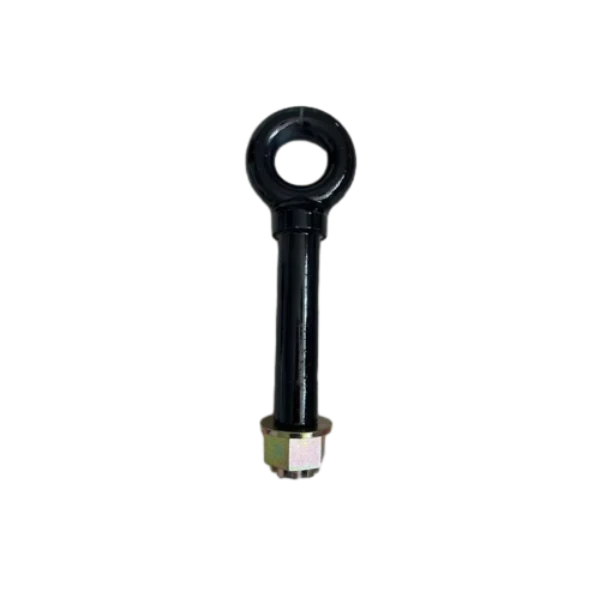
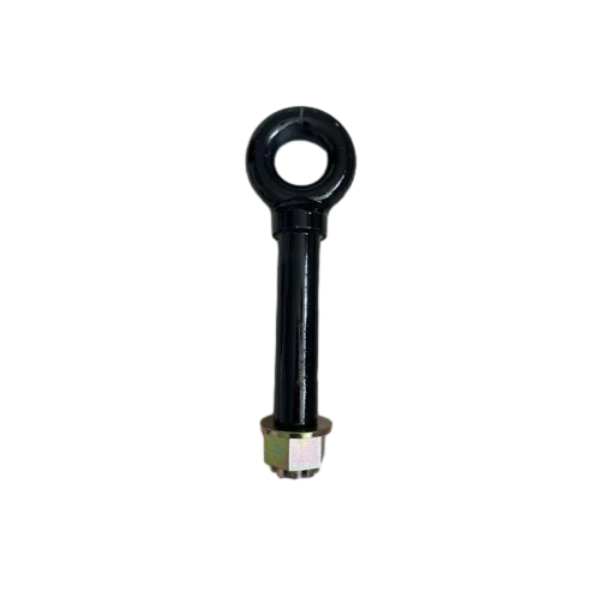 Drawbar Eyes
Drawbar eyes are essential components in towing and hauling applications, providing a strong and secure attachment point between the trailer and the towing vehicle. They are designed to endure extreme pulling forces, making them suitable for heavy-duty applications.
-
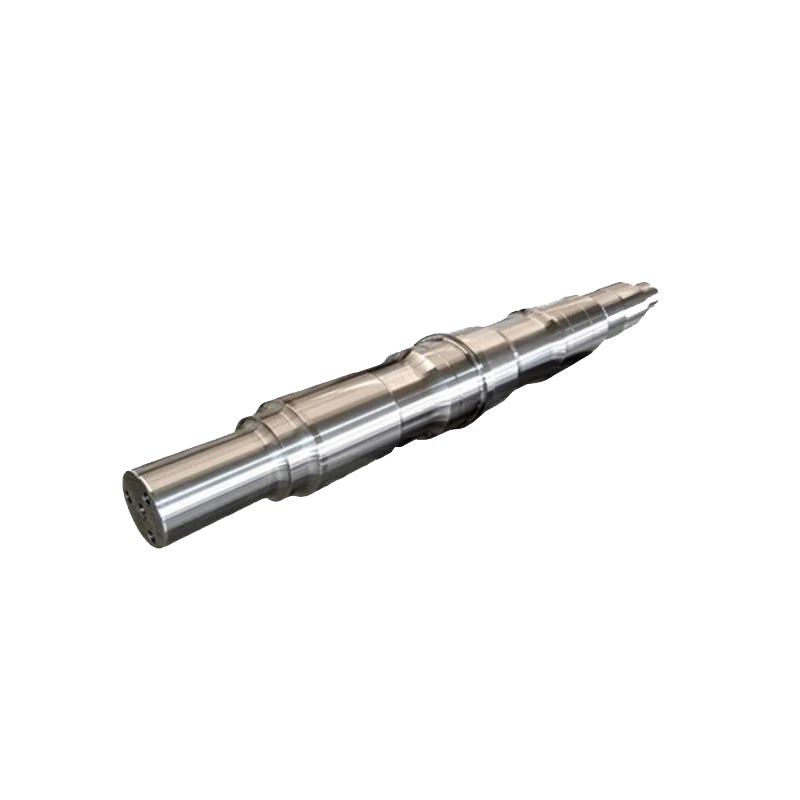
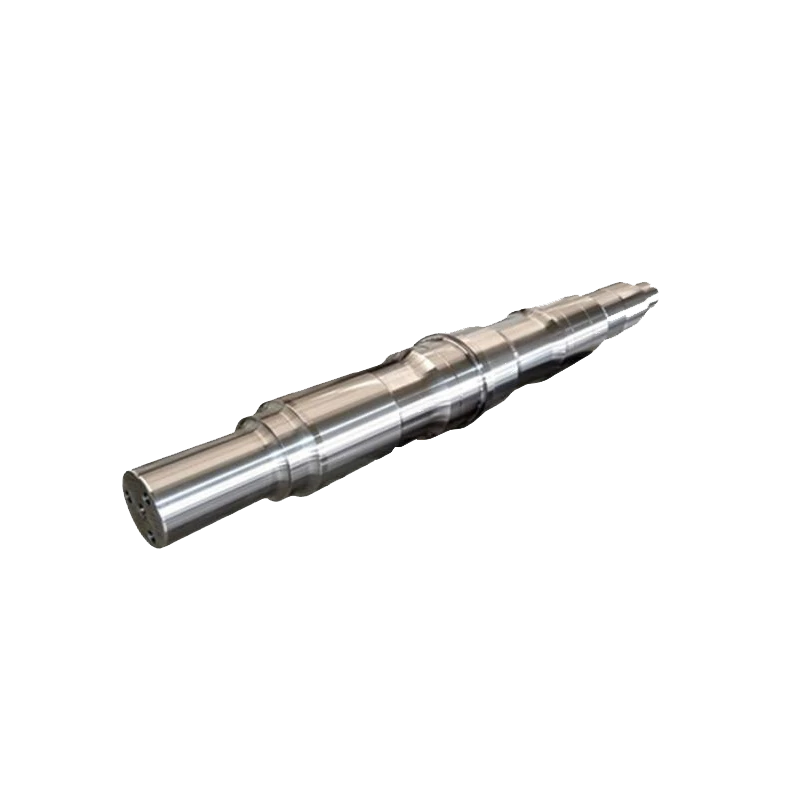 Axles
AxlesAxles are essential for vehicle load-bearing and power transmission, ensuring smooth movement and weight distribution. They must withstand high stress, torque, and impact, making material selection and precise manufacturing crucial.
-
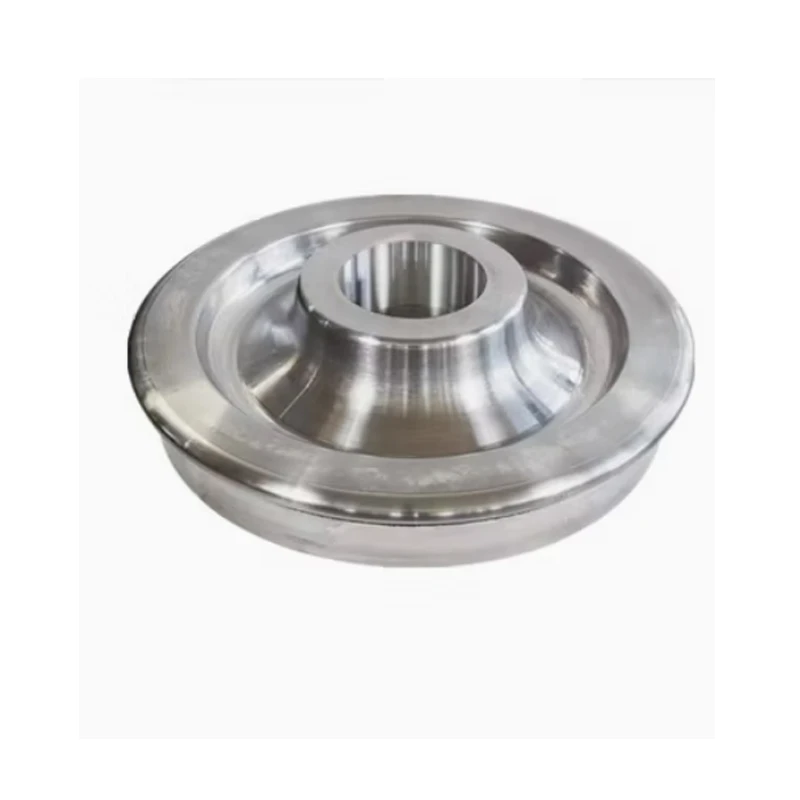 Profile S1002 Series Rail Wheels
The S1002 series rail wheels are designed for Rail-Road Vehicles (RRVs) that require seamless operation on both roads and railway tracks. Engineered with high precision and durability, these wheels conform to S1002 tread profiles, ensuring compatibility with standard railway systems.
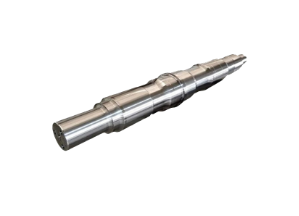
A Comprehensive Guide to Axles Types for Industry Decision Makers | Manufacturing Base
Axles Types is a key solution in the industry, specifically within heavy machinery and transportation sectors. This article explores how https://www.manufacturing-base.com supports professionals with durable, high-performance products
>
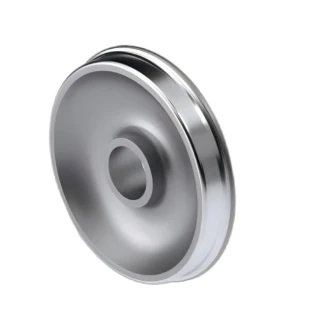
Reliable Rail Wheels: Optimize Your Rail Transport Solutions
For industries that rely on rail-based vehicles, choosing the right rail wheels is essential for smooth operations and safety.
>
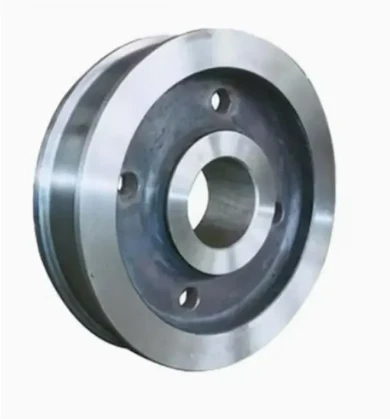
Premium Overhead Crane Wheels For Sale: Enhance Industrial Lifting Efficiency
In modern industrial operations, high-quality overhead crane wheels for sale are essential for safe, reliable, and efficient lifting.
>
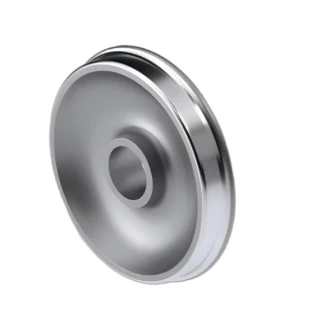
Premium Hi Rail Wheels For Sale: Boost Rail Vehicle Performance
In the modern industrial and railway sectors, having reliable hi rail wheels for sale is essential for operational efficiency and safety.
>
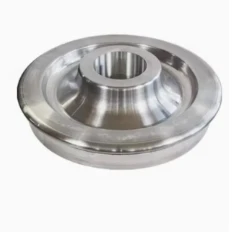
High-Quality Hi Rail Wheels For Sale: Enhance Your Rail Equipment Efficiency
When it comes to reliable rail maintenance and industrial operations, investing in hi rail wheels for sale is crucial.
>
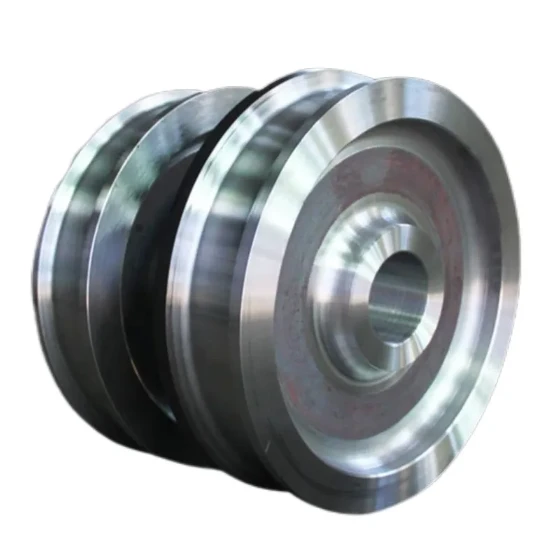
High-Quality Crane Wheels For Sale: Enhance Your Crane Operations
For industries relying on heavy lifting and material handling, investing in high-quality crane wheels for sale is crucial.
>
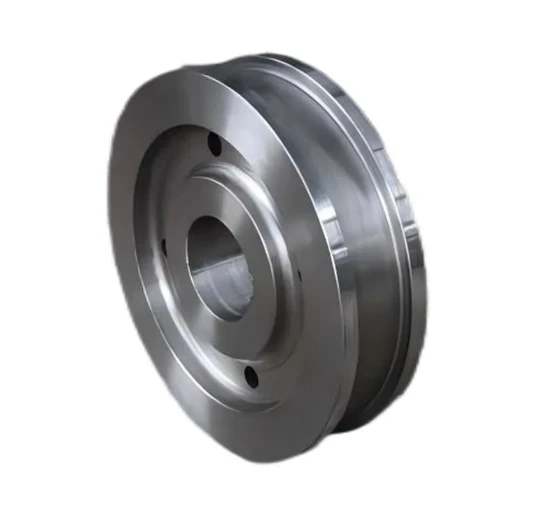
Durable Gantry Crane Wheels For Sale: Maximize Lifting Efficiency
For industries relying on heavy-duty lifting and material handling, selecting the right gantry crane wheels for sale is vital.
>
Reliable Tandem Drive Axles for Heavy-Duty Industrial Vehicles
Tandem Drive Axles: What I’ve Learned After Years in the Industrial Equipment Sector Ha
>
Reliable Semi Trailer Axles for Heavy-Duty Trailers | Expert Insight
Understanding semi trailer axles: The Backbone of Heavy Hauling Having spent more than a deca
>
RC Portal Axles: Industrial Strength and Custom Performance
RC Portal Axles: A Veteran’s Take on Industrial-Grade Performance Having spent over a d
>
Engineered for Excellence
Our forged solutions deliver reliability and performance, powering demanding industries to keep operations running smoothly.

Sign up
for Newsletter
Subscribe to the weekly newsletter for all the latest updates