- Tel: +86 311 82620404
- Cell: 86 -13739710551
- Email: sales@potentia.cn

Crane Track Wheels: Essential Components for Reliable and Efficient Crane Mobility
Understanding Crane Track Wheels: The Unsung Heroes of Heavy Lifting
In the vast world of industrial machinery, few components get as little fanfare as crane track wheels. Yet, these humble wheels play a pivotal role in the functioning of massive cranes that build skyscrapers, move heavy cargo, or facilitate disaster relief. Grasping what crane track wheels are, why they matter globally, and their benefits doesn’t just make for good industry knowledge — it touches on how modern society moves and builds itself. Frankly, without reliable crane track wheels, much of today's infrastructure and logistics would slow down or stumble.
Introduction: Why Crane Track Wheels Matter on a Global Scale
Global infrastructure projects are booming — the International Labor Organization estimates a significant growth in construction and manufacturing jobs worldwide by 2030. At the backbone of many of these projects are cranes that span vast distances on the ground, often transporting enormous loads with precision. Crane track wheels are critical enablers, allowing the cranes to move steadily and safely.
According to ISO standards on safety and engineering, the durability and quality of crane track wheels can make or break operational uptime. Poorly selected or maintained wheels can lead to accidents, costly downtime, or reduced load capacity. And in a world where infrastructure investment is tied closely to economic development and humanitarian aid, getting crane mobility right affects things beyond mere engineering — it affects lives.
Oddly enough, while much attention goes into crane booms or hooks, the wheels underneath are what ensure the whole system moves fluidly on a rail track foundation. And that’s a challenge — both in the sense of engineering precision and the extreme environments in which they operate globally.
Simply Put: What Are Crane Track Wheels?
If you imagine a giant crane rolling slowly on rails beside a large construction site or port, the crane track wheels are essentially the wheels the crane rides on. These wheels fit the rails, reduce friction, and carry incredible weight — often tens or hundreds of tons — ensuring the crane’s movement is smooth and safely controlled.
They are typically made from hardened, heat-treated steel or specialized alloys to resist wear and deformation, because the loads and repetitive motion take an unforgiving toll. You could say these wheels are one of the ‘unsung gears’ behind modern industry, enabling everything from shipping container unloading to precise assembly in huge factories. They are also crucial in emergency settings, such as deploying cranes in disaster areas for rapid rebuilding.
Key Factors to Consider About Crane Track Wheels
Durability and Material Composition
The longevity of crane track wheels hinges on materials engineered for resilience. High-carbon steel or manganese steel variants are common, often heat-treated to resist cracking. This matters because replacing worn or damaged wheels involves costly crane downtime.
Load-Bearing Capacity
These wheels bear sometimes hundreds of tons per unit, depending on the crane size. Engineers must match wheel size and hardness to crane weight and expected dynamic loads to prevent premature failure.
Precision and Track Compatibility
Cranes operate on specific rail profiles, usually following strict gauge and flange dimensions. Wheels must be machined precisely to match this track to avoid derailment and excessive wear.
Maintenance and Monitoring
Given the critical safety aspect, many modern wheels come equipped with sensors or are compatible with condition monitoring systems to track wear, friction, or temperature changes — a glimpse into digital transformation in heavy equipment.
Cost Efficiency and Lifecycle
Sometimes, investing upfront in quality wheels reduces overall crane lifecycle costs significantly. Cheaper, low-quality wheels might save money now but can increase downtime and accident risk later.
Where Do We See Crane Track Wheels in Action?
You find them both in sprawling industrial hubs and in the dusty edges of remote construction fields. In maritime ports of Shanghai, Rotterdam, and Long Beach, massive gantry cranes cruise back and forth, unloading container ships thanks to robust crane track wheels. In post-disaster relief operations, such as after the 2015 Nepal earthquake, cranes equipped with durable track wheels helped clear debris and install temporary shelters, speeding recovery drastically.
Industries like manufacturing, mining, and even renewable energy — think wind turbine assembly yards — all rely on crane mobility that these wheels enable. Their role in humanitarian aid and infrastructure resilience makes them more than mere mechanical parts; they are facilitators of progress across continents.
Mini Takeaway:
Crane track wheels, while small in the grand picture, are foundational to both economic development and critical global responses, underpinning crucial heavy-lifting activities wherever they're used.
Advantages and Long-Term Value of Crane Track Wheels
- Cost Savings: Investing in high-quality track wheels results in reduced maintenance and increased crane availability.
- Safety: Reduced risk of derailment or mechanical faults promotes workplace safety and operational trust.
- Sustainability: Longer-lasting wheels reduce raw material consumption and waste.
- Social Impact: Enhanced crane reliability supports infrastructure development and humanitarian projects with greater speed and dignity.
Many engineers say that well-chosen crane track wheels are like an insurance policy — you don't always notice them, but you definitely feel the impact if they're lacking. The feeling of knowing your crane can roll smoothly across the site, under heavy load and harsh conditions, brings a quiet confidence that’s hard to quantify.
Crane Track Wheels: Specification Table
| Specification | Typical Range | Notes |
|---|---|---|
| Wheel Diameter | 200 - 600 mm | Depends on crane size and track gauge |
| Material | Heat-treated steel alloys | Ensures wear resistance |
| Load Capacity | 50 - 150+ tons per wheel | Varies by design and usage |
| Bearing Type | Sealed roller or ball bearings | Reduces friction and maintenance |
| Service Life | Up to 5-8 years under normal use | Dependent on maintenance & conditions |
How Do the Leading Vendors Stack Up?
| Vendor | Material Quality | Customization | Global Reach | Price Range |
|---|---|---|---|---|
| SteelTrack Inc. | High-grade manganese steel | Full customization | Global (Asia, Europe, Americas) | $$$ |
| RailRoll Solutions | Heat-treated carbon steel | Standard models + minor mods | Mostly Americas, expanding Asia | $$ |
| CraneWheelsCo | Specialized steel alloys | Custom builds, sensors optional | Europe, Middle East | $$$ |
What's New? Future Trends in Crane Track Wheels
We’re on the cusp of a few tech leaps here. Green manufacturing processes are reducing the environmental impact of steel production used for crane track wheels. Sensors embedded directly into wheels enable real-time health monitoring — a game changer for maintenance teams who can predict failures before they happen.
Also, lighter but equally sturdy composite materials are under research, aiming to reduce crane overall weight while maintaining durability. Digital twin technology is being used to simulate track wheel wear and extend service life. Oh, and automation’s role is growing, with remote-controlled cranes demanding even more precise track-wheel engagement.
Overcoming the Challenges
Of course, crane track wheels aren’t perfect or effortless. Harsh environments like salty marine ports or dusty mines cause corrosion and accelerated wear. Some wheels degrade faster than expected, and replacement logistics can be slow.
Innovations like anti-corrosive coatings, modular wheel design for quick swaps, and improved predictive maintenance software help engineers overcome these limitations. Plus, choosing the right supplier for quality and support often makes all the difference.
FAQ: Frequently Asked Questions About Crane Track Wheels
- Q1: How often should crane track wheels be inspected?
- A: Industry best practice recommends inspections every 3-6 months depending on usage intensity, environmental conditions, and manufacturer guidelines. Regular checks prevent costly failures and ensure safe operation.
- Q2: Can crane track wheels be customized for unusual rail sizes?
- A: Yes, many manufacturers offer customization to fit non-standard rail gauges or unique crane designs. Early consultation with suppliers ensures proper fit and performance.
- Q3: What materials are best for corrosion resistance?
- A: Alloy steels with anti-corrosive coatings or stainless steels are preferred in harsh environments. Maintenance and environmental controls also play key roles.
- Q4: Are sensor-equipped wheels expensive?
- A: While initial costs are higher, sensor integration can reduce downtime and maintenance costs over time, offering good return on investment.
Wrapping Up: Why Crane Track Wheels Deserve More Attention
So, the next time you watch a massive crane lift and move heavy loads with remarkable finesse, spare a thought for the crane track wheels that make that ballet possible. They might be out of sight, but their reliability and innovation ripple across industries, economies, and even communities.
For manufacturers, engineers, and project managers looking to optimize crane operations, investing in top-tier crane track wheels is a no-brainer. Explore options, stay updated on new materials or tech, and keep those wheels well-maintained — your projects will thank you.
Curious to learn more or browse quality products? Visit our website for detailed specs, vendor options, and expert advice.
Mini Takeaway:
Crane track wheels are quiet champions of heavy industry — robust, evolving, and crucial to global progress.
References:
-
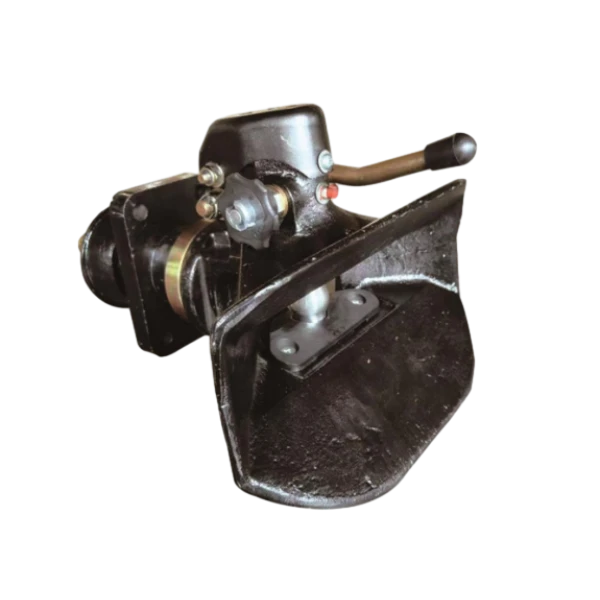 Trailer Coupling
The trailer coupling is a critical component in vehicle towing systems, designed to ensure a secure and efficient connection between a towing vehicle and a trailer. These couplings are manufactured using high-strength carbon steel, alloy steel, or stainless steel, ensuring durability and resistance to heavy loads and harsh environments.
-
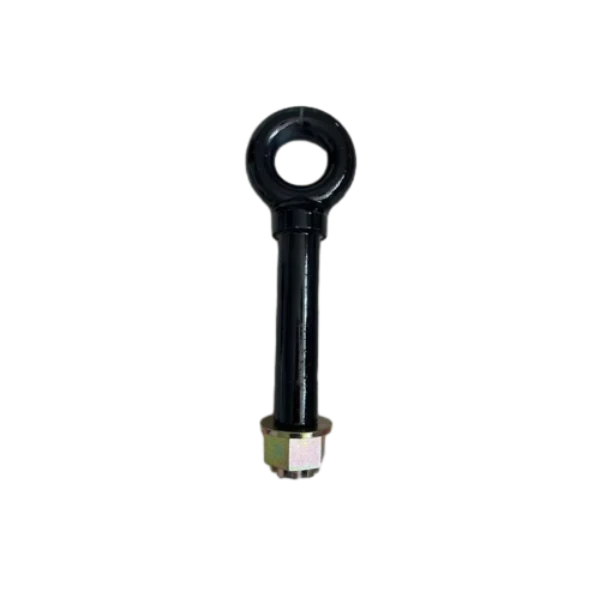
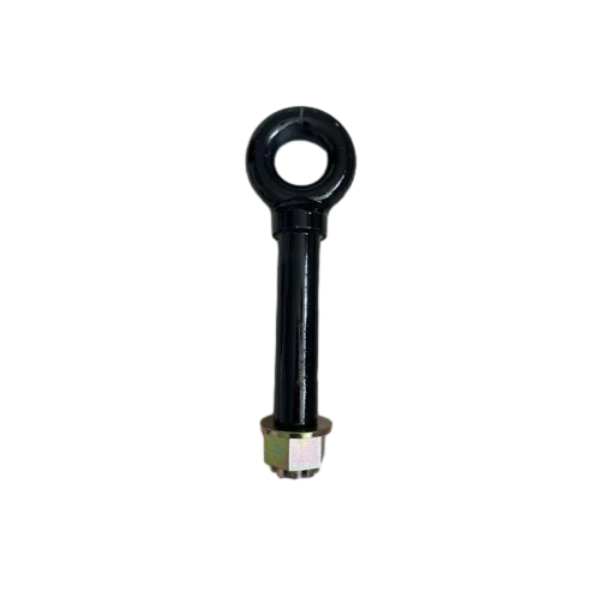 Drawbar Eyes
Drawbar eyes are essential components in towing and hauling applications, providing a strong and secure attachment point between the trailer and the towing vehicle. They are designed to endure extreme pulling forces, making them suitable for heavy-duty applications.
-
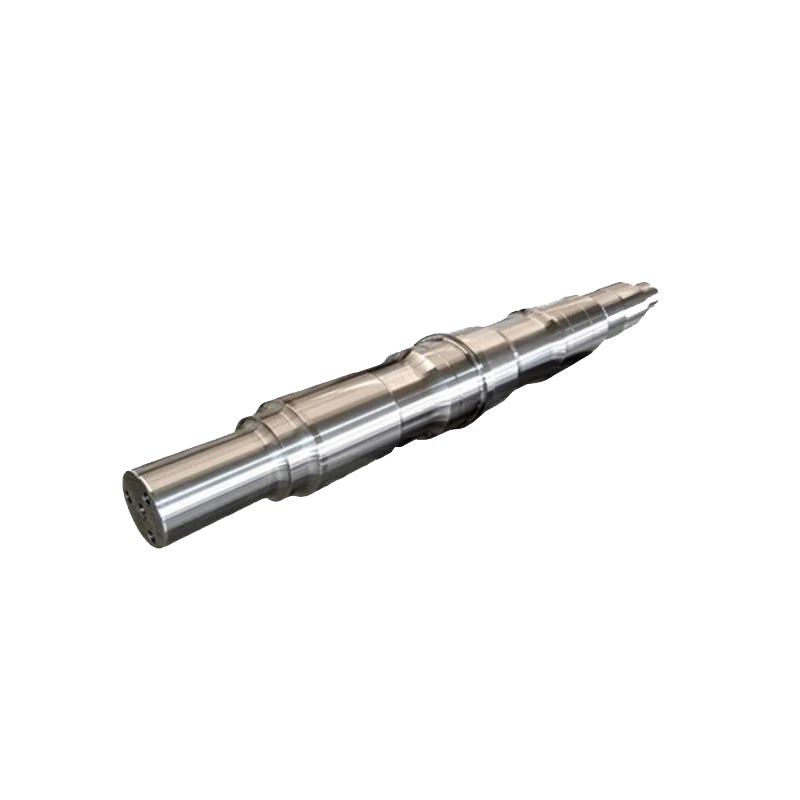
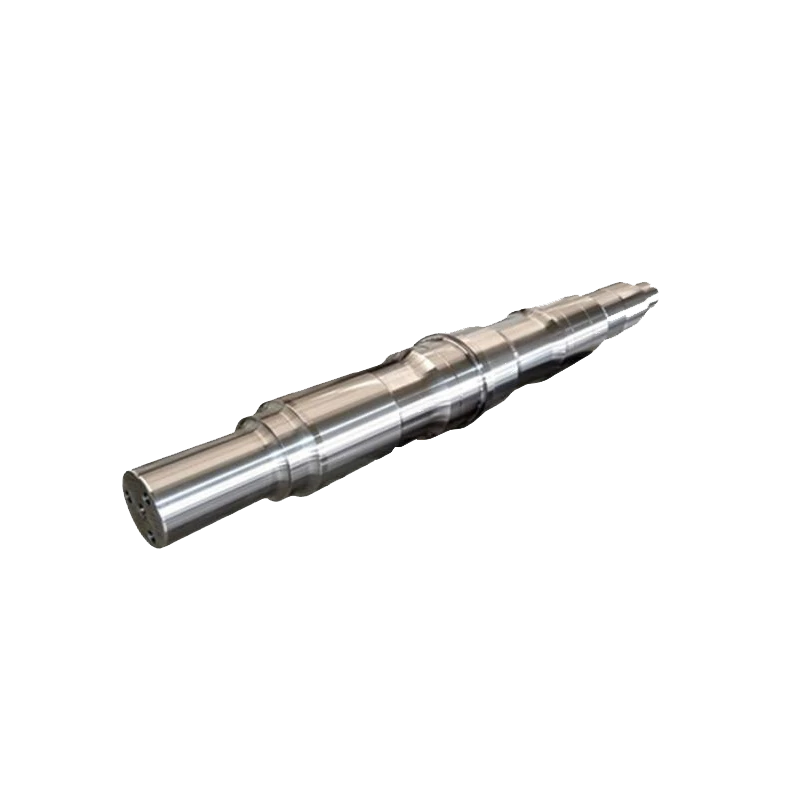 Axles
AxlesAxles are essential for vehicle load-bearing and power transmission, ensuring smooth movement and weight distribution. They must withstand high stress, torque, and impact, making material selection and precise manufacturing crucial.
-
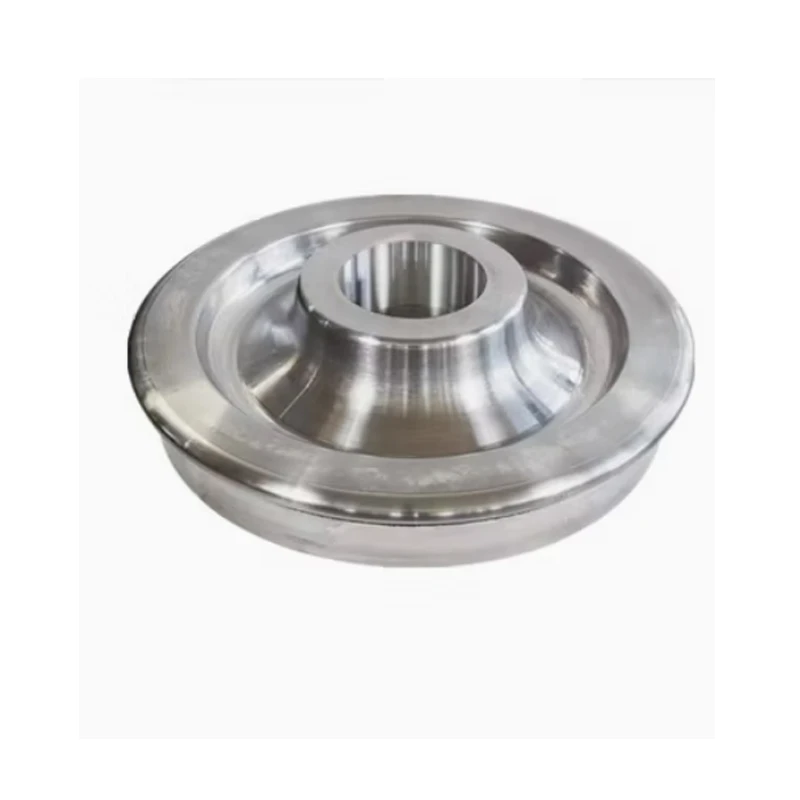 Profile S1002 Series Rail Wheels
The S1002 series rail wheels are designed for Rail-Road Vehicles (RRVs) that require seamless operation on both roads and railway tracks. Engineered with high precision and durability, these wheels conform to S1002 tread profiles, ensuring compatibility with standard railway systems.
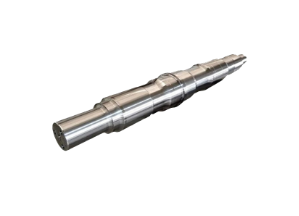
A Comprehensive Guide to Axles Types for Industry Decision Makers | Manufacturing Base
Axles Types is a key solution in the industry, specifically within heavy machinery and transportation sectors. This article explores how https://www.manufacturing-base.com supports professionals with durable, high-performance products
>
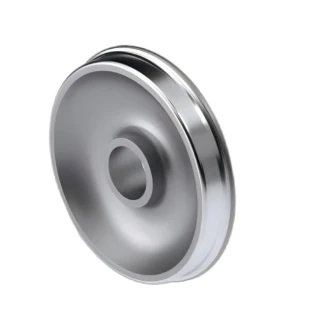
Reliable Rail Wheels: Optimize Your Rail Transport Solutions
For industries that rely on rail-based vehicles, choosing the right rail wheels is essential for smooth operations and safety.
>
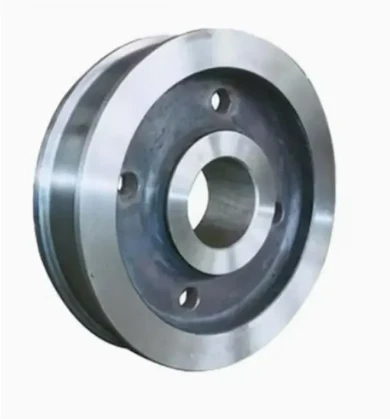
Premium Overhead Crane Wheels For Sale: Enhance Industrial Lifting Efficiency
In modern industrial operations, high-quality overhead crane wheels for sale are essential for safe, reliable, and efficient lifting.
>
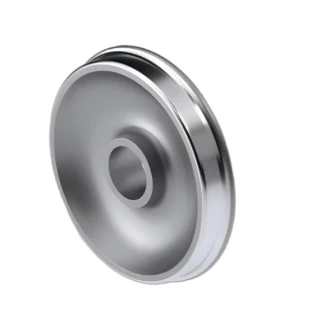
Premium Hi Rail Wheels For Sale: Boost Rail Vehicle Performance
In the modern industrial and railway sectors, having reliable hi rail wheels for sale is essential for operational efficiency and safety.
>
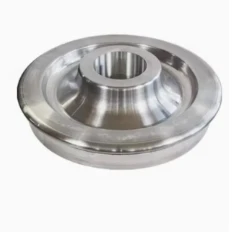
High-Quality Hi Rail Wheels For Sale: Enhance Your Rail Equipment Efficiency
When it comes to reliable rail maintenance and industrial operations, investing in hi rail wheels for sale is crucial.
>
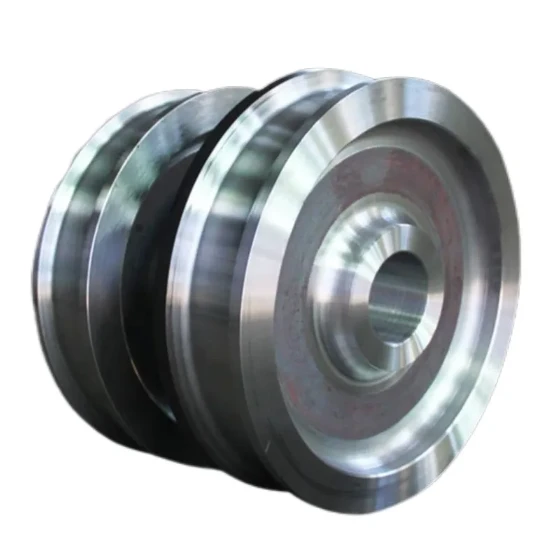
High-Quality Crane Wheels For Sale: Enhance Your Crane Operations
For industries relying on heavy lifting and material handling, investing in high-quality crane wheels for sale is crucial.
>
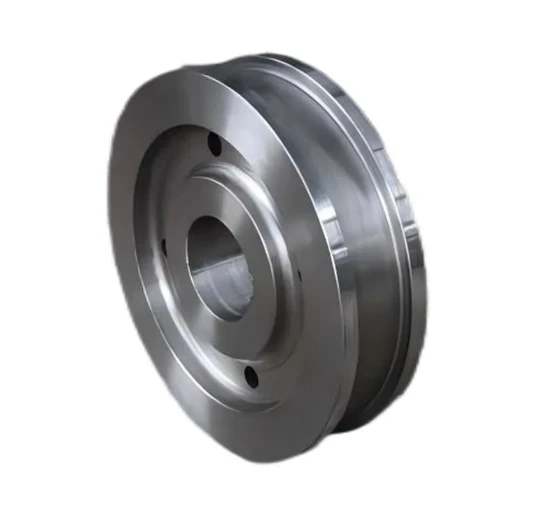
Durable Gantry Crane Wheels For Sale: Maximize Lifting Efficiency
For industries relying on heavy-duty lifting and material handling, selecting the right gantry crane wheels for sale is vital.
>
Reliable Tandem Drive Axles for Heavy-Duty Industrial Vehicles
Tandem Drive Axles: What I’ve Learned After Years in the Industrial Equipment Sector Ha
>
Reliable Semi Trailer Axles for Heavy-Duty Trailers | Expert Insight
Understanding semi trailer axles: The Backbone of Heavy Hauling Having spent more than a deca
>
RC Portal Axles: Industrial Strength and Custom Performance
RC Portal Axles: A Veteran’s Take on Industrial-Grade Performance Having spent over a d
>
Engineered for Excellence
Our forged solutions deliver reliability and performance, powering demanding industries to keep operations running smoothly.

Sign up
for Newsletter
Subscribe to the weekly newsletter for all the latest updates