- Tel: +86 311 82620404
- Cell: 86 -13739710551
- Email: sales@potentia.cn

Crane Pulley Wheel Guide – Specifications, Uses, and Future Trends
Crane Pulley Wheel: The Unsung Hero of Heavy Lifting
If you've ever seen those massive cranes at a construction site, you might have admired the towering arm or the cables hanging down, but rarely do we stop to think about the humble crane pulley wheel. These circular components may seem simple, but in reality, they are the nerve center of heavy lifting operations around the world. Whether it’s erecting skyscrapers, loading cargo ships, or deploying relief supplies after natural disasters, understanding crane pulley wheels can unlock insights into the backbone of modern industry and humanitarian logistics.
Globally, the crane and lifting equipment industry accounts for billions in revenue and supports tens of millions of jobs. As infrastructure demands expand, so does the need for reliable pulley systems that ensure safety and efficiency. The right crane pulley wheel doesn’t just keep things moving—it keeps lives safe and projects on track.
Mini takeaway: The crane pulley wheel might look simple, but it's crucial in heavy lifting, shaping global infrastructure and disaster response alike.
Why Crane Pulley Wheels Matter to the World Today
Think about the global construction market — it's buzzing, expected to reach almost $15 trillion by 2030 according to the Global Infrastructure Hub. Within this sprawling network, cranes are a common sight worldwide, and at their heart are pulley wheels of various sizes and designs.
Now, here's where it gets interesting. The UN Habitat estimates that by 2050, nearly 70% of the world’s population will live in urban settings, pushing the need for more vertical construction and complex lifting solutions. But with bigger projects come tougher challenges: longer lift distances, heavier loads, and higher safety stakes. Enter the crane pulley wheel, which is designed to meet these challenges by balancing strength, durability, and precision.
In short, without advances in pulley technology, many modern mega projects would stall—or worse, become safety hazards. So, understanding the ins and outs of these components isn't just academic; it’s a practical necessity for engineers, manufacturers, and even policymakers.
Mini takeaway: Urban growth and industrial scale-ups drive demand for stronger and smarter crane pulley wheels worldwide.
What Exactly Is a Crane Pulley Wheel?
At its core, a crane pulley wheel is a grooved wheel designed to guide and support crane cables or ropes, allowing for controlled lifting and lowering of heavy loads. It’s often made from steel, alloy, or composite materials that balance wear resistance with weight.
Imagine the pulley wheel as a crucial teammate in the orchestra of machinery. It reduces friction, amplifies mechanical advantage, and helps convert motor power into smooth, reliable movement. Without it, the tired steel cables would snap or overheat under stresses, and safety would decline dramatically.
Beyond traditional construction, these pulley wheels have found roles in humanitarian contexts—like in post-earthquake relief when temporary cranes set up shelters or move supplies in hazardous terrain. Their robust design ensures they can withstand harsh conditions and keep critical operations moving.
Mini takeaway: The crane pulley wheel is a durable, grooved component essential for lifting heavy loads with safer, smoother motion.
Key Factors in Crane Pulley Wheel Design
Durability and Materials
Many engineers I’ve talked to swear by alloy steel as a go-to choice for pulley wheels, thanks to its strength and resistance to corrosion. Others prefer polyurethane-coated wheels for quieter operation and reduced wear on ropes.
Load Capacity
The weight rating or load capacity is paramount—it determines the maximum force the pulley can safely handle. Choosing the wrong size often leads to premature failure or dangerous accidents.
Friction and Efficiency
Friction is the enemy when it comes to lifting. High-quality bearings and precision machining reduce wear and make the entire lifting process more energy-efficient. That means less strain on motors and smoother control overall.
Scalability and Customization
Depending on the lift’s complexity, some projects require custom pulley wheels. For example, large diameter pulleys help reduce cable bending stress, extending cable life—a small detail with big ROI.
Cost vs. Longevity
Of course, budget constraints exist. Manufacturers have to balance upfront costs with lifecycle expenses. Sometimes paying more for a tougher pulley pays off by reducing downtime and repair bills.
Mini takeaway: Factors like materials, load rating, friction control, and customization all shape the pulley wheel’s real-world performance.
Worldwide Applications of Crane Pulley Wheels
Crane pulley wheels are everywhere—from the towering skyscrapers in Asia’s megacities to the cargo ports of Europe and the remote mining sites in Africa. Some specific cases worth noting:
- Post-Disaster Relief: In 2010, after the Haitian earthquake, portable cranes equipped with heavy-duty pulley wheels were key to quickly installing temporary shelters and moving relief supplies through difficult terrain.
- Industrial Zones: In Brazil’s expanding mining sector, custom pulley wheels help remote sites lift heavy ore safely, preventing costly delays in production schedules.
- Port Operations: Major shipping hubs in Rotterdam and Singapore rely on high-precision pulley wheels for their container cranes, moving millions of TEUs annually with remarkable efficiency.
You can find them also in wind turbine installations, where pulley wheels handle long lifts at height, requiring both toughness and precision under tricky environmental conditions.
Mini takeaway: From disaster zones to global ports, crane pulley wheels keep heavy lifting safe and efficient worldwide.
Advantages & Long-Term Value of Crane Pulley Wheels
What sets great crane pulley wheels apart? First, there’s safety. Robust, well-made pulleys reduce accidents—a huge factor because every incident affects trust, costs, and worker morale.
Economically, investing in top-notch pulleys means equipment lasts longer and requires less maintenance. That’s an easy win for sustainability-minded companies trying to reduce waste.
On a social level, reliable crane operations build trust within communities, whether they’re witnessing rapid urban expansion or emergency aid delivery. It’s a subtle but important human factor often underestimated.
Mini takeaway: Investing in quality pulley wheels yields safer, more sustainable, and socially responsible operations in heavy industries.
Future Trends & Innovations in Crane Pulley Wheels
The future looks exciting. There’s a push towards lighter, stronger composites like carbon fiber alloys, which could drastically reduce pulley weight without compromising strength.
Also, digitalization is creeping in. Imagine pulley wheels equipped with sensors that monitor wear and load in real time—enabling predictive maintenance and avoiding breakdowns before they happen.
Green energy considerations are leading manufacturers to optimize pulley efficiency, lowering the power consumption of cranes and supporting broader sustainability goals.
Mini takeaway: Expect smarter, lighter, and greener pulley wheels soon, marrying materials science with digital innovation.
Common Challenges and How to Overcome Them
One big issue remains: wear and tear. Even the toughest pulleys eventually degrade, especially in harsh environments. Some operators struggle with choosing the right replacement intervals, often based on rough estimates rather than data.
Innovative solutions involve condition-monitoring systems—using IoT sensors to track pulley health. I noticed these tech upgrades are rapidly becoming standard in top-tier crane fleets.
Also, supply chain delays create problems for custom pulleys. Some vendors now offer modular designs for faster delivery without sacrificing specifications.
Mini takeaway: Monitoring tech and modular design are key remedies for wear-related and supply chain hurdles.
Frequently Asked Questions About Crane Pulley Wheels
- What factors should I consider when choosing a crane pulley wheel?
- Look at load capacity, material durability, the environment it will operate in (corrosive, dusty, etc.), and compatibility with your existing cable system. Also consider maintenance ease.
- How often should crane pulley wheels be inspected or replaced?
- Regular inspections every 3 to 6 months are common, but the replacement depends on usage intensity and wear patterns. Condition monitoring can help optimize schedules.
- Can crane pulley wheels be customized for unique applications?
- Yes, many manufacturers offer custom diameters, groove profiles, and material finishes tailored to niche needs, especially in mining and offshore installations.
- Are there environmentally friendly options for crane pulley wheels?
- Emerging eco-friendly pulleys use recycled materials or bio-based coatings, and designs that reduce friction, thereby cutting energy use during operations.
- How do I ensure crane pulley wheels comply with safety standards?
- Choose products certified by ISO and industry bodies like OSHA. Vendors who provide detailed testing and quality reports usually meet these requirements.
Product Specification Table
| Specification | Typical Range / Value | Notes |
|---|---|---|
| Diameter | 300 - 1200 mm | Depends on crane size |
| Material | Alloy Steel, Polyurethane Coated | Common materials used |
| Load Capacity | 5 to 50 tons | Rated for specific lifting tasks |
| Bearing Type | Sealed Ball Bearings | Reduces maintenance |
| Surface Finish | Polished or Coated | Reduces friction and wear |
Vendor Comparison Table
| Vendor | Material Options | Customization | Delivery Time | Certifications |
|---|---|---|---|---|
| Global Crane Inc. | Steel, Polyurethane | Full Customization | 4-6 weeks | ISO 9001, OSHA |
| LiftTech Solutions | Alloy Steel | Limited | 2-3 weeks | ISO 14001 |
| HeavyDuty Components | Alloy Steel, Composites | Custom Grooves & Sizes | 6-8 weeks | ISO 9001, CE |
In Conclusion: Why the Crane Pulley Wheel Deserves More Attention
At the end of the day, the crane pulley wheel might not make the headlines, but it quietly supports some of the most ambitious projects on Earth. Its design blends physics, materials science, and practical engineering into one relatively small but vital piece of hardware. From global construction booms to delicate relief work after disasters, the value it adds can't be overstated.
Looking ahead, as cranes get smarter and sustainability demands grow, the humble pulley wheel will evolve in ways we haven’t even imagined yet. So next time you see a crane, pause a moment, and think about the pulley wheels spinning underneath all that weight—keeping the world moving.
Want to learn more about the latest in crane pulley wheels and related heavy lifting components? Visit our website: crane pulley wheel to explore products, resources, and expert advice.
References:
1. United Nations Habitat Report (2018) – Urbanization Trends
2. Global Infrastructure Hub – Construction Market Forecasts
3. ISO Standards for Lifting Equipment – ISO 23813:2011
-
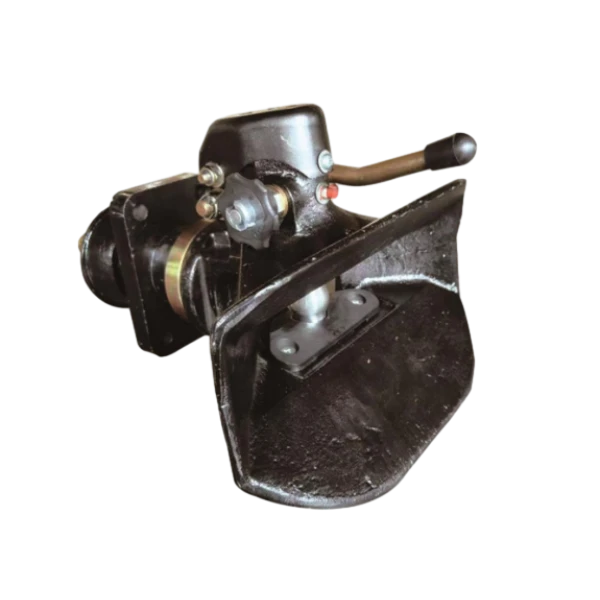 Trailer Coupling
The trailer coupling is a critical component in vehicle towing systems, designed to ensure a secure and efficient connection between a towing vehicle and a trailer. These couplings are manufactured using high-strength carbon steel, alloy steel, or stainless steel, ensuring durability and resistance to heavy loads and harsh environments.
-
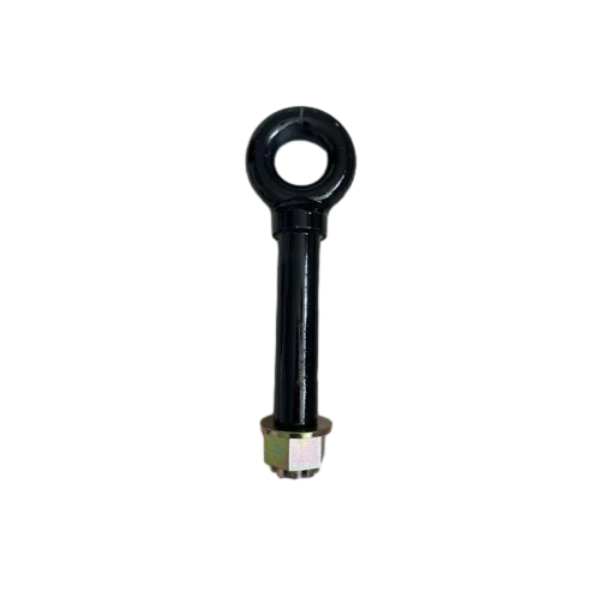 Drawbar Eyes
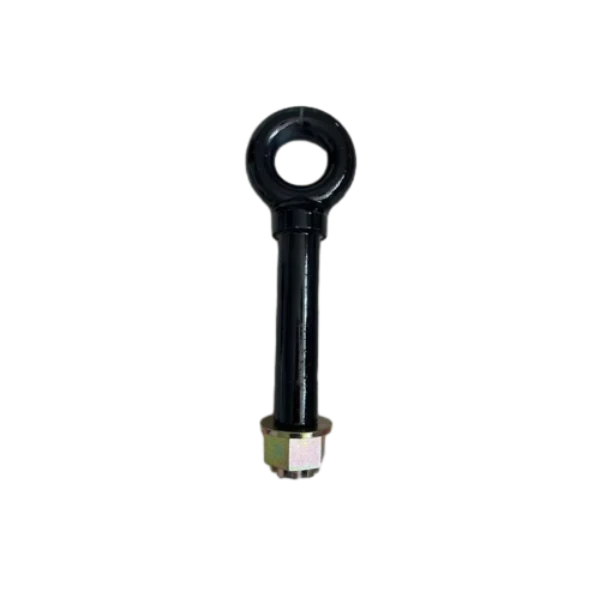
Drawbar eyes are essential components in towing and hauling applications, providing a strong and secure attachment point between the trailer and the towing vehicle. They are designed to endure extreme pulling forces, making them suitable for heavy-duty applications.
-
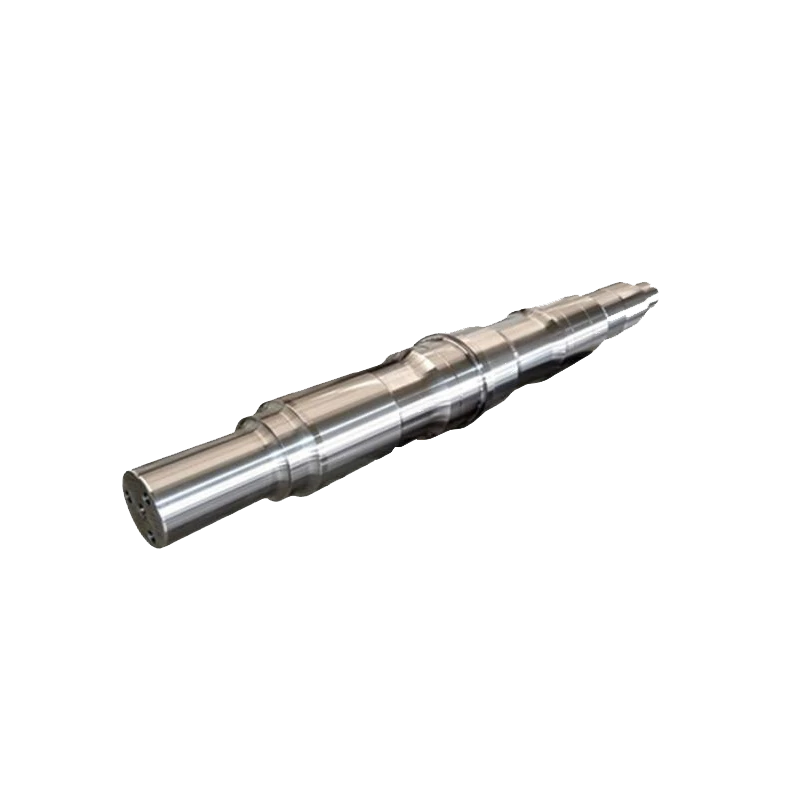 Axles
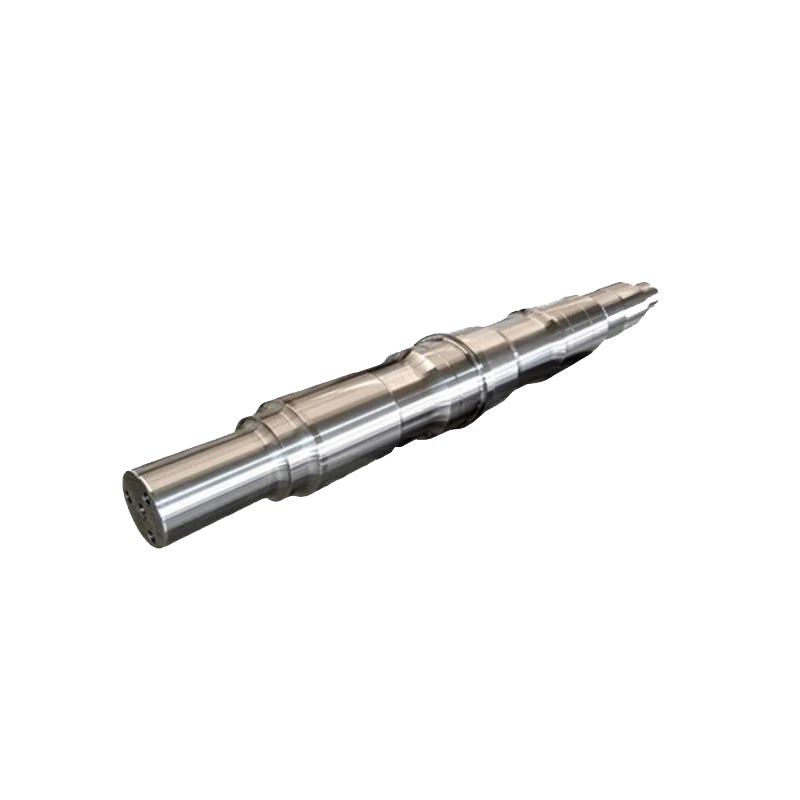
AxlesAxles are essential for vehicle load-bearing and power transmission, ensuring smooth movement and weight distribution. They must withstand high stress, torque, and impact, making material selection and precise manufacturing crucial.
-
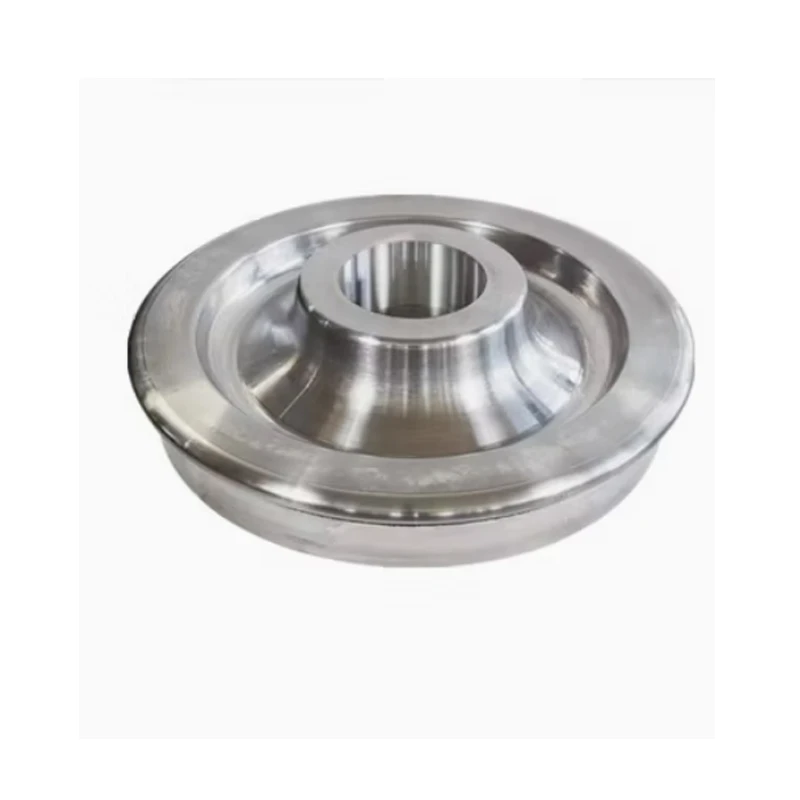 Profile S1002 Series Rail Wheels
The S1002 series rail wheels are designed for Rail-Road Vehicles (RRVs) that require seamless operation on both roads and railway tracks. Engineered with high precision and durability, these wheels conform to S1002 tread profiles, ensuring compatibility with standard railway systems.
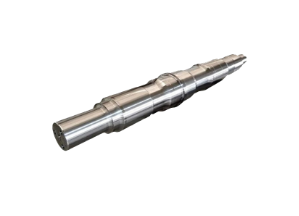
A Comprehensive Guide to Axles Types for Industry Decision Makers | Manufacturing Base
Axles Types is a key solution in the industry, specifically within heavy machinery and transportation sectors. This article explores how https://www.manufacturing-base.com supports professionals with durable, high-performance products
>
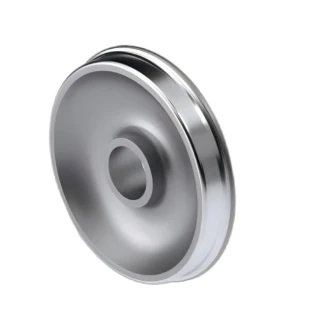
Reliable Rail Wheels: Optimize Your Rail Transport Solutions
For industries that rely on rail-based vehicles, choosing the right rail wheels is essential for smooth operations and safety.
>
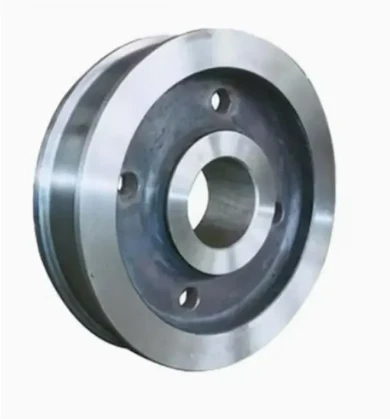
Premium Overhead Crane Wheels For Sale: Enhance Industrial Lifting Efficiency
In modern industrial operations, high-quality overhead crane wheels for sale are essential for safe, reliable, and efficient lifting.
>
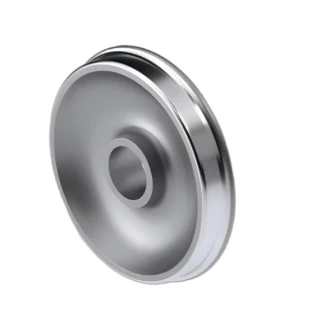
Premium Hi Rail Wheels For Sale: Boost Rail Vehicle Performance
In the modern industrial and railway sectors, having reliable hi rail wheels for sale is essential for operational efficiency and safety.
>
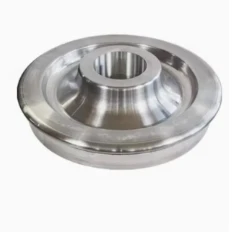
High-Quality Hi Rail Wheels For Sale: Enhance Your Rail Equipment Efficiency
When it comes to reliable rail maintenance and industrial operations, investing in hi rail wheels for sale is crucial.
>
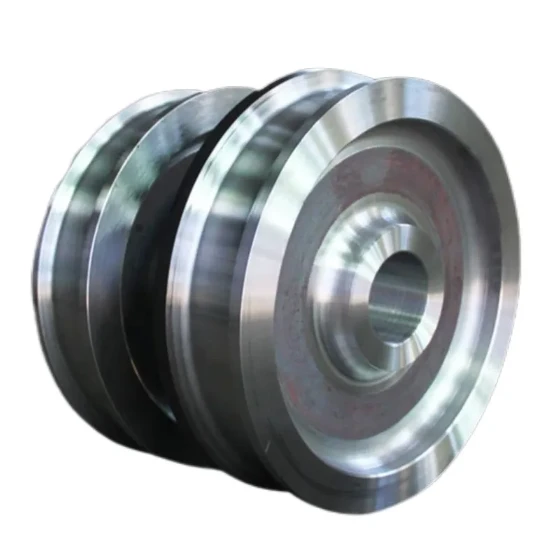
High-Quality Crane Wheels For Sale: Enhance Your Crane Operations
For industries relying on heavy lifting and material handling, investing in high-quality crane wheels for sale is crucial.
>
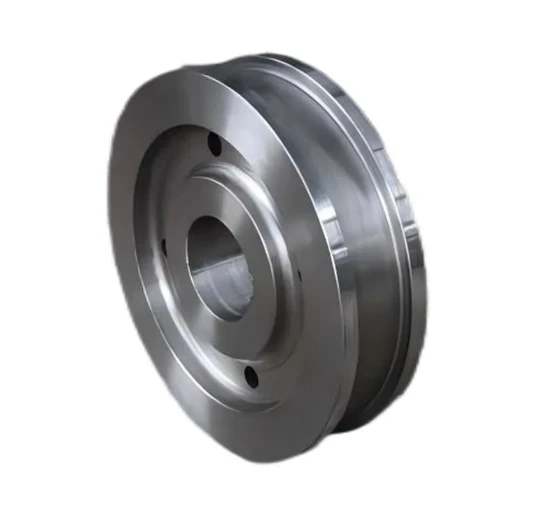
Durable Gantry Crane Wheels For Sale: Maximize Lifting Efficiency
For industries relying on heavy-duty lifting and material handling, selecting the right gantry crane wheels for sale is vital.
>
Reliable Tandem Drive Axles for Heavy-Duty Industrial Vehicles
Tandem Drive Axles: What I’ve Learned After Years in the Industrial Equipment Sector Ha
>
Reliable Semi Trailer Axles for Heavy-Duty Trailers | Expert Insight
Understanding semi trailer axles: The Backbone of Heavy Hauling Having spent more than a deca
>
RC Portal Axles: Industrial Strength and Custom Performance
RC Portal Axles: A Veteran’s Take on Industrial-Grade Performance Having spent over a d
>
Engineered for Excellence
Our forged solutions deliver reliability and performance, powering demanding industries to keep operations running smoothly.

Sign up
for Newsletter
Subscribe to the weekly newsletter for all the latest updates