- Tel: +86 311 82620404
- Cell: 86 -13739710551
- Email: sales@potentia.cn

Agricultural Axles and Wheels – Durable Farming Solutions for Global Agriculture
Understanding Agricultural Axles and Wheels: The Backbone of Global Farming Machinery
At first glance, agricultural axles and wheels might seem like just basic components of farming machinery. Yet, their role in enhancing agricultural productivity, improving mobility in rural landscapes, and supporting sustainability efforts cannot be overstated. Worldwide, these parts are critical for everything from plowing large fields to transporting goods efficiently. Whether you’re in a mechanized grain farm in the US Midwest or cultivating terraces in Southeast Asia, the right axles and wheels can spell the difference between a smooth harvest and prolonged downtime.
Given the soaring demands in global food production — with the UN Food and Agriculture Organization projecting a 50% increase in output needed by 2050 — understanding these components' technicalities is surprisingly powerful. It affects not just economics but also food security and environmental footprints.
Why Agricultural Axles and Wheels Matter Globally
It feels almost obvious, but agriculture is one of the largest employers globally, supporting billions of livelihoods, especially in developing regions. According to the World Bank, about 27% of the world's working population relies on agriculture, often in areas where infrastructure is ... let's be frank, less than ideal.
Machines with durable, efficient agricultural axles and wheels are pivotal for operating in these challenging environments. They reduce soil compaction, enhance fuel efficiency, and allow for better logistics between farm and market. Yet, challenges like rough terrain, moisture, and load variability keep pushing the need for more innovative designs.
Defining Agricultural Axles and Wheels
Put simply, agricultural axles are the shafts connecting wheels to farming machinery, transmitting power and supporting load. The wheels are, well, the round components that roll over soil — but in agriculture, they’re anything but mundane:
- Typically larger and more robust than industrial wheels to handle tough terrain.
- Designed with materials and tread patterns to minimize soil damage and maximize grip.
Together, they ensure tractors, sprayers, harvesters, and trailers move smoothly, safely, and efficiently across fields and rural roads. From large commercial farms to humanitarian aid operations delivering seeds and tools to remote areas, these parts form a critical link.
Core Components and What Makes Them Tick
Durability and Material Strength
Many engineers say that the choice of materials for axles and wheels can make or break their usability. Most are forged from hardened steel or specialized composites to resist wear and bending under excessive loads—because fields aren’t exactly gentle places.
Load-bearing Capacity
Axles must support heavy loads, from packed trailers to huge equipment. The design often varies between static axles (non-driven, carrying only the weight) and drive axles that also transmit torque.
Terrain Adaptability
The tread design and wheel shape play vital roles. For muddy, loose soil, wheels with deeper treads or even tracks perform better. Agricultural wheels often sacrifice a bit of speed for traction—an interesting trade-off that impacts fuel efficiency.
Maintenance and Longevity
In remote areas, simplicity counts. Components that are easier to service or replace mean less downtime, which is crucial at harvest time. Many manufacturers now offer modular axles or wheels with sealed bearings that require less frequent upkeep.
Cost Efficiency
Upfront costs combined with lifespan and maintenance dictate the real price. Cheaper parts might save money at first but fail early, creating costly delays. Some manufacturers provide warranties or custom solutions — something worth considering if you want peace of mind.
Product Specification Table: Typical Agricultural Axle and Wheel Assembly
| Specification | Details |
|---|---|
| Axle Material | Hardened steel alloy with anti-corrosion coating |
| Wheel Diameter | 24 to 38 inches (customized per machinery needs) |
| Load Capacity | Up to 5,000 kg per axle |
| Tread Type | Lugged agricultural tread for soft soil traction |
| Bearing Type | Sealed ball/roller bearings for reduced maintenance |
| Replaceable Components | Yes – hubs, bearings, tires |
Global Applications and Real-World Use Cases
Across continents and climates, agricultural axles and wheels serve myriad roles:
- North America: Heavy tractors transport expectations with massive trailers, leveraging reinforced steel axles for strength during grain harvest.
- Africa: In many rural regions, adaptable axle and wheel kits enable mechanization of small farms, boosting yields while reducing labor needs.
- Asia-Pacific: Story after story comes from rice paddies and hilly farms using narrow, lightweight axles for mobility on irregular ground.
- Post-Disaster Relief: In humanitarian logistics, reliable axles and wheels help deliver seeds and supplies where roads are damaged — a silent but crucial part of recovery.
It’s worth noting the synergy with other farming tech — GPS, sensors, and even autonomous vehicles — which increasingly depend on specialized wheel-axle combinations.
Advantages and Long-Term Value of Quality Axles and Wheels
Choosing robust agricultural axles and wheels pays dividends beyond the obvious:
- Cost savings: Reduced downtime meaning fewer lost workdays and repairs.
- Sustainability: Proper wheels reduce soil compaction, preserving soil health — a factor the UN’s Sustainable Development Goals highlight.
- Safety: Better stability and load handling translates into fewer on-field accidents.
- Comfort & Innovation: Smooth operation reduces operator fatigue; some modern systems include shock absorption features.
Emotionally, farmers often talk about trust — their machinery must hold up through the seasons. Reliable axles and wheels form that silent pact.
Future Trends: What's Next in Agricultural Axles and Wheels?
Looking ahead, expect innovation to gather pace. Some promising directions include:
- Advanced Materials: Composites and alloys lighter yet stronger than steel, improving fuel economy.
- Smart Sensors: Real-time monitoring for wear, load stress, and soil conditions integrated into axles and wheels.
- Eco-friendly Designs: Recyclable parts, biodegradable lubricants, and reduced environmental impact.
- Automation & Robotics Compatibility: Customized axle-wheels for autonomous tractors and drones.
These will reshape agricultural machinery as we know it — sort of merging old-world toughness with new-age intelligence.
Challenges and Solutions in Today's Agricultural Axle and Wheel Use
It’s not all smooth rolling, though. Common challenges include:
- Wear and Tear in Harsh Environments: Frequent axle bearings failure in dusty or muddy conditions.
- High Replacement Costs: Custom axles can strain smallholder budgets.
- Infrastructure Constraints: Lack of local repair centers delays fixes.
Experts recommend modular designs, increased use of sealed bearing technologies, and fostering local manufacturing hubs to combat these issues. It often boils down to smarter specs for specific contexts.
Vendor Comparison Table: Leading Agricultural Axle & Wheel Suppliers
| Vendor | Key Strength | Warranty | Regional Presence | Custom Options |
|---|---|---|---|---|
| AgriParts Co. | Highly durable forged steel axles | 3 years | Global, with strong US and Europe distribution | Yes, for large machinery |
| Rural Wheels Ltd. | Affordable modular wheel kits | 2 years | Focused on Africa and Asia | Limited |
| Green Agro Tech | Eco-friendly composite wheels | 5 years | Europe and North America | Yes, for light and medium equipment |
Frequently Asked Questions About Agricultural Axles and Wheels
Q1: How do I choose the right axle size for my tractor?
Choosing the right axle size depends mainly on your tractor’s load requirements and terrain type. Larger loads and rougher terrain call for heavier-duty axles. Consider consulting specifications from manufacturers and factor in expected payload, expected rough use, and maintenance schedules. Many manufacturers provide size charts tailored to common machinery types.
Q2: Can agricultural wheels help reduce soil compaction?
Yes! Wheels specifically designed with wider profiles and low-pressure tires help distribute weight more evenly, reducing compacted soil—which is vital for crop health. Some innovations even include tracks or specialized treads that limit pressure points, keeping soil aerated and fertile.
Q3: Are composite axles as durable as steel ones?
Composite axles have come a long way and often deliver comparable strength at a lower weight, improving fuel efficiency. However, their durability depends on the specific material and usage conditions. Steel is traditionally tougher for heavy loads, but composites excel in corrosion resistance and shock absorption.
Q4: How often should I perform maintenance on axle bearings?
This varies by use and bearing type. Sealed bearings require much less maintenance than open types—sometimes only every few years. Regular inspections, lubrication if needed, and cleaning after muddy work are recommended to avoid costly failures.
Q5: Where can I find agricultural axles and wheels suitable for harsh environments?
Look for vendors specializing in heavy-duty agricultural parts, preferably with warranties and regional service hubs. It’s also wise to check local availability for spares and maintenance. agricultural axles and wheels suppliers often customize solutions to meet extreme conditions.
Conclusion: Why Investing in Agricultural Axles and Wheels Pays Off
In the grand scheme, investing in quality agricultural axles and wheels is about more than mechanical parts. It’s about enabling farms to run efficiently, protecting soil resources, improving safety, and even supporting farmers’ dignity through reliable technology. Whether you’re a machinery manufacturer, a large-scale operator, or developing agricultural aid projects, these components form the silent but sturdy backbone of success.
If you want a closer look at tailored solutions and dependable supply chains, don’t hesitate to visit our website. There’s a whole world of innovation rolling along — and it starts here.
References
-
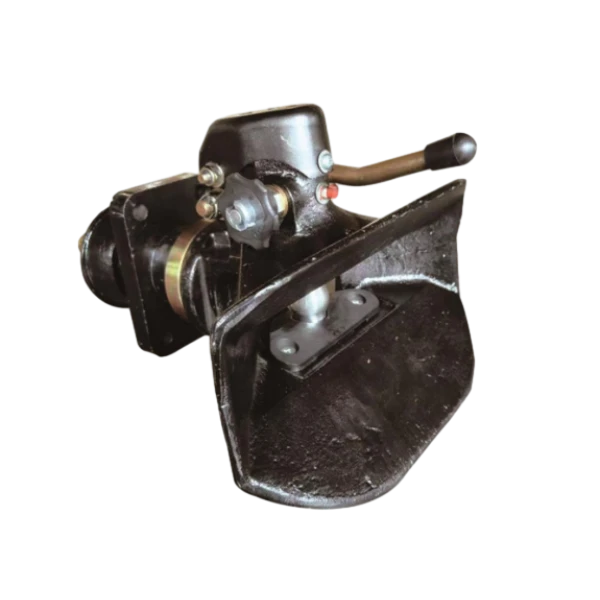 Trailer Coupling
The trailer coupling is a critical component in vehicle towing systems, designed to ensure a secure and efficient connection between a towing vehicle and a trailer. These couplings are manufactured using high-strength carbon steel, alloy steel, or stainless steel, ensuring durability and resistance to heavy loads and harsh environments.
-
 Drawbar Eyes
Drawbar eyes are essential components in towing and hauling applications, providing a strong and secure attachment point between the trailer and the towing vehicle. They are designed to endure extreme pulling forces, making them suitable for heavy-duty applications.
-
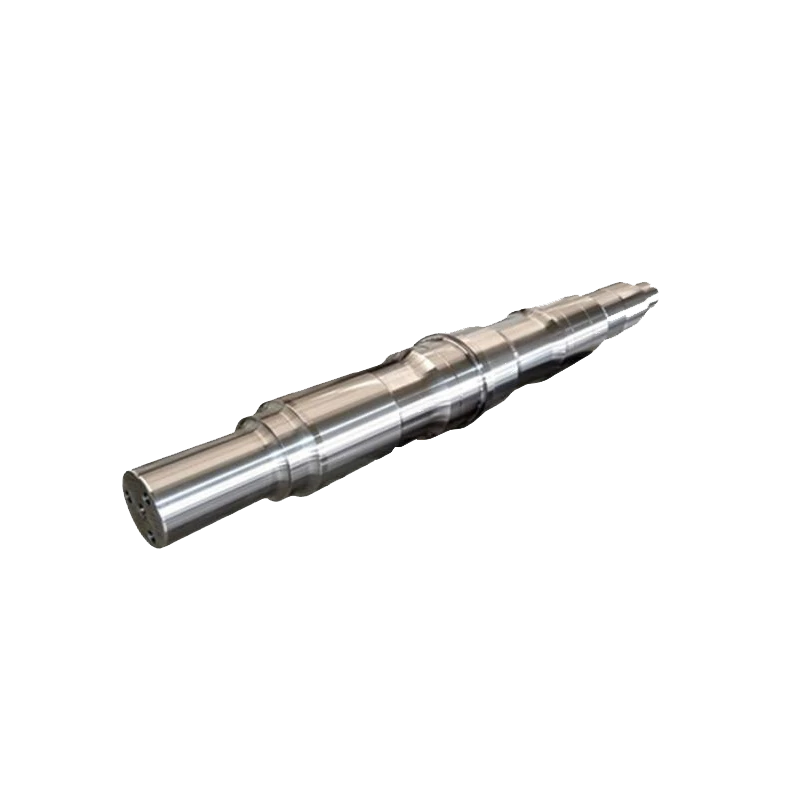 Axles
AxlesAxles are essential for vehicle load-bearing and power transmission, ensuring smooth movement and weight distribution. They must withstand high stress, torque, and impact, making material selection and precise manufacturing crucial.
-
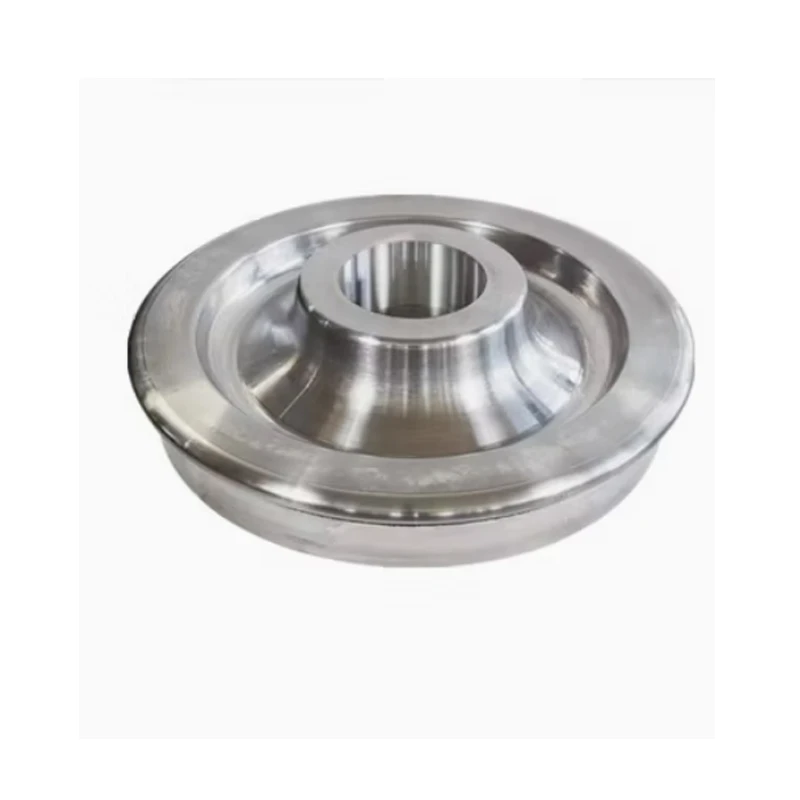 Profile S1002 Series Rail Wheels
The S1002 series rail wheels are designed for Rail-Road Vehicles (RRVs) that require seamless operation on both roads and railway tracks. Engineered with high precision and durability, these wheels conform to S1002 tread profiles, ensuring compatibility with standard railway systems.
A Comprehensive Guide to Axles Types for Industry Decision Makers | Manufacturing Base
Axles Types is a key solution in the industry, specifically within heavy machinery and transportation sectors. This article explores how https://www.manufacturing-base.com supports professionals with durable, high-performance products
>
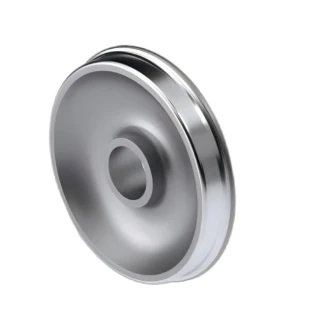
Reliable Rail Wheels: Optimize Your Rail Transport Solutions
For industries that rely on rail-based vehicles, choosing the right rail wheels is essential for smooth operations and safety.
>
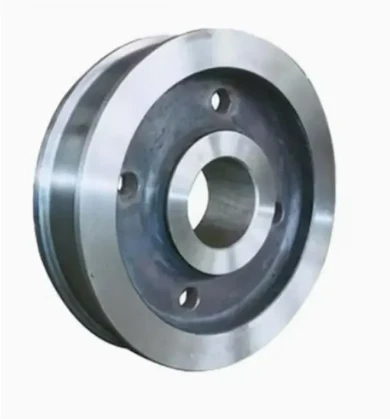
Premium Overhead Crane Wheels For Sale: Enhance Industrial Lifting Efficiency
In modern industrial operations, high-quality overhead crane wheels for sale are essential for safe, reliable, and efficient lifting.
>
Premium Hi Rail Wheels For Sale: Boost Rail Vehicle Performance
In the modern industrial and railway sectors, having reliable hi rail wheels for sale is essential for operational efficiency and safety.
>
High-Quality Hi Rail Wheels For Sale: Enhance Your Rail Equipment Efficiency
When it comes to reliable rail maintenance and industrial operations, investing in hi rail wheels for sale is crucial.
>
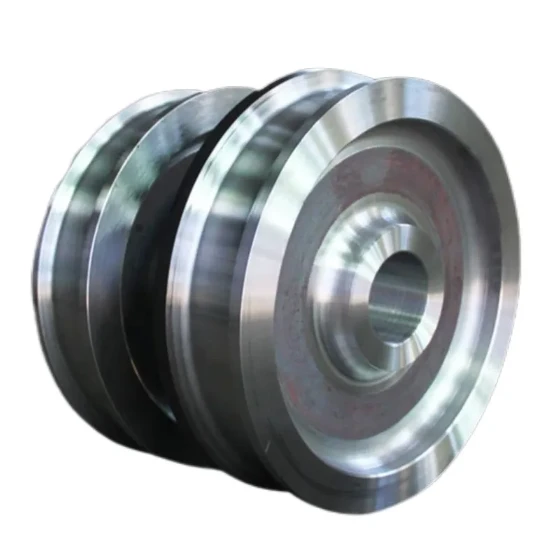
High-Quality Crane Wheels For Sale: Enhance Your Crane Operations
For industries relying on heavy lifting and material handling, investing in high-quality crane wheels for sale is crucial.
>
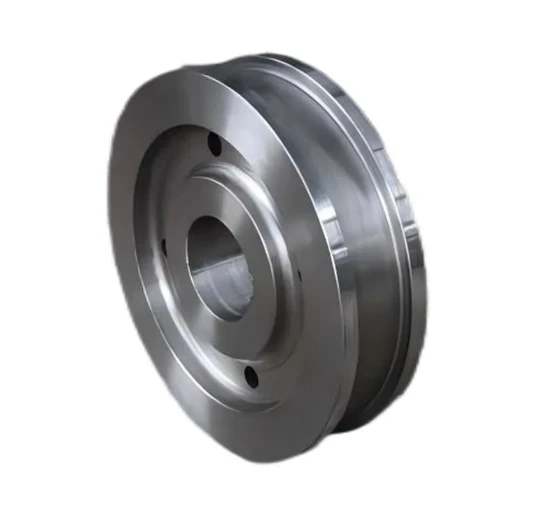
Durable Gantry Crane Wheels For Sale: Maximize Lifting Efficiency
For industries relying on heavy-duty lifting and material handling, selecting the right gantry crane wheels for sale is vital.
>
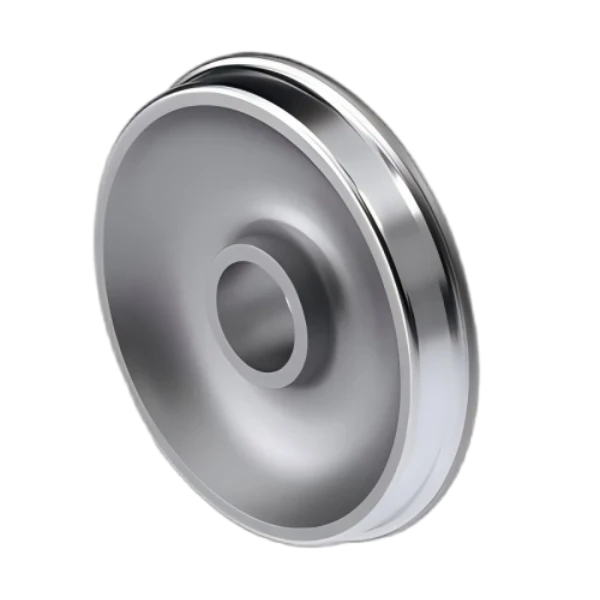
Reliable Tandem Drive Axles for Heavy-Duty Industrial Vehicles
Tandem Drive Axles: What I’ve Learned After Years in the Industrial Equipment Sector Ha
>

Reliable Semi Trailer Axles for Heavy-Duty Trailers | Expert Insight
Understanding semi trailer axles: The Backbone of Heavy Hauling Having spent more than a deca
>
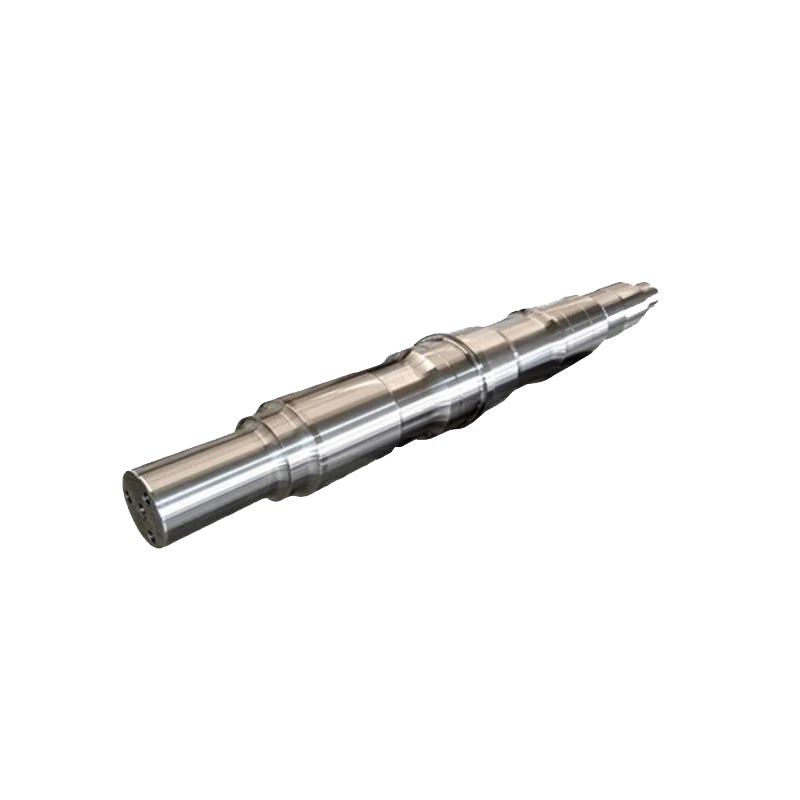
RC Portal Axles: Industrial Strength and Custom Performance
RC Portal Axles: A Veteran’s Take on Industrial-Grade Performance Having spent over a d
>
Engineered for Excellence
Our forged solutions deliver reliability and performance, powering demanding industries to keep operations running smoothly.

Sign up
for Newsletter
Subscribe to the weekly newsletter for all the latest updates