- Tel: +86 311 82620404
- Cell: 86 -13739710551
- Email: sales@potentia.cn

Agricultural Trailer Axles: Durable Solutions for Global Farming Efficiency
Understanding Agricultural Trailer Axles: The Backbone of Modern Farming Logistics
At first glance, agricultural trailer axles may seem like just another mechanical part — the sort you don’t give much thought to until something breaks. But they’re actually fundamental to how farm equipment carries loads, navigates rugged terrain, and adapts to changing agricultural demands worldwide. In an industry where reliability, durability, and efficiency directly impact productivity, understanding what agricultural trailer axles are and why they matter globally offers some intriguing insights into not just machinery design, but also food security, sustainability, and rural economies.
Whether it’s a tractor pulling heavy grain trailers on winding country roads or a mobile sprayer zipping across vast fields, the axle is the unsung hero in maintaining stability and performance. Let’s unpack why this component is so crucial, supported by global data and real-life applications.
The Global Significance of Agricultural Trailer Axles
According to the Food and Agriculture Organization of the United Nations (FAO), nearly 40% of global employment revolves around agriculture, and efficient farm machinery plays a pivotal role in output (1). Trailer axles, in particular, enable farmers to transport large loads of crops, equipment, and inputs safely and efficiently across varied terrains.
But the challenges are real: uneven ground, heavy payloads, and climate-driven stresses can quickly wear out lesser-quality components, causing costly downtime. The ISO has set standards that help manufacturers optimize axle design for load capacity and durability (2). Despite these guidelines, millions of smallholder farmers still lack access to durable agricultural trailers with reliable axles, particularly in emerging markets.
To put it bluntly, without robust axles, tractors' trailers become liabilities rather than assets — affecting harvest timing, supply chain resilience, and ultimately global food systems. It’s the kind of “small cog, big machine” story worth digging into.
What Exactly Are Agricultural Trailer Axles?
Simply put, agricultural trailer axles are the structural components on which trailer wheels are mounted and which transfer load weight from the trailer body to its tires and ground. These axles endure stresses from heavy loads, uneven terrain, and frequent use.
Modern agricultural axles act as mechanical links between the tractor’s towing hitch and the wheels, often including suspension elements, hubs, brakes, or steering joints. This connectivity requirement means their design must balance strength, flexibility, and sometimes adjustability for different crop types or field conditions. Because farms can be as wild and varied as the crops they grow, the axle is tailor-shaped almost like a bespoke suit to the specific demands faced.
Connection to Industry and Humanitarian Needs
Agriculture equipment manufacturers don’t just cater to commercial farms; NGOs working in disaster-stricken or remote areas rely on agricultural trailers equipped with tough axles to transport seeds, tools, and relief materials. The trailers ensure vital resources can reach far-flung communities even when roads are less than cooperative.
Core Factors Behind Successful Agricultural Trailer Axles
Durability
Because trailers often carry heavy harvests, potatoes or grains, durability is paramount. Manufacturers use reinforced steel alloys, fatigue-tested welds, and rust-resistant coatings to extend axle life. Some new models even employ corrosion-resistant composites that feel a bit futuristic but are making headway.
Load Capacity
Whether you’re hauling 2 tons of silage or 10 tons of corn, axle load ratings must reflect the needs precisely. Mismatches cause premature failure. Good axles boast load limits from 1.5 tons for light applications up to 7 tons or more for industrial-scale trailers.
Adaptability
Modularity is one trend: adjustable axle widths, interchangeable hubs, or parts that can be swapped out seasonally. This flexibility lets farmers customize gear based on changing crop cycles or varying terrain without buying brand-new trailers.
Cost Efficiency
Axles represent a sizable upfront investment, but many engineers argue spending more upfront reduces long-term maintenance and replacement costs. It’s worth remembering that every minute a trailer sits idle waiting for repair is money lost in the field.
Maintenance & Easy Servicing
Accessible grease fittings, sealed bearings, and universal parts can drastically reduce downtime and repair headaches. Off-grid farmers especially prize axles that don’t require exotic components or tools.
Safety Features
Braking systems integrated into axles, self-aligning joints, and shock absorption all contribute to safer tractor-trailer connections — essential on slippery slopes or packed earth roads.
Mini Takeaway:
Durability, capacity, adaptability, cost, maintenance, and safety aren’t just buzzwords; they’re concrete design principles shaping agricultural trailer axles’ real-world success.
Product Specifications Snapshot
| Specification | Standard Model A | Heavy-Duty Model B |
|---|---|---|
| Material | High-Strength Alloy Steel | Reinforced Composite Steel |
| Load Capacity | 3 tons | 7 tons |
| Brake Compatibility | Hydraulic Drum Brakes | Disc Brakes |
| Suspension Type | Leaf Springs | Air Suspension |
| Maintenance | Grease Fittings | Sealed Bearings |
| Approx. Weight | 150 kg | 220 kg |
How Agricultural Trailer Axles Are Used Globally
Smallholder farmers in Sub-Saharan Africa rely heavily on sturdy trailers with robust axles to transport harvested maize and beans to local markets, where transport infrastructure is patchy. In contrast, large commercial farms across the U.S. and Europe use multi-axle trailers designed for high payloads, smooth road handling, and quick coupling. Oddly enough, both have overlapping needs: dependability, ease of repair, and compatibility with existing farm machinery.
This equipment also finds vital roles in humanitarian efforts. For instance, after natural disasters in South Asia or Latin America, mobile seed drills and sprayers equipped with reliable axles enable fast replanting of damaged fields. Likewise, remote mining operations in Australia use customized agricultural trailers with advanced axle assemblies to move tools and drilling equipment over rough outback tracks.
The takeaway here? Depending on geography and scale, agricultural trailer axles underpin a remarkably wide swath of global industries — not just farms but relief, mining, and industrial logistics.
Vendor Comparison: Picking the Right Agricultural Trailer Axle Supplier
| Feature | AgriAxles Co. | FarmTech Parts | RuralTrailers Ltd. |
|---|---|---|---|
| Product Range | 3 Standard Models + Custom Orders | Focus on Heavy-Duty Axles | Light to Mid-weight Range |
| Materials Used | High-Quality Alloy Steel | Reinforced Composites | Standard Steel with Corrosion Coating |
| Average Lead Time | 4 Weeks | 6 Weeks | 3 Weeks |
| Warranty | 3 Years | 5 Years | 2 Years |
| Price Range (per axle) | $450 - $900 | $900 - $1500 | $350 - $600 |
The Long-Term Value of Choosing Quality Agricultural Trailer Axles
When you invest in high-quality axles, you’re not just buying a piece of metal; you’re securing peace of mind. It’s about safety for the driver, preservation of precious harvest, and reduction of costly delays.
On a social level, robust farming equipment — powered by quality axles — supports rural livelihoods, strengthens food supply lines, and indirectly upholds community dignity. There's a certain trust built between farmer and machine, and the axle acts as a kind of silent promise that the job will get done.
Over time, a reliable axle lowers greenhouse gas emissions too by preventing breakdowns and inefficiencies. Sustainability isn’t just a buzzword here — it’s practical economics and responsibility rolled into one.
Emerging Trends in Agricultural Trailer Axle Technology
Electrification and digitization are creeping in. Smart axle assemblies with sensors now monitor load pressures, stress levels, and wear in real time, feeding data back to operators and technicians. This predictive maintenance can save a fortune in the long run.
Materials science is pushing the envelope with ultra-lightweight alloys and corrosion-proof composites that extend axle life significantly—saving fuel by shaving weight.
Meanwhile, some manufacturers experiment with modular axle systems to let farmers swap components quickly — kind of like changing shoes depending on weather or terrain.
Overcoming Current Challenges in Agricultural Trailer Axles
Let’s be honest—while the technology has advanced, there are lingering issues. Many farmers in developing countries face difficulty accessing quality axles due to cost or import restrictions. Maintenance knowledge gaps and poor infrastructure further complicate longevity and reliability.
Experts suggest localized manufacturing hubs, training programs for farmers, and more modularized parts that can be serviced with basic tools as potential fixes. Plus, digital platforms that connect farmers with spare parts suppliers cut down lead times and reduce downtime.
FAQ: Practical Questions About Agricultural Trailer Axles
Q1: How do I know which axle load capacity is right for my trailer?
A1: Choose an axle rated slightly above your maximum payload to provide a safety margin. Consider terrain conditions too—rough, uneven ground requires sturdier axles. Consulting with trailer manufacturers or local dealers can help match your needs precisely.
Q2: Can I retrofit existing trailers with upgraded agricultural axles?
A2: In many cases, yes. Retrofitting involves ensuring compatibility with your trailer’s frame and wheels. It’s usually cost-effective compared to buying new equipment but do check with specialists to avoid overloading or mechanical mismatch.
Q3: What maintenance routines help extend the life of trailer axles?
A3: Regular greasing of moving parts, inspection for rust or cracks, and timely replacement of worn bearings keep axles healthy. Seasonal checks before heavy hauling periods are also wise.
Q4: Are agricultural trailer axles standardized internationally?
A4: While ISO and other standards provide general guidelines, many axles vary by region and manufacturer specifications. It’s best to verify standards relevant to your country or import location.
Q5: How do I incorporate sustainability when choosing trailer axles?
A5: Look for suppliers using eco-friendly materials or coatings, and axles designed for durability to reduce replacements. Additionally, sensor-equipped axles facilitate predictive maintenance, cutting unnecessary waste.
Wrapping Up: Why Agricultural Trailer Axles Matter More Than You Think
The humble agricultural trailer axle might not headline farming innovations, but it’s quietly fundamental. It blends engineering, agriculture, and economic development into one essential part. Choosing the right axle isn’t just about machinery; it’s about securing harvests, enabling livelihoods, and supporting global food chains.
For anyone interested in sourcing reliable, cost-effective agricultural trailer axles, your best bet is to visit our website and explore a broad selection tailored to diverse farming needs worldwide.
Thanks for sticking with me through this deep-dive — I hope next time you see a farm trailer, you’ll picture the quietly heroic axle underneath.
References
- FAO, “Employment in Agriculture,” fao.org
- ISO 14129:2011 - Agricultural Equipment — Axles — Load Performance and Testing
- United Nations, “Sustainable Development Goals and Food Security” sdgs.un.org
-
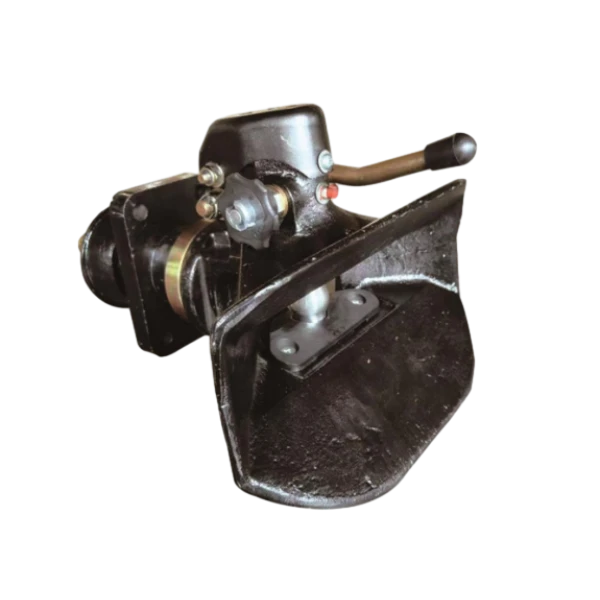 Trailer Coupling
The trailer coupling is a critical component in vehicle towing systems, designed to ensure a secure and efficient connection between a towing vehicle and a trailer. These couplings are manufactured using high-strength carbon steel, alloy steel, or stainless steel, ensuring durability and resistance to heavy loads and harsh environments.
-
 Drawbar Eyes
Drawbar eyes are essential components in towing and hauling applications, providing a strong and secure attachment point between the trailer and the towing vehicle. They are designed to endure extreme pulling forces, making them suitable for heavy-duty applications.
-
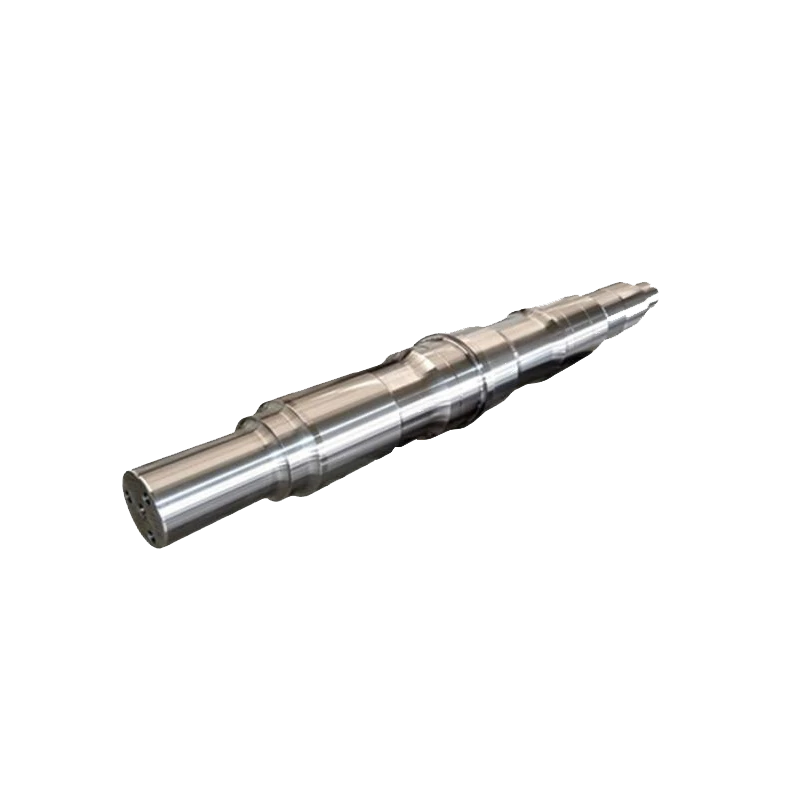 Axles
AxlesAxles are essential for vehicle load-bearing and power transmission, ensuring smooth movement and weight distribution. They must withstand high stress, torque, and impact, making material selection and precise manufacturing crucial.
-
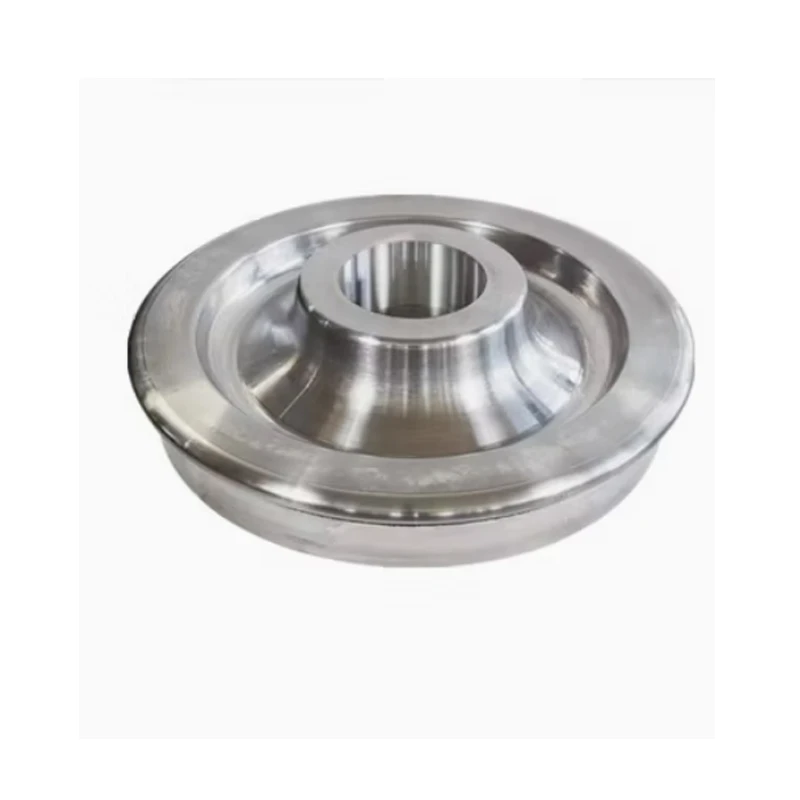 Profile S1002 Series Rail Wheels
The S1002 series rail wheels are designed for Rail-Road Vehicles (RRVs) that require seamless operation on both roads and railway tracks. Engineered with high precision and durability, these wheels conform to S1002 tread profiles, ensuring compatibility with standard railway systems.
A Comprehensive Guide to Axles Types for Industry Decision Makers | Manufacturing Base
Axles Types is a key solution in the industry, specifically within heavy machinery and transportation sectors. This article explores how https://www.manufacturing-base.com supports professionals with durable, high-performance products
>
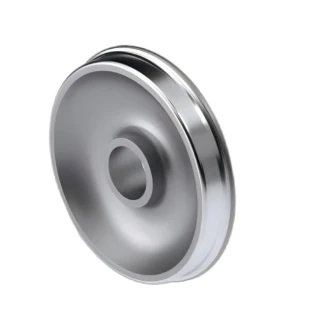
Reliable Rail Wheels: Optimize Your Rail Transport Solutions
For industries that rely on rail-based vehicles, choosing the right rail wheels is essential for smooth operations and safety.
>
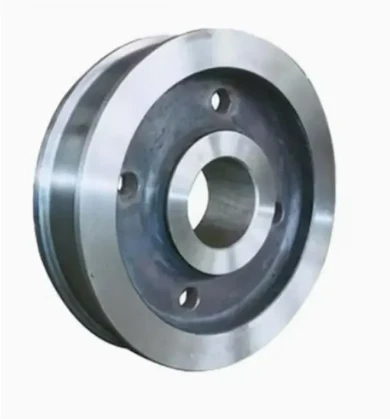
Premium Overhead Crane Wheels For Sale: Enhance Industrial Lifting Efficiency
In modern industrial operations, high-quality overhead crane wheels for sale are essential for safe, reliable, and efficient lifting.
>
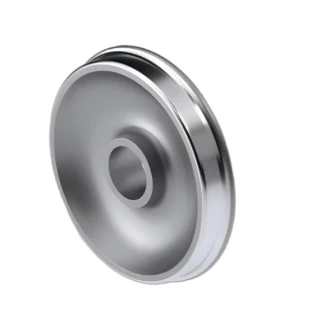
Premium Hi Rail Wheels For Sale: Boost Rail Vehicle Performance
In the modern industrial and railway sectors, having reliable hi rail wheels for sale is essential for operational efficiency and safety.
>
High-Quality Hi Rail Wheels For Sale: Enhance Your Rail Equipment Efficiency
When it comes to reliable rail maintenance and industrial operations, investing in hi rail wheels for sale is crucial.
>
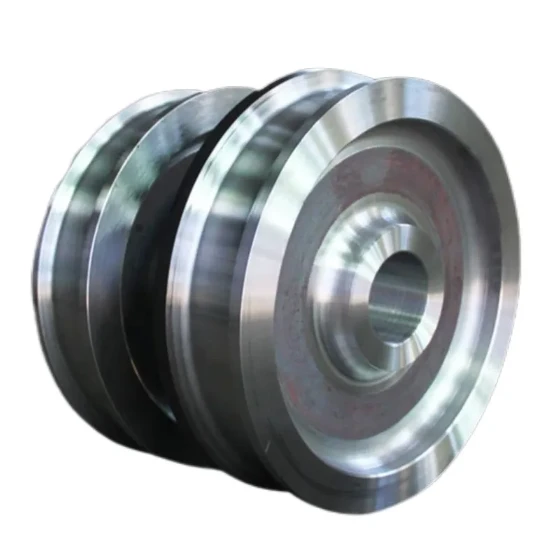
High-Quality Crane Wheels For Sale: Enhance Your Crane Operations
For industries relying on heavy lifting and material handling, investing in high-quality crane wheels for sale is crucial.
>
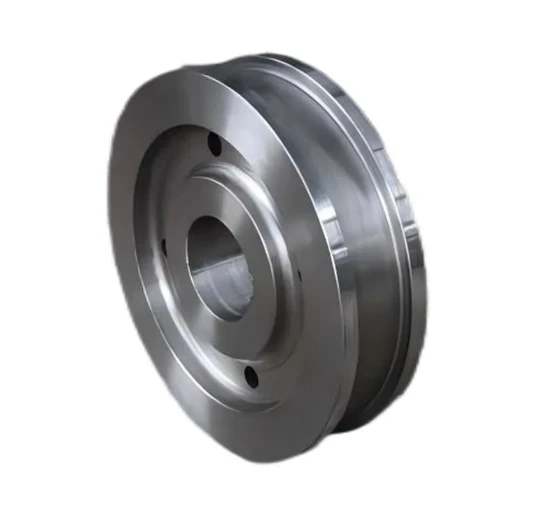
Durable Gantry Crane Wheels For Sale: Maximize Lifting Efficiency
For industries relying on heavy-duty lifting and material handling, selecting the right gantry crane wheels for sale is vital.
>
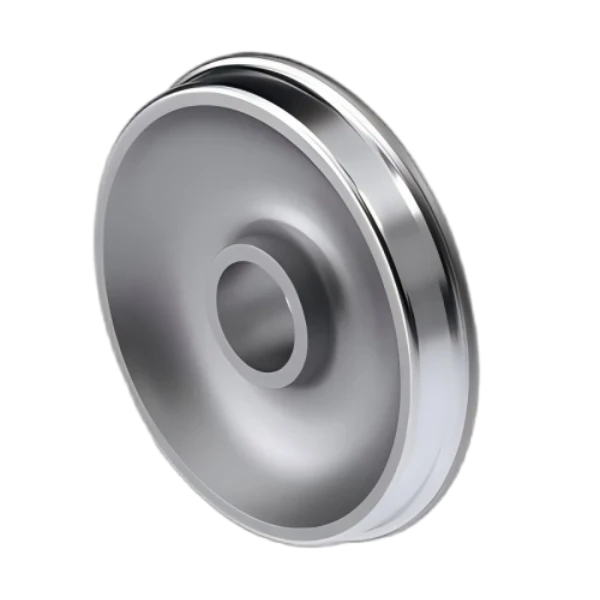
Reliable Tandem Drive Axles for Heavy-Duty Industrial Vehicles
Tandem Drive Axles: What I’ve Learned After Years in the Industrial Equipment Sector Ha
>

Reliable Semi Trailer Axles for Heavy-Duty Trailers | Expert Insight
Understanding semi trailer axles: The Backbone of Heavy Hauling Having spent more than a deca
>
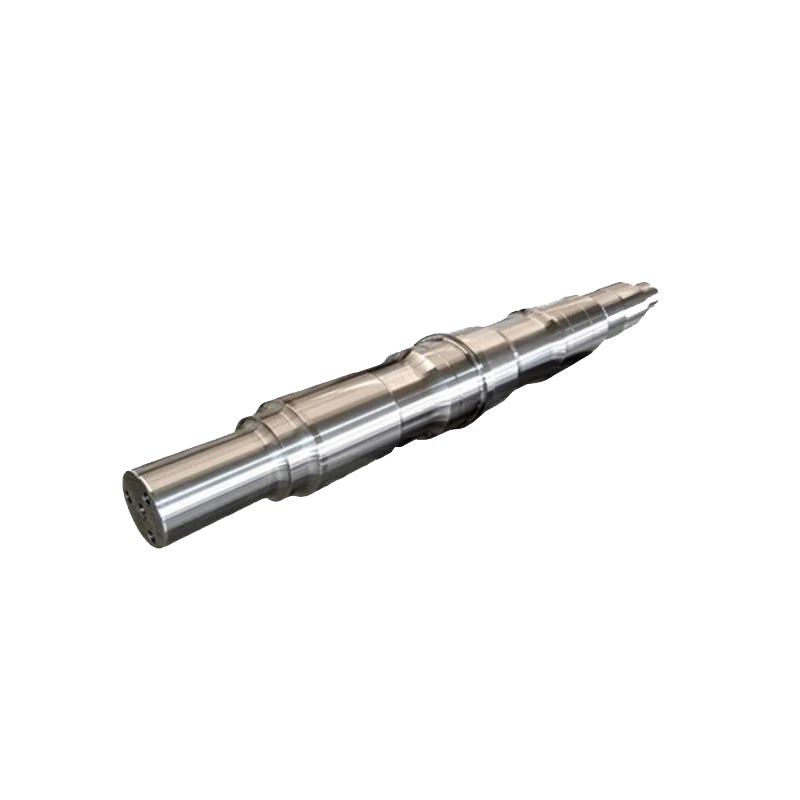
RC Portal Axles: Industrial Strength and Custom Performance
RC Portal Axles: A Veteran’s Take on Industrial-Grade Performance Having spent over a d
>
Engineered for Excellence
Our forged solutions deliver reliability and performance, powering demanding industries to keep operations running smoothly.

Sign up
for Newsletter
Subscribe to the weekly newsletter for all the latest updates