- Tel: +86 311 82620404
- Cell: 86 -13739710551
- Email: sales@potentia.cn

Aftermarket Axles for Industrial Vehicles – Quality, Sustainability, and Cost Efficiency
Understanding Aftermarket Axles: Why They Matter on a Global Scale
There’s something quietly essential about aftermarket axles you might not immediately consider. These components underpin the reliability and flexibility of countless industrial vehicles worldwide — from agricultural machines in remote fields to heavy transport trucks crisscrossing continents. Their impact? Massive. In fact, as worldwide vehicle fleets age and the demand for cost-efficient maintenance grows, aftermarket axles play a pivotal role in sustaining operations without breaking budgets or compromising safety.
Grasping what aftermarket axles are and why they matter helps industries optimize supply chains, reduce downtime, and propels a circular economy that’s increasingly necessary in our resource-conscious era.
The Global Context: How Aftermarket Axles Fit Into Industry and Infrastructure
Globally, billions of transportation and industrial vehicles operate on axles that wear out, need upgrades, or require replacements over time. According to the International Organization for Standardization (ISO), properly maintained vehicle components boost safety and performance while extending service life. The World Bank notes that heavy transport infrastructure investment, especially in developing areas, increasingly relies on reliable axle replacements for cost-effective fleet management.
Yet, here’s the rub — many regions face challenges in accessing original parts due to supply chain disruptions, tariffs, or technological mismatches. That’s where aftermarket axles shine. They often come with comparable standards but with greater accessibility and tailored options for specific uses, from remote construction sites to post-disaster recovery efforts.
Mini Takeaway:
- Aftermarket axles are key in bridging supply chain gaps across regions.
- They support the global push for vehicle sustainability and cost-effective maintenance.
- Understanding their role prepares businesses to face logistical and operational challenges head-on.
What Exactly are Aftermarket Axles?
In simple terms, aftermarket axles are replacement components not made by the original vehicle manufacturer but designed to fit and function equivalently—sometimes even better—in specific vehicles. They can range from simple beam axles to complex powered drive axles for heavy machinery.
Think of them as the savvy mechanic’s go-to alternative when OEM parts are unavailable, too pricey, or insufficiently tailored for unique job-site conditions. Plus, in humanitarian logistics and industrial development — where timing and adaptability count — aftermarket axles often enable rapid fleet readiness without breaking the bank.
Mini Takeaway:
- Aftermarket axles provide cost-effective, accessible alternatives to OEM parts.
- They support diverse operational needs including specialized applications.
Core Components and Key Factors of Aftermarket Axles
1. Durability
These axles are engineered often with reinforced materials like alloy steels or treated metals to resist wear, corrosion, and heavy loads. Durability is key, given how axle failure in harsh environments can mean costly downtime or safety risks.
2. Cost Efficiency
Compared to original equipment manufacturer parts, aftermarket axles often reduce maintenance costs without sacrificing quality. For many businesses, this represents an economic lifeline, especially where budgets are tight and repair margins slim.
3. Compatibility & Scalability
Good aftermarket providers design axles suitable across vehicle types and usage scales — from small agricultural trailers to massive mining trucks. This flexibility ensures operators don’t get locked into single-supplier dependencies.
4. Certification and Standards Compliance
Quality aftermarket axles meet international safety and manufacturing standards such as ISO 9001 or UNECE regulations, reassuring clients about reliability. Certification also ensures parts are legal for road use in many regions.
5. Maintenance & Repairability
Aftermarket axles are often easier to service on-site. Manufacturers provide detailed instructions or modular designs that simplify part swaps, which can save hours or days of labor.
Mini Takeaway:
- Durability and cost are the leading drivers for choosing aftermarket axles.
- Compliance with standards guarantees safety for end-users worldwide.
- Modular designs boost maintainability and fleet uptime.
Real-World Applications: Where Aftermarket Axles Make a Difference
Aftermarket axles are everywhere, quietly working behind the scenes. In agricultural regions across Southeast Asia and Africa, farmers rely on aftermarket drive axles for tractors and trailers to weather challenging terrain. In logistics hubs like Eastern Europe and South America, fleets of trucks use replacement axles to keep deliveries on schedule without expensive OEM delays.
Humanitarian organizations, especially post-disaster, frequently source aftermarket axles to rebuild transport fleets swiftly. For instance, after natural catastrophes, vehicles fitted with aftermarket axles help with supply distribution where original parts would be unobtainable fast enough.
| Specification | Detail |
|---|---|
| Type | Drive Axle, Beam Axle, Tandem Axle |
| Load Capacity | 5,000 kg – 20,000 kg per axle |
| Material | Heat-treated alloy steel |
| Standard Compliance | ISO 9001, UNECE Reg. 13 |
| Weight | Up to 250 kg |
Mini Takeaway:
- Aftermarket axles serve multiple sectors across various regions.
- They’re vital in emergency response and development efforts.
- Flexibility in design supports many types of vehicles and loads.
Long-Term Benefits: Why Aftermarket Axles Hold Value
The advantages of using aftermarket axles stretch beyond immediate savings. They foster sustainability by extending vehicle lifespans, mitigating waste, and enabling repair over replacement. This supports corporate social responsibility goals, improving community relations.
Safety-wise, reliable aftermarket axles meet strict standards, reducing accident risks tied to axle failure — an understated but critical social benefit. Emotionally, operators trust gear that’s proven, accessible, and efficient. Reliability breeds confidence, which, frankly, is priceless in high-stakes industries.
Vendor Comparison: Leading Suppliers of Aftermarket Axles
| Vendor | Product Range | Certification | Global Reach | Customization Options |
|---|---|---|---|---|
| AxlePro Industries | Standard & Heavy-Duty Axles | ISO 9001, ISO 14001 | North America, Europe, Asia | High |
| Global Axle Solutions | Agricultural, Mining Axles | UNECE R13 Compliance | Europe, Africa, South America | Moderate |
| RenewAxle Tech | Eco-friendly & Lightweight Axles | ISO 9001, Green Certification | Asia-Pacific, Europe | High |
Looking Ahead: Innovations and Trends in Aftermarket Axles
It’s fascinating how technology is shaping aftermarket axles. Lightweight composite materials and smart sensors that monitor axle condition in real time are becoming reality, improving maintenance scheduling and preventing failures before they happen. Green manufacturing processes reduce environmental footprints, aligning with global sustainability goals.
Automation and digital supply chains promise faster, more customized axle delivery—vital for sectors like construction and emergency response where every minute counts. The future? Well, it feels like these components will be as much about data and connectivity as metal and torque.
Common Challenges and How the Industry is Solving Them
Some issues persist: quality inconsistency among vendors, lack of consumer awareness, and complex regulatory hurdles. But manufacturers are responding with rigorous testing protocols, clearer certification marks, and educational outreach aimed at end-users and distributors. For example, some suppliers offer virtual fitment tools or extended warranties, reducing uncertainty and boosting confidence.
FAQ: Frequently Asked Questions About Aftermarket Axles
- Q1: Are aftermarket axles as reliable as OEM axles?
- A1: Quality aftermarket axles can be equally reliable when sourced from reputable manufacturers adhering to international standards like ISO 9001 or UNECE. Always verify certifications and user reviews before purchasing to ensure reliability.
- Q2: How do I choose the right aftermarket axle for my vehicle?
- A2: Consider load capacity, compatibility with your vehicle’s make and model, and environmental conditions. Consulting with suppliers or specialists can help identify the best match, especially for specialized applications.
- Q3: Can aftermarket axles improve vehicle performance?
- A3: Sometimes, yes. Certain aftermarket axles are designed with enhanced materials or features that can improve durability and weight distribution, potentially boosting performance over standard OEM parts.
- Q4: What is the typical lifespan of an aftermarket axle?
- A4: Lifespan varies by usage, maintenance, and environmental factors but generally matches OEM lifespans if properly installed and maintained—usually several years under normal operating conditions.
- Q5: Are aftermarket axles suitable for use in harsh or remote environments?
- A5: Definitely. Many aftermarket axles are tailored for tough terrains and extreme climates, often featuring reinforced materials and protective coatings to ensure durability in such conditions.
Conclusion: The Unsung Heroes of Vehicle Sustainability
Aftermarket axles might not roar headlines, but their influence ripples across industries and borders. They enhance vehicle longevity, reduce costs, and enable flexibility that OEM parts alone often can’t deliver. For fleets balancing budgets, downtime, and regulatory compliance, their value is undeniable.
For businesses and operators looking to explore reliable, cost-efficient axle options, visit our website: aftermarket axles and discover how smart replacements keep the world moving, one axle at a time.
References
-
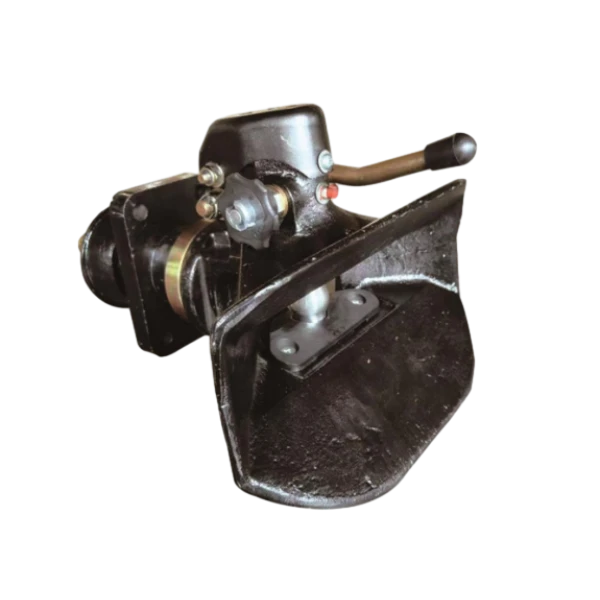 Trailer Coupling
The trailer coupling is a critical component in vehicle towing systems, designed to ensure a secure and efficient connection between a towing vehicle and a trailer. These couplings are manufactured using high-strength carbon steel, alloy steel, or stainless steel, ensuring durability and resistance to heavy loads and harsh environments.
-
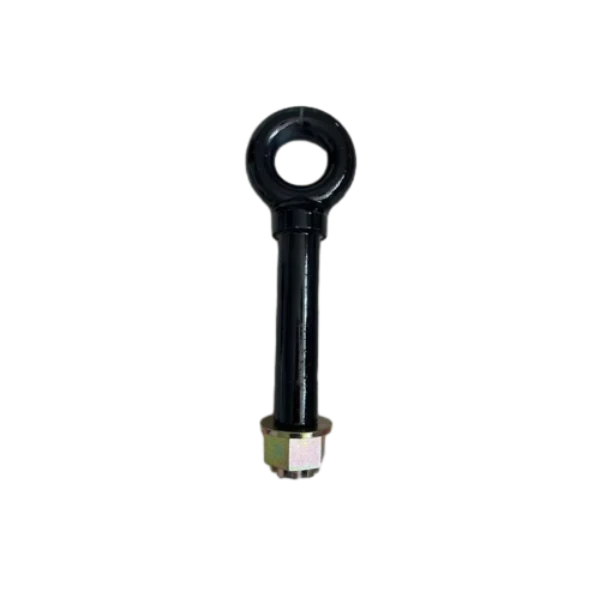
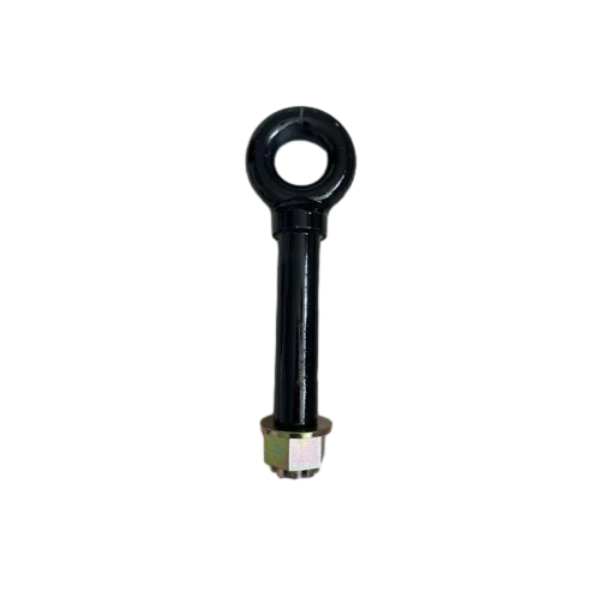 Drawbar Eyes
Drawbar eyes are essential components in towing and hauling applications, providing a strong and secure attachment point between the trailer and the towing vehicle. They are designed to endure extreme pulling forces, making them suitable for heavy-duty applications.
-
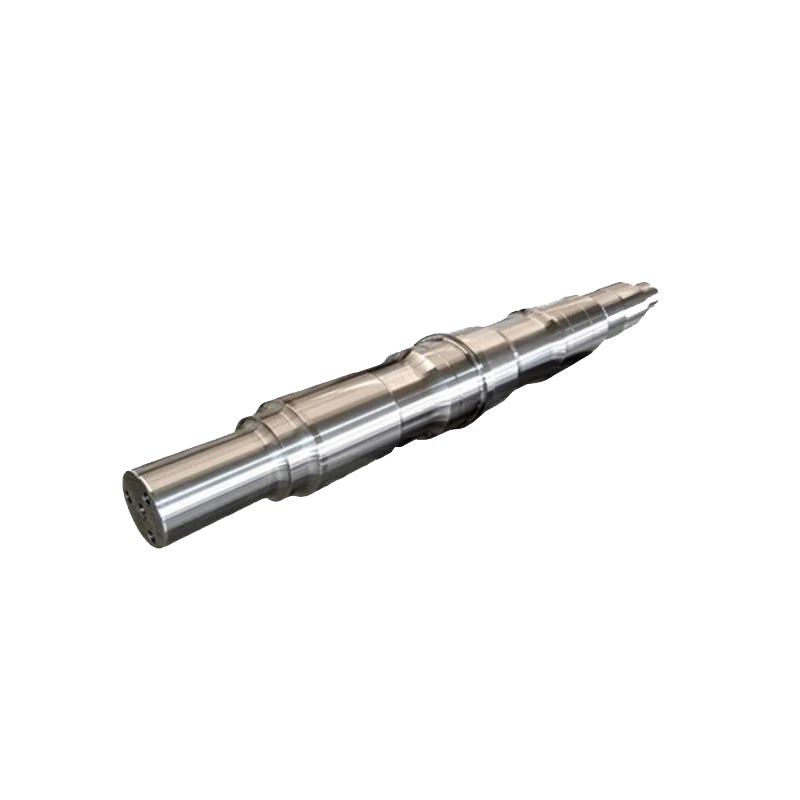
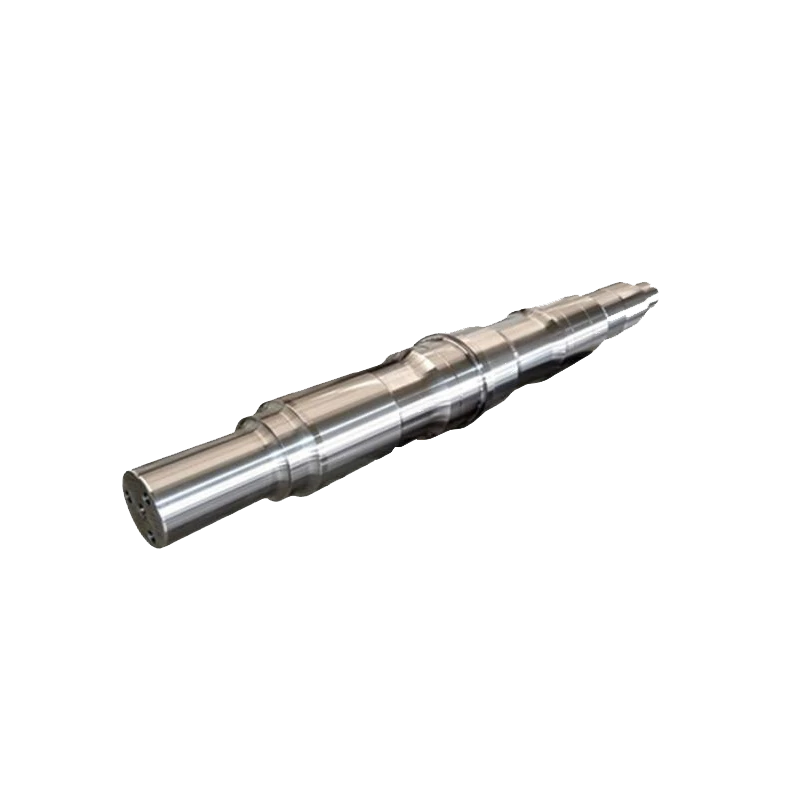 Axles
AxlesAxles are essential for vehicle load-bearing and power transmission, ensuring smooth movement and weight distribution. They must withstand high stress, torque, and impact, making material selection and precise manufacturing crucial.
-
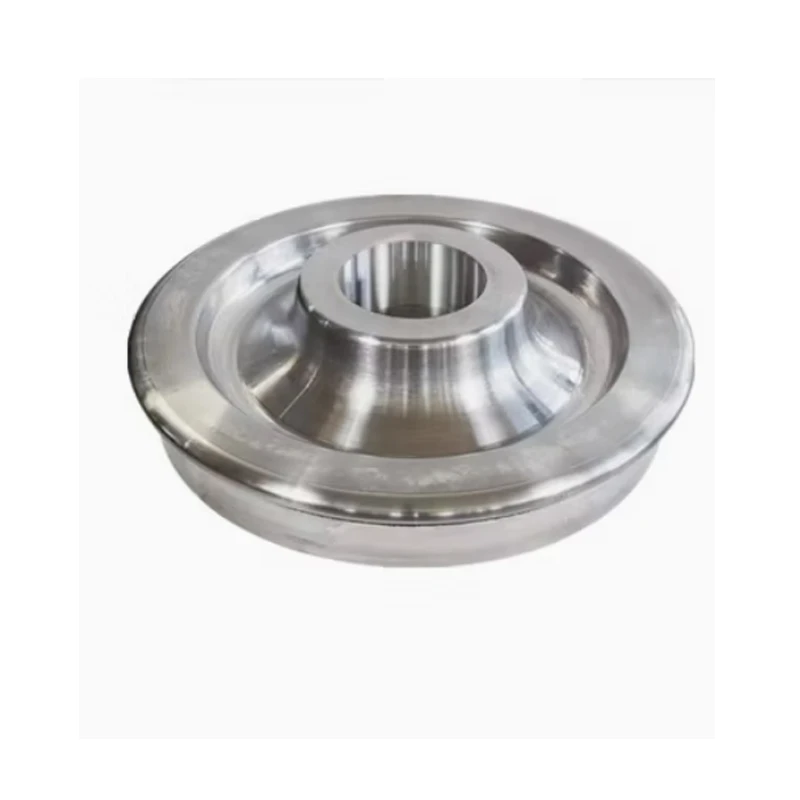 Profile S1002 Series Rail Wheels
The S1002 series rail wheels are designed for Rail-Road Vehicles (RRVs) that require seamless operation on both roads and railway tracks. Engineered with high precision and durability, these wheels conform to S1002 tread profiles, ensuring compatibility with standard railway systems.
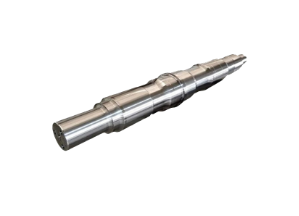
A Comprehensive Guide to Axles Types for Industry Decision Makers | Manufacturing Base
Axles Types is a key solution in the industry, specifically within heavy machinery and transportation sectors. This article explores how https://www.manufacturing-base.com supports professionals with durable, high-performance products
>
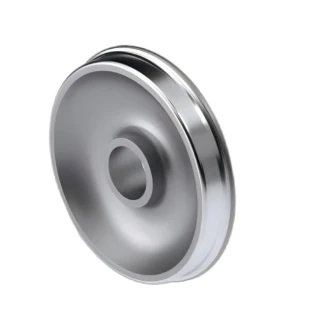
Reliable Rail Wheels: Optimize Your Rail Transport Solutions
For industries that rely on rail-based vehicles, choosing the right rail wheels is essential for smooth operations and safety.
>
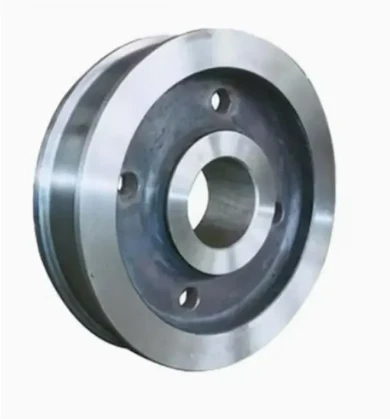
Premium Overhead Crane Wheels For Sale: Enhance Industrial Lifting Efficiency
In modern industrial operations, high-quality overhead crane wheels for sale are essential for safe, reliable, and efficient lifting.
>
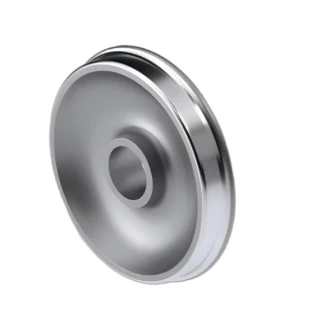
Premium Hi Rail Wheels For Sale: Boost Rail Vehicle Performance
In the modern industrial and railway sectors, having reliable hi rail wheels for sale is essential for operational efficiency and safety.
>
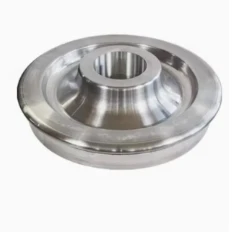
High-Quality Hi Rail Wheels For Sale: Enhance Your Rail Equipment Efficiency
When it comes to reliable rail maintenance and industrial operations, investing in hi rail wheels for sale is crucial.
>
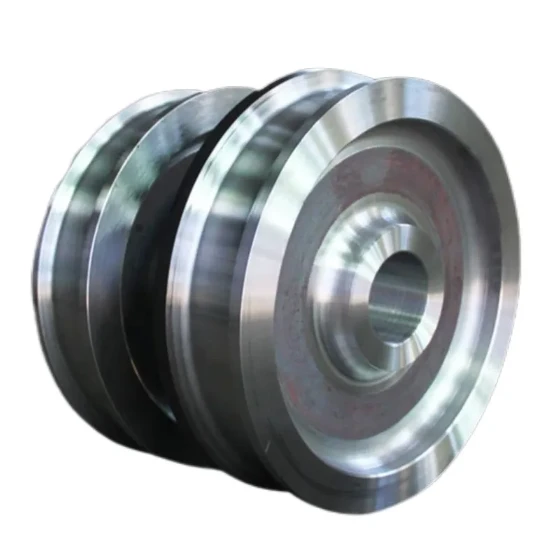
High-Quality Crane Wheels For Sale: Enhance Your Crane Operations
For industries relying on heavy lifting and material handling, investing in high-quality crane wheels for sale is crucial.
>
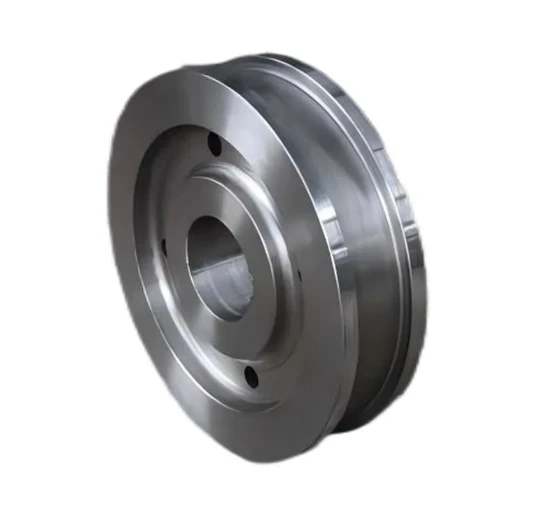
Durable Gantry Crane Wheels For Sale: Maximize Lifting Efficiency
For industries relying on heavy-duty lifting and material handling, selecting the right gantry crane wheels for sale is vital.
>
Reliable Tandem Drive Axles for Heavy-Duty Industrial Vehicles
Tandem Drive Axles: What I’ve Learned After Years in the Industrial Equipment Sector Ha
>
Reliable Semi Trailer Axles for Heavy-Duty Trailers | Expert Insight
Understanding semi trailer axles: The Backbone of Heavy Hauling Having spent more than a deca
>
RC Portal Axles: Industrial Strength and Custom Performance
RC Portal Axles: A Veteran’s Take on Industrial-Grade Performance Having spent over a d
>
Engineered for Excellence
Our forged solutions deliver reliability and performance, powering demanding industries to keep operations running smoothly.

Sign up
for Newsletter
Subscribe to the weekly newsletter for all the latest updates