- Tel: +86 311 82620404
- Cell: 86 -13739710551
- Email: sales@potentia.cn

Understanding Double Flange Crane Wheels: Durable, Precise Components Powering Global Industry
Why Double Flange Crane Wheels Matter in Today’s Industry Landscape
Double flange crane wheels might not make headlines like the latest smartphone or renewable energy breakthrough, yet their role is quietly pivotal. These components are the unsung heroes behind the smooth, reliable motion of cranes in ports, factories, and construction sites across the globe.
At a glance, they’re just wheels—but understanding them unlocks a world of benefits: greater safety, enhanced operational efficiency, reduced maintenance costs, and a ripple effect on global supply chains. Given the ever-growing demand for faster, safer, and more durable lifting equipment — especially where massive loads must be moved regularly — double flange crane wheels are central to industrial progress. They don’t just roll; they support economies.
Global Context: Why Double Flange Crane Wheels Are More Relevant Than Ever
In a world increasingly connected by manufacturing and logistics, the lifting and transporting of goods is vital. According to the International Organization for Standardization, safety and standardization in crane components save millions in accidents and downtime each year. The UN estimates that over 80% of global trade volume moves through ports where heavy cranes equipped with double flange wheels operate.
Despite their ubiquity, challenges persist — from harsh environmental wear and tear to the need for ever smoother operation to reduce energy consumption. Manufacturers seek wheels that combine toughness with precision. Simply put: when these wheels fail, it can mean costly delays and safety risks.
Defining Double Flange Crane Wheels
So, what exactly are double flange crane wheels? They are specialized wheels featuring flanges on both edges — think of flanges as raised rims — that fit snugly on crane rails. Unlike single flange types, the double flanged design prevents lateral movement, ensuring the crane moves strictly along its track without slipping off sideways.
These wheels are integral to cranes used in heavy lifts—ports unloading cargo containers, steel plants moving molten metal, and construction sites erecting skyscrapers. Fundamentally, they bridge mechanical engineering precision with real-world industrial demands — often in some of the most unforgiving environments.
Core Components and Critical Factors
Durability and Material Composition
Double flange crane wheels must bear enormous load weights—sometimes hundreds of tons. Typically forged from high-grade manganese steel or hardened alloy, they’re engineered for strength, impact resistance, and minimal wear under heavy cycles.
Wheel Diameter & Flange Size
Wheel diameter affects the load distribution and operational speed of the crane. Larger wheels smooth over rail imperfections, reducing vibration. Flange thickness and height are carefully calculated to maintain stability and safety, meeting standards like ISO 4301 for crane wheels.
Load Capacity & Safety Margins
Engineering safety factors often range from 1.25 to 2 times the expected load — because safety doesn't take shortcuts. The double flange design inherently adds resilience against derailment, especially on curved tracks or during emergency stops.
Maintenance and Testing Protocols
Regular inspections are essential, including non-destructive testing (NDT) to detect cracks or internal flaws. Given their critical role, many firms follow strict ISO 9001-quality-controlled manufacturing and service schedules to avoid catastrophic failures.
Mini Takeaway:
The magic of double flange crane wheels lies in their design balance — heavy-duty strength paired with precision engineering, ensuring cranes operate safely and continuously worldwide.
Double Flange Crane Wheels in Action: Real-World Applications
From rusty dockyards in Southeast Asia to the gleaming terminals in Rotterdam, these wheels are everywhere. Ports rely on them heavily — consider the Port of Singapore, which handled 37 million TEUs (twenty-foot equivalent units) in 2023 alone, all moved by cranes running on these wheels.
In disaster relief, mobile cranes equipped with double flange wheels assist in critical heavy-lift operations, clearing debris or delivering supplies where road access is limited.
Industrial zones in remote deserts or snow-prone regions trust these wheels to perform regardless of weather. One example: iron ore mining facilities in Western Australia that must routinely transport massive machinery.
| Specification | Typical Values | Remarks |
|---|---|---|
| Material | High manganese steel (AISI 8620) | Heat treated for toughness |
| Wheel Diameter | 300 - 650 mm | Varies by crane size |
| Flange Thickness | 25 - 35 mm | Ensures lateral stability |
| Load Capacity | Up to 50+ tons per wheel | Depends on design and application |
| Surface Finish | Machined, machined and hardened | Reduces friction and wear |
Advantages and Longevity: Why Invest in Quality Double Flange Crane Wheels?
- Cost Efficiency: Longer wheel life means fewer replacements and less downtime.
- Safety: Reduced derailment risk protects personnel and cargo alike.
- Operational Smoothness: Enhanced stability reduces vibration, improving precision.
- Sustainability: Robust materials reduce scrap and waste over the lifecycle.
- Trust & Innovation: Relying on proven designs builds confidence among engineers and operators.
Frankly, no one wants a crane wheel failure during a critical lift. The emotional relief that comes from trusted equipment that “just works” is significant. There’s dignity even in the small mechanical parts that keep economies humming.
Looking Ahead: Trends & Innovations Impacting Double Flange Crane Wheels
The crane wheel market is not exactly Silicon Valley hot — but it’s evolving:
- Smart Monitoring: Sensors embedded in wheels can track wear and alert operators before failures happen.
- Advanced Alloys: New material blends promise lighter wheels without sacrificing strength.
- Eco-friendly Manufacturing: Reduced carbon footprint in forging and heat-treatment processes.
- Automation Integration: Wheels engineered for better coordination with automated cranes and robotics.
These developments mean fewer accidents, lower cost, and greener supply chains. It’s an exciting, if low-profile, revolution.
Challenges & How Experts Are Tackling Them
One challenge with double flange crane wheels is uneven wear caused by imperfect rail alignment or debris build-up. Over time, this can lead to cracks or deformations. Some companies use ultrasonic testing routinely, plus real-time monitoring to catch issues fast.
Another hurdle: sourcing high-quality materials consistently, especially under supply chain strain. Innovative alloy research and local sourcing partnerships help mitigate this problem.
Ensuring skilled technicians for maintenance remains crucial. Training programs focusing on crane wheel care can extend service life considerably.
FAQ: Your Double Flange Crane Wheels Questions Answered
- Q: How do double flange crane wheels differ from single flange wheels?
- A: Double flange wheels have flanges on both sides to keep the crane securely on the track, preventing lateral slips — ideal for high-precision or heavy-load applications. Single flange wheels only have one flange and are typically used where less lateral guidance is needed.
- Q: What maintenance is required to keep these wheels in top condition?
- A: Regular inspections including visual checks and NDT methods are vital. Lubrication of bearings, rail cleaning, and timely replacement of worn wheels prevent failures and extend lifespan significantly.
- Q: Can double flange wheels be customized for different crane types?
- A: Absolutely. Sizes, materials, load ratings, and flange dimensions can be tailored to match specific crane models, operational requirements, and environmental conditions.
- Q: Are these wheels suitable for outdoor and harsh environments?
- A: Yes, they’re typically fabricated from corrosion-resistant alloys and treated for wear and weather resistance, ensuring reliable performance even in saltwater port environments or arid mining zones.
- Q: How does automation impact double flange crane wheels?
- A: Automation increases the demand for precise, durable wheels. Wheels now often integrate with sensor systems enhancing predictive maintenance and operational safety in automated crane setups.
Wrapping Up: The Long-Term Value of Double Flange Crane Wheels
There’s a certain beauty in reliability. Double flange crane wheels are the fundamental tech that keeps massive cranes rolling, lifting, and building — quietly shaping global trade and industry.
As we lean into smarter materials, eco-conscious manufacturing, and predictive maintenance, these humble wheels will only grow more essential. For businesses looking for dependable crane components, investing in quality double flange wheels delivers enduring value that pays dividends in safety, cost savings, and peace of mind.
For those interested in exploring or upgrading their equipment, visit double flange crane wheels to find trusted manufacturers and detailed specs.
| Vendor | Product Range | Lead Time | Customization | Pricing Tier |
|---|---|---|---|---|
| SteelWheel Inc. | Standard & heavy-duty wheels, sizes 250-700 mm | 4-6 weeks | Full OEM customization available | Mid-range |
| CraneTech Global | Specialized low-wear alloy wheels | 6-8 weeks | Limited customization | Premium |
| RailDynamics | Budget-friendly range with standard specs | 3-5 weeks | Minimal | Economy |
References:
-
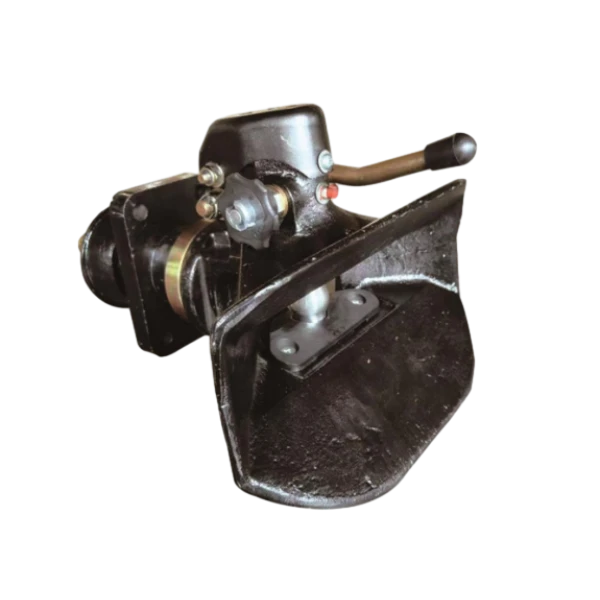 Trailer Coupling
The trailer coupling is a critical component in vehicle towing systems, designed to ensure a secure and efficient connection between a towing vehicle and a trailer. These couplings are manufactured using high-strength carbon steel, alloy steel, or stainless steel, ensuring durability and resistance to heavy loads and harsh environments.
-
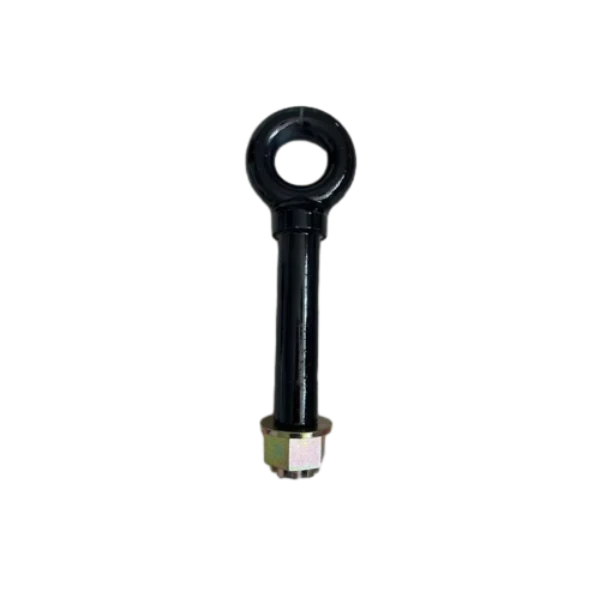
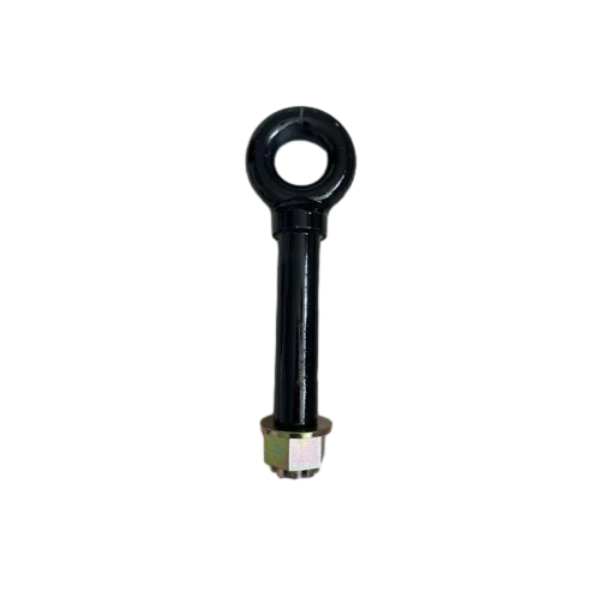 Drawbar Eyes
Drawbar eyes are essential components in towing and hauling applications, providing a strong and secure attachment point between the trailer and the towing vehicle. They are designed to endure extreme pulling forces, making them suitable for heavy-duty applications.
-
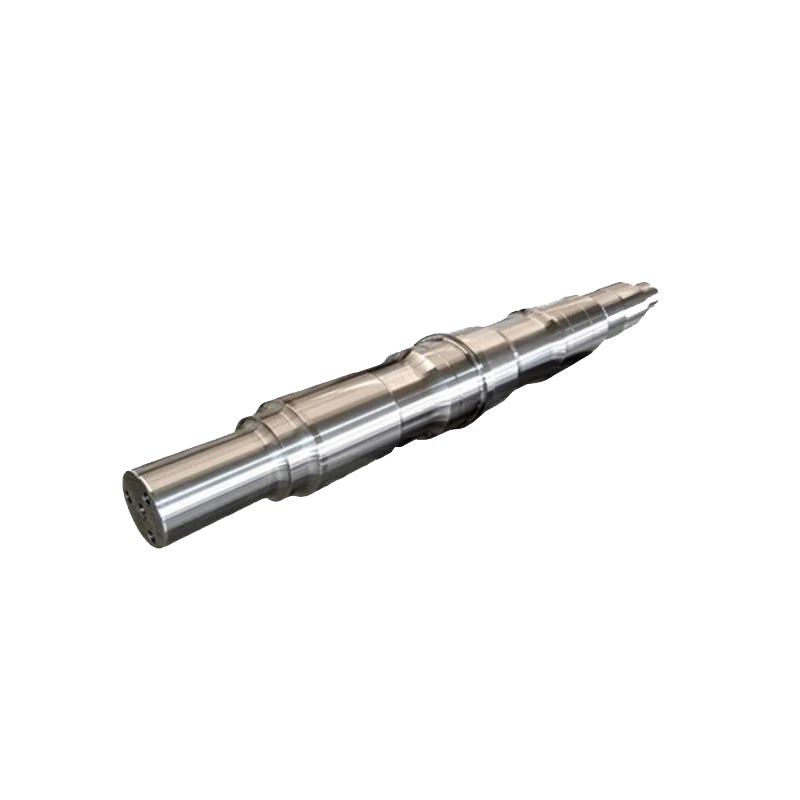
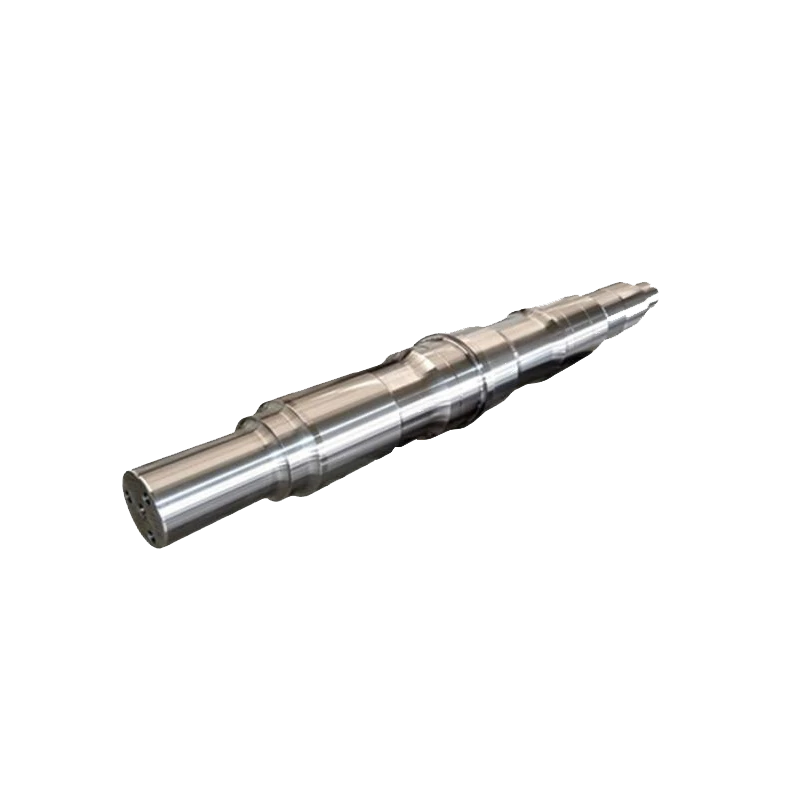 Axles
AxlesAxles are essential for vehicle load-bearing and power transmission, ensuring smooth movement and weight distribution. They must withstand high stress, torque, and impact, making material selection and precise manufacturing crucial.
-
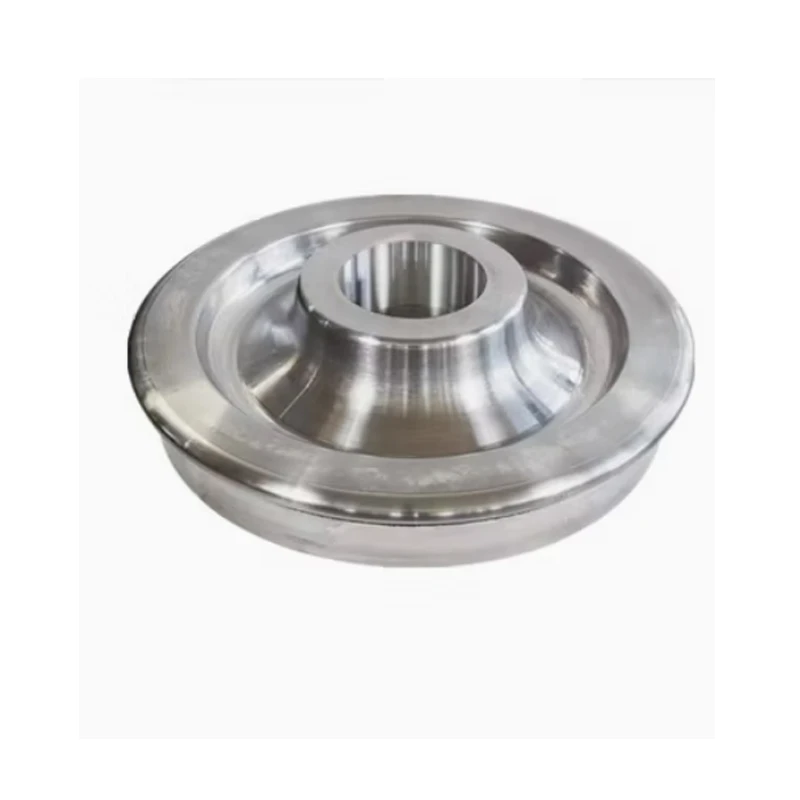 Profile S1002 Series Rail Wheels
The S1002 series rail wheels are designed for Rail-Road Vehicles (RRVs) that require seamless operation on both roads and railway tracks. Engineered with high precision and durability, these wheels conform to S1002 tread profiles, ensuring compatibility with standard railway systems.
A Comprehensive Guide to Axles Types for Industry Decision Makers | Manufacturing Base
Axles Types is a key solution in the industry, specifically within heavy machinery and transportation sectors. This article explores how https://www.manufacturing-base.com supports professionals with durable, high-performance products
>
Reliable Rail Wheels: Optimize Your Rail Transport Solutions
For industries that rely on rail-based vehicles, choosing the right rail wheels is essential for smooth operations and safety.
>
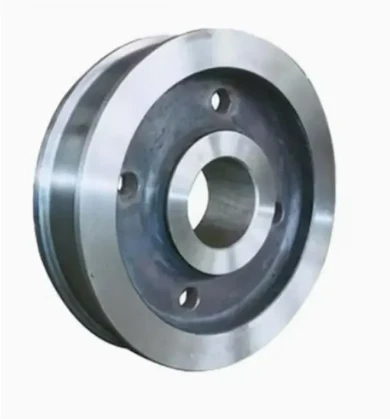
Premium Overhead Crane Wheels For Sale: Enhance Industrial Lifting Efficiency
In modern industrial operations, high-quality overhead crane wheels for sale are essential for safe, reliable, and efficient lifting.
>
Premium Hi Rail Wheels For Sale: Boost Rail Vehicle Performance
In the modern industrial and railway sectors, having reliable hi rail wheels for sale is essential for operational efficiency and safety.
>
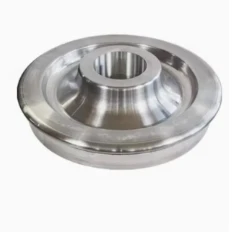
High-Quality Hi Rail Wheels For Sale: Enhance Your Rail Equipment Efficiency
When it comes to reliable rail maintenance and industrial operations, investing in hi rail wheels for sale is crucial.
>
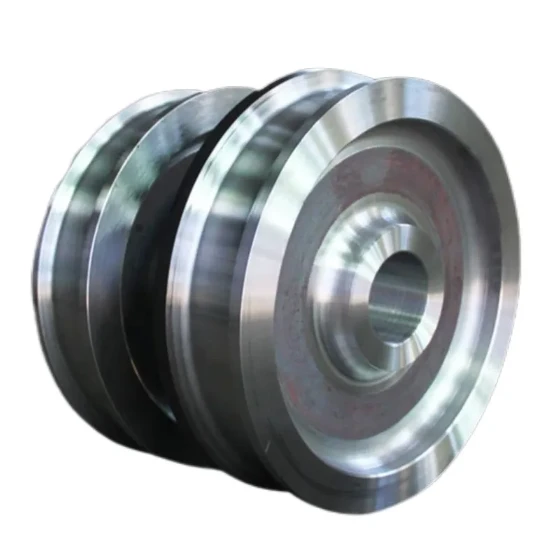
High-Quality Crane Wheels For Sale: Enhance Your Crane Operations
For industries relying on heavy lifting and material handling, investing in high-quality crane wheels for sale is crucial.
>
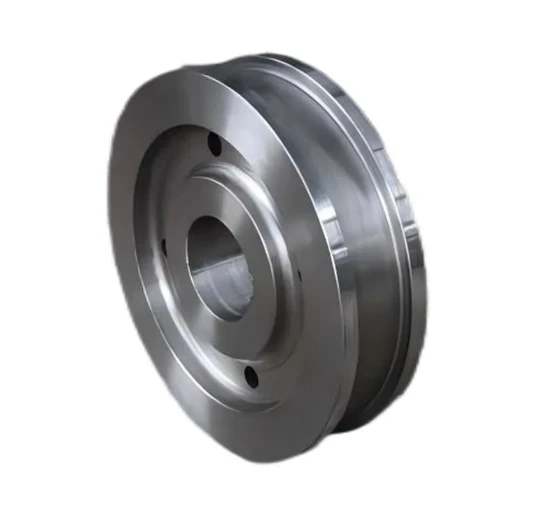
Durable Gantry Crane Wheels For Sale: Maximize Lifting Efficiency
For industries relying on heavy-duty lifting and material handling, selecting the right gantry crane wheels for sale is vital.
>
Reliable Tandem Drive Axles for Heavy-Duty Industrial Vehicles
Tandem Drive Axles: What I’ve Learned After Years in the Industrial Equipment Sector Ha
>
Reliable Semi Trailer Axles for Heavy-Duty Trailers | Expert Insight
Understanding semi trailer axles: The Backbone of Heavy Hauling Having spent more than a deca
>
RC Portal Axles: Industrial Strength and Custom Performance
RC Portal Axles: A Veteran’s Take on Industrial-Grade Performance Having spent over a d
>
Engineered for Excellence
Our forged solutions deliver reliability and performance, powering demanding industries to keep operations running smoothly.

Sign up
for Newsletter
Subscribe to the weekly newsletter for all the latest updates