- Tel: +86 311 82620404
- Cell: 86 -13739710551
- Email: sales@potentia.cn

Forged Crane Wheels | Durable & Reliable Crane Wheel Solutions for Heavy Duty Applications
Forged Crane Wheels: The Unsung Heroes of Heavy Machinery
If you’ve ever watched a massive crane effortlessly lift tons of steel, containers, or other heavy loads, you’ve witnessed forged crane wheels in action—though they may not grab the spotlight like the towering booms or cables. These wheels play a pivotal role in ensuring smooth movement, safety, and durability in the lifting sector worldwide.
Globally, the heavy lifting and construction industries depend heavily on components like forged crane wheels for operational efficiency. According to ISO standards, the fabrication of crane wheels directly influences machine performance and safety compliance, while the World Bank reports continual growth in infrastructure projects across emerging economies, driving demand for better, more reliable crane parts. This makes understanding forged crane wheels — how they’re made, what they do, and why durability matters — crucial for anyone invested in industrial machinery, logistics, or manufacturing.
Mini takeaway: Forged crane wheels might be small compared to the scale of cranes, but their impact on global construction and infrastructure growth is massive.
What Are Forged Crane Wheels and Why They Matter
Simply put, forged crane wheels are robust steel wheels made by shaping metal under extremely high pressure — that’s the forging process. This method creates wheels with superior strength and consistency compared to cast or fabricated types. These wheels specifically support the heavy loads and frequent movement cranes undergo during lifting operations.
Why forging? Unlike casting, which can have internal defects, forging aligns the metal's grain structure, enhancing mechanical properties and resistance to fatigue or cracking. This matters in industrial settings where safety and longevity are non-negotiable. From bridges to container yards, these wheels ensure cranes stay stable and operational for years.
Mini takeaway: Forged crane wheels are engineered to resist wear, handle immense stresses, and keep cranes rolling smoothly — a perfect marriage of metallurgy and practical engineering.
Key Components and Features of Forged Crane Wheels
1. Durability and Fatigue Resistance
The core advantage of forging is durability. Forged crane wheels withstand continuous load cycles without deforming or cracking. The process enhances resistance to fatigue failure, a critical factor since cranes operate for thousands of cycles during their service life.
2. Material Quality and Composition
Typically made from high-grade alloy steels like AISI 1045 or special manganese steels, these wheels are heat-treated to optimize hardness and toughness balance. Material selection directly affects load-bearing capabilities and lifespan.
3. Precision and Manufacturing Accuracy
Forging produces wheels with tight dimensional tolerances, which ensures proper fitting on axles and seamless rolling. High precision reduces vibrations, wear on bearings, and contributes to safer operation.
4. Cost-Efficiency
Although forging is energy-intensive and may have higher upfront costs than casting, the long-term savings from extended service life and reduced maintenance make forged wheels economically sound.
5. Adaptability to Custom Designs
Manufacturers can customize forged crane wheels for specific crane types or operational conditions, adjusting sizes, flange styles, and hardness levels to suit different industrial needs.
Mini takeaway: From materials to tolerance levels, forged crane wheels represent a carefully balanced feat of engineering designed for robust, long-lasting crane performance.
Global Applications of Forged Crane Wheels
The global crane market is booming — with Asia-Pacific leading in growth due to urbanization and industrial expansion. Forged crane wheels find major application in:
- Port and Container Terminals: Forged wheels keep gantry cranes moving reliably for loading/unloading gigantic shipping containers.
- Construction Sites: Tower cranes heavily depend on these wheels for mobility around their base rails, especially in sprawling projects.
- Mining and Material Handling: Heavy-duty cranes in remote mines use forged wheels engineered for rugged terrain and harsh weather.
- Disaster Relief and Emergency Infrastructure: In post-disaster scenarios, mobile cranes equipped with forged wheels enable rapid debris clearing and temporary bridge assembly—essential for humanitarian and reconstruction efforts.
Regions like South-East Asia, the Middle East, and parts of Africa who are investing heavily in infrastructure upgrades rely on the performance guarantees of forged crane wheels for their projects’ success.
Mini takeaway: From urban ports to remote mines, the reliability of forged crane wheels supports global development, disaster relief, and industrial progress.
Advantages and Long-Term Value of Forged Crane Wheels
What makes forged crane wheels truly valuable isn’t only raw strength but a mix of practical and emotional factors:
- Safety: In an industry where a failure could be catastrophic, trustworthy wheels build operator confidence and protect lives.
- Sustainability: Longer-lasting wheels mean fewer replacements - reducing raw material consumption and waste.
- Cost Savings: Less downtime and maintenance reduce project delays and operational expenses considerably.
- Innovation Trust: Operators feel reassured using components crafted through precision forging, which is considered the gold standard in crane wheel manufacturing.
Frankly, when you’re in the field, these wheels are the quiet champions that keep everything rolling, preventing costly interruptions and upgrades.
Product Specifications of Popular Forged Crane Wheels
| Specification | Typical Details |
|---|---|
| Diameter | 400 mm – 1200 mm |
| Material | Alloy steel SAE 1045 / Manganese Steel |
| Hardness | 280-350 HB |
| Flange Type | Single or double flange options |
| Load Capacity | Up to 50 tons |
| Heat Treatment | Quenching and tempering |
Comparing Top Forged Crane Wheel Manufacturers
| Manufacturer | Material Quality | Customization | Lead Time | Price Range |
|---|---|---|---|---|
| CraneWheels Co. | High-grade alloy steel | Full custom designs | 4-6 weeks | $$$ |
| SteelForge Ltd. | Medium manganese steel | Standard sizes only | 3-5 weeks | $$ |
| Global Crane Parts | Premium alloy with heat treatment | Custom orders & engineering support | 5-7 weeks | $$$$ |
Looking Ahead: Innovations in Forged Crane Wheels
What fascinates me is how this seemingly straightforward component is ripe for innovation: from advanced metallurgical processes increasing strength-to-weight ratios, to the adoption of sensor-embedded wheels that monitor wear in real-time — talk about smart cranes!
Material scientists are exploring eco-friendlier alloys and recycling methods that reduce environmental impact, syncing with the global push for sustainable manufacturing. Plus, automation in forging and precision machining is shortening lead times and improving consistency.
Put simply, forged crane wheels aren’t stuck in the past—they’re evolving alongside Industry 4.0 trends and environmental imperatives, meaning better safety and smarter operations ahead.
Challenges in Using Forged Crane Wheels and How to Address Them
Of course, no product is perfect. Forged crane wheels require significant energy to produce, and any defect during forging can impact safety. Plus, mismatched wheels or improper installation can cause uneven wear.
To mitigate these challenges, many manufacturers are:
- Implementing stricter quality control and non-destructive testing (NDT) techniques.
- Training operators and maintenance crews on proper wheel fitment and inspection routines.
- Optimizing material sourcing to balance cost, performance, and sustainability metrics.
These solutions shorten downtime, improve longevity, and keep operations safe, which is the endgame after all.
FAQ: Frequently Asked Questions About Forged Crane Wheels
Q1: How long do forged crane wheels typically last?
On average, forged crane wheels can last anywhere from 5 to 15 years depending on usage intensity and maintenance. Regular inspections and proper lubrication significantly extend lifespan.
Q2: Can forged crane wheels be repaired if damaged?
Minor surface damage may be ground down, but major cracks usually require replacement for safety reasons. Always consult with manufacturers for repair advisories.
Q3: Are forged crane wheels compatible with all crane types?
They’re mainly designed for heavy-duty cranes like gantry, tower, and overhead cranes, but sizes and specifications vary. Custom fabrication can ensure compatibility.
Q4: What maintenance is needed to keep forged crane wheels in top condition?
Routine cleaning, lubrication of axles, and regular inspections for wear or cracks are essential. Scheduled maintenance minimizes unexpected failures.
Q5: How do forged crane wheels impact crane safety?
Their reliability reduces risk of axle failures or derailments, improving overall crane stability — a critical factor in site safety.
Mini takeaway: Understanding usage, maintenance, and repair options is key to maximizing forged crane wheels’ operational value and safety.
Conclusion: Forge Ahead with Confidence
At the end of the day, forged crane wheels may be humble in form but monumental in function. They quietly power global infrastructure by enabling cranes to move safely and efficiently across countless applications — from bustling ports to disaster relief zones.
If you’re exploring reliable, durable options to keep heavy lifting operations smooth and safe, learning about forged crane wheels (and choosing quality suppliers) is a smart move. Curious to explore more or get custom quotes? Visit forged crane wheels for detailed resources, vendor connections, and expert guidance tailored to your industrial needs.
Here’s to smoother rolling days ahead.
References
-
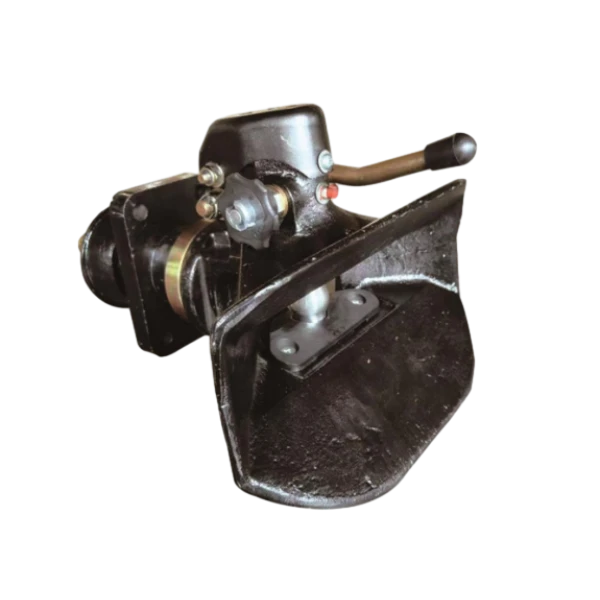 Trailer Coupling
The trailer coupling is a critical component in vehicle towing systems, designed to ensure a secure and efficient connection between a towing vehicle and a trailer. These couplings are manufactured using high-strength carbon steel, alloy steel, or stainless steel, ensuring durability and resistance to heavy loads and harsh environments.
-
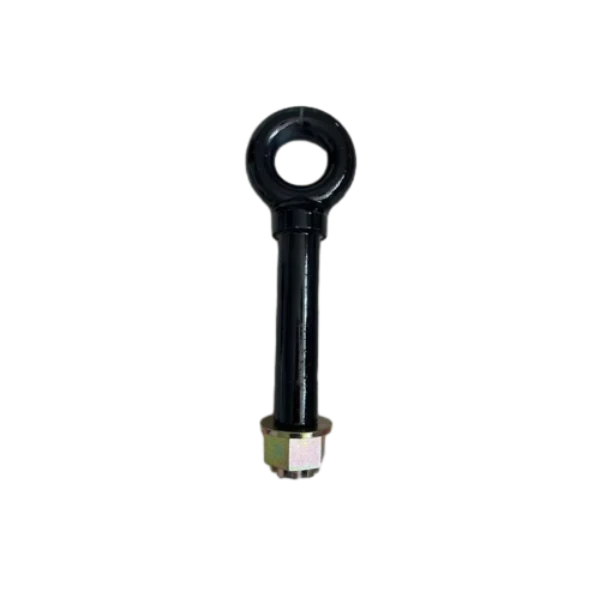
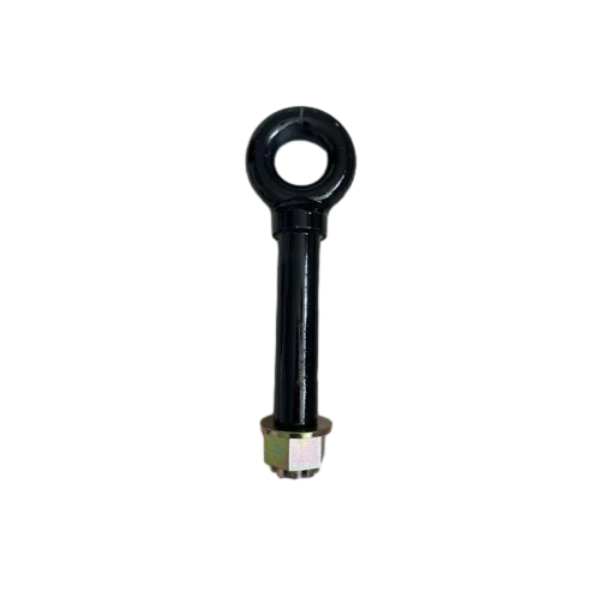 Drawbar Eyes
Drawbar eyes are essential components in towing and hauling applications, providing a strong and secure attachment point between the trailer and the towing vehicle. They are designed to endure extreme pulling forces, making them suitable for heavy-duty applications.
-
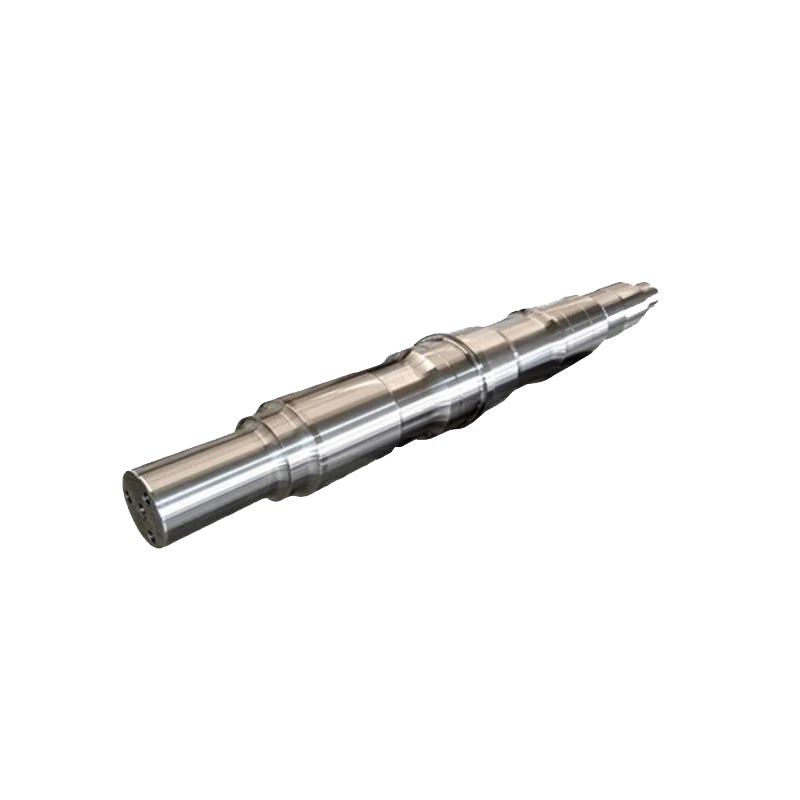
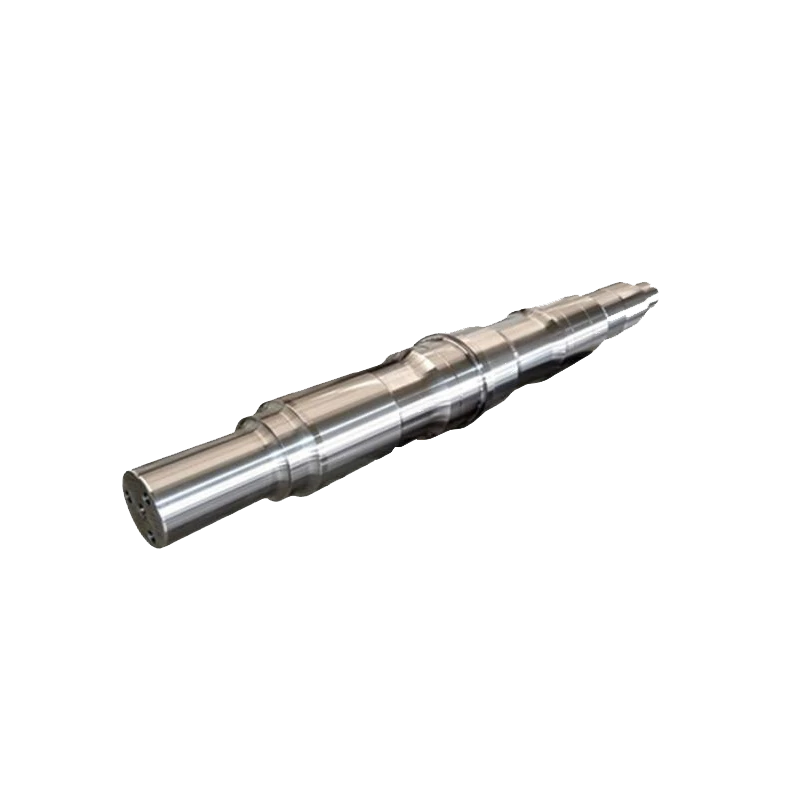 Axles
AxlesAxles are essential for vehicle load-bearing and power transmission, ensuring smooth movement and weight distribution. They must withstand high stress, torque, and impact, making material selection and precise manufacturing crucial.
-
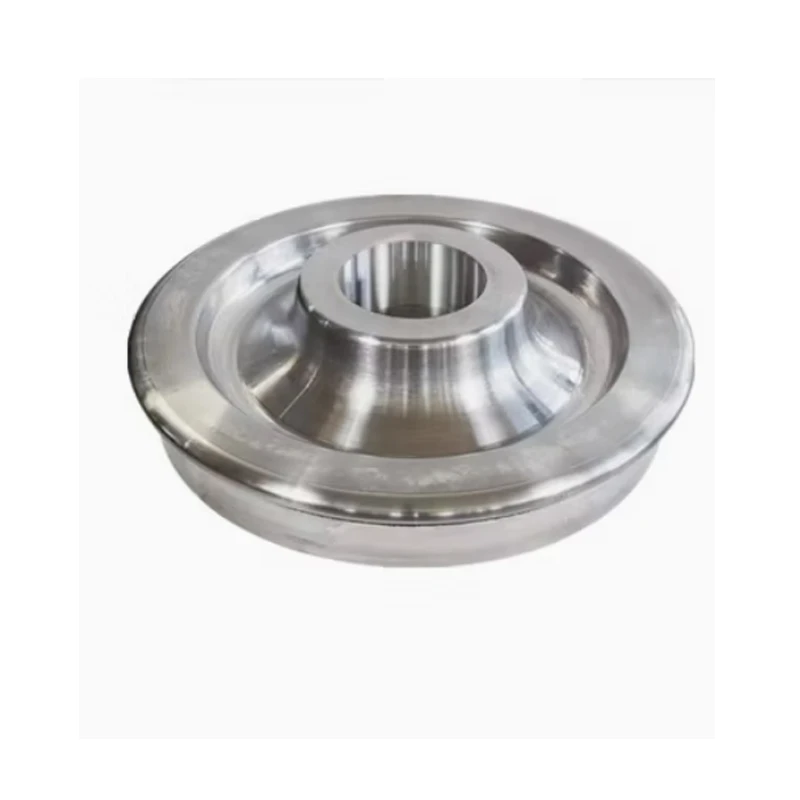 Profile S1002 Series Rail Wheels
The S1002 series rail wheels are designed for Rail-Road Vehicles (RRVs) that require seamless operation on both roads and railway tracks. Engineered with high precision and durability, these wheels conform to S1002 tread profiles, ensuring compatibility with standard railway systems.
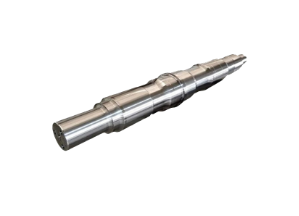
A Comprehensive Guide to Axles Types for Industry Decision Makers | Manufacturing Base
Axles Types is a key solution in the industry, specifically within heavy machinery and transportation sectors. This article explores how https://www.manufacturing-base.com supports professionals with durable, high-performance products
>
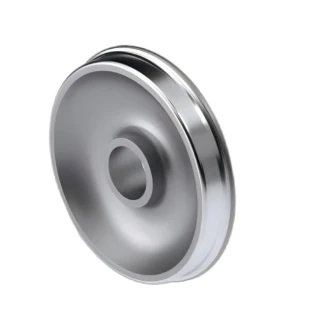
Reliable Rail Wheels: Optimize Your Rail Transport Solutions
For industries that rely on rail-based vehicles, choosing the right rail wheels is essential for smooth operations and safety.
>
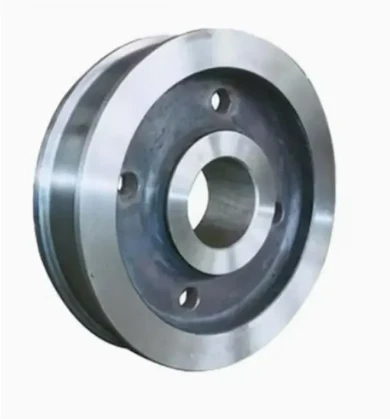
Premium Overhead Crane Wheels For Sale: Enhance Industrial Lifting Efficiency
In modern industrial operations, high-quality overhead crane wheels for sale are essential for safe, reliable, and efficient lifting.
>
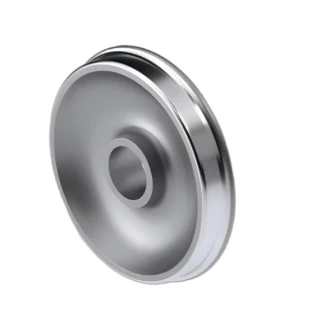
Premium Hi Rail Wheels For Sale: Boost Rail Vehicle Performance
In the modern industrial and railway sectors, having reliable hi rail wheels for sale is essential for operational efficiency and safety.
>
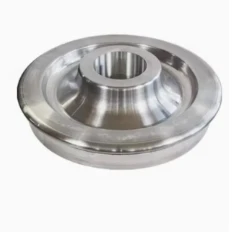
High-Quality Hi Rail Wheels For Sale: Enhance Your Rail Equipment Efficiency
When it comes to reliable rail maintenance and industrial operations, investing in hi rail wheels for sale is crucial.
>
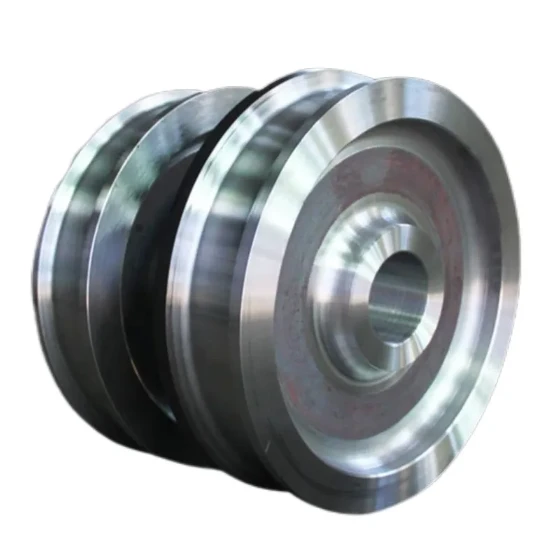
High-Quality Crane Wheels For Sale: Enhance Your Crane Operations
For industries relying on heavy lifting and material handling, investing in high-quality crane wheels for sale is crucial.
>
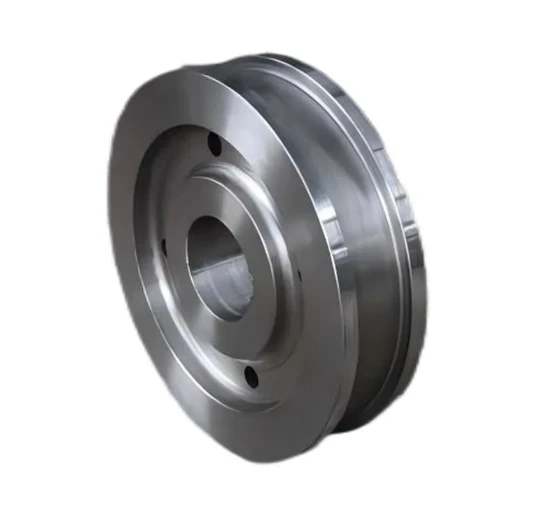
Durable Gantry Crane Wheels For Sale: Maximize Lifting Efficiency
For industries relying on heavy-duty lifting and material handling, selecting the right gantry crane wheels for sale is vital.
>
Reliable Tandem Drive Axles for Heavy-Duty Industrial Vehicles
Tandem Drive Axles: What I’ve Learned After Years in the Industrial Equipment Sector Ha
>
Reliable Semi Trailer Axles for Heavy-Duty Trailers | Expert Insight
Understanding semi trailer axles: The Backbone of Heavy Hauling Having spent more than a deca
>
RC Portal Axles: Industrial Strength and Custom Performance
RC Portal Axles: A Veteran’s Take on Industrial-Grade Performance Having spent over a d
>
Engineered for Excellence
Our forged solutions deliver reliability and performance, powering demanding industries to keep operations running smoothly.

Sign up
for Newsletter
Subscribe to the weekly newsletter for all the latest updates