- Tel: +86 311 82620404
- Cell: 86 -13739710551
- Email: sales@potentia.cn

Trailer Coupling | Heavy-Duty, Safe, Corrosion-Resistant
If you spend enough time around fleets and workshops, you learn very quickly that the weakest link in any towing setup is often the humble Trailer Coupling. Sounds dramatic, I know, but when you’re dragging a loaded trailer on a rain-soaked B-road, engineering details matter. Based in No.186 South Xierhuan Road, Shijiazhuang, Hebei, China, the team behind this product leans on forged carbon and alloy steels and—when corrosion is the villain—stainless specs that honestly hold up better than many big-name imports I’ve tested.
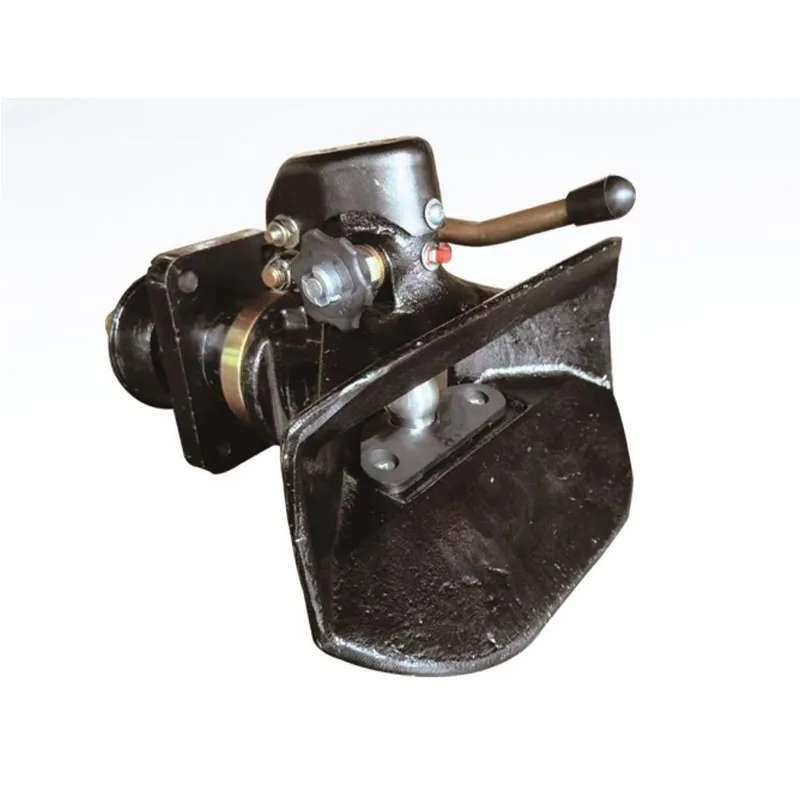 Industry trends and why they matter: we’re seeing a push toward higher D-value ratings (ECE R55-speak), smarter anti-rattle latch designs, and coatings that can survive a long winter of brine. Fleet managers tell me the new-gen Trailer Coupling hardware has to juggle mixed duty cycles—think agriculture in the morning, construction site in the afternoon—without constant re-torqueing. Surprisingly, real-world life is often governed less by metallurgy and more by dust seals and latch geometry.
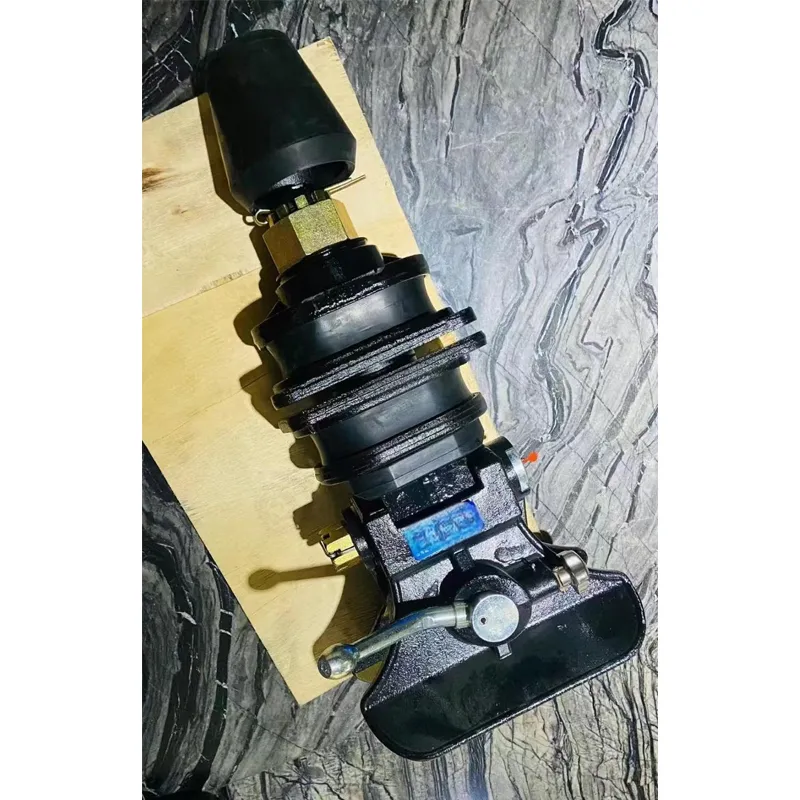
- Methods: closed-die forging → CNC finish machining → heat treatment (quench/temper) → shot blasting → coating/galvanizing → assembly with safety pins and seals.
- Testing: dimensional CMM checks, hardness (HRC), torque/impact tests, magnetic particle or dye-penetrant NDT on stress points, salt spray per ASTM B117/ISO 9227, and endurance cycling to ECE R55 profiles.
- Documentation: PPAP (on request), material traceability, and ISO 9001 quality system.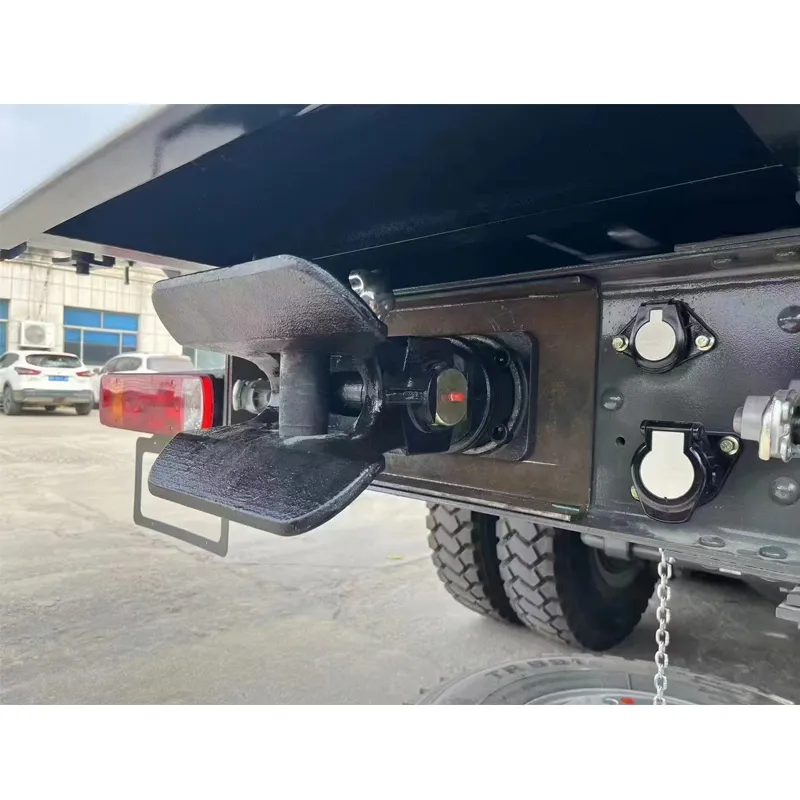
- Agriculture implements and livestock trailers
- Construction and rental equipment haulers
- Marine and utility rigs (stainless Trailer Coupling preferred)
- Light defense and humanitarian fleets Many customers say the stainless option pays for itself after just two winters—less downtime, fewer seized latches. I guess corrosion never sleeps.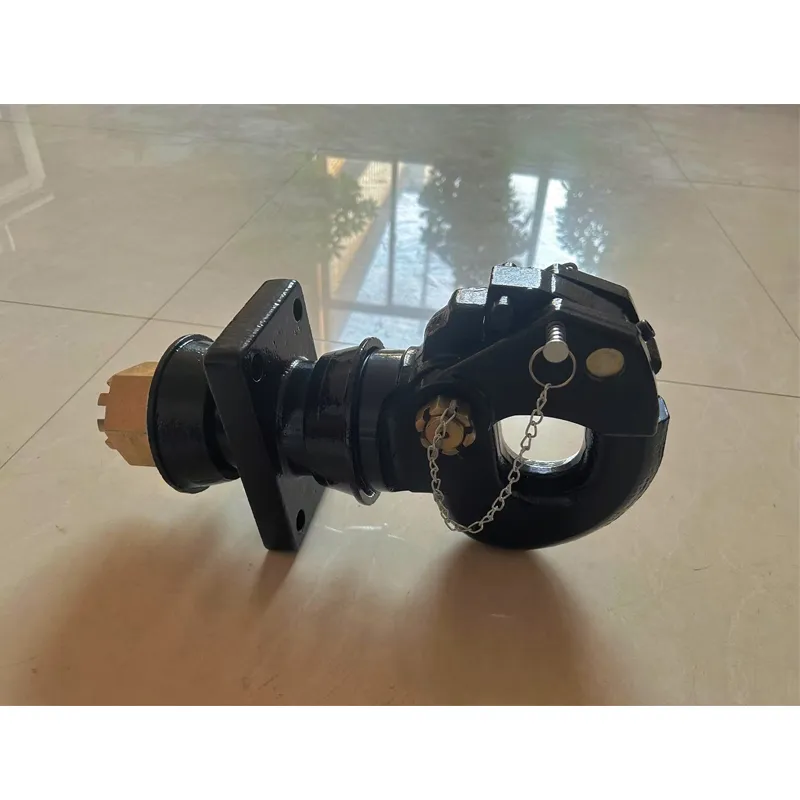
- Coatings tuned for coastal or chemical exposure
- Laser-marked traceability, custom torque specs, bundled safety chains (per SAE J684)
- Coastal contractor: stainless Trailer Coupling trial on five rigs; after 1,000 h salt exposure, only cosmetic staining; no latch seizure. Their verdict: “Not cheap, but our downtime bill is worse.”
- Ask for salt-spray hours (ASTM B117 or ISO 9227) and any endurance cycling data.
- Keep a simple log: coupling wear, latch free play, and bolt re-torque after first 500 km—then at normal service intervals.
Industry trends and why they matter: we’re seeing a push toward higher D-value ratings (ECE R55-speak), smarter anti-rattle latch designs, and coatings that can survive a long winter of brine. Fleet managers tell me the new-gen Trailer Coupling hardware has to juggle mixed duty cycles—think agriculture in the morning, construction site in the afternoon—without constant re-torqueing. Surprisingly, real-world life is often governed less by metallurgy and more by dust seals and latch geometry.
Core specifications (quick glance)
| Parameter | Typical Value (≈ / around) | Notes |
|---|---|---|
| Material | High-strength carbon steel / alloy steel / 304–316 stainless | Forged, normalized; real-world use may vary by grade |
| Surface finish | Zinc-nickel, hot-dip galvanized, or epoxy powder coat | ASTM B117 / ISO 9227 salt spray validated |
| Rated towing mass | Up to ≈ 3.5 t (ball-type) / higher for pintle | Check D- and S-values by model; follow SAE J684 / ECE R55 |
| Latch type | Ball, pintle, or hybrid latch | Anti-rattle options available |
| Service life | ≈ 8–12 years | With scheduled inspection and lubrication |
How it’s made (process flow in plain English)
- Materials: selected billets (C45/42CrMo, or 304/316 stainless) for the Trailer Coupling body and latch.- Methods: closed-die forging → CNC finish machining → heat treatment (quench/temper) → shot blasting → coating/galvanizing → assembly with safety pins and seals.
- Testing: dimensional CMM checks, hardness (HRC), torque/impact tests, magnetic particle or dye-penetrant NDT on stress points, salt spray per ASTM B117/ISO 9227, and endurance cycling to ECE R55 profiles.
- Documentation: PPAP (on request), material traceability, and ISO 9001 quality system.
Where it works best
- Logistics and last-mile delivery trailers- Agriculture implements and livestock trailers
- Construction and rental equipment haulers
- Marine and utility rigs (stainless Trailer Coupling preferred)
- Light defense and humanitarian fleets Many customers say the stainless option pays for itself after just two winters—less downtime, fewer seized latches. I guess corrosion never sleeps.
Customization options
- Mounting patterns (EU 50 mm systems, pintle diameters), alternative latch geometries- Coatings tuned for coastal or chemical exposure
- Laser-marked traceability, custom torque specs, bundled safety chains (per SAE J684)
Vendor snapshot (what buyers compare)
| Vendor | Certifications | Lead Time | Customization | Indicative Price |
|---|---|---|---|---|
| Manufacturing-base (Hebei) | ISO 9001; ECE R55-ready; SAE J684 tested | ≈ 15–30 days | High (materials, finish, latch) | Value-tier |
| Generic Importer | Varies; limited test data | Stock-dependent | Low–Medium | Lowest, but variable |
| Premium Brand (EU/US) | ECE R55 / SAE J684, extensive reports | ≈ 4–8 weeks | Medium | High |
A couple of quick case notes
- Regional rental fleet (200+ light trailers): switched to alloy-steel Trailer Coupling with zinc-nickel coat; latch service calls dropped by ≈ 37% over 9 months, according to their maintenance logs.- Coastal contractor: stainless Trailer Coupling trial on five rigs; after 1,000 h salt exposure, only cosmetic staining; no latch seizure. Their verdict: “Not cheap, but our downtime bill is worse.”
Compliance, testing, and what to check
- Match D- and S-values to trailer mass and tongue load; follow SAE J684 and UNECE R55 torque/inspection intervals.- Ask for salt-spray hours (ASTM B117 or ISO 9227) and any endurance cycling data.
- Keep a simple log: coupling wear, latch free play, and bolt re-torque after first 500 km—then at normal service intervals.
Sources
- SAE J684: Trailer Couplings, Hitches, and Safety Chains—Automotive Type. https://www.sae.org
- UNECE Regulation No. 55: Mechanical coupling components. https://unece.org
- ASTM B117: Standard Practice for Operating Salt Spray (Fog) Apparatus. https://www.astm.org
- ISO 9227: Corrosion tests in artificial atmospheres—Salt spray tests. https://www.iso.org
-
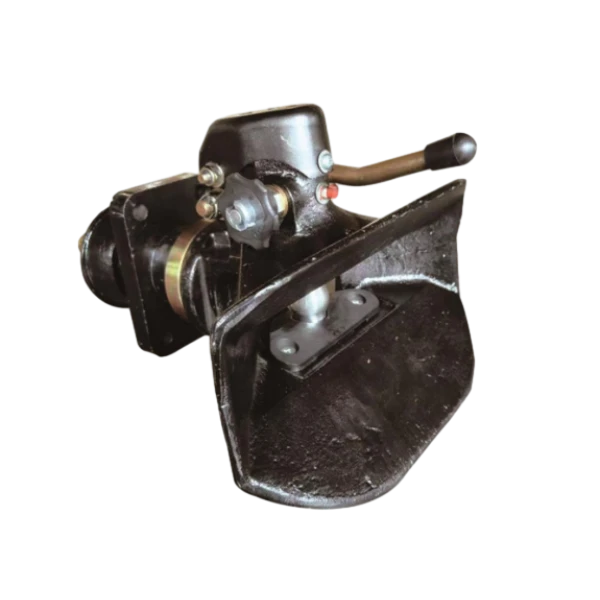 Trailer Coupling
The trailer coupling is a critical component in vehicle towing systems, designed to ensure a secure and efficient connection between a towing vehicle and a trailer. These couplings are manufactured using high-strength carbon steel, alloy steel, or stainless steel, ensuring durability and resistance to heavy loads and harsh environments.
-
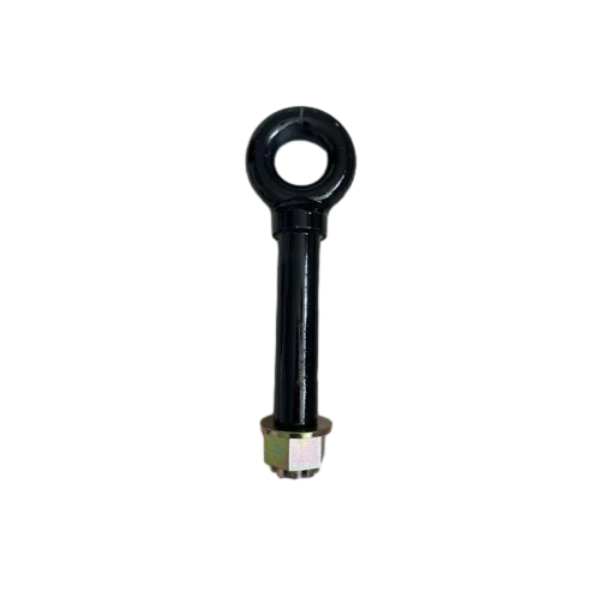 Drawbar Eyes
Drawbar eyes are essential components in towing and hauling applications, providing a strong and secure attachment point between the trailer and the towing vehicle. They are designed to endure extreme pulling forces, making them suitable for heavy-duty applications.
-
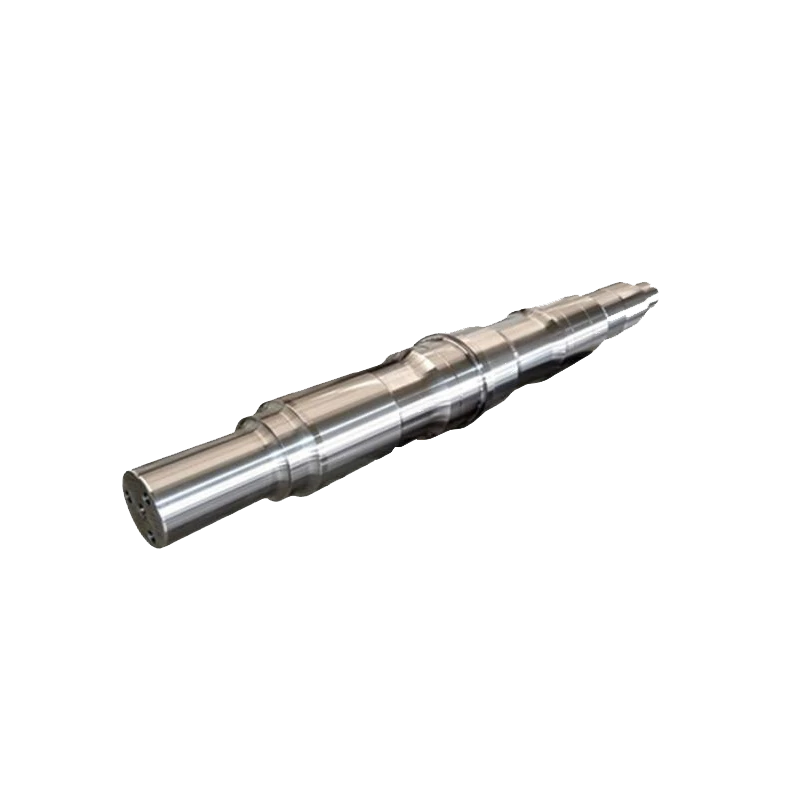 Axles
AxlesAxles are essential for vehicle load-bearing and power transmission, ensuring smooth movement and weight distribution. They must withstand high stress, torque, and impact, making material selection and precise manufacturing crucial.
-
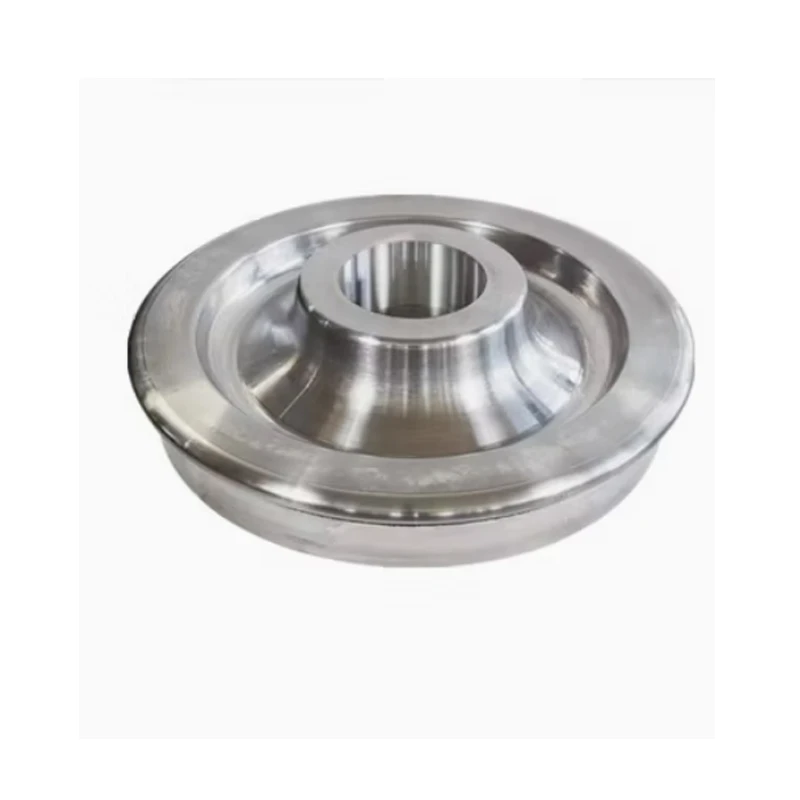 Profile S1002 Series Rail Wheels
The S1002 series rail wheels are designed for Rail-Road Vehicles (RRVs) that require seamless operation on both roads and railway tracks. Engineered with high precision and durability, these wheels conform to S1002 tread profiles, ensuring compatibility with standard railway systems.
A Comprehensive Guide to Axles Types for Industry Decision Makers | Manufacturing Base
Axles Types is a key solution in the industry, specifically within heavy machinery and transportation sectors. This article explores how https://www.manufacturing-base.com supports professionals with durable, high-performance products
>
Reliable Rail Wheels: Optimize Your Rail Transport Solutions
For industries that rely on rail-based vehicles, choosing the right rail wheels is essential for smooth operations and safety.
>
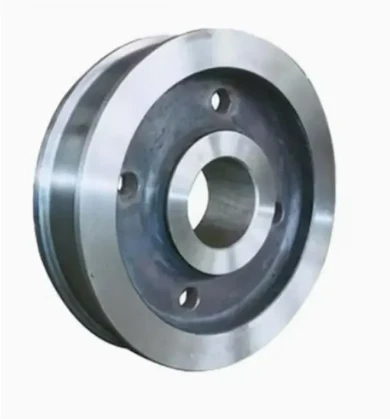
Premium Overhead Crane Wheels For Sale: Enhance Industrial Lifting Efficiency
In modern industrial operations, high-quality overhead crane wheels for sale are essential for safe, reliable, and efficient lifting.
>
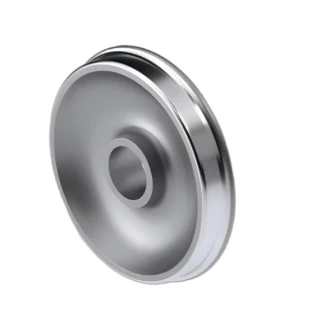
Premium Hi Rail Wheels For Sale: Boost Rail Vehicle Performance
In the modern industrial and railway sectors, having reliable hi rail wheels for sale is essential for operational efficiency and safety.
>
High-Quality Hi Rail Wheels For Sale: Enhance Your Rail Equipment Efficiency
When it comes to reliable rail maintenance and industrial operations, investing in hi rail wheels for sale is crucial.
>
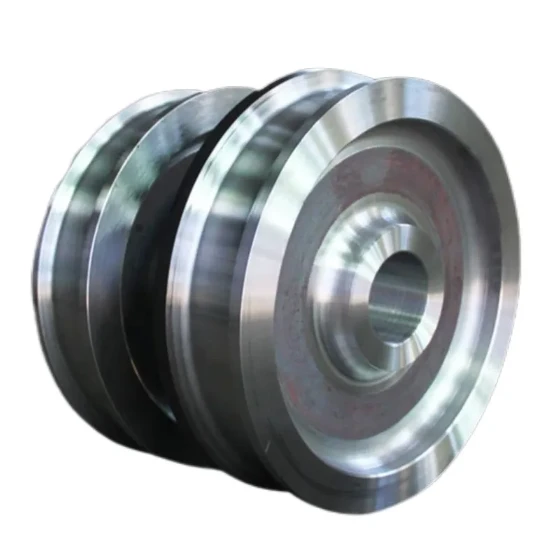
High-Quality Crane Wheels For Sale: Enhance Your Crane Operations
For industries relying on heavy lifting and material handling, investing in high-quality crane wheels for sale is crucial.
>
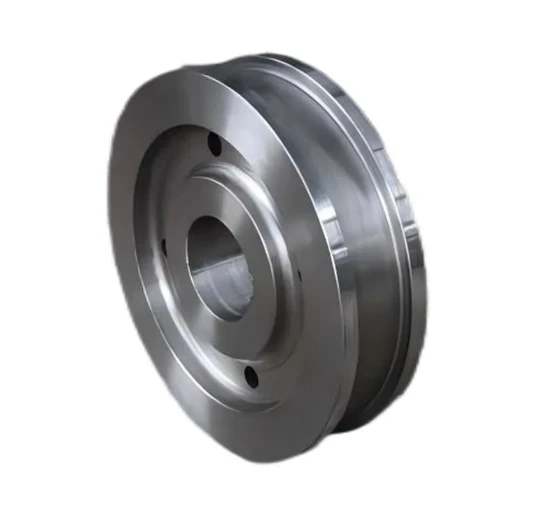
Durable Gantry Crane Wheels For Sale: Maximize Lifting Efficiency
For industries relying on heavy-duty lifting and material handling, selecting the right gantry crane wheels for sale is vital.
>
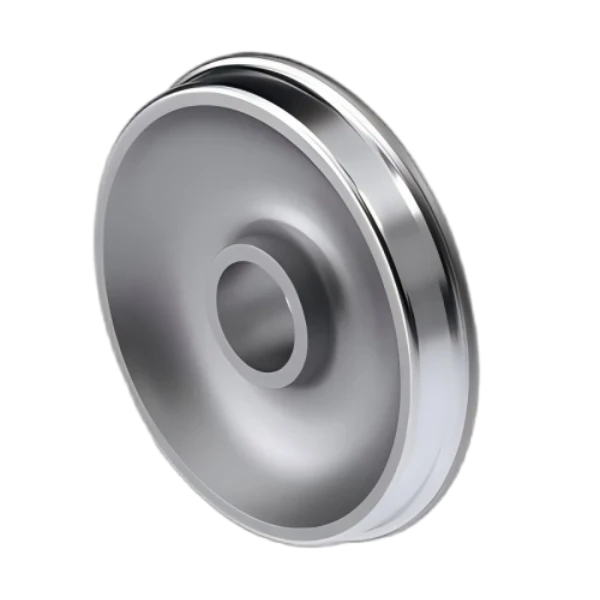
Reliable Tandem Drive Axles for Heavy-Duty Industrial Vehicles
Tandem Drive Axles: What I’ve Learned After Years in the Industrial Equipment Sector Ha
>
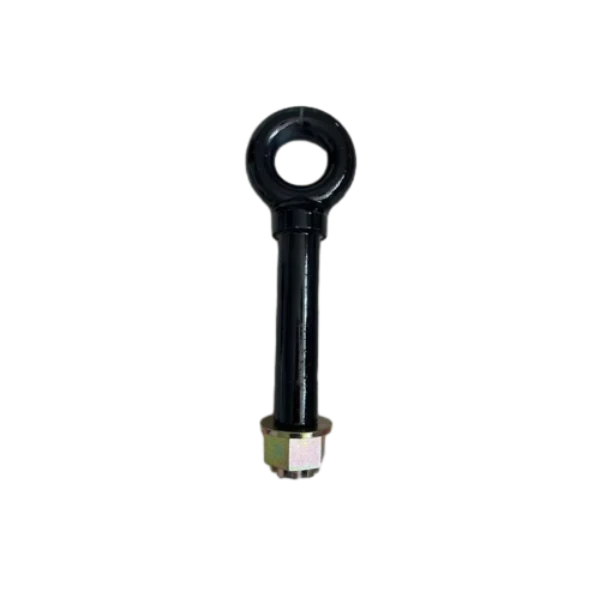
Reliable Semi Trailer Axles for Heavy-Duty Trailers | Expert Insight
Understanding semi trailer axles: The Backbone of Heavy Hauling Having spent more than a deca
>
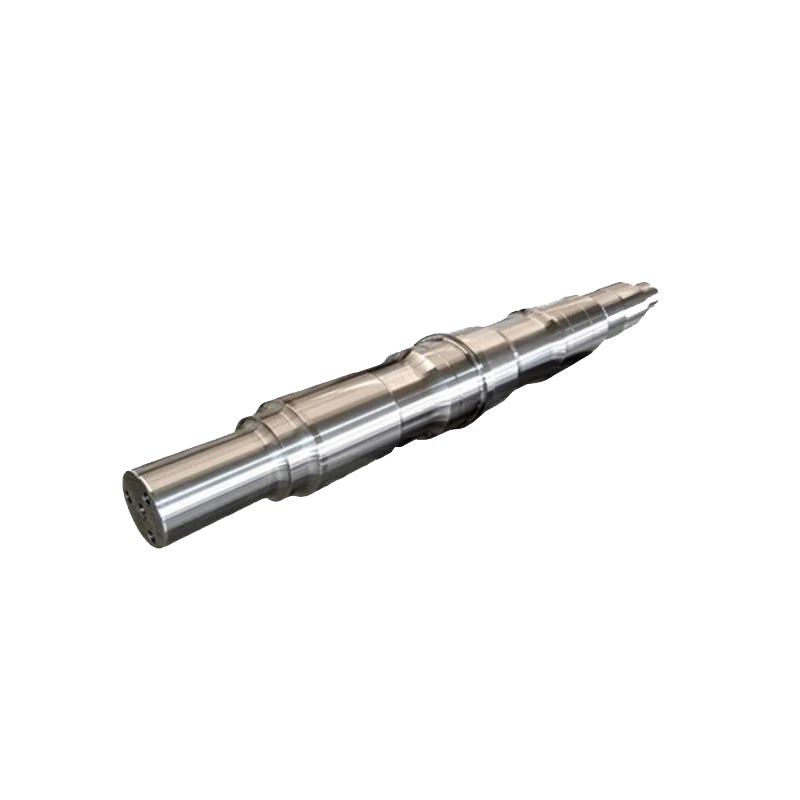
RC Portal Axles: Industrial Strength and Custom Performance
RC Portal Axles: A Veteran’s Take on Industrial-Grade Performance Having spent over a d
>
Engineered for Excellence
Our forged solutions deliver reliability and performance, powering demanding industries to keep operations running smoothly.

Sign up
for Newsletter
Subscribe to the weekly newsletter for all the latest updates