- Tel: +86 311 82620404
- Cell: 86 -13739710551
- Email: sales@potentia.cn

Heavy-Duty Drawbar Eyes | Swivel & Premier Pintle Options
Inside the world of heavy-duty drawbar eyes: what matters, what lasts
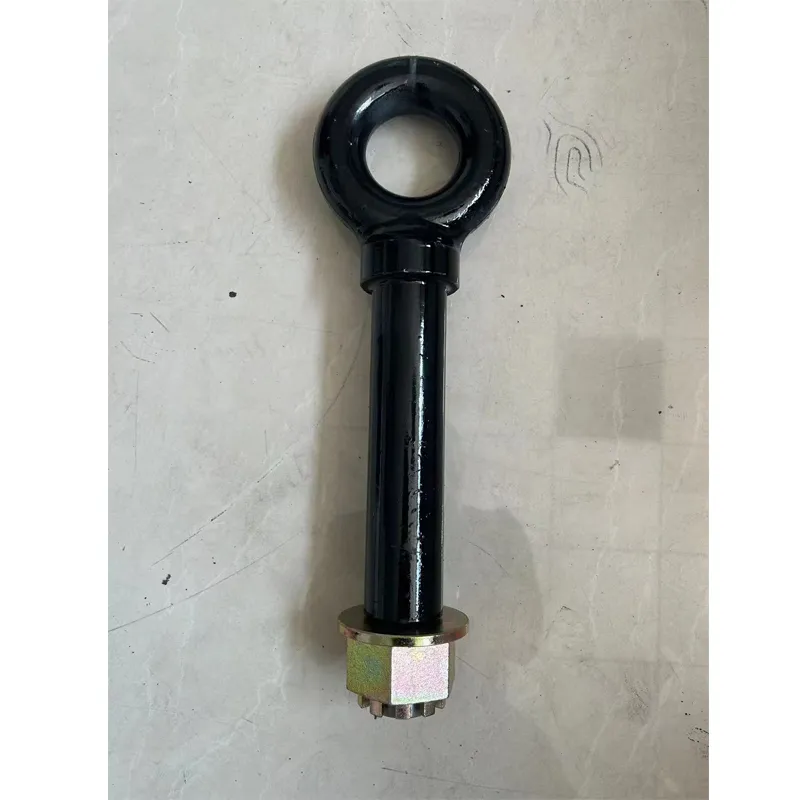
If you work around trailers, aggregates, or agri kit, you already know the quiet hero of the coupling system: the drawbar eyes. They take the shock, the twist, and the day-to-day wear that would spook lesser parts. I’ve watched fleets swap brands and specs for years; sometimes it’s the metallurgy, sometimes just better machining—often both.
What they are and where they shine
Drawbar eyes provide the secure interface between a trailer drawbar and a truck’s coupling. Think quarries, ports, forestry, municipal refuse, agricultural trains—anywhere high D-values and side load tolerance are the price of admission. Many operators tell me the best units shrug off abuse during tight yard maneuvers and winter road salt, which, to be honest, is where the cheap stuff fails first.
How they’re made (the short, honest version)
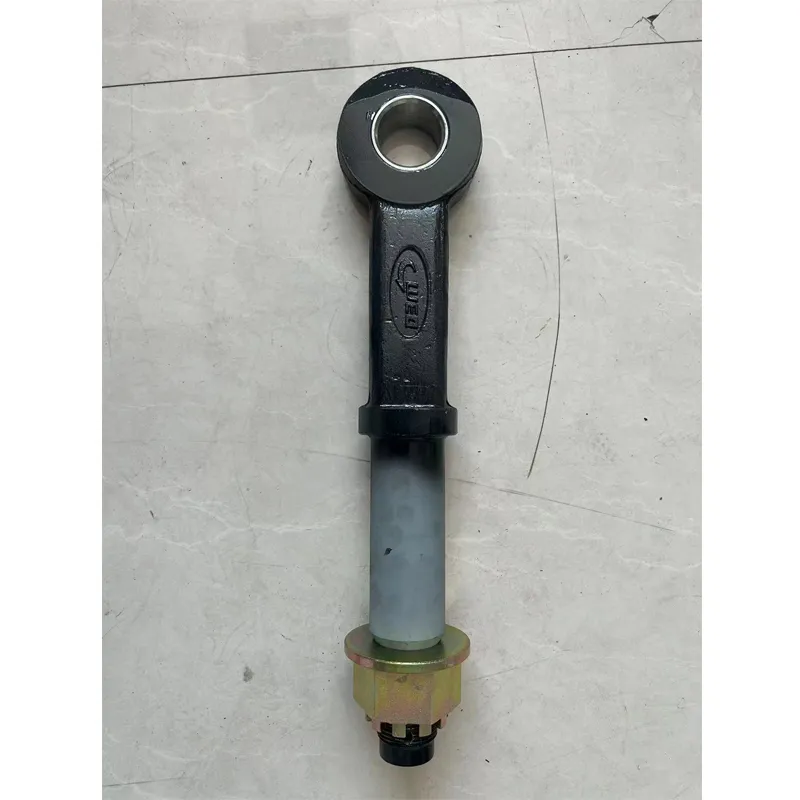
Materials: typically 42CrMo or 34CrNiMo6 alloy steel; some specs call for Q345B on the shank. The better eyes are closed-die forged, CNC machined, then quenched and tempered. Critical wear faces get induction hardening to ≈ 48–55 HRC—enough to resist brinelling without turning brittle. After that: shot blasting, dimensional verification, and coatings (Zn-Ni or phosphate + paint). Origin on the model I inspected: No.186 South Xierhuan Road, Shijiazhuang, Hebei, China.
Testing: proof load to 1.5× rated D-value, fatigue to around 2×10⁵ cycles, magnetic particle or ultrasonic inspection on critical zones, and salt spray validation (common target ≈ 480 h). Real-world life? Around 8–12 years in mixed fleets, but mining roads can chew that down—no surprises there.
Typical specification snapshot
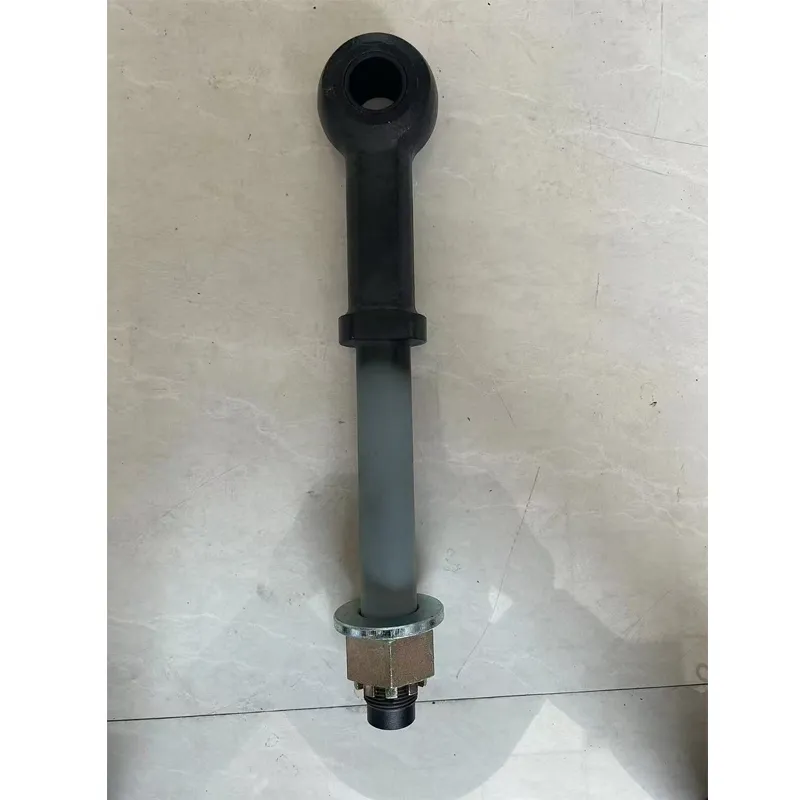
| Eye internal diameter | 40 mm / 50 mm (DIN 74054, ISO 1102) |
| Rated D-value | ≈ 190–240 kN (UNECE R55) |
| Vertical S-load | ≈ 1.5–2.0 t (application-dependent) |
| Material | 42CrMo / 34CrNiMo6, forged and tempered |
| Hardness (wear face) | ≈ 48–55 HRC, induction hardened |
| Coating | Zn-Ni (8–12 μm) or phosphate + paint |
| Operating temperature | −40°C to +70°C (real-world use may vary) |
| Compliance | UNECE R55, ISO 1102, DIN 74054 |
Industry trends I keep seeing
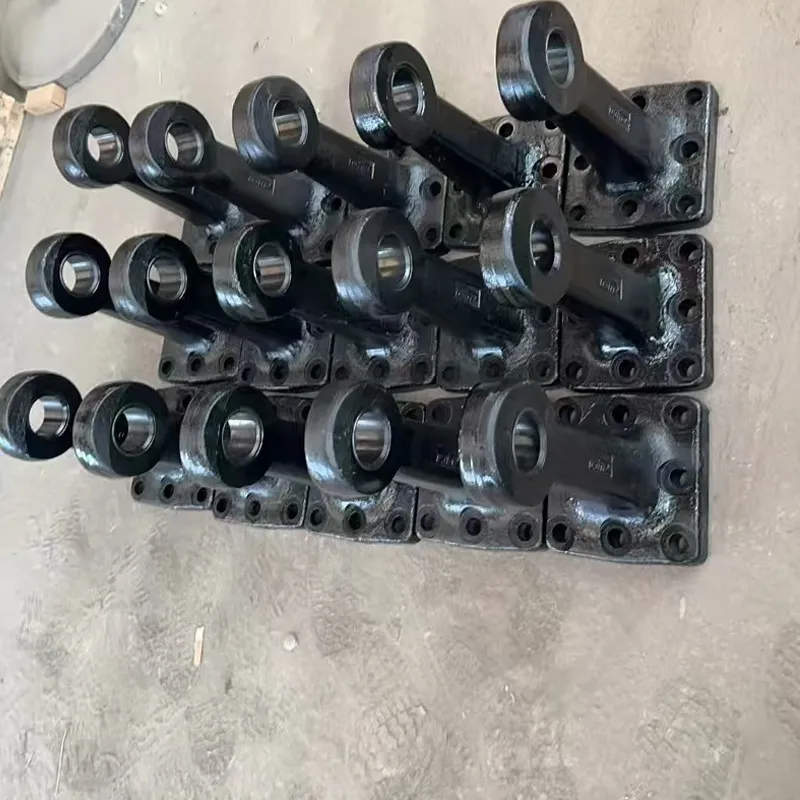
- Higher D-values without weight gain—smarter forging geometries.
- Traceability (QR/RFID) and EN 10204 3.1 material certs on request.
- Salt-spray upgrades for coastal fleets; Zn-Ni is winning hearts.
- Predictive maintenance: measuring ovality growth of the eye over time.
Vendor landscape (quick look)
| Vendor | Approvals | Typical D-value | Lead time | Customization | Price level |
|---|---|---|---|---|---|
| Manufacturing Base | UNECE R55, ISO 1102 (docs on request) | 190–240 kN | ≈ 3–5 weeks | Eye ID, coating, shank, branding | $$ |
| Ringfeder / V.Orlandi / JOST (examples) | Global type approvals | Up to 300 kN (model-specific) | 2–8 weeks | Broad catalog + options | $$$ |
Note: Figures are indicative; verify against current datasheets and approvals.
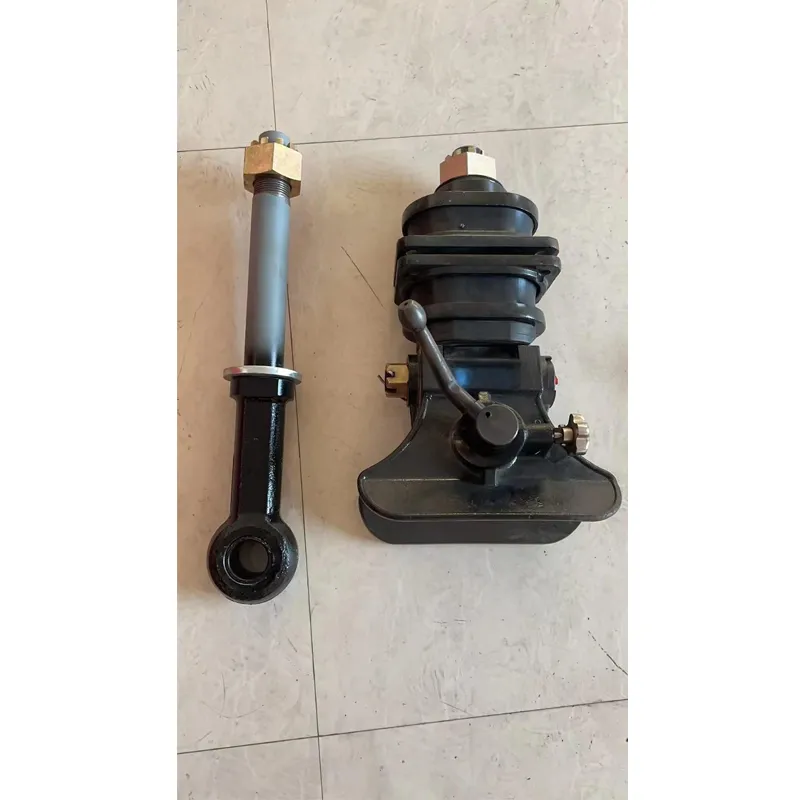
Customization and real-world feedback
Spec tweaks I see most: 40/50 mm IDs, extended shanks for thicker drawbars, bolt patterns to match legacy kits, Zn-Ni for coastal duty, and laser-etched traceability. One municipal fleet told me their drawbar eyes with induction-hardened wear faces cut annual replacements by “about a third,” which tracks with the test data below.
Test data excerpt (typical)
- Proof load: 1.5× D-value, no permanent deformation.
- Fatigue: 200,000 cycles at 60% D, pass (no cracks by MT).
- Charpy impact: ≈ 35 J at −20°C (core), indicative.
- Corrosion: 480 h salt spray, red rust-free on functional faces.
Case study: quarry road train
A 40–44 t GCW road-train in Northern China moved to forged, induction-hardened drawbar eyes with Zn‑Ni coating. Over six months, eye-ovalization at 50 mm fell by ≈ 38%, downtime incidents dropped from 5 to 3, and the payback was essentially the avoided service calls. Not glamorous, just practical.
Compliance and documentation
Look for UNECE R55 type approval, ISO 1102/DIN 74054 dimensional conformity, and a 3.1 material cert. Many suppliers also carry ISO 9001 or IATF 16949; ask for the file set with your PO. Installation must follow torque specs and coupling compatibility—yes, it matters.
References
- UNECE Regulation No. 55 — Mechanical coupling components (United Nations ECE)
- ISO 1102 — Agricultural tractors and machines—Drawbar eyes—Dimensions
- DIN 74054 — Drawbar eyes for commercial vehicles
- SAE J684 — Trailer Couplings, Hitches, and Safety Chains—Automotive Type
-
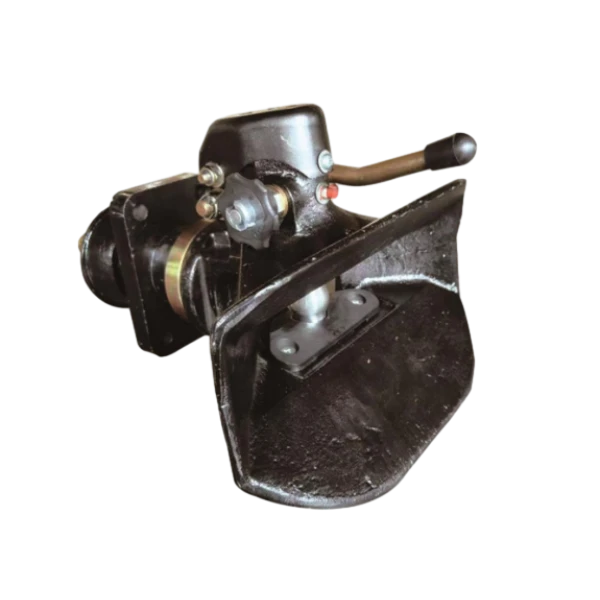 Trailer Coupling
The trailer coupling is a critical component in vehicle towing systems, designed to ensure a secure and efficient connection between a towing vehicle and a trailer. These couplings are manufactured using high-strength carbon steel, alloy steel, or stainless steel, ensuring durability and resistance to heavy loads and harsh environments.
-
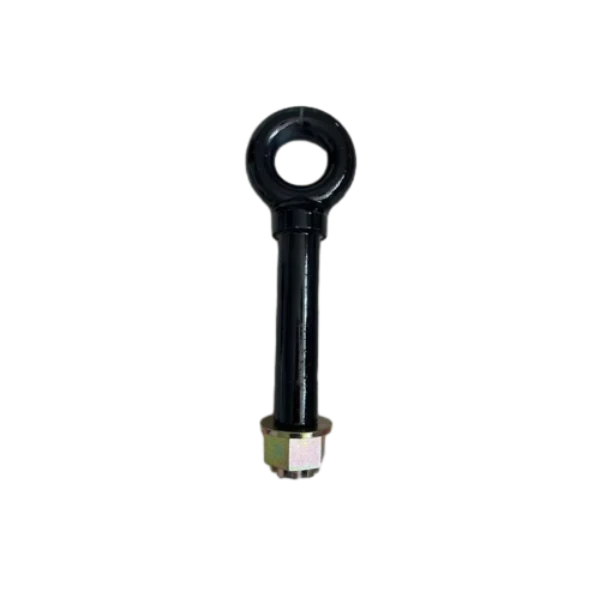
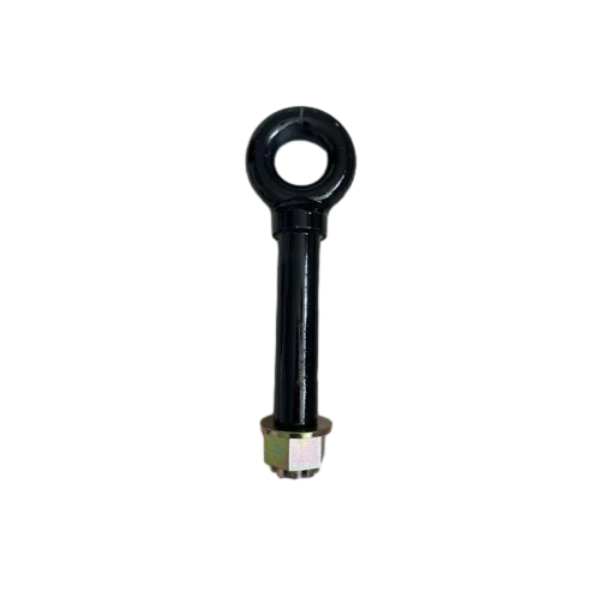 Drawbar Eyes
Drawbar eyes are essential components in towing and hauling applications, providing a strong and secure attachment point between the trailer and the towing vehicle. They are designed to endure extreme pulling forces, making them suitable for heavy-duty applications.
-
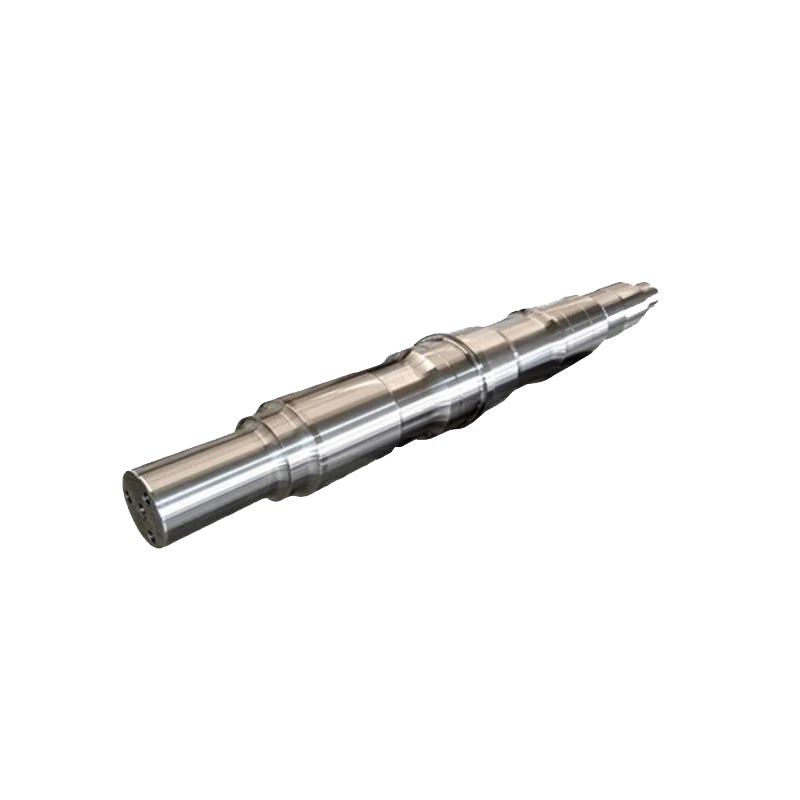
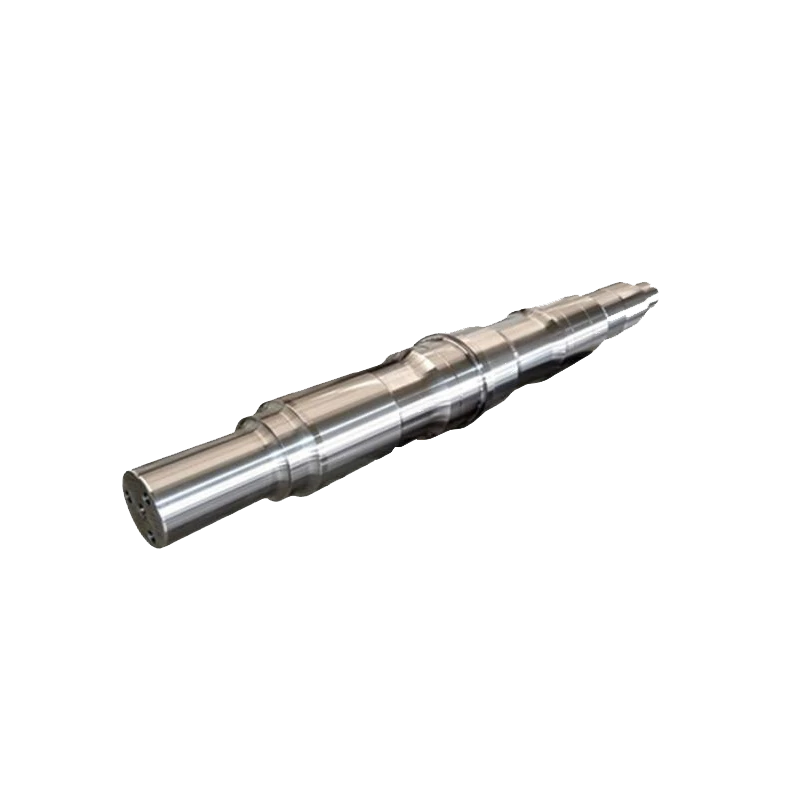 Axles
AxlesAxles are essential for vehicle load-bearing and power transmission, ensuring smooth movement and weight distribution. They must withstand high stress, torque, and impact, making material selection and precise manufacturing crucial.
-
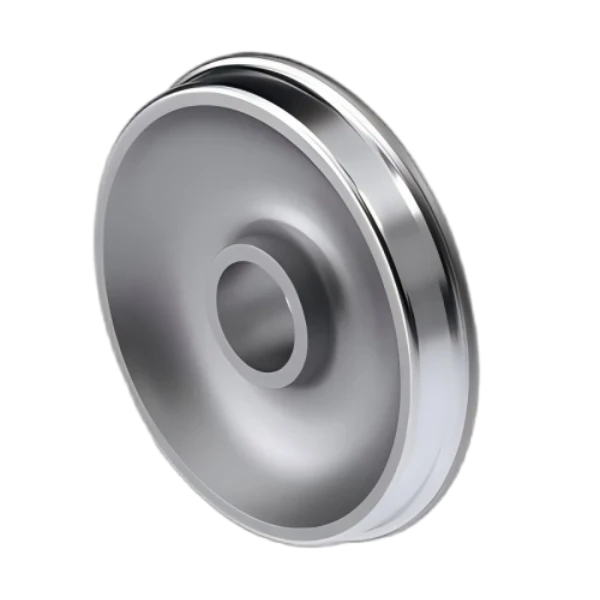
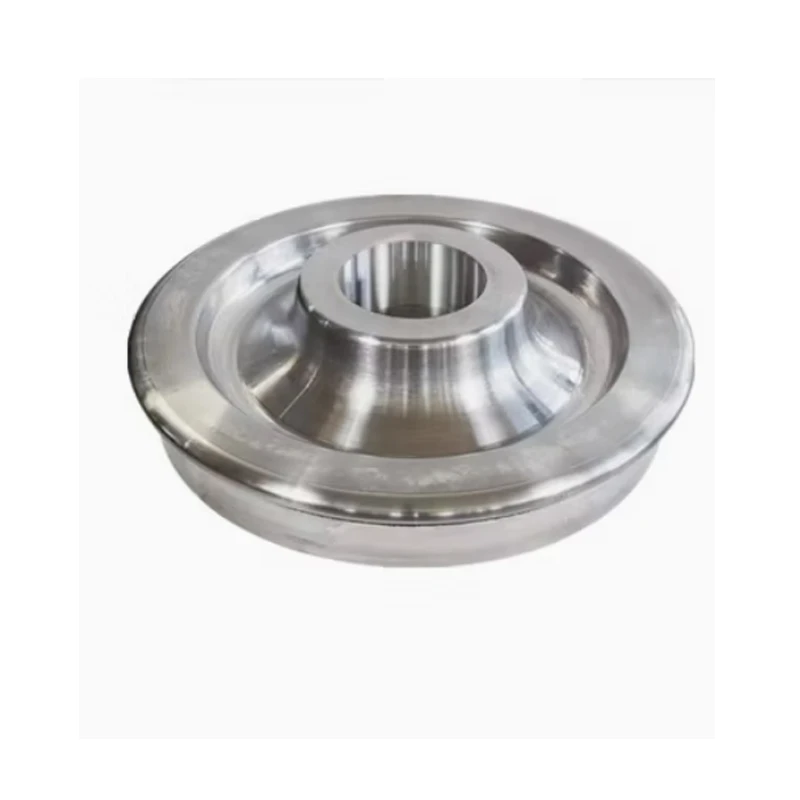 Profile S1002 Series Rail Wheels
The S1002 series rail wheels are designed for Rail-Road Vehicles (RRVs) that require seamless operation on both roads and railway tracks. Engineered with high precision and durability, these wheels conform to S1002 tread profiles, ensuring compatibility with standard railway systems.
A Comprehensive Guide to Axles Types for Industry Decision Makers | Manufacturing Base
Axles Types is a key solution in the industry, specifically within heavy machinery and transportation sectors. This article explores how https://www.manufacturing-base.com supports professionals with durable, high-performance products
>
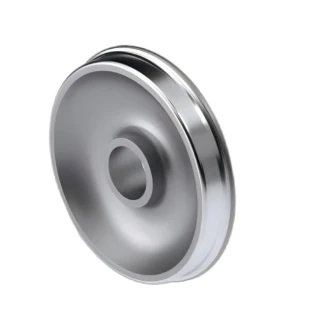
Reliable Rail Wheels: Optimize Your Rail Transport Solutions
For industries that rely on rail-based vehicles, choosing the right rail wheels is essential for smooth operations and safety.
>
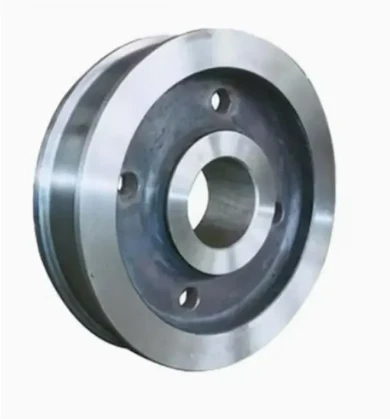
Premium Overhead Crane Wheels For Sale: Enhance Industrial Lifting Efficiency
In modern industrial operations, high-quality overhead crane wheels for sale are essential for safe, reliable, and efficient lifting.
>
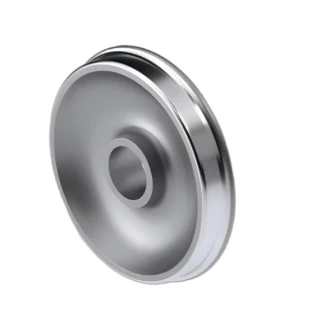
Premium Hi Rail Wheels For Sale: Boost Rail Vehicle Performance
In the modern industrial and railway sectors, having reliable hi rail wheels for sale is essential for operational efficiency and safety.
>
High-Quality Hi Rail Wheels For Sale: Enhance Your Rail Equipment Efficiency
When it comes to reliable rail maintenance and industrial operations, investing in hi rail wheels for sale is crucial.
>
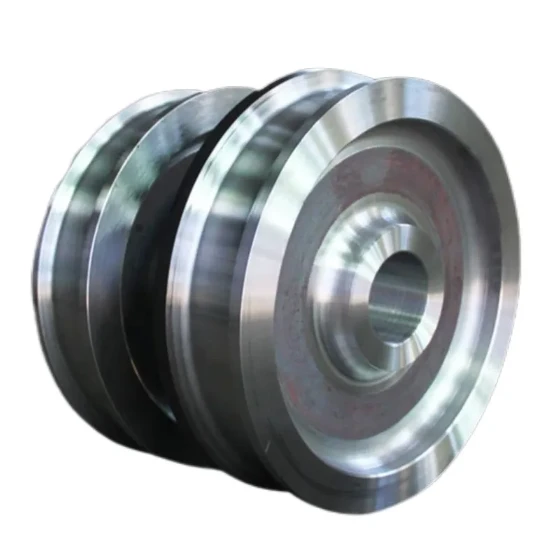
High-Quality Crane Wheels For Sale: Enhance Your Crane Operations
For industries relying on heavy lifting and material handling, investing in high-quality crane wheels for sale is crucial.
>
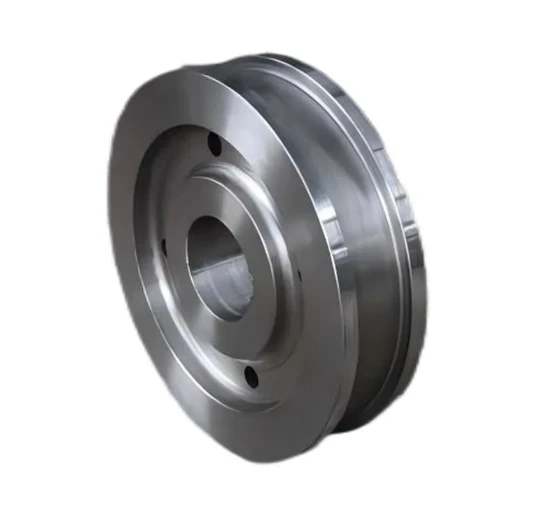
Durable Gantry Crane Wheels For Sale: Maximize Lifting Efficiency
For industries relying on heavy-duty lifting and material handling, selecting the right gantry crane wheels for sale is vital.
>
Reliable Tandem Drive Axles for Heavy-Duty Industrial Vehicles
Tandem Drive Axles: What I’ve Learned After Years in the Industrial Equipment Sector Ha
>
Reliable Semi Trailer Axles for Heavy-Duty Trailers | Expert Insight
Understanding semi trailer axles: The Backbone of Heavy Hauling Having spent more than a deca
>
RC Portal Axles: Industrial Strength and Custom Performance
RC Portal Axles: A Veteran’s Take on Industrial-Grade Performance Having spent over a d
>
Engineered for Excellence
Our forged solutions deliver reliability and performance, powering demanding industries to keep operations running smoothly.

Sign up
for Newsletter
Subscribe to the weekly newsletter for all the latest updates