- Tel: +86 311 82620404
- Cell: 86 -13739710551
- Email: sales@potentia.cn

Rails Wheels & Rail Car Wheels for Sale: OEM Steel Quality
Profile P1 Series Rail Wheels for Rail-Road Vehicles: Field Notes, Specs, and What Matters
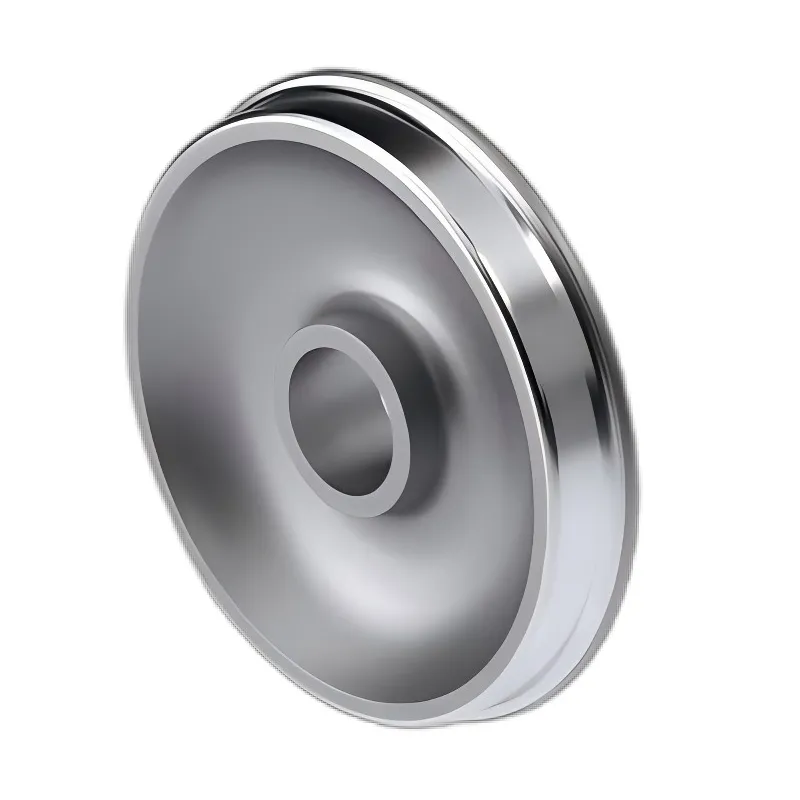
When maintenance crews ask me what’s quietly transformed their on-track uptime over the last few years, I usually point to better rails wheels engineering. To be honest, wheels don’t shout. But the Profile P1 Series from Manufacturing Base (origin: No.186 South Xierhuan Road, Shijiazhuang, Hebei, China) has been getting attention among RRV fleet managers who live and die by flange wear and runout.
What’s Different About the P1 Profile
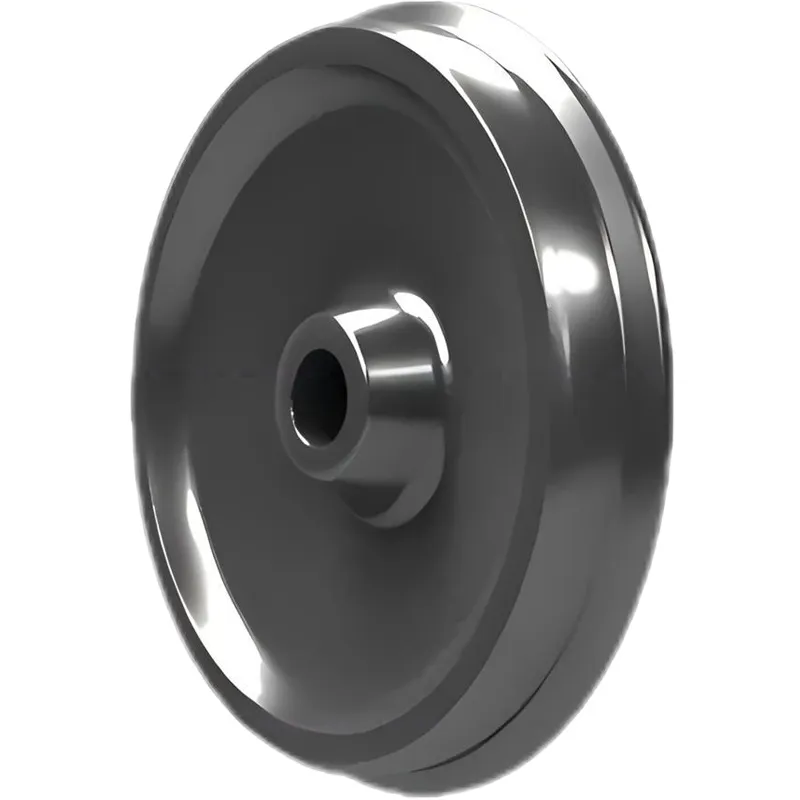
The P1 tread profile prioritizes stable track interaction for Rail-Road Vehicles switching between highway and rail. In fact, many customers say the biggest win is predictability: smoother transitions, less vibration, and steadier braking torque on-siding. The rails wheels geometry supports balanced flange contact and consistent contact patch, which—if you watch wear patterns—really shows up after 3–6 months in service.
Core Specs (P1 Series)
| Model | Profile P1 Series (RRV) |
| Tread Profile | P1 tread, optimized for dual-mode road/rail duty |
| Diameter Range | ≈380–610 mm (custom on request) |
| Material | 42CrMo4/34CrNiMo6 (EN 10083) or AAR M‑107/M‑208 Class C equivalent |
| Heat Treatment | Quenched & tempered; rim hardness gradient controlled |
| Hardness Rim | ≈320–360 HBW (real‑world use may vary) |
| Runout / Roundness | ≤0.20 mm / ≤0.15 mm typical |
| Testing | UT + MT 100%; Brinell per ISO 6506‑1; dimensional per EN 13262 |
| Certifications | ISO 9001:2015; EN 13262/AAR M‑107/M‑208 compliance |
| Service Life | ≈8,000–12,000 operating hours in RRV duty (duty cycle dependent) |
Process Flow and QA (short version)
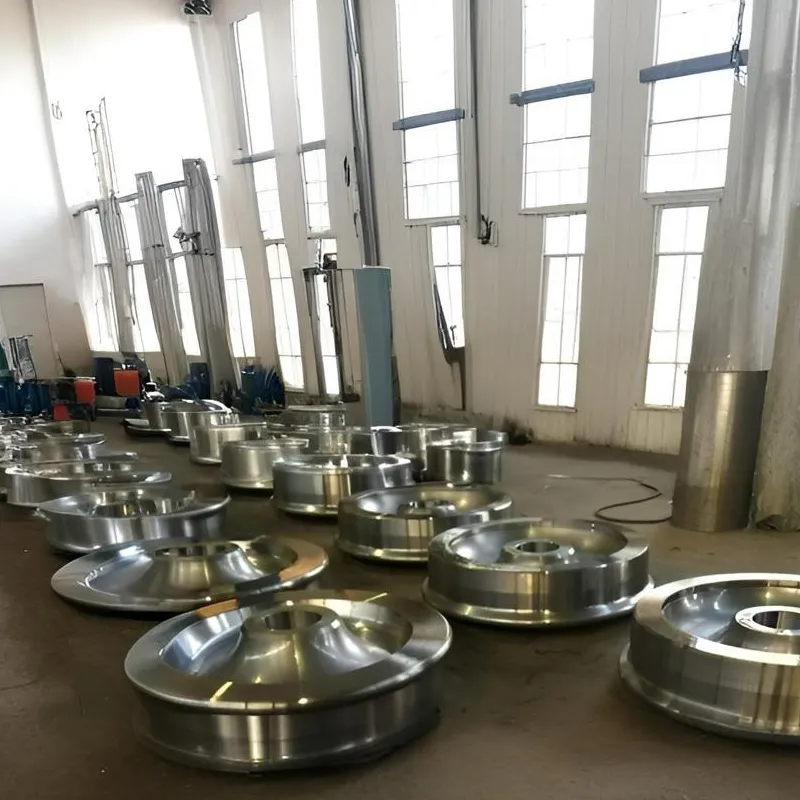
Materials are sourced to EN/AAR grades; blanks are forged, normalized, then Q&T. CNC machining holds tight web and tread tolerances; residual stress is managed by controlled cooling. Each wheel undergoes ultrasonic testing (UT), magnetic particle (MT) on critical areas, Brinell hardness mapping across the rim, and dimensional checks. I’ve seen their lab sheets—nothing fancy, just disciplined. That matters.
Where These rails wheels Fit
- RRV catenary and signal maintenance trucks
- Track inspection units and emergency response vehicles
- Light-duty on-rail cranes and depot movers
Vendor Snapshot (quick comparison)
| Vendor | P1 Series (Manufacturing Base) | EU Foundry A | US OEM B |
|---|---|---|---|
| Diameter Range | ≈380–610 mm | 400–560 mm | 350–600 mm |
| Hardness Control | Rim gradient mapped | Rim only spot-checked | Full map (option) |
| NDT Coverage | UT+MT 100% | UT batch level | UT+MT 100% |
| Lead Time | ≈4–8 weeks | 8–12 weeks | 6–10 weeks |
| Customization | Flange, bore, web, coatings | Limited | Moderate |
Customization Options
Common requests: special flange geometry for tight curves, bore/keyway to match legacy hubs, web thickness tuning for weight, anti-corrosion coatings, and documentation packs (material certs, UT maps, PPAP-like dossiers). The team will also tune rim hardness within spec if your rails wheels see heavy braking on gradients.
Field Story (Nordic RRV Fleet)
A Nordic contractor swapped in P1s on eight catenary trucks. After 9 months, they reported ≈18% lower flange wear and fewer vibration notes above 60 km/h on rail. UT pass rate stayed at 100% across three batches. One supervisor told me, “Feels boring—in a good way.” That’s the vibe you want from rails wheels.
Testing Standards and Data Points
- UT to EN 13262 acceptance classes; MT on tread/flange transitions
- Brinell hardness per ISO 6506‑1; rim gradient recorded
- Dimensional verification, runout/roundness logged per drawing
- Traceability: heat/lot and NDT records stored with serials
Final note: if your RRVs do frequent highway-to-rail transitions, spec conservative runout and ask for the hardness map. It’s a small checkbox that buys you confidence.
References
- EN 13262: Railway applications—Wheelsets and bogies—Wheels (latest edition).
- AAR M‑107/M‑208: Wheels and Axles—Wheels (Association of American Railroads).
- ISO 6506‑1: Metallic materials—Brinell hardness test—Part 1.
- ISO 9001:2015 Quality Management Systems—Requirements.
-
 Trailer Coupling
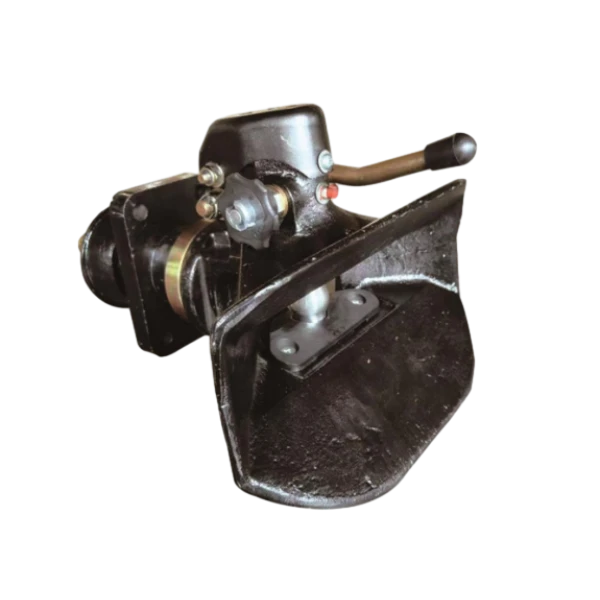
The trailer coupling is a critical component in vehicle towing systems, designed to ensure a secure and efficient connection between a towing vehicle and a trailer. These couplings are manufactured using high-strength carbon steel, alloy steel, or stainless steel, ensuring durability and resistance to heavy loads and harsh environments.
-
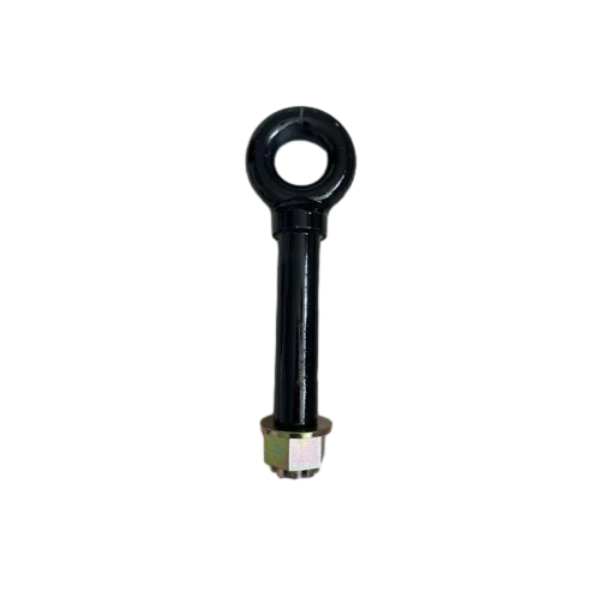 Drawbar Eyes
Drawbar eyes are essential components in towing and hauling applications, providing a strong and secure attachment point between the trailer and the towing vehicle. They are designed to endure extreme pulling forces, making them suitable for heavy-duty applications.
-
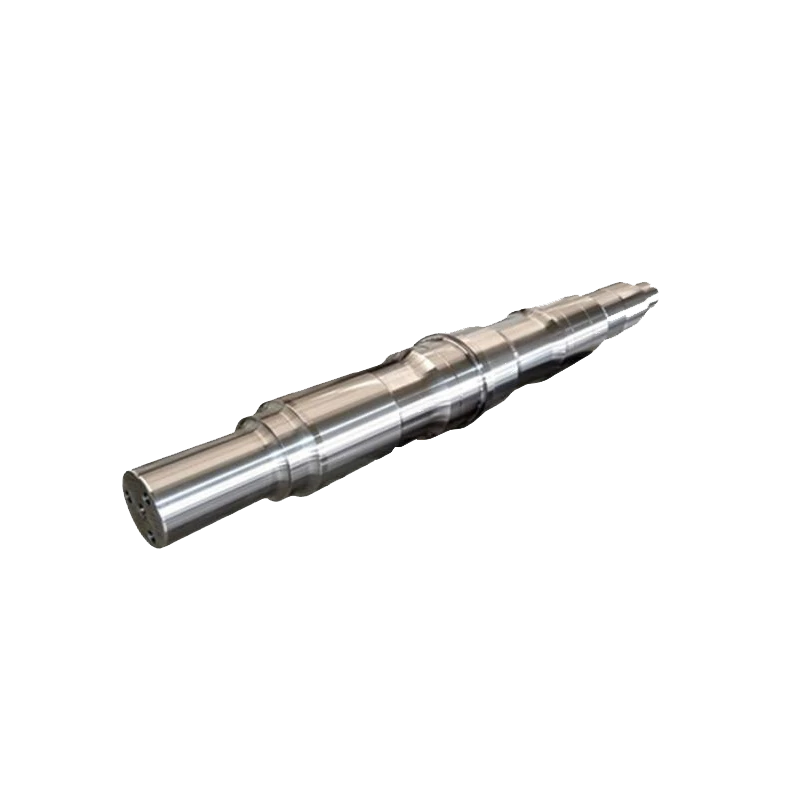 Axles
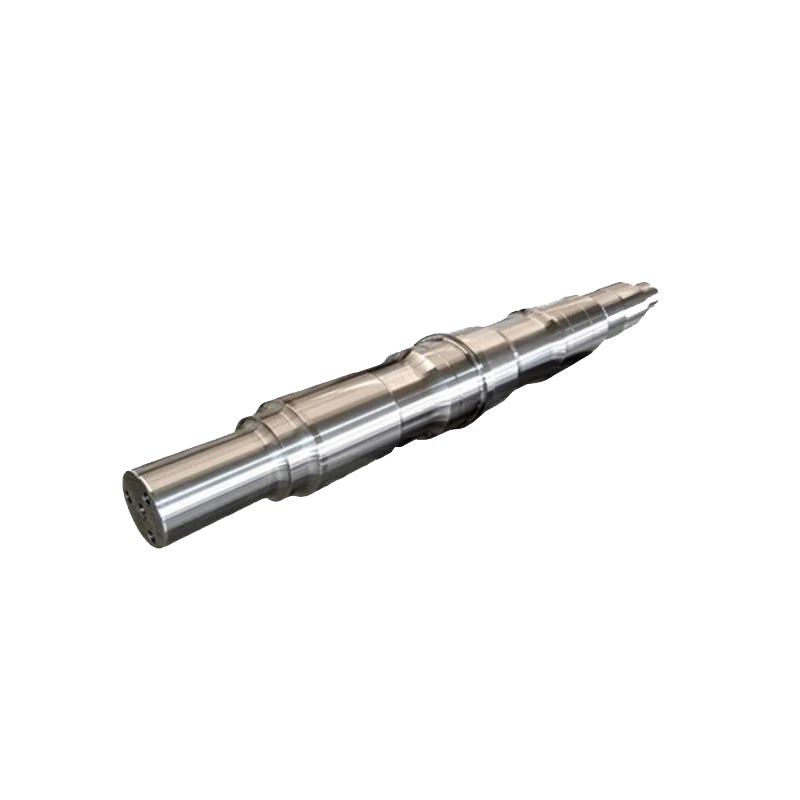
AxlesAxles are essential for vehicle load-bearing and power transmission, ensuring smooth movement and weight distribution. They must withstand high stress, torque, and impact, making material selection and precise manufacturing crucial.
-
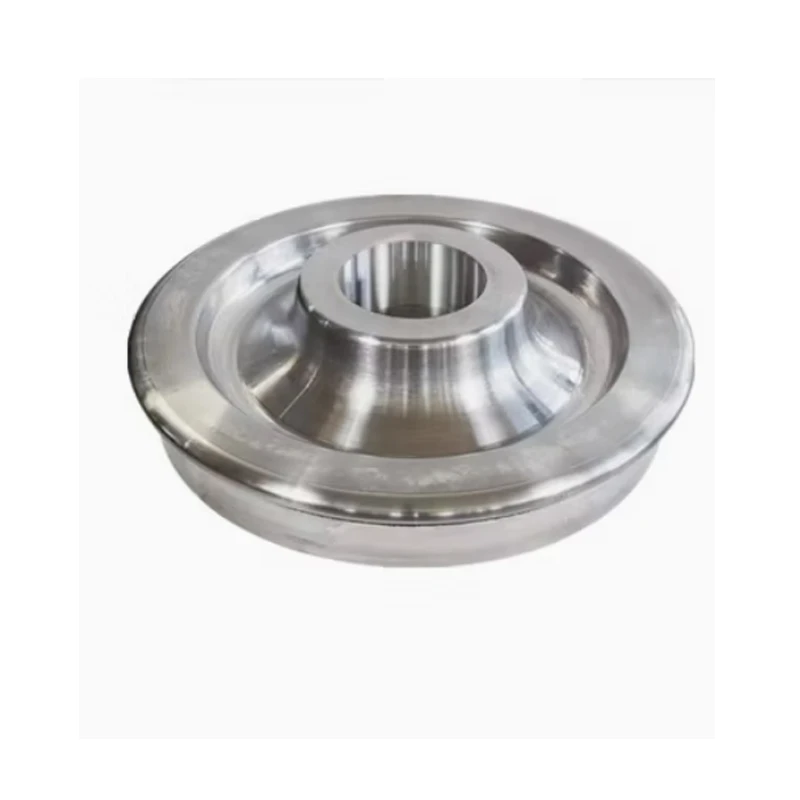 Profile S1002 Series Rail Wheels
The S1002 series rail wheels are designed for Rail-Road Vehicles (RRVs) that require seamless operation on both roads and railway tracks. Engineered with high precision and durability, these wheels conform to S1002 tread profiles, ensuring compatibility with standard railway systems.
A Comprehensive Guide to Axles Types for Industry Decision Makers | Manufacturing Base
Axles Types is a key solution in the industry, specifically within heavy machinery and transportation sectors. This article explores how https://www.manufacturing-base.com supports professionals with durable, high-performance products
>
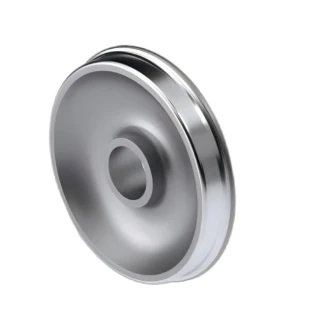
Reliable Rail Wheels: Optimize Your Rail Transport Solutions
For industries that rely on rail-based vehicles, choosing the right rail wheels is essential for smooth operations and safety.
>
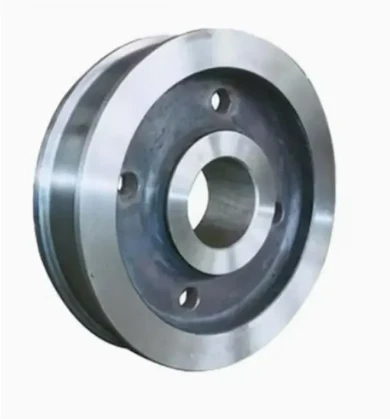
Premium Overhead Crane Wheels For Sale: Enhance Industrial Lifting Efficiency
In modern industrial operations, high-quality overhead crane wheels for sale are essential for safe, reliable, and efficient lifting.
>
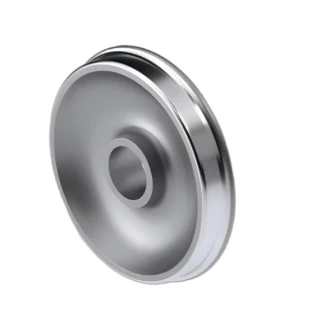
Premium Hi Rail Wheels For Sale: Boost Rail Vehicle Performance
In the modern industrial and railway sectors, having reliable hi rail wheels for sale is essential for operational efficiency and safety.
>
High-Quality Hi Rail Wheels For Sale: Enhance Your Rail Equipment Efficiency
When it comes to reliable rail maintenance and industrial operations, investing in hi rail wheels for sale is crucial.
>
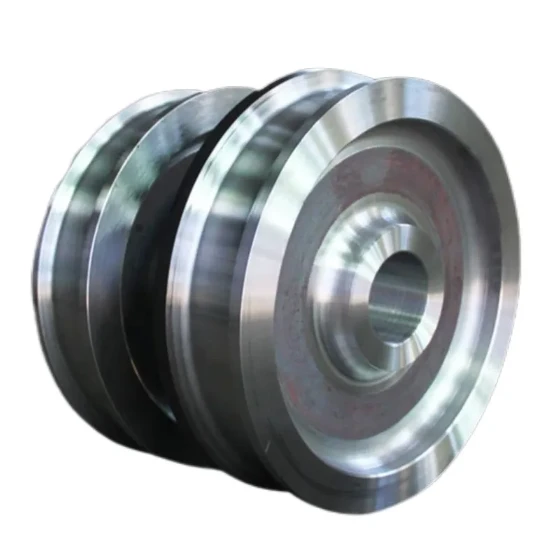
High-Quality Crane Wheels For Sale: Enhance Your Crane Operations
For industries relying on heavy lifting and material handling, investing in high-quality crane wheels for sale is crucial.
>
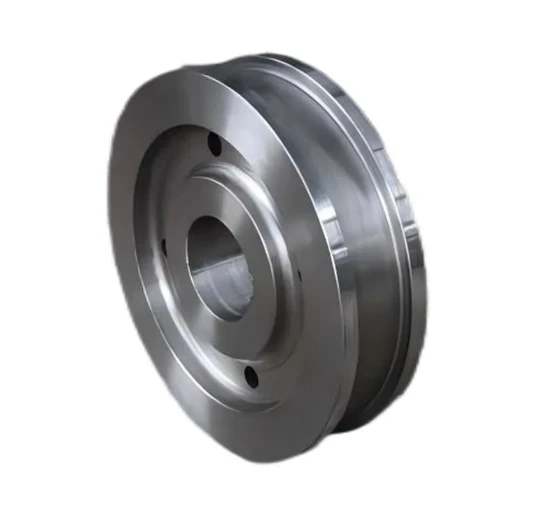
Durable Gantry Crane Wheels For Sale: Maximize Lifting Efficiency
For industries relying on heavy-duty lifting and material handling, selecting the right gantry crane wheels for sale is vital.
>
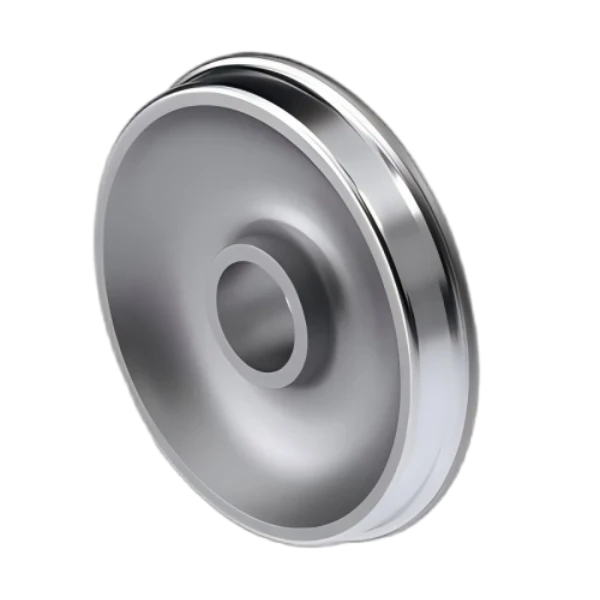
Reliable Tandem Drive Axles for Heavy-Duty Industrial Vehicles
Tandem Drive Axles: What I’ve Learned After Years in the Industrial Equipment Sector Ha
>
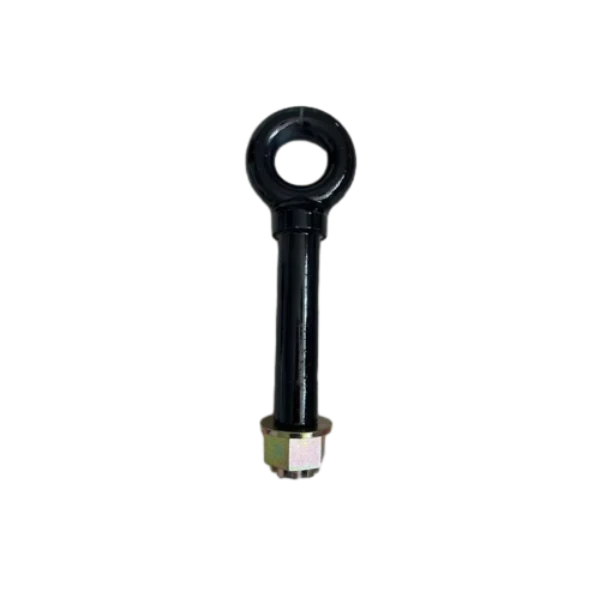
Reliable Semi Trailer Axles for Heavy-Duty Trailers | Expert Insight
Understanding semi trailer axles: The Backbone of Heavy Hauling Having spent more than a deca
>
RC Portal Axles: Industrial Strength and Custom Performance
RC Portal Axles: A Veteran’s Take on Industrial-Grade Performance Having spent over a d
>
Engineered for Excellence
Our forged solutions deliver reliability and performance, powering demanding industries to keep operations running smoothly.

Sign up
for Newsletter
Subscribe to the weekly newsletter for all the latest updates