- Tel: +86 311 82620404
- Cell: 86 -13739710551
- Email: sales@potentia.cn

Rails Wheels: Forged Steel, OEM Quality, Fast Delivery
Profile P1 Series Rail Wheels for Rail-Road Vehicles: Insider Notes, Real Specs
If you’re evaluating rails wheels for rail-road vehicles (RRVs), you’ve probably noticed a quiet shift in the market: operators are demanding track-friendly geometry, road durability, and faster lead times—without compromising certification. The Profile P1 Series Rail Wheels from Manufacturing Base (origin: No.186 South Xierhuan Road, Shijiazhuang, Hebei, China) hit that trifecta, and, to be honest, the P1 tread profile is having a bit of a renaissance as RRV fleets get heavier and smarter.
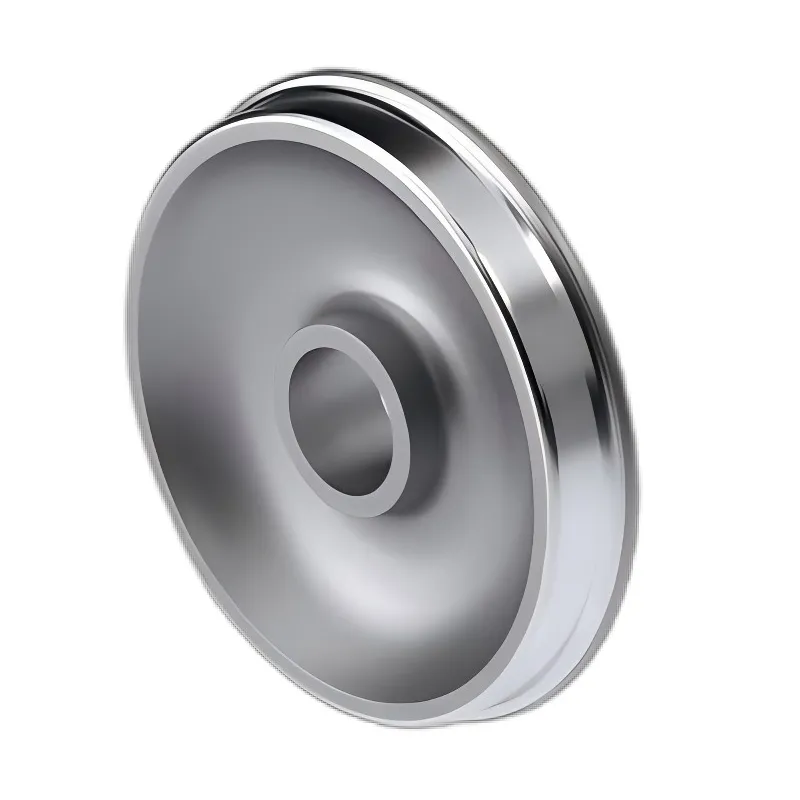
What’s special about the P1 tread?
P1 is engineered for optimal wheel–rail interaction on mixed-use RRVs: stable guidance, predictable flange contact, and controlled wear on modern turnouts. In practice, the geometry reduces hunting at mid speeds and helps with braking consistency when vehicles switch from road to rail—many customers say it “just tracks better,” which sounds vague until you try it on wet mornings.
Core specifications at a glance
| Parameter | Profile P1 Series Value | Notes |
|---|---|---|
| Tread Profile | P1 geometry (RRV-optimized) | Compatible with standard gauge networks |
| Material | ER7-class steel or equivalent | Per EN 13262 requirements |
| Hardness | ≈ 300–360 HBW | Real-world use may vary ±10 HBW |
| Diameter Range | ≈ 330–650 mm | Sized for typical RRV axles |
| Service Life | 5–8 years | Duty-cycle and maintenance dependent |
How they’re made (short version)
- Materials: Clean ER7-class steel billet; chemistry validated to EN 13262.
- Methods: Precision forging → heat treatment (quench/temper) → CNC machining of P1 profile → stress relief.
- Testing: Ultrasonic NDT (EN 13262), hardness mapping (ISO 6506/HBW), dimensional gauges, RCF screening on twin-disc rigs.
- Traceability: Heat/batch ID and mill certs; optional 3.1 certificates (EN 10204).
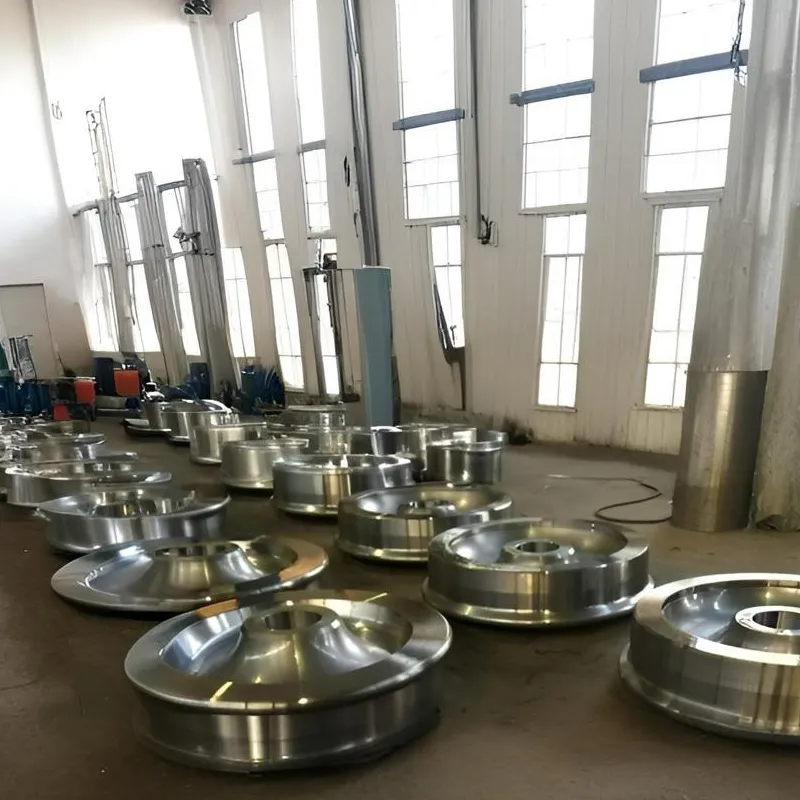
Where they’re used
Typical scenarios include overhead line maintenance trucks, inspection RRVs, emergency response units, track cleaning vehicles, and mining service fleets that need to hop on/off rail. Operators praise the smooth transition and lower flange wear—some report 12–18% less corrective machining over a year, which is not nothing.
Vendor comparison (quick reality check)
| Vendor | Compliance | Hardness | Customization | Lead Time |
|---|---|---|---|---|
| Profile P1 Series (Manufacturing Base) | EN 13262, EN 15313 practices | ≈300–360 HBW | Bore, diameter, flange thickness, coatings | Around 6–10 weeks |
| Vendor X (Generic RRV) | EN 13262 (partial) | ≈280–330 HBW | Limited options | 10–14 weeks |
| Vendor Y (Aftermarket) | AAR-inspired, non-P1 | ≈300 HBW | Bore only | 8–12 weeks |
Field data, feedback, and a quick case
In a mid-size European RRV fleet (urban track maintenance), P1 wheels on two-axle units showed ≈15% lower tread hollowing after 10^6 load cycles on a twin-disc test, and brake-stop distances were more consistent in wet conditions. A North American contractor reported 18% downtime reduction after switching—apparently due to fewer unplanned re-profiling stops. Is that universal? No, but the trend is encouraging.
rails wheels customization includes: P1/P1-variant tread tweaks, bore/hub interface fit (H7/K6), anti-corrosion coatings (zinc-rich primer or thermal spray), RFID trace tags, and paint marks by axle position. Certification packages (3.1), UT maps, and hardness charts ship with each batch.
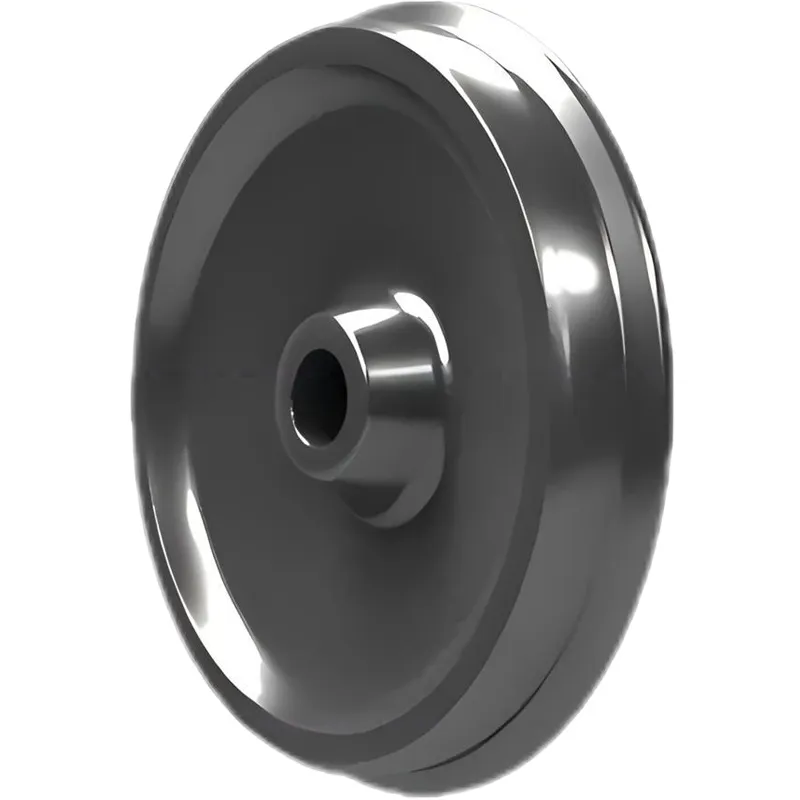
Trends to watch
Two things: rising interest in condition-based maintenance (sensorized wheels) and tighter acceptance on rolling contact fatigue (RCF). Expect stricter UT thresholds and more fleets specifying EN 15313-aligned maintenance plans. Actually, it’s good news—fewer surprises.
Origin and shipping: manufactured in Shijiazhuang, Hebei, China; global logistics with export packing and rust protection. If you care about total cost of ownership, the machining allowance and re-profile margin are worth a look.
Authoritative citations
- EN 13262: Railway applications—Wheelsets and wheels—Wheels. CEN.
- EN 15313: In-service wheelset operation requirements. CEN.
- ISO 6506-1: Metallic materials—Brinell hardness test. ISO.
- AAR Manual of Standards and Recommended Practices, Section G. Association of American Railroads.
-
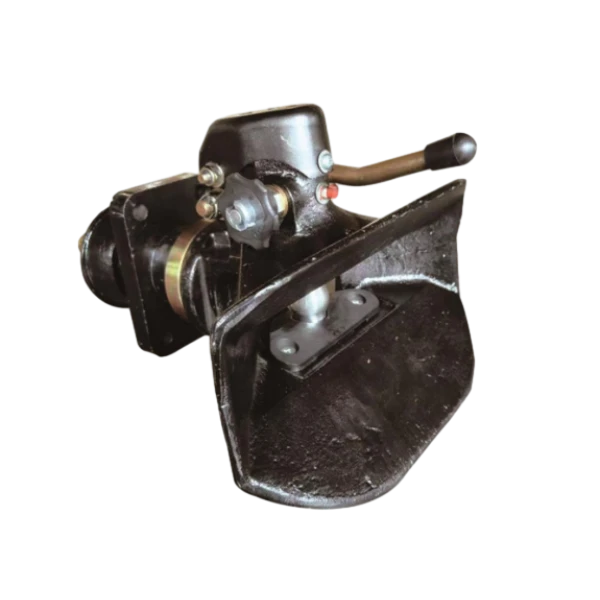 Trailer Coupling
The trailer coupling is a critical component in vehicle towing systems, designed to ensure a secure and efficient connection between a towing vehicle and a trailer. These couplings are manufactured using high-strength carbon steel, alloy steel, or stainless steel, ensuring durability and resistance to heavy loads and harsh environments.
-
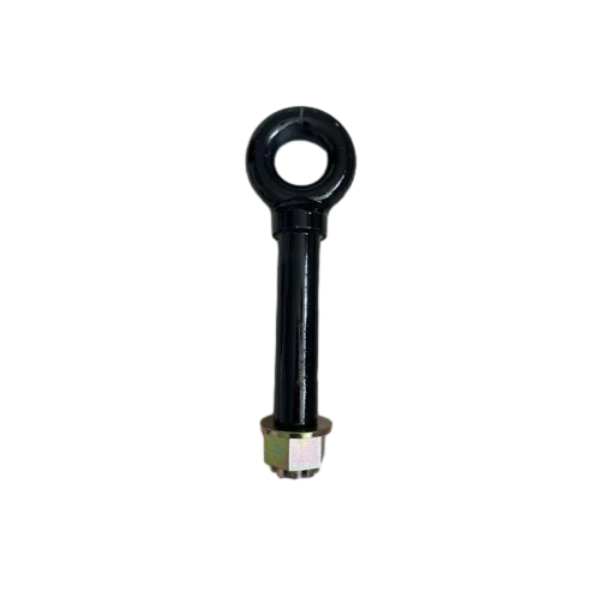 Drawbar Eyes
Drawbar eyes are essential components in towing and hauling applications, providing a strong and secure attachment point between the trailer and the towing vehicle. They are designed to endure extreme pulling forces, making them suitable for heavy-duty applications.
-
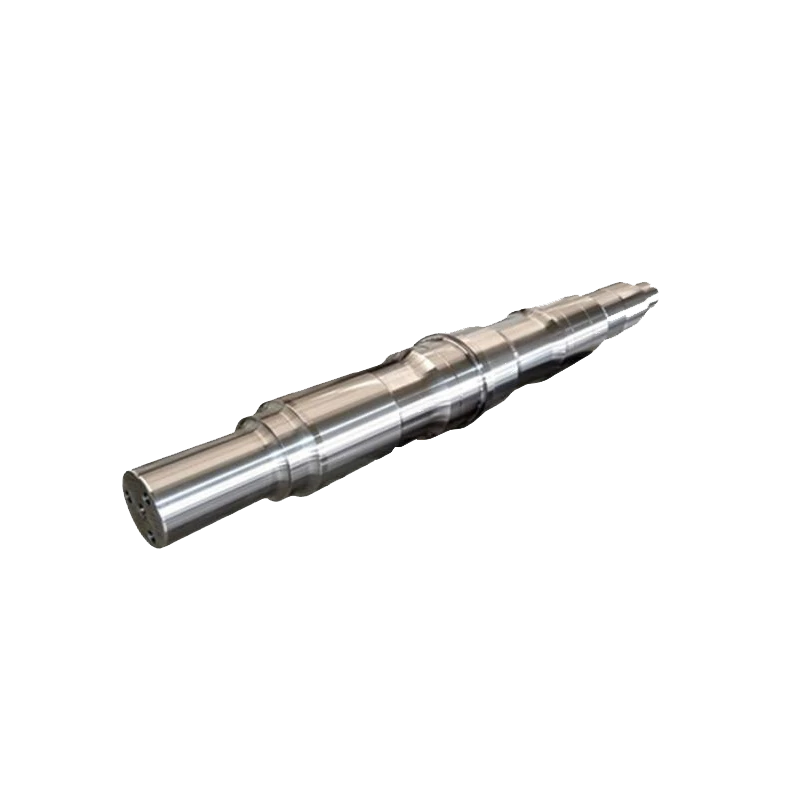 Axles
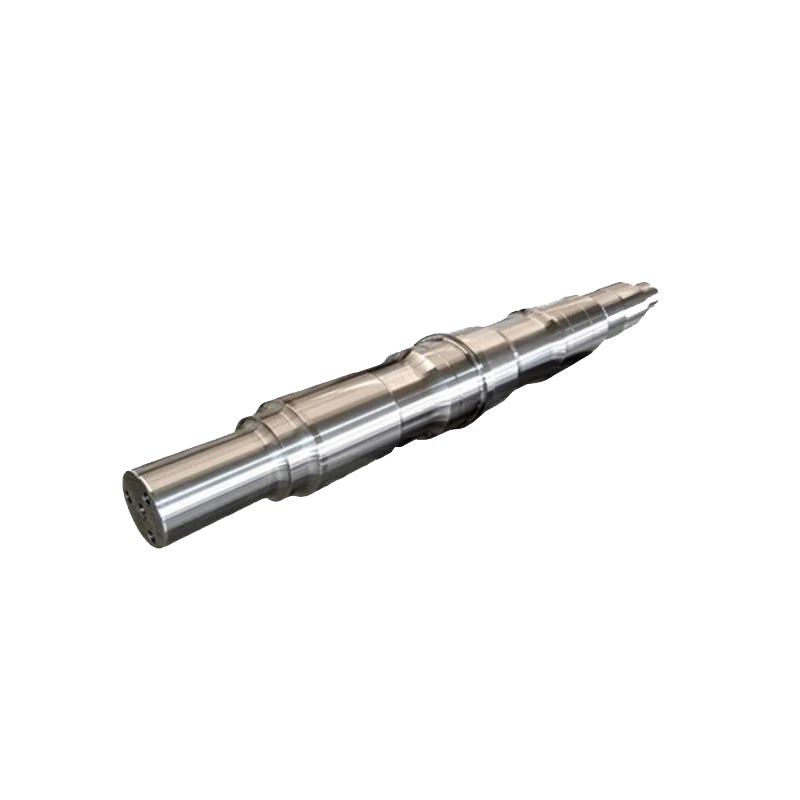
AxlesAxles are essential for vehicle load-bearing and power transmission, ensuring smooth movement and weight distribution. They must withstand high stress, torque, and impact, making material selection and precise manufacturing crucial.
-
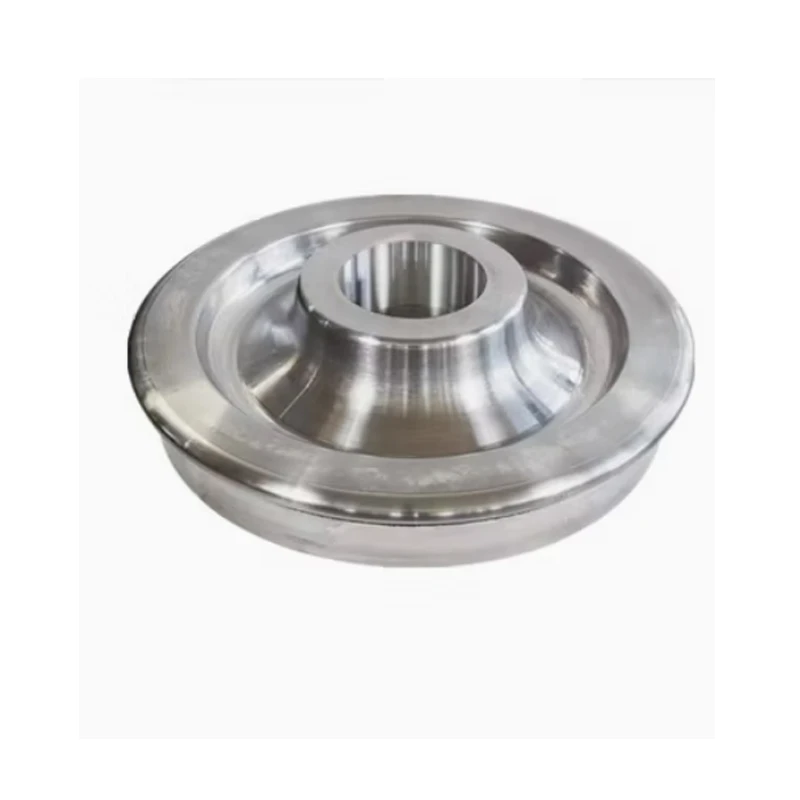 Profile S1002 Series Rail Wheels
The S1002 series rail wheels are designed for Rail-Road Vehicles (RRVs) that require seamless operation on both roads and railway tracks. Engineered with high precision and durability, these wheels conform to S1002 tread profiles, ensuring compatibility with standard railway systems.
A Comprehensive Guide to Axles Types for Industry Decision Makers | Manufacturing Base
Axles Types is a key solution in the industry, specifically within heavy machinery and transportation sectors. This article explores how https://www.manufacturing-base.com supports professionals with durable, high-performance products
>
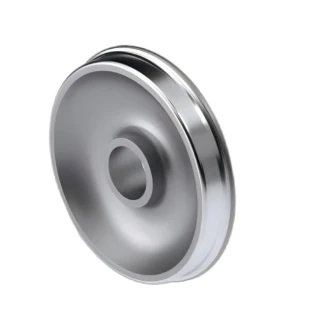
Reliable Rail Wheels: Optimize Your Rail Transport Solutions
For industries that rely on rail-based vehicles, choosing the right rail wheels is essential for smooth operations and safety.
>
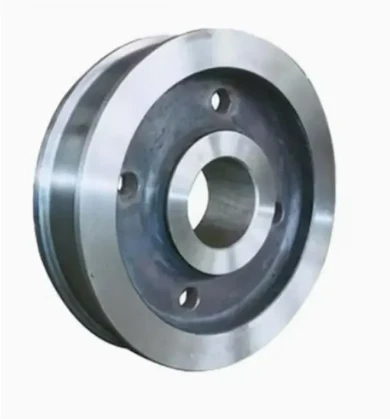
Premium Overhead Crane Wheels For Sale: Enhance Industrial Lifting Efficiency
In modern industrial operations, high-quality overhead crane wheels for sale are essential for safe, reliable, and efficient lifting.
>
Premium Hi Rail Wheels For Sale: Boost Rail Vehicle Performance
In the modern industrial and railway sectors, having reliable hi rail wheels for sale is essential for operational efficiency and safety.
>
High-Quality Hi Rail Wheels For Sale: Enhance Your Rail Equipment Efficiency
When it comes to reliable rail maintenance and industrial operations, investing in hi rail wheels for sale is crucial.
>
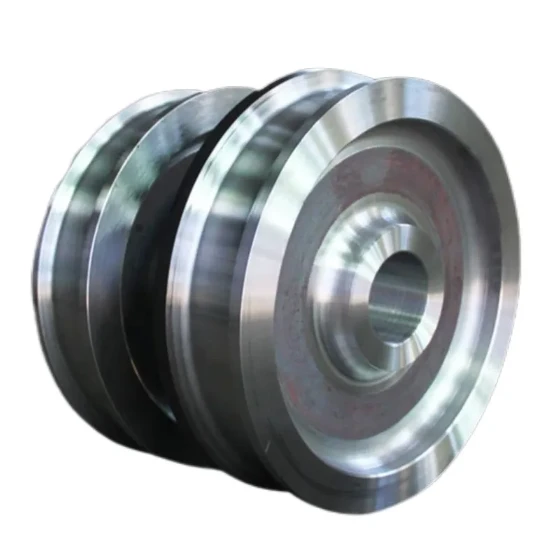
High-Quality Crane Wheels For Sale: Enhance Your Crane Operations
For industries relying on heavy lifting and material handling, investing in high-quality crane wheels for sale is crucial.
>
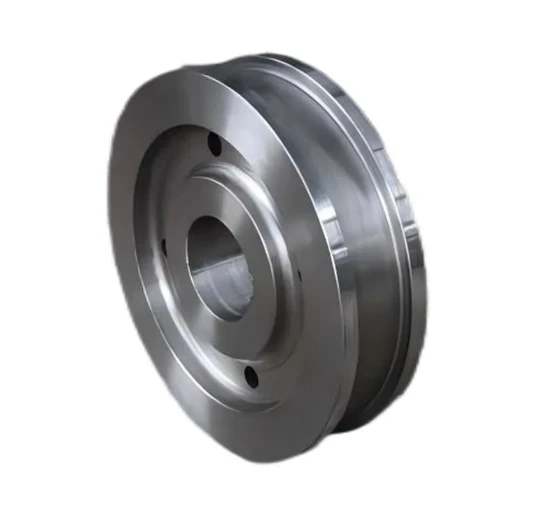
Durable Gantry Crane Wheels For Sale: Maximize Lifting Efficiency
For industries relying on heavy-duty lifting and material handling, selecting the right gantry crane wheels for sale is vital.
>
Reliable Tandem Drive Axles for Heavy-Duty Industrial Vehicles
Tandem Drive Axles: What I’ve Learned After Years in the Industrial Equipment Sector Ha
>
Reliable Semi Trailer Axles for Heavy-Duty Trailers | Expert Insight
Understanding semi trailer axles: The Backbone of Heavy Hauling Having spent more than a deca
>
RC Portal Axles: Industrial Strength and Custom Performance
RC Portal Axles: A Veteran’s Take on Industrial-Grade Performance Having spent over a d
>
Engineered for Excellence
Our forged solutions deliver reliability and performance, powering demanding industries to keep operations running smoothly.

Sign up
for Newsletter
Subscribe to the weekly newsletter for all the latest updates