- Tel: +86 311 82620404
- Cell: 86 -13739710551
- Email: sales@potentia.cn

Rails Wheels: Forged Steel, Heavy-Duty, OEM Ready
Profile P1 Series Rail Wheels for Rail-Road Vehicles: What’s Working Now
If you’ve been shopping for rails wheels lately, you’ve probably noticed a quiet shift: maintenance fleets are moving toward P1 tread profiles that behave well on track yet don’t punish you on the road. I’ve spent the last few months talking to operators and, to be honest, the consensus is clear—RRVs need wheels that aren’t fussy, hold profile longer, and pass audits without drama.
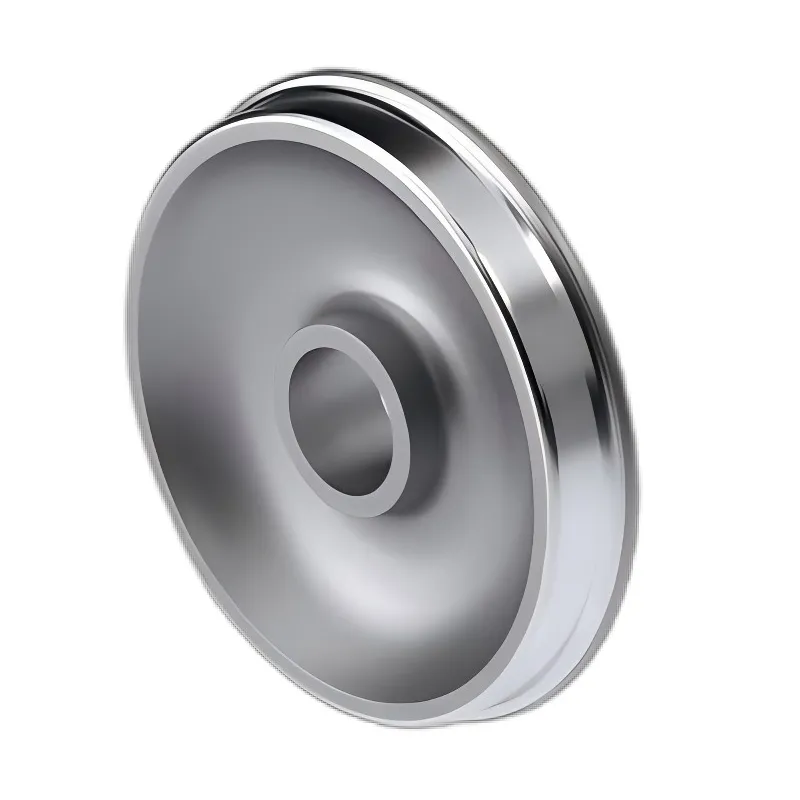
What’s special about the Profile P1 Series?
The Profile P1 Series Rail Wheels are built in Shijiazhuang, Hebei (No.186 South Xierhuan Road, China) and tuned for rail-road vehicles—hi-rail trucks, inspection cars, catenary units, you name it. The P1 tread profile improves track interaction and stability while keeping wear even. In practice, that means fewer mid-season re-trues and more predictable flange growth. Several fleet managers told me, “it just tracks better in tight curves,” which, surprisingly, was their biggest pain point.
Industry trends (and why they matter)
- RRV utilization is up as night possessions shrink; mixed-mode duty cycles are harsher than they look.
- Audit pressure: compliance with EN 13262 and AAR M-107/208 is now table stakes for many tenders.
- Sustainability: longer service life and lower scrap are showing up as KPI targets, not just “nice-to-haves.”
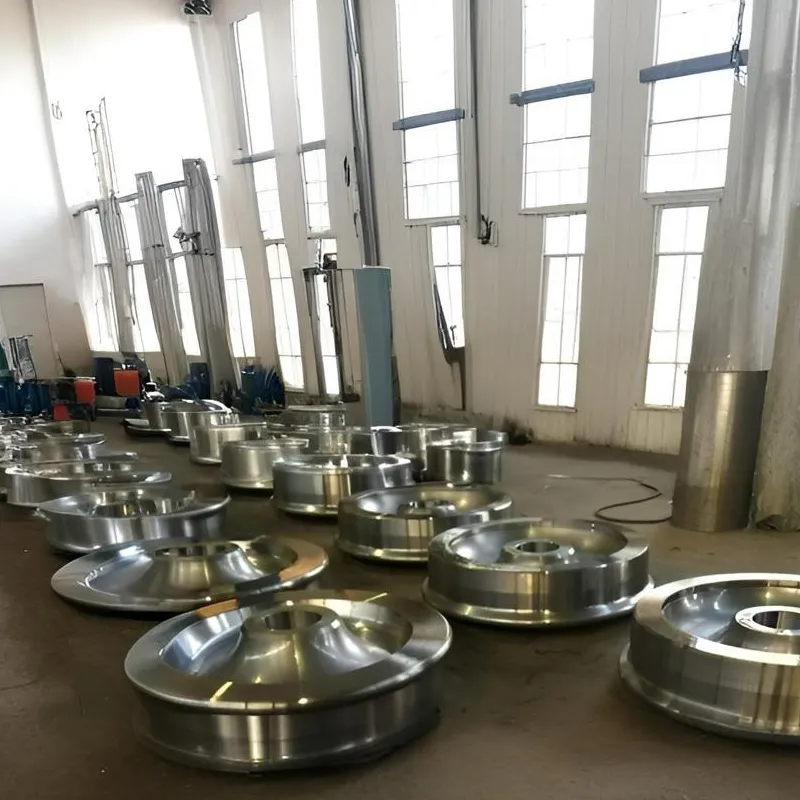
Key specifications (real-world values, not brochure fantasy)
| Tread profile | P1 (RRV-optimized) |
| Diameter range | ≈ 360–650 mm (custom sizes available) |
| Steel grade | ER8 per EN 13262 or AAR Class C (per project) |
| Rim hardness | ≈ 300–340 HBW (ISO 6506-1) |
| Static load rating | up to 120 kN per wheel (duty-dependent) |
| Runout / balance | ≤ 0.2 mm; ISO 21940 G 6.3 |
| Compliance | EN 13262, EN 15746 (RRVs), AAR M-107/208 |
| Service life | ≈ 250k–500k km rail equivalent; 5–8 years mixed-use (may vary) |
How they’re made (short version)
- Materials: vacuum-degassed wheel steel (ER8/AAR C) with controlled cleanliness.
- Forming: hot forging/rolling, then rim quench and temper for a tough core + hard rim.
- Machining: CNC tread and flange, finish to Ra ≈ 1.6 µm.
- Testing: UT per EN 13262, MPI per ASTM E1444, hardness (ISO 6506-1), residual stress check, proof load at ≈1.15× nominal.
- Finals: dynamic balance, bore to axle spec, anti-corrosion hub coating, traceability stamping.
Where they shine
Maintenance-of-way rigs, overhead-line service trucks, inspection RRVs, and emergency recovery vehicles—any mixed-duty kit that flips between road and track. Many customers say the P1 profile reduces chatter on tight industrial curves and cuts unplanned wheel changes. I guess it’s the stability in transition zones that operators notice most.
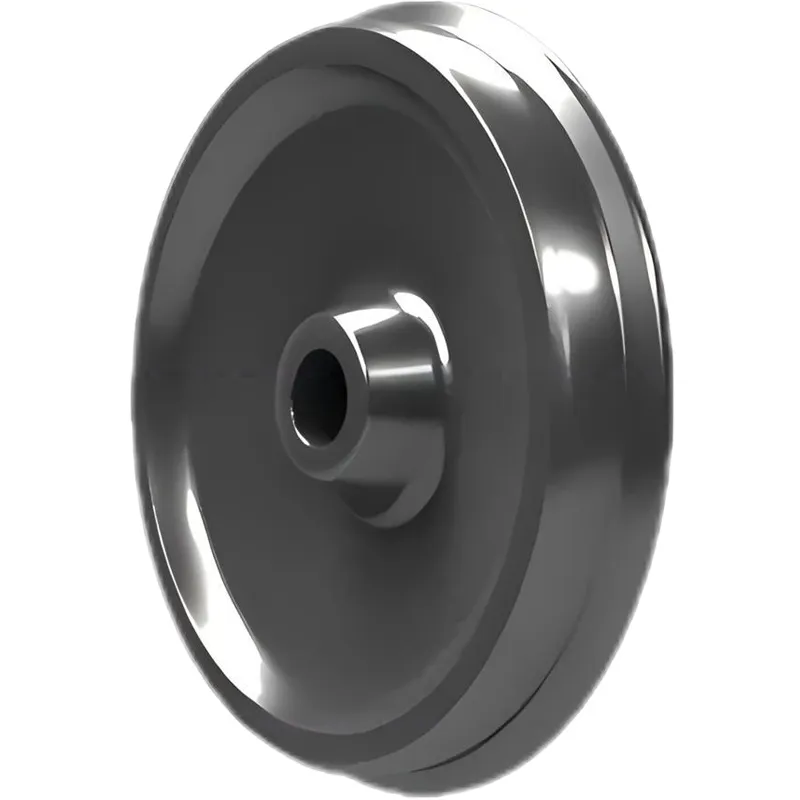
Vendor snapshot (because choosing wrong costs real money)
| Vendor | Profile/Compliance | Hardness | Certs | Lead Time | Customization |
|---|---|---|---|---|---|
| Profile P1 Series (Hebei, CN) | P1; EN 13262/AAR M-107/208 | ≈300–340 HBW | ISO 9001; ISO/TS 22163 (IRIS) available | 4–8 weeks typical | High (diameter, bore, coatings) |
| Vendor X (EU) | P1/P8 options; EN focus | ≈290–330 HBW | ISO 9001; EN audits | 6–12 weeks | Medium |
| Vendor Y (Global) | Generic RRV profile | ≈270–310 HBW | ISO 9001 | 3–10 weeks | Low–Medium |
Customization and support
Options include special bores/keys, corrosion-resistant coatings, alternative steel grades for cold climates, and tailored heat-treatment windows for specific duty cycles. Documentation packs with mill certs, NDT records, and material traceability are standard—handy when auditors come knocking.
Quick case study
A municipal RRV fleet (18 hi-rail units) swapped to rails wheels with the P1 tread last spring. Over 9 months, they logged ~110,000 km rail equivalent and reported ≈15% lower flange wear and one fewer reprofiling stop per unit. Downtime improved by a week across the fleet, which—actually—paid for the switch in about two quarters.
If you’re weighing a purchase, I’d look at three things: certification fit for your market, hardness window vs. your curve radius profile, and how fast the vendor can turn around spares. On that count, the P1 Series rails wheels have been, in my experience, a safe bet.
Standards and references
- EN 13262: Railway applications — Wheelsets and bogies — Wheels.
- AAR M-107/M-208: Steel Wheels—Spec and Mfg for Railway Service.
- EN 15746: Railway applications — Track construction and maintenance machines and their trolleys.
- ISO 6506-1: Metallic materials — Brinell hardness test.
-
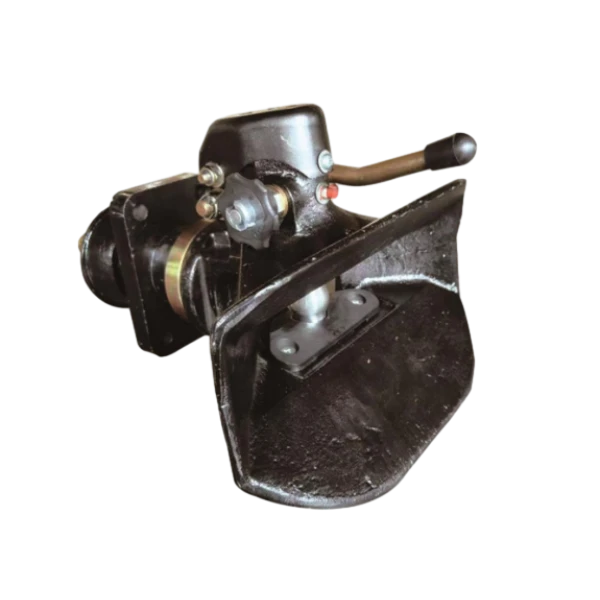 Trailer Coupling
The trailer coupling is a critical component in vehicle towing systems, designed to ensure a secure and efficient connection between a towing vehicle and a trailer. These couplings are manufactured using high-strength carbon steel, alloy steel, or stainless steel, ensuring durability and resistance to heavy loads and harsh environments.
-
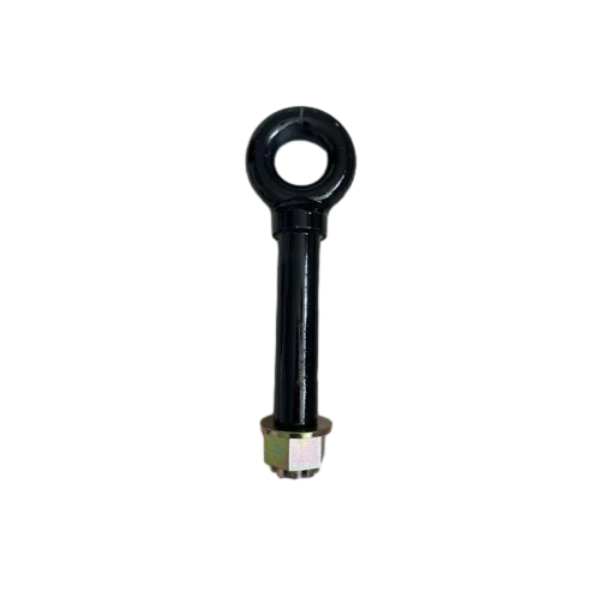 Drawbar Eyes
Drawbar eyes are essential components in towing and hauling applications, providing a strong and secure attachment point between the trailer and the towing vehicle. They are designed to endure extreme pulling forces, making them suitable for heavy-duty applications.
-
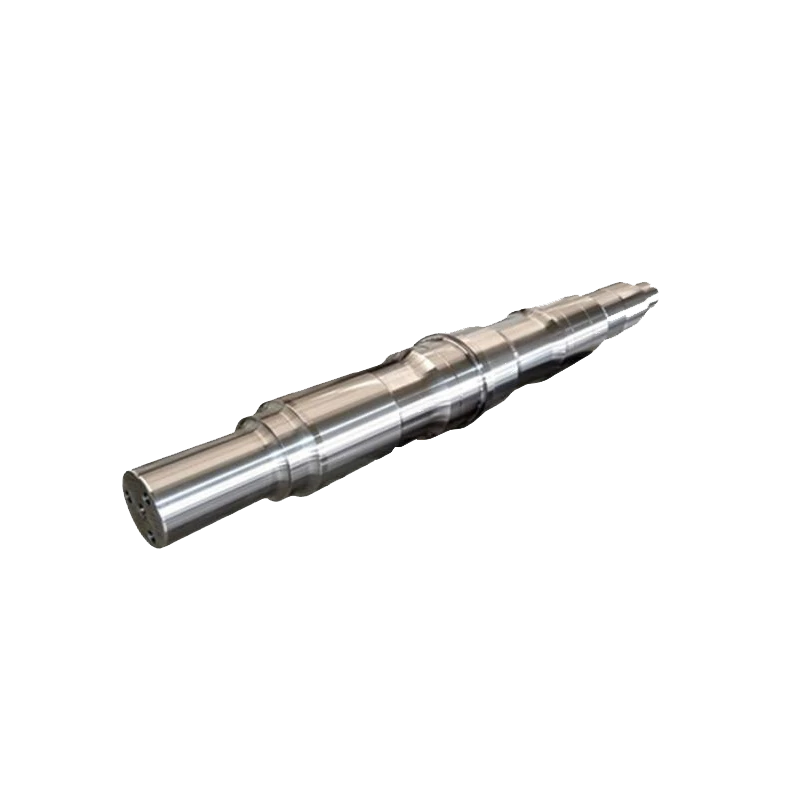 Axles
AxlesAxles are essential for vehicle load-bearing and power transmission, ensuring smooth movement and weight distribution. They must withstand high stress, torque, and impact, making material selection and precise manufacturing crucial.
-
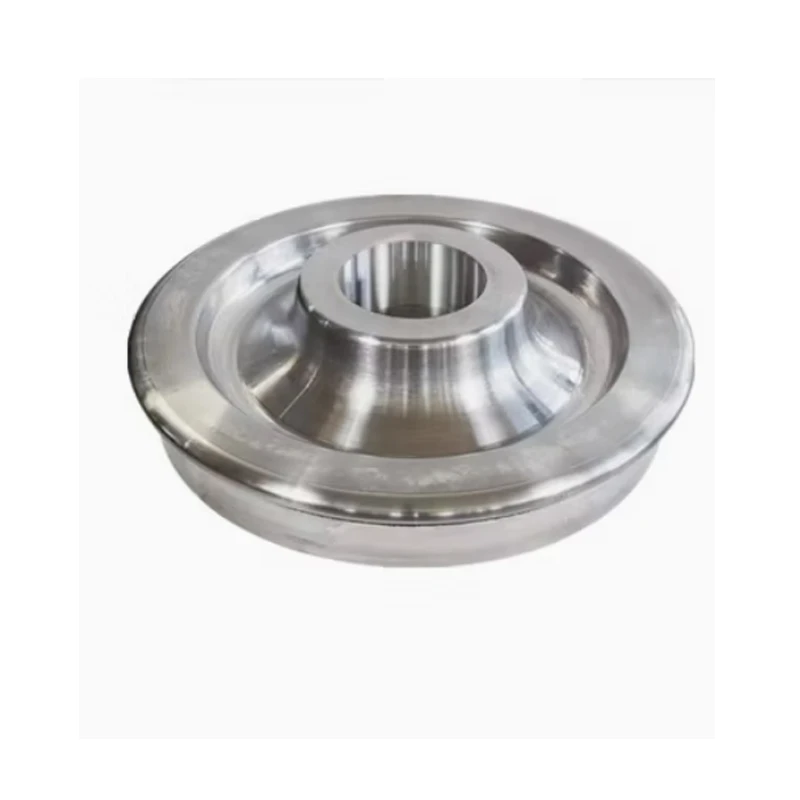 Profile S1002 Series Rail Wheels
The S1002 series rail wheels are designed for Rail-Road Vehicles (RRVs) that require seamless operation on both roads and railway tracks. Engineered with high precision and durability, these wheels conform to S1002 tread profiles, ensuring compatibility with standard railway systems.
A Comprehensive Guide to Axles Types for Industry Decision Makers | Manufacturing Base
Axles Types is a key solution in the industry, specifically within heavy machinery and transportation sectors. This article explores how https://www.manufacturing-base.com supports professionals with durable, high-performance products
>
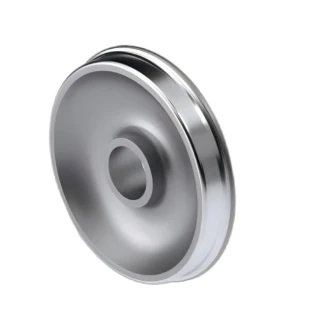
Reliable Rail Wheels: Optimize Your Rail Transport Solutions
For industries that rely on rail-based vehicles, choosing the right rail wheels is essential for smooth operations and safety.
>
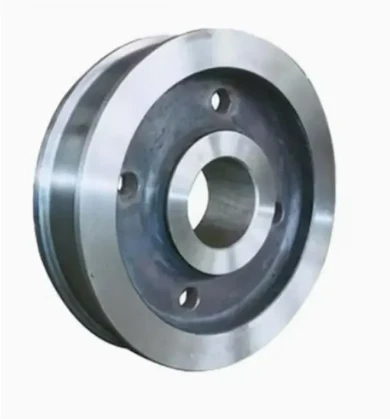
Premium Overhead Crane Wheels For Sale: Enhance Industrial Lifting Efficiency
In modern industrial operations, high-quality overhead crane wheels for sale are essential for safe, reliable, and efficient lifting.
>
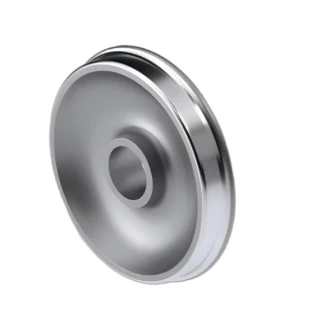
Premium Hi Rail Wheels For Sale: Boost Rail Vehicle Performance
In the modern industrial and railway sectors, having reliable hi rail wheels for sale is essential for operational efficiency and safety.
>
High-Quality Hi Rail Wheels For Sale: Enhance Your Rail Equipment Efficiency
When it comes to reliable rail maintenance and industrial operations, investing in hi rail wheels for sale is crucial.
>
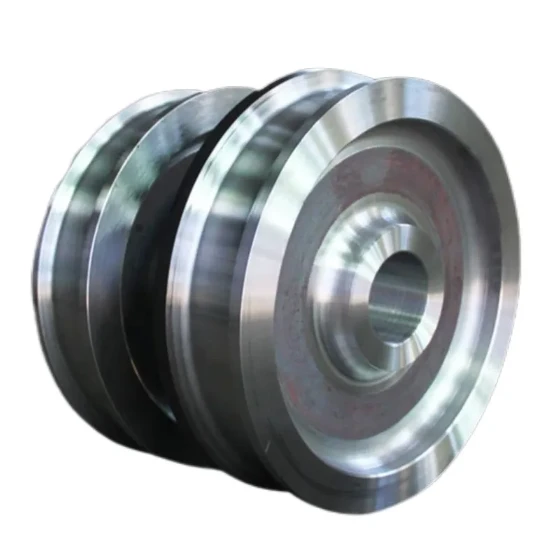
High-Quality Crane Wheels For Sale: Enhance Your Crane Operations
For industries relying on heavy lifting and material handling, investing in high-quality crane wheels for sale is crucial.
>
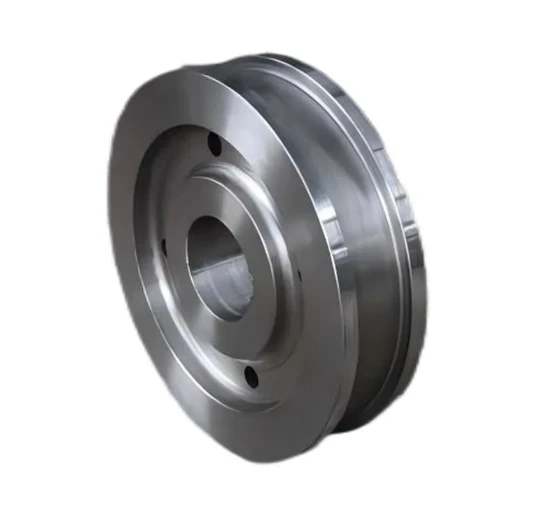
Durable Gantry Crane Wheels For Sale: Maximize Lifting Efficiency
For industries relying on heavy-duty lifting and material handling, selecting the right gantry crane wheels for sale is vital.
>
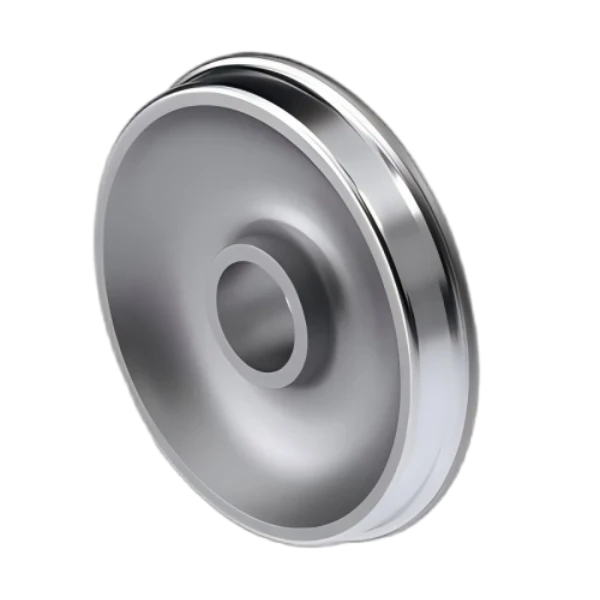
Reliable Tandem Drive Axles for Heavy-Duty Industrial Vehicles
Tandem Drive Axles: What I’ve Learned After Years in the Industrial Equipment Sector Ha
>
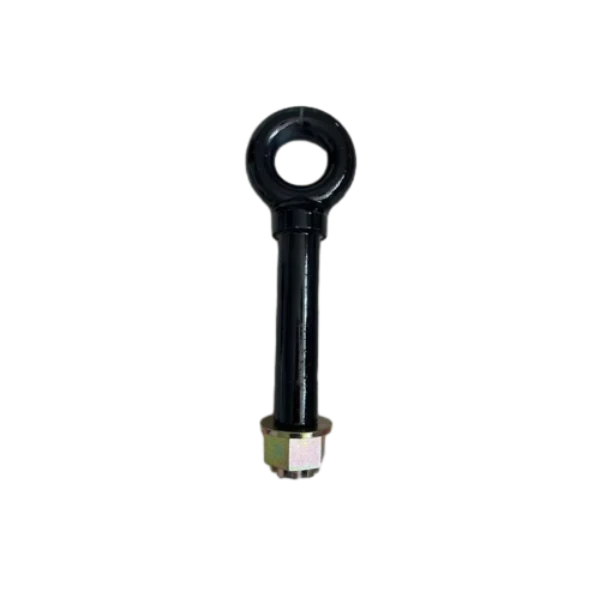
Reliable Semi Trailer Axles for Heavy-Duty Trailers | Expert Insight
Understanding semi trailer axles: The Backbone of Heavy Hauling Having spent more than a deca
>
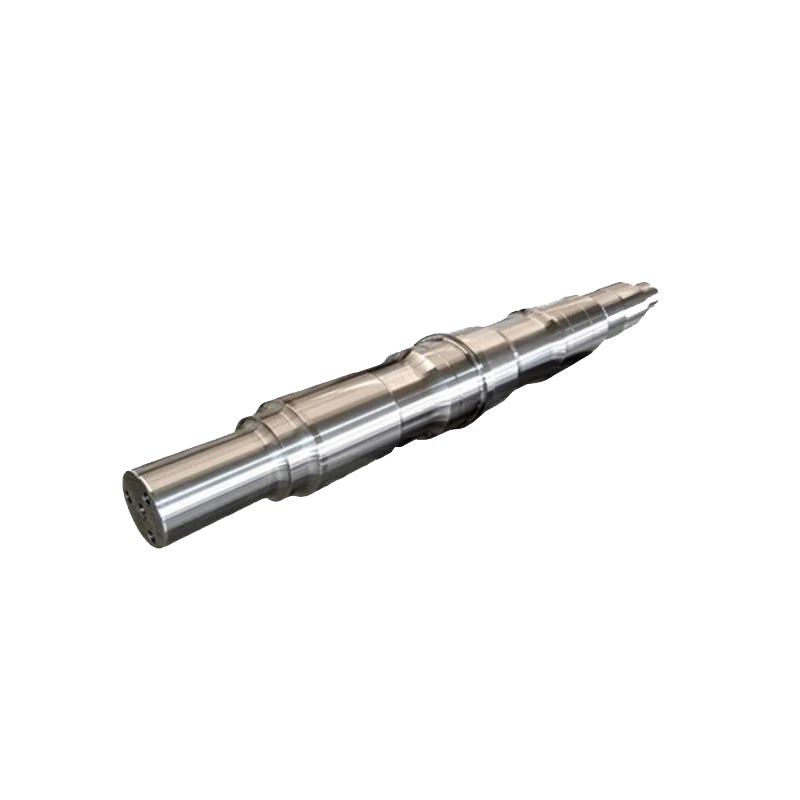
RC Portal Axles: Industrial Strength and Custom Performance
RC Portal Axles: A Veteran’s Take on Industrial-Grade Performance Having spent over a d
>
Engineered for Excellence
Our forged solutions deliver reliability and performance, powering demanding industries to keep operations running smoothly.

Sign up
for Newsletter
Subscribe to the weekly newsletter for all the latest updates