- Tel: +86 311 82620404
- Cell: 86 -13739710551
- Email: sales@potentia.cn

Rails Wheels: Forged Strength, OEM Sizes, Fast Delivery
Profile P1 Series Rail Wheels: Field Notes from the Track and the Workshop
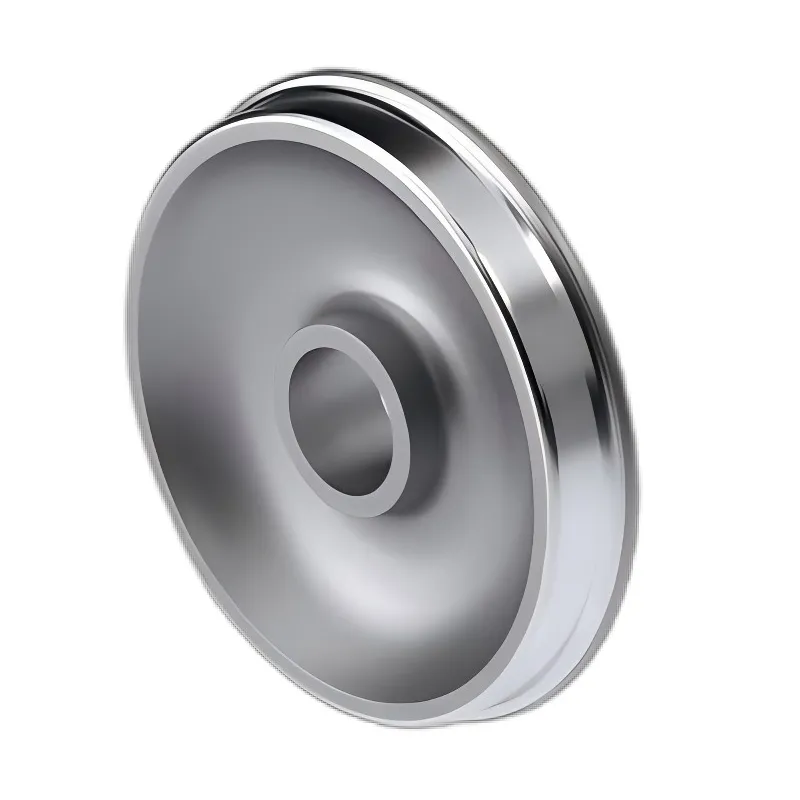
If you work with Rails Wheels on Rail-Road Vehicles (RRVs), you already know the P1 tread profile isn’t hype—it’s a practical answer to stability, wear control, and predictable handling. The P1 Series from Manufacturing Base (No.186 South Xierhuan Road, Shijiazhuang, Hebei, China) is purpose-built for RRVs that shuttle between asphalt and steel. Honestly, that duality exposes wheels to odd stress patterns—side loads, micro-slips, thermal cycles—so the metallurgy and heat treatment have to be spot on.
What’s trending (and why it matters)
Three clear shifts: (1) utilities and maintenance contractors are leaning into RRVs to cut possession time—meaning more stop-start duty and tighter turning; (2) operators want quieter, lower-squeal wheel-rail contact on urban track; and (3) auditors ask for traceable testing to EN/AAR standards. The P1 profile helps RRVs keep consistent contact geometry, and—speaking frankly—reduces the “mystery wear” you sometimes see with improvised wheel shapes.
Technical notes and build process
Materials: typically fine-grain wheel steels such as 42CrMo4 or equivalent AAR Class C, sometimes 65Mn variants for cost-sensitive fleets. Methods: forged blank or rolled rim, CNC finish machining, quench-and-temper, and optional tread induction hardening for heavy-duty RRVs. Testing: 100% ultrasonic (UT) volumetric inspection, magnetic particle (MT) on tread/flange, Brinell hardness mapping, and balance per ISO guidelines. Real-world service life? Around 8–12 years for mixed-duty RRVs, assuming proper turning intervals and rail condition; your mileage can vary with braking regimes and contamination.
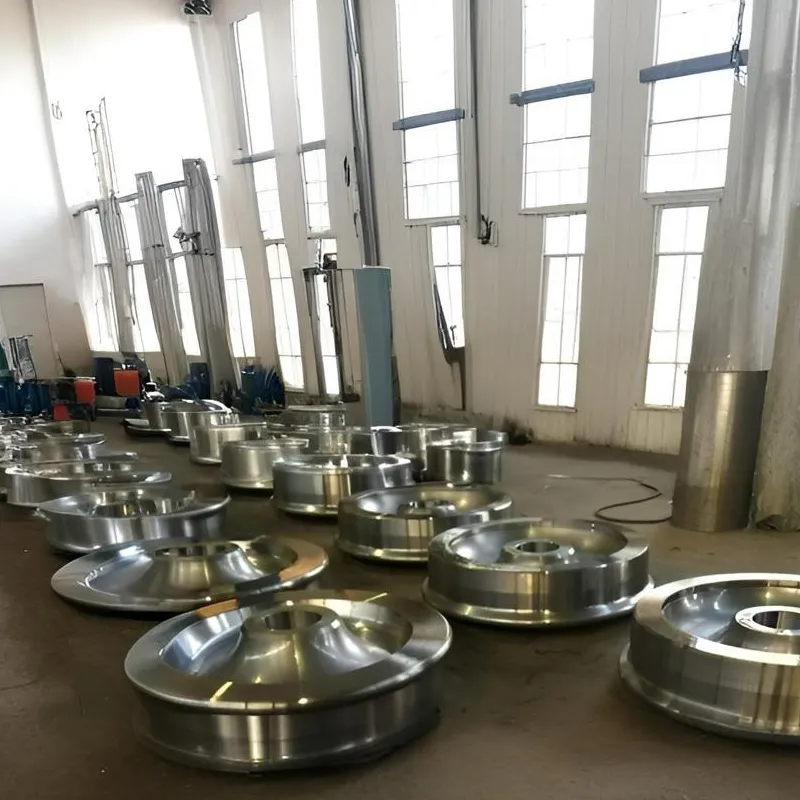
Product snapshot: Profile P1 Series
| Parameter | Typical Value (≈, real-world use may vary) |
|---|---|
| Tread profile | P1 per RRV practice (optimized flange root radius) |
| Outer diameter | 550–920 mm options |
| Hardness (tread) | 260–320 HBW after heat treatment |
| Axle load capacity | ≈ 8–14 t/axle (RRV duty) |
| Concentricity/runout | ≤ 0.15 mm (as machined) |
| Balancing | Up to ISO 21940 G16 |
| Standards reference | EN 13262, AAR M‑107/M‑208 |
Applications: on/off-track RRVs, catenary maintenance trucks, rescue/inspection units, metro maintenance fleets, and tampers that need road access. Many customers say the P1 tread reduces flange wear on tight depot curves—anecdotal, yes, but I’ve seen the same in two depots this year.
Customization menu
- Tread options: P1 with fine-tuned conicity for specific network radii
- Bore/hub: custom bore, keyway, interference fits; anti-rotation features
- Heat treatment: localized tread hardening for stop-start urban duty
- Coatings: base phosphate + paint; optional corrosion packages
- Traceability: mill certs, heat lot tracking, UT/MT maps attached to each wheel
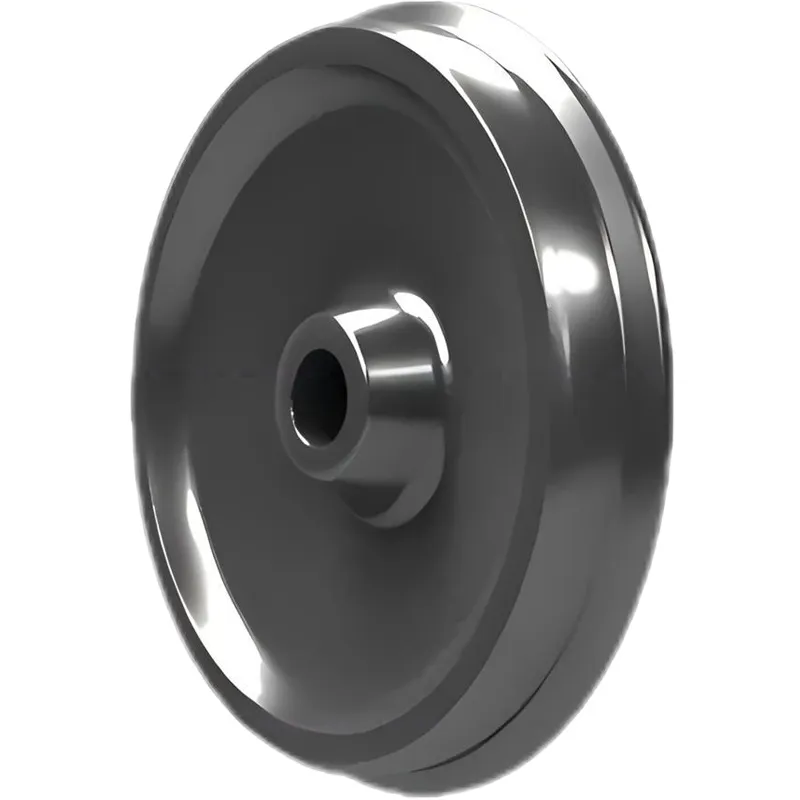
Vendor landscape: who does what
| Vendor | Certs | Lead time (≈) | Customization depth | Testing scope |
|---|---|---|---|---|
| Manufacturing Base (China) | ISO 9001; EN/AAR-compliant production | 6–10 weeks | High (profile, bore, heat treat) | UT 100%, MT, hardness map, balance report |
| EU Specialist Wheelmaker | ISO 9001/14001; EN 13262 | 8–14 weeks | Medium–High | UT/MT, hardness; balance on request |
| Local Machine Shop (RRV focus) | Varies | 2–6 weeks | Medium (machining-centric) | Dimensional + limited NDT |
Mini case study
A metro contractor retrofitted P1 Series Rails Wheels on a two-axle RRV used for night maintenance. After 7 months, UT checks showed no internal indications; flange wear reduced ≈18% versus prior non-P1 wheels, and the driver (a straight-talker) told me “less flange squeal in tight crossovers.” Not a lab trial—just honest field feedback, but it aligns with the profile theory.
Compliance and test data highlights
- Standards: EN 13262 (wheels), AAR M‑107/M‑208; maintenance aligned with EN 15313
- Hardness: 260–320 HBW (tread), checked per heat map; Charpy per ISO 148‑1
- NDT: UT 100% volume; MT on tread/flange; dimensional per drawing
- Documentation: mill certs, heat treatment charts, balance certificate
Citations: [1] EN 13262: Railway wheels requirements; [2] AAR M‑107/M‑208; [3] ISO 148‑1; [4] EN 15313; [5] ISO 21940 (balancing).
- EN 13262: Railway applications—Wheelsets and bogies—Wheels—Product requirements.
- AAR M‑107/M‑208: Steel Wheels—Association of American Railroads.
- ISO 148‑1: Metallic materials—Charpy pendulum impact test.
- EN 15313: In-service wheelset maintenance—Technical approval of maintenance.
- ISO 21940-11: Mechanical vibration—Balance quality requirements.
-
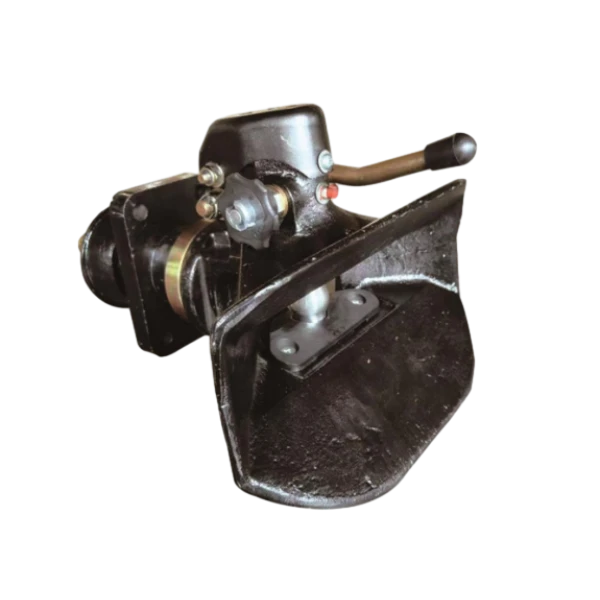 Trailer Coupling
The trailer coupling is a critical component in vehicle towing systems, designed to ensure a secure and efficient connection between a towing vehicle and a trailer. These couplings are manufactured using high-strength carbon steel, alloy steel, or stainless steel, ensuring durability and resistance to heavy loads and harsh environments.
-
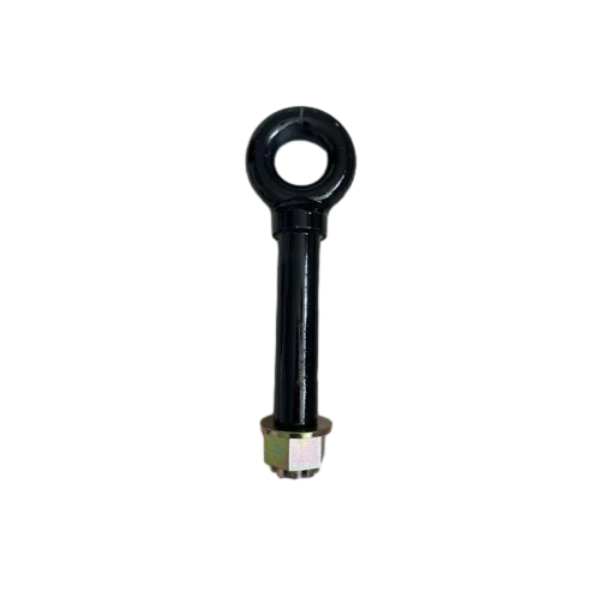 Drawbar Eyes
Drawbar eyes are essential components in towing and hauling applications, providing a strong and secure attachment point between the trailer and the towing vehicle. They are designed to endure extreme pulling forces, making them suitable for heavy-duty applications.
-
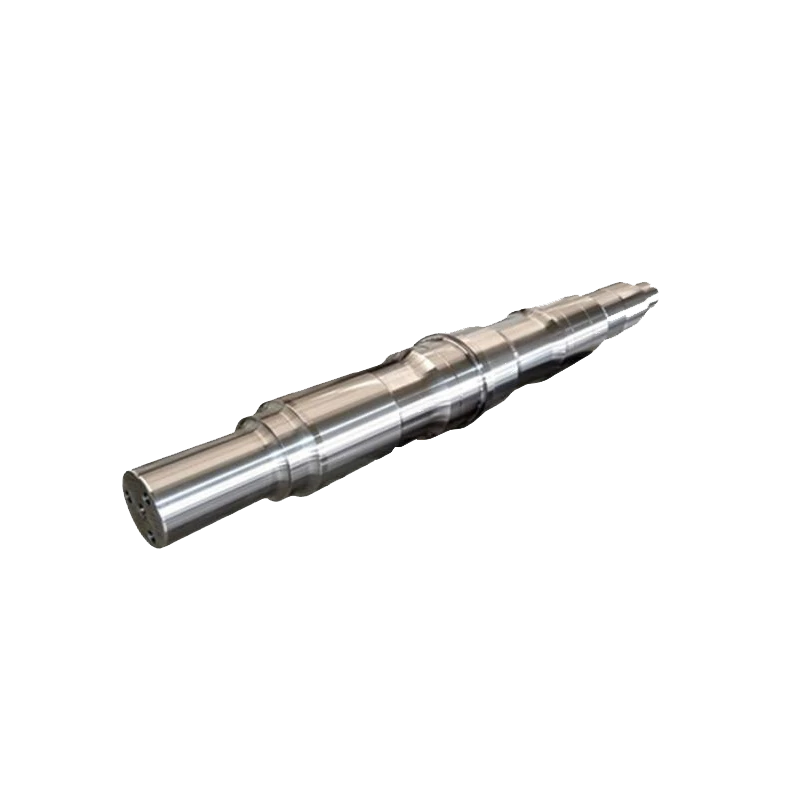 Axles
AxlesAxles are essential for vehicle load-bearing and power transmission, ensuring smooth movement and weight distribution. They must withstand high stress, torque, and impact, making material selection and precise manufacturing crucial.
-
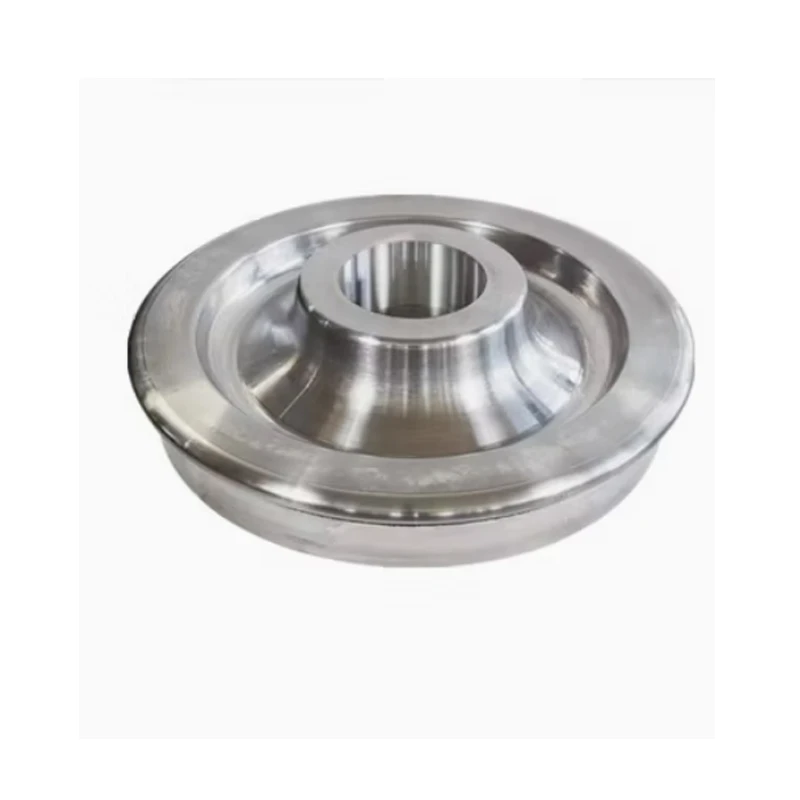 Profile S1002 Series Rail Wheels
The S1002 series rail wheels are designed for Rail-Road Vehicles (RRVs) that require seamless operation on both roads and railway tracks. Engineered with high precision and durability, these wheels conform to S1002 tread profiles, ensuring compatibility with standard railway systems.
A Comprehensive Guide to Axles Types for Industry Decision Makers | Manufacturing Base
Axles Types is a key solution in the industry, specifically within heavy machinery and transportation sectors. This article explores how https://www.manufacturing-base.com supports professionals with durable, high-performance products
>
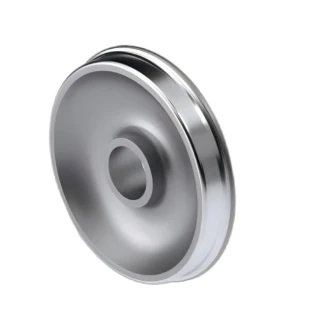
Reliable Rail Wheels: Optimize Your Rail Transport Solutions
For industries that rely on rail-based vehicles, choosing the right rail wheels is essential for smooth operations and safety.
>
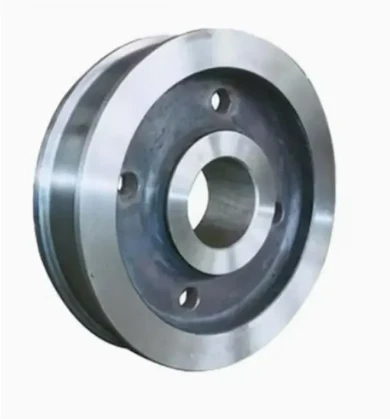
Premium Overhead Crane Wheels For Sale: Enhance Industrial Lifting Efficiency
In modern industrial operations, high-quality overhead crane wheels for sale are essential for safe, reliable, and efficient lifting.
>
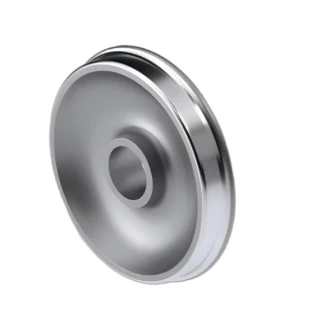
Premium Hi Rail Wheels For Sale: Boost Rail Vehicle Performance
In the modern industrial and railway sectors, having reliable hi rail wheels for sale is essential for operational efficiency and safety.
>
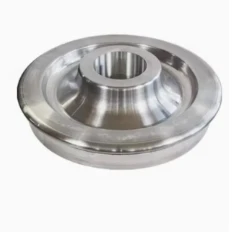
High-Quality Hi Rail Wheels For Sale: Enhance Your Rail Equipment Efficiency
When it comes to reliable rail maintenance and industrial operations, investing in hi rail wheels for sale is crucial.
>
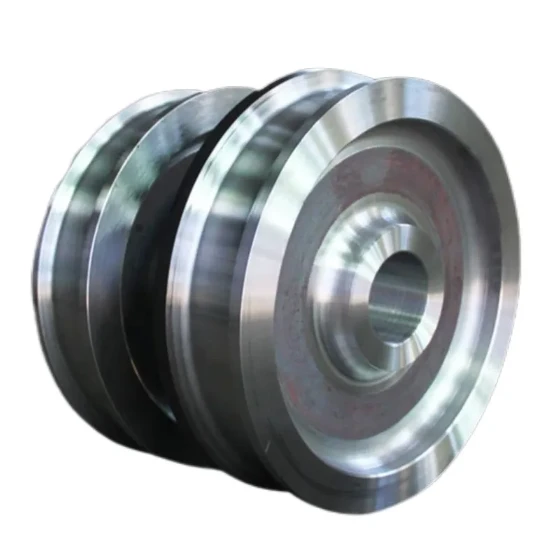
High-Quality Crane Wheels For Sale: Enhance Your Crane Operations
For industries relying on heavy lifting and material handling, investing in high-quality crane wheels for sale is crucial.
>
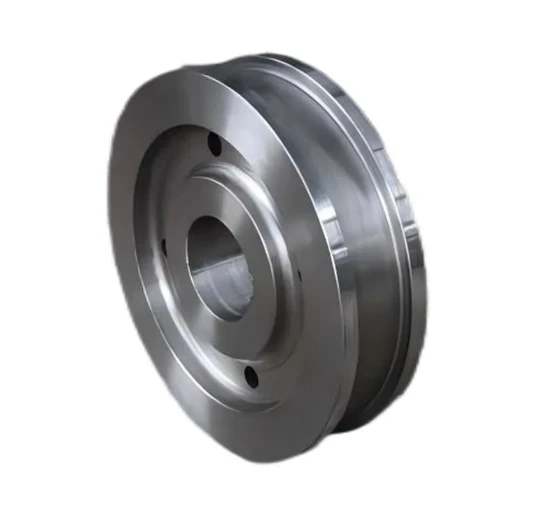
Durable Gantry Crane Wheels For Sale: Maximize Lifting Efficiency
For industries relying on heavy-duty lifting and material handling, selecting the right gantry crane wheels for sale is vital.
>
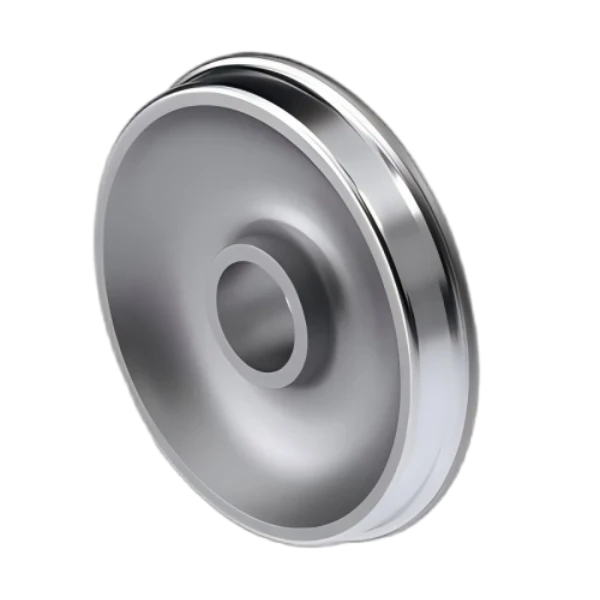
Reliable Tandem Drive Axles for Heavy-Duty Industrial Vehicles
Tandem Drive Axles: What I’ve Learned After Years in the Industrial Equipment Sector Ha
>
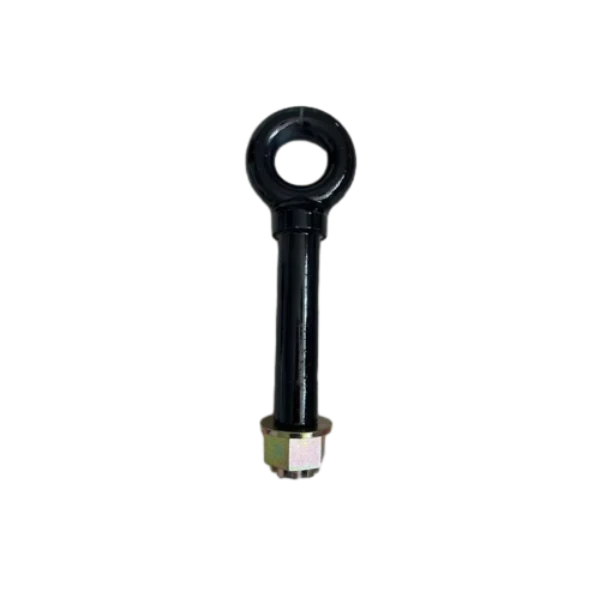
Reliable Semi Trailer Axles for Heavy-Duty Trailers | Expert Insight
Understanding semi trailer axles: The Backbone of Heavy Hauling Having spent more than a deca
>
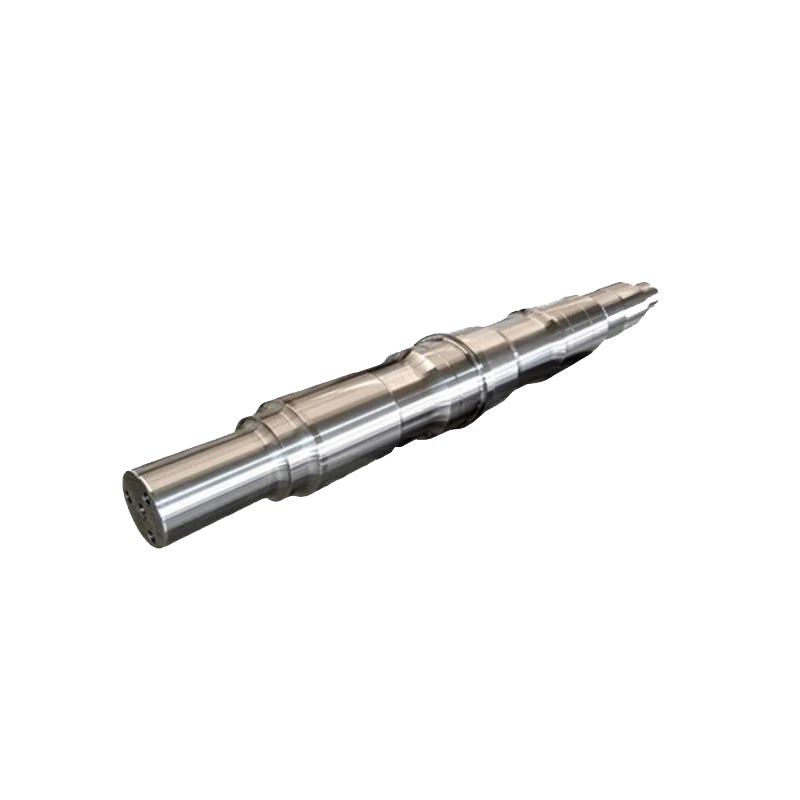
RC Portal Axles: Industrial Strength and Custom Performance
RC Portal Axles: A Veteran’s Take on Industrial-Grade Performance Having spent over a d
>
Engineered for Excellence
Our forged solutions deliver reliability and performance, powering demanding industries to keep operations running smoothly.

Sign up
for Newsletter
Subscribe to the weekly newsletter for all the latest updates