- Tel: +86 311 82620404
- Cell: 86 -13739710551
- Email: sales@potentia.cn

Rail Track Wheels: Essential Engineering for Global Rail Transport
Understanding Rail Track Wheels: Vital Components Driving Global Connectivity
Rail track wheels — sounds straightforward, right? But when you stop to think about it, these simple metal discs are absolutely critical to the entire railway ecosystem worldwide. They’re not just components but enablers of trade, transit, and economic growth. Rail track wheels, in essence, bear the heavy loads of locomotives and freight cars, translating raw engineering precision into smooth movement across continents.
Globally, rail accounts for roughly 9% of the world’s freight transport and about 7% of passenger movement, according to the International Union of Railways (UIC). That’s massive. Without reliable rail track wheels, the ripple effects on industries like manufacturing, agriculture, and even humanitarian aid are profound. It’s why understanding these wheels means appreciating a piece of the infrastructure puzzle that holds our connected world together.
Introduction: The Global Relevance of Rail Track Wheels
Rail transport remains one of the most energy-efficient and sustainable modes for moving goods and people. The United Nations Environment Programme (UNEP) often highlights rail as a key answer to reducing carbon footprints in logistics. Yet, the backbone of its reliability — rail track wheels — often goes unnoticed by the public. These wheels must meet intense demands: from enduring heavy freight loads in industrial hubs like China and the US to navigating high-speed passenger lines in Europe and Japan.
One big challenge in the industry is durability. Rail track wheels must withstand harsh weather, rough track conditions, and continual friction — failures can lead to costly downtimes or even accidents. Addressing these challenges with better wheel materials, maintenance protocols, and manufacturing precision is critical for keeping global supply chains humming.
What Are Rail Track Wheels?
Put simply, rail track wheels are specialized wheels designed to run on railway tracks. Unlike ordinary wheels, their profile features a flange—a rim on one side that keeps the wheel aligned on the rails—preventing derailments. Constructed mainly from high-grade steel alloys, they balance strength, wear resistance, and shock absorption.
These wheels aren’t just found in urban metros or freight yards. They’re fundamental to sectors that depend on heavy logistics, including mining, forestry, and even military transport. Their performance can impact everything from how quickly materials get to factories to how safely people commute daily.
Core Components and Key Factors of Rail Track Wheels
1. Durability
Durability is paramount. Rail track wheels must resist surface wear, fatigue cracking, and thermal stresses created by braking. Advanced heat treatment processes are used to harden the wheel surface, extending service life. For example, quenched and tempered wheels can last upward of 200,000 kilometers before replacement.
2. Material Composition
Typically made from carbon steel alloys, the exact chemical makeup is fine-tuned for optimal hardness and toughness. Some modern designs incorporate microalloying elements like chromium or vanadium to enhance strength without sacrificing ductility.
3. Cost Efficiency
Since rail wheels need regular inspection and replacement, manufacturers strive to balance upfront cost with longevity. Investing in higher quality wheels may mean fewer service interruptions and overall cost savings in maintenance.
4. Safety and Compliance
Standards like ISO 1005 and EN 13260 detail rigorous testing protocols to ensure wheels meet safety and operational criteria. Compliance with such norms guarantees interchangeability and reliability on international rail systems.
5. Scalability and Customization
Rail track wheels must fit a wide range of railway systems — from light gauge urban transit to heavy-haul freight lines. Manufacturers offer customizable sizes, tread profiles, and mounting solutions to match specific track gauges and vehicle designs.
| Specification | Typical Value | Units |
|---|---|---|
| Wheel diameter | 850–1000 | mm |
| Tread width | 125–140 | mm |
| Weight | 150–180 | kg |
| Material | High-grade carbon steel | – |
Global Applications & Use Cases
Rail track wheels feature in practically every major rail network on the planet. From the freight corridors of North America and Eurasia to rapid urban transit in cities like Tokyo and London, their performance impacts thousands daily.
- In developing countries: Efficient railway systems have accelerated the transport of agricultural produce, helping economies stabilize.
- Post-disaster relief: Rail networks assist in delivering supplies where roads may be damaged — reliable wheels ensure the aid reaches impacted areas promptly.
- Mining and heavy industry: Transporting bulk minerals depends heavily on heavy-duty rail wheels that handle enormous loads.
Oddly enough, while we often focus on the rails themselves or the locomotives, the humble wheel quietly supports all this activity. Its failure means delays, economic losses, and safety concerns. That’s why better wheels often equal better business and lives saved.
Advantages & Long-term Value of Quality Rail Track Wheels
Choosing robust, reliable rail track wheels pays off in multiple ways:
- Cost savings: Less frequent replacements and rail wear reduce maintenance bills.
- Sustainability: Longer-lasting wheels mean fewer raw materials consumed and less waste.
- Safety: Improved durability prevents derailments and accidents.
- Innovation: Enhanced materials and designs boost performance under challenging conditions.
- Trust: Rail operators and passengers alike benefit from dependable infrastructure.
For many railway engineers I spoke to, investing in wheel quality isn’t just a technical decision, it feels like investing in a trusted partner, the unsung hero of rail transportation.
Future Trends & Innovations in Rail Track Wheels
The future looks bright, with exciting developments underway:
- Composite materials: Research into carbon-fiber reinforced polymers aims to reduce wheel weight while maintaining strength.
- Smart wheels: Embedded sensors to monitor wear and stress in real-time, enabling predictive maintenance.
- Green manufacturing: Low-emission steelmaking and recycling programs reduce environmental impact.
- Automation: Industry 4.0 integration for quality control and manufacturing precision.
The push for more sustainable, efficient rail transport globally ensures rail track wheels remain a hotbed of innovation, frankly.
Challenges & Solutions in Rail Track Wheel Adoption
Of course, things aren’t perfect. Issues like metal fatigue, cost constraints, and supply chain disruptions persist. Specialized wheels for varying rail gauges or extreme climates may add complexities.
Solutions:
- Advanced non-destructive testing techniques to detect micro-cracks early.
- Investment in local manufacturing hubs to reduce lead times.
- Collaborative R&D between rail operators and manufacturers to tailor wheels to specific needs.
- Training programs to improve maintenance crews’ expertise.
Addressing these head-on makes for smoother rails ahead, literally.
FAQ: Frequently Asked Questions About Rail Track Wheels
- What materials are best for manufacturing durable rail track wheels?
- Typically, high-carbon steel alloys with microalloying elements such as chromium or vanadium are used, offering a good balance of strength, toughness, and wear resistance essential for heavy rail operations.
- How often do rail wheels need to be inspected or replaced?
- Inspection intervals vary but commonly occur every 20,000 to 40,000 km. Replacement timing depends on wear, cracks, or deformation but can often exceed 200,000 km with proper maintenance.
- Can rail wheels be customized for different track gauges?
- Yes, wheel dimensions and tread profiles can be tailored to match specific rail gauges and vehicle requirements, allowing seamless integration across diverse rail networks.
- How do rail track wheels contribute to environmental sustainability?
- By enabling efficient rail transport, which has lower emissions per ton-kilometer than road or air, and through innovations like recyclable materials and green manufacturing, rail wheels help reduce the transport sector’s footprint.
- Are there smart or sensor-enabled rail track wheels available?
- Emerging technologies are embedding sensors within wheels to monitor temperature, vibration, and wear in real-time, aiding predictive maintenance and enhancing safety.
Conclusion: The Unsung Powerhouses of Rail Transport
Ultimately, rail track wheels are fundamental to the steady pulse of global transport. They enable economies to thrive, communities to connect, and industries to flourish. Investing in their quality isn't merely about engineering — it’s an investment in safety, sustainability, and reliability that resonates well beyond the tracks. If you want to explore more about these crucial components or the latest innovations, feel free to visit our website at manufacturing-base.com. Understanding rails and wheels isn’t just technical—it’s about appreciating how infrastructure shapes our lives.
| Vendor | Material Quality | Customization Options | Lead Time | Price Range (USD) |
|---|---|---|---|---|
| WheelCo International | Premium steel alloy | High (tread profiles, sizes) | 4–6 weeks | $850–1200 |
| RailParts Ltd. | Standard carbon steel | Medium (standard sizes) | 3–5 weeks | $700–950 |
| SteelWheel Co. | High-carbon microalloyed steel | High (custom alloys) | 5–7 weeks | $900–1300 |
Mini Takeaways:
- Rail track wheels are crucial for safe, efficient rail transport worldwide.
- Material quality and maintenance heavily influence their longevity and performance.
- Emerging tech is making rail wheels smarter and more sustainable.
In real-life application, understanding and investing in rail track wheels is like understanding the heartbeat of our transport arteries. It feels rewarding to uncover the secrets behind these seemingly simple machines, and crucial to advancing global connectivity with confidence.
References:
- International Union of Railways (UIC) — https://uic.org
- United Nations Environment Programme (UNEP) — https://www.unep.org
- ISO Standards on Railway Wheels — https://www.iso.org/committee/45436.html
-
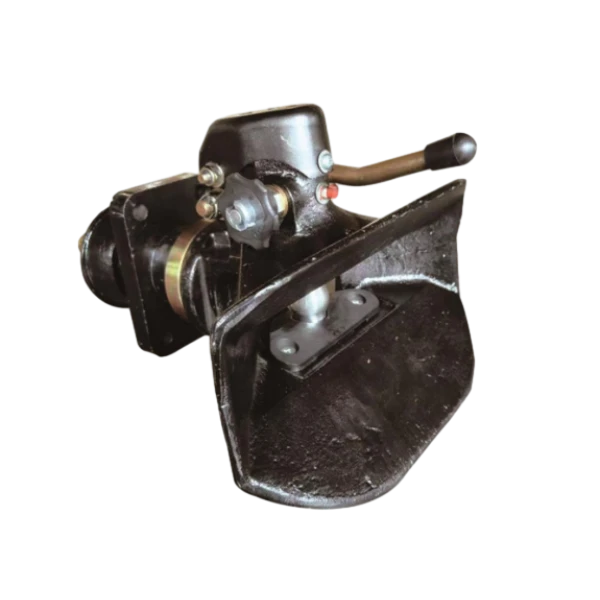 Trailer Coupling
The trailer coupling is a critical component in vehicle towing systems, designed to ensure a secure and efficient connection between a towing vehicle and a trailer. These couplings are manufactured using high-strength carbon steel, alloy steel, or stainless steel, ensuring durability and resistance to heavy loads and harsh environments.
-
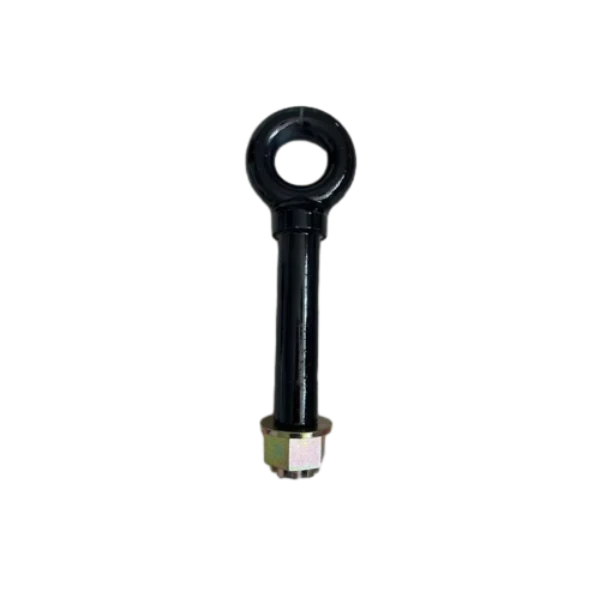
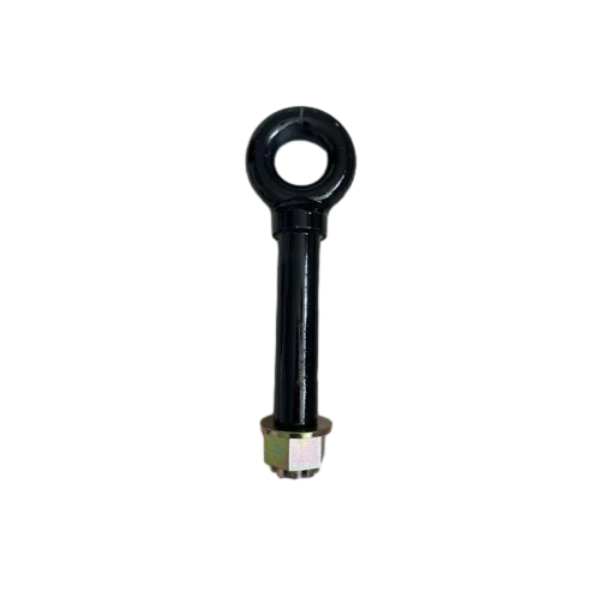 Drawbar Eyes
Drawbar eyes are essential components in towing and hauling applications, providing a strong and secure attachment point between the trailer and the towing vehicle. They are designed to endure extreme pulling forces, making them suitable for heavy-duty applications.
-
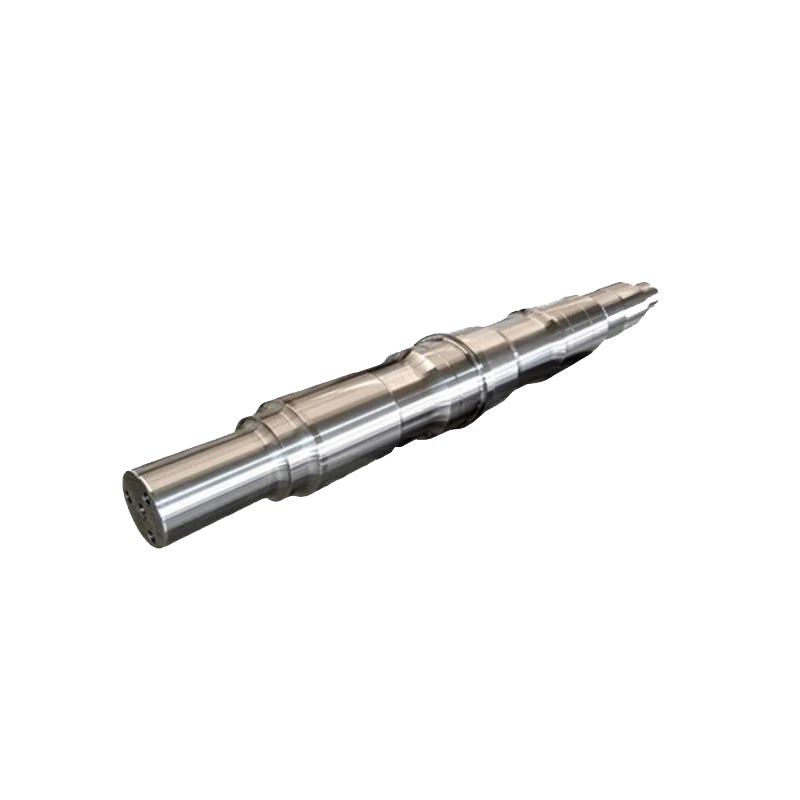
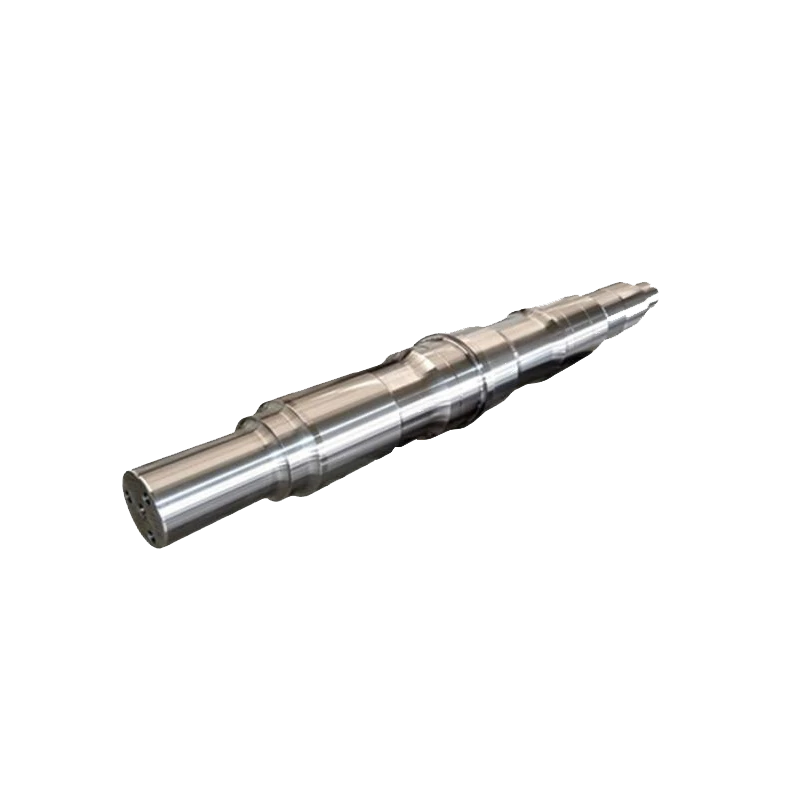 Axles
AxlesAxles are essential for vehicle load-bearing and power transmission, ensuring smooth movement and weight distribution. They must withstand high stress, torque, and impact, making material selection and precise manufacturing crucial.
-
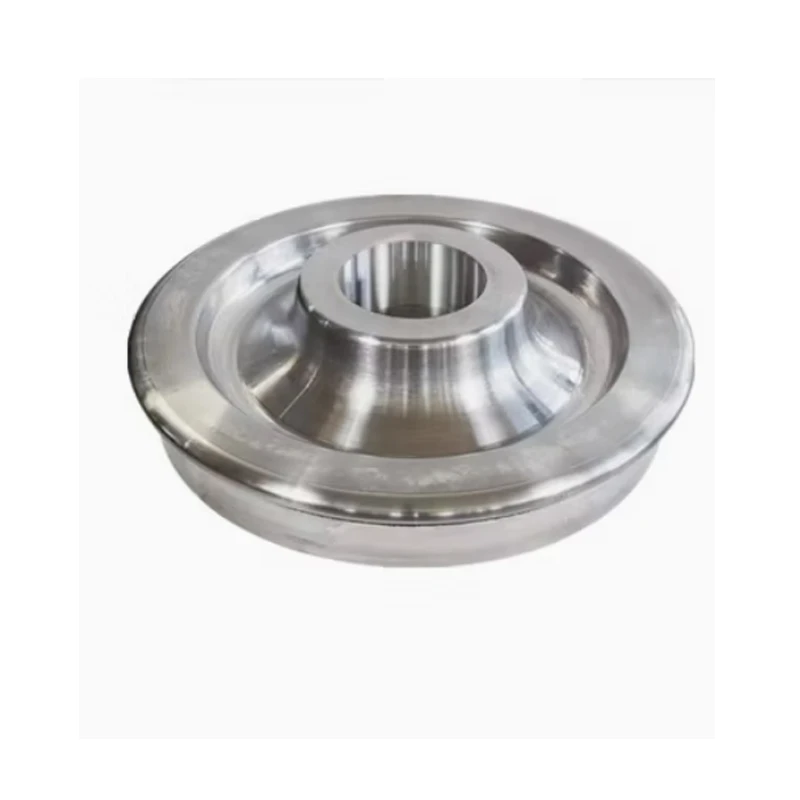 Profile S1002 Series Rail Wheels
The S1002 series rail wheels are designed for Rail-Road Vehicles (RRVs) that require seamless operation on both roads and railway tracks. Engineered with high precision and durability, these wheels conform to S1002 tread profiles, ensuring compatibility with standard railway systems.
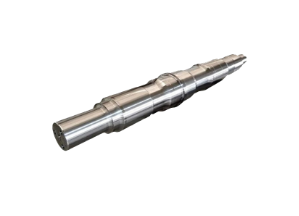
A Comprehensive Guide to Axles Types for Industry Decision Makers | Manufacturing Base
Axles Types is a key solution in the industry, specifically within heavy machinery and transportation sectors. This article explores how https://www.manufacturing-base.com supports professionals with durable, high-performance products
>
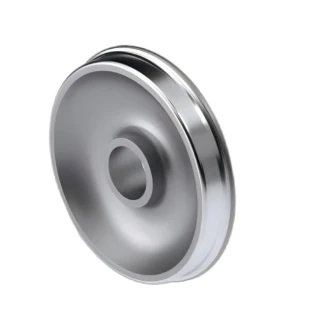
Reliable Rail Wheels: Optimize Your Rail Transport Solutions
For industries that rely on rail-based vehicles, choosing the right rail wheels is essential for smooth operations and safety.
>
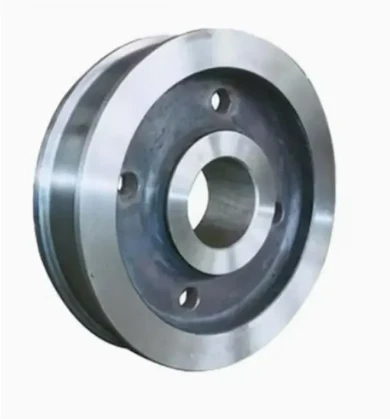
Premium Overhead Crane Wheels For Sale: Enhance Industrial Lifting Efficiency
In modern industrial operations, high-quality overhead crane wheels for sale are essential for safe, reliable, and efficient lifting.
>
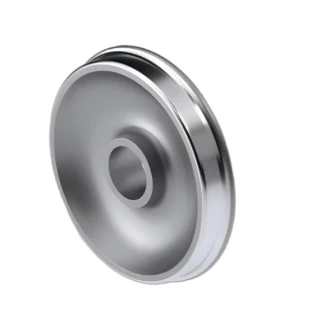
Premium Hi Rail Wheels For Sale: Boost Rail Vehicle Performance
In the modern industrial and railway sectors, having reliable hi rail wheels for sale is essential for operational efficiency and safety.
>
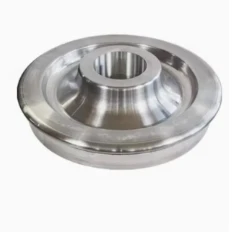
High-Quality Hi Rail Wheels For Sale: Enhance Your Rail Equipment Efficiency
When it comes to reliable rail maintenance and industrial operations, investing in hi rail wheels for sale is crucial.
>
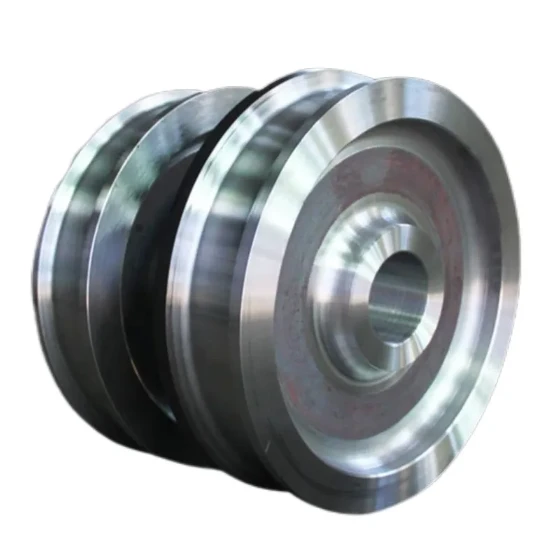
High-Quality Crane Wheels For Sale: Enhance Your Crane Operations
For industries relying on heavy lifting and material handling, investing in high-quality crane wheels for sale is crucial.
>
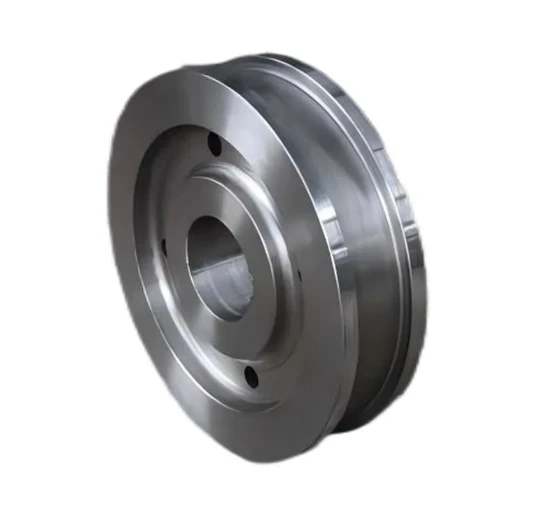
Durable Gantry Crane Wheels For Sale: Maximize Lifting Efficiency
For industries relying on heavy-duty lifting and material handling, selecting the right gantry crane wheels for sale is vital.
>
Reliable Tandem Drive Axles for Heavy-Duty Industrial Vehicles
Tandem Drive Axles: What I’ve Learned After Years in the Industrial Equipment Sector Ha
>
Reliable Semi Trailer Axles for Heavy-Duty Trailers | Expert Insight
Understanding semi trailer axles: The Backbone of Heavy Hauling Having spent more than a deca
>
RC Portal Axles: Industrial Strength and Custom Performance
RC Portal Axles: A Veteran’s Take on Industrial-Grade Performance Having spent over a d
>
Engineered for Excellence
Our forged solutions deliver reliability and performance, powering demanding industries to keep operations running smoothly.

Sign up
for Newsletter
Subscribe to the weekly newsletter for all the latest updates