- Tel: +86 311 82620404
- Cell: 86 -13739710551
- Email: sales@potentia.cn

Comprehensive Guide to Trailer Axles and Springs: Durability, Applications & Innovations
Understanding Trailer Axles and Springs: The Backbone of Reliable Transport
When you think of logistics, transportation, or even disaster relief on a global scale, the humble trailer axles and springs might not be the first things that come to mind. Yet, these components quietly carry the heavy load—literally—of countless industries worldwide. From shipping containers traversing continents to agricultural equipment moving through remote terrains, trailer axles and springs ensure both safety and efficiency. Understanding how these parts function and why they matter isn’t just technical curiosity; it’s a key to unlocking smarter, sustainable logistics and industrial operations that impact billions globally.
Why Trailer Axles and Springs Matter Globally
It’s fascinating to see just how much global commerce depends on reliable transport—according to the World Bank, goods transported by road still represent over 70% of the world's total freight movement. Within that mammoth operation, trailer axles and springs absorb shocks, support massive weight, and provide stability across vast distances and varying conditions.
The United Nations Sustainable Development Goals highlight infrastructure as a critical factor in economic progress and resilience. Reliable trailers with quality axles and springs help meet those goals by reducing breakdowns and enabling timely delivery of everything from consumer goods to emergency supplies. Yet, challenges like wear, uneven loading, and harsh environments demand continual innovation in these components.
Defining Trailer Axles and Springs
In straightforward terms, trailer axles are the central shafts around which the wheels rotate, supporting the weight of the trailer. Trailer springs—often leaf or coil springs—provide the suspension mechanism, absorbing shocks and vibrations to protect both cargo and the vehicle. Together they create a system that balances strength with flexibility, ensuring trailers remain stable and manageable under dynamic road conditions.
This pairing isn’t only technical necessity; it connects deeply with humanitarian logistics and industry needs. For example, efficiently moving food supplies in disaster areas or equipment to construction sites depends heavily on these systems working flawlessly.
Key Factors of Trailer Axles and Springs
Durability
These components face constant abuse—weather changes, heavy loads, rough terrain. Durable materials like high-strength steel and treated alloys extend lifespan significantly, mitigating costly downtime.
Load Capacity
Trailer axles and springs must match or exceed the projected load. Engineering specifications ensure no overstressing occurs, maintaining safety margins and regulatory compliance. The right match prevents failures and enhances braking efficiency.
Cost Efficiency
While premium materials raise upfront expenses, long-term savings come through fewer repairs and replacements. The balance between initial cost and lifecycle value is crucial, especially for fleet operators.
Scalability and Customization
Trailer applications vary widely—from flatbeds moving bulky machinery to enclosed trailers delivering perishables. Manufacturers now offer modular axle and spring assemblies allowing tailored solutions matched precisely to the job.
Compliance and Safety
Meeting ISO and UNECE standards isn’t just bureaucratic hassle; it ensures that axles and springs behave predictably under stress, reducing accident risks. Many industries demand certification for insurance and licensing.
Product Specifications at a Glance
| Specification | Typical Value | Units |
|---|---|---|
| Maximum Load Capacity | 9,000 | kg per axle |
| Spring Type | Multi-leaf or Parabolic | - |
| Material (Axles) | Alloy Steel | - |
| Corrosion Protection | Electro-galvanized finish | - |
| Average Lifespan | 7-10 | years |
Global Applications & Real-World Use Cases
Trailer axles and springs are everywhere: in North American freight trucks, African agricultural off-road trailers, and European container transports. Oddly enough, their role is especially critical in remote regions where repair facilities are scarce, so durability takes on new importance.
- Disaster Relief: Rapidly deployed aid trailers need reliable axles and springs that won’t fail under uneven terrain or heavy, irregular loads.
- Industrial Zones: Mining or oil industries use specialized trailers where components must handle abrasive materials and harsh environments.
- Agricultural Transport: In developing countries, with poorly maintained roads, robustness saves crops from spoilage.
A manufacturing base website offers comprehensive solutions for customizable options—by the way, if you want to dive deeper, have a look at trailer axles and springs for tailored specs and modular assemblies.
Advantages & Long-Term Value
Most folks think “cost” and “performance” but it’s really a blend of safety, reliability, and peace of mind. Good axles and springs reduce suspension wear, improve braking control, and protect cargo integrity. That means fewer accidents, less downtime, and better operational trust.
From a social perspective, smooth, reliable transport preserves dignity—food and medicines arrive intact, construction materials come on time, and communities stay connected. Technological innovation here isn’t flashy but foundational.
Future Trends & Innovations
As the transport sector embraces green tech, trailer axles and springs are evolving too. Lightweight alloys like aluminum-magnesium blends reduce weight and emissions. Digitally integrated sensors embedded in suspension systems offer real-time condition monitoring, predicting failures before they happen.
Automation in logistics may soon demand adaptive suspension that adjusts dynamically to load and road conditions. And policies driving sustainability push manufacturers toward recyclable materials and modular designs that extend product life.
Challenges & Solutions
One ongoing issue is balancing cost with quality—budget constraints in emerging markets sometimes lead to cheaper, less durable axles and springs. But innovations like modular parts and improved coatings help overcome corrosion and wear without breaking the bank.
Another challenge is standardization. Different regions’ regulations complicate global supply chains, so companies invest in certification and testing to ensure broad compliance—partly why global platforms that aggregate engineering intelligence are growing in importance.
Vendor Comparison: Leading Trailer Axles and Springs Suppliers
| Vendor | Material Quality | Customization | Price Range | Warranty |
|---|---|---|---|---|
| AxlePro Solutions | Premium alloy steel | Extensive, modular | $$$ | 5 years |
| SpringTech Industries | High-tensile steel | Medium customization | $$ | 3 years |
| Global Trailers Co. | Standard steel composites | Limited | $ | 2 years |
FAQ: Frequently Asked Questions About Trailer Axles and Springs
Q1: How often should trailer axles and springs be inspected?
A1: For safety and reliability, it's recommended to inspect axles and springs every 6 to 12 months, or sooner if operating in harsh conditions. Regular inspections catch wear, cracks, or corrosion early, avoiding costly failures.
Q2: Can I upgrade my existing trailer axles and springs to handle heavier loads?
A2: Yes, many manufacturers offer upgrade kits or heavier-duty components. However, upgrades should follow professional assessment to ensure compatibility with your trailer’s frame and suspension system.
Q3: What are the signs that trailer springs need replacement?
A3: Typical signs include sagging trailers, uneven tire wear, increased bouncing during driving, or visible cracks and deformation in spring leaves. Prompt replacement maintains safety and prevents damage down the line.
Q4: Are parabolic springs better than multi-leaf springs?
A4: Parabolic springs offer smoother ride quality and reduced weight compared to multi-leaf springs, but multi-leaf springs typically provide higher load capacity and durability. Choice depends on application needs and budget.
Q5: How do environmental conditions affect trailer axles and springs?
A5: Moisture, salt, temperature extremes, and dust accelerate corrosion and wear. Protective coatings and corrosion-resistant materials help mitigate these effects and extend component lifespan.
Conclusion
All in all, trailer axles and springs might not be the headlines of transportation innovation, but without them, the whole system falters. They’re the crucial linchpin ensuring safety, efficiency, and sustainability in freight and logistics operations worldwide. For anyone in the industry or curious about reliable transport tech, spending time understanding these components is well worth it.
If you want to explore tailored options or get expert advice, visit our site: https://www.manufacturing-base.com. There you’ll find resources and suppliers geared to your unique needs.
Takeaway: Trailer axles and springs are the unsung heroes of transport, blending strength, innovation, and practical design to keep the world moving.
References
-
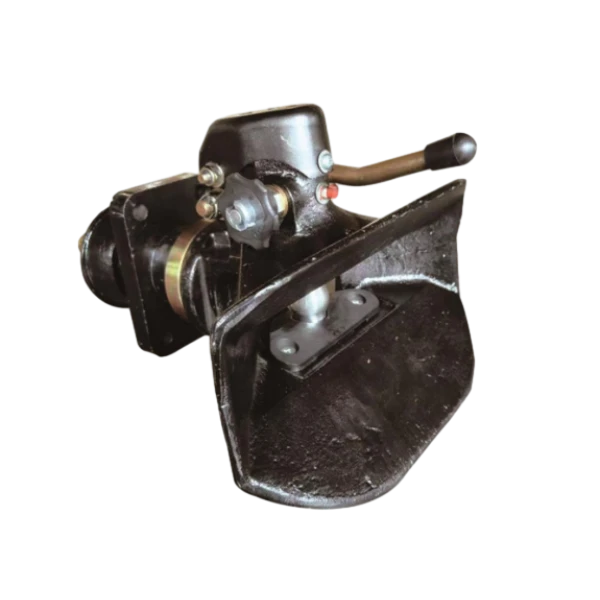 Trailer Coupling
The trailer coupling is a critical component in vehicle towing systems, designed to ensure a secure and efficient connection between a towing vehicle and a trailer. These couplings are manufactured using high-strength carbon steel, alloy steel, or stainless steel, ensuring durability and resistance to heavy loads and harsh environments.
-
 Drawbar Eyes
Drawbar eyes are essential components in towing and hauling applications, providing a strong and secure attachment point between the trailer and the towing vehicle. They are designed to endure extreme pulling forces, making them suitable for heavy-duty applications.
-
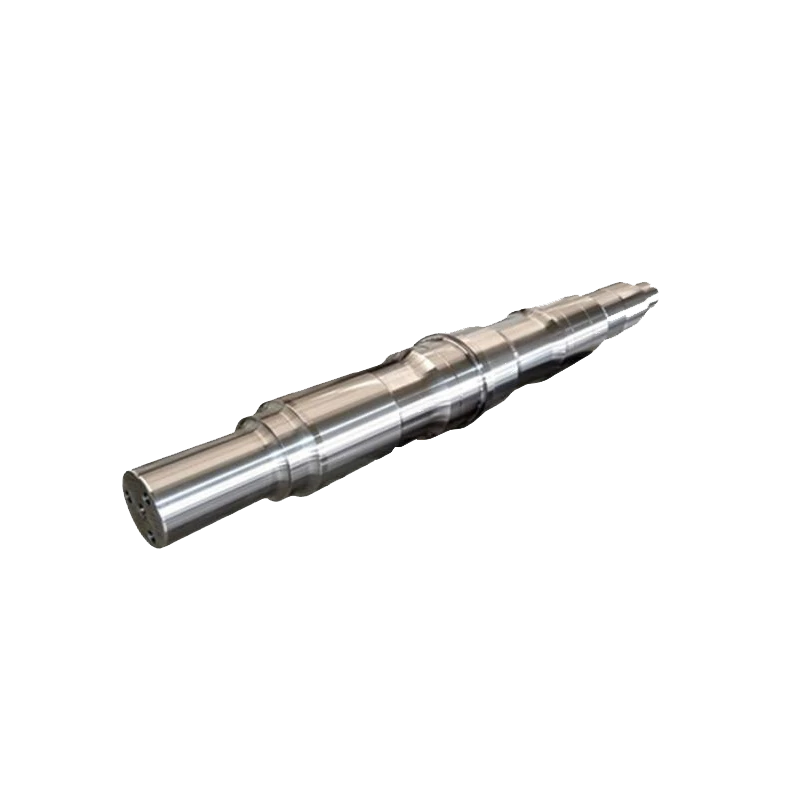 Axles
AxlesAxles are essential for vehicle load-bearing and power transmission, ensuring smooth movement and weight distribution. They must withstand high stress, torque, and impact, making material selection and precise manufacturing crucial.
-
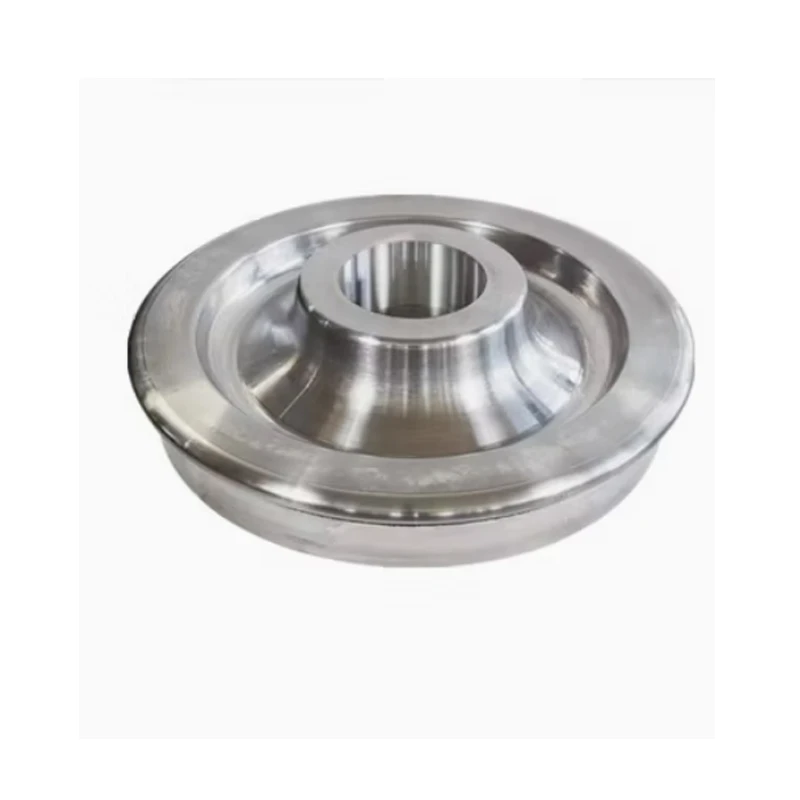 Profile S1002 Series Rail Wheels
The S1002 series rail wheels are designed for Rail-Road Vehicles (RRVs) that require seamless operation on both roads and railway tracks. Engineered with high precision and durability, these wheels conform to S1002 tread profiles, ensuring compatibility with standard railway systems.
A Comprehensive Guide to Axles Types for Industry Decision Makers | Manufacturing Base
Axles Types is a key solution in the industry, specifically within heavy machinery and transportation sectors. This article explores how https://www.manufacturing-base.com supports professionals with durable, high-performance products
>
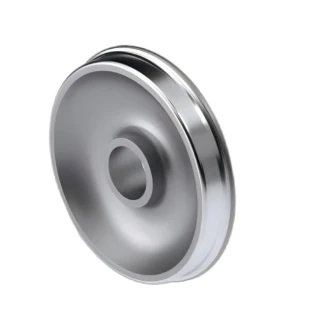
Reliable Rail Wheels: Optimize Your Rail Transport Solutions
For industries that rely on rail-based vehicles, choosing the right rail wheels is essential for smooth operations and safety.
>
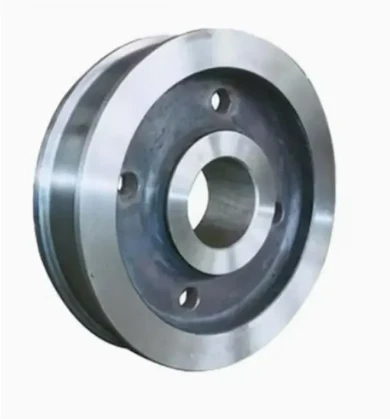
Premium Overhead Crane Wheels For Sale: Enhance Industrial Lifting Efficiency
In modern industrial operations, high-quality overhead crane wheels for sale are essential for safe, reliable, and efficient lifting.
>
Premium Hi Rail Wheels For Sale: Boost Rail Vehicle Performance
In the modern industrial and railway sectors, having reliable hi rail wheels for sale is essential for operational efficiency and safety.
>
High-Quality Hi Rail Wheels For Sale: Enhance Your Rail Equipment Efficiency
When it comes to reliable rail maintenance and industrial operations, investing in hi rail wheels for sale is crucial.
>
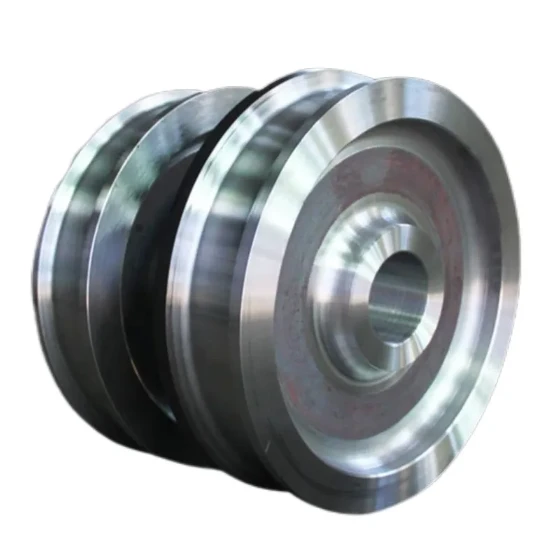
High-Quality Crane Wheels For Sale: Enhance Your Crane Operations
For industries relying on heavy lifting and material handling, investing in high-quality crane wheels for sale is crucial.
>
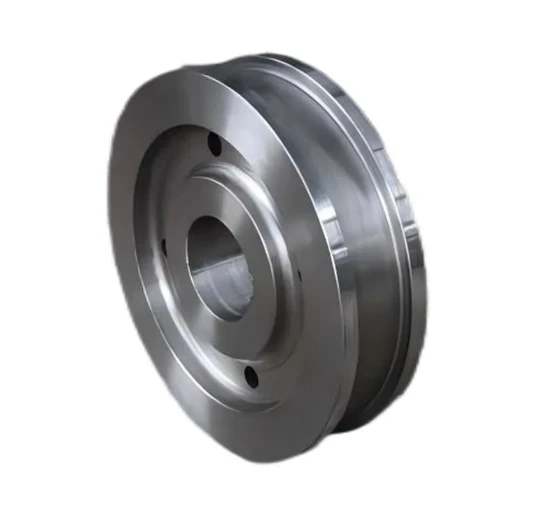
Durable Gantry Crane Wheels For Sale: Maximize Lifting Efficiency
For industries relying on heavy-duty lifting and material handling, selecting the right gantry crane wheels for sale is vital.
>
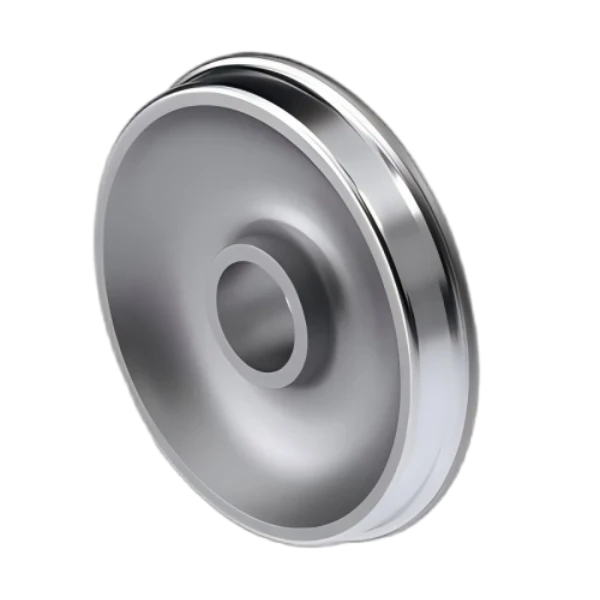
Reliable Tandem Drive Axles for Heavy-Duty Industrial Vehicles
Tandem Drive Axles: What I’ve Learned After Years in the Industrial Equipment Sector Ha
>

Reliable Semi Trailer Axles for Heavy-Duty Trailers | Expert Insight
Understanding semi trailer axles: The Backbone of Heavy Hauling Having spent more than a deca
>
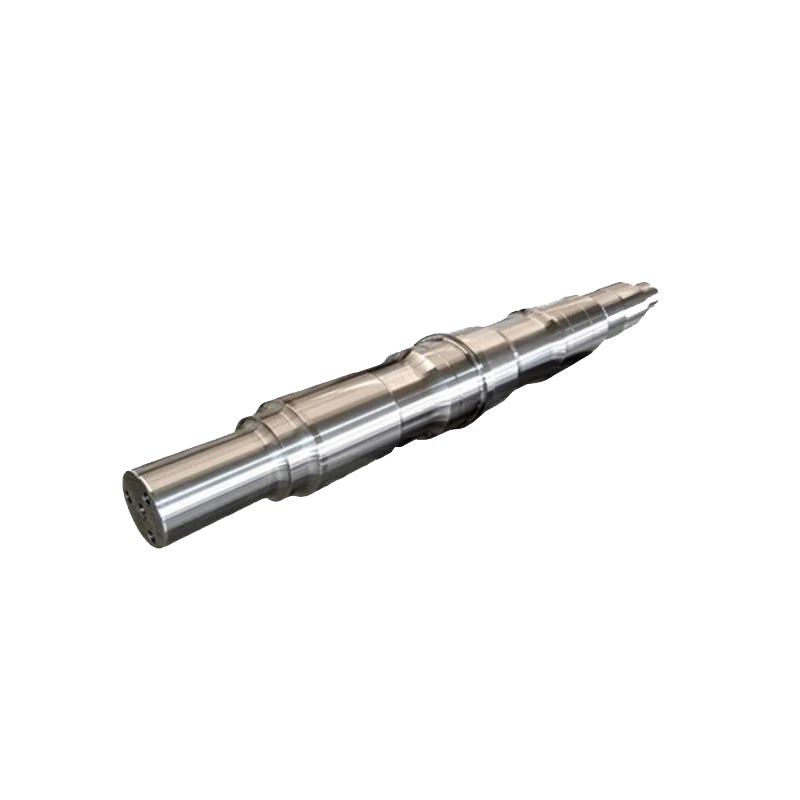
RC Portal Axles: Industrial Strength and Custom Performance
RC Portal Axles: A Veteran’s Take on Industrial-Grade Performance Having spent over a d
>
Engineered for Excellence
Our forged solutions deliver reliability and performance, powering demanding industries to keep operations running smoothly.

Sign up
for Newsletter
Subscribe to the weekly newsletter for all the latest updates