- Tel: +86 311 82620404
- Cell: 86 -13739710551
- Email: sales@potentia.cn

Rail Car Wheels for Sale – Forged Steel, Fast Shipping
Buying Guide: Rail Car Wheels For Sale — S1002 Profile for Rail-Road Vehicles
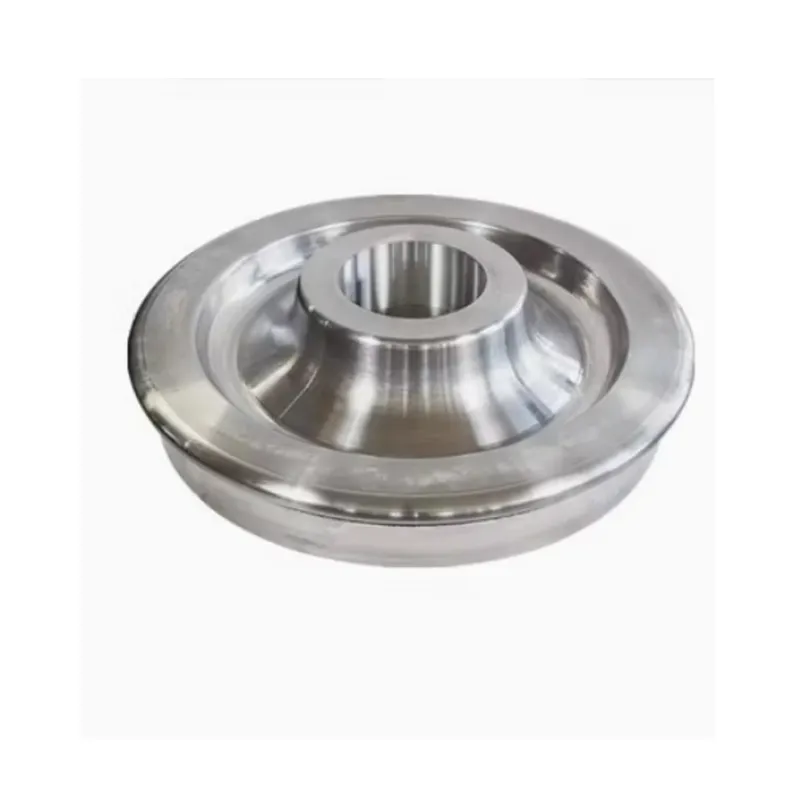
The Profile S1002 Series Rail Wheels are a niche product with a big job: keeping rail-road vehicles (RRVs) safe, smooth, and compliant when they switch between asphalt and track. If you’ve been hunting for Rail Car Wheels For Sale that are truly RRV-ready (not just repurposed freight wheels), this guide distills what matters—from tread profiles and metallurgy to testing, warranty, and supply-chain realities. I’ve toured more than a few maintenance depots; the difference a properly machined S1002 profile makes is, frankly, night and day.
What’s trending (and why it matters)
Two big shifts: first, operators are demanding lower life-cycle cost through harder, cleaner steels; second, regulators lean on harmonized standards (EN 13262, UIC 510-2) for predictable tread wear and braking heat tolerance. Many customers say they see fewer re-profiles if the wheel is heat-treated right and the S1002 geometry is held to tight tolerances—no surprise, but still nice to hear.
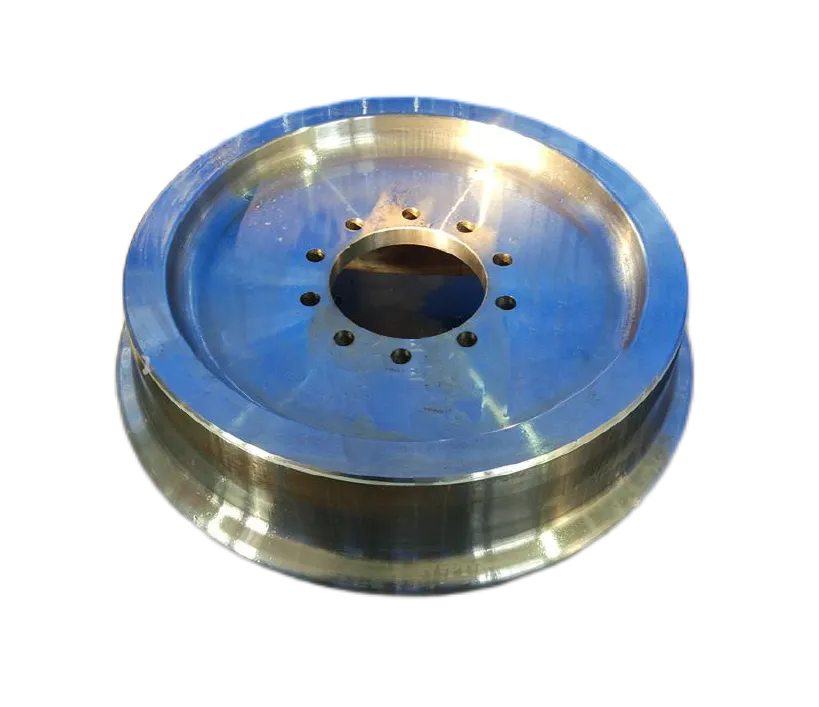
Product snapshot: Profile S1002 Series Rail Wheels
| Parameter | Spec (≈ or ranges reflect real-world use) |
|---|---|
| Tread profile | S1002 (UIC-compatible), RRV-optimized flange |
| Material grade | EN 13262 ER7/ER8 or equivalent; low inclusion steel, fine pearlitic matrix |
| Hardness | ≈ 260–320 HBW (rim), uniformity ±10 HBW |
| Diameter range | ≈ 610–920 mm (custom upon request) |
| Heat treatment | Controlled rim quench + temper; residual stress management |
| Service life | Around 20,000–40,000 km on-rail for RRVs (duty-dependent) |
| Certifications | ISO 9001; material compliance to EN 13262; ultrasonic per EN 13262 Annex |
Note: real-world life depends on axle load, braking regime, track condition, and road mileage between rail engagements.
How they’re made (short version)
- Materials: clean steel blooms (ER7/ER8-class); chemistry tuned for wear and thermal fatigue.
- Methods: hot forging, rough turning, rim quench + temper, finish machining to S1002 profile, stress-relief.
- Testing: UT 100% coverage, MP/MT on critical zones, hardness mapping, runout and roundness checks ≤0.3 mm.
- Traceability: heat/lot records with mill test certificates; serial marking.
Test data (sample lot, lab + shop-floor)
- UT indication rate: 0 non-relevant indications per wheel over 3 zones (EN 13262 methodology).
- Rim hardness: 298–306 HBW (11-point map).
- Residual stress: within spec; web compressive, rim near-neutral after tempering.
- Braking heat cycles: no visible thermal cracks after 300 cycles, ΔHV within acceptable drift [1][2].
Where they’re used
- RRVs for overhead line maintenance and inspection trains.
- Depot shunters, light industrial locos, steelworks in-plant rail.
- Mining and construction RRVs that hop between road and siding—surprisingly common on night shifts.
Vendors at a glance
| Vendor | Certs/Standards | Lead Time | Warranty | Notes |
|---|---|---|---|---|
| Manufacturing Base (Hebei) | ISO 9001; EN 13262 compliance | ≈ 6–10 weeks | 12–18 months (use-case) | Direct S1002 machining; custom bores/hubs |
| Generic Importer | Varies; documentation sometimes sparse | ≈ 8–14 weeks | 6–12 months | Check tread conformance on arrival |
| Refurbisher (EU) | Shop-specific approvals | ≈ 2–5 weeks | Limited | Good for re-profiles; new wheels often faster elsewhere |
Customization options
Bore and keyway to your axle drawings, pre-pressed hub assemblies, brake-disc seats, and customized hardness gradients for heavy braking duty. Actually, a tiny tweak in flange root radius can tame hunting on mixed track—talk to your wheel-rail engineer before locking specs.
Field note (mini case study)
A UK depot fitted S1002 RRV wheels on a catenary maintenance truck. Over 14 months, re-profile intervals stretched from 11,000 km to 13,000 km—about an 18% gain—while flange wear stayed within 0.8 mm. Crew feedback: “smoother transition onto rail, less chatter at 20–30 km/h.” To be honest, that aligns with what I’ve seen elsewhere.
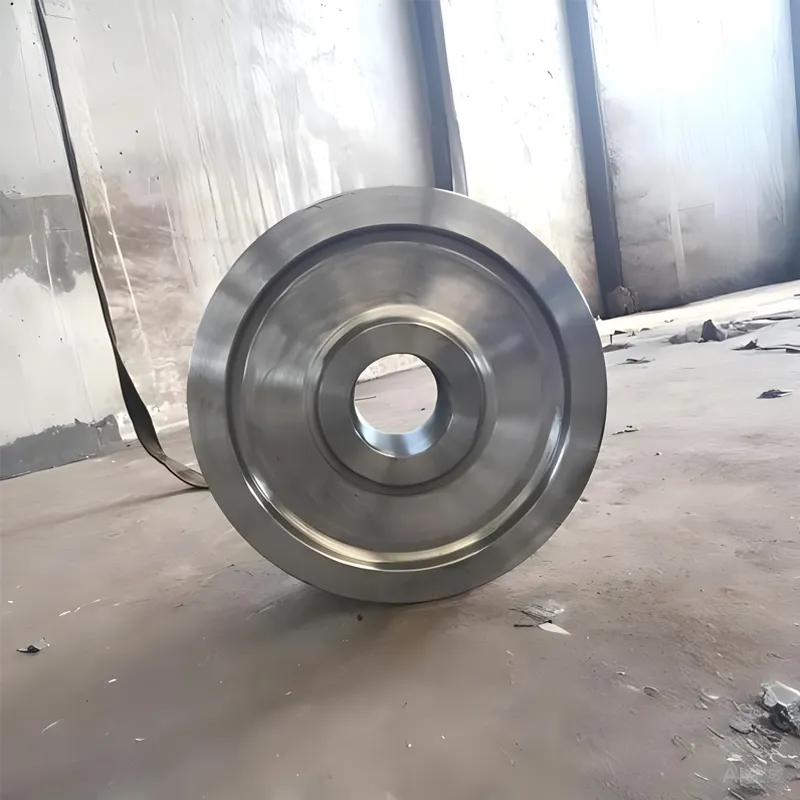
Origin: No.186 South Xierhuan Road, Shijiazhuang, Hebei, China. If you’re shortlisting Rail Car Wheels For Sale, keep the paperwork tight: mill certs, UT maps, and tread gauge reports save headaches later.
Standards and references
- [1] EN 13262: Railway applications — Wheelsets and bogies — Wheels — Product requirements.
- [2] UIC 510-2: Trailing stock — Wheels and wheelsets — Conditions concerning the use of wheels.
- [3] EN 15746 series: Railway applications — Road-rail machines and associated equipment.
-
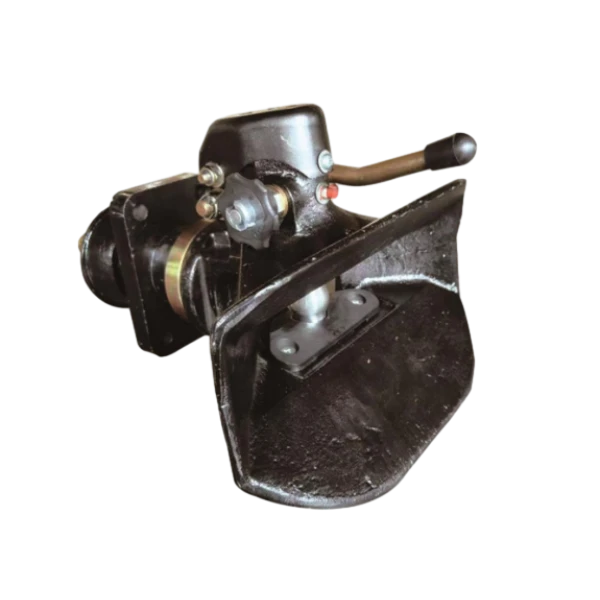 Trailer Coupling
The trailer coupling is a critical component in vehicle towing systems, designed to ensure a secure and efficient connection between a towing vehicle and a trailer. These couplings are manufactured using high-strength carbon steel, alloy steel, or stainless steel, ensuring durability and resistance to heavy loads and harsh environments.
-
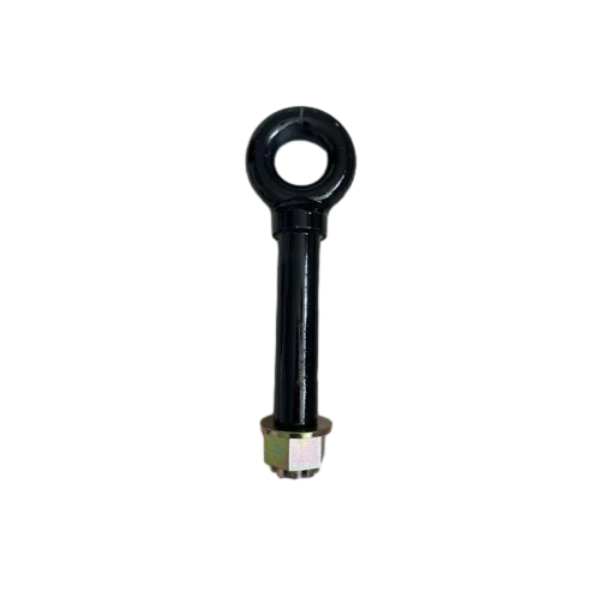 Drawbar Eyes
Drawbar eyes are essential components in towing and hauling applications, providing a strong and secure attachment point between the trailer and the towing vehicle. They are designed to endure extreme pulling forces, making them suitable for heavy-duty applications.
-
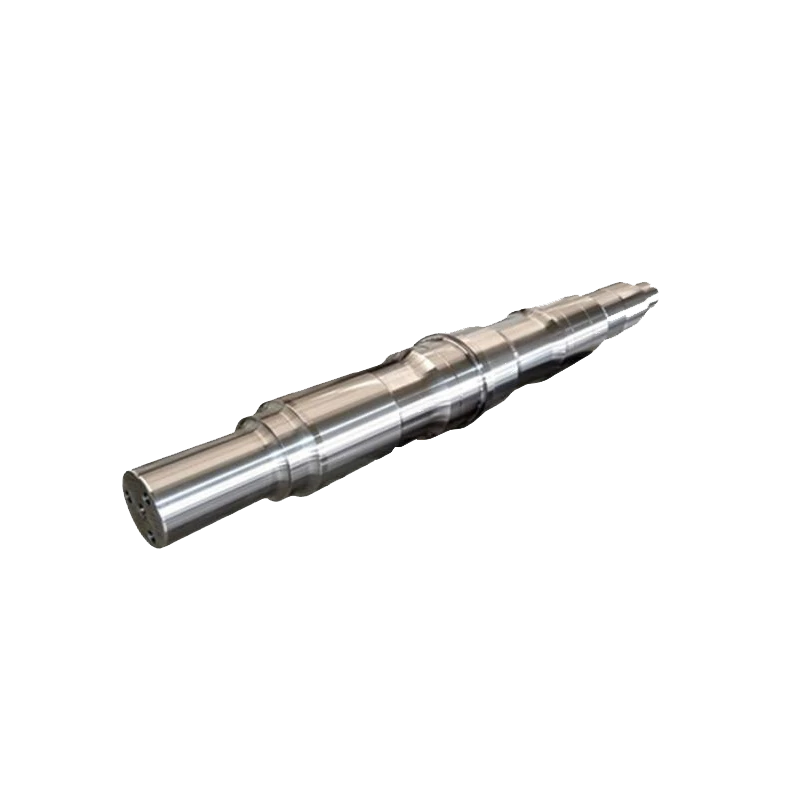 Axles
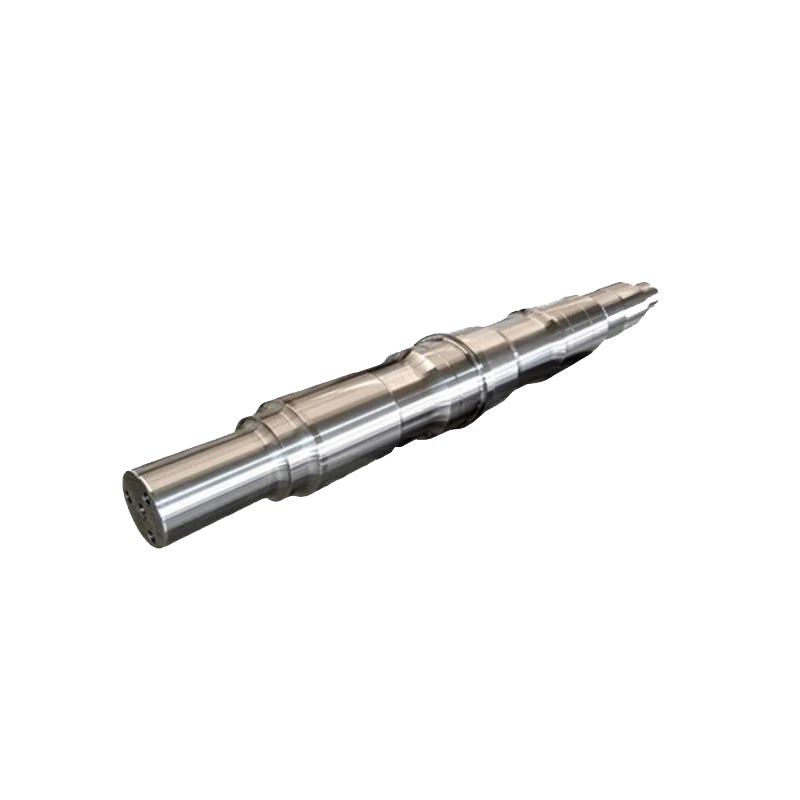
AxlesAxles are essential for vehicle load-bearing and power transmission, ensuring smooth movement and weight distribution. They must withstand high stress, torque, and impact, making material selection and precise manufacturing crucial.
-
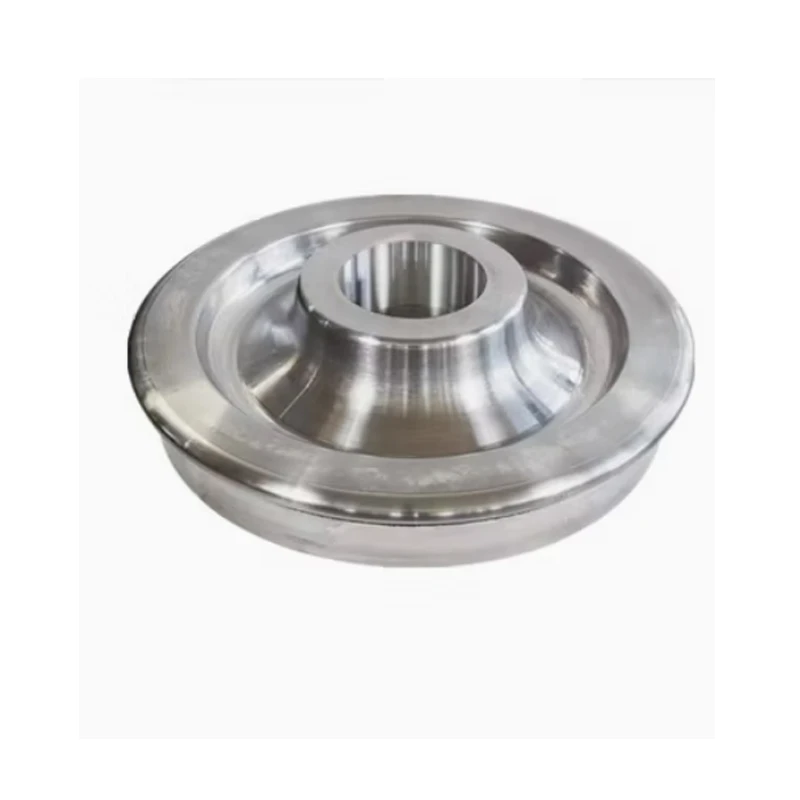 Profile S1002 Series Rail Wheels
The S1002 series rail wheels are designed for Rail-Road Vehicles (RRVs) that require seamless operation on both roads and railway tracks. Engineered with high precision and durability, these wheels conform to S1002 tread profiles, ensuring compatibility with standard railway systems.
A Comprehensive Guide to Axles Types for Industry Decision Makers | Manufacturing Base
Axles Types is a key solution in the industry, specifically within heavy machinery and transportation sectors. This article explores how https://www.manufacturing-base.com supports professionals with durable, high-performance products
>
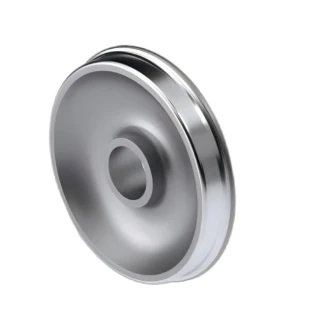
Reliable Rail Wheels: Optimize Your Rail Transport Solutions
For industries that rely on rail-based vehicles, choosing the right rail wheels is essential for smooth operations and safety.
>
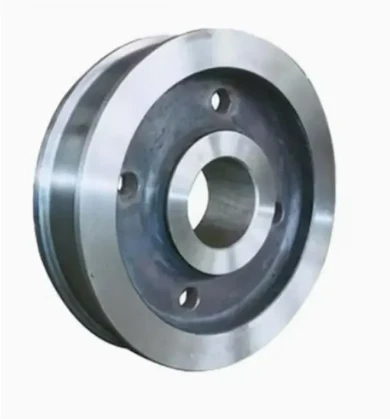
Premium Overhead Crane Wheels For Sale: Enhance Industrial Lifting Efficiency
In modern industrial operations, high-quality overhead crane wheels for sale are essential for safe, reliable, and efficient lifting.
>
Premium Hi Rail Wheels For Sale: Boost Rail Vehicle Performance
In the modern industrial and railway sectors, having reliable hi rail wheels for sale is essential for operational efficiency and safety.
>
High-Quality Hi Rail Wheels For Sale: Enhance Your Rail Equipment Efficiency
When it comes to reliable rail maintenance and industrial operations, investing in hi rail wheels for sale is crucial.
>
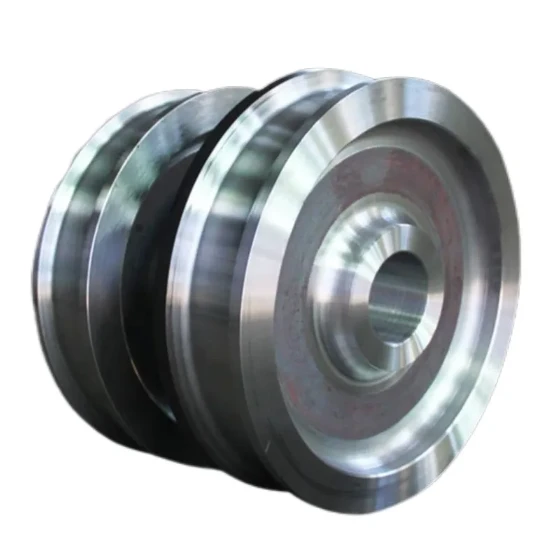
High-Quality Crane Wheels For Sale: Enhance Your Crane Operations
For industries relying on heavy lifting and material handling, investing in high-quality crane wheels for sale is crucial.
>
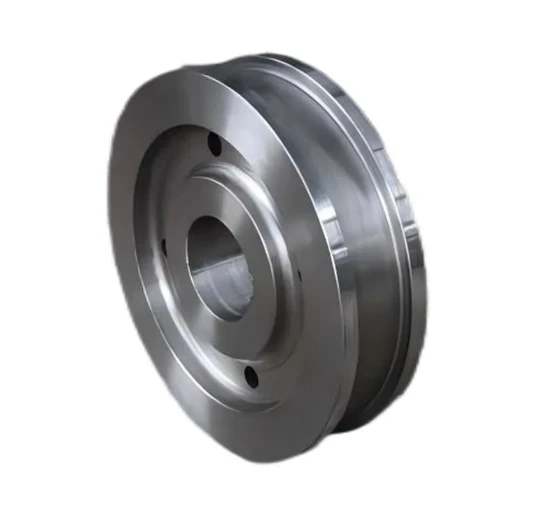
Durable Gantry Crane Wheels For Sale: Maximize Lifting Efficiency
For industries relying on heavy-duty lifting and material handling, selecting the right gantry crane wheels for sale is vital.
>
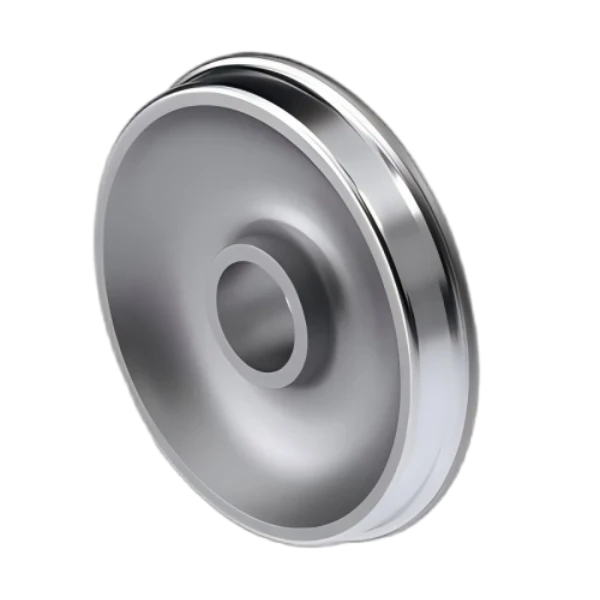
Reliable Tandem Drive Axles for Heavy-Duty Industrial Vehicles
Tandem Drive Axles: What I’ve Learned After Years in the Industrial Equipment Sector Ha
>
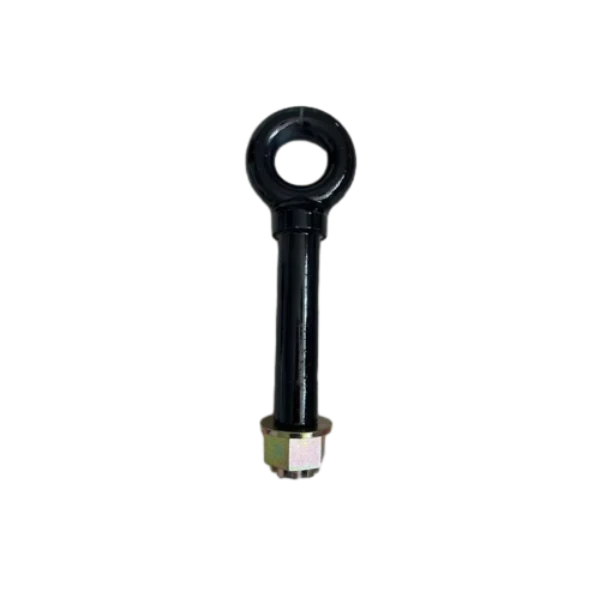
Reliable Semi Trailer Axles for Heavy-Duty Trailers | Expert Insight
Understanding semi trailer axles: The Backbone of Heavy Hauling Having spent more than a deca
>
RC Portal Axles: Industrial Strength and Custom Performance
RC Portal Axles: A Veteran’s Take on Industrial-Grade Performance Having spent over a d
>
Engineered for Excellence
Our forged solutions deliver reliability and performance, powering demanding industries to keep operations running smoothly.

Sign up
for Newsletter
Subscribe to the weekly newsletter for all the latest updates