- Tel: +86 311 82620404
- Cell: 86 -13739710551
- Email: sales@potentia.cn

Gantry Crane Wheels | Forged, Wear-Resistant, Custom Sizes
What’s Changing With Gantry Crane Wheels in 2025
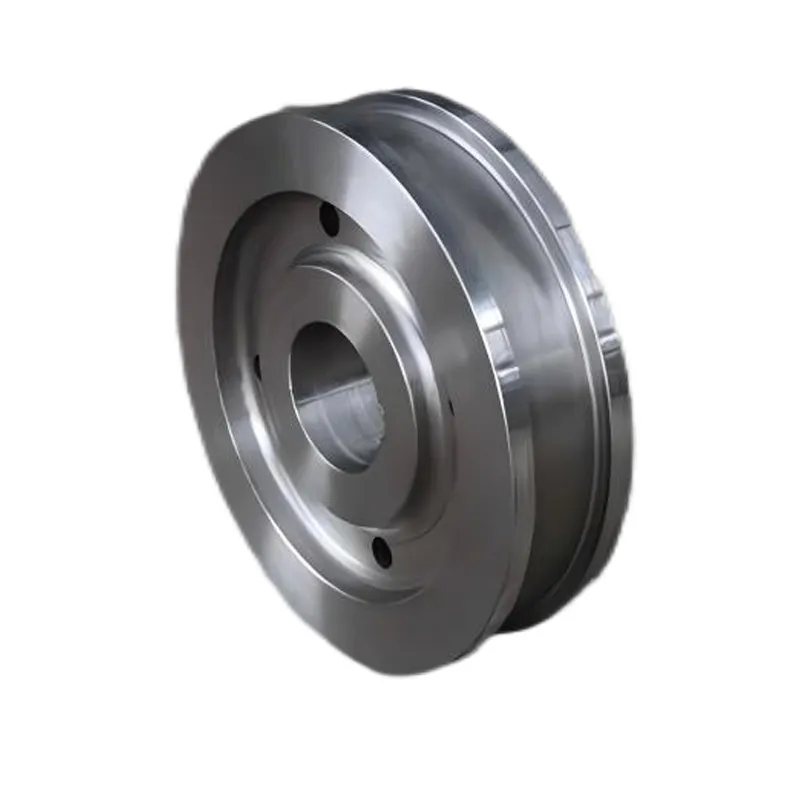
If you spend enough time on project sites and quaysides, you start to notice the unsung heroes: the wheels. They take the shock loads, the grit, the rail misalignments, and—somehow—just keep rolling. Lately, I’ve been seeing a shift in how buyers spec and maintain Gantry Crane Wheels: tougher steels, smarter heat treatment, and more data-driven inspection. Not hype—practical upgrades that extend service life and reduce those costly shutdowns.
Industry trends I’m seeing
- Up-spec’d alloys (e.g., 42CrMo4/4140) with fine-tuned quench-and-temper for flange wear resistance.
- UT + MT as standard, not optional—especially for RTG/RMG operators who’ve learned the hard way.
- Condition-based maintenance—simple vibration + temperature checks that flag bearings and misalignment early.
- Closer alignment to ISO and EN tolerances for rails and wheels to cut flange grinding cycles.
Real-world applications
From container terminals (RTG/RMG) to steel mills and precast yards, Gantry Crane Wheels run on square-bar rails, ASCE sections, and sometimes imperfect embedded tracks. Shock loading during cornering and skew is where cheaper wheels cry uncle. Many customers say that after switching to induction-hardened treads they got an extra season—sometimes two—before re-profiling.
Typical specs (baseline, tweakable)
| Parameter | Spec (≈, real-world use may vary) |
|---|---|
| Outer diameter | Ø300–800 mm (custom up to 1,200 mm) |
| Material grade | 1045/1055, 42CrMo4 (4140), or equivalent per ASTM A29 |
| Heat treatment | Q&T or induction hardened tread/flange |
| Hardness, tread | 320–380 HB (ISO 6506-1) or 50–55 HRC when specified |
| Bore tolerance | H7/H8; concentricity ≤0.03–0.05 mm |
| NDT | UT per ISO 17640; MT on critical zones |
| Service life | Up to 20,000–40,000 h with proper rail/tire maintenance |
Process flow (how good wheels are made)
- Material selection and traceability (MTC review, heat/batch tracking).
- Forging or casting, plus normalizing to stabilize structure.
- Rough machining for datum surfaces; stress relieving.
- Heat treatment (Q&T or induction) tuned for flange/tread hardness gradient.
- Finish machining and bore sizing; chamfers precisely ground.
- NDT: UT, MT; dimensional checks per ISO 12488-1 tolerances.
- Hardness mapping (3–5 points); balance check; preservation coating.
A quick note from the field: I’ve seen shops skip hardness mapping. Don’t. It’s where you catch over-temper spots that later become pitting.
Vendor snapshot (what to look for)
| Vendor | Certs | Heat Treatment | Customization | Lead Time |
|---|---|---|---|---|
| Manufacturing-Base (Shijiazhuang, China) | ISO 9001; material MTCs | Q&T or induction; hardness mapping | OD, bore, flange, keyways, coatings | ≈3–6 weeks |
| EU OEM | EN/CE docs, ISO 9001 | Through hardening; optional carburizing | High; engineering support | ≈6–10 weeks |
| Local fabricator | Varies | Basic Q&T | Moderate; off-the-shelf sizes | ≈1–4 weeks |
Case notes and feedback
A container yard retrofitted 12 wheels on an RMG. After moving to 42CrMo4 with induction-hardened flanges, flange wear dropped ≈28% over nine months—operator logs showed fewer skew alarms. Another client in a steel mill told me, “We finally stopped babying the rails,” which, to be honest, is the best compliment a wheel can get.
Customization and compliance
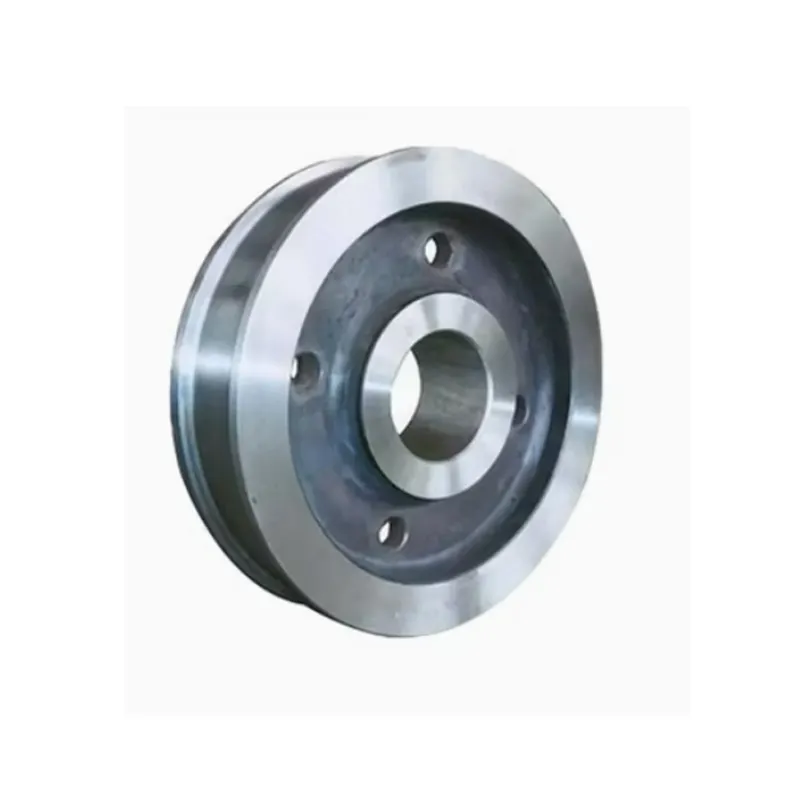
Custom bores (tapered, keyed), double flanges, integrated hubs, and corrosion systems (zinc-rich primers) are common asks. For compliance, align wheel/rail tolerances with ISO 12488-1; bridge/gantry crane conformity typically references EN 15011. Welding attachments should follow good practice (AWS D14.1). Testing: UT per ISO 17640; hardness per ISO 6506-1. It sounds dry, I know, but paperwork matters when insurers come calling.
Where to source
Manufacturing-Base, based at No.186 South Xierhuan Road, Shijiazhuang, Hebei, China, supplies Gantry Crane Wheels with documented MTCs and NDT. Pricing is pragmatic, and—surprisingly—lead times have been steady this year.
Citations
- ISO 12488-1: Cranes — Tolerances for wheels and travel/track. https://www.iso.org/standard/51303.html
- EN 15011: Bridge and gantry cranes. https://standards.iteh.ai/catalog/standards/cen/1a5db7bd-2c9a-4d33-9d75-090b1a8e2b45/en-15011-2011
- ASTM A29/A29M: Steel Bars, Carbon and Alloy, Hot-Wrought. https://www.astm.org/a0029_a0029m-20.html
- ISO 6506-1: Metallic materials — Brinell hardness test. https://www.iso.org/standard/61452.html
- ISO 17640: Non-destructive testing of welds — UT. https://www.iso.org/standard/57373.html
-
 Trailer Coupling
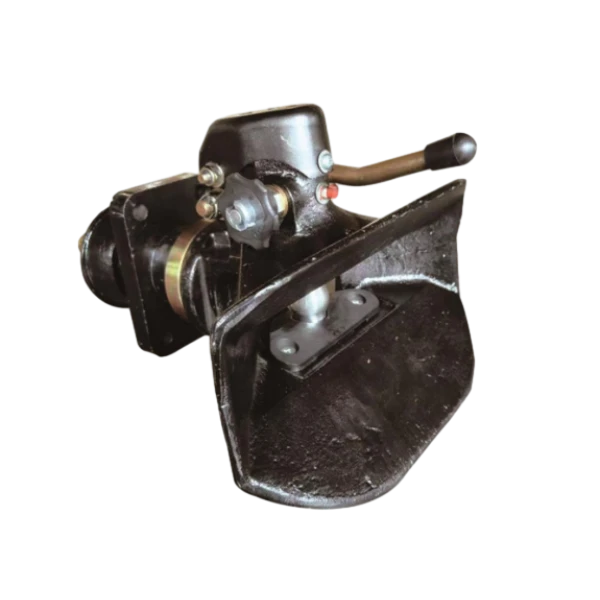
The trailer coupling is a critical component in vehicle towing systems, designed to ensure a secure and efficient connection between a towing vehicle and a trailer. These couplings are manufactured using high-strength carbon steel, alloy steel, or stainless steel, ensuring durability and resistance to heavy loads and harsh environments.
-
 Drawbar Eyes
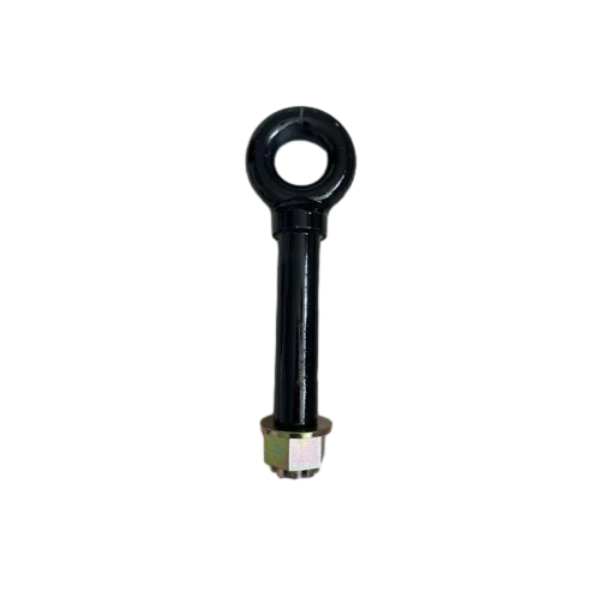
Drawbar eyes are essential components in towing and hauling applications, providing a strong and secure attachment point between the trailer and the towing vehicle. They are designed to endure extreme pulling forces, making them suitable for heavy-duty applications.
-
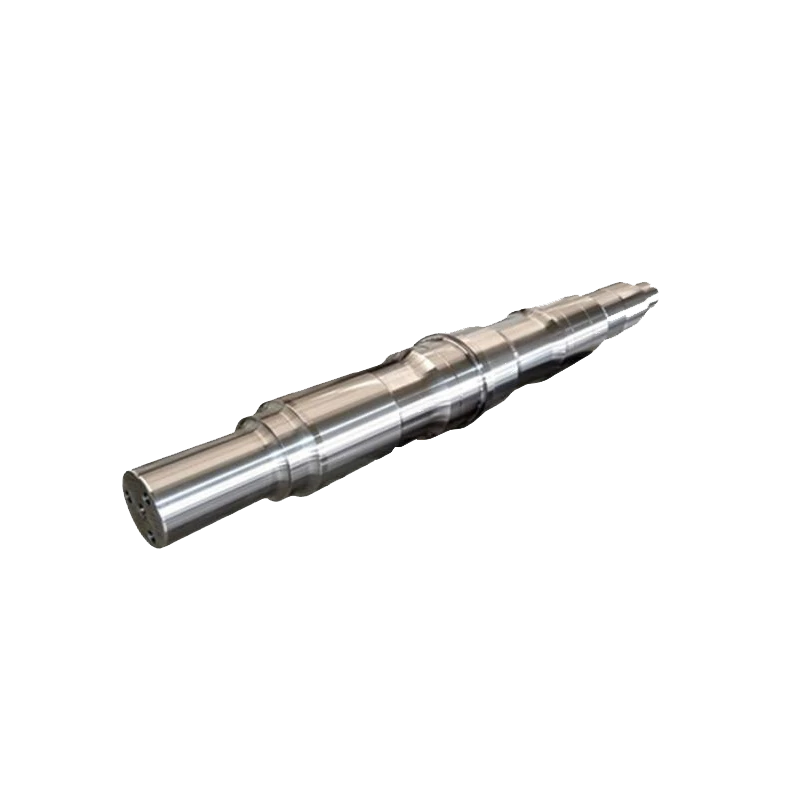 Axles
AxlesAxles are essential for vehicle load-bearing and power transmission, ensuring smooth movement and weight distribution. They must withstand high stress, torque, and impact, making material selection and precise manufacturing crucial.
-
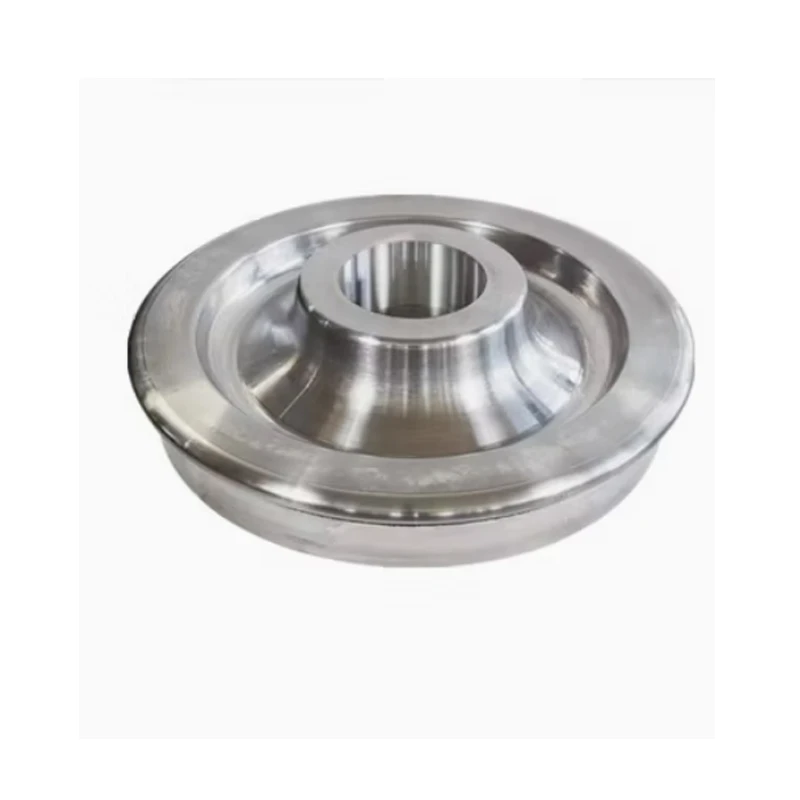 Profile S1002 Series Rail Wheels
The S1002 series rail wheels are designed for Rail-Road Vehicles (RRVs) that require seamless operation on both roads and railway tracks. Engineered with high precision and durability, these wheels conform to S1002 tread profiles, ensuring compatibility with standard railway systems.
A Comprehensive Guide to Axles Types for Industry Decision Makers | Manufacturing Base
Axles Types is a key solution in the industry, specifically within heavy machinery and transportation sectors. This article explores how https://www.manufacturing-base.com supports professionals with durable, high-performance products
>
Reliable Rail Wheels: Optimize Your Rail Transport Solutions
For industries that rely on rail-based vehicles, choosing the right rail wheels is essential for smooth operations and safety.
>
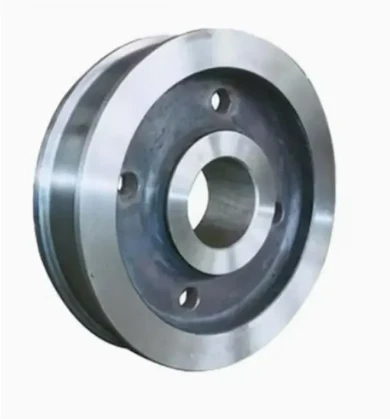
Premium Overhead Crane Wheels For Sale: Enhance Industrial Lifting Efficiency
In modern industrial operations, high-quality overhead crane wheels for sale are essential for safe, reliable, and efficient lifting.
>
Premium Hi Rail Wheels For Sale: Boost Rail Vehicle Performance
In the modern industrial and railway sectors, having reliable hi rail wheels for sale is essential for operational efficiency and safety.
>
High-Quality Hi Rail Wheels For Sale: Enhance Your Rail Equipment Efficiency
When it comes to reliable rail maintenance and industrial operations, investing in hi rail wheels for sale is crucial.
>
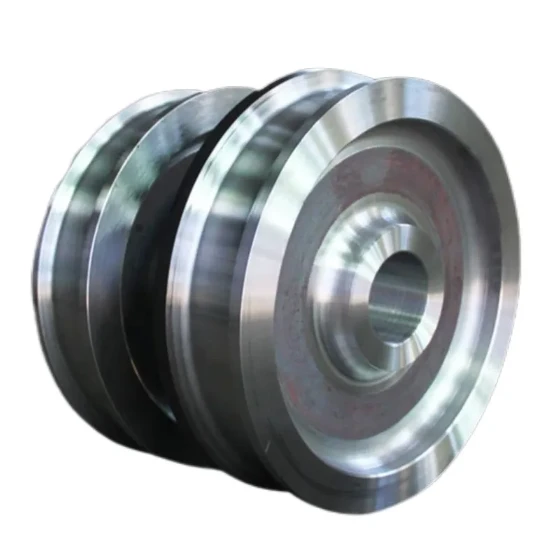
High-Quality Crane Wheels For Sale: Enhance Your Crane Operations
For industries relying on heavy lifting and material handling, investing in high-quality crane wheels for sale is crucial.
>
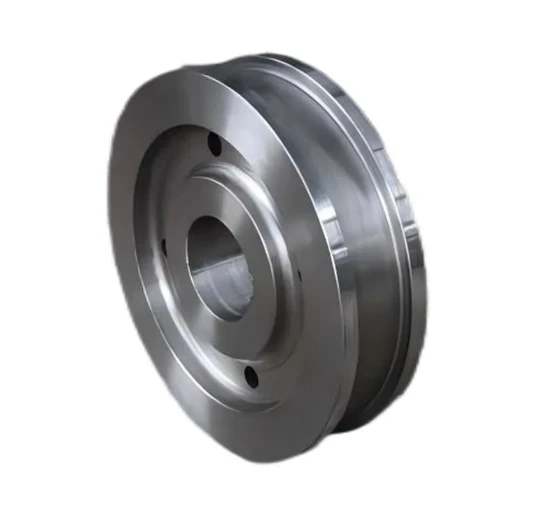
Durable Gantry Crane Wheels For Sale: Maximize Lifting Efficiency
For industries relying on heavy-duty lifting and material handling, selecting the right gantry crane wheels for sale is vital.
>
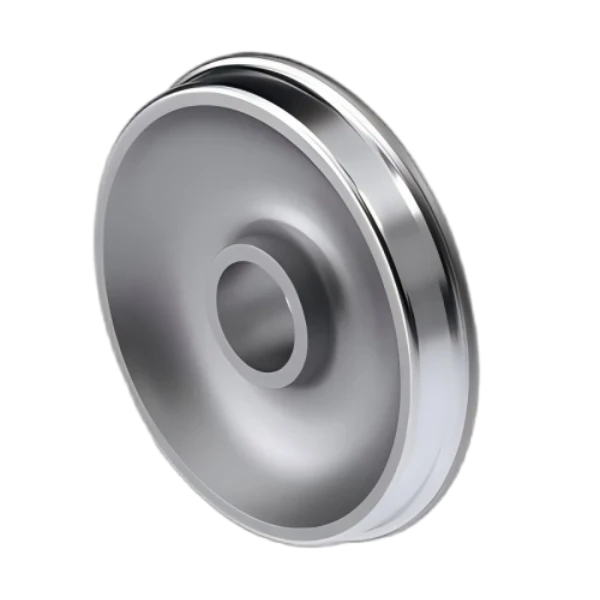
Reliable Tandem Drive Axles for Heavy-Duty Industrial Vehicles
Tandem Drive Axles: What I’ve Learned After Years in the Industrial Equipment Sector Ha
>
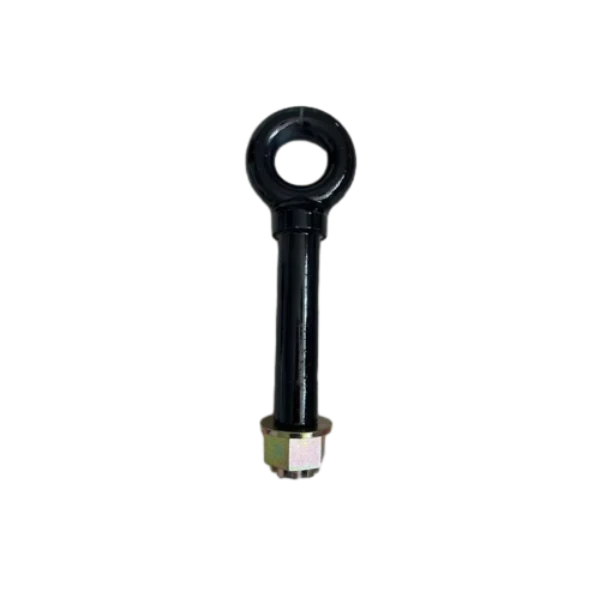
Reliable Semi Trailer Axles for Heavy-Duty Trailers | Expert Insight
Understanding semi trailer axles: The Backbone of Heavy Hauling Having spent more than a deca
>
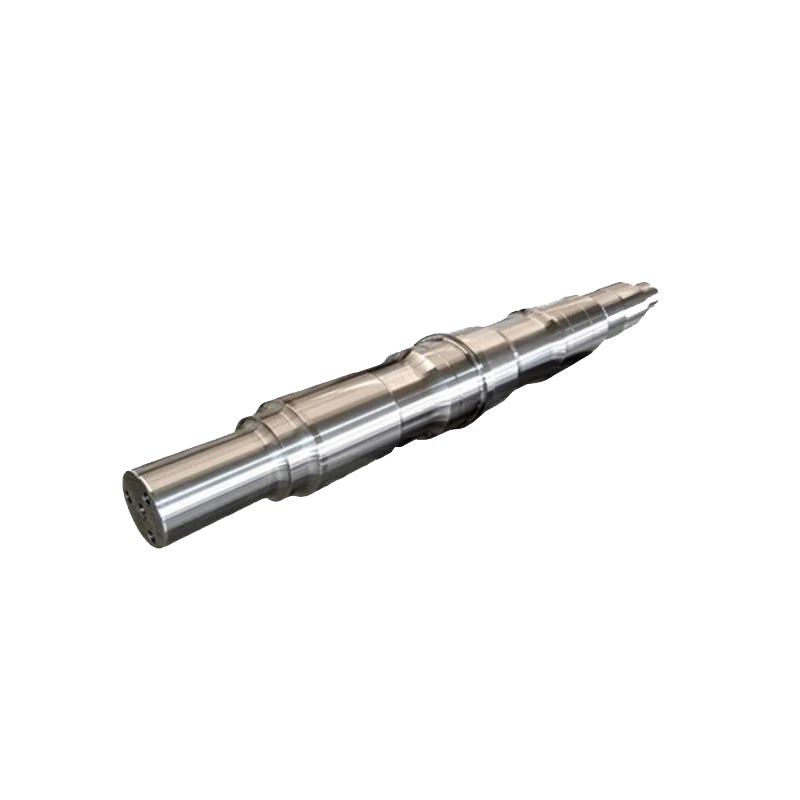
RC Portal Axles: Industrial Strength and Custom Performance
RC Portal Axles: A Veteran’s Take on Industrial-Grade Performance Having spent over a d
>
Engineered for Excellence
Our forged solutions deliver reliability and performance, powering demanding industries to keep operations running smoothly.

Sign up
for Newsletter
Subscribe to the weekly newsletter for all the latest updates