- Tel: +86 311 82620404
- Cell: 86 -13739710551
- Email: sales@potentia.cn

Premium Rails Wheels for Sale - Rail Car Wheel Solutions
Navigating the Landscape of Rail Wheel Technology: Trends and Innovation
The global rail industry is experiencing a significant transformation, driven by demands for increased efficiency, reduced operational costs, and enhanced safety. At the heart of this evolution are rails wheels, critical components that dictate the performance, reliability, and lifespan of rolling stock across various sectors. Current industry trends highlight a shift towards advanced materials, precision manufacturing techniques, and smart monitoring systems. Manufacturers are increasingly focusing on developing wheels that offer superior wear resistance, lighter weight, and improved noise reduction capabilities, responding to stringent environmental regulations and the need for higher speed train operations. The integration of digital twins and predictive maintenance analytics is also gaining traction, allowing for real-time performance monitoring and proactive interventions, thereby minimizing downtime and extending service intervals. Furthermore, there's a growing emphasis on sustainability, pushing for manufacturing processes that reduce energy consumption and waste, and for products that contribute to the overall energy efficiency of rail transportation. The market for rail car wheels, including those designed for heavy-haul, high-speed, and specialized industrial applications, is projected to grow steadily, fueled by infrastructure investments in emerging economies and the modernization of existing networks in developed regions, demonstrating a robust demand for innovative wheel technologies.
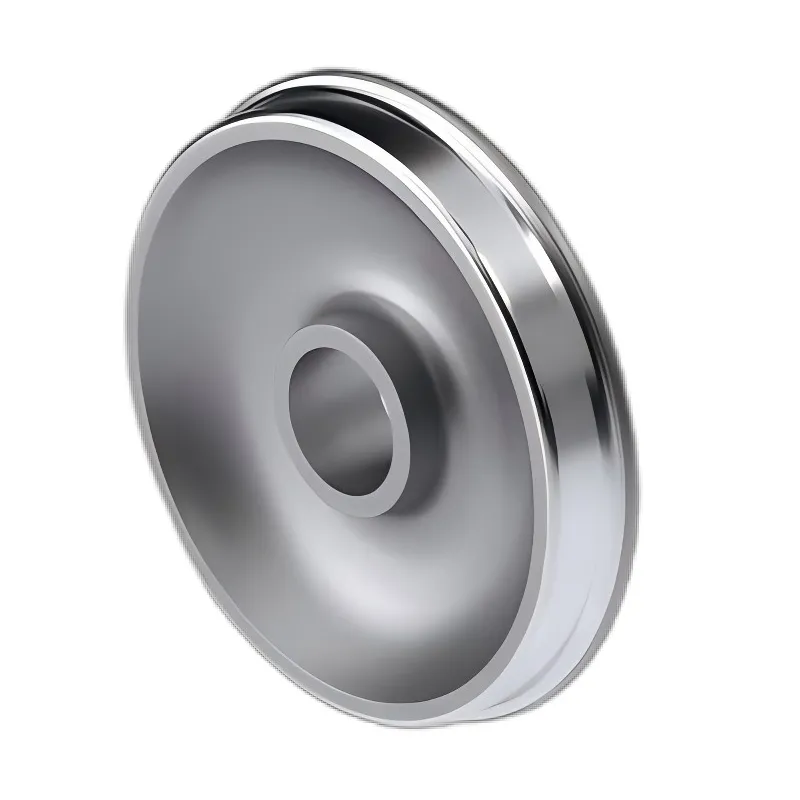
Beyond these overarching trends, specific technical advancements are redefining the capabilities of rails wheels. For instance, the adoption of specialized heat treatments and surface coatings enhances the fatigue life and resistance to rolling contact fatigue (RCF), a common failure mode in high-stress environments where metal surfaces experience repeated high-contact stresses. Innovations in wheel design, such as optimized profiles and integrated damping systems, are contributing to smoother rides and reduced track-wheel interaction forces, which in turn leads to less wear on both the wheels and the infrastructure. The demand for customized solutions is also on the rise, with industries requiring specific load capacities, operational speeds, and environmental resistances. This necessitates a collaborative approach between manufacturers and end-users to develop tailor-made rail car wheel solutions that precisely meet unique operational demands. For example, specific applications in corrosive environments like chemical plants or coastal regions require wheels made from corrosion-resistant alloys or with specialized protective layers. The emphasis on global interoperability also means that new wheel designs must conform to a variety of international standards, ensuring seamless integration across diverse rail networks. These collective efforts aim to not only improve performance and safety but also to drive down the total cost of ownership over the wheel's extensive service life, making advanced rail car wheels a compelling investment for operators worldwide.
Unveiling the Profile P1 Series Rail Wheels: Precision and Performance
The Profile P1 Series Rail Wheels represent a pinnacle in modern rails wheels technology, engineered to meet the rigorous demands of various industrial and heavy-haul applications. This series is distinguished by its robust construction, superior material composition, and precise engineering, which collectively contribute to exceptional durability and operational efficiency. Designed for sectors such as petrochemical, metallurgy, mining, and water treatment facilities, the P1 Series offers a compelling solution for optimizing material handling and transport systems. Key technical parameters include specific load capacities ranging from 10 to 50 tons per wheel, depending on the model and application, and suitability for speeds up to 30 km/h in industrial settings, or higher for specialized mainline applications requiring a rail car wheel that balances speed with heavy loads. The wheels are typically manufactured from high-grade forged steel, often specified as AAR Class C, ER7, or equivalent international standards, ensuring high tensile strength and resistance to impact. Their design incorporates optimized tread profiles to minimize rolling resistance and maximize contact patch efficiency, leading to significant energy savings and reduced wear on both the wheel and the rail infrastructure. The Series P1's meticulous design also focuses on minimizing maintenance requirements, offering extended service intervals that translate directly into lower operational expenditures for businesses.
| Parameter | Specification / Range | Benefit to Operations |
|---|---|---|
| Material Grade | High-Strength Forged Carbon Steel (e.g., AAR Class C, ER7, EN 13262) | Exceptional tensile strength, impact resistance, and fatigue life. |
| Wheel Diameter Range | 300mm to 1250mm (customizable) | Versatility for various rail car wheel designs and applications. |
| Load Capacity (per wheel) | 10 tons to 50 tons (Application-specific) | Supports diverse heavy-duty industrial and mainline transport requirements. |
| Maximum Speed | Up to 30 km/h (Industrial), higher for specific mainline designs | Ensures safe and efficient operation within specified parameters. |
| Hardness (Rim) | 260-320 HB (Brinell Hardness) | Optimal balance of wear resistance and toughness to prevent cracking. |
| Manufacturing Process | Forging, Heat Treatment, CNC Machining | Ensures superior metallurgical integrity, dimensional accuracy, and surface finish. |
| Inspection Standards | ISO 9001, ANSI, AAR M-107/M-208, EN 13262 | Guarantees adherence to international quality and safety benchmarks. |
The design philosophy behind the Profile P1 Series is rooted in a deep understanding of tribology—the science of friction, lubrication, and wear. By optimizing the wheel-rail interface, these rail car wheels significantly reduce rolling friction, leading to tangible energy savings, a critical factor for reducing operational costs in industries with extensive rail networks. Furthermore, the P1 Series incorporates advanced corrosion protection measures, making them exceptionally well-suited for deployment in harsh industrial environments prevalent in petrochemical and water treatment sectors, where exposure to aggressive chemicals or high moisture is common. This enhanced resistance to degradation extends the wheel's lifespan, reducing the frequency of replacements and associated maintenance expenditures. Each rail car wheel undergoes stringent quality control, including ultrasonic testing and magnetic particle inspection, to detect any internal or surface flaws before shipment, ensuring that only components meeting the highest safety and performance standards are delivered. This commitment to quality assures that our rails wheels are not just components, but reliable partners in industrial operations, contributing directly to operational continuity and safety in the most demanding environments.
The Meticulous Manufacturing Process of High-Performance Rail Wheels
The production of high-performance rails wheels, especially those like the Profile P1 Series, involves a multi-stage, highly controlled manufacturing process designed to achieve unparalleled structural integrity and precise dimensions. It commences with the selection of premium-grade steel, typically specialized carbon or alloy steel known for its inherent strength and metallurgical properties suitable for forging. The primary manufacturing processes include casting, forging, and subsequent advanced machining. While casting might be used for certain applications, for superior mechanical properties and durability, forging is the preferred method for the P1 Series. In the forging process, meticulously selected steel billets are heated to specific temperatures, often exceeding 1000°C, and then subjected to immense pressure using powerful hydraulic presses or hammers. This plastic deformation refines the grain structure of the steel, eliminating porosity, reducing segregation, and improving its toughness, ductility, and resistance to fatigue, making the final rail car wheel significantly stronger, more uniform, and highly resistant to operational stresses than a cast equivalent. This is a critical step in ensuring the long-term reliability and safety of the wheel under dynamic loads and demanding service conditions.
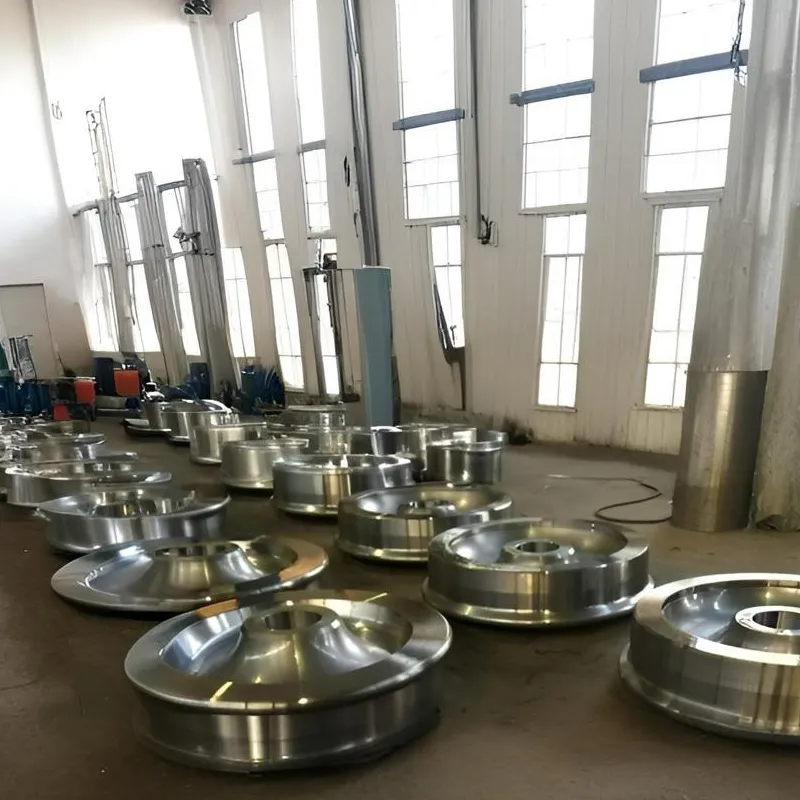
Following the forging stage, the rough wheel blanks undergo a series of specialized heat treatments, including precise quenching and tempering. Quenching involves rapid cooling, typically in water or oil, to achieve a desired hardness and fine microstructure, while subsequent tempering at specific elevated temperatures reduces brittleness and enhances toughness and ductility, optimizing the mechanical properties of the rails wheels for their intended operating environment. This precisely controlled heat treatment is vital for achieving the optimal balance between surface hardness (for wear resistance) and core toughness (to prevent brittle fracture), crucial for wheels subjected to significant impact and rolling stresses. Subsequently, advanced CNC (Computer Numerical Control) machining is employed to achieve the precise dimensions, profiles, and surface finishes required by international standards such as ISO (International Organization for Standardization), ANSI (American National Standards Institute), and AAR (Association of American Railroads) M-107/M-208. This includes meticulous turning of the tread and flange, accurate bore machining, and precise facing of the hub. Every stage is rigorously monitored through sophisticated quality control protocols, including non-destructive testing methods like ultrasonic inspection to detect internal flaws, magnetic particle inspection for surface cracks, and precise dimensional measurements to ensure adherence to strict tolerances. This comprehensive approach guarantees that each rail car wheel not only meets but often exceeds industry standards for safety, performance, and longevity, contributing to a significantly extended service life and reduced maintenance cycles in critical applications.
Versatile Applications and Unparalleled Performance Advantages
The versatility of Profile P1 Series rails wheels extends across a broad spectrum of heavy industrial and transportation applications, demonstrating their adaptability and robust performance. These wheels are essential components in industries such as petrochemical plants, where they are integral to the safe and efficient movement of hazardous materials and heavy equipment on internal rail networks. In the metallurgy sector, including steel mills, aluminum smelters, and foundries, they facilitate the transport of molten metal ladles, slag pots, and heavy raw materials, enduring extreme temperatures, substantial static and dynamic loads, and abrasive environments. For mining operations, these durable rail car wheels are critical for moving vast quantities of ore and waste, often traversing challenging terrains and exposure to abrasive materials and corrosive elements. Furthermore, in the give-and-drainage (water supply and drainage) sectors and port logistics, our wheels are utilized on specialized rail-mounted gantry cranes, transfer carts, and shuttle cars, handling heavy pipes, container111s, and bulk goods with precision and reliability. The inherent design advantages of the P1 Series, such as optimized tread profiles and superior material hardness achieved through advanced heat treatment, translate directly into tangible operational benefits across these diverse and demanding sectors.
A primary advantage of the Profile P1 Series rail car wheels is their significant contribution to energy efficiency. By minimizing rolling resistance through meticulously engineered tread geometry and maintaining a low coefficient of friction at the wheel-rail interface, these rails wheels reduce the power required to move heavy loads. This translates into lower fuel consumption for locomotives or reduced electricity usage for electrically powered systems like gantry cranes, leading to substantial operational cost savings over the wheel's lifespan. Beyond energy efficiency, the P1 Series offers exceptional resistance to wear and corrosion. The choice of high-grade forged steel, coupled with advanced heat treatments and, when specified, specialized coatings, provides an unparalleled defense against abrasive wear from rail contact and corrosive environments often found in chemical processing plants, coastal port facilities, or wastewater treatment plants. This superior durability not only extends the operational life of the wheel but also drastically reduces the frequency of maintenance interventions and replacements, enhancing system uptime and overall productivity. The robust construction and adherence to international safety standards also mean reduced risk of derailments and operational failures, bolstering safety protocols across all application environments, a critical consideration for any heavy industrial operation handling valuable or hazardous materials.
Manufacturer Comparison and Tailored Customization Solutions
In a competitive market for rails wheels, discerning the true value proposition of a manufacturer goes beyond just price. Our commitment to the Profile P1 Series differentiates us through a combination of superior material science, precision engineering, and comprehensive customer support that many competitors cannot match. While some manufacturers might offer standard rail car wheel products, our specialization lies in delivering bespoke solutions that are precisely calibrated to unique operational demands. For instance, specific applications might require wheels with enhanced resistance to extreme temperatures, such as those found in steel foundries, or those designed for significantly higher load capacities than typical industry averages, crucial for heavy-haul mining operations. We excel in accommodating these specialized requirements, leveraging our extensive engineering expertise and advanced manufacturing capabilities. Our consultative approach begins with a thorough analysis of the client’s operational environment, including load profiles, speed requirements, track conditions, and environmental factors like humidity, chemical exposure, or abrasive dust. This detailed understanding allows us to recommend and then fabricate rail car wheels that are not merely off-the-shelf components but optimized assets designed for maximum performance and longevity in their specific, demanding role.
| Feature | Profile P1 Series Rail Wheels | Standard Rail Wheels (Typical) |
|---|---|---|
| Material & Forging | Premium Forged Alloy Steel, optimized grain structure for superior strength. | Standard forged or cast steel, less refined metallurgical properties. |
| Heat Treatment | Controlled quenching & tempering for optimal hardness and toughness (ER7 equivalent). | Basic or no specialized heat treatment, leading to less consistent properties. |
| Tread Profile Accuracy | CNC machined to micron-level precision for reduced wear and energy consumption. | Standard machining tolerances, potentially higher wear and friction. |
| Corrosion Resistance | Inherently high; can be enhanced with specialized coatings for harsh environments. | Limited intrinsic resistance; often prone to corrosion in aggressive environments. |
| Expected Service Life | Extended (typically 30-50% longer than standard due to superior design and materials). | Standard industry average, requiring more frequent replacements. |
| Energy Efficiency | Optimized design significantly reduces rolling resistance and power consumption. | Basic efficiency, leading to higher operational energy costs. |
Our customization capabilities extend to various dimensions, including varying wheel diameters, bore sizes, flange thicknesses, and specific tread profiles to match existing rail infrastructure or unique vehicle designs. Beyond physical dimensions, we can also tailor material compositions and heat treatment parameters to achieve desired hardness, toughness, and fatigue resistance for extreme operational conditions, such as those involving high-speed movements or continuous heavy loads. This adaptability is particularly crucial for clients seeking specific rail car wheels for sale that must integrate seamlessly into highly specialized equipment, such as automated guided vehicles (AGVs) on rail, or bespoke transport systems in nuclear facilities where precision and reliability are paramount. Furthermore, our dedication to continuous improvement, evidenced by substantial R&D investments and ongoing material science research, ensures that our custom rails wheels solutions remain at the forefront of technological advancement. By choosing us, clients not only acquire premium products but also gain a strategic partner committed to optimizing their rail operations through meticulously engineered and perfectly matched wheel solutions, ultimately enhancing efficiency and reducing long-term costs and downtime.
Real-World Applications and Testimonials: Proven Performance
The proven reliability and superior performance of our Profile P1 Series rails wheels are best demonstrated through real-world application cases and compelling client testimonials. For instance, a major petrochemical complex in the Middle East faced recurring issues with premature wear on their rail car wheels due to high temperatures and abrasive dust present in their operational environment. After integrating our customized P1 Series wheels, which featured enhanced heat resistance and a specialized surface hardening process specifically tailored to their conditions, they reported a 40% increase in wheel lifespan and a significant reduction in maintenance downtime over a two-year operational period. This translates directly into substantial cost savings and improved operational continuity for critical material transport within their facility. Another notable case involves a leading European steel mill that required rail car wheels for sale capable of withstanding extreme loads and thermal shock from transporting molten metal ladles, where temperatures can reach over 1500°C. Our tailored P1 Series wheels, designed with specific metallurgical compositions and rigorous forging processes to enhance resistance to high-temperature creep and thermal fatigue, not only met but exceeded their stringent performance expectations, significantly improving safety and efficiency in their most demanding hot-zone operations. These examples underscore our ability to deliver solutions that address specific industry challenges head-on, providing tangible benefits to our clients.
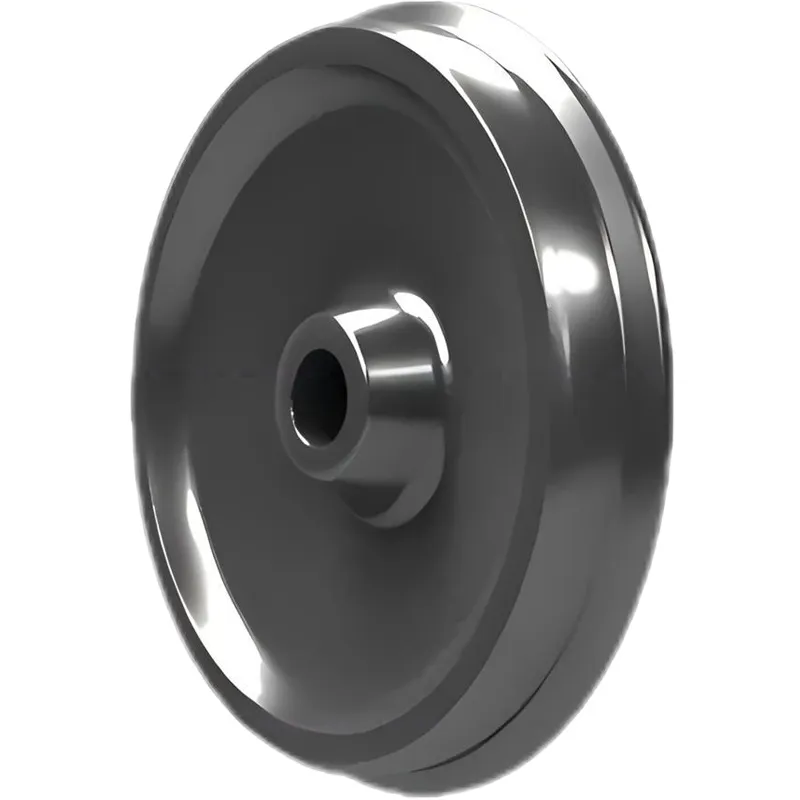
Beyond specific technical challenges, the broader impact of our rails wheels can be seen in their consistent performance across diverse environments. A prominent port logistics operator noted a considerable reduction in energy consumption for their rail-mounted gantry cranes after replacing their existing wheels with the Profile P1 Series, attributing the efficiency gain to the superior tread profile and reduced rolling resistance inherent in our design. This not only lowered their operational expenses but also contributed significantly to their corporate sustainability goals by reducing their carbon footprint. Furthermore, our long-standing relationships with industry leaders, some spanning over a decade, serve as a powerful testament to the trust and reliability we have built through consistent delivery of high-quality rail car wheels. Our wheels are certified by internationally recognized bodies like ISO 9001 and rigorously adhere to exacting industry standards such as AAR M-107/M-208, providing objective validation of our quality, safety, and expertise. This commitment to documented quality assurance, combined with a responsive technical support team, ensures that clients receive not just a product, but a comprehensive solution backed by extensive experience and authoritative certifications, fostering long-term partnerships built on mutual success and operational excellence.
Trust and Reliability: FAQs, Warranty, and Customer Support
Building trust with our B2B clients is paramount, and it extends beyond the superior quality of our Profile P1 Series rails wheels. We provide comprehensive support, clear communication, and transparent processes to ensure complete customer satisfaction throughout the entire product lifecycle. Our commitment begins with a robust quality assurance program, evidenced by our strict adherence to international certifications like ISO 9001:2015, which signifies our dedication to consistent quality management systems from raw material sourcing and manufacturing to final product delivery. We also offer a clear and competitive delivery cycle, typically ranging from 4 to 8 weeks for standard orders, with expedited options available for urgent requirements, depending on customization complexity and specific material availability. Each order is meticulously planned and communicated, providing clients with real-time updates on their rail car wheel production status through dedicated account managers. Furthermore, to underscore our confidence in the durability and performance of our products, we provide a comprehensive warranty against manufacturing defects, typically ranging from 12 to 24 months from the date of installation or commissioning, dependent on specific application, operational conditions, and contractual terms.
Frequently Asked Questions (FAQs)
-
Q: What is the expected lifespan of Profile P1 Series rail car wheels?
A: With proper maintenance and within specified operational parameters, Profile P1 Series rails wheels are designed for an extended service life, typically 3 to 5 years, and often exceeding 7 years in less demanding applications, significantly outperforming standard wheels by 30-50% due to superior materials and manufacturing processes. -
Q: Can these wheels be customized for unique track gauges or load requirements?
A: Absolutely. We specialize in custom solutions. Our engineering team works closely with clients to design and manufacture rail car wheels that precisely match unique track gauges, demanding load capacities (up to 50 tons per wheel), specific speed profiles, and challenging environmental conditions, ensuring optimal integration and performance. -
Q: What kind of after-sales support do you provide?
A: We offer comprehensive after-sales support including detailed technical consultations, troubleshooting guides, optimized maintenance recommendations, and efficient spare part availability. Our dedicated support team is readily available to assist with any operational queries or challenges related to our rails wheels, ensuring minimal downtime for your operations. -
Q: Are your products compliant with international safety standards?
A: Yes, all Profile P1 Series wheels are manufactured and rigorously tested to comply with leading international standards, including ISO 9001, ANSI, and AAR (Association of American Railroads) M-107/M-208, ensuring global applicability, interchangeability, and the highest level of operational safety.
Our customer support philosophy is proactive and responsive. From initial consultation and design conceptualization to post-installation support and ongoing maintenance advice, our team of highly skilled technical experts and service professionals is dedicated to ensuring the optimal performance and longevity of your rails wheels. We understand that reliable performance of rail car wheels for sale is critical to your operations, influencing productivity and safety, and our unwavering commitment to service ensures that you receive prompt assistance and expert advice whenever needed. This holistic approach to product delivery and ongoing support solidifies our position as a trusted and indispensable partner in the rail industry, providing peace of mind and contributing significantly to the seamless and efficient operation of your rail systems.
Conclusion
The Profile P1 Series rails wheels stand as a testament to advanced engineering and a deep understanding of complex industrial demands. Through meticulous manufacturing processes including advanced forging and precise heat treatments, premium materials, and a steadfast commitment to dimensional precision, these wheels deliver unparalleled performance, exceptional durability, and superior cost-efficiency across a diverse range of heavy-duty applications. From the unforgiving environments of petrochemical plants and steel mills to the demanding logistics of ports and mining operations, the P1 Series offers a strategic advantage, ensuring enhanced safety, significantly reduced operational expenditures through energy savings, and a remarkably extended service life. Our recognized expertise in customization further distinguishes us, allowing us to provide perfectly tailored rail car wheel solutions that integrate seamlessly into the most complex and specialized rail systems. As industries continue to evolve, requiring more robust, efficient, and reliable solutions, the P1 Series is uniquely poised to meet these challenges head-on, representing an intelligent and forward-looking investment for any operation reliant on dependable and high-performance rail transport. Our unwavering dedication to quality, backed by rigorous testing, adherence to international standards, and comprehensive customer support, firmly establishes us as a trusted leader in providing premium rail car wheels for sale, fostering long-term partnerships built on reliability, innovation, and shared operational success.
References
- Davis, J. R. (2001). Fatigue of Rails and Wheels: A Review. ASM Handbook, Volume 19, Fatigue and Fracture, ASM International, Materials Park, OH.
- International Union of Railways (UIC). (2020). UIC Code 510-2: Braking - Brake Performance. Paris, France.
- American Association of Railroads (AAR). (2019). Manual of Standards and Recommended Practices, Section G: Wheels and Axles. Washington, D.C.
- European Standard EN 13262. (2020). Railway Applications - Wheelsets and Bogies - Wheels - Quality Requirements. European Committee for Standardization.
- Kalousek, J., & Fec, M. (1993). Rail Corrugations: Causes, Measurement, and Control. Queen's University, Kingston, ON.
-
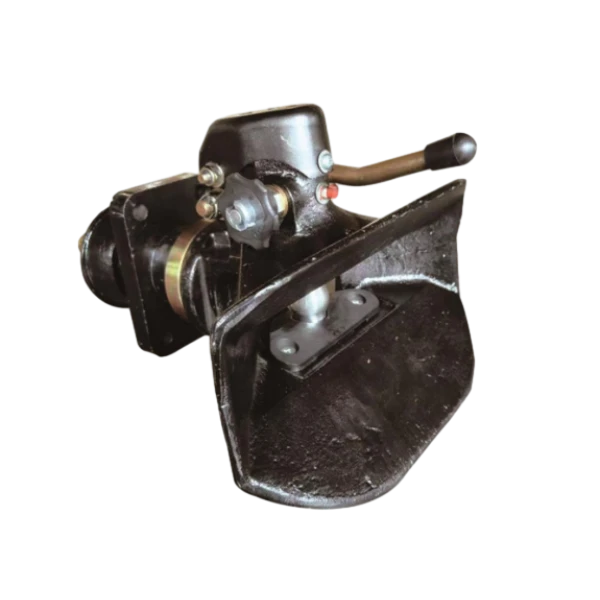 Trailer Coupling
The trailer coupling is a critical component in vehicle towing systems, designed to ensure a secure and efficient connection between a towing vehicle and a trailer. These couplings are manufactured using high-strength carbon steel, alloy steel, or stainless steel, ensuring durability and resistance to heavy loads and harsh environments.
-
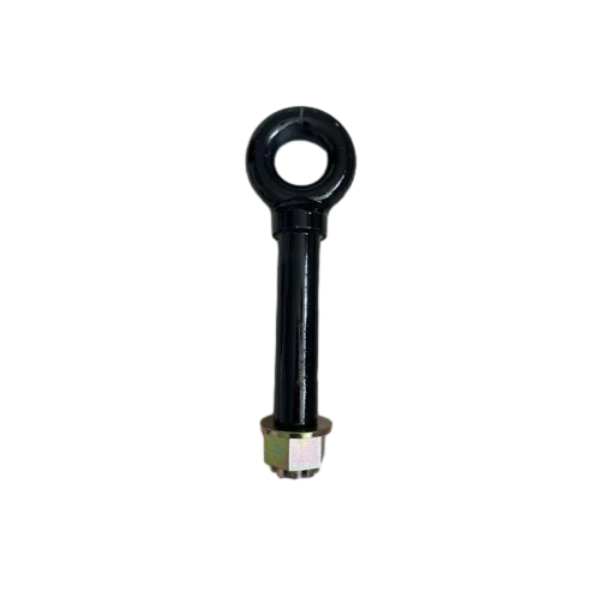 Drawbar Eyes
Drawbar eyes are essential components in towing and hauling applications, providing a strong and secure attachment point between the trailer and the towing vehicle. They are designed to endure extreme pulling forces, making them suitable for heavy-duty applications.
-
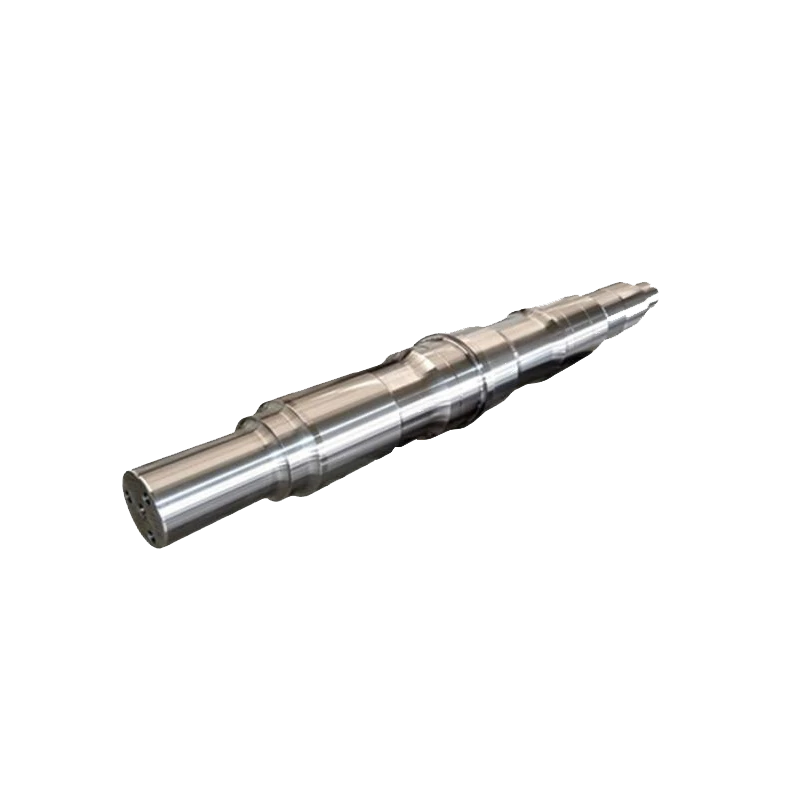 Axles
AxlesAxles are essential for vehicle load-bearing and power transmission, ensuring smooth movement and weight distribution. They must withstand high stress, torque, and impact, making material selection and precise manufacturing crucial.
-
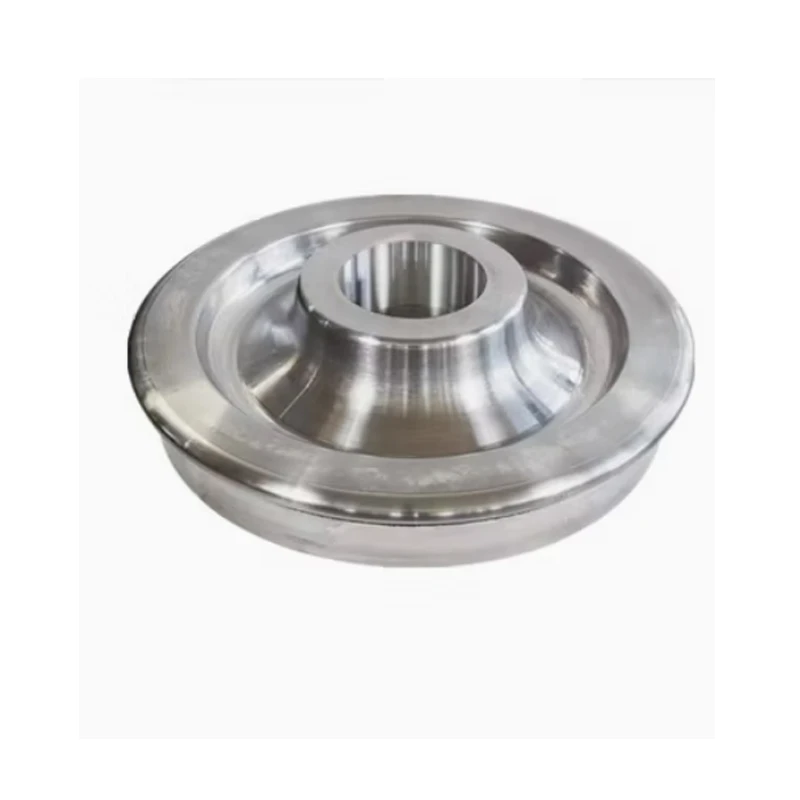 Profile S1002 Series Rail Wheels
The S1002 series rail wheels are designed for Rail-Road Vehicles (RRVs) that require seamless operation on both roads and railway tracks. Engineered with high precision and durability, these wheels conform to S1002 tread profiles, ensuring compatibility with standard railway systems.
A Comprehensive Guide to Axles Types for Industry Decision Makers | Manufacturing Base
Axles Types is a key solution in the industry, specifically within heavy machinery and transportation sectors. This article explores how https://www.manufacturing-base.com supports professionals with durable, high-performance products
>
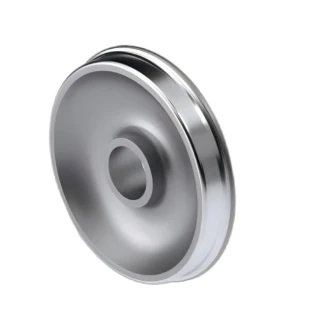
Reliable Rail Wheels: Optimize Your Rail Transport Solutions
For industries that rely on rail-based vehicles, choosing the right rail wheels is essential for smooth operations and safety.
>
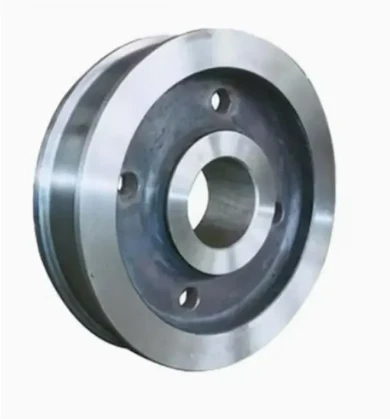
Premium Overhead Crane Wheels For Sale: Enhance Industrial Lifting Efficiency
In modern industrial operations, high-quality overhead crane wheels for sale are essential for safe, reliable, and efficient lifting.
>
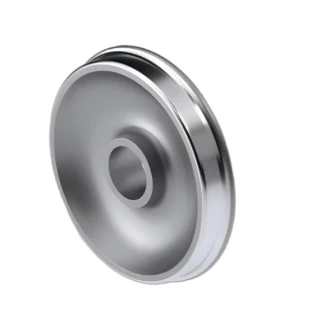
Premium Hi Rail Wheels For Sale: Boost Rail Vehicle Performance
In the modern industrial and railway sectors, having reliable hi rail wheels for sale is essential for operational efficiency and safety.
>
High-Quality Hi Rail Wheels For Sale: Enhance Your Rail Equipment Efficiency
When it comes to reliable rail maintenance and industrial operations, investing in hi rail wheels for sale is crucial.
>
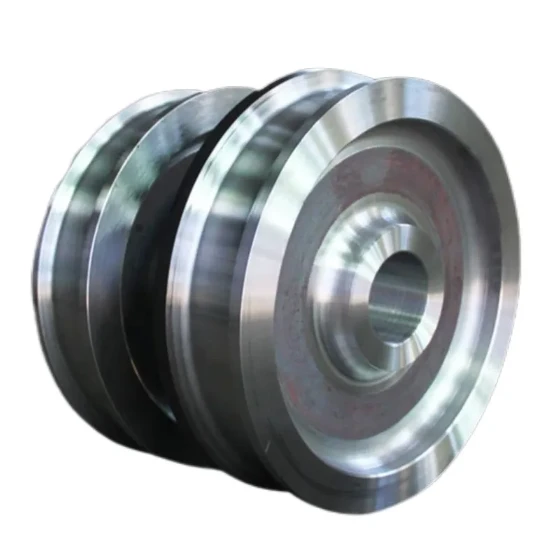
High-Quality Crane Wheels For Sale: Enhance Your Crane Operations
For industries relying on heavy lifting and material handling, investing in high-quality crane wheels for sale is crucial.
>
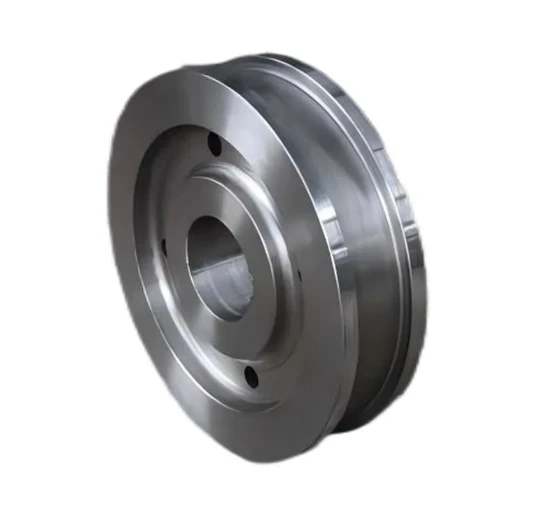
Durable Gantry Crane Wheels For Sale: Maximize Lifting Efficiency
For industries relying on heavy-duty lifting and material handling, selecting the right gantry crane wheels for sale is vital.
>
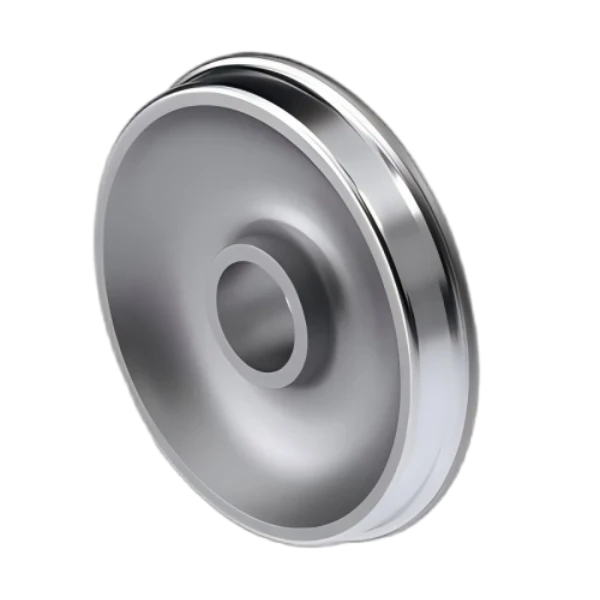
Reliable Tandem Drive Axles for Heavy-Duty Industrial Vehicles
Tandem Drive Axles: What I’ve Learned After Years in the Industrial Equipment Sector Ha
>
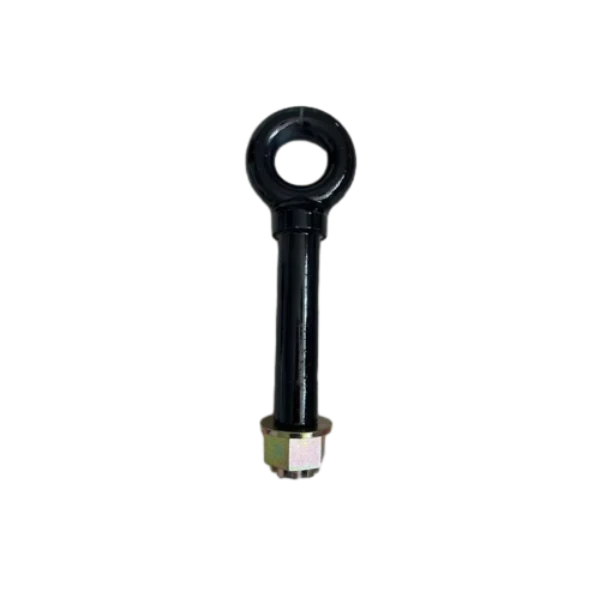
Reliable Semi Trailer Axles for Heavy-Duty Trailers | Expert Insight
Understanding semi trailer axles: The Backbone of Heavy Hauling Having spent more than a deca
>
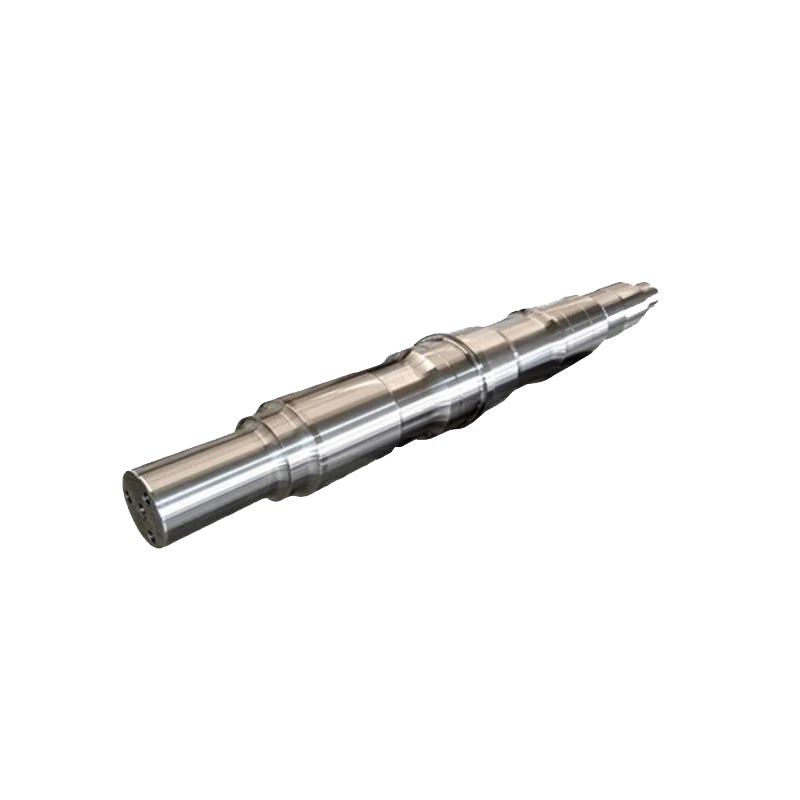
RC Portal Axles: Industrial Strength and Custom Performance
RC Portal Axles: A Veteran’s Take on Industrial-Grade Performance Having spent over a d
>
Engineered for Excellence
Our forged solutions deliver reliability and performance, powering demanding industries to keep operations running smoothly.

Sign up
for Newsletter
Subscribe to the weekly newsletter for all the latest updates