- Tel: +86 311 82620404
- Cell: 86 -13739710551
- Email: sales@potentia.cn

How to Replace Overhead Crane Wheels
Overhead crane wheels—including heavy-duty crane wheels for industrial use and specialized gantry crane wheels—are critical for the smooth, safe operation of overhead and gantry cranes, supporting heavy loads (often tens of tons) and ensuring precise movement along track systems. Over time, these wheels wear down from friction, heavy use, or misalignment, leading to noisy operation, uneven movement, or even safety risks. For wholesalers serving manufacturing plants, logistics hubs, or construction firms, partnering with a manufacturer that provides high-quality replacement wheels and clear replacement guidance is essential. Potentia Manufacturing Ltd., a world-class steel forged wheels manufacturer founded in 1986, specializes in crane wheels designed for heavy loads and diverse industrial track systems—their products include overhead crane wheels and gantry crane wheels that meet global durability standards. Their expertise in wheel design ensures replacements fit seamlessly, making them a trusted bulk partner for wholesalers globally.
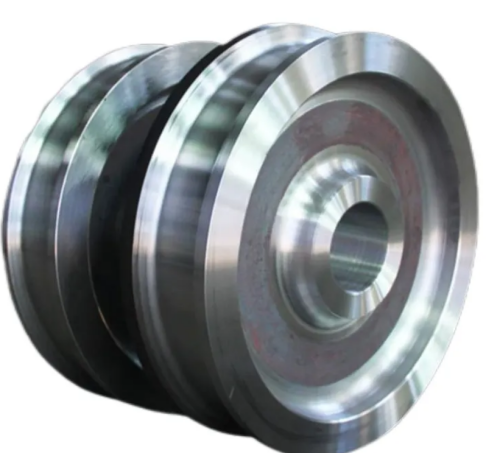
Pre-Replacement Preparation for Overhead Crane Wheels
- Wheel Inspection and Sizing for Crane Wheels: Before replacing overhead crane wheels , a thorough inspection and sizing check are mandatory to ensure the new wheel matches the crane’s needs. Potentia Manufacturing recommends wholesalers guide clients to: measure the worn wheel’s diameter, width, and bore size (the hole for the axle) using calipers—even small discrepancies (e.g., 2mm in diameter) can cause misalignment. For gantry crane wheels, also check the tread pattern (flat or crowned) and material thickness (steel forged wheels from Potentia typically have a 50–100mm tread thickness for heavy use). For example, a 20-ton overhead crane using crane wheels with a 300mm diameter will need an identical replacement to maintain load capacity and track compatibility. Additionally, inspect the axle and bearings for wear—if these components are damaged, replacing only the wheel will lead to premature failure. This preparation step ensures no delays from incorrect wheel orders, a key benefit for wholesalers managing bulk replacement projects.
- Safety Setup and Tool Gathering for Gantry Crane Wheels: Replacing gantry crane wheels(often used in outdoor or large-scale facilities) requires strict safety measures to prevent accidents. Potentia Manufacturing advises: securing the crane to prevent movement (using wheel chocks or locking the hoist), disconnecting power to the crane’s movement system, and setting up a stable work platform (e.g., scaffolding or a cherry picker) for high-reach wheels. Essential tools include a hydraulic jack (to lift the crane’s end beam and relieve pressure on the wheel), socket wrenches (to remove axle nuts), and a pulley system (to safely lower and lift heavy gantry crane wheels—which can weigh 50–200kg).
Step-by-Step Replacement of Overhead Crane Wheels
- Lifting and Wheel Removal for Crane Wheels: The first critical step in replacing overhead crane wheels is lifting the crane’s end beam to free the worn wheel. Use a hydraulic jack rated for the crane’s weight (e.g., a 50-ton jack for a 20-ton crane) and place it under the end beam, ensuring it’s centered to avoid tipping. Once lifted (just enough to clear the track, 5–10mm), use socket wrenches to remove the axle nuts and washers, then gently pull the axle out of the wheel hub—for rusted axles, apply a penetrating lubricant (and let it sit 10–15 minutes) to ease removal. For gantry crane wheels with bearings, carefully remove the bearings (if reusable) or discard them (if worn) before sliding the old wheel off the axle. Potentia Manufacturing emphasizes handling crane wheels with care: steel forged wheels are durable but can crack if dropped, so use a pulley or lifting strap to avoid damage.
- New Wheel Installation and Alignment for Gantry Crane Wheels: Installing the new gantry crane wheels(or overhead crane wheels) requires precision to ensure proper alignment with the track. Start by sliding the new wheel onto the axle—if using Potentia’s steel forged wheels, ensure the bore size matches the axle exactly (no forcing, which can damage the wheel or axle). Reinstall bearings (if reusable) or add new ones (greased per manufacturer guidelines), then secure the wheel with washers and axle nuts—tighten nuts to the crane’s specified torque (typically 200–300 N·m for medium-duty wheels) to avoid loosening during operation. After installation, lower the crane slowly and check alignment: manually move the crane a short distance to ensure the wheel tracks smoothly, with no rubbing or noise. For overhead crane wheels, use a straightedge to verify the wheel is parallel to the track—misalignment here causes rapid wear, reducing the new wheel’s lifespan by 50%.
Crane Wheels Type & Replacement Specification Comparison
|
Crane Wheels Type |
Key Replacement Focus |
Ideal Application |
Potentia Manufacturing Advantage |
Wholesaler Value |
|
Overhead Crane Wheels |
Bore size; track alignment |
Indoor manufacturing, warehouses |
Steel forged; precise bore sizing |
Appeals to factory maintenance teams |
|
Gantry Crane Wheels |
Tread thickness; weather resistance |
Outdoor construction, ports |
Corrosion-resistant coating; thick tread |
Caters to heavy outdoor operations |
|
Heavy-Duty Crane Wheels |
Load capacity; bearing compatibility |
50+ ton cranes (steel mills, shipyards) |
High-tensile steel; large bearings |
Fits industrial heavy-lift clients |
Post-Replacement Checks and Maintenance for Overhead Crane Wheels
- Test Operation and Load Testing for Crane Wheels: After replacing overhead crane wheels, a test operation is critical to validate performance. Potentia Manufacturing recommends: first, moving the crane empty along the entire track (checking for smooth movement, no unusual noise, or wheel wobble); then, conducting a light load test (25–50% of the crane’s rated capacity) to ensure the wheels handle weight without strain. For gantry crane wheels used in port operations, also test movement on uneven track sections (common outdoors) to confirm the wheels adapt without binding. If issues arise (e.g., wheel rubbing), adjust alignment by loosening axle nuts and repositioning the wheel—small tweaks (1–2mm) often resolve alignment problems.
- Routine Maintenance for Gantry Crane Wheels: To extend the lifespan of new gantry crane wheels and overhead crane wheels, regular maintenance is essential. Potentia Manufacturing advises: lubricating wheel bearings every 3–6 months (using high-temperature grease for indoor cranes, waterproof grease for outdoor gantry crane wheels); inspecting tread wear monthly (replace wheels when tread thickness is 50% of original); and checking axle nuts for tightness quarterly (vibration can loosen them over time). For crane wheels in dusty or wet environments (e.g., food processing or outdoor yards), clean the wheels and track weekly to remove debris that causes premature wear.
Overhead Crane Wheels FAQS
How Often Should Overhead Crane Wheels Be Replaced?
Replacement frequency depends on use: overhead crane wheels in light-use warehouses (1–2 hours daily) last 5–7 years, while gantry crane wheels in heavy outdoor use (8+ hours daily) need replacement every 2–3 years. Potentia Manufacturing recommends replacing wheels when tread wear exceeds 50% of original thickness or when cracks, flat spots, or bearing damage appear—wholesalers can provide clients with wear measurement guides to track this easily.
Can Gantry Crane Wheels Be Customized for Non-Standard Tracks?
Yes—Potentia Manufacturing offers custom gantry crane wheels for non-standard track sizes (width, rail height) or unique environments (e.g., high-temperature steel mills). Wholesalers can submit client track specifications (measurements, load requirements) to Potentia, who designs steel forged wheels with matching treads, bore sizes, and coatings. For example, a client with a narrow-gauge track (100mm width) can get custom crane wheels to fit, avoiding costly track modifications.
Are Overhead Crane Wheels from Potentia Compatible with All Crane Brands?
Potentia’s overhead crane wheels are designed to meet global industry standards (ISO, DIN), making them compatible with most major crane brands. The company provides detailed dimensional charts (bore size, diameter, width) for wholesalers to cross-reference with client crane models—if a client has a niche crane, Potentia can adjust wheel specifications (e.g., bore depth, hub length) for a perfect fit.
How Do I Handle Heavy Overhead Crane Wheels During Replacement?
Heavy overhead crane wheels (100+ kg) require safe lifting tools: Potentia Manufacturing recommends using a manual or electric hoist (rated for 1.5x the wheel’s weight) with a lifting strap (to avoid scratching the wheel’s surface). For tight spaces, a portable hydraulic lift table can position the wheel at axle height, reducing manual lifting.
What Grease Is Best for Maintaining Crane Wheels?
For crane wheels, use grease matched to the environment: indoor overhead crane wheels work with lithium-based grease (resists high temperatures from friction); outdoor gantry crane wheels need waterproof calcium sulfonate grease (prevents rust from rain/snow); and food-grade facilities require NSF-approved grease. Potentia Manufacturing provides grease recommendations for each wheel type, and wholesalers can bundle compatible grease with bulk wheel orders for added convenience.
-
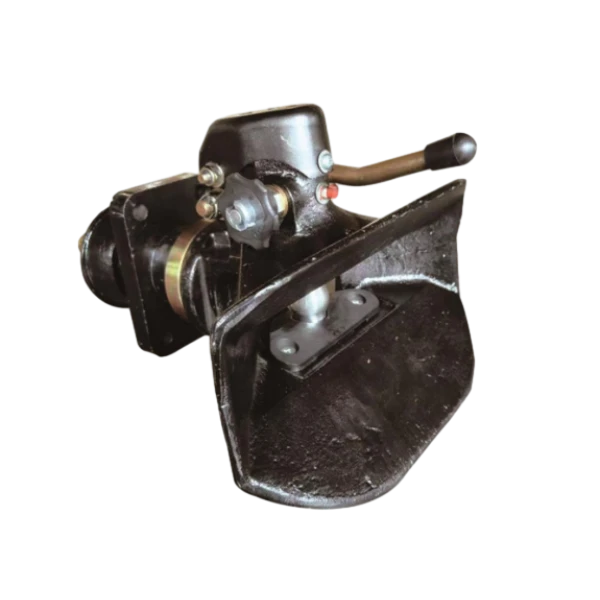 Trailer Coupling
The trailer coupling is a critical component in vehicle towing systems, designed to ensure a secure and efficient connection between a towing vehicle and a trailer. These couplings are manufactured using high-strength carbon steel, alloy steel, or stainless steel, ensuring durability and resistance to heavy loads and harsh environments.
-
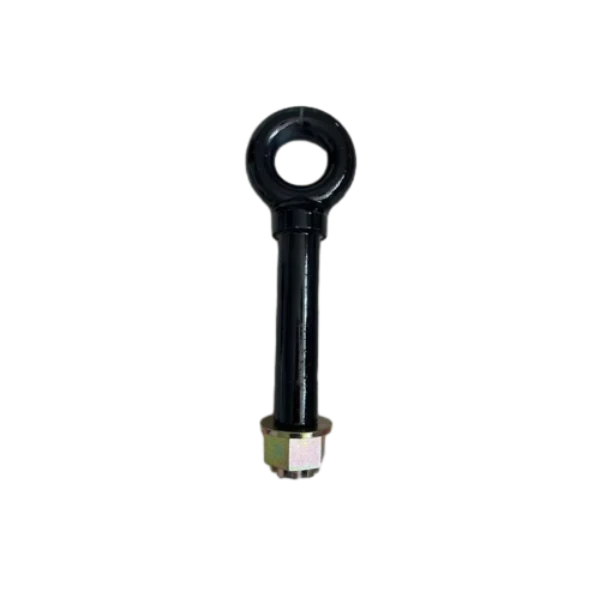
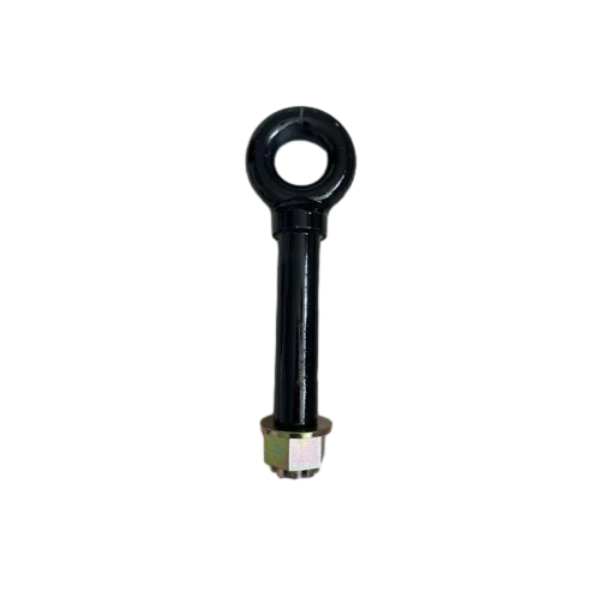 Drawbar Eyes
Drawbar eyes are essential components in towing and hauling applications, providing a strong and secure attachment point between the trailer and the towing vehicle. They are designed to endure extreme pulling forces, making them suitable for heavy-duty applications.
-
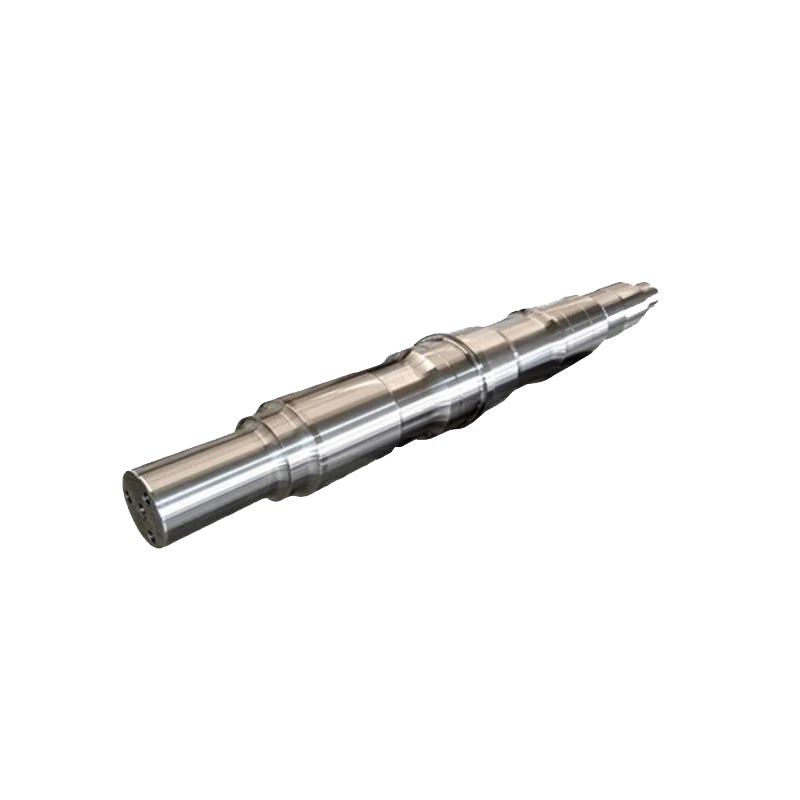
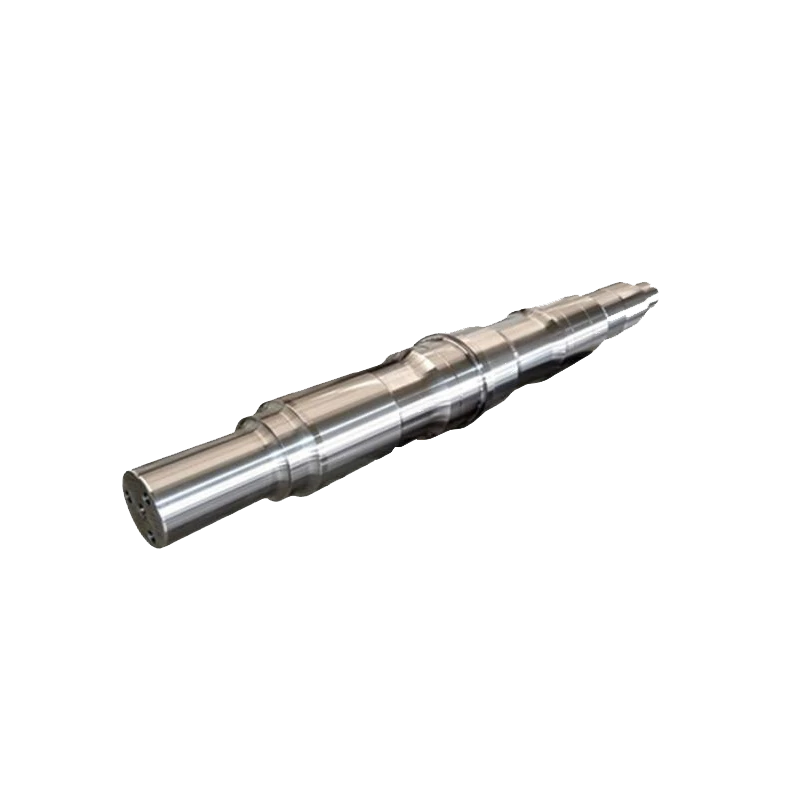 Axles
AxlesAxles are essential for vehicle load-bearing and power transmission, ensuring smooth movement and weight distribution. They must withstand high stress, torque, and impact, making material selection and precise manufacturing crucial.
-
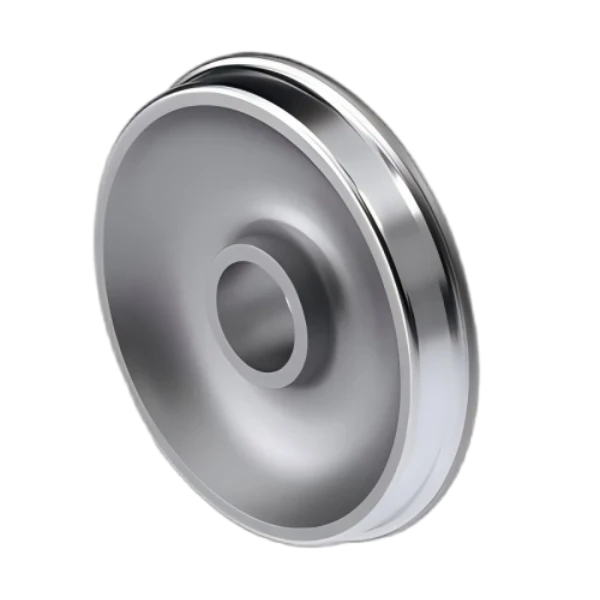
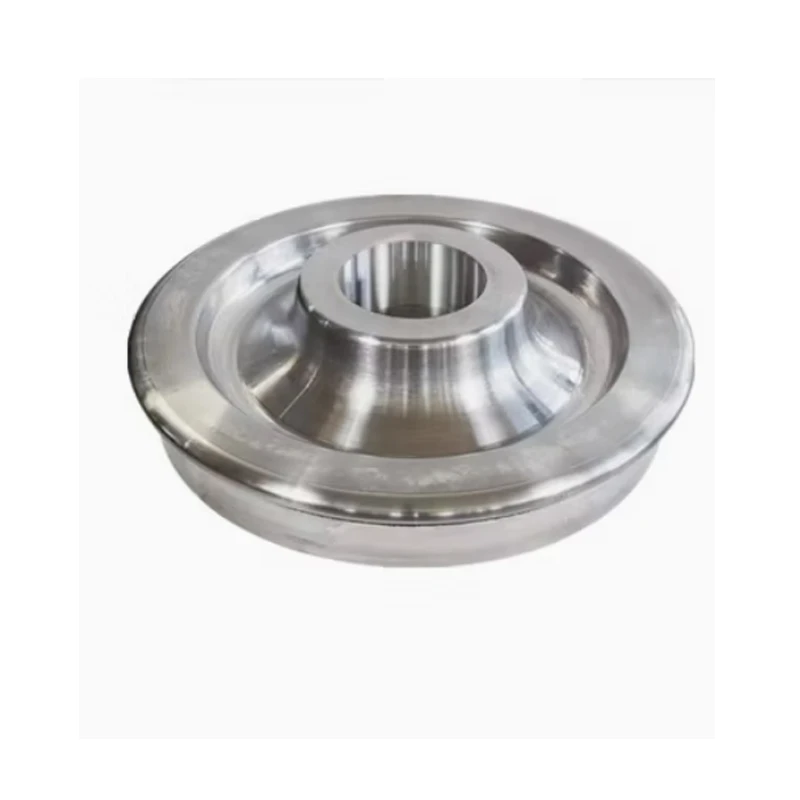 Profile S1002 Series Rail Wheels
The S1002 series rail wheels are designed for Rail-Road Vehicles (RRVs) that require seamless operation on both roads and railway tracks. Engineered with high precision and durability, these wheels conform to S1002 tread profiles, ensuring compatibility with standard railway systems.
A Comprehensive Guide to Axles Types for Industry Decision Makers | Manufacturing Base
Axles Types is a key solution in the industry, specifically within heavy machinery and transportation sectors. This article explores how https://www.manufacturing-base.com supports professionals with durable, high-performance products
>
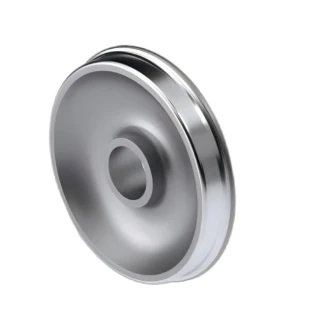
Reliable Rail Wheels: Optimize Your Rail Transport Solutions
For industries that rely on rail-based vehicles, choosing the right rail wheels is essential for smooth operations and safety.
>
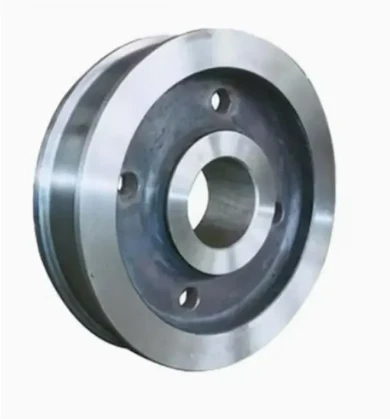
Premium Overhead Crane Wheels For Sale: Enhance Industrial Lifting Efficiency
In modern industrial operations, high-quality overhead crane wheels for sale are essential for safe, reliable, and efficient lifting.
>
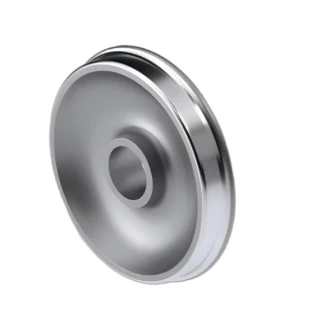
Premium Hi Rail Wheels For Sale: Boost Rail Vehicle Performance
In the modern industrial and railway sectors, having reliable hi rail wheels for sale is essential for operational efficiency and safety.
>
High-Quality Hi Rail Wheels For Sale: Enhance Your Rail Equipment Efficiency
When it comes to reliable rail maintenance and industrial operations, investing in hi rail wheels for sale is crucial.
>
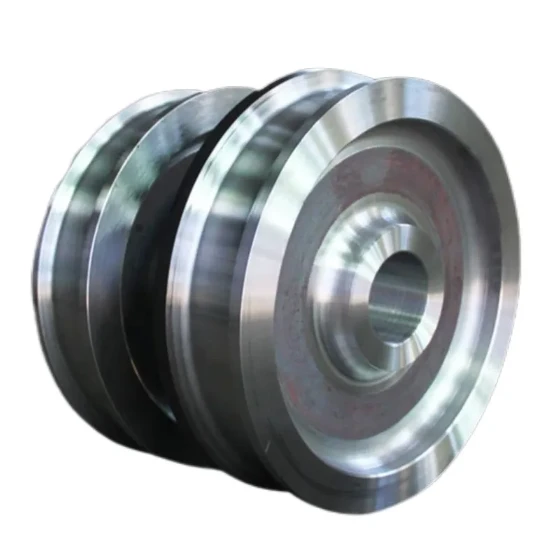
High-Quality Crane Wheels For Sale: Enhance Your Crane Operations
For industries relying on heavy lifting and material handling, investing in high-quality crane wheels for sale is crucial.
>
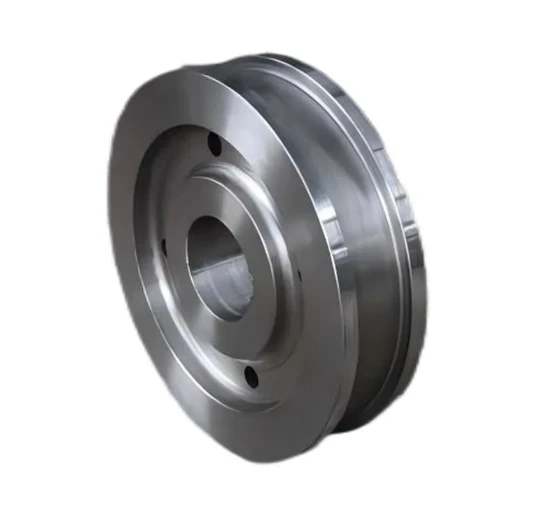
Durable Gantry Crane Wheels For Sale: Maximize Lifting Efficiency
For industries relying on heavy-duty lifting and material handling, selecting the right gantry crane wheels for sale is vital.
>
Reliable Tandem Drive Axles for Heavy-Duty Industrial Vehicles
Tandem Drive Axles: What I’ve Learned After Years in the Industrial Equipment Sector Ha
>
Reliable Semi Trailer Axles for Heavy-Duty Trailers | Expert Insight
Understanding semi trailer axles: The Backbone of Heavy Hauling Having spent more than a deca
>
RC Portal Axles: Industrial Strength and Custom Performance
RC Portal Axles: A Veteran’s Take on Industrial-Grade Performance Having spent over a d
>
Engineered for Excellence
Our forged solutions deliver reliability and performance, powering demanding industries to keep operations running smoothly.

Sign up
for Newsletter
Subscribe to the weekly newsletter for all the latest updates