- Tel: +86 311 82620404
- Cell: 86 -13739710551
- Email: sales@potentia.cn

Common Failure Modes of a Mine Cart Wheel
Mine cart wheel—including heavy-duty minecart wheels and durable ore cart wheels—is a critical component for mining operations, responsible for transporting ore, coal, and materials across harsh underground or surface environments. However, constant exposure to abrasive surfaces, heavy loads (often 10+ tons per cart), and impact from uneven terrain leads to frequent failures, causing costly downtime for mining companies. For wholesalers serving mining operators, equipment maintenance firms, or mine supply distributors, partnering with a manufacturer that understands these failure modes and produces resilient wheels is essential. Potentia Manufacturing Ltd., a world-class steel forged wheels manufacturer founded in 1986, specializes in mine cart wheel solutions—their ore cart wheels and minecart wheels are engineered to withstand mining’s harsh conditions, minimizing common failures. Their focus on high-quality steel forging and load-bearing optimization makes them a trusted bulk partner for wholesalers globally.
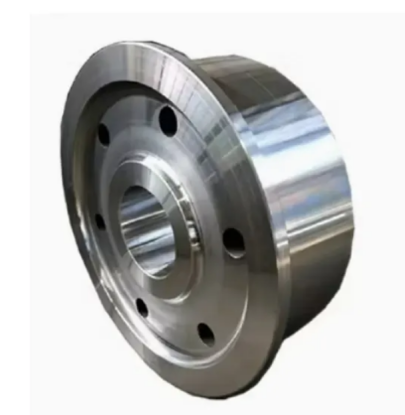
Abrasive Wear The Most Prevalent Failure of Mine Cart Wheel
- Tread Wear for Ore Cart Wheels: Ore cart wheels experience severe abrasive wear on their treads (the contact surface with rails or ground) due to mining’s gritty environments—ore dust, gravel, and sharp rock fragments act like sandpaper, gradually thinning the tread. Potentia Manufacturing notes that standard mine cart wheel treads (without wear-resistant coatings) can wear down by 2–3mm per month in high-use areas, leading to reduced load capacity and unstable cart movement. For example, a minecart wheel used to transport iron ore might need replacement after 6–8 months of continuous use due to tread wear. Potentia’s solution: their ore cart wheels use high-carbon steel forging (hardness up to 50 HRC) and optional chromium plating on treads, extending wear life by 50–70% vs. standard wheels.
- Flange Wear for Minecart Wheels: The flange (the raised edge of minecart wheels that keeps carts on rails) is another high-wear area, especially on curved rail sections or uneven ground. Abrasive debris can grind down the flange’s thickness, causing carts to derail—a dangerous and costly failure. Potentia Manufacturing’s minecart wheels feature thickened flanges (15–20% thicker than industry standards) and a rounded edge design that distributes wear evenly. A mine cart wheel with a reinforced flange might last 10–12 months vs. 5–6 months for standard flanges.
Fatigue Failure From Repeated Heavy Loads Of Mine Cart Wheel
- Crack Formation in Mine Cart Wheel Hubs: Mine cart wheel hubs (the central part connecting the wheel to the cart axle) are prone to fatigue cracks from repeated heavy loads—each time the cart is loaded, the hub experiences stress that builds up over time. These cracks often start at the hub’s bolt holes or axle interface (common stress concentration points) and grow until the hub fails, causing the wheel to detach. Potentia Manufacturing addresses this by using forged steel hubs (instead of cast steel, which is more brittle) and optimizing the hub’s geometry to distribute stress evenly. Their ore cart wheels undergo ultrasonic testing to detect hidden cracks before shipment, ensuring no defective hubs reach clients. For example, a minecart wheel hub from Potentia can withstand 100,000+ load cycles (equivalent to 1–2 years of use) without cracking, vs. 50,000 cycles for cast hubs.
- Spoke Fatigue for Mine Cart Wheel (Spoked Designs): Some mine cart wheel models use spokes to reduce weight, but these spokes are vulnerable to fatigue failure—repeated bending from cart vibration and uneven loads causes tiny cracks that eventually lead to spoke breakage. Potentia Manufacturing minimizes this by using solid-disk designs for most minecart wheels (eliminating spokes entirely) or thickened, curved spokes for lightweight models. A solid-disk ore cart wheel from Potentia has zero spoke-related failures, making it ideal for heavy-load applications (e.g., transporting coal or copper ore).
Mine Cart Wheel Failure Mode & Prevention Comparison Of Mine Cart Wheel
|
Failure Mode |
Key Cause |
Affected Wheel Component |
Potentia Manufacturing Solution |
Ideal Mining Use Case |
Wholesaler Value |
|
Abrasive Tread Wear |
Ore dust, gravel, sharp debris |
Tread |
High-carbon steel; chromium plating |
Iron ore, coal surface mines |
Reduces client replacement frequency |
|
Flange Wear & Derailment Risk |
Curved rails, uneven terrain |
Flange |
Thickened flange; rounded edge design |
Underground rail-based mines |
Prevents costly derailment incidents |
|
Hub Fatigue Cracks |
Repeated heavy loads, stress concentration |
Hub |
Forged steel; ultrasonic crack testing |
Heavy-load ore transport |
Ensures long-term wheel integrity |
|
Impact Damage |
Collisions with rocks, uneven ground |
Tread, hub, spokes |
Shock-absorbing steel alloy; solid-disk design |
Underground hard-rock mines |
Lowers maintenance costs for rough sites |
Impact Damage & Environmental Corrosion Failures Of Mine Cart Wheel
- Tread Chipping & Deformation for Mine Cart Wheel: Mine cart wheel treads often suffer impact damage—collisions with loose rocks, sudden drops on uneven ground, or misalignment with rails can chip or deform the tread. A chipped tread creates uneven contact with the surface, leading to increased vibration (damaging other cart components) and faster wear. Potentia Manufacturing’s minecart wheels use a shock-absorbing steel alloy (blended with manganese) that bends slightly on impact instead of chipping, then rebounds to its original shape. For example, a ore cart wheel hitting a 10cm rock might show minor indentation but no chipping, avoiding immediate replacement. This resilience is especially valuable for underground mines with narrow tunnels and limited maneuverability.
- Corrosion Failure for Ore Cart Wheels: Surface mines or mines in humid underground environments face corrosion risks—moisture, salt (in coastal mines), or acidic ore (e.g., copper ore) can rust ore cart wheels, weakening the steel and causing premature failure. Potentia Manufacturing applies a multi-layer corrosion-resistant coating (zinc plating + epoxy paint) to their mine cart wheel exteriors, preventing rust formation for 2–3 years in humid conditions. Their hubs also include grease-sealed bearings to keep moisture out, reducing internal corrosion. For a wholesaler supplying a coastal bauxite mine, this corrosion resistance means minecart wheels last 30% longer than uncoated alternatives— a key advantage in harsh, wet environments.
Mine Cart Wheel FAQS
How Can Wholesalers Help Clients Extend the Life of Mine Cart Wheel?
Wholesalers can partner with Potentia Manufacturing to offer clients preventive solutions: supply mine cart wheel with wear-resistant coatings (chromium or manganese plating) for high-abrasion areas, and provide maintenance guides (e.g., regular tread thickness checks, axle lubrication schedules). Potentia also offers bulk replacement kits (including ore cart wheels, bearings, and hub bolts) that let clients stock up on critical parts, reducing downtime when failures occur.
Do Potentia’s Minecart Wheels Fit All Standard Mine Cart Sizes?
Yes—Potentia Manufacturing produces minecart wheels in all standard sizes (diameters 300mm–800mm, hub bore sizes 50mm–150mm) to fit most mining carts, from small 5-ton ore carts to large 20-ton coal carts. The company also offers custom mine cart wheel designs (based on client drawings or samples) for non-standard carts—critical for older mines with legacy equipment. For wholesalers, this means one supplier can cover all client needs, eliminating the hassle of sourcing from multiple manufacturers.
What’s the Difference in Lifespan Between Potentia’s Ore Cart Wheels and Competitors?
Potentia’s ore cart wheels last 50–70% longer than standard competitors’ wheels: their high-carbon forged steel and wear-resistant coatings extend tread life to 12–15 months (vs. 6–8 months for standard wheels), while their forged hubs resist fatigue cracks for 1–2 years (vs. 6–10 months). This longer lifespan translates to 30–40% lower annual replacement costs for clients— a major selling point for wholesalers targeting cost-conscious mining operators.
Can Mine Cart Wheel Failures Be Predicted to Avoid Unexpected Downtime?
Yes—Potentia Manufacturing recommends wholesalers advise clients to implement predictive maintenance: use calipers to measure tread thickness monthly (replace when wear exceeds 5mm), inspect flanges for cracks with a magnifying glass, and check hub bolts for tightness. For high-use minecart wheels, ultrasonic testing (annually) can detect hidden hub cracks. Potentia also offers a warranty program that covers premature failures (e.g., hub cracks within 6 months), giving clients peace of mind.
Are Potentia’s Mine Cart Wheels Suitable for Both Underground and Surface Mines?
Absolutely—Potentia’s mine cart wheel lineup is designed for both environments: underground models feature corrosion-resistant coatings (for humid tunnels) and solid-disk designs (to avoid spoke damage from low ceilings), while surface models have thicker treads (for abrasive gravel) and heat-resistant steel (to withstand direct sunlight). Their ore cart wheels perform equally well in underground gold mines and surface coal mines, making them a versatile choice for wholesalers serving diverse mining clients.
-
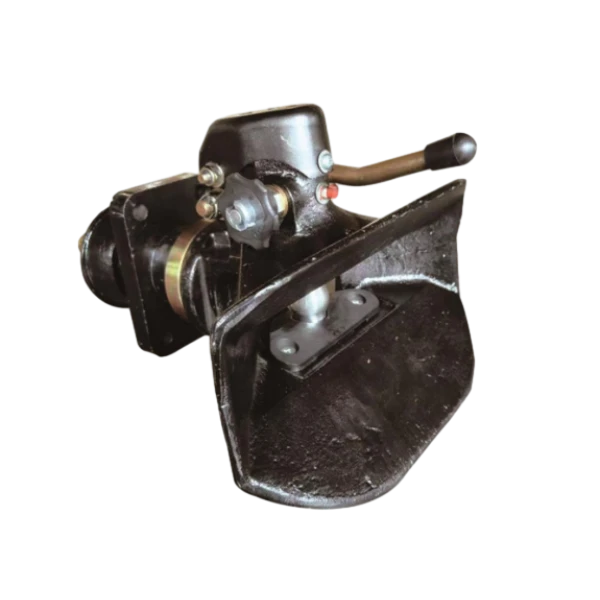 Trailer Coupling
The trailer coupling is a critical component in vehicle towing systems, designed to ensure a secure and efficient connection between a towing vehicle and a trailer. These couplings are manufactured using high-strength carbon steel, alloy steel, or stainless steel, ensuring durability and resistance to heavy loads and harsh environments.
-
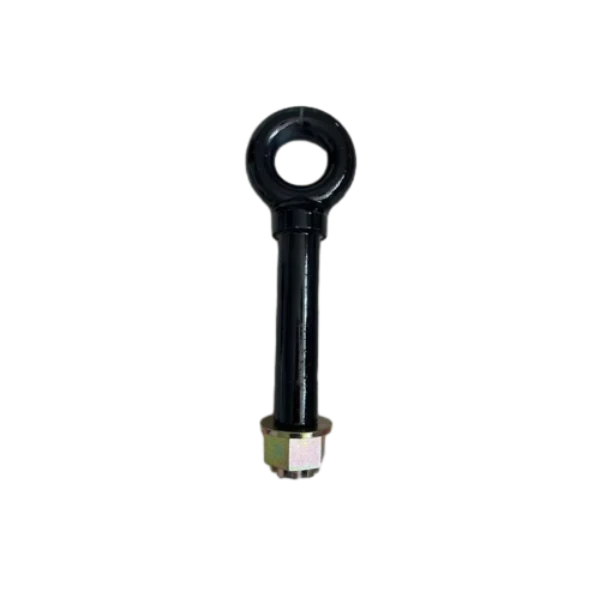
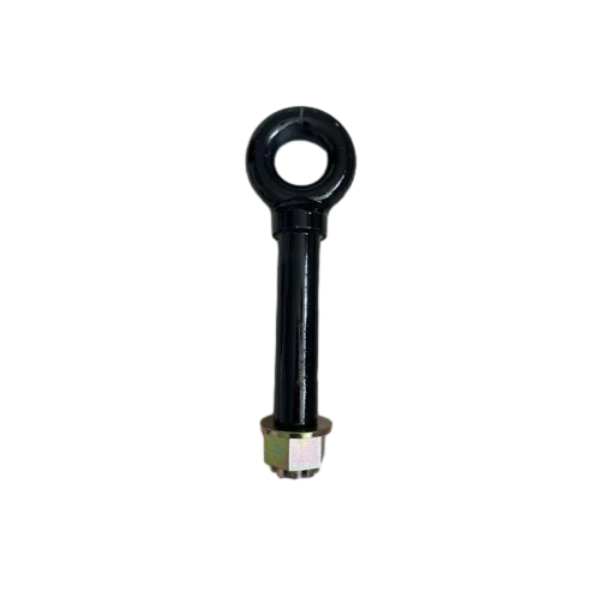 Drawbar Eyes
Drawbar eyes are essential components in towing and hauling applications, providing a strong and secure attachment point between the trailer and the towing vehicle. They are designed to endure extreme pulling forces, making them suitable for heavy-duty applications.
-
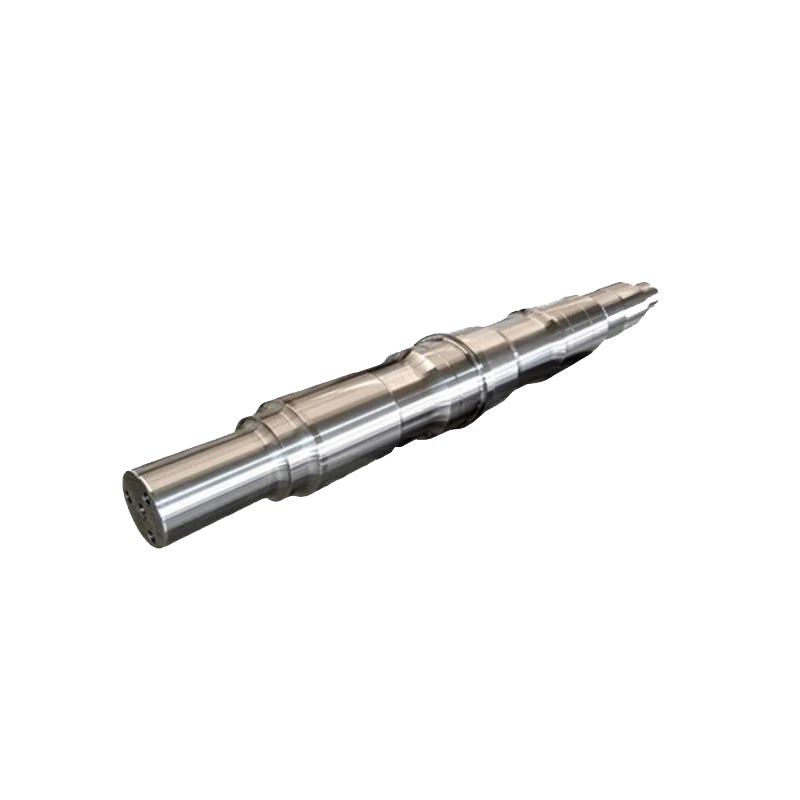
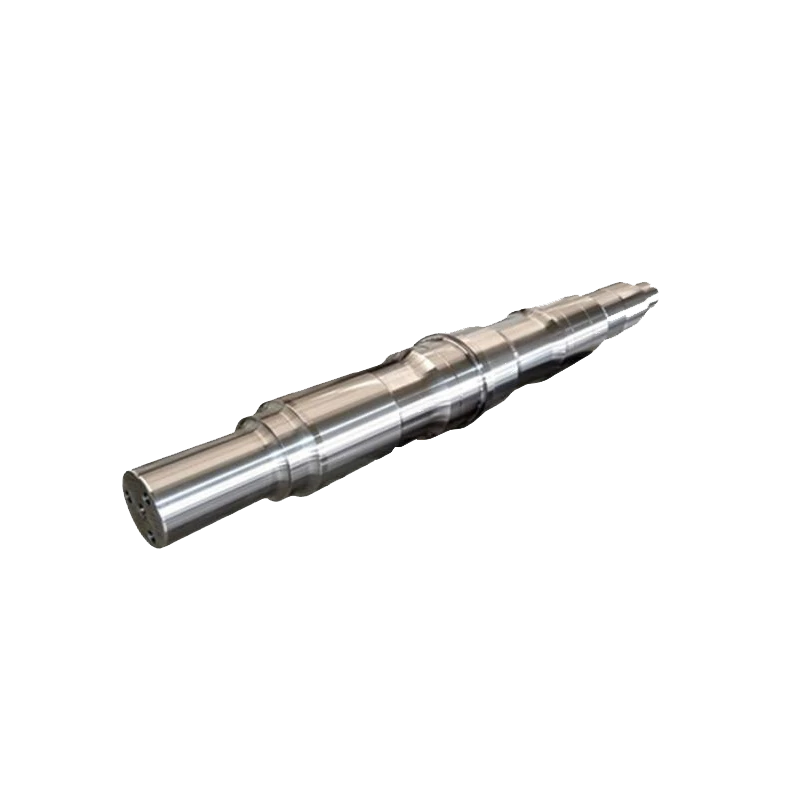 Axles
AxlesAxles are essential for vehicle load-bearing and power transmission, ensuring smooth movement and weight distribution. They must withstand high stress, torque, and impact, making material selection and precise manufacturing crucial.
-
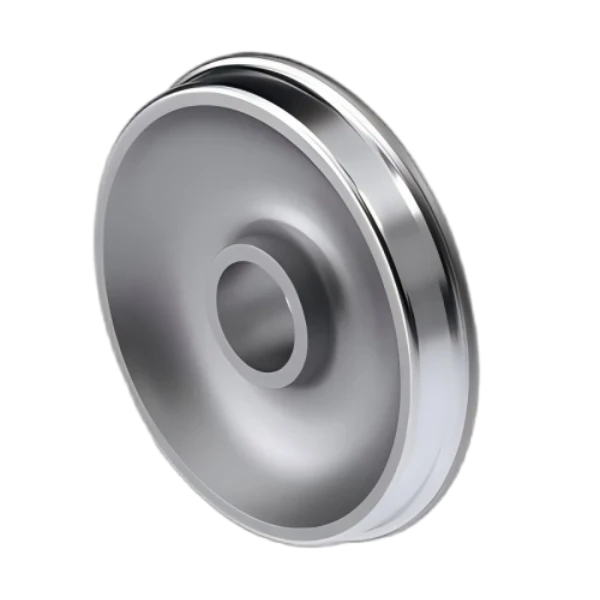
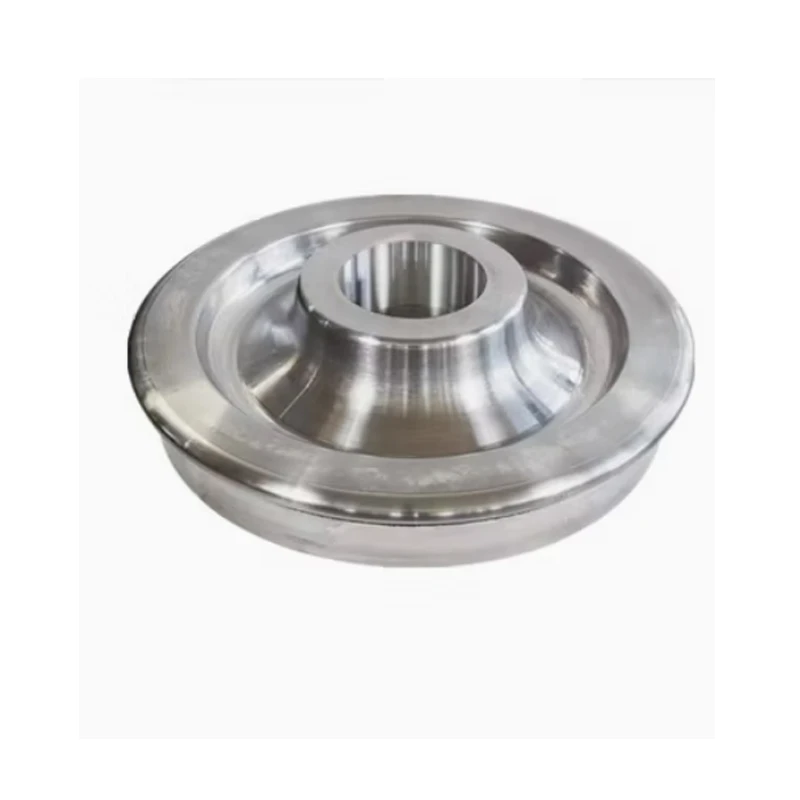 Profile S1002 Series Rail Wheels
The S1002 series rail wheels are designed for Rail-Road Vehicles (RRVs) that require seamless operation on both roads and railway tracks. Engineered with high precision and durability, these wheels conform to S1002 tread profiles, ensuring compatibility with standard railway systems.
A Comprehensive Guide to Axles Types for Industry Decision Makers | Manufacturing Base
Axles Types is a key solution in the industry, specifically within heavy machinery and transportation sectors. This article explores how https://www.manufacturing-base.com supports professionals with durable, high-performance products
>
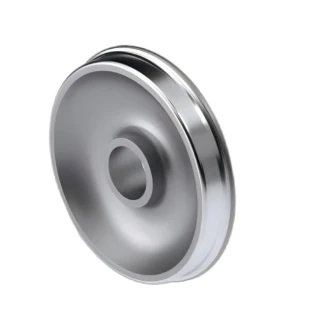
Reliable Rail Wheels: Optimize Your Rail Transport Solutions
For industries that rely on rail-based vehicles, choosing the right rail wheels is essential for smooth operations and safety.
>
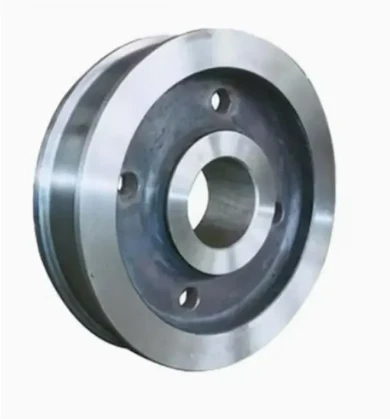
Premium Overhead Crane Wheels For Sale: Enhance Industrial Lifting Efficiency
In modern industrial operations, high-quality overhead crane wheels for sale are essential for safe, reliable, and efficient lifting.
>
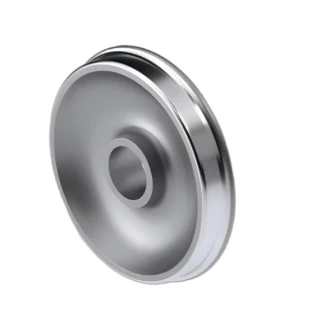
Premium Hi Rail Wheels For Sale: Boost Rail Vehicle Performance
In the modern industrial and railway sectors, having reliable hi rail wheels for sale is essential for operational efficiency and safety.
>
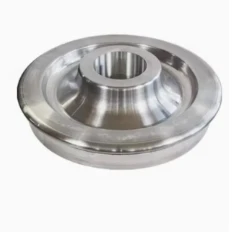
High-Quality Hi Rail Wheels For Sale: Enhance Your Rail Equipment Efficiency
When it comes to reliable rail maintenance and industrial operations, investing in hi rail wheels for sale is crucial.
>
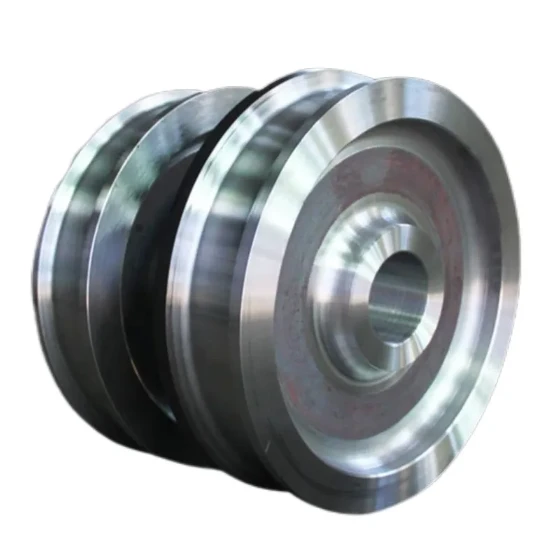
High-Quality Crane Wheels For Sale: Enhance Your Crane Operations
For industries relying on heavy lifting and material handling, investing in high-quality crane wheels for sale is crucial.
>
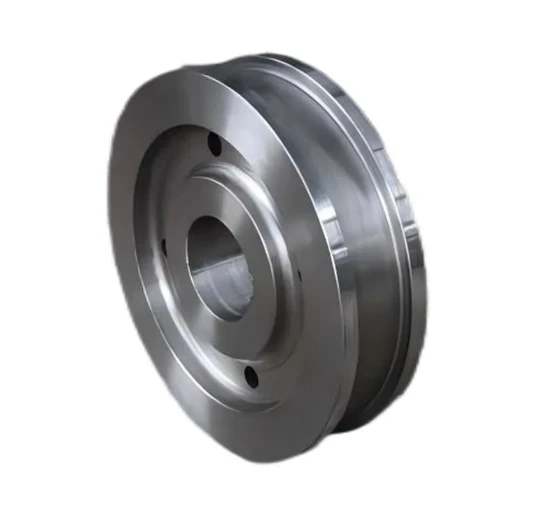
Durable Gantry Crane Wheels For Sale: Maximize Lifting Efficiency
For industries relying on heavy-duty lifting and material handling, selecting the right gantry crane wheels for sale is vital.
>
Reliable Tandem Drive Axles for Heavy-Duty Industrial Vehicles
Tandem Drive Axles: What I’ve Learned After Years in the Industrial Equipment Sector Ha
>
Reliable Semi Trailer Axles for Heavy-Duty Trailers | Expert Insight
Understanding semi trailer axles: The Backbone of Heavy Hauling Having spent more than a deca
>
RC Portal Axles: Industrial Strength and Custom Performance
RC Portal Axles: A Veteran’s Take on Industrial-Grade Performance Having spent over a d
>
Engineered for Excellence
Our forged solutions deliver reliability and performance, powering demanding industries to keep operations running smoothly.

Sign up
for Newsletter
Subscribe to the weekly newsletter for all the latest updates