- Tel: +86 311 82620404
- Cell: 86 -13739710551
- Email: sales@potentia.cn

High-Quality Rail Wheels for Efficient and Safe Transport | Manufacturing Base
Understanding Rail Wheels: The Unsung Heroes of Modern Transport
Rail wheels might not be the star of the transportation industry’s show, but frankly, without them, trains would be nothing more than glorified carts. These humble components are vital for moving people and goods efficiently across continents. From bustling urban metros to the mighty freight trains hauling everything from coal to electronics, rail wheels literally keep the wheels turning—pun intended. Globally, rail transport moves over 10 billion tons of freight annually, and rail wheels stand at the center of that massive mechanical ballet.
Why care about them? Well, a better understanding of rail wheels sheds light on transportation efficiency, environmental benefits (since trains are among the greenest freight options), and even global economic stability. If one thing feels constant, it’s the need for smoother, safer, and more reliable rail solutions—rail wheels quietly anchor us to that reality.
Rail Wheels in the Global Context: More Than Just Metal Discs
Taking a step back, rail transport moves around 8% of the world’s freight volume but uses just 2% of transport energy (International Energy Agency). That’s crazy efficient, and rail wheels play a massive role in that energy economy. Think about it: steel-on-steel rolling resistance is far lower than rubber tires on asphalt, which is why trains consume roughly a third less energy per ton-mile than trucks.
However, there’s a catch. The global railway infrastructure is aging rapidly—UN reports suggest significant upgrades and maintenance are due worldwide. Rail wheels, being a key wear component exposed to heavy loads and stress, are where much innovation is focused. Better wheels mean fewer delays, less downtime, and a greener global supply chain. I sometimes wonder how much ingenuity goes into these components behind the scenes…
What Exactly Are Rail Wheels?
Simply put, rail wheels are the rolling parts made of hardened steel attached to train axles, designed to run on railway tracks smoothly and safely. They’re not just generic discs but carefully engineered shapes with flanges that grip the rails, preventing derailments and ensuring precise guidance at high speeds. The interface between the rail head and the wheel tread is a critical contact point designed to handle immense forces.
In modern industry, rail wheels enable everything from urban light transit to heavy freight trains moving millions of tons in mining and manufacturing sectors. On a humanitarian level, reliable rail wheels mean better supply chain resilience — crucial in delivering aid and rebuilding in conflict zones or after natural disasters.
Key Components and Considerations of Rail Wheels
1. Durability and Wear Resistance
Since rail wheels constantly bear high loads and friction, their material composition is crucial. Most rail wheels are made from heat-treated steel alloys optimized for toughness and fatigue resistance. This enhances lifespan and reduces replacement frequency — a big cost saver.
2. Mobility & Scalability
Rail wheels must accommodate a variety of train sizes and weights — from nimble passenger cars to monstrous freight locomotives. Manufacturers offer scalable designs; lightweight wheels suit rapid transit, while reinforced wheels handle heavy haulage.
3. Cost Efficiency Over Lifecycle
Investing in high-quality wheels impacts long-term costs. A cheaper wheel prone to wear quickly means more frequent replacements and potential service interruptions — hardly cost-effective in the grand scheme.
4. Safety and Reliability
Safety isn’t just about braking; the wheel’s flange geometry and surface finish reduce risks of derailment or skidding, especially in wet or icy conditions. Engineers refer to these as non-negotiable design facets.
5. Environmental Considerations
There’s growing interest in wheels that reduce noise pollution and vibration — enhancing community acceptance around rail corridors. Special coatings or profile adjustments contribute here.
Mini Takeaway:
Rail wheels combine metallurgy, geometry, and ergonomic design to deliver performance, safety, and longevity. Ignoring their complexity is easy, but these factors truly underpin railway reliability worldwide.
How Rail Wheels Impact Global Infrastructure and Industry
Rail wheels find themselves everywhere—from Europe’s high-speed rail networks to the sprawling freight lines crossing North America, Asia, and Australia. Regions with heavy raw material exports, like Brazil and South Africa, rely heavily on robust wheel sets to keep bulk trains moving.
Consider disaster relief: reliable rail wheels enable quick material movement to hard-hit zones, often where roads falter. In Asia-Pacific, flood-prone zones see engineering feats where specialized wheels and rails keep critical supply lines operational. The same goes for industrial zones with rugged terrain — think mining railways in the outback, where damage-resistant wheels reduce downtime.
Examples in Action:
- Mumbai Suburban Railway: Handles millions of commuters daily thanks to durable, lightweight rail wheels designed for rapid acceleration and braking.
- Canadian Freight Lines: Equipped with reinforced wheelsets to support extreme cold weather and heavy cargo.
- African Mineral Railways: Use ultra-wear-resistant wheels to cope with abrasive dust and constant heavy loads.
Product Specification Table: Typical Rail Wheel Features
| Specification | Details |
|---|---|
| Material | Heat-treated alloy steel (e.g., AAR Class A) |
| Diameter Range | 610 mm to 920 mm (24–36 inches) |
| Weight | 50 to 150 kg depending on size |
| Maximum Load | Up to 30 tons per wheel |
| Flange Angle | Typically 70 degrees for safety margin |
| Service Life | 5–10 years (dependent on usage and maintenance) |
How Leading Vendors Stack Up in Rail Wheel Solutions
| Vendor | Material Technology | Customization Options | Sustainability Initiatives | Typical Lead Time |
|---|---|---|---|---|
| SteelTech Wheels Inc. | Advanced heat treatment alloys | Full custom profiles & sizes | Recycled steel content of 60% | 6–8 weeks |
| Global Rail Components | Standardized alloy steel | Limited size variations | ISO 14001 certified operations | 4–6 weeks |
| EcoWheel Solutions | Bio-based coatings & steel alloys | Medium customization | Carbon-neutral production | 8–10 weeks |
Advantages and Long-Term Value of Quality Rail Wheels
Beyond just avoiding a derailment, investing in high-grade rail wheels is a smart bet on cost savings and environmental impact. Durable wheels mean fewer maintenance halts, improving line efficiency and passenger comfort — a positive spiral feeding trust and ridership. Industries also enjoy smoother freight logistics with less spillage or damage to goods.
Emotionally, safety fuels confidence. Knowing your daily commute or vital shipments depend on components engineered meticulously, like rail wheels, builds community trust in public infrastructure. And logically — less energy loss translates to fewer emissions, supporting sustainability goals that matter more than ever worldwide.
Emerging Trends: Innovations on the Rail Horizon
Automation, digital monitoring, and materials science are reshaping how rail wheels are produced and maintained. Smart sensors embedded in wheels or axles track wear and predict failure long before it happens, helping preempt costly breakdowns.
Meanwhile, new alloys and composite coatings aim to reduce noise and extend service life. Some vendors experiment with eco-friendly production methods, embracing lifecycle assessments and carbon reduction targets to align with green transport policies.
Challenges in Rail Wheel Usage and Possible Solutions
Despite strides, these wheels face challenges like uneven wear due to track irregularities or temperature fluctuations causing material fatigue. Harsh environments amplify these effects, sometimes forcing premature replacements.
Experts advocate for routine inspection regimes using non-destructive testing (NDT), enhanced track maintenance, and adaptive wheel profiles to mitigate these issues. Investment in R&D for higher-performing wheel steels continues too — you could say it’s an arms race of metallurgy.
FAQ: Practical Questions About Rail Wheels
- What materials are best for rail wheels to ensure durability?
- Rail wheels typically use heat-treated alloy steels designed to resist wear and fatigue — these materials balance toughness and hardness to last under heavy loads and harsh conditions.
- How often should rail wheels be inspected or replaced?
- Inspection frequency varies by usage but generally occurs every few months for passenger trains and more frequently for freight. Replacement usually happens every 5–10 years, depending on wear patterns and operational demands.
- Can rail wheels reduce noise pollution in urban areas?
- Yes, specialized coatings and altered wheel profiles can decrease noise and vibration levels, helping rail lines be less disruptive to nearby communities.
- Are there eco-friendly rail wheels available?
- Certain vendors now offer wheels manufactured with recycled steel and bio-based coatings, aiming to reduce carbon footprints while maintaining performance.
- How customizable are rail wheels for different train types?
- Customization ranges from standard sizes to tailor-made profiles, accommodating light metros to heavy freight. Many suppliers provide bespoke designs to meet specific engineering criteria.
Conclusion: Why Rail Wheels Matter — And Why They’ll Matter More
Putting rail wheels under the microscope reveals so much about the efficiency, safety, and sustainability of rail transport worldwide. From keeping supply chains humming to making urban commutes comfortable, their long-term value is tremendous. With emerging innovations and rising environmental demands, the future looks to be rolling smoother than ever.
Curious to explore top-quality rail wheels for your projects or operations? Check out our comprehensive supplier listings and in-depth product insights at Manufacturing Base — the hub for industrial excellence.
References & Further Reading
-
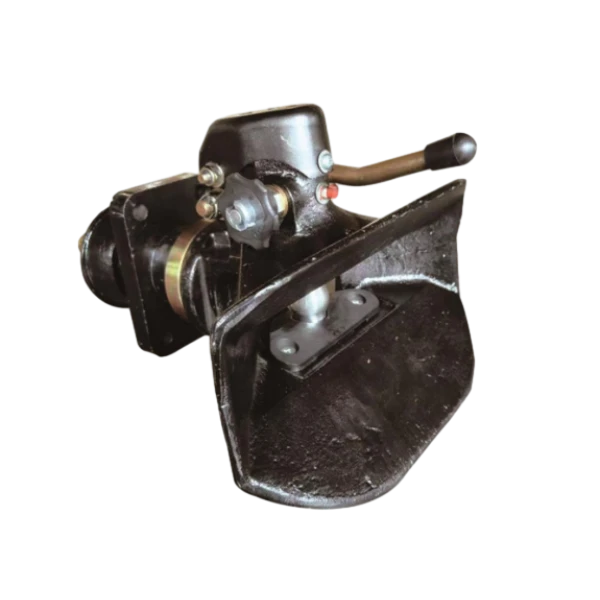 Trailer Coupling
The trailer coupling is a critical component in vehicle towing systems, designed to ensure a secure and efficient connection between a towing vehicle and a trailer. These couplings are manufactured using high-strength carbon steel, alloy steel, or stainless steel, ensuring durability and resistance to heavy loads and harsh environments.
-
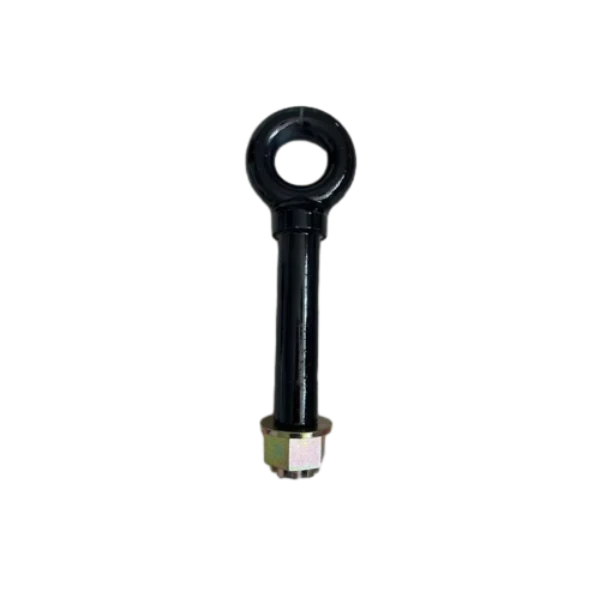
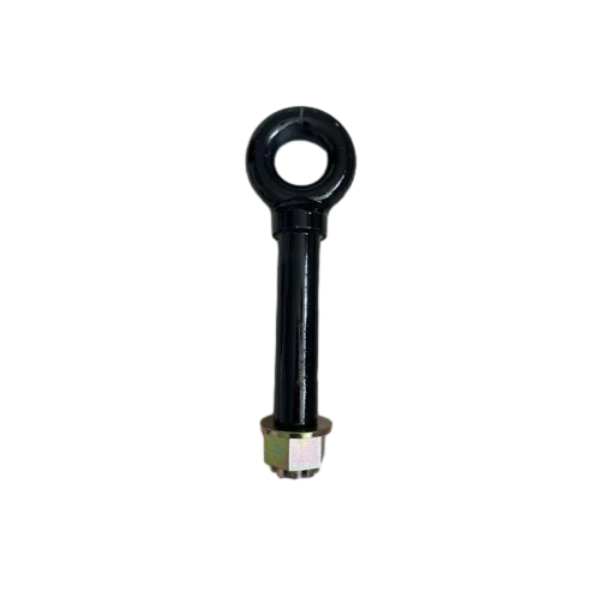 Drawbar Eyes
Drawbar eyes are essential components in towing and hauling applications, providing a strong and secure attachment point between the trailer and the towing vehicle. They are designed to endure extreme pulling forces, making them suitable for heavy-duty applications.
-
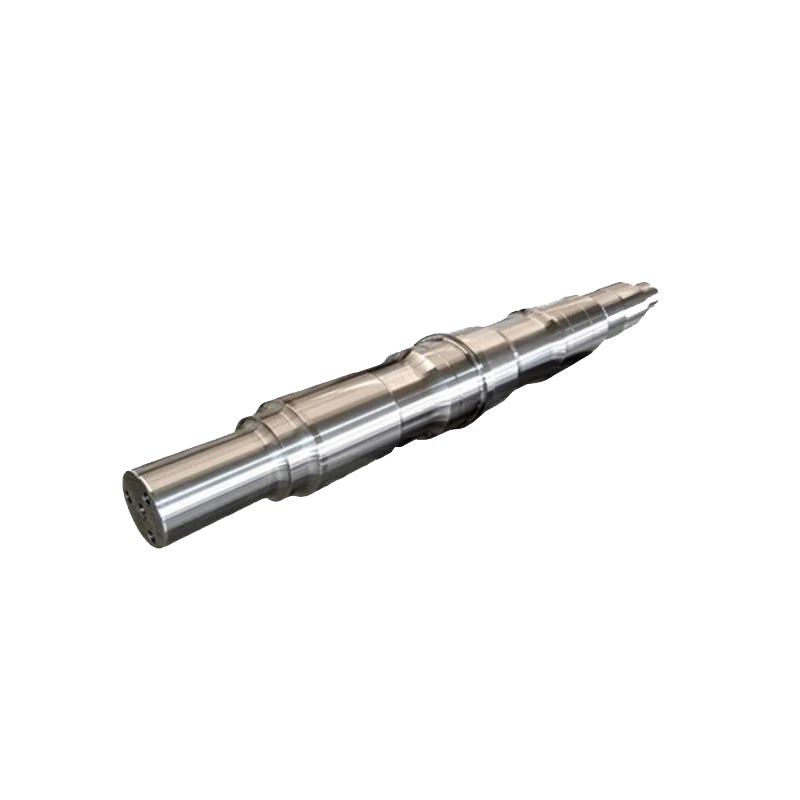
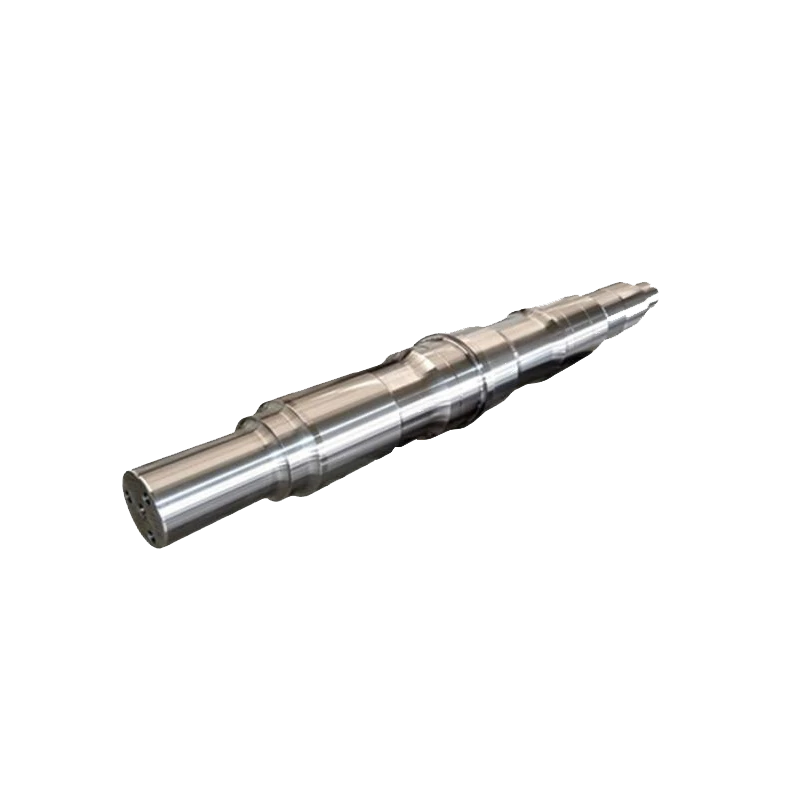 Axles
AxlesAxles are essential for vehicle load-bearing and power transmission, ensuring smooth movement and weight distribution. They must withstand high stress, torque, and impact, making material selection and precise manufacturing crucial.
-
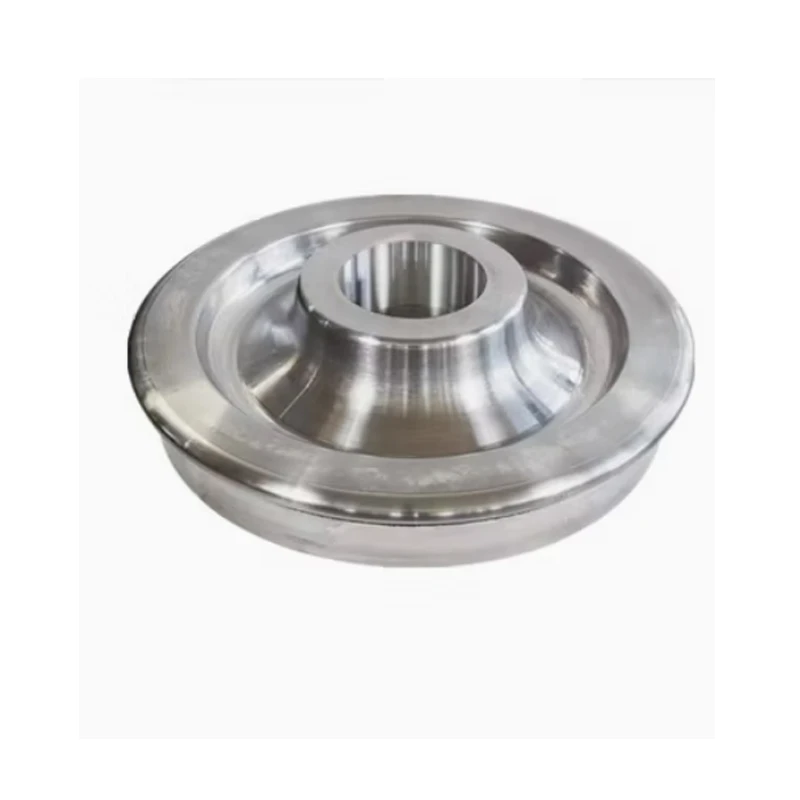 Profile S1002 Series Rail Wheels
The S1002 series rail wheels are designed for Rail-Road Vehicles (RRVs) that require seamless operation on both roads and railway tracks. Engineered with high precision and durability, these wheels conform to S1002 tread profiles, ensuring compatibility with standard railway systems.
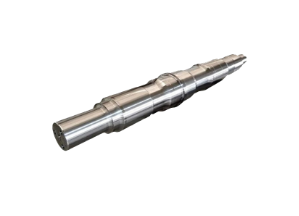
A Comprehensive Guide to Axles Types for Industry Decision Makers | Manufacturing Base
Axles Types is a key solution in the industry, specifically within heavy machinery and transportation sectors. This article explores how https://www.manufacturing-base.com supports professionals with durable, high-performance products
>
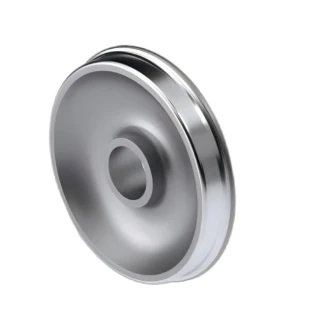
Reliable Rail Wheels: Optimize Your Rail Transport Solutions
For industries that rely on rail-based vehicles, choosing the right rail wheels is essential for smooth operations and safety.
>
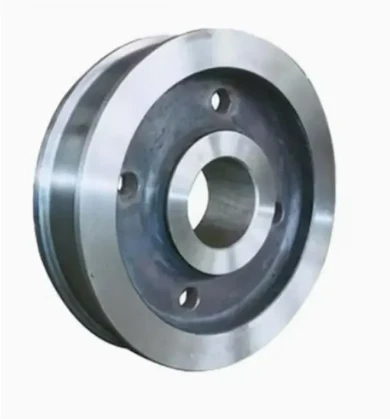
Premium Overhead Crane Wheels For Sale: Enhance Industrial Lifting Efficiency
In modern industrial operations, high-quality overhead crane wheels for sale are essential for safe, reliable, and efficient lifting.
>
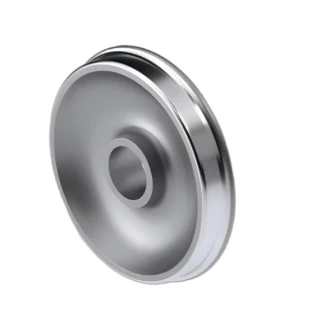
Premium Hi Rail Wheels For Sale: Boost Rail Vehicle Performance
In the modern industrial and railway sectors, having reliable hi rail wheels for sale is essential for operational efficiency and safety.
>
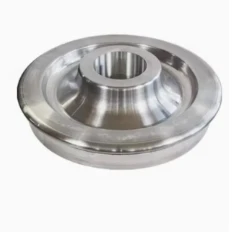
High-Quality Hi Rail Wheels For Sale: Enhance Your Rail Equipment Efficiency
When it comes to reliable rail maintenance and industrial operations, investing in hi rail wheels for sale is crucial.
>
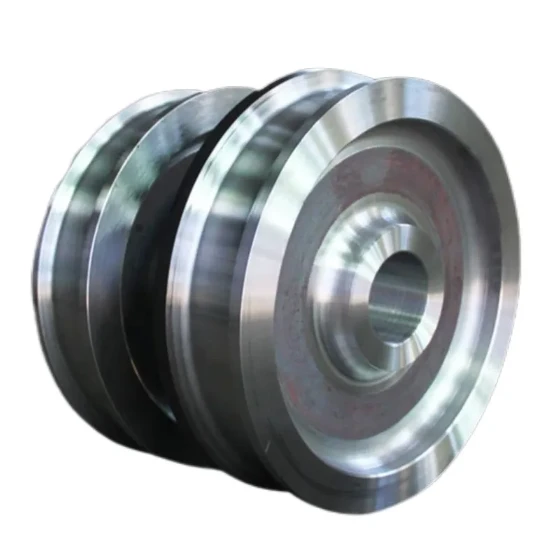
High-Quality Crane Wheels For Sale: Enhance Your Crane Operations
For industries relying on heavy lifting and material handling, investing in high-quality crane wheels for sale is crucial.
>
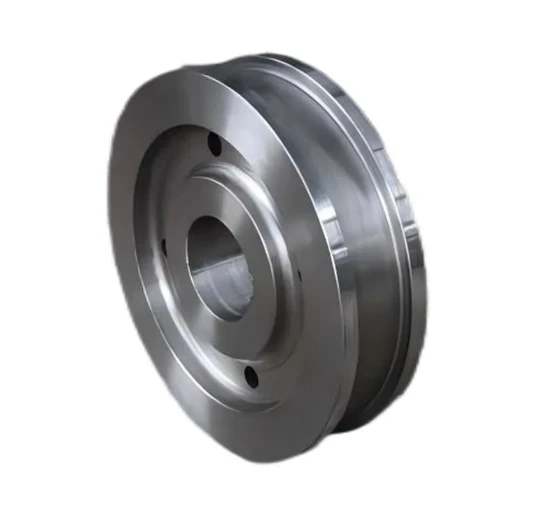
Durable Gantry Crane Wheels For Sale: Maximize Lifting Efficiency
For industries relying on heavy-duty lifting and material handling, selecting the right gantry crane wheels for sale is vital.
>
Reliable Tandem Drive Axles for Heavy-Duty Industrial Vehicles
Tandem Drive Axles: What I’ve Learned After Years in the Industrial Equipment Sector Ha
>
Reliable Semi Trailer Axles for Heavy-Duty Trailers | Expert Insight
Understanding semi trailer axles: The Backbone of Heavy Hauling Having spent more than a deca
>
RC Portal Axles: Industrial Strength and Custom Performance
RC Portal Axles: A Veteran’s Take on Industrial-Grade Performance Having spent over a d
>
Engineered for Excellence
Our forged solutions deliver reliability and performance, powering demanding industries to keep operations running smoothly.

Sign up
for Newsletter
Subscribe to the weekly newsletter for all the latest updates