- Tel: +86 311 82620404
- Cell: 86 -13739710551
- Email: sales@potentia.cn

Hi Rail Wheels: The Ultimate Guide to Hybrid Rail and Road Mobility Solutions
The Growing Importance of Hi Rail Wheels Across Industries
Hi rail wheels might sound niche, but their impact spans far beyond just railway yards. As specialized components that allow heavy vehicles to operate seamlessly on both rail tracks and highways, they play a crucial role globally—from construction mega-projects to rapid disaster relief logistics. Understanding what these wheels bring to the table matters because efficient hybrid mobility translates directly to cost savings, faster deployment, and reduced environmental tolls in transportation and industrial operations worldwide.
Why Hi Rail Wheels Matter on a Global Scale
Consider this: According to the International Rail Transport Committee, global freight rail networks move over 9.2 billion tonnes of goods annually. But the challenge has always been versatility—moving equipment and materials swiftly between rail and road can slow things down or drive up costs. Hi rail wheels solve this by letting vehicles “hop on and off” tracks without complicated switching. Globally, from resource extraction in Canada’s northern provinces to infrastructure rebuilding in Southeast Asia’s flood-prone zones, they enhance operational flexibility.
And when you factor in global sustainability standards like those from ISO, hi rail systems help reduce redundant shipments, optimizing fuel use and cutting emissions—a quiet but meaningful piece of the logistics puzzle.
Breaking Down Hi Rail Wheels: What Are They Exactly?
Put simply: hi rail wheels are special tires or wheels fitted onto standard road vehicles—think trucks or maintenance vehicles—that can lower a steel rail wheelset, allowing the vehicle to run on railway tracks. This dual capability lets the same truck operate on normal roads and then transition onto rails, supporting inspection, repair, or transport tasks without needing dedicated rail-only equipment.
This hybrid mobility bridges the gap between road and rail infrastructures, often vital in sectors like mining, emergency response, or railway maintenance where access and timing are everything.
Key Features Shaping Hi Rail Wheel Performance
Durability
Hi rail wheels face a tough combo: they travel on rugged roads and steel rails, so they must resist wear from both. Manufacturers often use heat-treated steel and reinforced tire materials to ensure longevity. Many engineers say this durability is a game changer in reducing maintenance cycles.
Safety
Because these wheels must securely lock onto tracks, safety mechanisms like fail-safe locking pins or hydraulic lifts are standard. This is non-negotiable since any slippage can risk derailment or accidents—which would be catastrophic on busy rail lines.
Cost Efficiency
While specialized, hi rail wheels reduce operational costs by removing the need for separate road and rail fleets. Companies can redeploy the same vehicles, cutting capital expenses and downtime.
Adaptability
Formats vary to fit different vehicle sizes and rail gauges, from narrow industrial tracks to standard mainline rails. Flexibility extends to braking systems and suspension setups adapted for dual-surface challenges.
Ease of Deployment
Quick switch mechanisms allow operators to engage or disengage rail mode without complicated tooling or excessive manual labor, speeding up job turnaround times.
Mini takeaway: In short, hi rail wheels combine rugged construction, safety features, and cost benefits to serve multiple industry needs efficiently.
Where in the World Are Hi Rail Wheels Making a Difference?
Their use is truly global, with some hotspots:
- North America: Rail maintenance trucks fitted with hi rail wheels keep sprawling freight lines running smoothly—vital given the continent’s dependence on bulk rail freight.
- Australia: Mining companies use them to shuttle heavy equipment from highways onto narrow rail sidings deep in remote outback mines.
- Europe: Emergency responders deploy hi rail equipped vehicles for fast disaster response in mountainous areas where infrastructures converge.
- Asia: Infrastructure projects in growing economies use these wheels to simplify logistics and reduce downtime.
For example, in post-disaster relief operations in Southeast Asia, hi rail vehicles deliver supplies directly along damaged tracks and into communities inaccessible by road alone. This saves vital hours and resources.
A Quick Look at Common Hi Rail Wheel Specifications
| Specification | Typical Range | Notes |
|---|---|---|
| Rail Gauge Compatibility | Standard (1435 mm), Narrow (1067 mm), Broad (1520 mm) | Varies by region and vehicle type |
| Maximum Vehicle Weight | Up to 35,000 kg | Supports heavy industrial trucks |
| Locking Mechanism | Hydraulic or manual locking pins | Ensures secure engagement with rails |
| Material | Heat-treated Steel with Rubber overmolds | Balances strength & cushioning |
| Deployment Time | Under 5 minutes | Measured from road to rail mode |
Comparing Leading Hi Rail Wheel Vendors
| Vendor | Product Range | Key Differentiator | Customer Focus |
|---|---|---|---|
| RailPro Systems | Standard & custom hi rail kits | Fast hydraulic deployment | Rail maintenance firms |
| DualTrack Innovations | Lightweight hi rail wheels | Focus on fuel efficiency | Mining & construction |
| TrackEase Ltd. | Full vehicle conversion kits | Turnkey solutions with training | Government agencies & NGOs |
Why Organizations Choose Hi Rail Wheels: Advantages & Long-Term Value
Beyond the obvious flexibility, these wheels deliver cost savings—less equipment, fewer transfers, and simpler maintenance. They’re also trusted for boosting safety by minimizing on-rail human interaction, a big deal in busy yards. On a social level, they support dignity during humanitarian missions by enabling timely delivery of essentials under challenging circumstances.
It’s also about innovation. Vehicles fitted with hi rail wheels often integrate sensors and monitoring tech, advancing smart railway infrastructure management. It’s like getting more data for smoother rides and fewer breakdowns.
Emerging Trends in Hi Rail Wheel Technology
Looking ahead, there’s momentum around eco-materials for lighter wheel assemblies, which helps reduce fuel consumption. Plus, automation is creeping in; imagine driverless rail vehicles switching on and off tracks with AI assistance. Governments are nudging green compliance too—smart hi rail wheels could connect with city-wide energy grids and rail control centers, making systems both cleaner and safer.
That said, the pace varies by region and investment level, but it’s clear this isn’t a static field.
Common Challenges & Practical Solutions
Hi rail wheels do face hurdles. Compatibility across varied rail gauges and vehicle types remains tricky. Also, wear from mixed surface use demands frequent checks. However, recent advances in modular design and predictive maintenance—using IoT sensors—help. Customization services are now more flexible, letting fleets adapt kits as projects evolve.
A few years ago, I heard from a maintenance crew that digital monitoring cut unexpected failures by half—brilliant for reducing downtime.
FAQ: Your Questions About Hi Rail Wheels Answered
Q1: How do hi rail wheels transition a vehicle from road to rail use?
A: Typically, the vehicle deploys a secondary set of steel rail wheels that lower onto the track, lifting the tires slightly off the rails. This is often controlled hydraulically or mechanically and can be done in under five minutes by a trained operator. The process ensures the vehicle can move securely on rails without tire wear or damage.
Q2: Are hi rail wheels compatible with all rail gauges?
A: Compatibility depends on the design. Manufacturers offer kits tailored to common gauges like standard (1435 mm), narrow (1067 mm), or broad (1520 mm). It’s crucial to consult the vendor to match wheelset gauges to your operating region’s rails to avoid safety issues.
Q3: Can hi rail-equipped vehicles be used in extreme weather conditions?
A: Yes, many hi rail wheels are built with weather-resistant materials and locking mechanisms tested to withstand snow, rain, and mud. However, routine inspections remain necessary, especially in harsh environments, to ensure safety and performance.
Q4: What maintenance is required for hi rail wheels?
A: Regular inspections for wear, lubrication of moving parts, and checks of locking systems are standard. Many operators integrate sensor-based condition monitoring which alerts crews to any emerging issues, minimizing costly repairs.
Mini takeaway: Quick deployment, proper compatibility, and regular maintenance keep hi rail wheels reliable and versatile.
Wrapping It Up: Why Hi Rail Wheels Are Worth the Investment
In an increasingly interconnected world, hi rail wheels offer an elegant solution bridging road and rail—the best of both worlds. They reduce logistics bottlenecks, improve safety, and increasingly incorporate sustainability into their design. Whether you’re a rail operator, a miner, or an NGO delivering relief supplies, these wheels empower you with flexibility, efficiency, and trust.
Interested in exploring hi rail wheel options or looking for tailored solutions? Visit our dedicated resource at manufacturing-base.com for expert guidance and vendor connections.
References
- Wikipedia: Hi-rail vehicle
- International Organization for Standardization (ISO)
- Railway Age Industry Reports
Frequently searched term: hi rail wheels
-
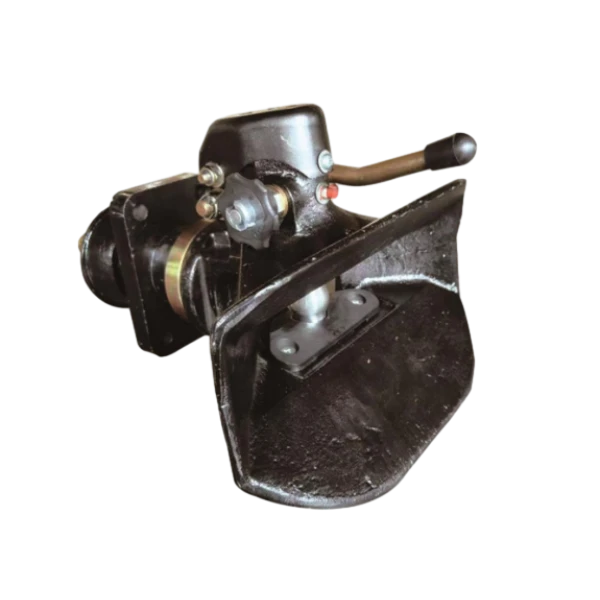 Trailer Coupling
The trailer coupling is a critical component in vehicle towing systems, designed to ensure a secure and efficient connection between a towing vehicle and a trailer. These couplings are manufactured using high-strength carbon steel, alloy steel, or stainless steel, ensuring durability and resistance to heavy loads and harsh environments.
-
 Drawbar Eyes
Drawbar eyes are essential components in towing and hauling applications, providing a strong and secure attachment point between the trailer and the towing vehicle. They are designed to endure extreme pulling forces, making them suitable for heavy-duty applications.
-
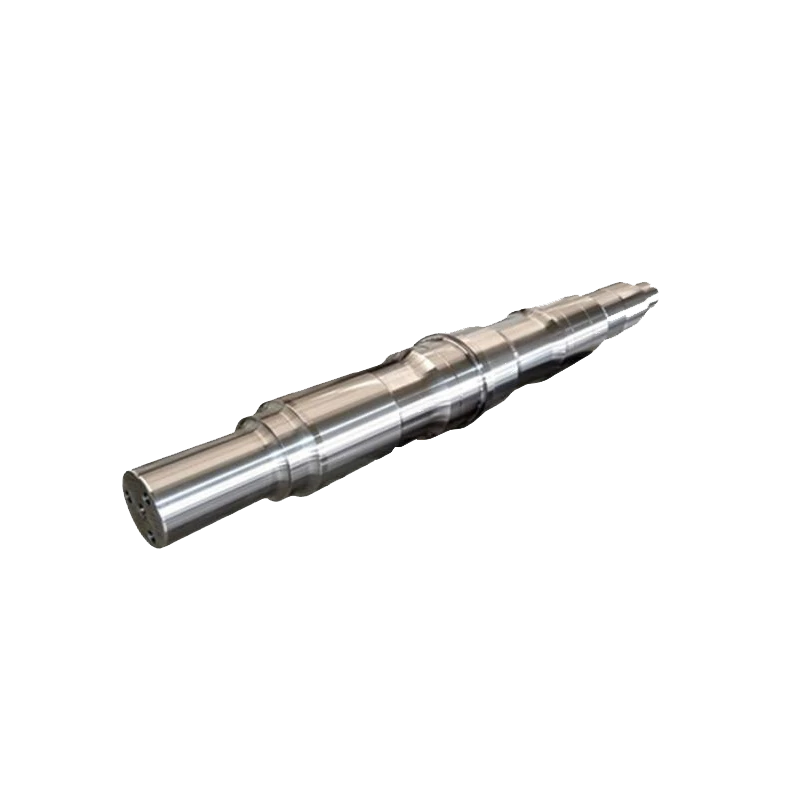 Axles
AxlesAxles are essential for vehicle load-bearing and power transmission, ensuring smooth movement and weight distribution. They must withstand high stress, torque, and impact, making material selection and precise manufacturing crucial.
-
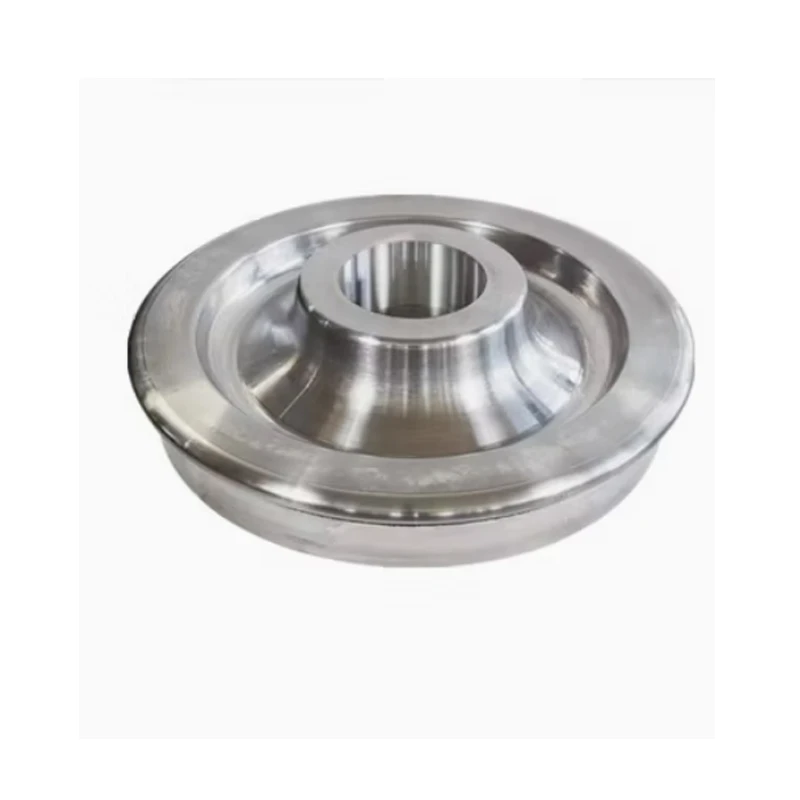 Profile S1002 Series Rail Wheels
The S1002 series rail wheels are designed for Rail-Road Vehicles (RRVs) that require seamless operation on both roads and railway tracks. Engineered with high precision and durability, these wheels conform to S1002 tread profiles, ensuring compatibility with standard railway systems.
A Comprehensive Guide to Axles Types for Industry Decision Makers | Manufacturing Base
Axles Types is a key solution in the industry, specifically within heavy machinery and transportation sectors. This article explores how https://www.manufacturing-base.com supports professionals with durable, high-performance products
>
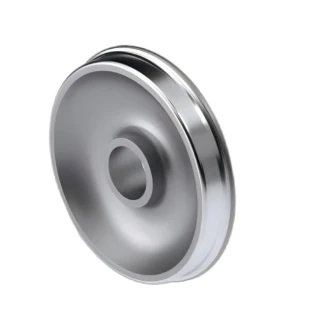
Reliable Rail Wheels: Optimize Your Rail Transport Solutions
For industries that rely on rail-based vehicles, choosing the right rail wheels is essential for smooth operations and safety.
>
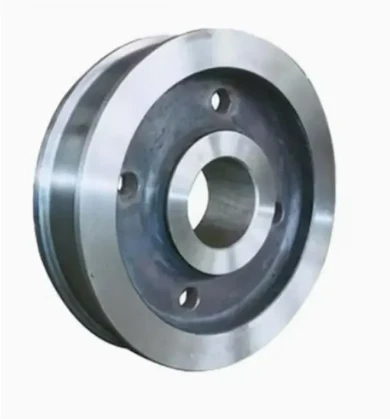
Premium Overhead Crane Wheels For Sale: Enhance Industrial Lifting Efficiency
In modern industrial operations, high-quality overhead crane wheels for sale are essential for safe, reliable, and efficient lifting.
>
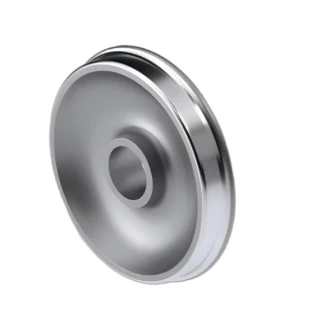
Premium Hi Rail Wheels For Sale: Boost Rail Vehicle Performance
In the modern industrial and railway sectors, having reliable hi rail wheels for sale is essential for operational efficiency and safety.
>
High-Quality Hi Rail Wheels For Sale: Enhance Your Rail Equipment Efficiency
When it comes to reliable rail maintenance and industrial operations, investing in hi rail wheels for sale is crucial.
>
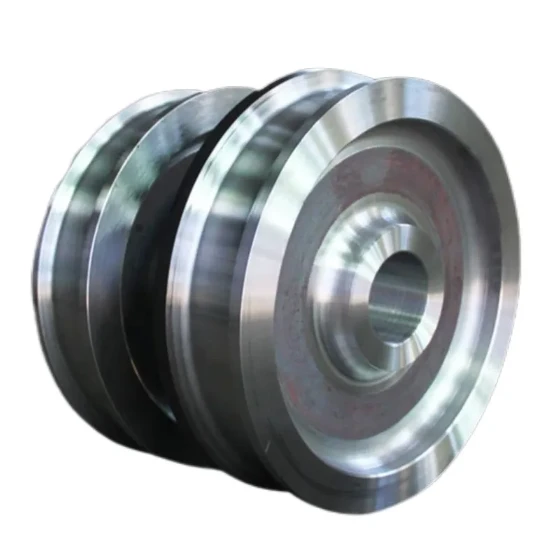
High-Quality Crane Wheels For Sale: Enhance Your Crane Operations
For industries relying on heavy lifting and material handling, investing in high-quality crane wheels for sale is crucial.
>
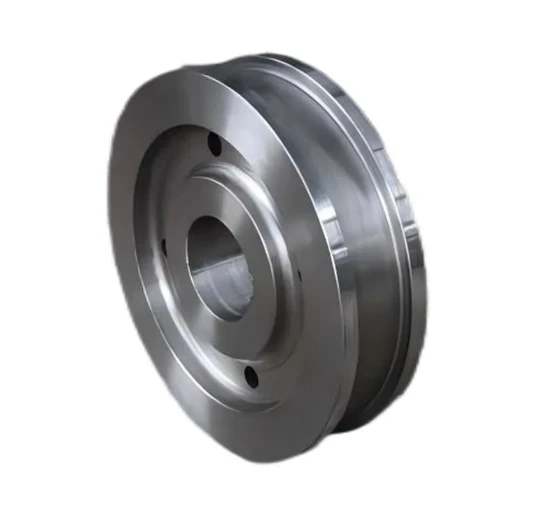
Durable Gantry Crane Wheels For Sale: Maximize Lifting Efficiency
For industries relying on heavy-duty lifting and material handling, selecting the right gantry crane wheels for sale is vital.
>
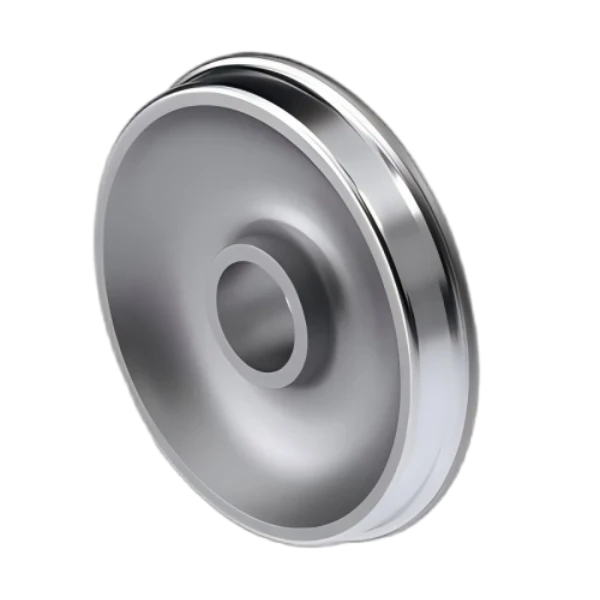
Reliable Tandem Drive Axles for Heavy-Duty Industrial Vehicles
Tandem Drive Axles: What I’ve Learned After Years in the Industrial Equipment Sector Ha
>
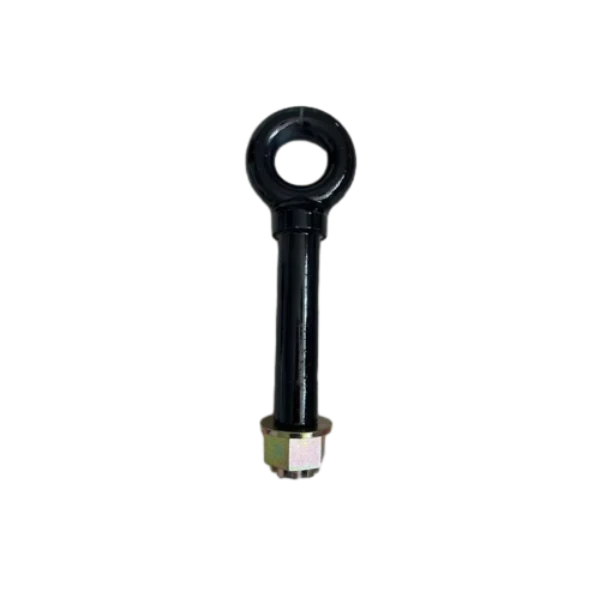
Reliable Semi Trailer Axles for Heavy-Duty Trailers | Expert Insight
Understanding semi trailer axles: The Backbone of Heavy Hauling Having spent more than a deca
>
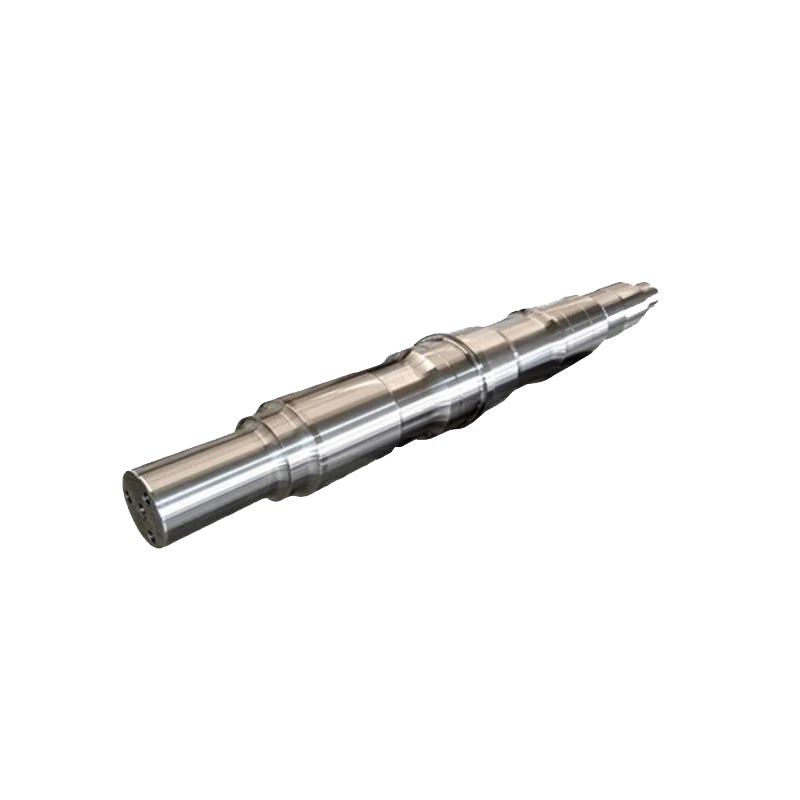
RC Portal Axles: Industrial Strength and Custom Performance
RC Portal Axles: A Veteran’s Take on Industrial-Grade Performance Having spent over a d
>
Engineered for Excellence
Our forged solutions deliver reliability and performance, powering demanding industries to keep operations running smoothly.

Sign up
for Newsletter
Subscribe to the weekly newsletter for all the latest updates