- Tel: +86 311 82620404
- Cell: 86 -13739710551
- Email: sales@potentia.cn

High-Quality Mine Cart Wheels for Sale | Durable & Reliable
Optimizing Material Handling: The Critical Role of Mine Cart Wheels
In the demanding environments of mining, quarrying, and heavy industrial operations, the efficiency and safety of material transport systems are paramount. At the core of these systems are mine cart wheels, engineered components designed to withstand extreme loads, abrasive conditions, and continuous operation. These specialized wheels are not merely accessories but fundamental elements that determine the longevity, operational cost, and safety performance of entire material handling fleets. From subterranean coal mines to open-pit metallic ore extractions, the selection of appropriate wheel technology directly impacts productivity. This comprehensive guide delves into the technical intricacies, manufacturing excellence, and strategic advantages offered by high-performance mine cart wheel solutions, ensuring that industrial operators can make informed decisions to optimize their logistical frameworks and minimize downtime.
Precision Engineering: The Manufacturing Process of Mine Cart Wheels
The production of robust mine cart wheels involves a meticulously controlled manufacturing process, ensuring each wheel meets stringent performance and durability requirements. Typically, these wheels begin as high-grade alloy steels, such as ASTM A148 Gr. 80-50, SAE 1045, or specialized hardened steel, chosen for their superior tensile strength and wear resistance. The primary manufacturing methods include forging and casting, often followed by precision CNC machining. Forging provides exceptional material grain structure and enhanced mechanical properties, ideal for heavy-duty applications, while casting allows for complex geometries and cost-effective production for certain wheel types. Post-forming, wheels undergo heat treatment processes like quenching and tempering to achieve the desired hardness (e.g., 280-350 BHN for the tread) and ductility, preventing brittle failure under impact loads.
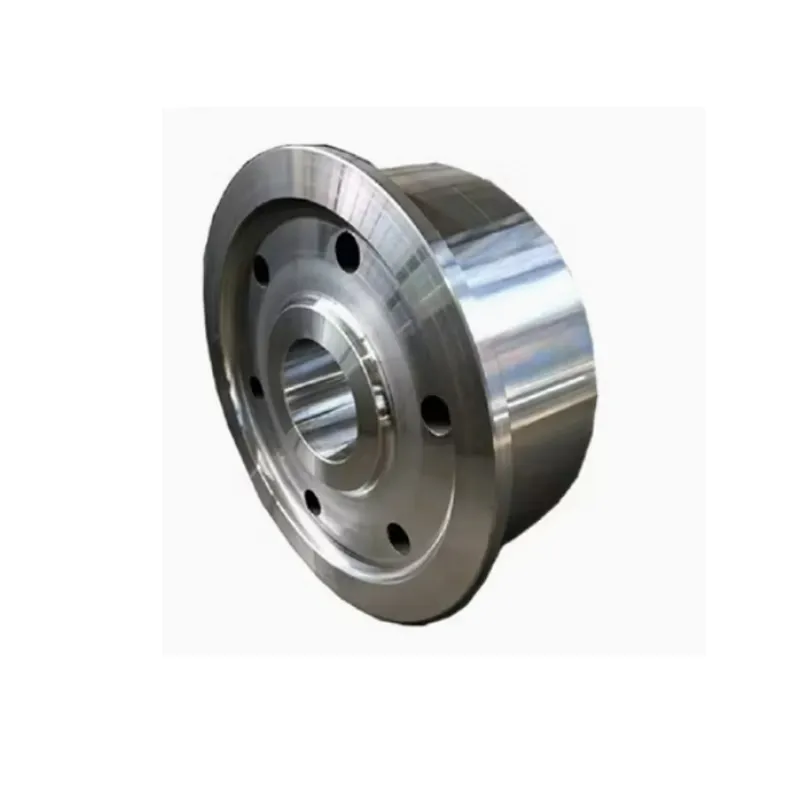
Quality control is integrated at every stage, from raw material inspection via spectrographic analysis to final dimensional verification using CMM (Coordinate Measuring Machine) technology. Non-destructive testing (NDT) methods such as ultrasonic testing (UT) and magnetic particle inspection (MPI) are routinely employed to detect internal defects and surface cracks, ensuring structural integrity. All manufacturing and inspection protocols adhere strictly to international standards such as ISO 9001, ANSI/AGMA, and ASTM, providing verifiable assurance of product quality. This rigorous approach not only extends the operational lifespan of the mine cart wheels but also contributes to reduced maintenance frequencies and enhanced safety across mining, petrochemical, and metallurgical industries.
Technical Specifications and Performance Metrics
The performance of a mine cart wheel is defined by a range of critical technical parameters that directly impact its suitability for specific operational demands. These specifications include wheel diameter, bore diameter, flange width, tread width, and load capacity. For instance, larger wheel diameters generally allow for smoother travel over uneven tracks and reduce rolling resistance, while specific flange designs are crucial for track retention and derailment prevention, especially on curves. Material hardness on the tread, measured in Brinell Hardness (BHN), is a key indicator of wear resistance. Companies looking for mine cart wheels for sale must scrutinize these specifications to ensure compatibility and optimal performance for their existing rail systems and operational payloads.
Typical Mine Cart Wheel Parameters
| Parameter | Unit | Typical Range / Value | Significance |
|---|---|---|---|
| Wheel Diameter (Outer) | mm / inch | 200 - 900 mm (8 - 36 in) | Influences speed, rolling resistance, and track compatibility. |
| Tread Hardness | BHN | 280 - 350 BHN (up to 400+ BHN for specific applications) | Directly impacts wear life and resistance to abrasion. |
| Maximum Static Load Capacity | Metric Tons (MT) / lbs | 5 - 50 MT per wheel (11,000 - 110,000 lbs) | Crucial for safety and preventing material fatigue. |
| Material Grade | Standard | AISI 1045, SAE 1050, ASTM A148 Gr. 80-50, etc. | Determines strength, toughness, and machinability. |
| Flange Thickness | mm / inch | 20 - 70 mm (0.8 - 2.75 in) | Ensures track guidance and prevents derailment. |
| Bore Type | N/A | Straight, Tapered, Keyed, Splined | Dictates axle connection and power transmission. |
Understanding these specifications is vital for engineers and procurement specialists. An underestimated load capacity can lead to premature failure and operational stoppages, while an incorrectly specified bore can lead to incompatibility with existing axles. The use of advanced materials, such as those with improved corrosion resistance, can significantly extend the lifespan of a mine cart wheel in highly corrosive environments, such as those found in chemical processing or certain mining operations, leading to substantial cost savings over time.
Versatile Applications and Strategic Advantages
Mine cart wheels are indispensable across a broad spectrum of heavy industries beyond traditional mining. Their robust design and ability to handle immense loads make them ideal for applications in metallurgy (e.g., steel mills, foundries for ladle cars), port logistics (for gantry cranes and transfer carts), power generation (for coal handling systems), and construction (for concrete batching plant hoppers). In specific scenarios, such as the transport of abrasive materials like iron ore or granite, selecting a mine cart wheel with superior abrasion resistance, often achieved through specialized heat treatments or surface coatings, directly translates to reduced wear and tear on the wheel tread. This not only extends the wheel's service life but also minimizes energy consumption due to lower friction coefficients.
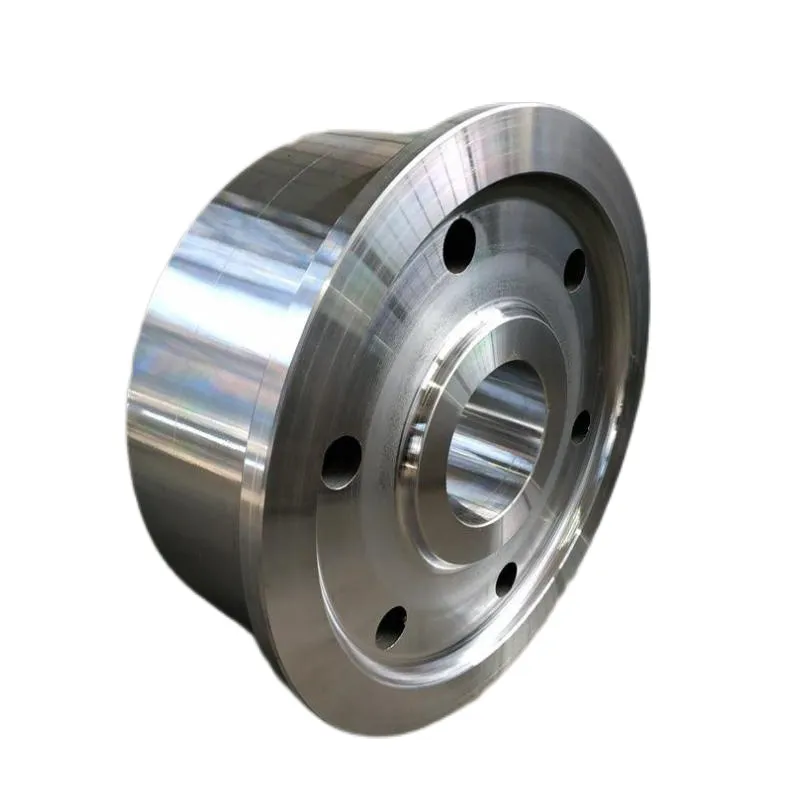
Beyond durability, modern mine cart wheels can offer significant operational advantages. For instance, precision-engineered wheel assemblies featuring high-quality bearings and optimized tread profiles contribute to energy savings by reducing rolling resistance, which is a critical factor for electrically powered systems. Furthermore, enhanced corrosion resistance, achieved through specific alloy compositions or protective coatings, ensures reliable performance in harsh, chemically aggressive environments common in petrochemical facilities or wastewater treatment plants. These features not only safeguard operational continuity but also align with environmental sustainability goals by extending product life and reducing the frequency of replacements and associated waste.
Tailored Solutions: Customization and Design Flexibility
While standard mine cart wheels for sale cater to many common applications, specific operational challenges often necessitate customized solutions. Leading manufacturers offer comprehensive design and engineering services to produce bespoke wheels tailored to unique load requirements, track gauges, environmental conditions, and integration with existing machinery. This includes variations in material composition for enhanced toughness or corrosion resistance, specialized heat treatments for specific hardness profiles, and custom hub designs for seamless axle integration. Such customization ensures optimal performance and extended lifespan, particularly in non-standard or highly specialized industrial setups where off-the-shelf solutions may fall short.
The ability to provide a custom mine cart wheel solution is a hallmark of an expert supplier. This involves a collaborative process where client-specific challenges are analyzed, and engineering teams leverage advanced CAD/CAM software and finite element analysis (FEA) to simulate performance under anticipated stress loads. This proactive design approach mitigates risks, optimizes material usage, and ensures the delivered product precisely meets the client's needs, often resulting in superior operational efficiency and a lower total cost of ownership. For example, a customer operating in extremely low temperatures might require a wheel manufactured from a steel alloy with enhanced low-temperature impact resistance to prevent brittle fracture.
Selecting Your Supplier: Key Considerations for Mine Cart Wheels
When sourcing mine cart wheels, selecting a reputable manufacturer is as crucial as the product specifications themselves. A reliable supplier should demonstrate a proven track record, extensive industry experience (e.g., 20+ years in industrial component manufacturing), and robust quality certifications like ISO 9001. Transparency in their manufacturing processes, adherence to international standards (e.g., DIN, JIS, API, ASME), and capabilities for in-house testing (e.g., hardness, ultrasonic, metallurgical analysis) are strong indicators of authoritative expertise and trustworthiness. Evaluating a supplier's engineering support, their ability to provide custom solutions, and their post-sale service commitment can significantly mitigate risks and ensure long-term operational success for the end-user.
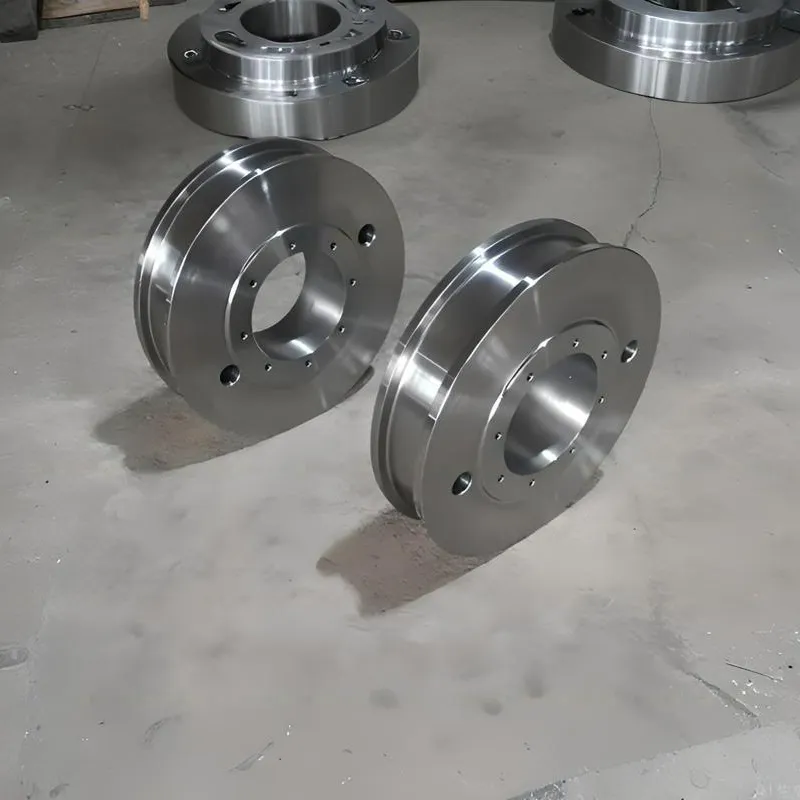
Furthermore, consider the supplier's commitment to continuous improvement and innovation. Leading manufacturers often invest in research and development to enhance material properties, refine manufacturing techniques, and explore new coating technologies, leading to more durable and efficient mine cart wheels. Inquire about their typical delivery cycles, which can range from 4-6 weeks for standard products to 10-14 weeks for highly customized orders, depending on complexity and material availability. A supplier offering robust warranties and comprehensive customer support, including technical assistance and spare parts availability, provides an additional layer of assurance, reflecting their confidence in product quality and commitment to client satisfaction.
Frequently Asked Questions (FAQ) about Mine Cart Wheels
Q1: What materials are typically used for mine cart wheels?
A: Mine cart wheels are commonly manufactured from high-strength alloy steels, such as AISI 1045, SAE 1050, or specialized grades like ASTM A148 Gr. 80-50. These materials are selected for their excellent wear resistance, high tensile strength, and toughness, especially after appropriate heat treatment processes like quenching and tempering. For specific corrosive environments, stainless steel variants or wheels with specialized coatings may be utilized to enhance longevity.
Q2: How do I determine the correct load capacity for a mine cart wheel?
A: Determining the correct load capacity for a mine cart wheel involves calculating the maximum anticipated weight of the loaded cart and distributing it across the number of wheels. It is critical to account for dynamic loads, impact forces, and potential imbalances. Consulting with a wheel manufacturer's engineering team, providing detailed specifications of your cart, its intended use, and maximum payload, is highly recommended to ensure proper sizing and prevent premature wheel failure.
Q3: What is the typical service life of a mine cart wheel?
A: The service life of a mine cart wheel varies significantly based on factors such as material quality, manufacturing precision, operational load, environmental conditions (abrasion, corrosion), and maintenance practices. A well-engineered wheel, correctly specified for its application and maintained properly, can last for several years, often exceeding 5-10 years in typical operations. Regular inspection and timely replacement of worn-out wheels are crucial for maximizing the overall lifespan of the material handling system and ensuring safety.
Delivery, Warranty, and Customer Support
Reliable logistics and strong post-sales support are integral to the value proposition of mine cart wheels for sale. Reputable suppliers typically offer competitive delivery cycles, often ranging from 6-8 weeks for standard components and extending up to 14 weeks for highly customized or large-volume orders, depending on material sourcing and production queue. Customers are provided with clear delivery schedules and tracking updates to facilitate seamless integration into their project timelines. A standard warranty period, often 12 to 24 months from the date of installation or shipment, is typically provided, covering manufacturing defects and material failures under normal operating conditions.
Comprehensive customer support is a critical component of trustworthiness. This includes access to technical experts for installation guidance, troubleshooting, and maintenance advice. Furthermore, efficient spare parts availability and replacement services minimize downtime, ensuring operational continuity. A dedicated customer service team capable of addressing inquiries promptly and effectively is essential for maintaining strong client relationships and supporting the long-term performance of industrial assets. This commitment reflects a manufacturer's confidence in their product quality and their dedication to client success, which is paramount when investing in critical components like industrial mine cart wheel assemblies.
Conclusion
The performance of material handling systems in heavy industries hinges critically on the quality and engineering precision of mine cart wheels. By understanding the intricate manufacturing processes, adhering to rigorous technical specifications, and selecting suppliers committed to quality, customization, and comprehensive support, industrial operators can significantly enhance operational efficiency, ensure safety, and reduce long-term maintenance costs. Investing in high-quality mine cart wheel solutions is not merely a procurement decision but a strategic move towards achieving greater reliability and productivity in the most challenging industrial environments.
References
- American Society for Testing and Materials (ASTM) Standards for Steel Castings.
- International Organization for Standardization (ISO) 9001: Quality Management Systems – Requirements.
- AGMA (American Gear Manufacturers Association) Standards for Gearing and Mechanical Power Transmission.
- Journal of Materials Processing Technology, Volume XX, Issue Y, "Advanced Forging Techniques for High-Performance Industrial Components."
- Proceedings of the International Conference on Mining and Metallurgy, "Optimization of Rolling Stock for Underground Mining Operations."
-
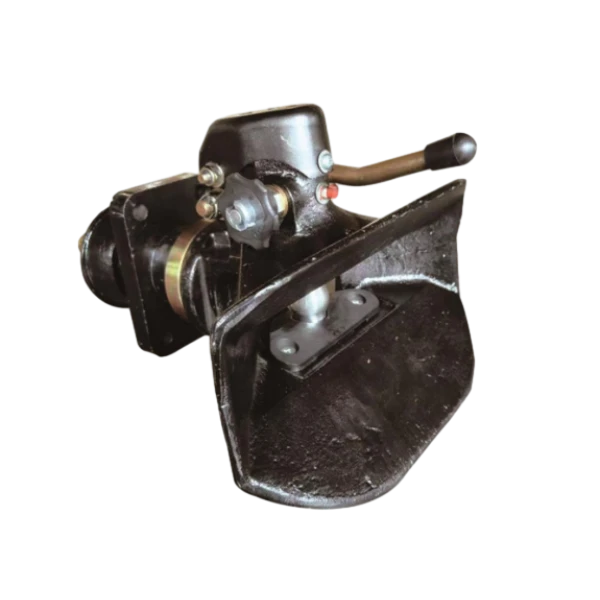 Trailer Coupling
The trailer coupling is a critical component in vehicle towing systems, designed to ensure a secure and efficient connection between a towing vehicle and a trailer. These couplings are manufactured using high-strength carbon steel, alloy steel, or stainless steel, ensuring durability and resistance to heavy loads and harsh environments.
-
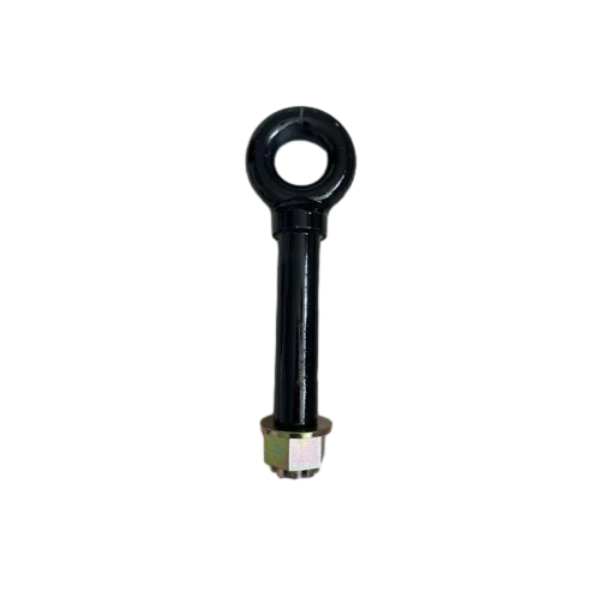 Drawbar Eyes
Drawbar eyes are essential components in towing and hauling applications, providing a strong and secure attachment point between the trailer and the towing vehicle. They are designed to endure extreme pulling forces, making them suitable for heavy-duty applications.
-
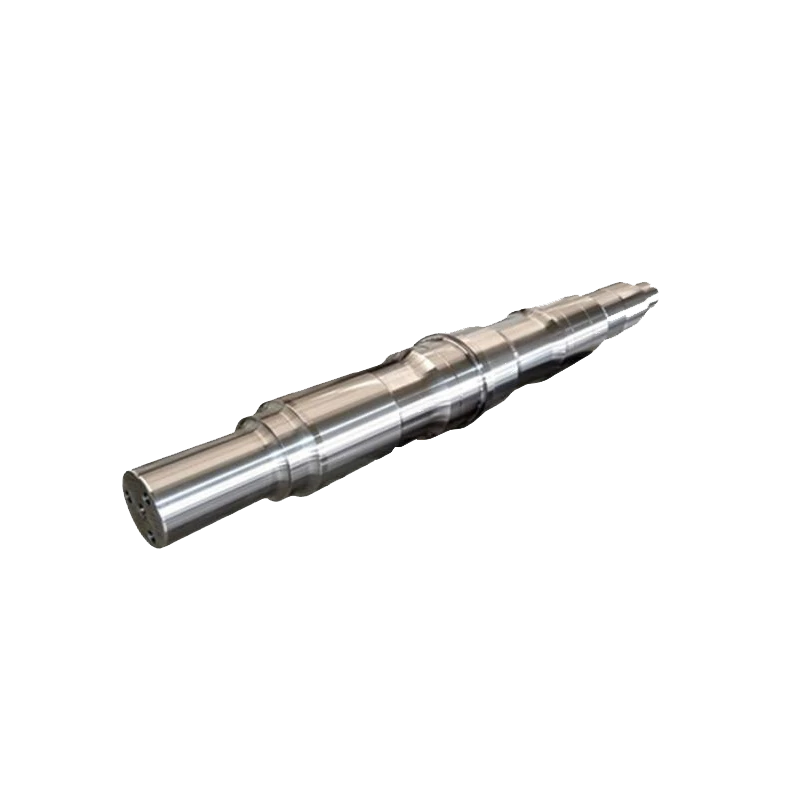 Axles
AxlesAxles are essential for vehicle load-bearing and power transmission, ensuring smooth movement and weight distribution. They must withstand high stress, torque, and impact, making material selection and precise manufacturing crucial.
-
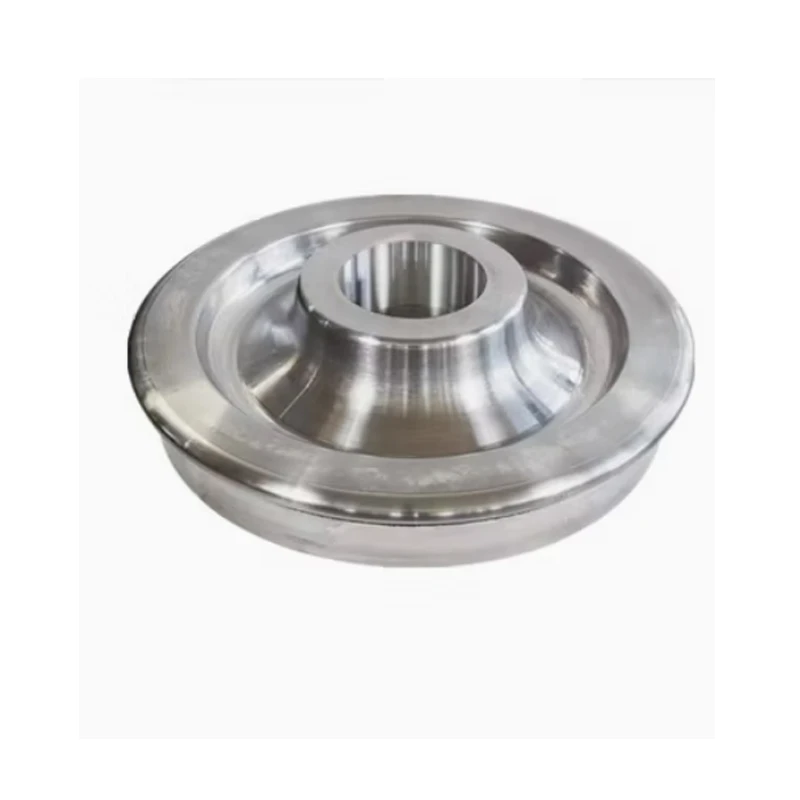 Profile S1002 Series Rail Wheels
The S1002 series rail wheels are designed for Rail-Road Vehicles (RRVs) that require seamless operation on both roads and railway tracks. Engineered with high precision and durability, these wheels conform to S1002 tread profiles, ensuring compatibility with standard railway systems.
A Comprehensive Guide to Axles Types for Industry Decision Makers | Manufacturing Base
Axles Types is a key solution in the industry, specifically within heavy machinery and transportation sectors. This article explores how https://www.manufacturing-base.com supports professionals with durable, high-performance products
>
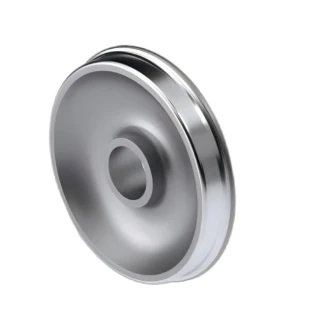
Reliable Rail Wheels: Optimize Your Rail Transport Solutions
For industries that rely on rail-based vehicles, choosing the right rail wheels is essential for smooth operations and safety.
>
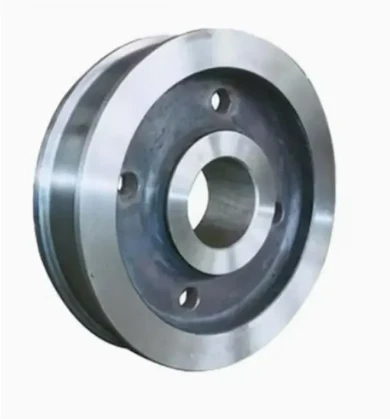
Premium Overhead Crane Wheels For Sale: Enhance Industrial Lifting Efficiency
In modern industrial operations, high-quality overhead crane wheels for sale are essential for safe, reliable, and efficient lifting.
>
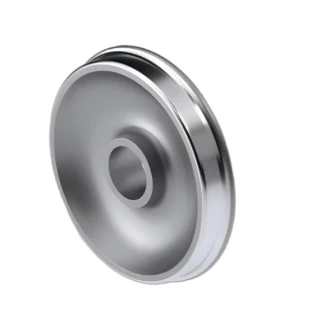
Premium Hi Rail Wheels For Sale: Boost Rail Vehicle Performance
In the modern industrial and railway sectors, having reliable hi rail wheels for sale is essential for operational efficiency and safety.
>
High-Quality Hi Rail Wheels For Sale: Enhance Your Rail Equipment Efficiency
When it comes to reliable rail maintenance and industrial operations, investing in hi rail wheels for sale is crucial.
>
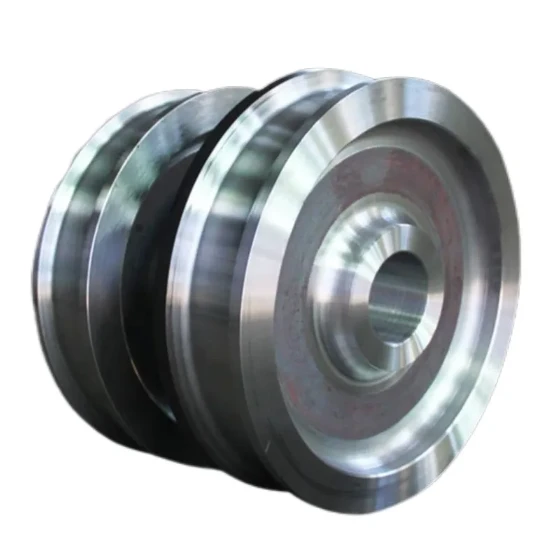
High-Quality Crane Wheels For Sale: Enhance Your Crane Operations
For industries relying on heavy lifting and material handling, investing in high-quality crane wheels for sale is crucial.
>
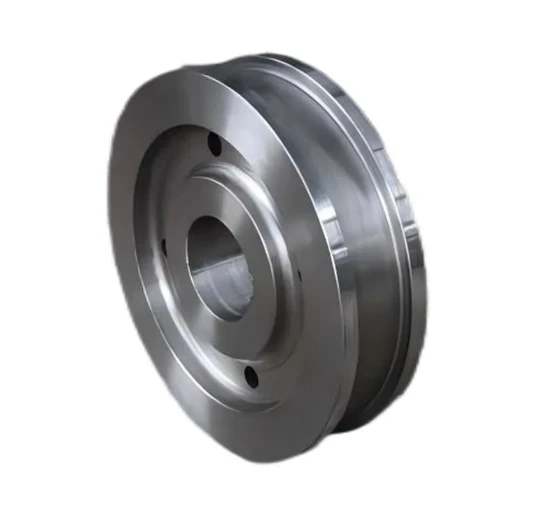
Durable Gantry Crane Wheels For Sale: Maximize Lifting Efficiency
For industries relying on heavy-duty lifting and material handling, selecting the right gantry crane wheels for sale is vital.
>
Reliable Tandem Drive Axles for Heavy-Duty Industrial Vehicles
Tandem Drive Axles: What I’ve Learned After Years in the Industrial Equipment Sector Ha
>
Reliable Semi Trailer Axles for Heavy-Duty Trailers | Expert Insight
Understanding semi trailer axles: The Backbone of Heavy Hauling Having spent more than a deca
>
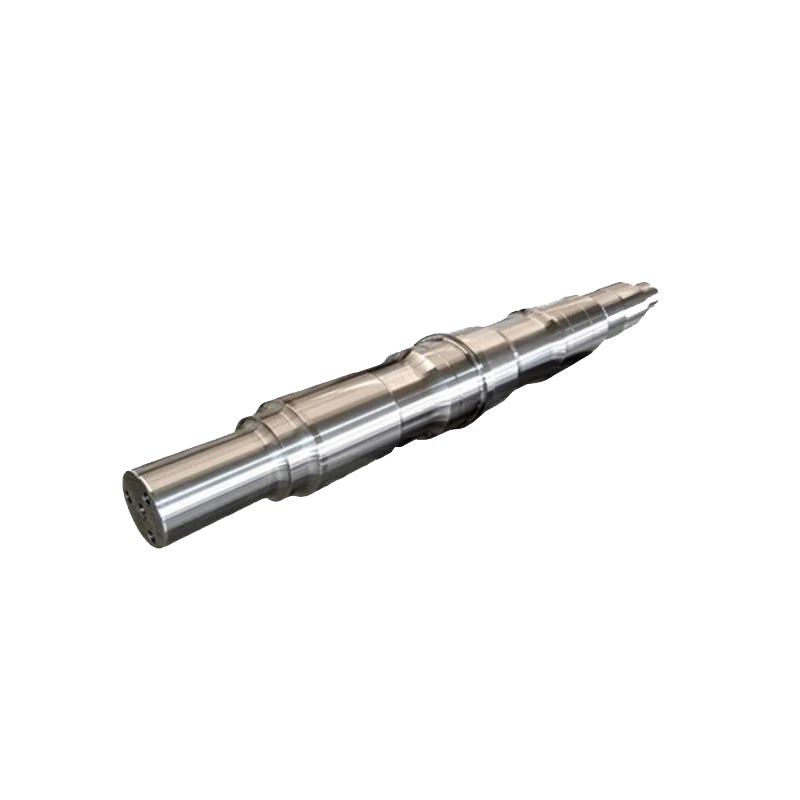
RC Portal Axles: Industrial Strength and Custom Performance
RC Portal Axles: A Veteran’s Take on Industrial-Grade Performance Having spent over a d
>
Engineered for Excellence
Our forged solutions deliver reliability and performance, powering demanding industries to keep operations running smoothly.

Sign up
for Newsletter
Subscribe to the weekly newsletter for all the latest updates