- Tel: +86 311 82620404
- Cell: 86 -13739710551
- Email: sales@potentia.cn

Durable Trailer Couplings: 4x4, Box, Truck & Black Options
Understanding Advanced Trailer Coupling Systems in Modern Logistics and Industry
In the demanding landscape of modern industrial operations and commercial logistics, the efficiency and safety of towing equipment hinge significantly on the integrity of its core components. Among these, the trailer coupling stands as a critical interface, ensuring a secure and reliable connection between the prime mover and the towed unit. Industry trends indicate a persistent demand for couplings that not only meet baseline safety standards but also offer enhanced durability, reduced maintenance, and superior performance under extreme conditions. The evolution of materials science and precision engineering has transformed these essential components, leading to systems that provide unparalleled strength, flexibility, and longevity, crucial for applications ranging from heavy-duty cargo transport to specialized industrial tasks.
The market is witnessing a shift towards smart couplings integrated with sensors for real-time monitoring of load, wear, and connection status, reflecting a broader movement towards IoT and predictive maintenance in industrial equipment. Furthermore, advancements in surface treatments and material composites are addressing long-standing challenges like corrosion and abrasion, extending the operational life of these vital components. This comprehensive overview delves into the intricate details of trailer coupling technology, from its manufacturing genesis to its diverse applications, providing insights crucial for B2B decision-makers seeking optimal performance and reliability in their operations.
Precision Manufacturing: The Core of Trailer Coupling Durability
The robust performance of a modern trailer coupling begins with a meticulously controlled manufacturing process, utilizing high-grade materials and advanced fabrication techniques. Typically, high-strength alloy steels, such as 42CrMo or similar structural steels, are chosen for their superior tensile strength and fatigue resistance, critical for absorbing dynamic loads encountered during towing. The manufacturing journey often commences with either precision casting or hot forging, each method tailored to achieve specific mechanical properties. Forging, involving the shaping of metal through localized compressive forces, creates a denser grain structure, significantly enhancing the component's strength and impact resistance, making it ideal for heavy-duty applications like a truck trailer coupling.
Following the initial shaping, components undergo precise CNC machining to achieve exact dimensions and tight tolerances, ensuring optimal fit and function. Heat treatment processes, including quenching and tempering, are then applied to further refine the material's microstructure, imparting exceptional hardness and wear resistance while maintaining ductility. Surface treatments, such as galvanization, powder coating, or electrophoresis, provide crucial protection against corrosion, particularly vital for applications exposed to harsh environments, contributing to the longevity of components like a black trailer coupling. Throughout these stages, stringent quality control measures, adhering to international standards like ISO 9001 and ANSI specifications, are implemented. Non-destructive testing (NDT) methods, including ultrasonic testing and magnetic particle inspection, are routinely used to detect any internal flaws, guaranteeing the structural integrity and long-term reliability of the final product. A properly manufactured trailer coupling can boast a service life exceeding 10-15 years under typical operating conditions.
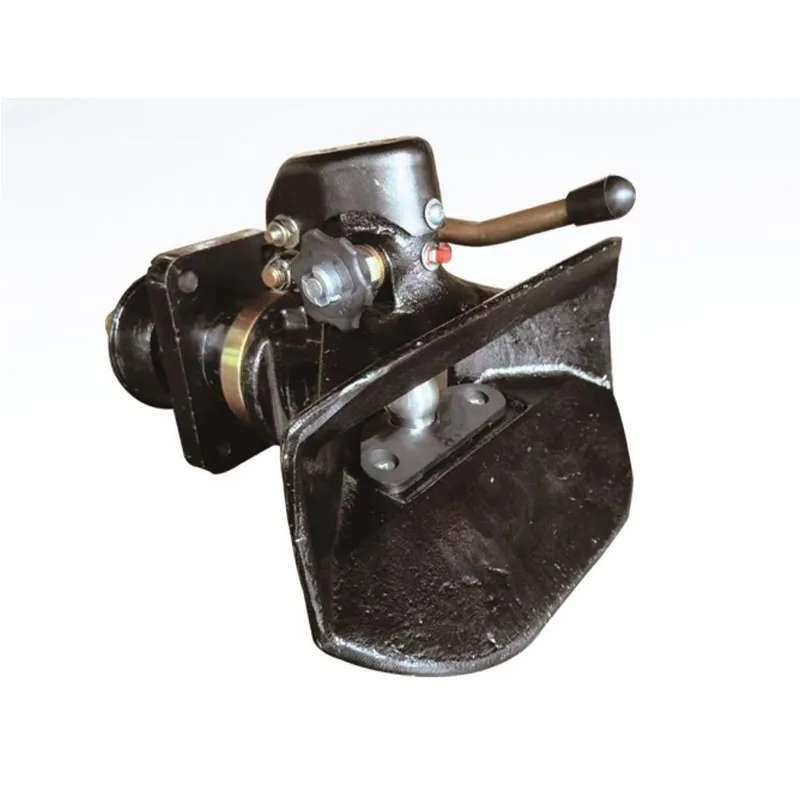
Key Technical Parameters and Performance Metrics
Selecting the appropriate trailer coupling requires a thorough understanding of its technical specifications, which dictate its suitability for specific applications and operational demands. These parameters are meticulously engineered to ensure safety, efficiency, and compatibility across various towing scenarios, from light utility trailers to heavy-haul logistics. Below is a detailed table outlining critical parameters for various types of trailer couplings, reflecting the diverse requirements of the industry.
These parameters are critical for ensuring not only legal compliance but also operational safety and efficiency. For example, a 4x4 trailer coupling designed for off-road use often features higher articulation angles and enhanced corrosion resistance compared to a standard box trailer coupling intended for paved roads. Engineers and procurement specialists must carefully evaluate these specifications against their specific application requirements to prevent premature failure, improve asset utilization, and ensure the safety of personnel and cargo.
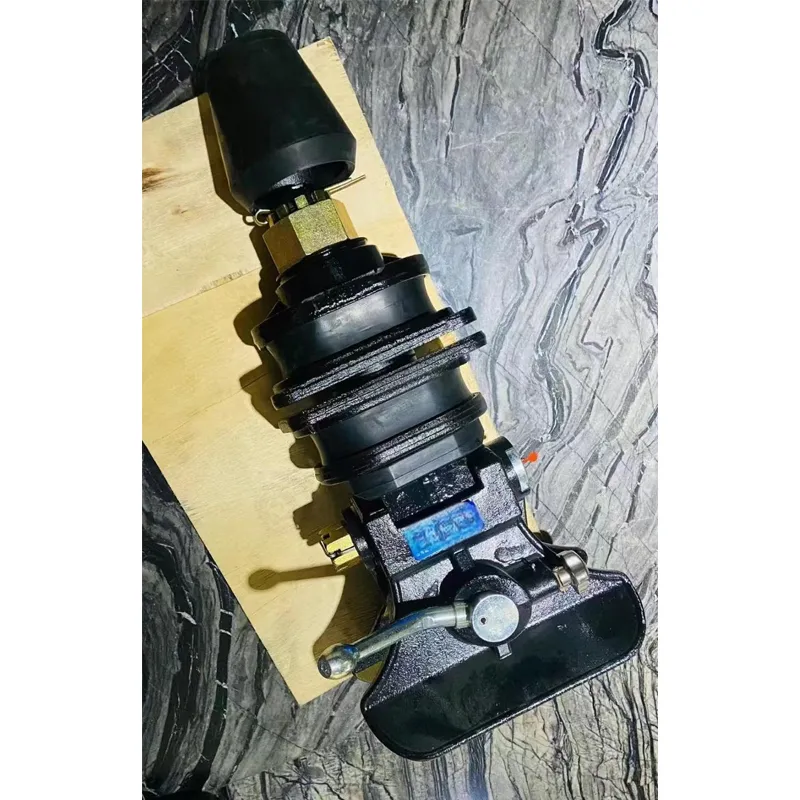
Diverse Application Scenarios and Industry Advantages
The versatility of the trailer coupling is demonstrated by its ubiquitous presence across a myriad of industrial sectors and logistical operations. In the petrochemical industry, specialized couplings are essential for safely transporting hazardous materials, where their corrosion resistance and robust sealing mechanisms prevent leaks and ensure compliance with strict environmental and safety regulations. Similarly, the metallurgy sector relies on heavy-duty trailer couplings for moving molten metal ladles, slag pots, and other high-temperature equipment, demanding exceptional heat tolerance and load-bearing capacity.
Within municipal and industrial water supply and drainage systems, couplings facilitate the transport of large pipes, pumps, and treatment modules, often requiring anti-corrosion properties due to exposure to moisture and chemicals. The construction industry frequently employs durable trailer couplings on excavators, bulldozers, and other heavy machinery for moving equipment between sites, highlighting the need for robust designs capable of withstanding rough terrain and constant vibrations. For off-road and recreational use, the 4x4 trailer coupling, known for its superior articulation and rugged construction, is indispensable for towing campers, boats, and utility trailers across challenging landscapes, offering enhanced stability and control. The inherent anti-corrosion features, often seen in a black trailer coupling with specialized coatings, contribute significantly to energy savings by reducing friction and drag, thereby improving fuel efficiency of the towing vehicle, and extending the lifespan of connecting components.
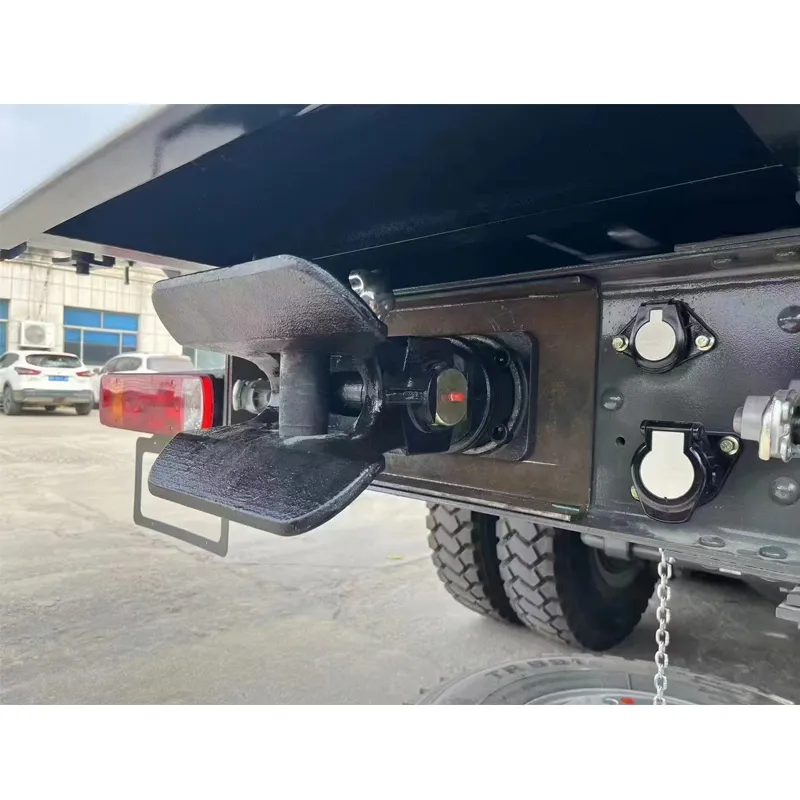
Technical Superiority and Innovative Features
Modern trailer coupling designs incorporate several technical advantages that differentiate them from traditional counterparts, ensuring enhanced safety, reliability, and ease of use. A primary innovation lies in the advanced locking mechanisms, which often feature multi-point engagement and visual indicators to confirm a secure connection, drastically reducing the risk of accidental detachment during transit. This is particularly crucial for a truck trailer coupling where heavy loads and high speeds are common.
Furthermore, the integration of dampening systems, such as polyurethane bushes or spring-loaded designs, helps to absorb road shocks and vibrations, protecting both the trailer and the towing vehicle from undue stress and extending the lifespan of both. This also contributes to a smoother ride and improved cargo stability. Surface treatment technologies, beyond basic galvanization, include processes like electrophoresis and Dacromet coatings, which provide exceptional anti-corrosion properties, offering superior resistance to salt, chemicals, and harsh weather conditions. This makes a black trailer coupling not just aesthetically appealing but also functionally superior in demanding environments. Optimized load distribution geometries minimize wear on the coupling components and enhance the overall stability of the trailer-vehicle combination, crucial for both safety and tire longevity. Continuous R&D focuses on lightweight yet robust designs, utilizing advanced finite element analysis (FEA) to optimize material usage without compromising strength, aligning with the industry's drive for greater fuel efficiency and reduced carbon footprint.
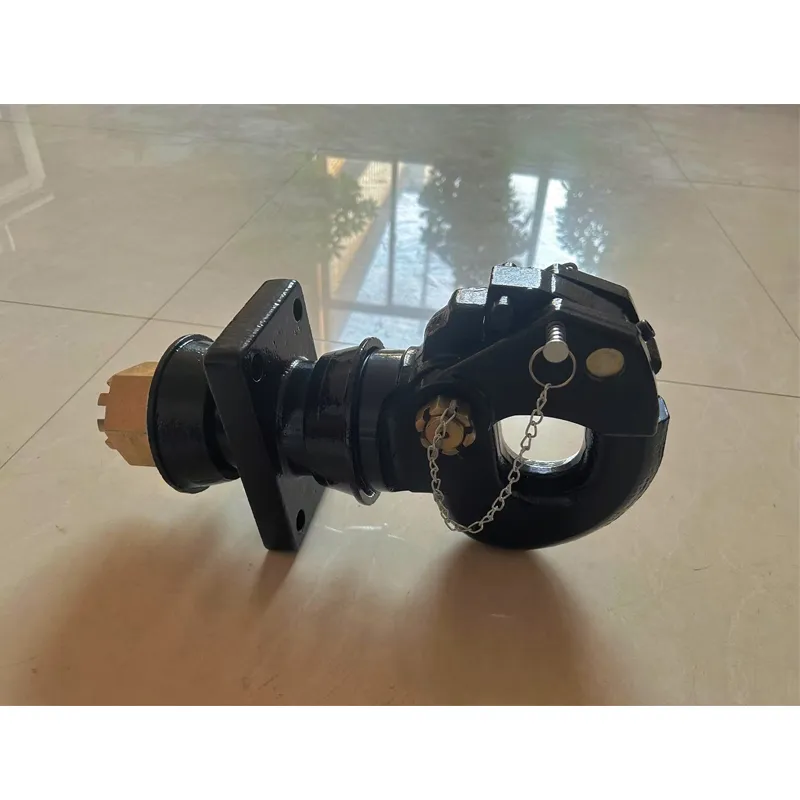
Manufacturer Comparison and Tailored Solutions
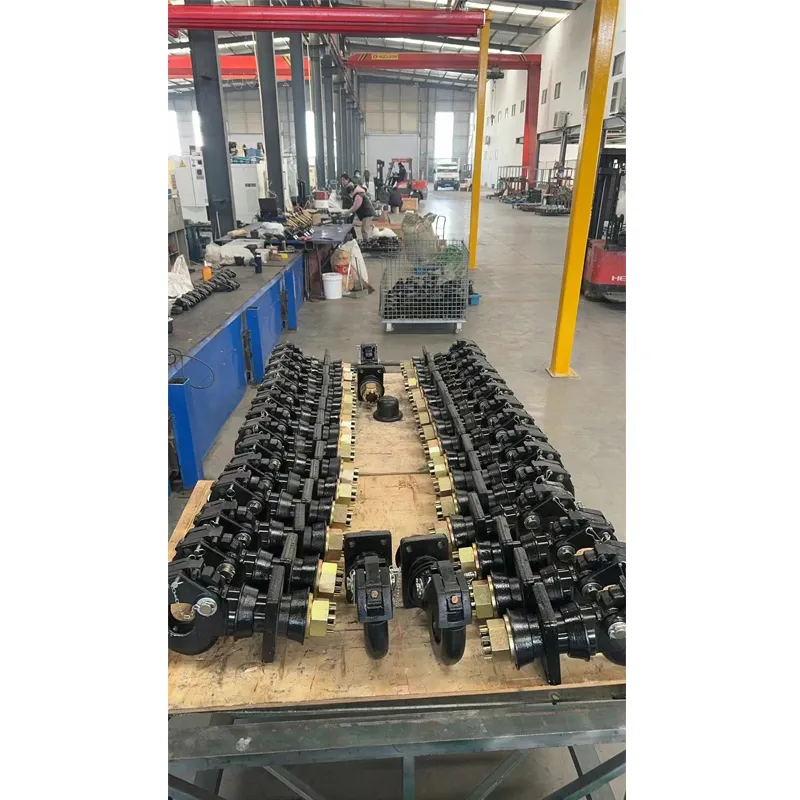
When sourcing a trailer coupling, discerning manufacturers distinguish themselves through a combination of factors including R&D investment, adherence to global certifications, customization capabilities, and robust after-sales support. Leading manufacturers prioritize ongoing research and development to integrate cutting-edge materials and smart technologies into their coupling designs. This commitment ensures that their products not only meet but often exceed evolving industry standards and operational demands. Critical certifications such as ISO 9001 for quality management, CE marking for European safety compliance, and country-specific certifications like ADR for dangerous goods transport, serve as benchmarks for reliability and safety.
A key differentiator for B2B clients is the ability to provide tailored solutions. While standard box trailer coupling units are widely available, specialized applications, such as those in mining or defense, often require custom designs that account for unique load dynamics, environmental challenges, or integration with proprietary vehicle systems. This includes modifications for different towing heights, specific material requirements for extreme temperatures or corrosive agents, or integrated sensor packages for real-time diagnostics. Reputable providers offer comprehensive engineering consultation, leveraging their extensive service experience to develop bespoke trailer coupling solutions that precisely fit niche requirements, ensuring optimal performance and compliance. Their commitment typically extends to providing detailed technical support, spare parts availability, and comprehensive warranty programs, vital for maintaining operational continuity and minimizing downtime over the product's lifespan.
Real-World Application Cases and Client Feedback
The practical utility and robust performance of advanced trailer coupling systems are best illustrated through their successful deployment in challenging real-world scenarios.
Case Study 1: Heavy-Duty Logistics in Cold Chain Transport
A major cold chain logistics provider specializing in pharmaceutical transport faced persistent issues with their existing truck trailer coupling units, experiencing premature wear and corrosion due to extreme temperature fluctuations and road salt. We supplied custom-engineered couplings forged from a specialized alloy steel with a multi-layer Dacromet coating. After 18 months of continuous operation across North American routes, the client reported zero failures and significantly reduced maintenance costs, attributing a 15% improvement in uptime directly to the enhanced durability and corrosion resistance of the new couplings. "The reliability of these couplings has been a game-changer for our fleet," stated their operations director, "especially with our critical, time-sensitive deliveries."
Case Study 2: Off-Road Utility for Mining Exploration
An Australian mining exploration company required 4x4 trailer coupling solutions capable of enduring the rugged, remote, and often muddy terrains of the Outback, while towing heavy drilling equipment. Standard couplings failed due to excessive articulation stress and abrasive wear. Our solution involved a high-articulation, cast-steel coupling featuring a unique spherical pivot design and a specialized black trailer coupling anti-abrasion coating. This design allowed for unprecedented flexibility over uneven ground, preventing damage to both the coupling and the trailer frame. The company noted a 30% increase in operational efficiency due to fewer coupling-related downtimes and reported "unwavering performance" even in the most challenging conditions.
Case Study 3: Optimized Hauling for Agricultural Box Trailers
A large agricultural cooperative needed more robust and easy-to-use couplings for their fleet of box trailer coupling units, used to transport grains and produce across farms. Their previous couplings often became stiff and difficult to operate due to dust and debris. We provided them with self-cleaning, low-maintenance couplings featuring an integrated dust-sealing mechanism and improved latching system. The client praised the "noticeable reduction in manual effort required for coupling and uncoupling," as well as the extended service interval for maintenance. This directly led to faster turnaround times during harvest season, a testament to how even subtle design improvements can yield significant operational benefits.
Ensuring Trustworthiness: Quality Assurance, Delivery & Support
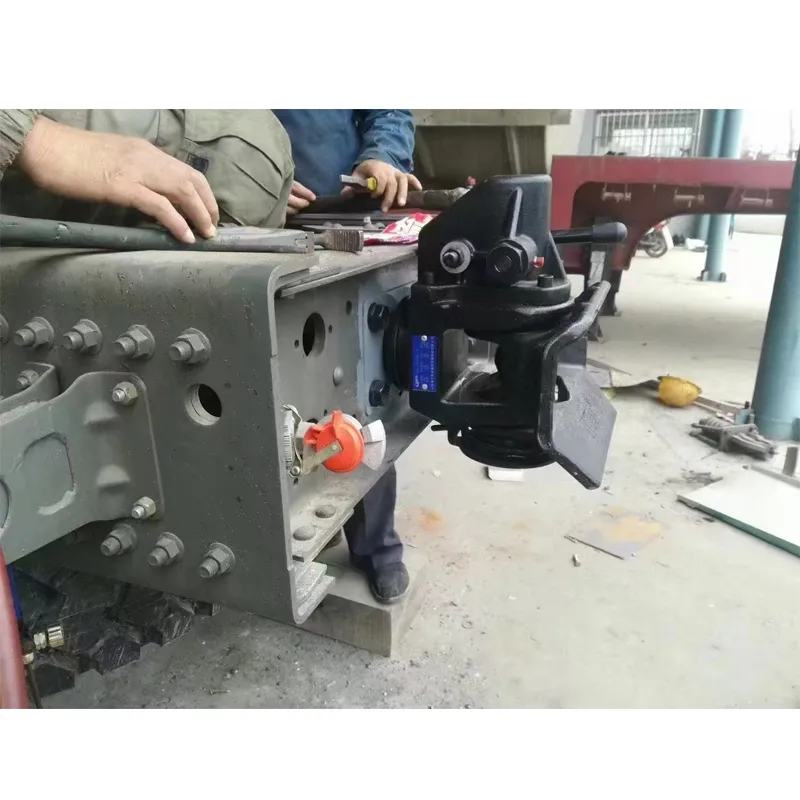
Trust in critical components like the trailer coupling is built upon a foundation of verifiable quality assurance, transparent operational processes, and dependable customer support. Our commitment to these pillars is evidenced by rigorous adherence to international standards and comprehensive service offerings. All our products are manufactured under strict ISO 9001 quality management systems, ensuring consistent product quality and process efficiency. Furthermore, our couplings comply with relevant regional and international certifications, including CE for European markets and specific national road safety standards, underscoring their global applicability and safety.
Each batch of trailer coupling undergoes extensive testing, including dynamic load tests, fatigue testing, and environmental chamber tests, to simulate real-world conditions and validate performance parameters. Our typical delivery cycle for standard products ranges from 2-4 weeks, depending on order volume and destination, with expedited options available for urgent requirements. Custom solutions, due to the specialized design and manufacturing phases, typically have a lead time of 6-10 weeks. We stand behind the quality of our products with a comprehensive 5-year warranty against manufacturing defects, reflecting our confidence in their durability. Our dedicated customer support team is available 24/7 to provide technical assistance, troubleshooting, and spare parts management, ensuring maximum uptime for your operations.
Frequently Asked Questions (FAQ)
-
Q1: What factors should I consider when selecting a trailer coupling for heavy-duty applications?
A1: For heavy-duty applications, prioritize couplings with high Gross Trailer Weight (GTW) and Tongue Weight (TW) capacities. Look for materials like high-strength alloy steels, robust locking mechanisms, and advanced surface treatments (e.g., Dacromet) for corrosion resistance. Consider specific types like a truck trailer coupling or pintle hook designs for their durability and high load ratings. Always verify compliance with relevant industry standards like SAE J684 or ISO 1103.
-
Q2: How does a 4x4 trailer coupling differ from a standard box trailer coupling?
A2: A 4x4 trailer coupling (e.g., an off-road or articulating coupling) is designed for greater articulation and flexibility, allowing the trailer to move independently over uneven terrain without stressing the coupling. They often feature higher ground clearance, robust construction to withstand impacts, and enhanced dust/water sealing. Standard box trailer coupling units are generally for road use, offering limited articulation and are more focused on basic towing capacity and a secure ball-hitch connection.
-
Q3: What maintenance is required for trailer coupling systems?
A3: Regular maintenance includes lubricating moving parts, inspecting for wear or damage (cracks, deformation, excessive play), checking the integrity of bolts and fasteners, and ensuring the locking mechanism operates smoothly. For couplings with specialized coatings like a black trailer coupling, ensure the coating is intact to maintain corrosion resistance. Consult the manufacturer's specific maintenance guidelines for optimal performance and longevity.
Conclusion: Partnering for Reliable Towing Solutions
The selection of a high-quality trailer coupling is not merely a purchasing decision; it is a strategic investment in the safety, efficiency, and longevity of your towing operations. From robust manufacturing processes involving advanced materials and precision machining to stringent quality control and comprehensive after-sales support, every aspect contributes to the reliability of this critical component. By understanding the intricate technical parameters, diverse application advantages, and the value of customization, B2B decision-makers can make informed choices that mitigate risks and optimize operational performance. Partnering with a proven manufacturer committed to innovation, quality, and customer satisfaction ensures that your fleet remains productive and secure, no matter the challenge.
References
- SAE International. (2014). SAE J684: Trailer Couplings, Hitches, and Safety Chains - Automotive Type.
- International Organization for Standardization. (2012). ISO 1103: Road vehicles – Mechanical couplings between towing vehicles and towed vehicles – Interchangeability.
- European Commission. (2018). ECE Regulation No. 55: Uniform provisions concerning the approval of mechanical coupling components of combinations of vehicles.
- ASTM International. (2020). ASTM B117: Standard Practice for Operating Salt Spray (Fog) Apparatus.
- Australian Standards. (2006). AS 4177.3: Caravan and light trailer towing components – Part 3: Coupling body and coupling ball.
-
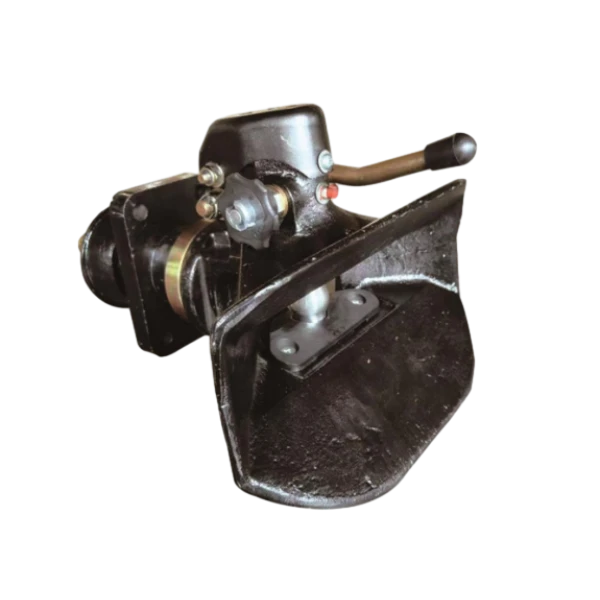 Trailer Coupling
The trailer coupling is a critical component in vehicle towing systems, designed to ensure a secure and efficient connection between a towing vehicle and a trailer. These couplings are manufactured using high-strength carbon steel, alloy steel, or stainless steel, ensuring durability and resistance to heavy loads and harsh environments.
-
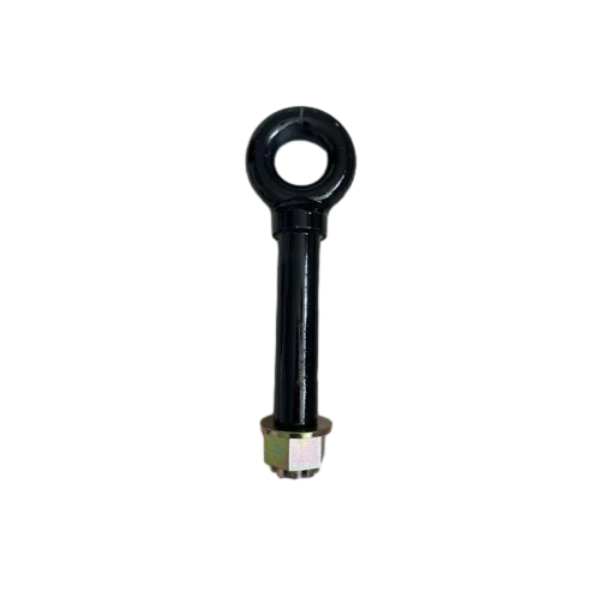 Drawbar Eyes
Drawbar eyes are essential components in towing and hauling applications, providing a strong and secure attachment point between the trailer and the towing vehicle. They are designed to endure extreme pulling forces, making them suitable for heavy-duty applications.
-
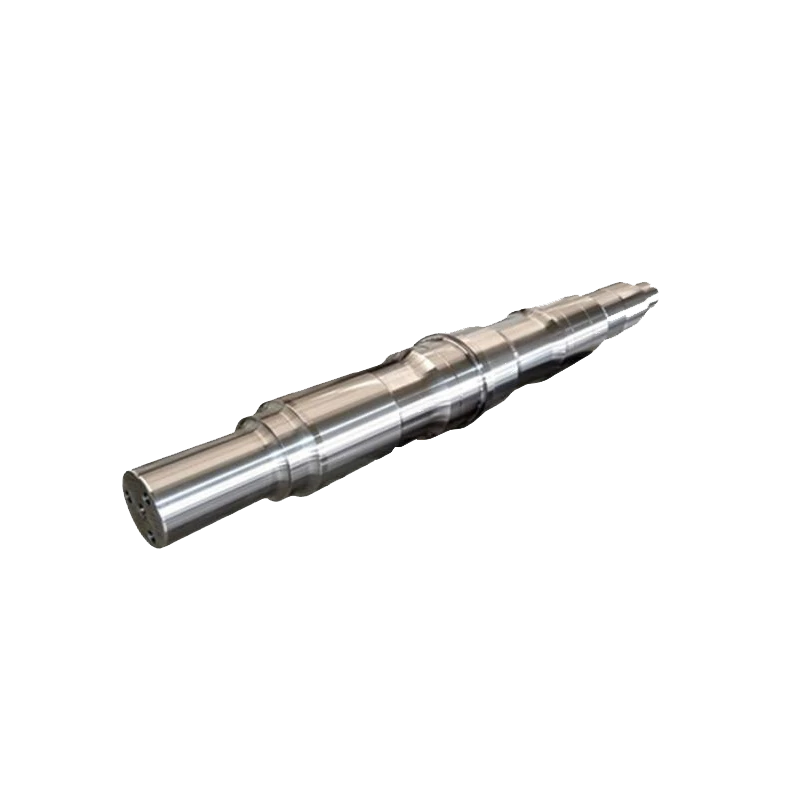 Axles
AxlesAxles are essential for vehicle load-bearing and power transmission, ensuring smooth movement and weight distribution. They must withstand high stress, torque, and impact, making material selection and precise manufacturing crucial.
-
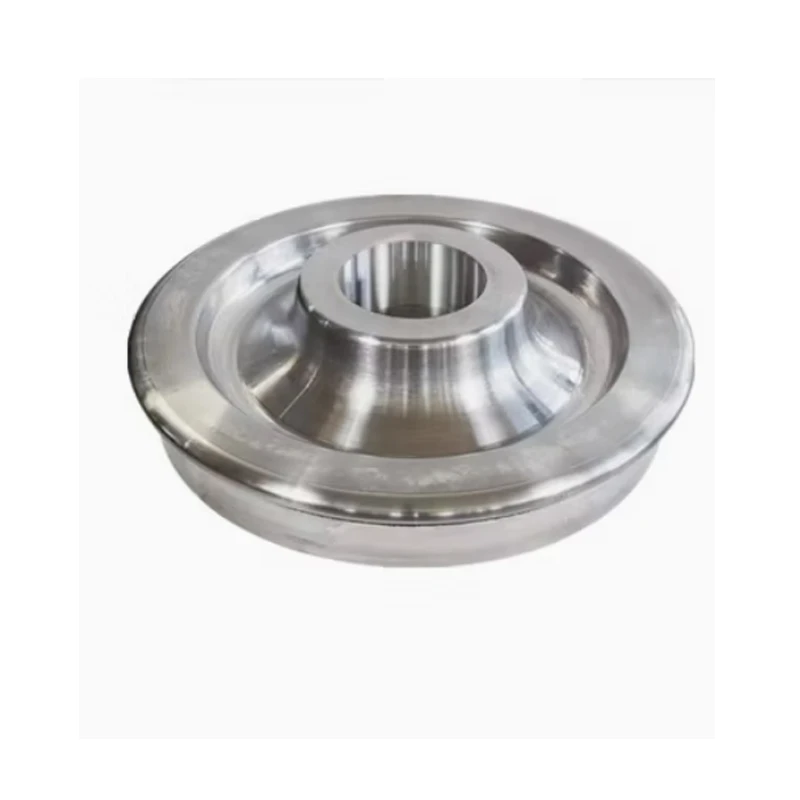 Profile S1002 Series Rail Wheels
The S1002 series rail wheels are designed for Rail-Road Vehicles (RRVs) that require seamless operation on both roads and railway tracks. Engineered with high precision and durability, these wheels conform to S1002 tread profiles, ensuring compatibility with standard railway systems.
A Comprehensive Guide to Axles Types for Industry Decision Makers | Manufacturing Base
Axles Types is a key solution in the industry, specifically within heavy machinery and transportation sectors. This article explores how https://www.manufacturing-base.com supports professionals with durable, high-performance products
>
Reliable Rail Wheels: Optimize Your Rail Transport Solutions
For industries that rely on rail-based vehicles, choosing the right rail wheels is essential for smooth operations and safety.
>
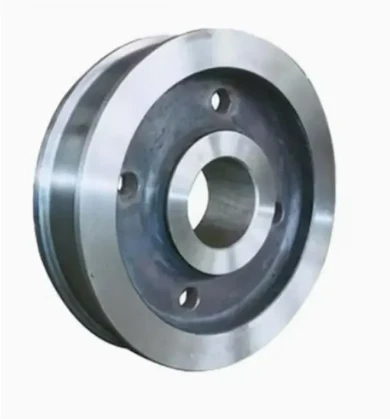
Premium Overhead Crane Wheels For Sale: Enhance Industrial Lifting Efficiency
In modern industrial operations, high-quality overhead crane wheels for sale are essential for safe, reliable, and efficient lifting.
>
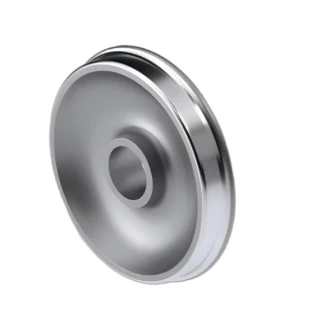
Premium Hi Rail Wheels For Sale: Boost Rail Vehicle Performance
In the modern industrial and railway sectors, having reliable hi rail wheels for sale is essential for operational efficiency and safety.
>
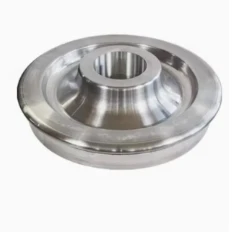
High-Quality Hi Rail Wheels For Sale: Enhance Your Rail Equipment Efficiency
When it comes to reliable rail maintenance and industrial operations, investing in hi rail wheels for sale is crucial.
>
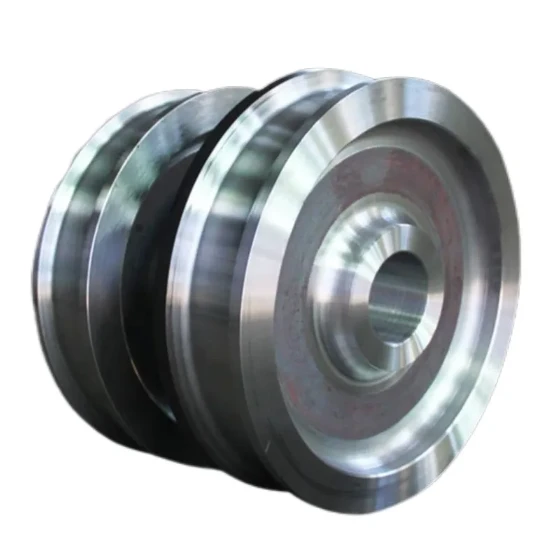
High-Quality Crane Wheels For Sale: Enhance Your Crane Operations
For industries relying on heavy lifting and material handling, investing in high-quality crane wheels for sale is crucial.
>
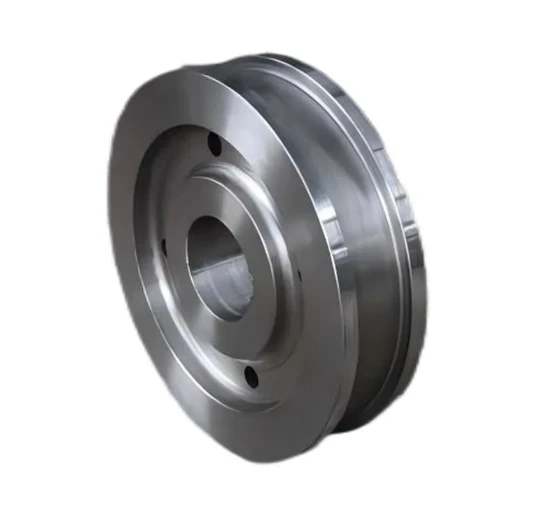
Durable Gantry Crane Wheels For Sale: Maximize Lifting Efficiency
For industries relying on heavy-duty lifting and material handling, selecting the right gantry crane wheels for sale is vital.
>
Reliable Tandem Drive Axles for Heavy-Duty Industrial Vehicles
Tandem Drive Axles: What I’ve Learned After Years in the Industrial Equipment Sector Ha
>
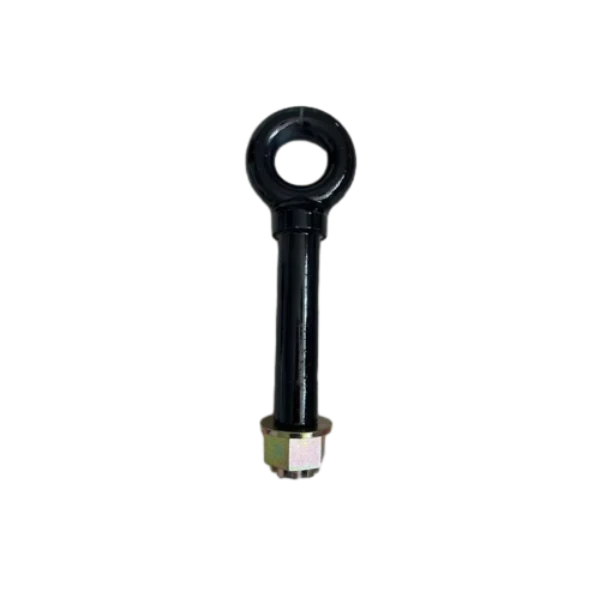
Reliable Semi Trailer Axles for Heavy-Duty Trailers | Expert Insight
Understanding semi trailer axles: The Backbone of Heavy Hauling Having spent more than a deca
>
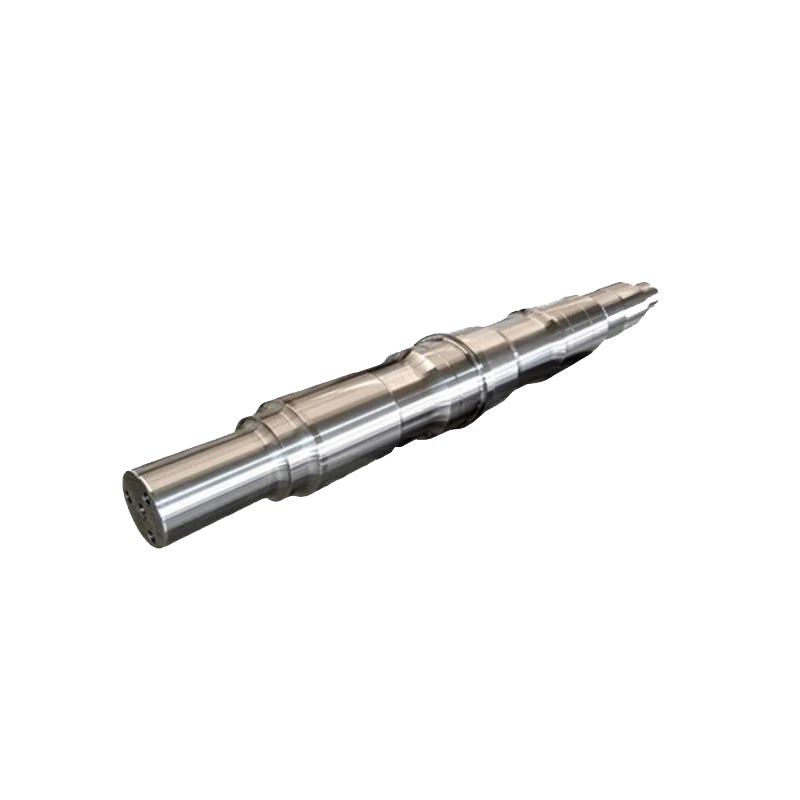
RC Portal Axles: Industrial Strength and Custom Performance
RC Portal Axles: A Veteran’s Take on Industrial-Grade Performance Having spent over a d
>
Engineered for Excellence
Our forged solutions deliver reliability and performance, powering demanding industries to keep operations running smoothly.

Sign up
for Newsletter
Subscribe to the weekly newsletter for all the latest updates