
High-Precision Rail Wheels for Linear and Light Rail Systems
In today’s evolving transportation and industrial sectors, efficient linear motion is the cornerstone of precision, speed, and safety. From heavy-duty rail-mounted logistics equipment to modern light rail transit systems, the role of reliable rail track wheels and linear rail wheels cannot be overstated. Whether guiding a high-speed shuttle along a factory floor or supporting a dual-mode road-rail maintenance vehicle, these wheels ensure uninterrupted, guided movement along a fixed path. With solutions such as light rail wheels, linear guide wheels, and rails wheels, industries benefit from enhanced operational control, minimized friction loss, and maximum load-bearing capacity.
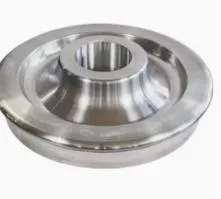
Light Rail Wheels: Precision-Engineered for Urban Mobility
As urban transit systems increasingly adopt light rail solutions to reduce congestion and pollution, the demand for durable, quiet, and efficient light rail wheels continues to rise. Unlike traditional heavy-rail systems, light rail vehicles operate with lighter axle loads, tighter turning radii, and greater stop-start frequency. This places unique demands on the wheels, which must maintain a delicate balance between performance and passenger comfort.
Light rail wheels are typically forged from high-tensile alloy steel and undergo a rigorous heat treatment process to ensure core strength and tread hardness. The flange height, wheel profile, and rolling diameter are all optimized for compatibility with grooved or embedded rail tracks common in urban infrastructure. In many systems, these wheels are also designed to operate in mixed environments—transitioning from street-level track to dedicated railways—necessitating enhanced corrosion resistance and tread wear control.
Modern light rail wheels also incorporate vibration-damping features and are sometimes paired with elastomeric wheel centers to minimize noise and vibration. This not only improves ride quality but also reduces maintenance on track infrastructure and surrounding buildings. With urban transit expanding worldwide, the performance of light rail wheel systems plays a crucial role in ensuring safe, sustainable, and efficient city transportation.
Linear Guide Wheels: Compact Support for Precision Movement
In manufacturing, packaging, automation, and robotics, linear guide wheels form the backbone of controlled mechanical movement. These components support rolling motion along linear rails, facilitating the guided travel of carts, stages, sensors, or other movable parts. The essential advantage of linear guide wheels lies in their ability to carry both radial and axial loads while offering smooth motion and low resistance.
Typically made from hardened steel or chrome-plated stainless steel, these wheels are paired with sealed ball bearings to provide excellent rolling smoothness and extended service life. Precision-ground outer surfaces ensure consistent contact with the rail, while internal bearing assemblies absorb shock and compensate for minor alignment deviations. In cleanroom or corrosion-sensitive environments, some linear guide wheels are also available in plastic or hybrid polymer materials.
Unlike traditional linear bearings, which rely on sliding motion, linear guide wheels reduce wear and energy loss through rolling contact. This makes them ideal for fast-cycle systems, high-precision assembly lines, and mobile workstations. Their modular design allows for easy replacement, alignment adjustment, and integration into custom guide rail profiles—making them a preferred solution in diverse industries from automotive to electronics.
Linear Rail Wheels: Reliable Movement in Automated Systems
Linear rail wheels are specialized components designed to run along fixed guide rails in applications requiring controlled, directional movement. Commonly used in CNC machines, gantry systems, conveyor lines, and pick-and-place robots, these wheels must deliver high repeatability, low friction, and excellent resistance to deformation. Their primary purpose is to maintain alignment and support consistent motion without backlash or vibration, even under varying speeds and loads.
The design of linear rail wheels typically includes a precision-machined outer ring, integrated ball or needle bearings, and an internal bore sized for standard axles or mounting bolts. They are used in pairs or sets to maintain parallel tracking across linear motion paths. Some wheels may also be profiled to match the V-groove or U-groove shape of custom rail guides, ensuring better centering and directional stability.
High-end systems may use coated linear rail wheels to improve surface hardness or corrosion resistance, especially in food-grade, cleanroom, or outdoor environments. When used with correctly installed rails, these wheels offer minimal maintenance, reliable tracking, and long service life, making them critical to the efficiency of automated industrial platforms.
Rail Track Wheels: Essential Components in Ground-Based Logistics
Rail track wheels are foundational elements in fixed-path transport systems, whether in warehouses, industrial yards, or underground mining operations. Mounted to heavy-duty carts, bogies, or crane trolleys, these wheels enable smooth movement over embedded or elevated rails. They are designed to carry high axial loads, resist impact damage, and maintain reliable engagement with the rail even during cornering or elevation changes.
Constructed from alloy steel or ductile cast iron, rail track wheels are usually heat-treated to increase surface hardness and reduce flange wear. The wheel flange ensures directional control, while the tread must be perfectly round and hardened to avoid rail deformation and operational inefficiencies. Some models include integrated hubs, bolt-on designs, or replaceable rims for ease of maintenance.
Applications for rail track wheels range from in-floor rail transfer cars in factories to rail-guided mining carts and even amusement park rides. These wheels must deliver consistent performance under fluctuating loads, exposure to dirt or debris, and dynamic movement patterns. By reducing track maintenance and increasing operational uptime, rail track wheels support the scalability and reliability of ground-based transport systems.
rails wheels FAQs
What’s the difference between rail track wheels and linear rail wheels?
Rail track wheels are heavy-duty wheels used in ground-based rail systems, often supporting carts, cranes, or vehicles moving along fixed steel tracks. They are designed for high load capacity and structural durability. Linear rail wheels, on the other hand, are compact components used in precision motion applications like CNC systems or automated machinery. Their focus is on low-friction, high-accuracy movement rather than heavy weight-bearing.
What are the advantages of using flanged wheels on rails?
Flanged wheels rail offer secure tracking along straight and curved rail lines by preventing lateral movement or derailment. The flange serves as a physical guide, ensuring the wheel remains properly aligned on the rail. This is especially useful in industrial and transit systems where stable movement is crucial. Flanged wheels reduce the risk of off-track operation and enhance safety.
Can light rail wheels be used in high-speed environments?
Yes, light rail wheels are engineered for moderate to high-speed urban transit. While they are not designed for heavy-rail speeds exceeding 200 km/h, they perform efficiently in city applications up to 80–120 km/h. Their design emphasizes low noise, minimal vibration, and reduced rolling resistance—making them ideal for urban commuter trains and light metro systems.
Are linear guide wheels interchangeable across brands?
Not always. While some linear guide wheels follow standard dimensions, many are designed to match specific rail profiles or mounting patterns. When sourcing replacements, it is essential to confirm dimensions such as outer diameter, bore size, and flange width. Using incompatible wheels may lead to misalignment, increased wear, or compromised performance.
How do you maintain rail wheels in industrial applications?
Rails wheels used in industrial settings should be regularly inspected for tread wear, flange damage, and bearing integrity. Proper lubrication reduces friction and prevents overheating. Misalignment with the rail can cause uneven wear or derailment, so track inspections and alignment adjustments are also recommended. In high-dust or outdoor environments, applying protective coatings can extend wheel life and maintain performance.
-
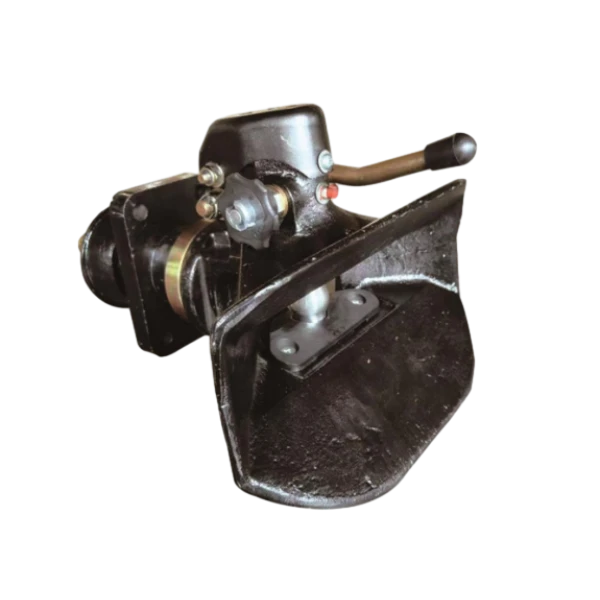 Trailer Coupling
The trailer coupling is a critical component in vehicle towing systems, designed to ensure a secure and efficient connection between a towing vehicle and a trailer. These couplings are manufactured using high-strength carbon steel, alloy steel, or stainless steel, ensuring durability and resistance to heavy loads and harsh environments.
-
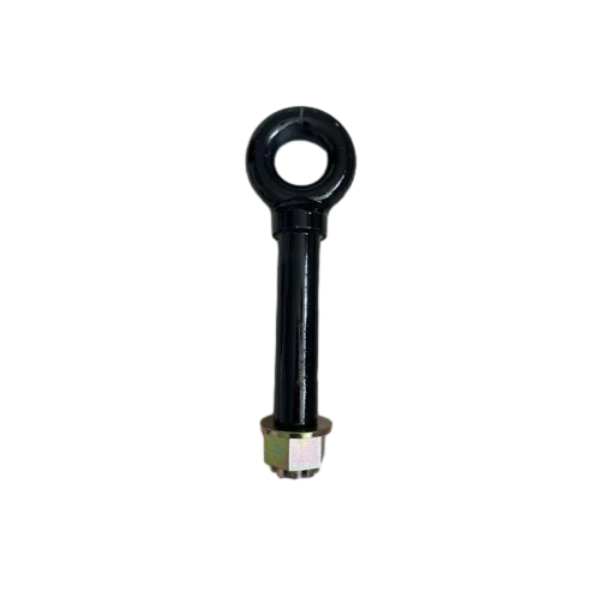 Drawbar Eyes
Drawbar eyes are essential components in towing and hauling applications, providing a strong and secure attachment point between the trailer and the towing vehicle. They are designed to endure extreme pulling forces, making them suitable for heavy-duty applications.
-
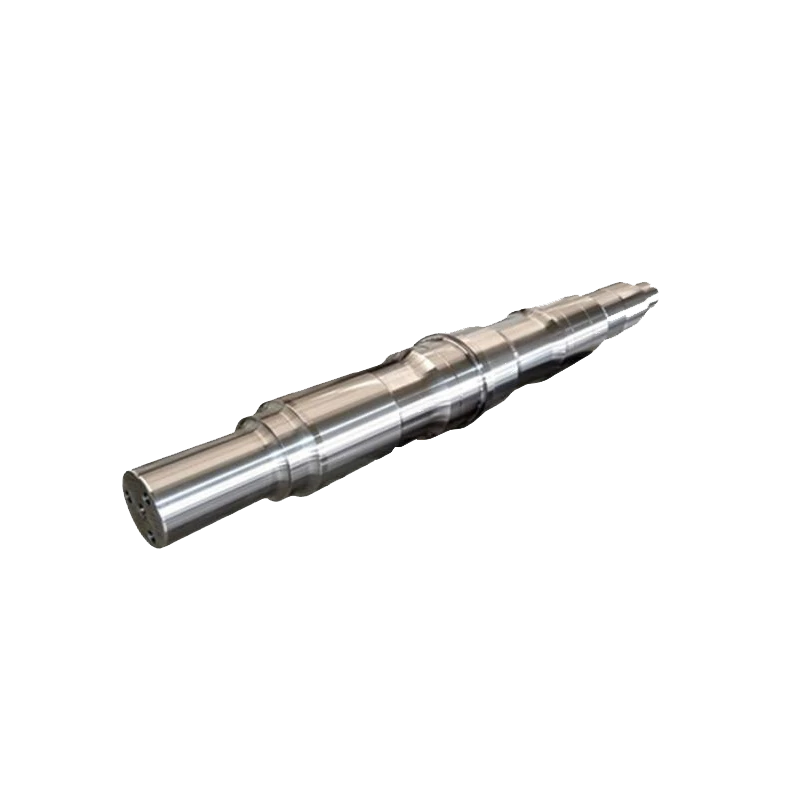 Axles
AxlesAxles are essential for vehicle load-bearing and power transmission, ensuring smooth movement and weight distribution. They must withstand high stress, torque, and impact, making material selection and precise manufacturing crucial.
-
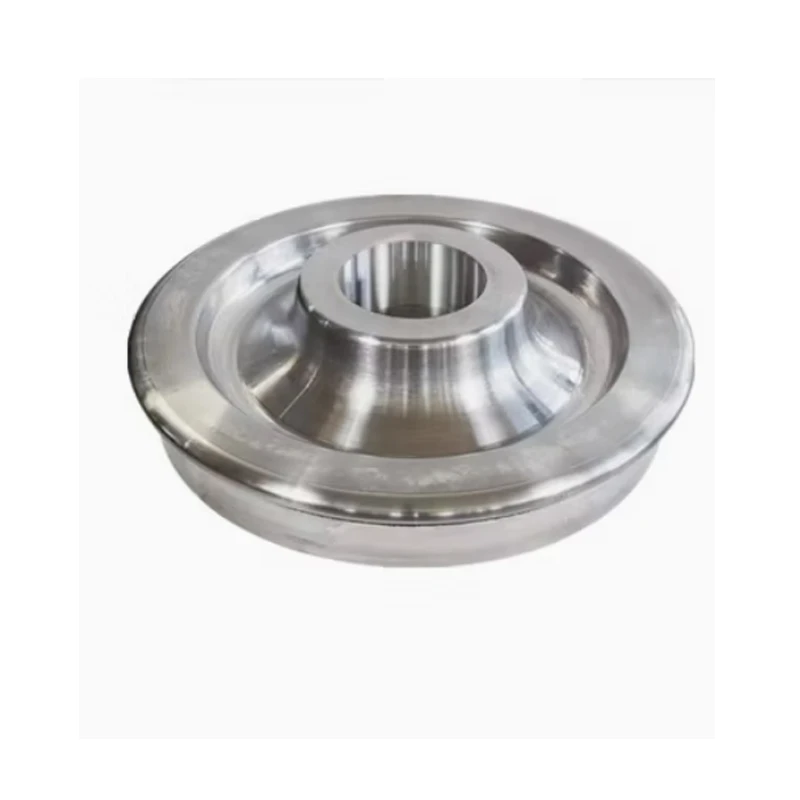 Profile S1002 Series Rail Wheels
The S1002 series rail wheels are designed for Rail-Road Vehicles (RRVs) that require seamless operation on both roads and railway tracks. Engineered with high precision and durability, these wheels conform to S1002 tread profiles, ensuring compatibility with standard railway systems.
A Comprehensive Guide to Axles Types for Industry Decision Makers | Manufacturing Base
Axles Types is a key solution in the industry, specifically within heavy machinery and transportation sectors. This article explores how https://www.manufacturing-base.com supports professionals with durable, high-performance products
>
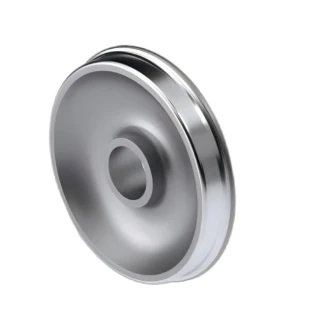
Reliable Rail Wheels: Optimize Your Rail Transport Solutions
For industries that rely on rail-based vehicles, choosing the right rail wheels is essential for smooth operations and safety.
>
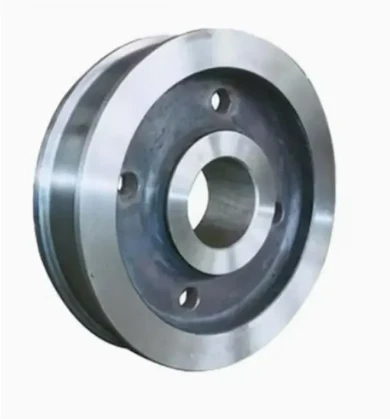
Premium Overhead Crane Wheels For Sale: Enhance Industrial Lifting Efficiency
In modern industrial operations, high-quality overhead crane wheels for sale are essential for safe, reliable, and efficient lifting.
>
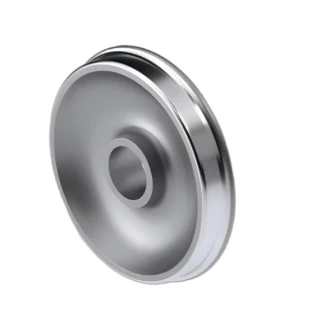
Premium Hi Rail Wheels For Sale: Boost Rail Vehicle Performance
In the modern industrial and railway sectors, having reliable hi rail wheels for sale is essential for operational efficiency and safety.
>
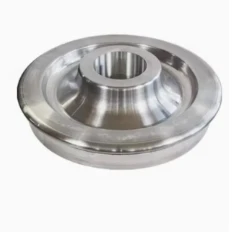
High-Quality Hi Rail Wheels For Sale: Enhance Your Rail Equipment Efficiency
When it comes to reliable rail maintenance and industrial operations, investing in hi rail wheels for sale is crucial.
>
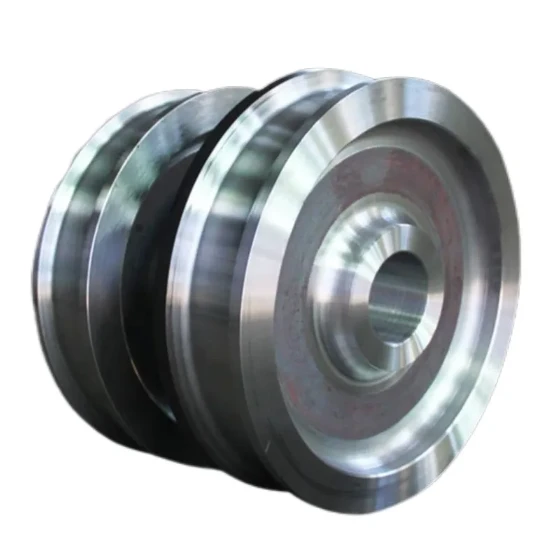
High-Quality Crane Wheels For Sale: Enhance Your Crane Operations
For industries relying on heavy lifting and material handling, investing in high-quality crane wheels for sale is crucial.
>
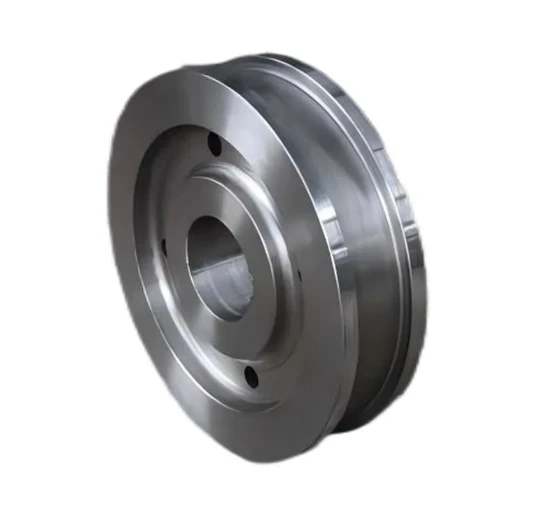
Durable Gantry Crane Wheels For Sale: Maximize Lifting Efficiency
For industries relying on heavy-duty lifting and material handling, selecting the right gantry crane wheels for sale is vital.
>
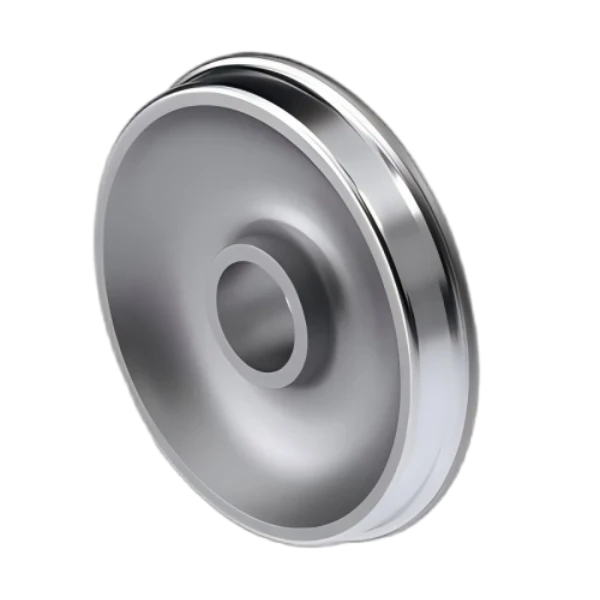
Reliable Tandem Drive Axles for Heavy-Duty Industrial Vehicles
Tandem Drive Axles: What I’ve Learned After Years in the Industrial Equipment Sector Ha
>
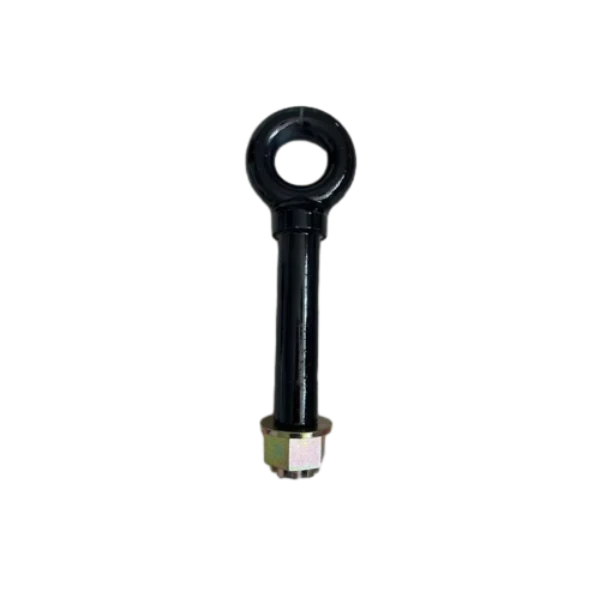
Reliable Semi Trailer Axles for Heavy-Duty Trailers | Expert Insight
Understanding semi trailer axles: The Backbone of Heavy Hauling Having spent more than a deca
>
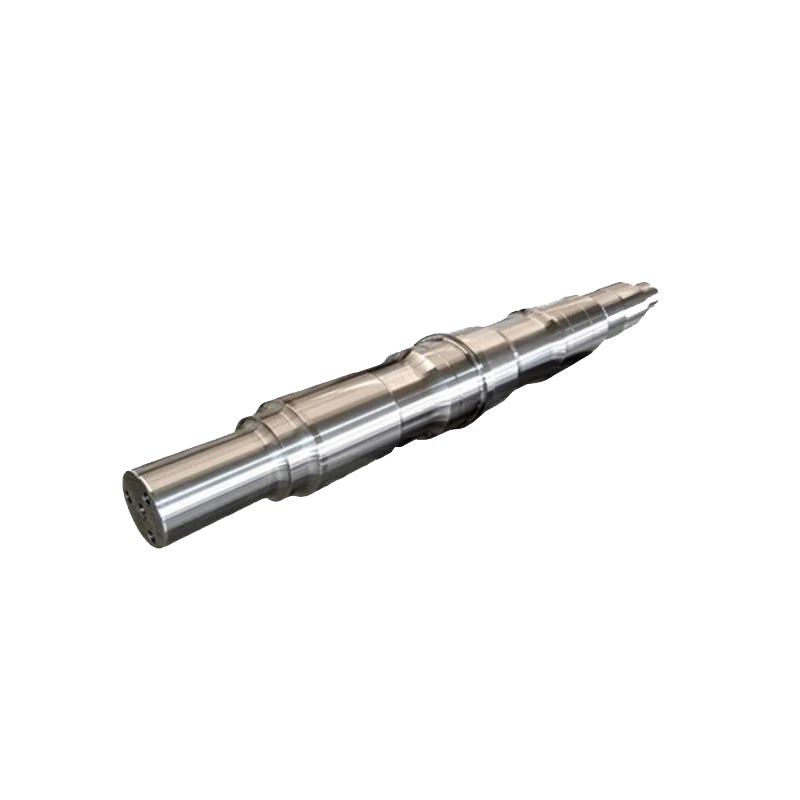
RC Portal Axles: Industrial Strength and Custom Performance
RC Portal Axles: A Veteran’s Take on Industrial-Grade Performance Having spent over a d
>
Engineered for Excellence
Our forged solutions deliver reliability and performance, powering demanding industries to keep operations running smoothly.

Sign up
for Newsletter
Subscribe to the weekly newsletter for all the latest updates