- Tel: +86 311 82620404
- Cell: 86 -13739710551
- Email: sales@potentia.cn

Forged Steel Crane Wheels: Durability, Application, and Industry Insights
The World of Forged Steel Crane Wheels: Why They Matter and What’s New
If you’ve ever watched a towering crane at a port or a massive construction site, you might not have given much thought to the wheels making that enormous machine move smoothly and safely. But those wheels—specifically, forged steel crane wheels—are marvels of engineering. They're not just ordinary wheels but crucial components that support immense loads, often under punishing conditions. Understanding them is essential not only for operators and builders but for every hand touched by global trade and infrastructure.
Why care about forged steel crane wheels globally? The answer is simple: cranes are the workhorses of modern commerce, shipping, and construction. Without reliable wheels that endure constant stress, downtime and accidents spike—affecting supply chains, costs, and safety worldwide.
Global Importance of Forged Steel Crane Wheels
In 2023, the World Bank reported that global infrastructure investments are crossing $3 trillion annually; cranes and their components like forged steel wheels play an unsung but vital role here. Maritime ports in Asia, Europe, and the Americas handle hundreds of millions of tons of cargo yearly—each container lifted depends on dependable crane parts.
But it’s not all smooth sailing. Harsh environments—from salty sea air to freezing temperatures—pose challenges for these wheels. Faulty wheels can cause delays in supply chains worth thousands per minute. That’s why industries worldwide prioritize these parts.
Mini takeaway:
- Forged steel crane wheels underpin critical global infrastructure.
- They face diverse and tough environments.
- Reliable wheels mean fewer accidents and smoother logistics.
What Exactly Are Forged Steel Crane Wheels?
At its core, a forged steel crane wheel is a heavy-duty wheel made from steel shaped through forging—a process where metal is heated and hammered to improve strength and grain structure. Compared to cast or fabricated wheels, forged wheels offer superior toughness and fatigue resistance.
For cranes—machines tasked with lifting, moving, and placing multi-ton loads—these wheels are basically the mobile foundation. They roll along rails or tracks, transmitting massive forces to the ground safely.
In industries like humanitarian logistics, for instance, these wheels help cranes unload supplies quickly during disaster relief efforts, crucial when every minute counts.
Core Components & Key Factors of Forged Steel Crane Wheels
1. Durability & Strength
The forging process enhances the internal grain flow, making these wheels tough enough to resist cracking from constant heavy loads. Many engineers note that uptime for cranes often depends on wheel durability.
2. Precision & Balance
High-quality wheels are machined to tight tolerances to avoid vibrations that would wear out machinery prematurely. A well-balanced wheel means smoother operation and fewer maintenance headaches.
3. Wear Resistance
Wheel treads endure constant friction against rails, often in dusty, oily, or wet conditions. Specialized steel alloys with added elements like chromium or nickel help resist this wear.
4. Adaptability & Scalability
Whether it’s a small harbor crane or a giant gantry crane in a shipyard, forged steel wheels can be custom-sized and designed for differing loads and speeds.
5. Cost Efficiency Over Lifespan
Though forged steel wheels might have higher upfront costs, their longevity and reliability typically reduce total lifecycle costs—a critical factor for global operators managing tight budgets.
Mini takeaway:
- Forged wheels combine strength, precision, and wear resistance.
- They can be tailored for diverse industrial needs.
- High initial investment pays off with fewer replacements.
Forged Steel Crane Wheels in Action Worldwide
When you think about complex industrial hubs like Rotterdam, Shanghai, or Los Angeles ports, their cranes’ forged steel wheels are silently doing hard labor, moving colossal cargo loads around the clock.
In remote mining operations in Australia or South America, where maintaining equipment is challenging, the reliability of these wheels significantly impacts productivity.
Moreover, NGOs delivering rapid response aid after natural disasters—tsunamis in Southeast Asia, hurricanes in the Caribbean—depend on the quick and safe operation of cranes unloading supplies, made possible partly because of robust forged steel wheels.
Product Specification Table: Typical Forged Steel Crane Wheel
| Specification | Details |
|---|---|
| Material | High-carbon forged steel alloy (with chromium, nickel additives) |
| Diameter Range | 300 mm to 1500 mm (custom sizes available) |
| Load Capacity | Up to 80 tons per wheel |
| Forging Method | Closed-die forging with heat treatment |
| Surface Hardness | HRC 45-55 after heat treatment |
| Typical Uses | Shipyard cranes, container cranes, industrial overhead cranes |
Comparing Leading Vendors of Forged Steel Crane Wheels
| Vendor | Materials & Specs | Customization | Lead Time | Typical Clients |
|---|---|---|---|---|
| SteelForge Inc. | Advanced alloy steels, HRC 50+ | Full custom designs available | 8-12 weeks | Global shipping ports, heavy industry |
| ForgeMasters Ltd. | Standard high-carbon forged steel | Limited customization options | 6-10 weeks | Industrial sectors, medium-sized ports |
| CraneWheels Co. | Forged alloy with extra wear resistance | Bespoke projects for very large cranes | 12-16 weeks | Mega ports, shipbuilding yards |
Advantages & Long-Term Value of Forged Steel Crane Wheels
It may sound obvious but using forged steel over cast or fabricated wheels significantly reduces surprise failures. This means safer work conditions, less downtime, and, frankly, peace of mind for operators and managers.
Sustainability also enters the picture because longer-lasting parts mean fewer waste components and less frequent replacements—pretty important in heavy industries where environmental impact is under scrutiny.
There’s also the emotional angle—you feel safer knowing that the heavy container swinging over the dock relies on components engineered to withstand serious stress.
Future Trends & Innovations
Looking ahead, the move towards digital transformation—think predictive maintenance powered by IoT sensors monitoring wheel wear and temperature—seems inevitable. Some vendors are experimenting with new steel alloys and forging techniques to improve lifespan and reduce weight.
We’re also seeing more focus on eco-conscious production, such as forging using greener energy or recycling steel scrap efficiently without compromising quality.
Challenges & Expert Solutions in Forged Steel Crane Wheels
Of course, not everything is perfect. Lead times can be long, pricing steep, and customization a challenge depending on the supplier. Harsh environments cause unexpected wear despite all precautions.
One promising solution is modular wheel designs that allow for quick tread replacements, extending service life without full wheel swaps. Additionally, more rigorous testing—like ultrasonic and magnetic particle inspections—ensures early detection of tiny cracks before they grow.
FAQ: Common Questions about Forged Steel Crane Wheels
- What advantages do forged steel wheels have over cast wheels for cranes?
- Forged steel wheels offer superior toughness and fatigue resistance compared to cast wheels, which are more brittle. The forging process realigns steel grain for strength, significantly enhancing durability under heavy, repetitive loads.
- How often should forged steel crane wheels be inspected or replaced?
- Regular inspections are recommended every 3-6 months depending on use and environment. Wheels typically last several years but any indication of cracks, excessive wear, or imbalance demands immediate evaluation or replacement.
- Can forged steel crane wheels be customized for specific crane models?
- Yes, most manufacturers offer custom sizing, load ratings, and even alloy compositions to match different crane types and operational needs.
- Are forged steel crane wheels environmentally friendly?
- The forging process is energy-intensive but results in longer-lasting parts that reduce waste. Advances in green manufacturing are also helping reduce environmental impact.
- How do I source high-quality forged steel crane wheels internationally?
- Working with reputable suppliers with ISO certifications and good track records is key. International trade platforms and industry expos are excellent ways to make connections, and many vendors offer global shipping and after-sales support.
Wrapping Up
Forged steel crane wheels, while often overlooked, are foundational to the modern industries that keep our world connected—from ports managing goods flowing between continents to disaster zones needing urgent aid. Their durability, customizability, and reliability translate into safety, efficiency, and sustainability on the job.
Thinking about upgrading your crane’s wheels or simply curious who makes the best forged steel crane wheels? Visit our website to explore options, specifications, and supplier comparisons tailored for your needs. It’s one small gear in a giant machine, but oh, what a difference it makes.
References
-
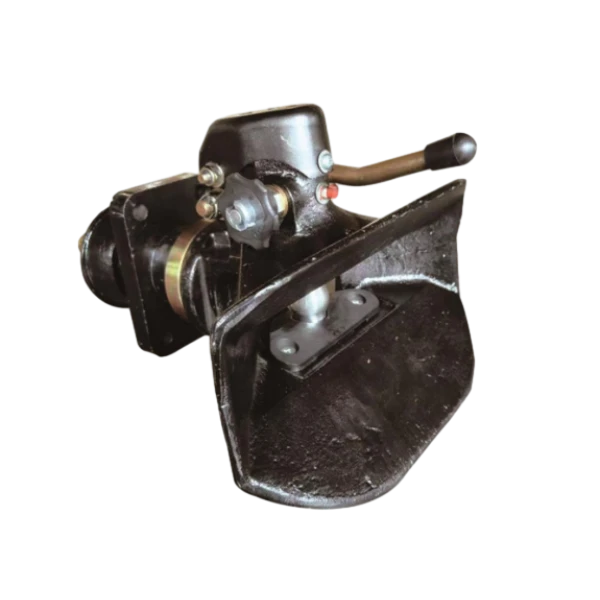 Trailer Coupling
The trailer coupling is a critical component in vehicle towing systems, designed to ensure a secure and efficient connection between a towing vehicle and a trailer. These couplings are manufactured using high-strength carbon steel, alloy steel, or stainless steel, ensuring durability and resistance to heavy loads and harsh environments.
-
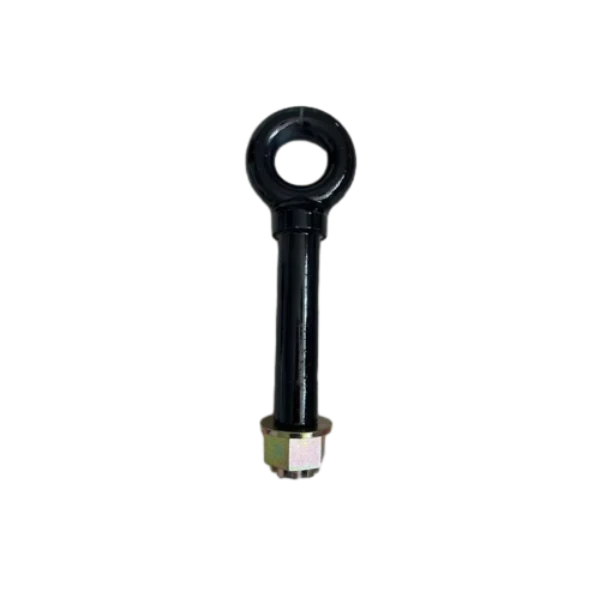
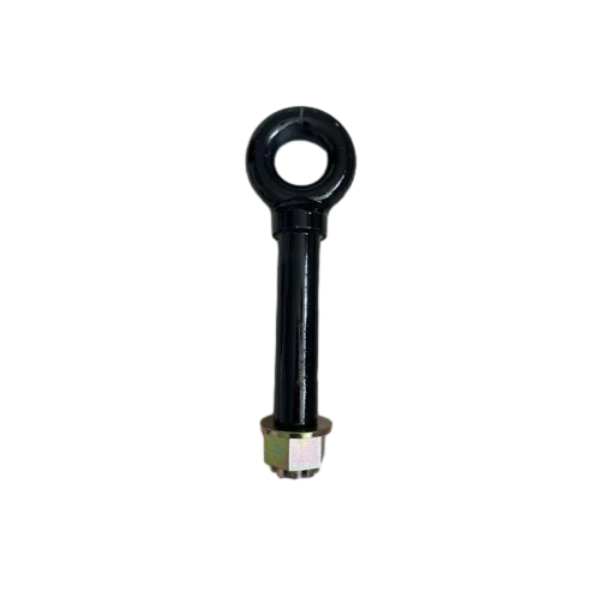 Drawbar Eyes
Drawbar eyes are essential components in towing and hauling applications, providing a strong and secure attachment point between the trailer and the towing vehicle. They are designed to endure extreme pulling forces, making them suitable for heavy-duty applications.
-
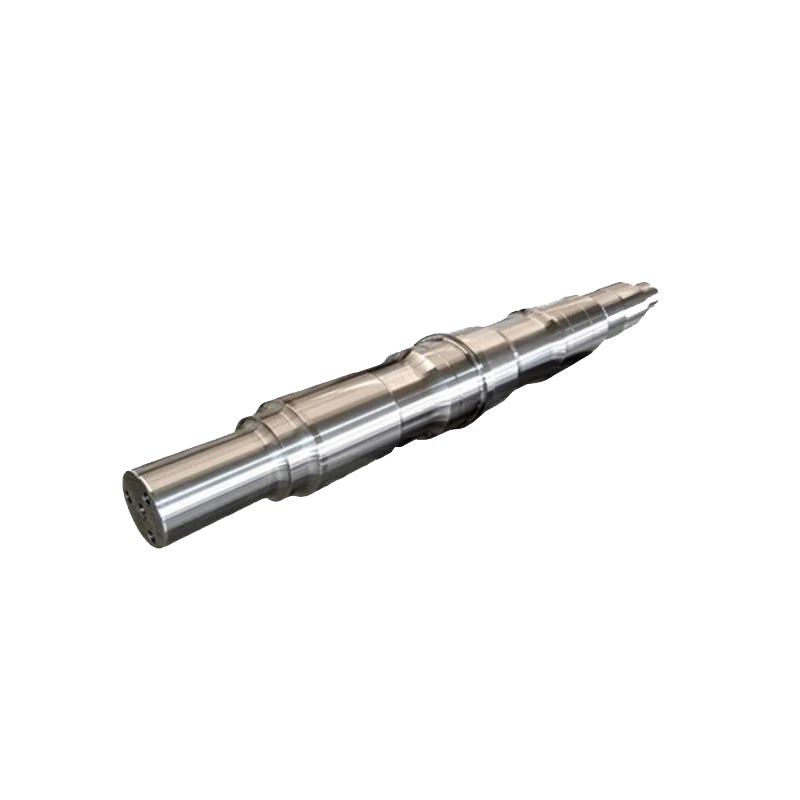
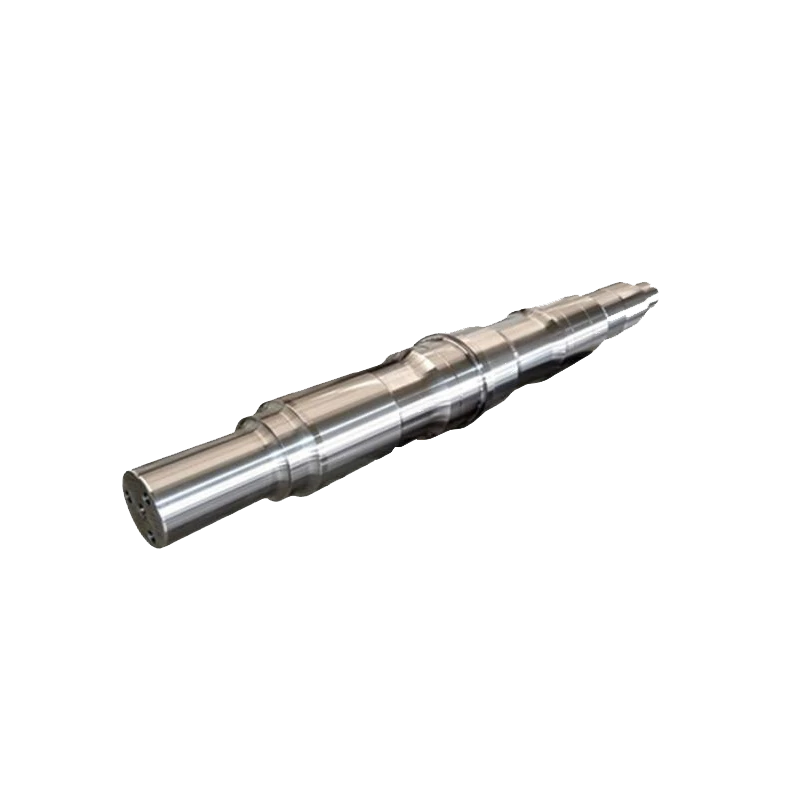 Axles
AxlesAxles are essential for vehicle load-bearing and power transmission, ensuring smooth movement and weight distribution. They must withstand high stress, torque, and impact, making material selection and precise manufacturing crucial.
-
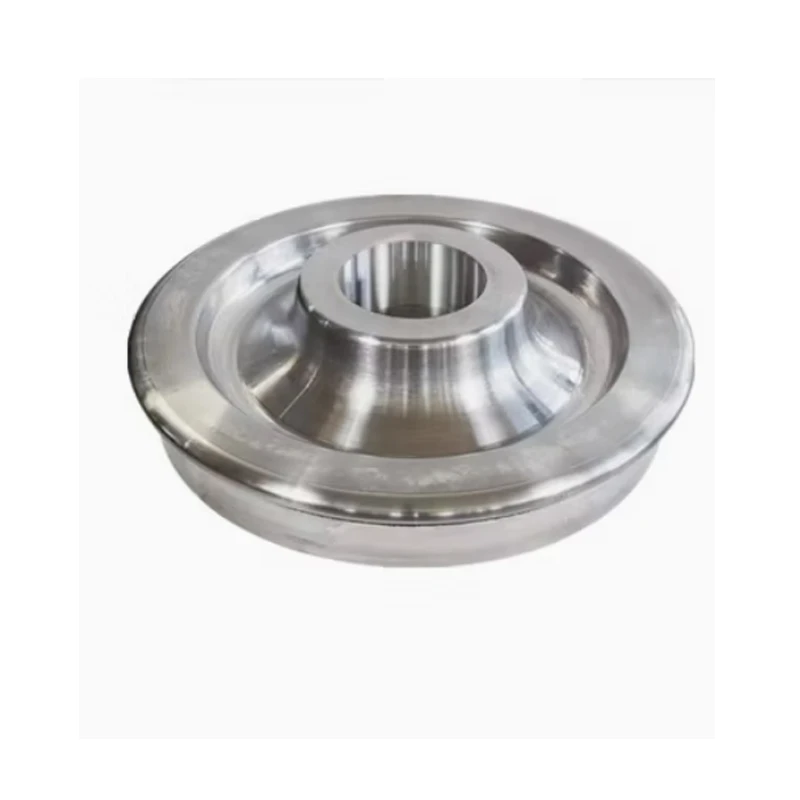 Profile S1002 Series Rail Wheels
The S1002 series rail wheels are designed for Rail-Road Vehicles (RRVs) that require seamless operation on both roads and railway tracks. Engineered with high precision and durability, these wheels conform to S1002 tread profiles, ensuring compatibility with standard railway systems.
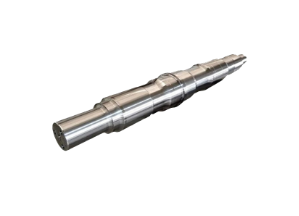
A Comprehensive Guide to Axles Types for Industry Decision Makers | Manufacturing Base
Axles Types is a key solution in the industry, specifically within heavy machinery and transportation sectors. This article explores how https://www.manufacturing-base.com supports professionals with durable, high-performance products
>
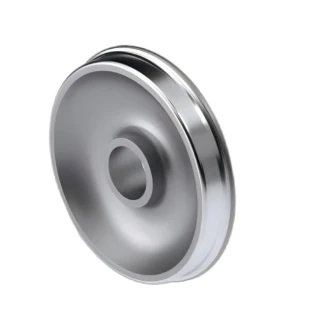
Reliable Rail Wheels: Optimize Your Rail Transport Solutions
For industries that rely on rail-based vehicles, choosing the right rail wheels is essential for smooth operations and safety.
>
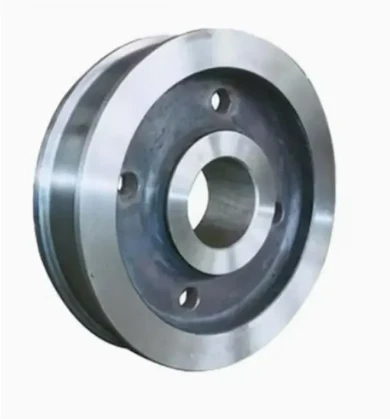
Premium Overhead Crane Wheels For Sale: Enhance Industrial Lifting Efficiency
In modern industrial operations, high-quality overhead crane wheels for sale are essential for safe, reliable, and efficient lifting.
>
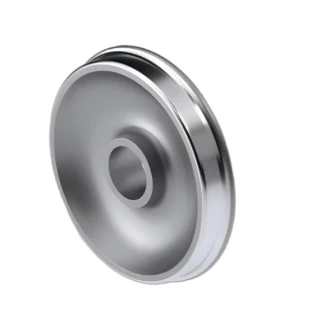
Premium Hi Rail Wheels For Sale: Boost Rail Vehicle Performance
In the modern industrial and railway sectors, having reliable hi rail wheels for sale is essential for operational efficiency and safety.
>
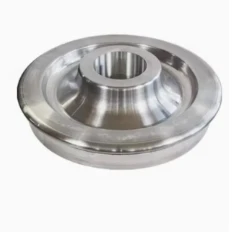
High-Quality Hi Rail Wheels For Sale: Enhance Your Rail Equipment Efficiency
When it comes to reliable rail maintenance and industrial operations, investing in hi rail wheels for sale is crucial.
>
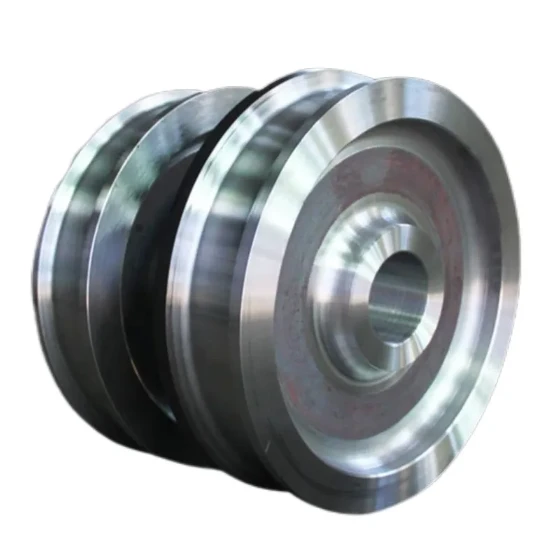
High-Quality Crane Wheels For Sale: Enhance Your Crane Operations
For industries relying on heavy lifting and material handling, investing in high-quality crane wheels for sale is crucial.
>
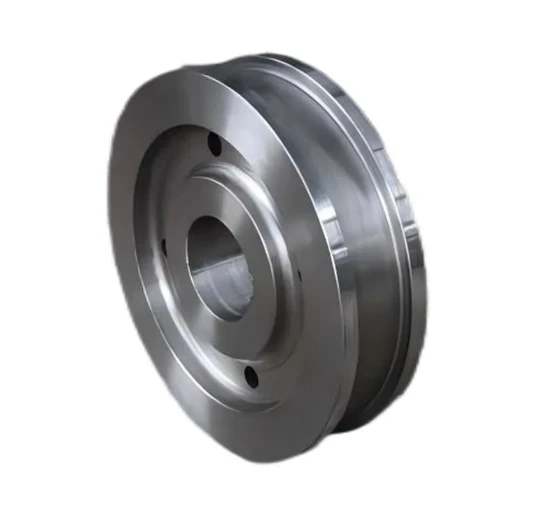
Durable Gantry Crane Wheels For Sale: Maximize Lifting Efficiency
For industries relying on heavy-duty lifting and material handling, selecting the right gantry crane wheels for sale is vital.
>
Reliable Tandem Drive Axles for Heavy-Duty Industrial Vehicles
Tandem Drive Axles: What I’ve Learned After Years in the Industrial Equipment Sector Ha
>
Reliable Semi Trailer Axles for Heavy-Duty Trailers | Expert Insight
Understanding semi trailer axles: The Backbone of Heavy Hauling Having spent more than a deca
>
RC Portal Axles: Industrial Strength and Custom Performance
RC Portal Axles: A Veteran’s Take on Industrial-Grade Performance Having spent over a d
>
Engineered for Excellence
Our forged solutions deliver reliability and performance, powering demanding industries to keep operations running smoothly.

Sign up
for Newsletter
Subscribe to the weekly newsletter for all the latest updates