- Tel: +86 311 82620404
- Cell: 86 -13739710551
- Email: sales@potentia.cn

Double Flange Wheels: Enhancing Safety & Efficiency in Industrial Rail Systems
Understanding Double Flange Wheels: Why They Matter Globally
Double flange wheels. The phrase might sound technical, even obscure to some, but these seemingly simple components have an outsized impact on industries and infrastructures worldwide. From railways to material handling systems, double flange wheels ensure safety, stability, and longevity in countless applications. Knowing their role — and why they’re becoming essential — offers a glimpse into how modern engineering solves global challenges with subtle yet powerful innovations.
At their core, double flange wheels help vehicles or equipment stay aligned on tracks or rails, especially where precision and safety can’t be compromised. As global trade and infrastructure expand rapidly, demand for reliable systems that handle heavy loads, sometimes under unpredictable conditions, has soared. The benefits? Reduced maintenance costs, enhanced safety margins, and the ability to operate in challenging environments reliably.
Mini takeaway: Grasping the nuances of double flange wheels means appreciating a critical piece of the logistics and rail systems that keep our world moving safely and efficiently.
The Global Significance of Double Flange Wheels
To put things in perspective, the global rail industry alone moves over 9 billion tons of freight annually, according to the International Union of Railways (UIC). In this massive ecosystem, components like double flange wheels help prevent derailments, support heavier cargo, and reduce wear-and-tear on tracks.
But it’s not just about freight. Emerging challenges, such as urban mass transit demands and even humanitarian logistics—for instance, in post-disaster zones where temporary rail lines or tracked vehicles are deployed—are pushing the need for robust wheel technology.
Still, there’s a hitch: many systems worldwide grapple with aging or insufficiently specialized wheel designs, resulting in frequent maintenance or downtime, estimates the World Bank’s Infrastructure Report 2023. This gap underscores why adopting advanced double flange wheels is more than a niche engineering choice; it’s a global necessity.
Mini takeaway: Double flange wheels stand at the crossroads of growing infrastructure needs and the urgent demand for safety and efficiency.
What Exactly Are Double Flange Wheels?
If you picture a traditional train wheel, it usually has a single flange—basically a raised rim on one side—that keeps the wheel safely on the rail. Double flange wheels, instead, have flanges on both sides. This might seem like overkill initially, but it’s crucial where tracks are narrow, rails are prone to lateral movement, or there’s a need for omnidirectional stability.
In simplistic terms: double flange wheels grip the rails more securely from both edges, delivering higher safety especially on sharp curves, steep gradients, or in environments where tracks may not be perfectly aligned.
Practically, this design finds utility in mine carts, industrial trolleys, port container cranes, and even specialized trams or monorails. Any sector relying on precise guided motion can benefit.
On a humanitarian and industrial note, you’ll often find double flange wheels in equipment that has to be deployed quickly in disaster zones, or remote areas, where track conditions are far from optimal but supply chains must hold firm.
Mini takeaway: Double flange wheels are the unsung heroes behind smooth and safe guided transport.
Core Factors That Define Double Flange Wheels
Durability
Since these wheels often take hefty loads and operate in rough environments—think mining tunnels or port cranes—they’re built tough. High-quality steel alloys, heat treatments, and precision machining feature prominently in their manufacture, extending lifecycle and reducing replacements.
Load Capacity
Double flange wheels commonly handle extremely heavy weights, sometimes upwards of several tons per wheel. Their sturdiness allows industries to transport bulky, oversized freight without risking derailment.
Precision Engineering
Flanges on both sides require exact measurements and tolerances. Even small deviations can cause wear or jamming. Many manufacturers nowadays use CNC machining and computer-aided design to maintain near-microscopic precision.
Customization & Versatility
Depending on the application, wheels may come in various diameters, flange heights, or materials—sometimes incorporating composite elements or specialized coatings to reduce friction or corrosion.
Maintenance Simplicity
Despite their complexity, double flange wheels are often designed for simple replacement or servicing, minimizing downtime during industrial operations.
Mini takeaway: The magic lies in engineering wheels that are both tough and meticulously precise, ensuring performance and ease of upkeep.
How Double Flange Wheels Are Used Around the World
Their reach spans continents and industries:
- Industrial Rail Systems: Factories, steel mills, and refineries use double flange wheels on narrow-gauge lines to move raw materials efficiently.
- Mining Sector: Underground haulage carts rely on these wheels to navigate tight tunnels with reduced derailment risks.
- Port and Container Handling: Huge cranes and automated guided vehicles use them for cargo stacking and retrieval.
- Urban Transport: Certain tramways and monorail segments incorporate double flange wheels for maneuverability and safety.
- Humanitarian & Remote Operations: Post-disaster emergency rail lines or temporary industrial zones deploy trolleys and vehicles equipped with double flange wheels where stability is vital.
For example, in Australia’s vast mining operations, double flange wheels have improved safety records remarkably by reducing track-related derailments by up to 25%, according to the Minerals Council Australia’s 2022 report.
Mini takeaway: Whether in bustling ports or remote mines, these wheels keep trains and trolleys firmly on track—and on task.
The Benefits And Long-Term Value of Double Flange Wheels
What’s really striking about double flange wheels is how they deliver not just mechanical reliability, but economic and even social value.
- Cost Savings: Longer lifespans and fewer derailments save companies millions on repairs and lost time.
- Sustainability: Durable wheels mean less frequent replacements, reducing waste and manufacturing footprints.
- Safety: Enhanced stability translates directly into protecting personnel and cargo, fostering trust and peace of mind.
- Innovation Gateway: Because of their design flexibility, double flange wheels help industries integrate automation and smart tracking sensors easily.
It’s a win-win, really—combining pragmatic benefits with emotional ones like safety, trust, and dignity of workers and passengers alike.
Looking Ahead: Trends and Innovations in Double Flange Wheels
Recent developments hint at a future where double flange wheels become smarter and greener. Here are few trends:
- Material Innovations: Researchers explore composites and nano-coatings to reduce friction and increase lifespan.
- Digital Monitoring: Embedding sensors to track wheel wear and rail conditions in real-time, supporting predictive maintenance.
- Energy Efficiency: Lighter wheels combined with improved rail design can lower overall system energy consumption.
- Automation Compatibility: Wheels designed specifically for unmanned rail vehicles and automated gantries.
The integration of IoT and AI technologies may soon let operators anticipate failures before they happen—kind of like a 6th sense for your wheels.
Challenges Facing Double Flange Wheels—and How to Overcome Them
Of course, it’s not all smooth rolling. Some hurdles remain:
- High Initial Cost: Custom, precision-made wheels can be expensive upfront.
- Wear in Harsh Environments: Corrosion or track debris can shorten wheel life.
- Compatibility Issues: Not all tracks or vehicles easily retrofit to double flange wheels.
Yet experts suggest solutions like modular designs, enhanced protective coatings, and stricter quality standards (ISO 1246:2023 covers rail wheel geometry, for instance). Plus, partnering with experienced manufacturers can help tailor solutions.
Double Flange Wheels FAQs
Q: How do double flange wheels improve safety compared to single flange counterparts?
A: By having flanges on both sides, these wheels maintain tighter alignment on rails, reducing the risk of derailment, especially on curves or uneven tracks.
Q: Can double flange wheels be used in automated guided vehicles (AGVs)?
A: Absolutely. Their stability and design precision make them ideal for AGVs in warehouses and ports, supporting automation efforts.
Q: What materials are commonly used for manufacturing double flange wheels?
A: Generally, high-grade steel alloys are preferred due to strength and wear resistance, though some applications use composites for lightweight needs.
Q: Are double flange wheels expensive to maintain?
A: While initial costs might be higher, their durability and reduced failure rates often lead to lower maintenance expenses over the wheel’s lifecycle.
Q: Where can I find quality double flange wheels suppliers?
A: Look for vendors with ISO certifications, good industry reputation, and customization options. Some specialized suppliers are listed in the vendor comparison table below.
Product Specification Table: Typical Double Flange Wheel
| Specification | Value | Notes |
|---|---|---|
| Material | Heat-treated Alloy Steel | High durability & tensile strength |
| Diameter | 150 - 500 mm | Custom sizes available |
| Flange Height | 20 - 35 mm | Varies by rail gauge |
| Load Capacity | Up to 10 tons per wheel | Depends on wheel size |
| Surface Treatment | Anti-corrosion coating | Protects against rust & wear |
Vendor Comparison: Top Double Flange Wheel Suppliers
| Vendor | Range of Sizes | Customization | Certifications | Lead Time | Typical Pricing |
|---|---|---|---|---|---|
| RailTech Industries | 100-600mm | Yes, CNC precision | ISO 9001, ISO 1246 | 4-6 weeks | $$$ |
| Global Wheels Co. | 150-450mm | Limited | ISO 9001 | 3-5 weeks | $$ |
| SteelRoll Solutions | 120-520mm | Full customization | ISO 14001, ISO 9001 | 6-8 weeks | $$$$ |
For those curious to dive deeper, exploring double flange wheels suppliers can open more options and case-specific details.
Wrapping It Up: Why Investing in Double Flange Wheels Is Worthwhile
All things considered, double flange wheels might not grab headlines like AI or renewable energy, but they’re a fundamental piece of the engineering puzzle that keeps industries rolling—and safe. Their blend of durability, precise engineering, and adaptability positions them as a must-have in sectors where stakes are high and failure isn’t an option.
If you’re managing industrial transport systems, heavy cargo logistics, or specialized rail vehicles, upgrading or incorporating double flange wheels isn’t just smart—it’s critical for future-proofing operations.
Want to explore options or see what latest innovations can fit your needs? Visit our website at https://www.manufacturing-base.com and discover the difference quality makes.
References:
-
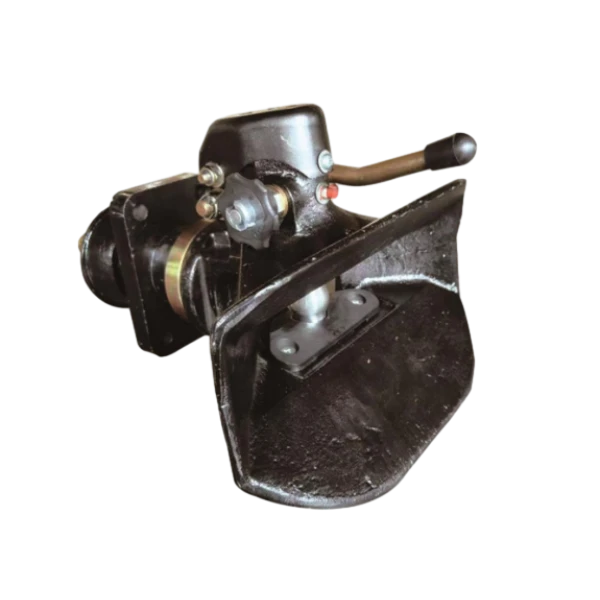 Trailer Coupling
The trailer coupling is a critical component in vehicle towing systems, designed to ensure a secure and efficient connection between a towing vehicle and a trailer. These couplings are manufactured using high-strength carbon steel, alloy steel, or stainless steel, ensuring durability and resistance to heavy loads and harsh environments.
-
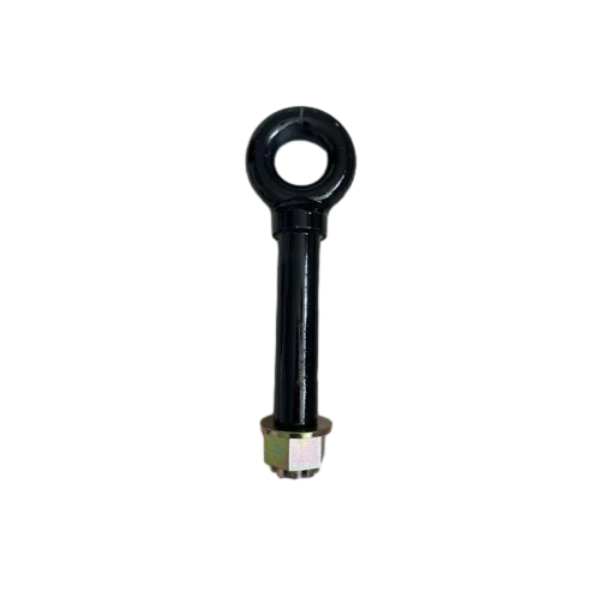 Drawbar Eyes
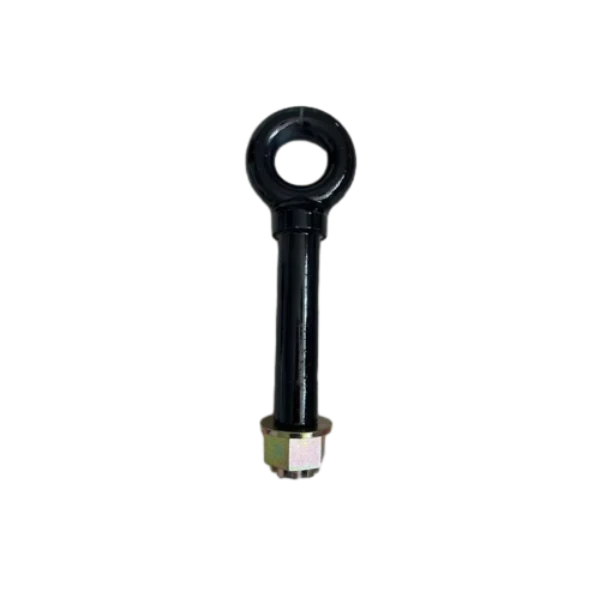
Drawbar eyes are essential components in towing and hauling applications, providing a strong and secure attachment point between the trailer and the towing vehicle. They are designed to endure extreme pulling forces, making them suitable for heavy-duty applications.
-
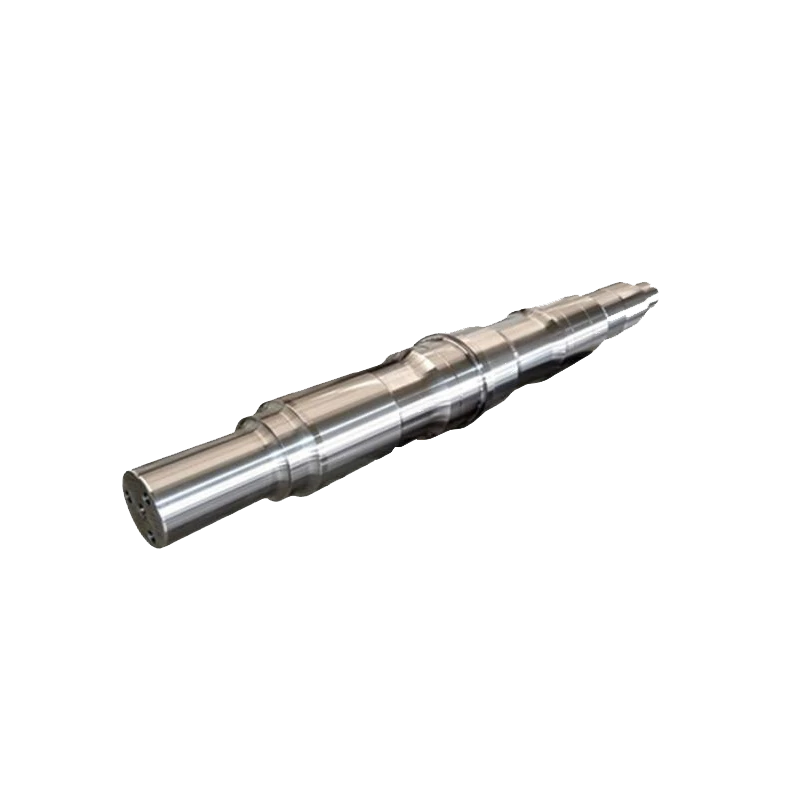 Axles
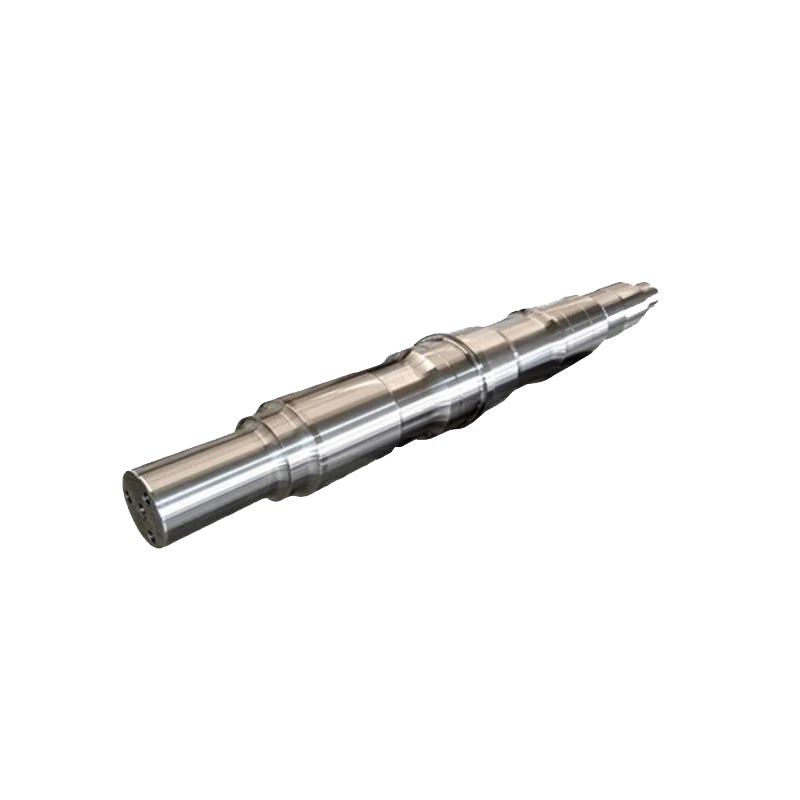
AxlesAxles are essential for vehicle load-bearing and power transmission, ensuring smooth movement and weight distribution. They must withstand high stress, torque, and impact, making material selection and precise manufacturing crucial.
-
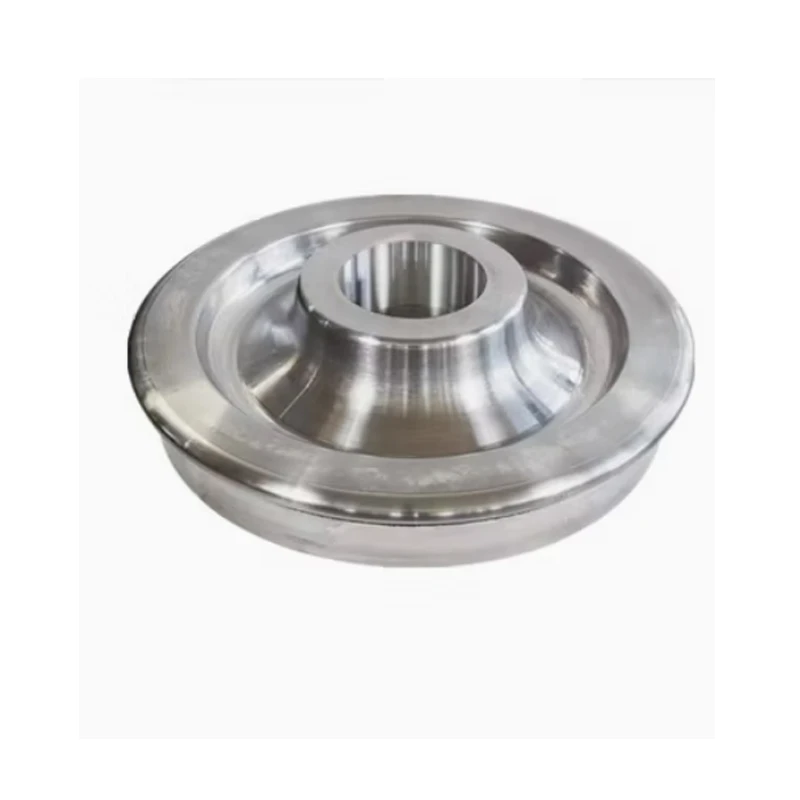 Profile S1002 Series Rail Wheels
The S1002 series rail wheels are designed for Rail-Road Vehicles (RRVs) that require seamless operation on both roads and railway tracks. Engineered with high precision and durability, these wheels conform to S1002 tread profiles, ensuring compatibility with standard railway systems.
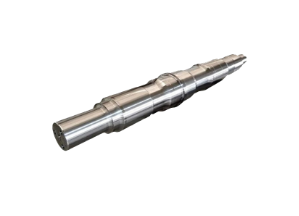
A Comprehensive Guide to Axles Types for Industry Decision Makers | Manufacturing Base
Axles Types is a key solution in the industry, specifically within heavy machinery and transportation sectors. This article explores how https://www.manufacturing-base.com supports professionals with durable, high-performance products
>
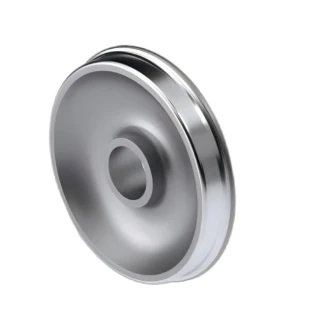
Reliable Rail Wheels: Optimize Your Rail Transport Solutions
For industries that rely on rail-based vehicles, choosing the right rail wheels is essential for smooth operations and safety.
>
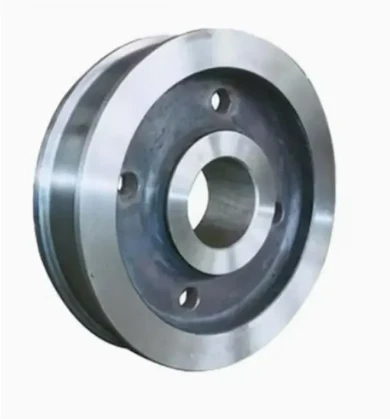
Premium Overhead Crane Wheels For Sale: Enhance Industrial Lifting Efficiency
In modern industrial operations, high-quality overhead crane wheels for sale are essential for safe, reliable, and efficient lifting.
>
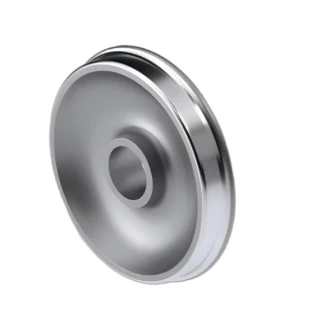
Premium Hi Rail Wheels For Sale: Boost Rail Vehicle Performance
In the modern industrial and railway sectors, having reliable hi rail wheels for sale is essential for operational efficiency and safety.
>
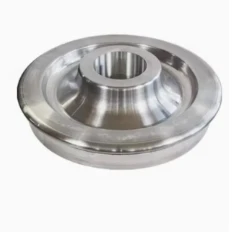
High-Quality Hi Rail Wheels For Sale: Enhance Your Rail Equipment Efficiency
When it comes to reliable rail maintenance and industrial operations, investing in hi rail wheels for sale is crucial.
>
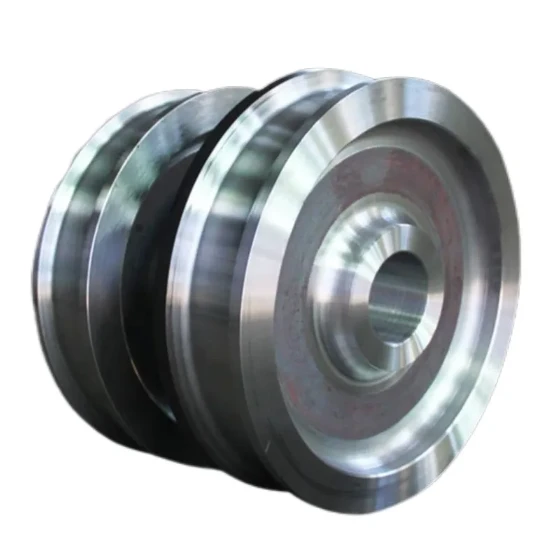
High-Quality Crane Wheels For Sale: Enhance Your Crane Operations
For industries relying on heavy lifting and material handling, investing in high-quality crane wheels for sale is crucial.
>
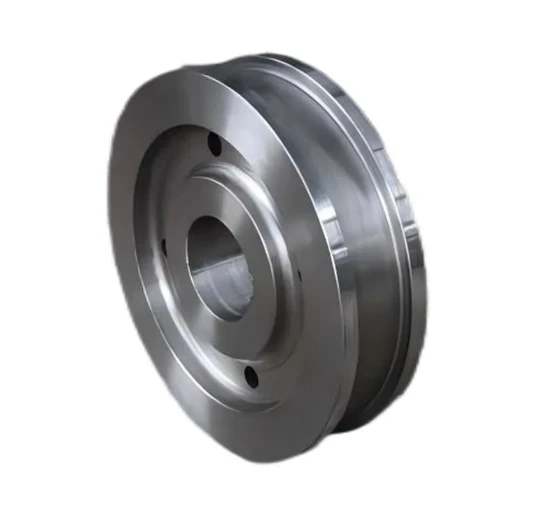
Durable Gantry Crane Wheels For Sale: Maximize Lifting Efficiency
For industries relying on heavy-duty lifting and material handling, selecting the right gantry crane wheels for sale is vital.
>
Reliable Tandem Drive Axles for Heavy-Duty Industrial Vehicles
Tandem Drive Axles: What I’ve Learned After Years in the Industrial Equipment Sector Ha
>
Reliable Semi Trailer Axles for Heavy-Duty Trailers | Expert Insight
Understanding semi trailer axles: The Backbone of Heavy Hauling Having spent more than a deca
>
RC Portal Axles: Industrial Strength and Custom Performance
RC Portal Axles: A Veteran’s Take on Industrial-Grade Performance Having spent over a d
>
Engineered for Excellence
Our forged solutions deliver reliability and performance, powering demanding industries to keep operations running smoothly.

Sign up
for Newsletter
Subscribe to the weekly newsletter for all the latest updates