
Efficient Motion Systems with Precision Rail Wheels
In both industrial automation and modern urban transit, the integration of rail wheels into engineered systems has become indispensable. Whether enhancing productivity in manufacturing lines or supporting the safe operation of light rail vehicles, wheels that move along guided tracks offer unmatched efficiency, control, and durability. Configurations such as rail with wheels, rail on wheels, light rail wheels, and linear guide wheels all represent specialized solutions tailored to distinct movement requirements. These components are vital in industries where guided mobility is critical—ranging from smart factories and logistics hubs to infrastructure development and public transportation.
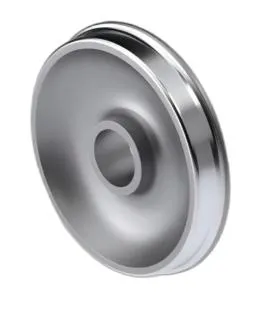
Rail with Wheels: Structural Versatility for Guided Systems
The term rail with wheels encompasses a wide variety of applications in which mechanical movement is guided along a fixed path using track-mounted wheels. These systems can be found in conveyor lines, mobile workstations, warehouse shuttles, and automated guided vehicles (AGVs). The fundamental principle is that by fixing rails to the floor or frame and using precision-machined wheels to follow these paths, operators can achieve controlled, repeatable motion with minimal friction and reduced manual intervention.
In such systems, the rail is often made of hardened steel or anodized aluminum, providing a wear-resistant surface that supports consistent wheel travel. The wheels themselves are fitted with bearings and may feature flanges or grooves to stay aligned within the track. Whether used horizontally or vertically, rail with wheels systems contribute to workflow precision, load stability, and system modularity.
These guided wheel systems are widely implemented in cleanrooms, automated assembly lines, and heavy-duty industrial platforms. The combination of rail rigidity and wheel mobility allows engineers to design scalable transport solutions that require little maintenance and offer consistent throughput across complex operations.
Rail on Wheels: Mobile Solutions for Infrastructure and Industry
While rail with wheels refers to fixed systems, rail on wheels introduces mobility at a structural level. This configuration is often used in temporary or adjustable installations—where entire rail segments or equipment tracks are mounted on wheel assemblies, allowing them to be relocated or reconfigured as needed. Think of telescopic cranes, modular gantries, or maintenance platforms that operate on temporary rail extensions. The wheels supporting these movable rails must offer exceptional strength, shock absorption, and surface adaptability.
For example, in rail maintenance or construction applications, temporary rail on wheels systems enable machinery to be transported to remote track segments, perform their tasks, and then roll away—minimizing downtime and maximizing flexibility. In warehouse racking systems, rails on wheels allow for adjustable storage zones that can be reconfigured as inventory needs change.
This concept is also relevant in test labs and prototyping environments, where engineers require dynamic testing platforms. In such contexts, high-quality locking casters, load-rated flanged wheels, and reinforced substructures ensure safety, stability, and ease of control.
Light Rail Wheels: Supporting Safe and Smooth Urban Transit
As urban populations grow, light rail wheels have become integral to sustainable, high-capacity public transit systems. Unlike heavy rail used in long-distance freight, light rail vehicles operate in dense city environments where low noise, frequent stops, and tight curves are key design considerations. The wheels must therefore balance lightweight construction with durability and precision.
Manufactured from forged alloy steel, light rail wheels are engineered to withstand cyclic loading, frequent acceleration and braking, and variations in track condition. Their flanges are designed to ensure safe rail engagement during curves and track transitions. To minimize passenger noise and enhance ride comfort, some wheels feature rubber suspension systems or integrated dampers.
Additionally, corrosion-resistant coatings and surface hardening treatments extend wheel life, especially in coastal or high-rainfall regions. Whether used in streetcars, trams, or light metro systems, these wheels must conform to strict geometric and material standards to ensure interoperability, safety, and performance.
Linear Guide Wheels: Driving Precision in Industrial Automation
For environments where precision motion is critical, such as robotics, CNC machinery, and laboratory equipment, linear guide wheels provide an ideal solution. Designed to roll smoothly along a linear guide rail, these wheels deliver controlled travel with minimal friction and high repeatability. They are especially effective in applications involving repetitive motion, delicate positioning, or small-space mechanisms.
Typically constructed with stainless steel or polymer-coated rolling elements, linear guide wheels include integrated sealed bearings to protect against dust, debris, and wear. Their outer surface is ground to tight tolerances, ensuring smooth interaction with the rail and preventing vibration or misalignment.
The modular nature of these systems allows for easy installation, adjustment, and maintenance. In fast-paced industries like packaging, electronics, or pharmaceuticals, linear guide wheels improve machine efficiency, reduce maintenance intervals, and enhance output precision. Some variations also include anti-backlash features or dual-bearing setups for greater load stability.
rail wheels FAQs
What are rail wheels typically made of?
Most rail wheels are manufactured from high-strength forged steel, such as 42CrMo or 1045, offering excellent wear resistance, tensile strength, and surface hardenability. In specialized applications, wheels may also feature rubber cores, stainless steel coatings, or polymer-based alternatives to meet specific environmental or weight requirements. The material choice depends on factors such as load capacity, exposure conditions, and required rolling resistance.
What is the difference between light rail wheels and traditional rail wheels?
Light rail wheels are designed for lower axle loads and frequent stopping in urban transit systems. They prioritize quiet operation, comfort, and compact dimensions. In contrast, traditional rail wheels—used in freight or heavy passenger rail—are heavier, more robust, and built for long-distance, high-speed endurance. Their geometries, materials, and hardening profiles are tailored for very different usage conditions.
How do linear guide wheels compare to linear bearings?
Linear guide wheels provide motion through rolling contact, offering lower friction and smoother movement compared to sliding-contact linear bearings. They are often easier to maintain and better suited for fast, repetitive cycles. Linear bearings may handle slightly higher static loads but tend to wear faster under high-speed or misaligned conditions. Guide wheels also allow for more customization in rail profiles and mounting configurations.
Can rail wheels be customized for special applications?
Yes. Rail wheels can be customized in terms of diameter, flange geometry, bore size, tread hardness, and materials. For example, industries requiring non-marking wheels may opt for polyurethane-coated rails, while high-temperature environments may use special alloys or cooling-treated steel. Dual-flange or groove-specific profiles are also available for systems with unique track demands.
What maintenance is required for rail with wheels systems?
Maintenance for rail with wheels systems includes periodic inspection of wheel wear, lubrication of bearings, alignment checks for the rail path, and replacement of damaged components. Dust and debris should be regularly cleared to avoid track obstruction or increased rolling resistance. With proper care, these systems can offer years of smooth, reliable performance with minimal downtime.
-
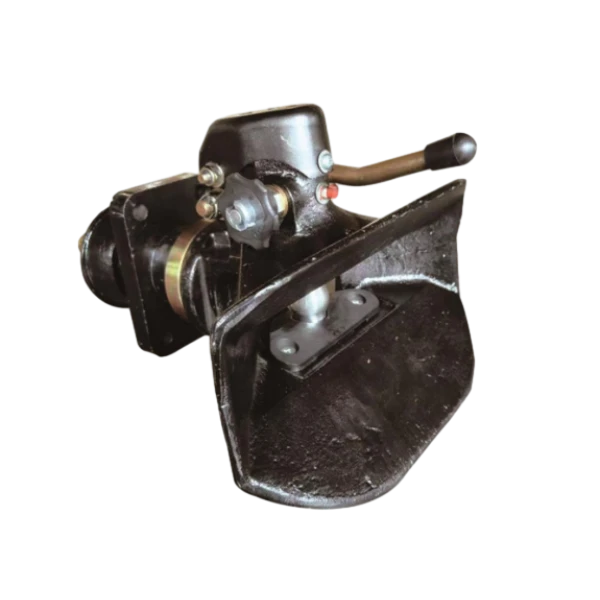 Trailer Coupling
The trailer coupling is a critical component in vehicle towing systems, designed to ensure a secure and efficient connection between a towing vehicle and a trailer. These couplings are manufactured using high-strength carbon steel, alloy steel, or stainless steel, ensuring durability and resistance to heavy loads and harsh environments.
-
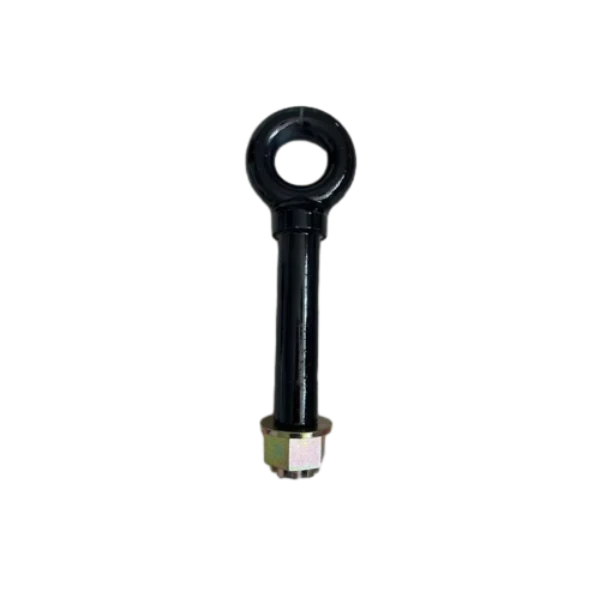
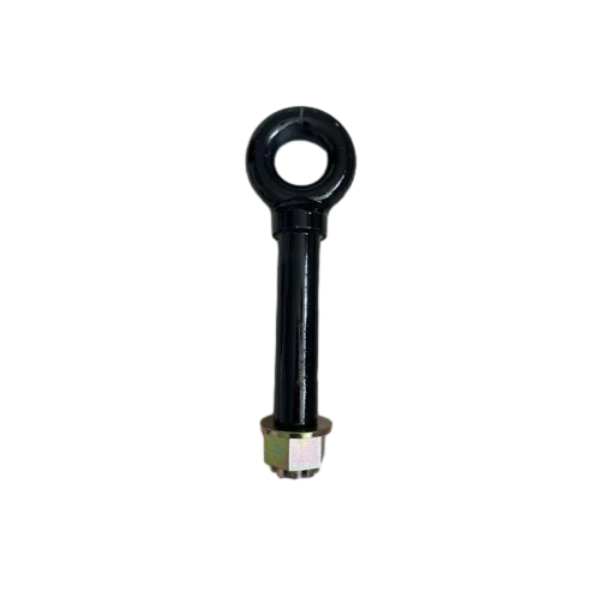 Drawbar Eyes
Drawbar eyes are essential components in towing and hauling applications, providing a strong and secure attachment point between the trailer and the towing vehicle. They are designed to endure extreme pulling forces, making them suitable for heavy-duty applications.
-
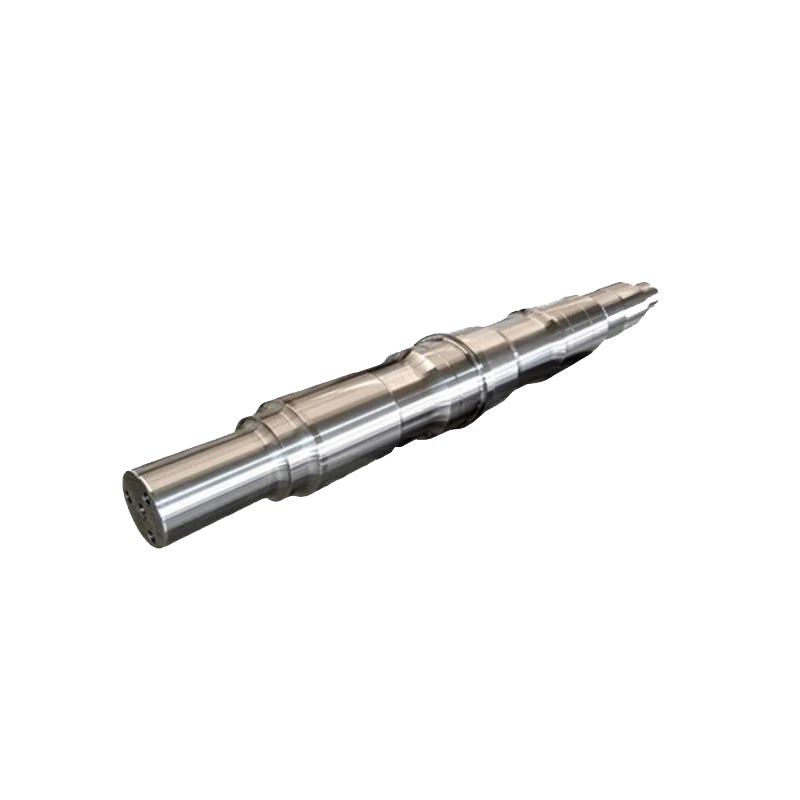
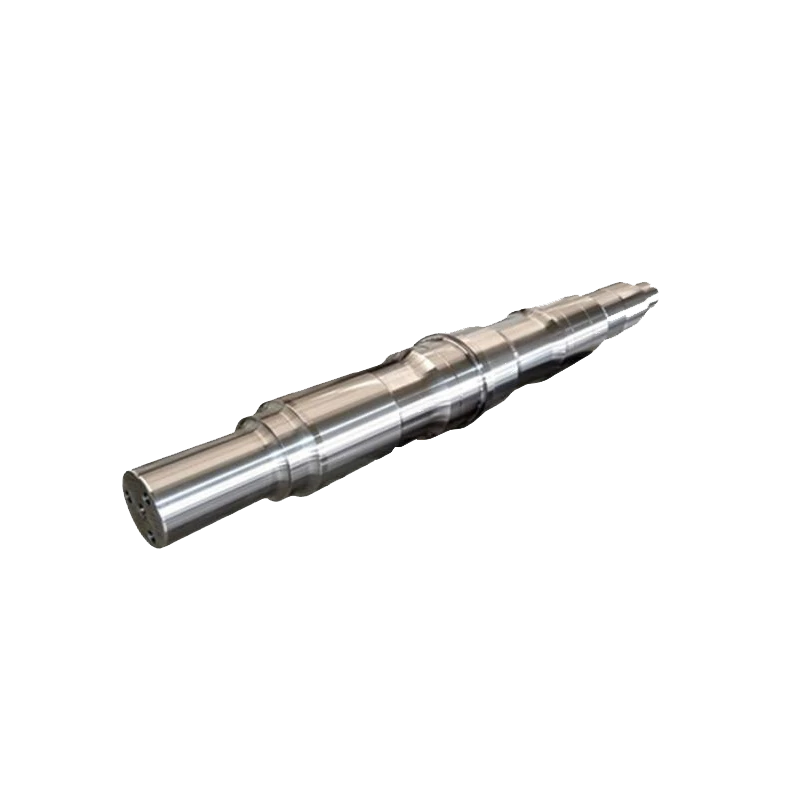 Axles
AxlesAxles are essential for vehicle load-bearing and power transmission, ensuring smooth movement and weight distribution. They must withstand high stress, torque, and impact, making material selection and precise manufacturing crucial.
-
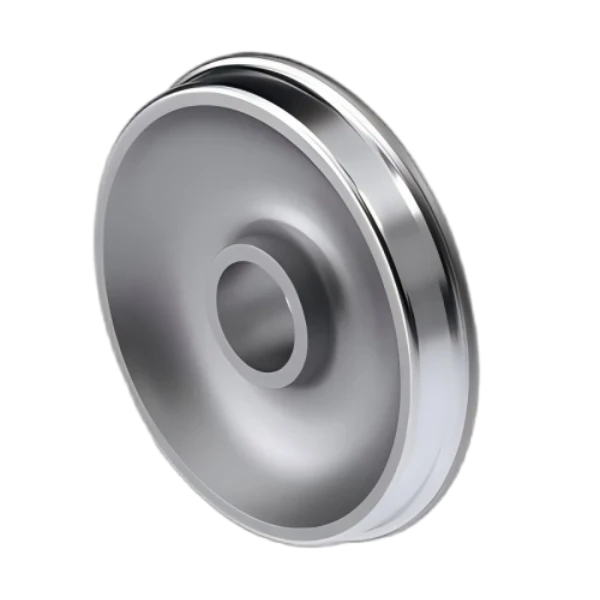
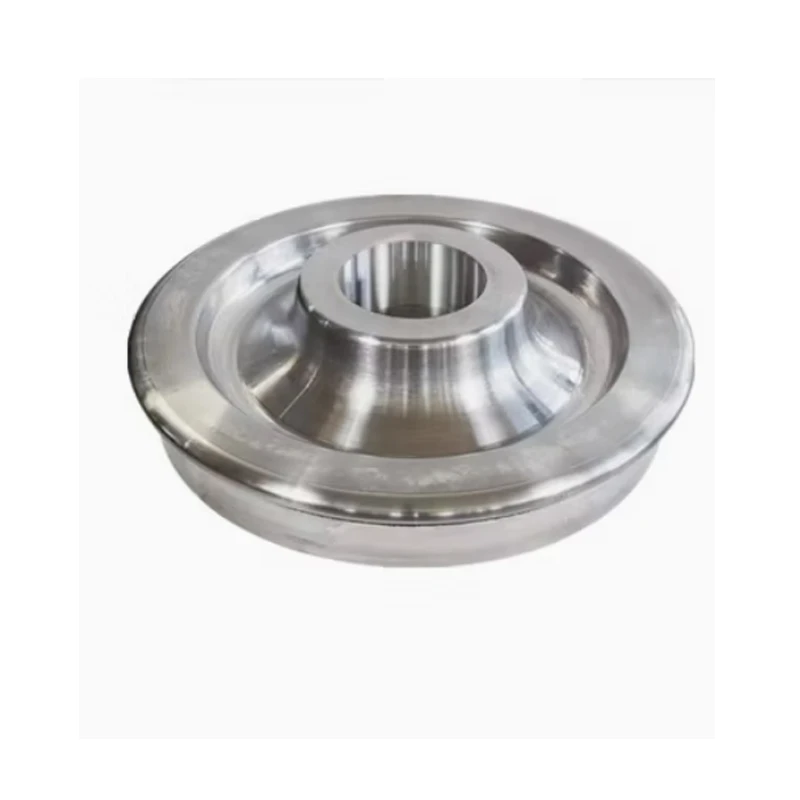 Profile S1002 Series Rail Wheels
The S1002 series rail wheels are designed for Rail-Road Vehicles (RRVs) that require seamless operation on both roads and railway tracks. Engineered with high precision and durability, these wheels conform to S1002 tread profiles, ensuring compatibility with standard railway systems.
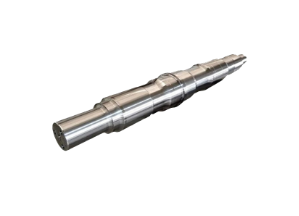
A Comprehensive Guide to Axles Types for Industry Decision Makers | Manufacturing Base
Axles Types is a key solution in the industry, specifically within heavy machinery and transportation sectors. This article explores how https://www.manufacturing-base.com supports professionals with durable, high-performance products
>
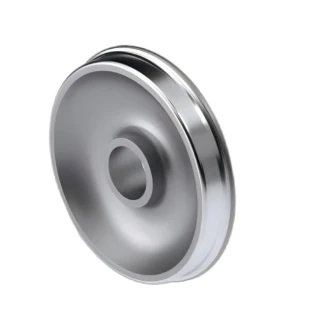
Reliable Rail Wheels: Optimize Your Rail Transport Solutions
For industries that rely on rail-based vehicles, choosing the right rail wheels is essential for smooth operations and safety.
>
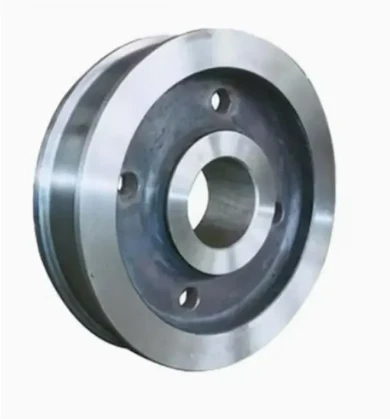
Premium Overhead Crane Wheels For Sale: Enhance Industrial Lifting Efficiency
In modern industrial operations, high-quality overhead crane wheels for sale are essential for safe, reliable, and efficient lifting.
>
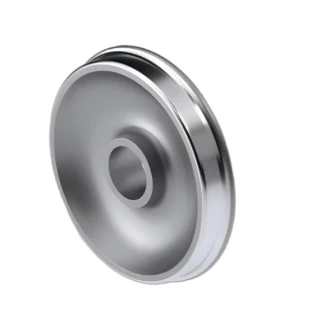
Premium Hi Rail Wheels For Sale: Boost Rail Vehicle Performance
In the modern industrial and railway sectors, having reliable hi rail wheels for sale is essential for operational efficiency and safety.
>
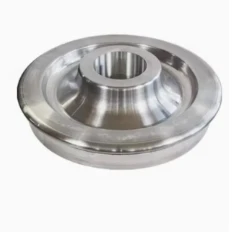
High-Quality Hi Rail Wheels For Sale: Enhance Your Rail Equipment Efficiency
When it comes to reliable rail maintenance and industrial operations, investing in hi rail wheels for sale is crucial.
>
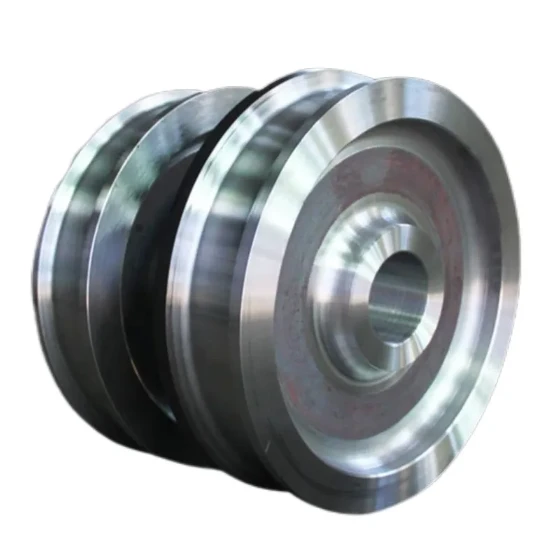
High-Quality Crane Wheels For Sale: Enhance Your Crane Operations
For industries relying on heavy lifting and material handling, investing in high-quality crane wheels for sale is crucial.
>
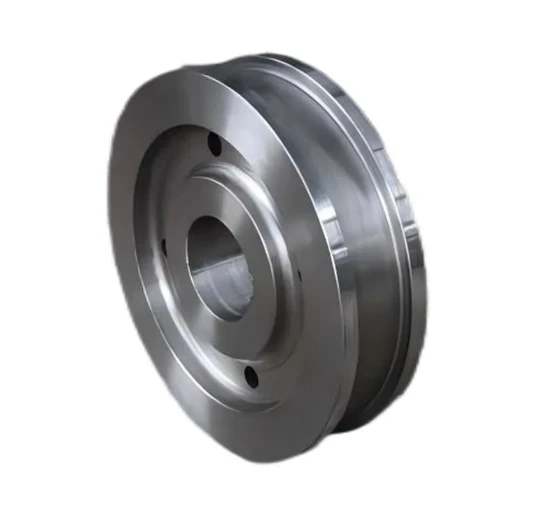
Durable Gantry Crane Wheels For Sale: Maximize Lifting Efficiency
For industries relying on heavy-duty lifting and material handling, selecting the right gantry crane wheels for sale is vital.
>
Reliable Tandem Drive Axles for Heavy-Duty Industrial Vehicles
Tandem Drive Axles: What I’ve Learned After Years in the Industrial Equipment Sector Ha
>
Reliable Semi Trailer Axles for Heavy-Duty Trailers | Expert Insight
Understanding semi trailer axles: The Backbone of Heavy Hauling Having spent more than a deca
>
RC Portal Axles: Industrial Strength and Custom Performance
RC Portal Axles: A Veteran’s Take on Industrial-Grade Performance Having spent over a d
>
Engineered for Excellence
Our forged solutions deliver reliability and performance, powering demanding industries to keep operations running smoothly.

Sign up
for Newsletter
Subscribe to the weekly newsletter for all the latest updates