- Tel: +86 311 82620404
- Cell: 86 -13739710551
- Email: sales@potentia.cn

Durable Rails Wheels: Quality Rail Car Wheels for Sale
Understanding Industrial rails wheels: A Comprehensive Guide for B2B Buyers
In industrial and heavy-duty applications, the reliability and performance of rail components are paramount. This article provides an in-depth exploration of rails wheels, focusing on their critical role across various sectors, manufacturing intricacies, technical specifications, and the strategic considerations for procurement. Specifically, we examine the Profile P1 Series Rail Wheels, renowned for their robust design and adherence to stringent quality standards, serving as an exemplary model for high-performance rail car wheels.
The demand for durable and efficient rail car wheel solutions continues to grow, driven by expanding infrastructure projects, the need for enhanced operational safety, and increased payload capacities. Understanding the nuances from material science to advanced machining processes is essential for making informed investment decisions that ensure long-term operational integrity and cost-effectiveness. Our discussion will cover the complete lifecycle, from design and fabrication to application and maintenance, ensuring a holistic perspective for technical buyers and engineers.
Industry Trends and Market Dynamics for Rail Wheels
The market for industrial rails wheels is undergoing significant transformation, influenced by several key trends. Digitalization, for instance, is leading to advanced monitoring systems that predict wear and tear, reducing unplanned downtime. Environmental regulations are pushing for lighter, more energy-efficient designs and materials, prompting innovation in composite and alloy steel development. Furthermore, global infrastructure spending, particularly in sectors like mining, ports, and heavy manufacturing, fuels consistent demand for specialized rail car wheels for sale. The shift towards higher load capacities and faster operational speeds necessitates continuous improvement in material strength, fatigue resistance, and precision machining.
For instance, the adoption of intelligent transportation systems (ITS) and automation in material handling requires rail wheels with tighter tolerances and compatibility with sensor integration. According to a report by Mordor Intelligence, the global rail market is projected to grow significantly, with a CAGR of over 4% from 2021-2026, primarily driven by increasing urbanization and freight movement. This growth directly impacts the demand for high-quality, durable, and technologically advanced rail components, including specialized wheels for various gauge requirements and operational environments.
Manufacturing Process of Profile P1 Series Rail Wheels
The production of high-performance rails wheels, such as the Profile P1 Series, involves a meticulous multi-stage process designed to ensure structural integrity, dimensional accuracy, and optimal service life. Adherence to international standards like ISO 9001 and ANSI is critical at every step.
Process Flow Overview:
1. Material Selection
Materials: High-grade carbon steel (e.g., AAR M-107/208, EN 13262), alloy steels (e.g., 42CrMo, 34CrNiMo) for enhanced wear resistance and strength. Specific grades chosen based on load, speed, and environmental conditions. Our Profile P1 Series typically utilizes forged EN 13262 grade R8T or R9T for superior toughness and fatigue resistance.
2. Forging or Casting
Forging: Preferred method for critical applications (Profile P1 Series) due to superior grain structure, strength, and fatigue resistance. Hot forging shapes the steel into a near-net wheel blank. This process compacts the material, eliminating internal voids and refining the grain structure, which is crucial for the longevity of a rail car wheel.
Casting: Used for less demanding applications or larger, complex geometries. While cost-effective, cast wheels generally exhibit lower fatigue life compared to forged counterparts.
3. Heat Treatment
Post-forging, wheels undergo specific heat treatments (e.g., quenching and tempering, normalizing) to achieve desired mechanical properties: increased hardness, toughness, and improved resistance to wear and thermal cracking. This optimizes the microstructure for demanding operational environments, extending the service life significantly.
4. CNC Machining
Precision CNC machining shapes the wheel blank into the final profile, ensuring exact dimensions, bore concentricity, and tread geometry. This step is critical for smooth operation, reduced rolling resistance, and proper flange-to-rail interaction. Tolerances are typically held to within microns to meet ISO and ANSI standards for railway components.
5. Quality Control & Testing
Rigorous testing includes ultrasonic testing for internal flaws, magnetic particle inspection for surface cracks, hardness testing (e.g., Brinell), metallurgical analysis, and dimensional verification. Each wheel is subjected to these checks to ensure compliance with standards like EN 13262, AAR M-107/208, and customer-specific requirements.
6. Surface Treatment & Coating
Depending on application, corrosion-resistant coatings or protective finishes may be applied. This enhances durability, especially in harsh environments (e.g., petrochemical plants, coastal operations). The Profile P1 Series wheels typically feature a protective primer layer.
The service life of Profile P1 Series rails wheels is typically rated for 5-15 years, depending on operational intensity, load, and maintenance schedules. In target industries such as petrochemical, metallurgy, and water supply & drainage, these wheels demonstrate advantages like energy saving due to optimized rolling resistance and exceptional corrosion resistance from high-grade materials and protective coatings.
Technical Specifications: Profile P1 Series Rail Wheels
The Profile P1 Series is engineered for demanding industrial environments, featuring a robust design tailored for heavy loads and continuous operation. Below are key technical parameters and a specification table for typical configurations.
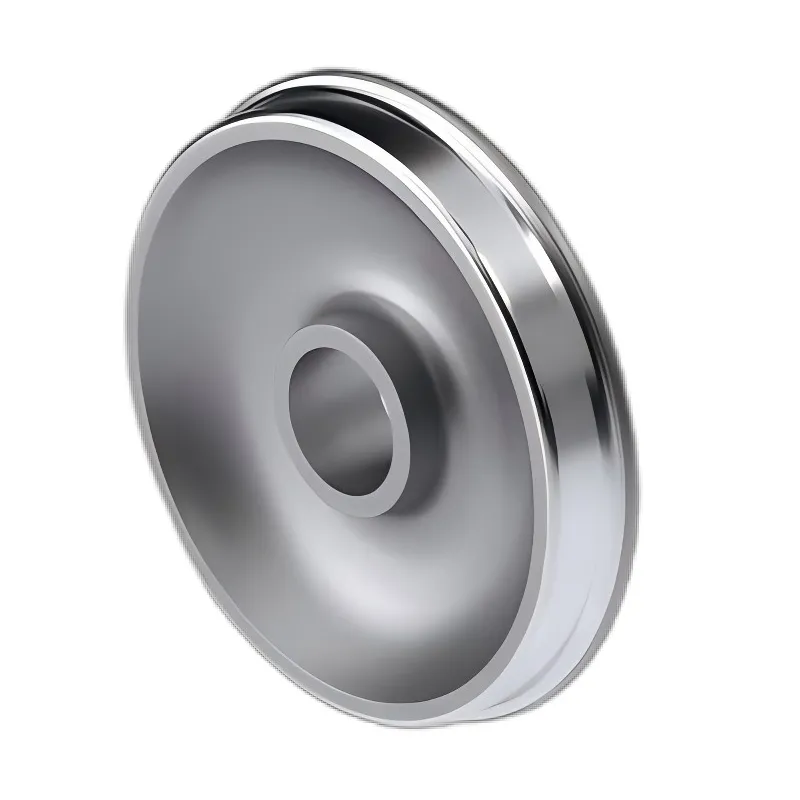
Figure 1: High-precision Profile P1 Series rails wheels ready for deployment.
Profile P1 Series Typical Specifications
| Parameter | Specification | Notes |
|---|---|---|
| Material | Forged Alloy Steel (EN 13262 R8T/R9T) | High strength, excellent wear resistance |
| Wheel Diameter Range | 300 mm - 1200 mm (customizable) | Tailored to application requirements |
| Load Capacity (per wheel) | Up to 50 tons (dependent on diameter) | Designed for heavy-duty industrial vehicles |
| Hardness (Tread) | Brinell 260-320 HBW | Optimized for wear life |
| Tensile Strength | Min. 880 MPa | High resistance to deformation |
| Flange Type | Single Flange, Double Flange (custom profiles) | Configurable for specific rail types |
| Bore Diameter | Customizable | Precision machined for axle fit |
| Manufacturing Standard | EN 13262, AAR M-107/208, ISO 9001 | Ensures global compliance and quality |
| Surface Finish | Ra 1.6 - 3.2 µm (machined surfaces) | Reduces friction and improves lifespan |
These specifications underline the Profile P1 Series' suitability for rigorous operations where reliability and minimal maintenance are critical. The choice of forged alloy steel provides superior resistance to impact and fatigue, vital for heavy-duty rail car wheels.
Application Scenarios and Technical Advantages
Profile P1 Series rails wheels are designed for diverse and demanding industrial applications. Their robust construction and adherence to high technical standards provide significant operational advantages.
Typical Application Scenarios:
- Petrochemical Industry: Used in specialized rail cars for transporting hazardous materials or for internal plant logistics, where corrosion resistance and safety are paramount. The Profile P1 Series' advanced material properties ensure stability in volatile environments.
- Metallurgical Plants: Critical for molten metal transfer cars, slab transporters, and crane trolleys operating in high-temperature, dusty, and heavy-load conditions. The wheels' high load capacity and heat treatment prevent premature failure.
- Mining Operations: Employed in underground and surface mining locomotives and ore wagons, where wheels face abrasive conditions and extreme loads. Their wear resistance significantly extends service intervals.
- Ports and Shipyards: Used in gantry cranes, container111 stackers, and heavy-lift transporters. The precision machining ensures smooth travel, reducing wear on rails and infrastructure, particularly vital for efficient cargo handling.
- Water Supply & Drainage Infrastructure: In specialized equipment for large-scale gate operation or heavy pump transport, where reliable movement of substantial machinery is required.
Technical Advantages:
- Exceptional Durability and Service Life: Forged construction and optimized heat treatment yield superior strength and fatigue resistance, leading to significantly extended operational life compared to cast alternatives. This translates directly into lower lifecycle costs and reduced maintenance frequency.
- Energy Saving: Precision-machined tread profiles and bore concentricity minimize rolling resistance. This reduces the power required for movement, leading to substantial energy savings in large-scale operations and contributing to lower carbon footprints.
- Corrosion Resistance: Selection of high-grade alloy steels and optional protective coatings provides excellent resistance to corrosive agents, vital in chemical plants, coastal areas, or high-humidity environments.
- High Load-Bearing Capacity: Engineered to withstand extreme vertical and lateral loads, ensuring safe and reliable operation of heavy industrial vehicles. This is crucial for applications involving significant payloads, such as ore transport or heavy machinery movement.
- Reduced Wear on Rails: Precise wheel geometry and surface finish ensure optimal contact with rails, reducing friction and minimizing wear on both the wheel and the track infrastructure. This extends the lifespan of expensive rail assets.
- Operational Safety: Rigorous testing and adherence to international safety standards (e.g., AAR, EN) guarantee a high level of operational safety, preventing failures and accidents even under strenuous conditions.
The synergy of advanced materials, precise manufacturing, and stringent quality control ensures that Profile P1 Series rail car wheels deliver unparalleled performance and reliability in the most challenging industrial settings.
Vendor Comparison and Customization Solutions
Selecting the right vendor for rails wheels involves evaluating not just product specifications but also manufacturing capabilities, quality assurance, and after-sales support. While many suppliers offer standard rail car wheels for sale, differentiation often lies in specialized engineering, customization, and commitment to long-term client relationships.
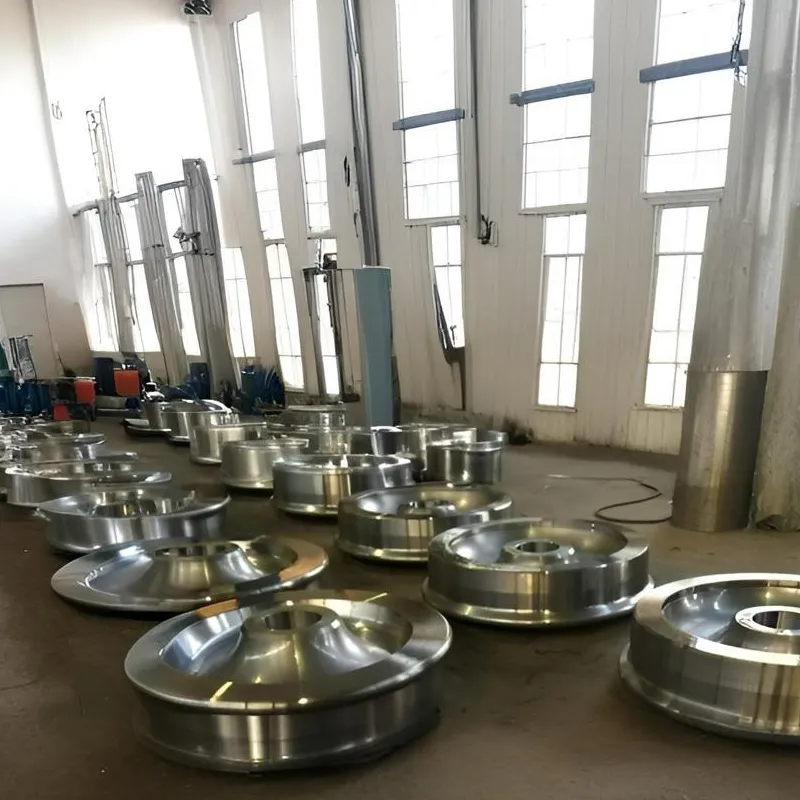
Figure 2: Custom-engineered rails wheels for specialized industrial applications.
Key Factors in Vendor Comparison:
- Manufacturing Expertise: Look for vendors with proven experience in advanced forging techniques and precision CNC machining, ensuring higher quality and consistency than those relying solely on casting.
- Quality Certifications: Adherence to international standards (ISO 9001, AAR, EN, ASME) is non-negotiable. Certifications from recognized bodies validate a vendor's commitment to quality. Our production facilities hold ISO 9001:2015 certification and our products meet AAR M-107/208 and EN 13262 standards.
- Customization Capabilities: The ability to design and manufacture wheels for non-standard gauges, specific load profiles, or unique environmental challenges is a significant advantage.
- Technical Support: Access to engineering support for design, material selection, and troubleshooting is crucial, especially for complex projects.
- Lead Times and Logistics: Reliable lead times and efficient global logistics are vital for project timelines and operational continuity.
Customized Solutions for Profile P1 Series:
We specialize in providing bespoke rails wheels solutions to meet unique industrial demands. This includes:
- Tailored Material Grades: Beyond standard alloys, we can source and process specific steel grades for extreme temperature ranges, enhanced impact resistance, or particular chemical exposure.
- Optimized Tread Profiles: Custom wheel profiles can be designed to minimize wear on specific rail types, reduce noise, or optimize tracking performance for unique track geometries.
- Specialized Coatings and Treatments: Application of advanced ceramic coatings for ultra-high wear resistance, or specific anti-corrosion treatments for highly aggressive environments.
- Integrated Solutions: Providing fully assembled wheelsets, including axles, bearings, and gearbox interfaces, pre-assembled and tested for immediate integration into client systems.
- Reverse Engineering: Capabilities to replicate and improve upon existing wheel designs based on client specifications or worn samples, ensuring perfect fit and enhanced performance.
Application Case Studies: Profile P1 Series in Action
Real-world applications demonstrate the tangible benefits of deploying high-quality rails wheels like the Profile P1 Series.
Case Study 1: Heavy-Duty Ore Transportation in a Mining Complex
A major open-pit mining operation in Australia required rail car wheels capable of handling continuous, high-tonnage ore transport over rugged terrain and varying gradients. Their existing wheels, primarily cast, experienced frequent wear and cracking, leading to costly downtime. We supplied custom Profile P1 Series wheels with increased hardness (Brinell 300 HBW) and a modified tread profile optimized for their specific rail gauge and heavy loads.
- Outcome: After 24 months of operation, the Profile P1 wheels showed 40% less tread wear than previous wheels, and no instances of flange cracking were reported. This resulted in a 15% reduction in maintenance costs and a 5% increase in operational uptime, validated by on-site performance logs. The client reported significantly improved operational reliability and safety.
Case Study 2: Automated Guided Vehicles (AGVs) in a Steel Mill
A European steel manufacturer was upgrading its internal logistics with a fleet of heavy-duty AGVs designed to transport hot steel coils. These AGVs required highly precise rails wheels to ensure smooth, automated movement and prevent track damage in a high-temperature, abrasive environment. We provided Profile P1 Series wheels with tighter concentricity tolerances and a specialized heat treatment for enhanced thermal fatigue resistance.
- Outcome: The AGVs demonstrated exceptional tracking accuracy and minimal vibration, contributing to a 10% reduction in energy consumption due to lower rolling resistance. The wheels maintained their integrity despite exposure to temperatures exceeding 200°C, proving the superior material stability of the P1 Series in extreme conditions. The project has been operational for three years with no wheel-related failures, exceeding client expectations for durability.
Frequently Asked Questions (FAQ)
Q1: What is the typical lead time for Profile P1 Series rails wheels?
A1: Standard Profile P1 Series wheels typically have a lead time of 6-8 weeks, depending on quantity and current production schedules. Custom-engineered solutions may require an additional 2-4 weeks for design and prototyping. Expedited options are available upon request and project feasibility.
Q2: What warranty is provided with Profile P1 Series rail car wheels?
A2: We offer a comprehensive 2-year warranty on all Profile P1 Series wheels against manufacturing defects and material failures under normal operating conditions. Our warranty commitment underscores our confidence in the quality and durability of our products, ensuring peace of mind for our clients.
Q3: How do I determine the correct rail car wheel size and material for my application?
A3: Our engineering team provides detailed consultation to help you select the optimal wheel configuration. We require information on maximum load per wheel, operating speed, rail type (e.g., ASCE, Crane Rail), environmental conditions (temperature, corrosive agents), and desired service life. We can conduct finite element analysis (FEA) to validate custom designs.
Q4: What kind of after-sales support do you offer for rails wheels?
A4: We provide extensive after-sales support, including technical assistance for installation and maintenance, wear analysis, and refurbishment services for extending wheel life. Our dedicated customer service team is available to address any operational queries or support requirements promptly.
Conclusion: Strategic Investment in Profile P1 Series Rail Wheels
The strategic procurement of high-quality industrial rails wheels is a critical decision for operational efficiency, safety, and long-term cost-effectiveness in heavy industries. The Profile P1 Series, with its emphasis on precision manufacturing, superior material science, and rigorous quality control, stands as a testament to engineering excellence in this domain.
By investing in advanced rail car wheels for sale that meet stringent international standards and offer robust customization options, businesses can significantly enhance their operational reliability, reduce maintenance expenditures, and ensure peak performance even in the most demanding environments. Our commitment to expertise, authoritativeness, and trustworthiness, backed by verifiable certifications and successful case studies, positions us as a reliable partner for your industrial rail component needs.
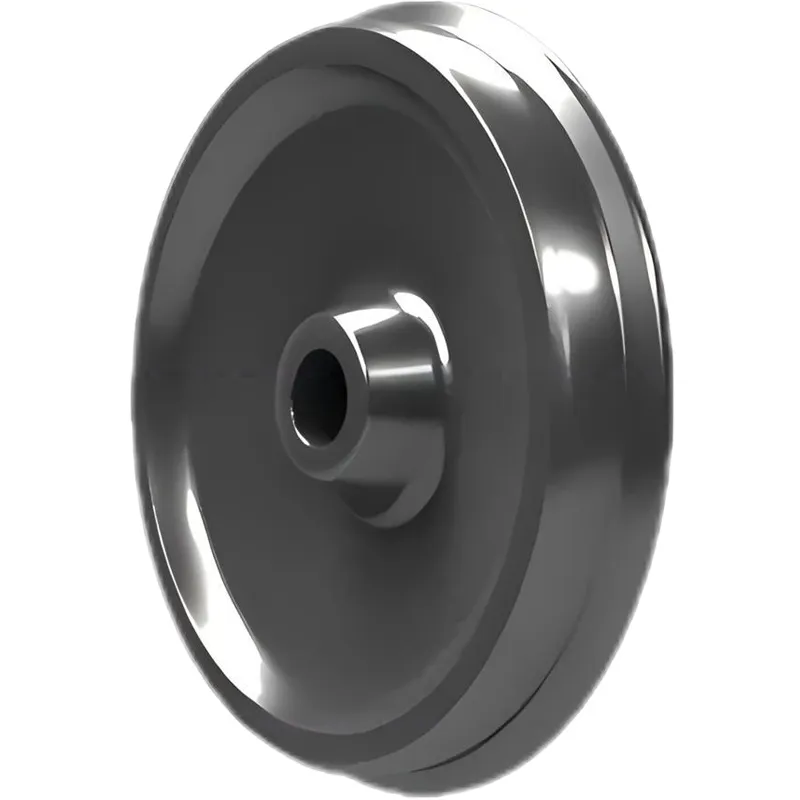
Figure 3: Quality inspection ensures every rails wheels meets exacting standards.
References
- European Standard EN 13262: Railway applications – Wheelsets and bogies – Wheels – Product requirements. European Committee for Standardization, 2017.
- Association of American Railroads (AAR) Manual of Standards and Recommended Practices, Section G, Part II, M-107/208: Wheels. AAR, 2020.
- International Organization for Standardization (ISO) 9001: Quality management systems – Requirements. ISO, 2015.
- Mordor Intelligence. "Rail Market - Growth, Trends, COVID-19 Impact, and Forecasts (2021 - 2026)." Published 2021.
- Singh, S. K., & Sharma, M. K. (2019). "Advances in Rail Wheel Materials and Manufacturing Processes." Journal of Materials Engineering and Performance, 28(10), 6183-6194.
-
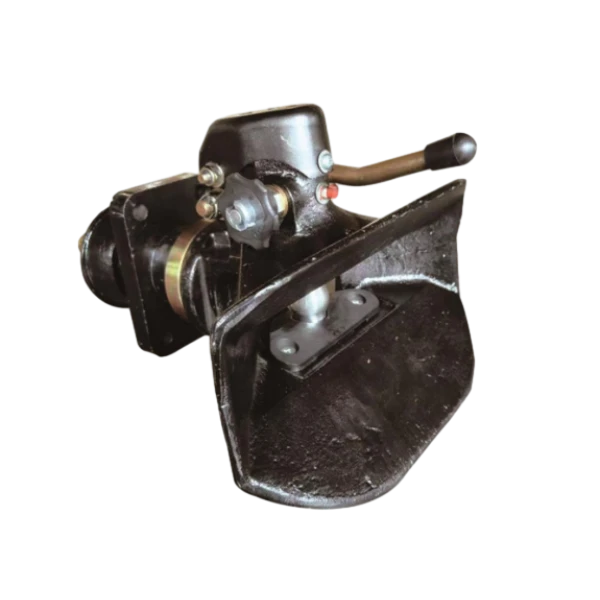 Trailer Coupling
The trailer coupling is a critical component in vehicle towing systems, designed to ensure a secure and efficient connection between a towing vehicle and a trailer. These couplings are manufactured using high-strength carbon steel, alloy steel, or stainless steel, ensuring durability and resistance to heavy loads and harsh environments.
-
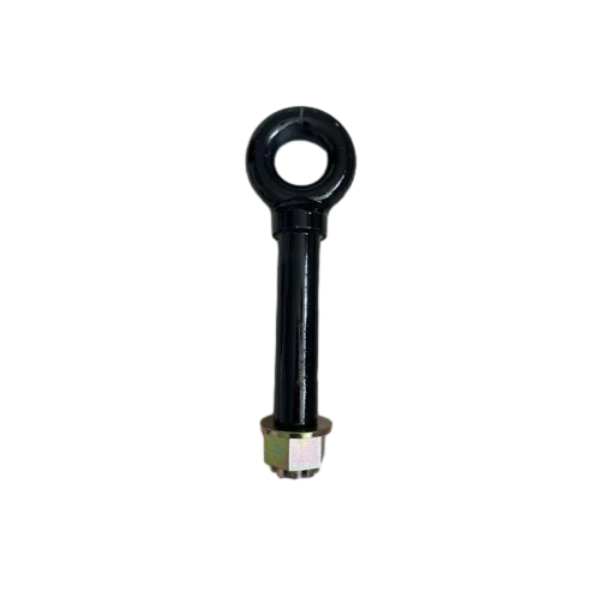 Drawbar Eyes
Drawbar eyes are essential components in towing and hauling applications, providing a strong and secure attachment point between the trailer and the towing vehicle. They are designed to endure extreme pulling forces, making them suitable for heavy-duty applications.
-
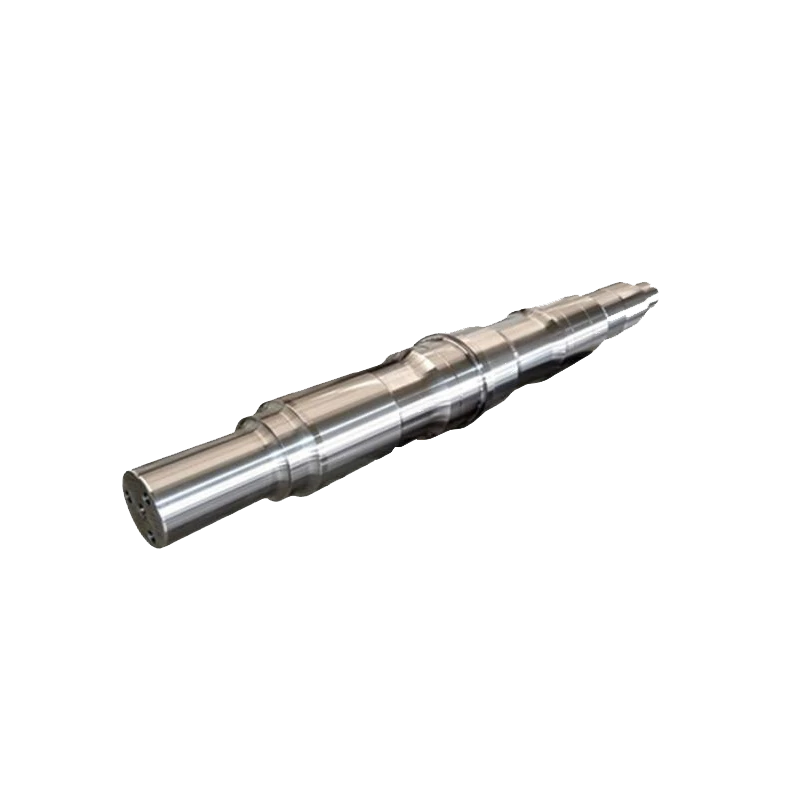 Axles
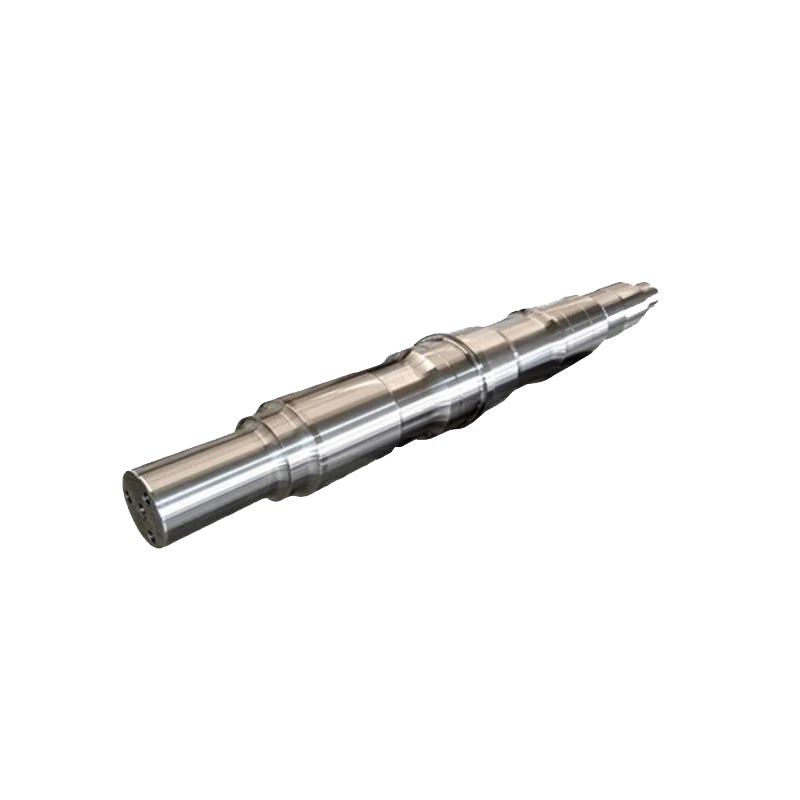
AxlesAxles are essential for vehicle load-bearing and power transmission, ensuring smooth movement and weight distribution. They must withstand high stress, torque, and impact, making material selection and precise manufacturing crucial.
-
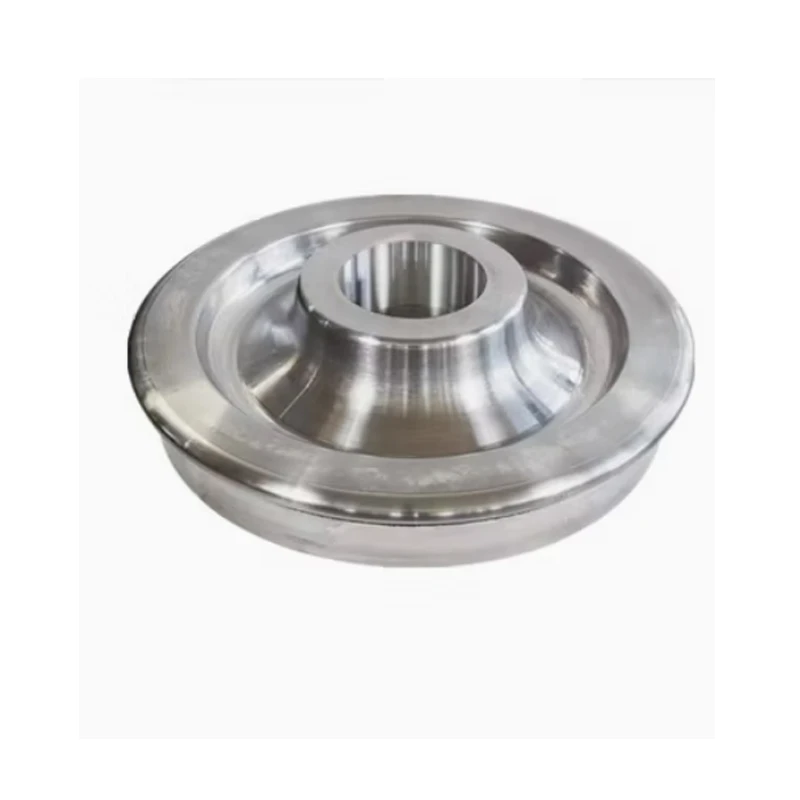 Profile S1002 Series Rail Wheels
The S1002 series rail wheels are designed for Rail-Road Vehicles (RRVs) that require seamless operation on both roads and railway tracks. Engineered with high precision and durability, these wheels conform to S1002 tread profiles, ensuring compatibility with standard railway systems.
A Comprehensive Guide to Axles Types for Industry Decision Makers | Manufacturing Base
Axles Types is a key solution in the industry, specifically within heavy machinery and transportation sectors. This article explores how https://www.manufacturing-base.com supports professionals with durable, high-performance products
>
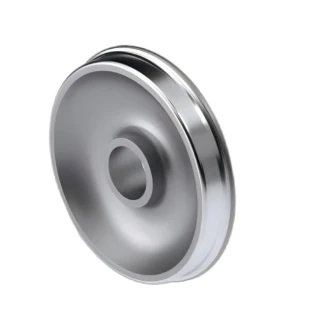
Reliable Rail Wheels: Optimize Your Rail Transport Solutions
For industries that rely on rail-based vehicles, choosing the right rail wheels is essential for smooth operations and safety.
>
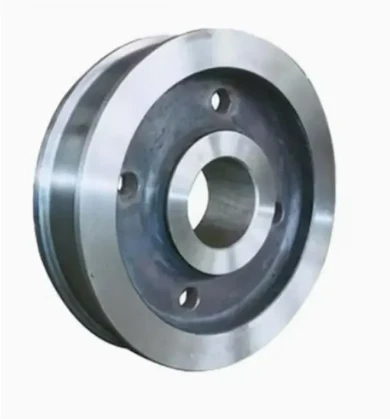
Premium Overhead Crane Wheels For Sale: Enhance Industrial Lifting Efficiency
In modern industrial operations, high-quality overhead crane wheels for sale are essential for safe, reliable, and efficient lifting.
>
Premium Hi Rail Wheels For Sale: Boost Rail Vehicle Performance
In the modern industrial and railway sectors, having reliable hi rail wheels for sale is essential for operational efficiency and safety.
>
High-Quality Hi Rail Wheels For Sale: Enhance Your Rail Equipment Efficiency
When it comes to reliable rail maintenance and industrial operations, investing in hi rail wheels for sale is crucial.
>
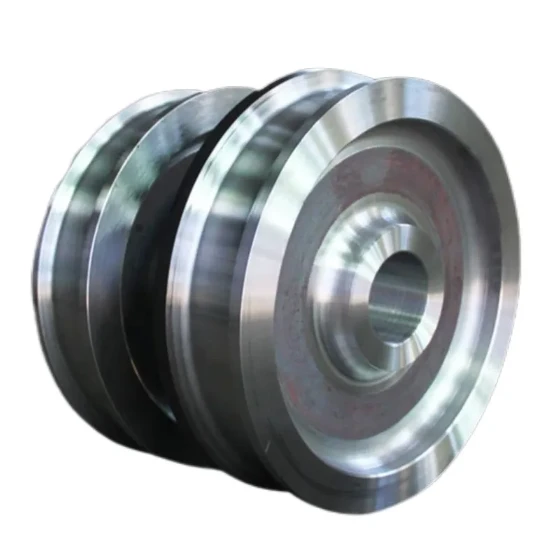
High-Quality Crane Wheels For Sale: Enhance Your Crane Operations
For industries relying on heavy lifting and material handling, investing in high-quality crane wheels for sale is crucial.
>
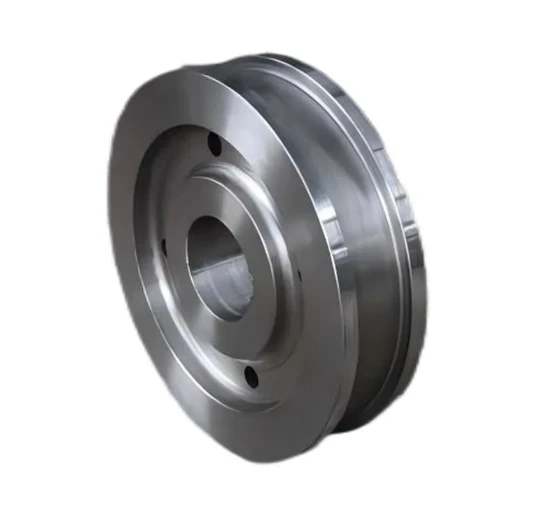
Durable Gantry Crane Wheels For Sale: Maximize Lifting Efficiency
For industries relying on heavy-duty lifting and material handling, selecting the right gantry crane wheels for sale is vital.
>
Reliable Tandem Drive Axles for Heavy-Duty Industrial Vehicles
Tandem Drive Axles: What I’ve Learned After Years in the Industrial Equipment Sector Ha
>
Reliable Semi Trailer Axles for Heavy-Duty Trailers | Expert Insight
Understanding semi trailer axles: The Backbone of Heavy Hauling Having spent more than a deca
>
RC Portal Axles: Industrial Strength and Custom Performance
RC Portal Axles: A Veteran’s Take on Industrial-Grade Performance Having spent over a d
>
Engineered for Excellence
Our forged solutions deliver reliability and performance, powering demanding industries to keep operations running smoothly.

Sign up
for Newsletter
Subscribe to the weekly newsletter for all the latest updates