- Tel: +86 311 82620404
- Cell: 86 -13739710551
- Email: sales@potentia.cn

Durable Rails Wheels for Rail Cars | Premium Quality & For Sale
Industry Trends and Market Dynamics for Rail Wheels
The global demand for robust and efficient rail transport solutions is experiencing significant growth, driven by expansion in logistics, infrastructure development, and industrial operations. Central to this growth are high-performance rails wheels, which are critical components determining the safety, efficiency, and operational lifespan of rail-mounted equipment. Industries such as petrochemical, metallurgy, mining, port operations, and heavy manufacturing require specialized wheels capable of withstanding extreme loads, harsh environments, and continuous duty cycles.
Key trends indicate a shift towards advanced materials, precision engineering, and smart monitoring systems for rail car wheel components. Operators are increasingly seeking solutions that offer superior wear resistance, reduced rolling friction for energy savings, and extended maintenance intervals to minimize downtime. The market for rail car wheels for sale is becoming more competitive, pushing manufacturers to innovate and provide highly customized, application-specific products that adhere to stringent international standards.
Profile P1 Series: Manufacturing Process and Quality Assurance
The Profile P1 Series of rail wheels is engineered for unparalleled performance and durability. Our manufacturing process integrates state-of-the-art technology with rigorous quality control, ensuring each wheel meets the highest industry benchmarks.
Detailed Process Flow:
- Material Selection: High-grade alloy steels, such as AAR M-107 Grade C, AAR M-208 Class B, or European equivalent EN 13262 R8T/R7T, are meticulously selected. These materials provide exceptional strength, ductility, and hardenability, essential for heavy-duty applications.
- Forging or Casting: Depending on specific requirements, wheels are either hot-forged or precision-cast. Forging, preferred for Profile P1, involves shaping the heated steel under immense pressure, resulting in a superior grain structure, higher density, and enhanced fatigue resistance compared to casting.
- Heat Treatment: A multi-stage heat treatment process (quenching and tempering) is applied. This optimizes the microstructure, achieving precise hardness levels (typically 280-340 HB for the tread) and improving overall mechanical properties, including wear resistance and toughness.
- Rough Machining: Initial machining removes excess material and prepares the wheel for precise profiling. This stage ensures concentricity and balanced material distribution.
- CNC Precision Machining: Advanced Computer Numerical Control (CNC) machines are utilized for final shaping of the tread, flange, and bore. This ensures critical dimensions, precise profiles (e.g., AAR 1:20 taper, specific crane wheel profiles), and tight tolerances are met, vital for smooth operation and minimal wear.
- Inspection & Non-Destructive Testing (NDT): Each wheel undergoes comprehensive inspection, including dimensional checks, ultrasonic testing for internal flaws, magnetic particle inspection for surface cracks, and hardness testing across critical areas. Compliance with ISO 9001, AAR M-107/M-208, and EN 13262 standards is strictly verified.
- Surface Treatment (Optional): Depending on the application, wheels may receive specialized coatings for enhanced corrosion resistance, such as anti-corrosion paints or specialized polymer coatings for highly corrosive environments in petrochemical or chemical plants.
- Final Assembly & Packaging: Wheels are carefully packed to prevent damage during transit, ready for deployment.
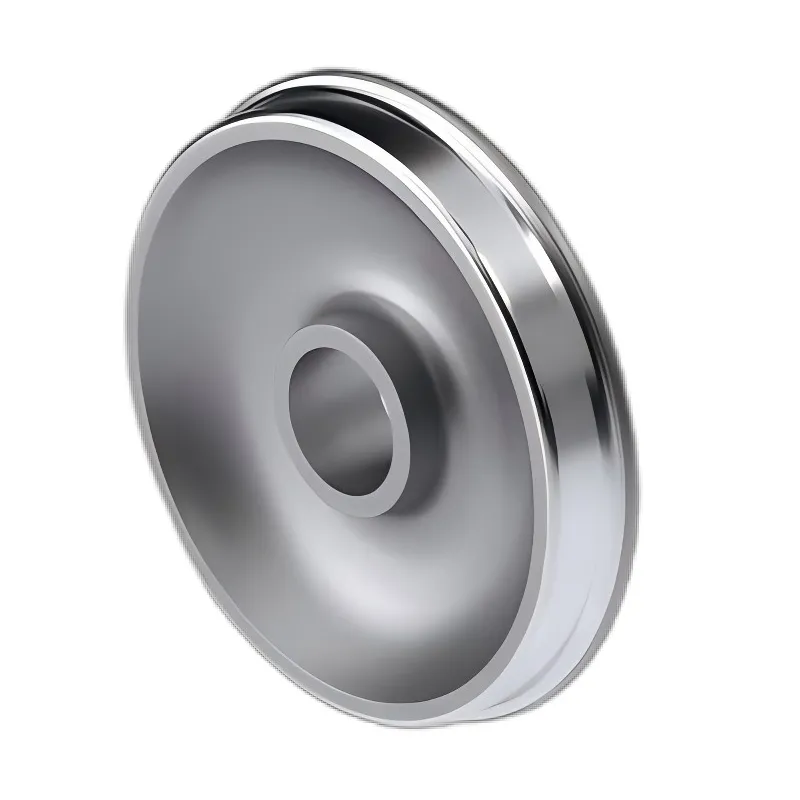
Figure 1: High-precision CNC machining for optimal rails wheels profiles.
The rigorous adherence to these steps ensures Profile P1 Series rails wheels offer an extended service life, typically exceeding 5-7 years in demanding environments, significantly outperforming standard wheels. Our wheels are ideal for target industries such as petrochemical, metallurgy, mining, water supply & drainage, and port logistics, demonstrating advantages in energy saving due to optimized profiles and exceptional corrosion resistance for harsh chemical exposures.
Technical Specifications: Profile P1 Series Rail Wheels
The Profile P1 Series is designed with meticulous attention to technical detail, ensuring superior performance across diverse industrial applications. These specifications highlight the expertise embedded in every rail car wheel we produce.
Key Parameters of Profile P1 Series
| Parameter | Specification (Profile P1 Series) |
|---|---|
| Material Grade | Forged Alloy Steel (e.g., AAR M-107 Grade C, EN 13262 R8T) |
| Wheel Diameter Range | 300 mm to 1250 mm (12 in to 49 in) |
| Tread Hardness | 280-340 HB (Brinell Hardness) |
| Load Capacity (per wheel) | Up to 50 tons (depending on diameter and application) |
| Flange Thickness | Standard (e.g., AAR, EN profiles) & Custom Options |
| Bore Diameter | Customizable to shaft specifications |
| Surface Finish (Tread) | Ra < 3.2 µm (High Precision) |
| Manufacturing Standards | ISO 9001, AAR M-107/M-208, EN 13262, ANSI B29.21 (relevant sections) |
| Operating Temperature Range | -40°C to +80°C (Extended ranges available for specialty applications) |
The Profile P1 Series features an optimized tread profile, precisely engineered to minimize rolling resistance and maximize contact patch, thereby reducing wear on both the wheel and the rail. The high surface finish further contributes to lower friction and improved energy efficiency. These technical superiorities translate directly into significant operational savings and enhanced safety for any rail-based system utilizing our rails wheels.
Application Scenarios and Technical Advantages
The robust design and advanced manufacturing of Profile P1 Series rails wheels make them indispensable across a wide spectrum of demanding industrial applications. Their technical advantages translate into tangible operational benefits for B2B decision-makers.
Typical Application Scenarios:
- Overhead and Gantry Cranes: Essential for heavy lifting in steel mills, shipbuilding yards, and large manufacturing facilities, where precise movement and high load-bearing capacity are critical. Our rail car wheels ensure smooth, stable operation under extreme vertical and lateral forces.
- Transfer Carts and Industrial Locomotives: Used in diverse sectors like metallurgy, mining, and heavy machinery production for transporting raw materials, work-in-progress, or finished goods over dedicated rail tracks. The durability and fatigue resistance of Profile P1 wheels minimize maintenance in continuous-duty applications.
- Port and Terminal Equipment: Applied in ship-to-shore cranes (STS), rubber-tyred gantry cranes (RTG), and rail-mounted gantry cranes (RMG) for container111 handling. The corrosion resistance and wear characteristics are paramount in harsh, saline port environments.
- Specialized Rail-Mounted Machinery: In industries such as petrochemicals and chemicals, specialized rail equipment requires wheels resistant to chemical exposure and high temperatures. Our customized solutions, including specific material grades and coatings, excel here.
- Mining and Aggregates: For ore carts, conveyor systems, and other rail-based transport, wheels must withstand abrasive conditions and extremely heavy loads. The high hardness and toughness of Profile P1 wheels ensure longevity.
Technical Advantages:
- Exceptional Durability and Wear Resistance: Through optimized material selection and advanced heat treatment, Profile P1 wheels exhibit superior resistance to tread and flange wear, significantly extending service intervals and reducing the frequency of replacement of rail car wheels for sale.
- Enhanced Fatigue Resistance: The refined grain structure from forging and controlled heat treatment vastly improves resistance to fatigue cracking, crucial for safety and reliability under cyclical loading conditions.
- Optimized Energy Efficiency: The precision-machined profiles and high surface finish minimize rolling friction. This leads to reduced power consumption for motive equipment, translating into substantial energy savings and lower operational costs over the lifespan of the equipment.
- Superior Corrosion Resistance: For applications in corrosive environments (e.g., chemical plants, coastal ports), specialized material grades and protective coatings ensure the integrity and longevity of the wheels, preventing premature degradation.
- Reduced Noise and Vibration: The high precision of manufacturing and balanced design contribute to smoother operation, reducing noise levels and vibration, which improves worker comfort and prolongs the life of adjacent mechanical components.
- High Load Capacity: Engineered to handle extreme static and dynamic loads, Profile P1 wheels maintain structural integrity even under the most challenging operational demands, ensuring reliable transport of heavy materials.
Vendor Comparison and Customized Solutions
Selecting the right vendor for industrial rails wheels is a strategic decision that impacts operational efficiency, safety, and total cost of ownership. While many providers offer rail car wheels for sale, differentiation lies in material quality, manufacturing precision, adherence to standards, and the ability to deliver tailored solutions.
Vendor Comparison: Profile P1 Series vs. Standard Market Offerings
| Feature | Profile P1 Series (Premium Offering) | Standard Market Wheels |
|---|---|---|
| Material Quality | High-grade forged alloy steel (AAR M-107, EN 13262 compliant) | Often cast iron or lower-grade forged/cast steel, variable quality |
| Manufacturing Process | Forged, multi-stage heat treated, CNC precision machined | Typically cast, less refined heat treatment, standard machining |
| Tread Hardness Uniformity | Excellent (280-340 HB, consistent across tread) | Good to variable (200-250 HB, may vary) |
| Expected Service Life | 5-7+ years (extended durability) | 2-4 years (typical) |
| Wear Resistance | Superior, optimized for minimal abrasion | Average, prone to faster wear |
| Energy Efficiency | High (reduced rolling resistance due to precise profiling) | Basic (standard profiles, higher friction) |
| Customization Options | Extensive (material, profile, heat treatment, coatings) | Limited to standard configurations |
| Certifications & Standards | ISO 9001, AAR, EN (full compliance & traceability) | May meet basic standards, less rigorous testing |
| Total Cost of Ownership (TCO) | Lower (due to longer life, less maintenance, energy savings) | Higher (due to frequent replacements, higher energy, downtime) |
Customized Solutions
Recognizing that no two industrial applications are exactly alike, we specialize in providing bespoke rails wheels solutions. Our engineering team collaborates closely with clients to understand the unique operational parameters, environmental factors, and load dynamics of their specific rail-mounted equipment. This consultative approach enables us to tailor:
- Material Composition: Adjusting alloy elements to enhance specific properties like corrosion resistance, high-temperature performance, or extreme toughness.
- Tread and Flange Profiles: Designing custom profiles to optimize contact dynamics, track adherence, and minimize wear under unique loading or track conditions.
- Heat Treatment Regimens: Developing specialized heat treatment protocols to achieve specific hardness gradients or core toughness requirements.
- Surface Coatings: Applying advanced coatings (e.g., thermal spray, polymer-based) for enhanced protection against abrasive wear, chemical attack, or extreme environmental factors.
- Mounting and Bore Configurations: Customizing bore dimensions, keyway designs, and bearing seating areas to integrate seamlessly with existing or new axle designs.
This commitment to customization ensures that our rail car wheels not only meet but exceed the performance expectations for the most challenging applications, delivering a competitive edge and superior long-term value.
Application Case Studies: Proving Performance in Practice
The real-world performance of Profile P1 Series rails wheels consistently validates our commitment to engineering excellence. Here are anonymized examples demonstrating significant improvements for our clients.
Case Study 1: Heavy Steel Mill Operations
Client: A leading integrated steel manufacturer.
Challenge: The client’s overhead cranes, crucial for transporting molten metal ladles, experienced frequent wheel replacements (every 18-24 months) due to severe tread wear and flange deformation under extreme heat and heavy cyclical loads. This led to significant downtime and maintenance costs.
Solution: We provided custom Profile P1 Series wheels manufactured from AAR M-107 Grade C forged steel, with a specialized heat treatment to achieve a consistent 320 HB tread hardness and enhanced core toughness. The wheel profile was optimized for their specific rail type and operational speeds.
Results: After installation, the Profile P1 wheels demonstrated superior wear resistance, showing minimal degradation even after 4 years of continuous service. The client reported a 150% increase in wheel lifespan, a 60% reduction in associated maintenance labor, and eliminated unscheduled downtime related to wheel failure. The consistent performance also contributed to smoother crane operation and enhanced safety.
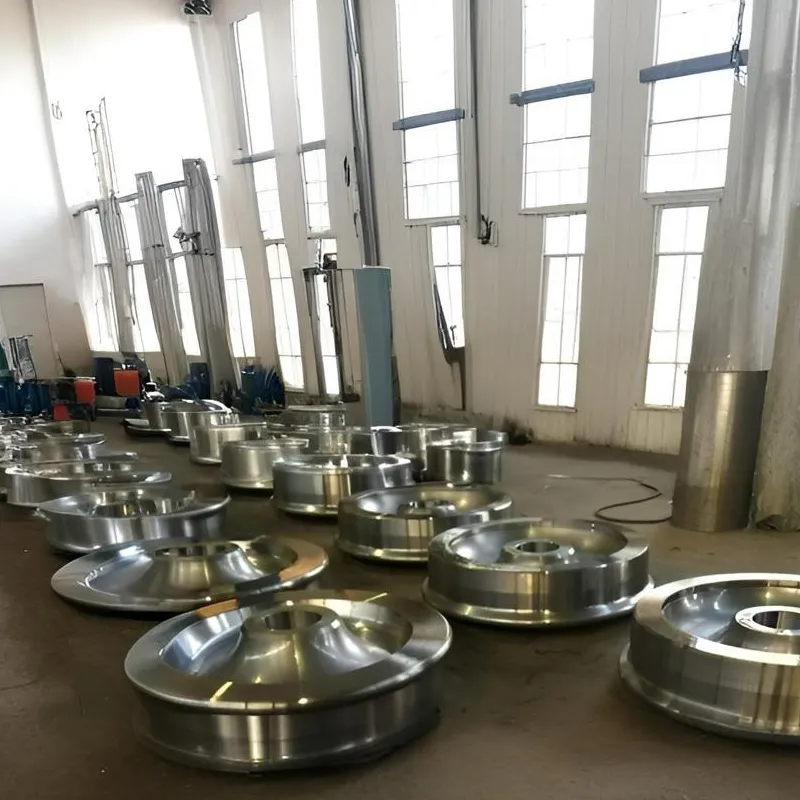
Figure 2: Rail car wheel in a heavy industrial setting.
Case Study 2: Petrochemical Plant Material Handling
Client: A major petrochemical processing facility.
Challenge: Transfer carts moving corrosive chemicals and heavy catalyst loads experienced rapid degradation of standard rail car wheels. The primary issues were chemical corrosion, which compromised material integrity, and abrasive wear from fine particulate matter in the environment, leading to frequent replacement (less than 12 months).
Solution: We engineered Profile P1 Series wheels from a specialized corrosion-resistant alloy steel, combined with a proprietary polymer-based protective coating. The wheels maintained the necessary hardness for wear resistance while providing an impermeable barrier against chemical attack.
Results: The customized Profile P1 wheels demonstrated remarkable resilience. Inspections after 3 years revealed negligible corrosion and significantly reduced abrasive wear. The client achieved a 200% extension in wheel lifespan, drastically cut down on spare parts inventory for rail car wheels for sale, and improved overall operational safety by mitigating the risks associated with wheel failure in a hazardous environment. This outcome validated the effectiveness of bespoke solutions for highly specialized conditions.
Quality Assurance, Certifications, and Long-Term Partnership
Our commitment to quality extends beyond the manufacturing floor. Every Profile P1 Series rails wheels undergoes stringent quality assurance protocols to ensure authoritativeness and trustworthiness in every product we deliver.
Certifications and Compliance:
- ISO 9001 Certified: Our entire manufacturing and quality management system is certified to ISO 9001, ensuring consistent quality and continuous improvement.
- AAR M-107/M-208 Compliance: All standard railway wheels conform to the Association of American Railroads (AAR) M-107 (Wheels, Carbon Steel) and M-208 (Wheels, Heat Treated Carbon Steel) specifications, which are globally recognized standards for freight and passenger rail wheels.
- EN 13262 Compliance: European standard EN 13262 (Railway applications - Wheelsets and bogies - Wheels - Product requirements) is met for relevant international markets, guaranteeing compatibility and performance across various European rail systems.
- Full Material Traceability: From raw material sourcing to the finished product, every wheel is fully traceable, with detailed records of material batches, heat treatment parameters, and inspection results available for auditing.
Trustworthiness: FAQ, Lead Time, Warranty, and Support
Frequently Asked Questions (FAQ):
- Q: What materials are typically used for Profile P1 Series wheels?
- A: We primarily use high-grade forged alloy steels, such as AAR M-107 Grade C or EN 13262 R8T, known for their superior strength, wear resistance, and fatigue life. Custom material specifications are also available.
- Q: How does Profile P1 Series ensure energy efficiency?
- A: Our wheels feature precision-machined tread profiles and a high surface finish, which significantly reduce rolling friction and minimize energy consumption for rail-mounted equipment. This optimization directly contributes to lower operational costs.
- Q: What customization options are available for rail car wheels?
- A: We offer extensive customization including specific material grades, heat treatment profiles, unique tread/flange designs, tailored bore dimensions, and various surface coatings to meet diverse application requirements.
- Q: What is the typical lead time for Profile P1 Series rail car wheels for sale?
- A: Standard wheels typically have a lead time of 6-8 weeks, depending on order volume and current production schedules. Custom orders may range from 10-14 weeks, subject to complexity and material availability. Expedited options may be available upon request.
Lead Time & Fulfillment:
Our agile manufacturing processes allow for efficient order fulfillment. We provide clear communication on lead times from quotation to delivery, ensuring project schedules are met. Global logistics partners facilitate reliable and timely shipment worldwide.
Warranty Commitments:
We stand by the quality of our Profile P1 Series rails wheels with a comprehensive warranty against manufacturing defects and material failures under normal operating conditions. Specific warranty terms will be detailed in your contract, typically covering a period of 12-24 months post-installation or 18-30 months post-shipment, whichever comes first.
Customer Support:
Our dedicated customer support team and technical experts are available to provide comprehensive assistance, from initial consultation and design to post-sales support and technical troubleshooting. We offer spare parts availability and technical guidance to ensure the long-term optimal performance of your rail car wheels.
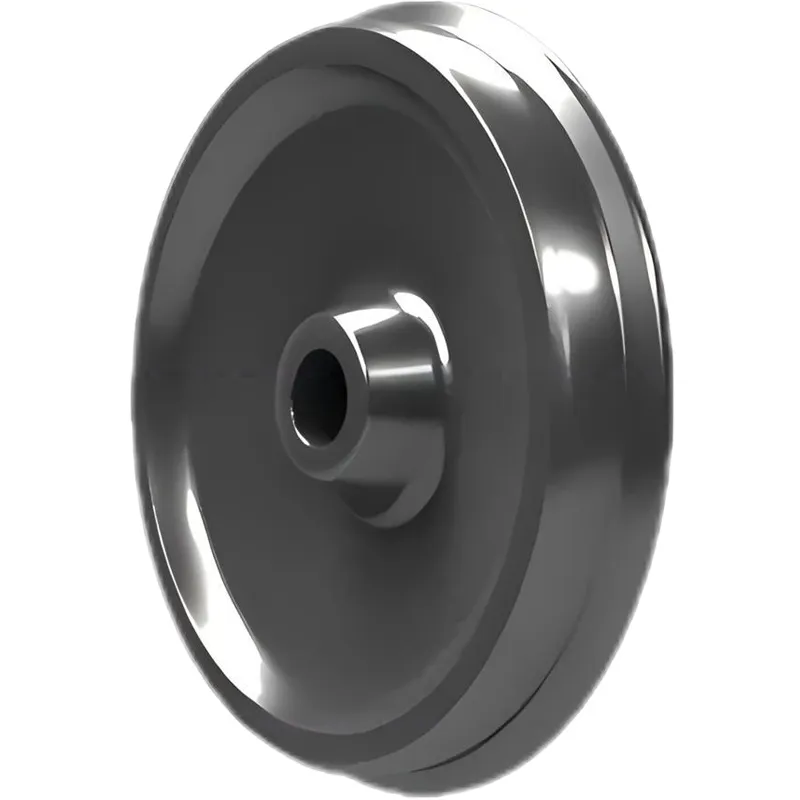
Figure 3: Rigorous final inspection ensures adherence to quality standards for every rails wheels.
References
- Association of American Railroads. (2020). Manual of Standards and Recommended Practices, Section G-II: Wheels, Carbon Steel.
- European Committee for Standardization. (2017). EN 13262: Railway applications - Wheelsets and bogies - Wheels - Product requirements.
- ISO 9001:2015 - Quality management systems - Requirements. (2015). International Organization for Standardization.
- Li, Z., & Chen, G. (2018). Advanced Materials for Railway Wheels and Rails: Review and Future Trends. Journal of Materials Science & Technology, 34(11), 2269-2280.
- Smith, J. P. (2019). The Impact of Wheel Profile Design on Railway Vehicle Dynamics and Wear. Railway Technical Research Institute Quarterly Report, 60(4), 185-192.
-
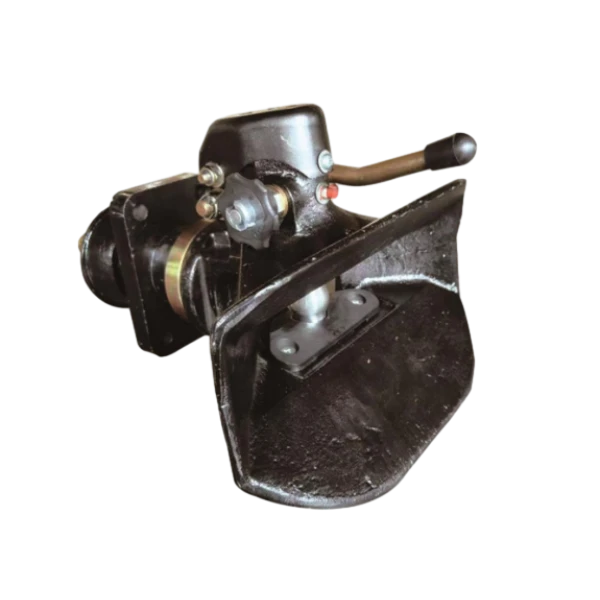 Trailer Coupling
The trailer coupling is a critical component in vehicle towing systems, designed to ensure a secure and efficient connection between a towing vehicle and a trailer. These couplings are manufactured using high-strength carbon steel, alloy steel, or stainless steel, ensuring durability and resistance to heavy loads and harsh environments.
-
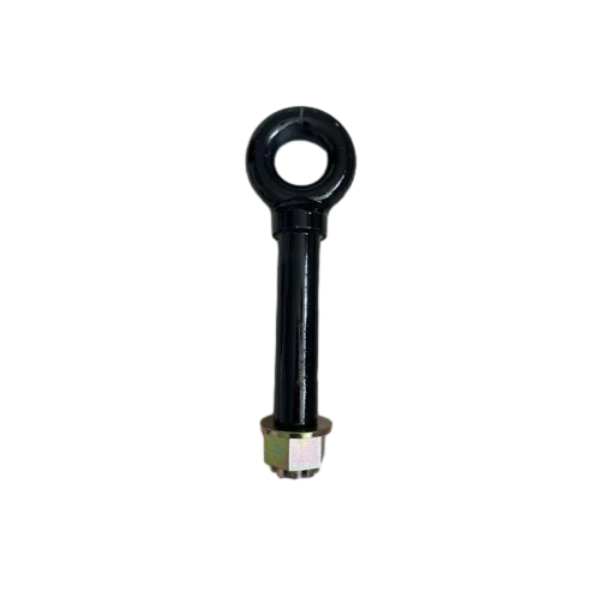 Drawbar Eyes
Drawbar eyes are essential components in towing and hauling applications, providing a strong and secure attachment point between the trailer and the towing vehicle. They are designed to endure extreme pulling forces, making them suitable for heavy-duty applications.
-
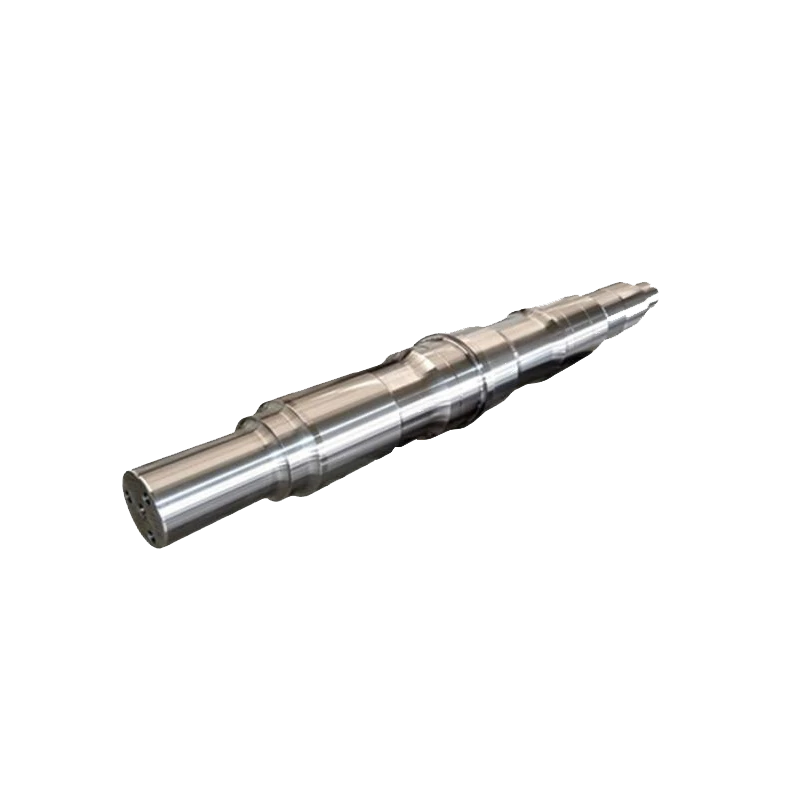 Axles
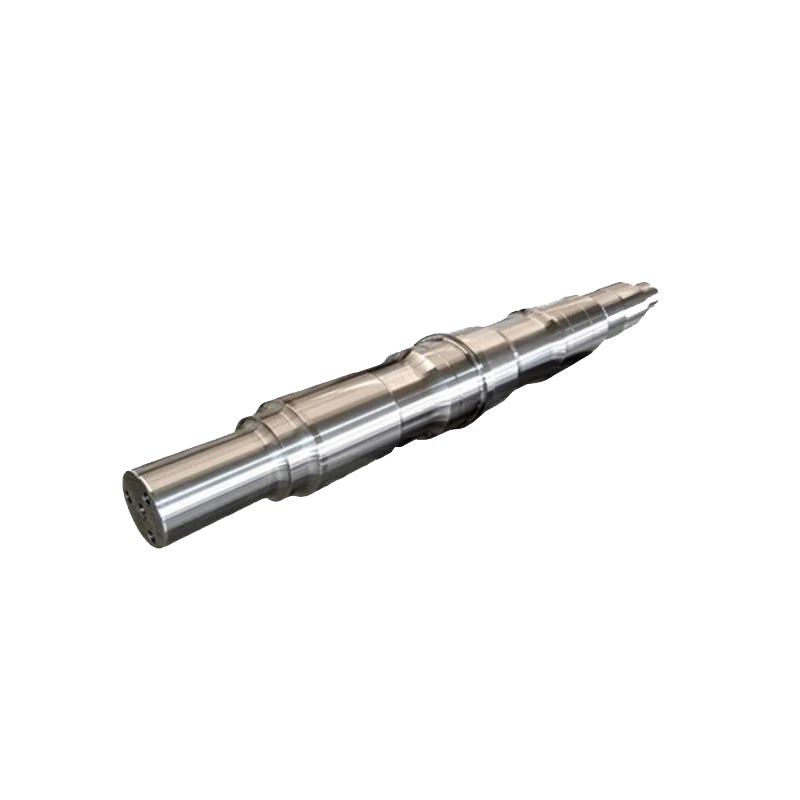
AxlesAxles are essential for vehicle load-bearing and power transmission, ensuring smooth movement and weight distribution. They must withstand high stress, torque, and impact, making material selection and precise manufacturing crucial.
-
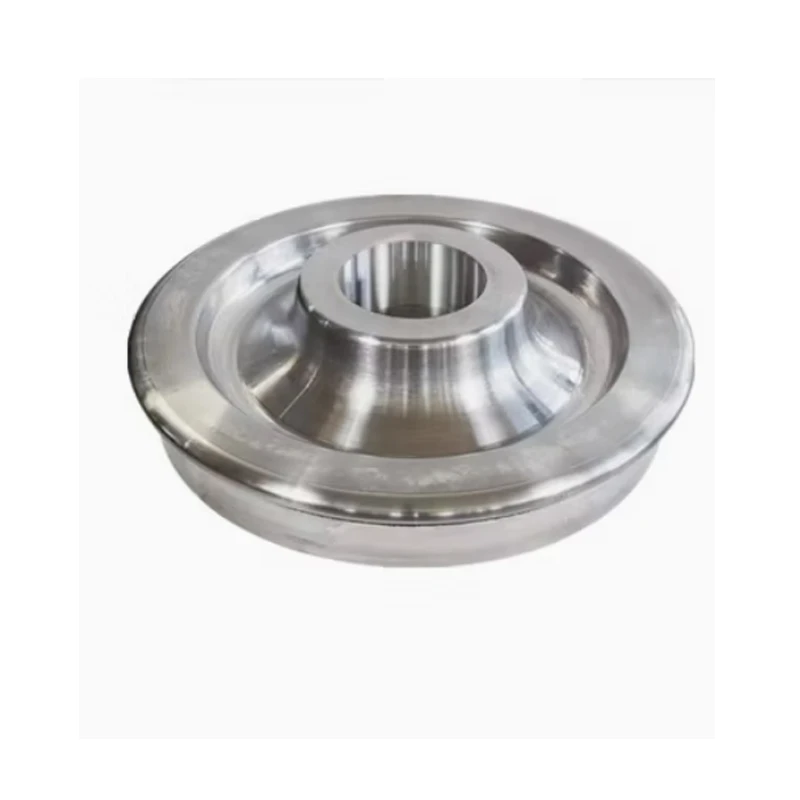 Profile S1002 Series Rail Wheels
The S1002 series rail wheels are designed for Rail-Road Vehicles (RRVs) that require seamless operation on both roads and railway tracks. Engineered with high precision and durability, these wheels conform to S1002 tread profiles, ensuring compatibility with standard railway systems.
A Comprehensive Guide to Axles Types for Industry Decision Makers | Manufacturing Base
Axles Types is a key solution in the industry, specifically within heavy machinery and transportation sectors. This article explores how https://www.manufacturing-base.com supports professionals with durable, high-performance products
>
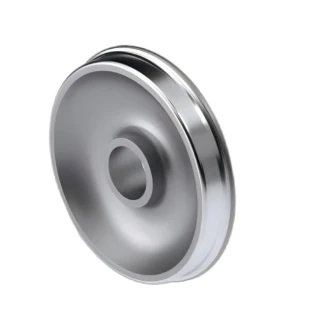
Reliable Rail Wheels: Optimize Your Rail Transport Solutions
For industries that rely on rail-based vehicles, choosing the right rail wheels is essential for smooth operations and safety.
>
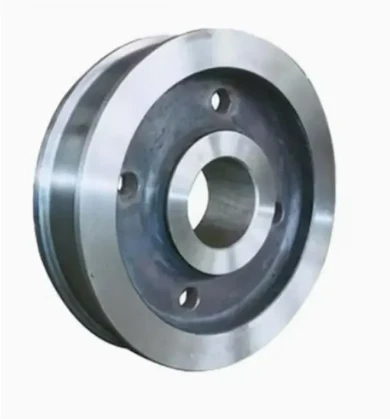
Premium Overhead Crane Wheels For Sale: Enhance Industrial Lifting Efficiency
In modern industrial operations, high-quality overhead crane wheels for sale are essential for safe, reliable, and efficient lifting.
>
Premium Hi Rail Wheels For Sale: Boost Rail Vehicle Performance
In the modern industrial and railway sectors, having reliable hi rail wheels for sale is essential for operational efficiency and safety.
>
High-Quality Hi Rail Wheels For Sale: Enhance Your Rail Equipment Efficiency
When it comes to reliable rail maintenance and industrial operations, investing in hi rail wheels for sale is crucial.
>
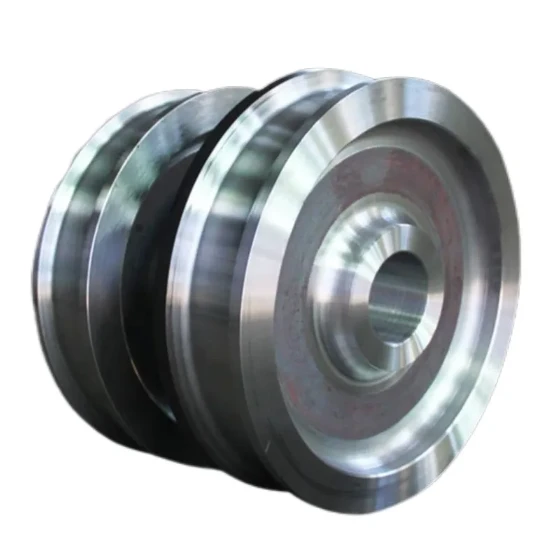
High-Quality Crane Wheels For Sale: Enhance Your Crane Operations
For industries relying on heavy lifting and material handling, investing in high-quality crane wheels for sale is crucial.
>
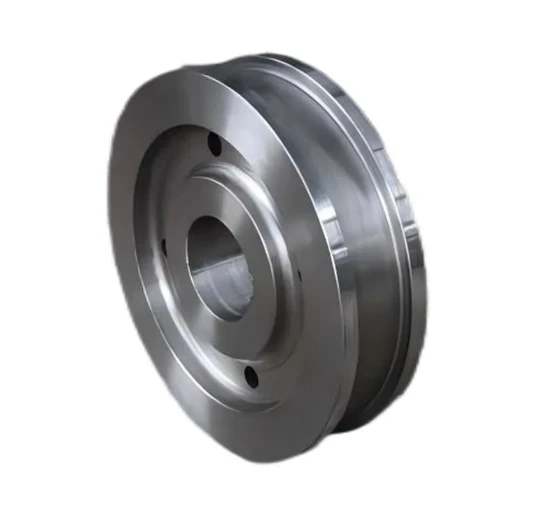
Durable Gantry Crane Wheels For Sale: Maximize Lifting Efficiency
For industries relying on heavy-duty lifting and material handling, selecting the right gantry crane wheels for sale is vital.
>
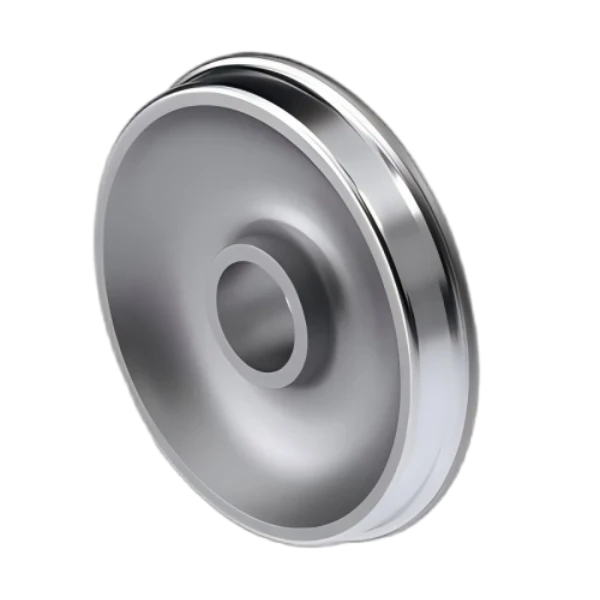
Reliable Tandem Drive Axles for Heavy-Duty Industrial Vehicles
Tandem Drive Axles: What I’ve Learned After Years in the Industrial Equipment Sector Ha
>
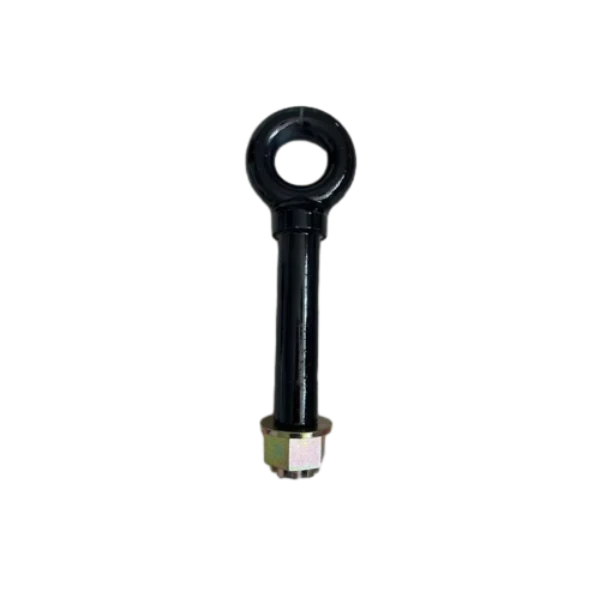
Reliable Semi Trailer Axles for Heavy-Duty Trailers | Expert Insight
Understanding semi trailer axles: The Backbone of Heavy Hauling Having spent more than a deca
>
RC Portal Axles: Industrial Strength and Custom Performance
RC Portal Axles: A Veteran’s Take on Industrial-Grade Performance Having spent over a d
>
Engineered for Excellence
Our forged solutions deliver reliability and performance, powering demanding industries to keep operations running smoothly.

Sign up
for Newsletter
Subscribe to the weekly newsletter for all the latest updates