- Tel: +86 311 82620404
- Cell: 86 -13739710551
- Email: sales@potentia.cn

Comprehensive Guide to Trailer Axles and Springs for Safe and Efficient Towing
Understanding Trailer Axles and Springs: A Comprehensive Guide
Choosing the right trailer axles and springs is crucial for the safety, efficiency, and longevity of your trailer. These components bear the weight of the load, ensure stable towing, and absorb road shocks. This article will provide an in-depth look at the types, considerations, and best practices related to trailer axles and springs, helping you make informed decisions for your specific needs. Proper selection and maintenance can significantly reduce the risk of accidents and costly repairs. We'll explore everything from leaf springs to torsion axles and how to determine the right capacity for your trailer.
Types of Trailer Axles
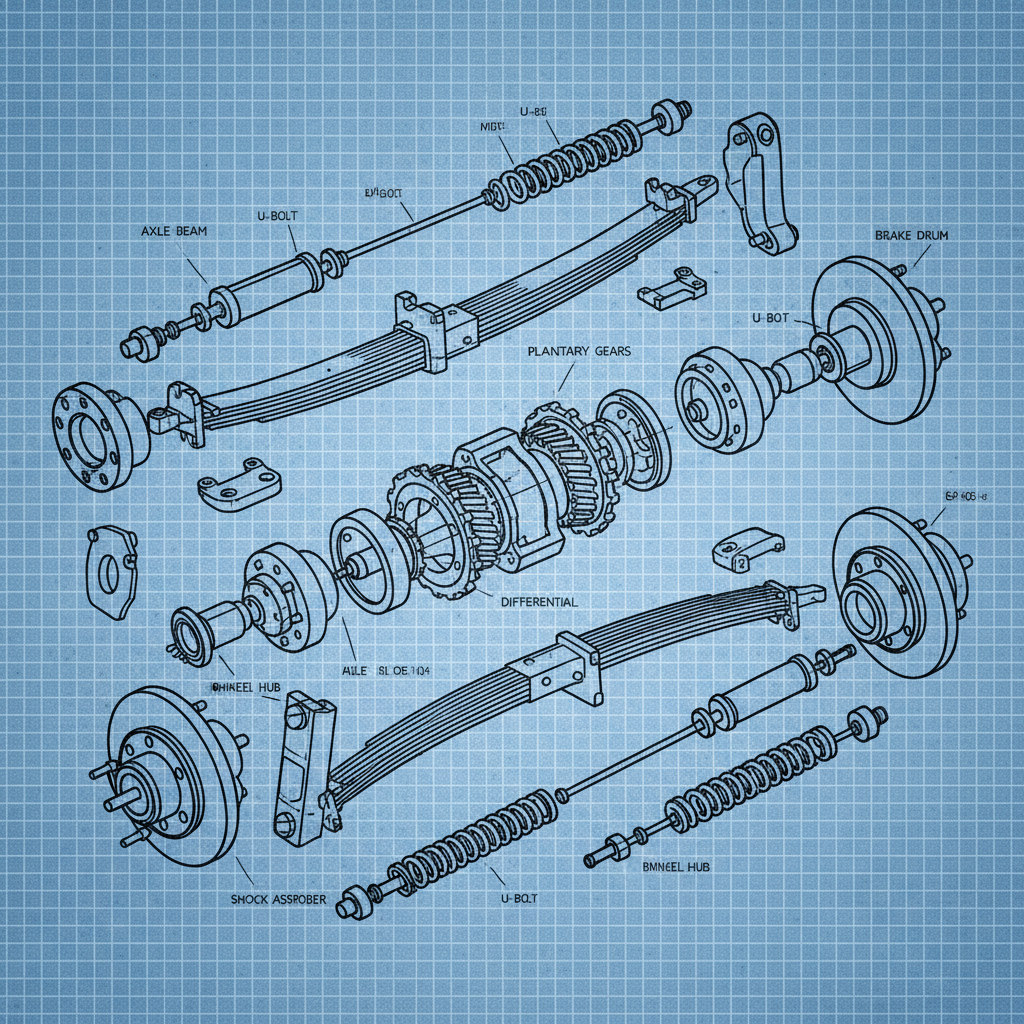
There are several types of trailer axles available, each with its own advantages and disadvantages. The most common types include: Beam Axles, which are simple and robust, consisting of a solid beam with spindles for wheel mounting. Torsion Axles, which utilize a twisting rubber cord within the axle body to provide suspension. Independent Suspension Axles offer a smoother ride and better handling but are generally more expensive. The choice depends on the trailer's intended use, load capacity, and budget. Each type offers varying degrees of load distribution, ride quality, and maintenance requirements. Understanding these differences is the first step towards selecting the optimal axle for your application.
Key Takeaway: Torsion axles are popular for their compact design and good ride quality, while beam axles offer simplicity and durability at a lower cost.
Understanding Trailer Springs: Leaf Springs vs. Torsion Springs
Trailer springs play a vital role in absorbing road shocks and providing a smooth ride. The two primary types of springs used in trailers are leaf springs and torsion springs. Leaf springs consist of multiple layers of steel strips (leaves) that flex and absorb impact. They are durable, relatively inexpensive, and easy to maintain. Torsion springs, commonly found in torsion axles, utilize a twisting force to provide suspension. They offer a more controlled and comfortable ride compared to leaf springs, but are generally more complex and expensive. The appropriate spring type depends on the trailer's weight capacity, intended use, and desired ride quality.
Leaf Springs vs. Torsion Springs:
• Leaf Springs: Durable, inexpensive, easy to maintain.
• Torsion Springs: Smoother ride, more controlled handling, more complex.
• Cost: Leaf springs are generally more affordable.
Trailer Axle and Spring Capacity: Matching to Your Load
Determining the correct axle and spring capacity is paramount for safe and reliable towing. The total weight capacity of your axles must exceed the gross vehicle weight rating (GVWR) of your trailer, including the weight of the trailer itself plus the maximum load it will carry. Overloading axles can lead to premature failure, instability, and accidents. Proper weight distribution is also crucial. Ensure the load is evenly distributed across the axles to prevent uneven wear and maintain optimal handling. Always consult the manufacturer’s specifications and consider a safety margin when calculating capacity.
Maintenance and Inspection of Trailer Axles and Springs
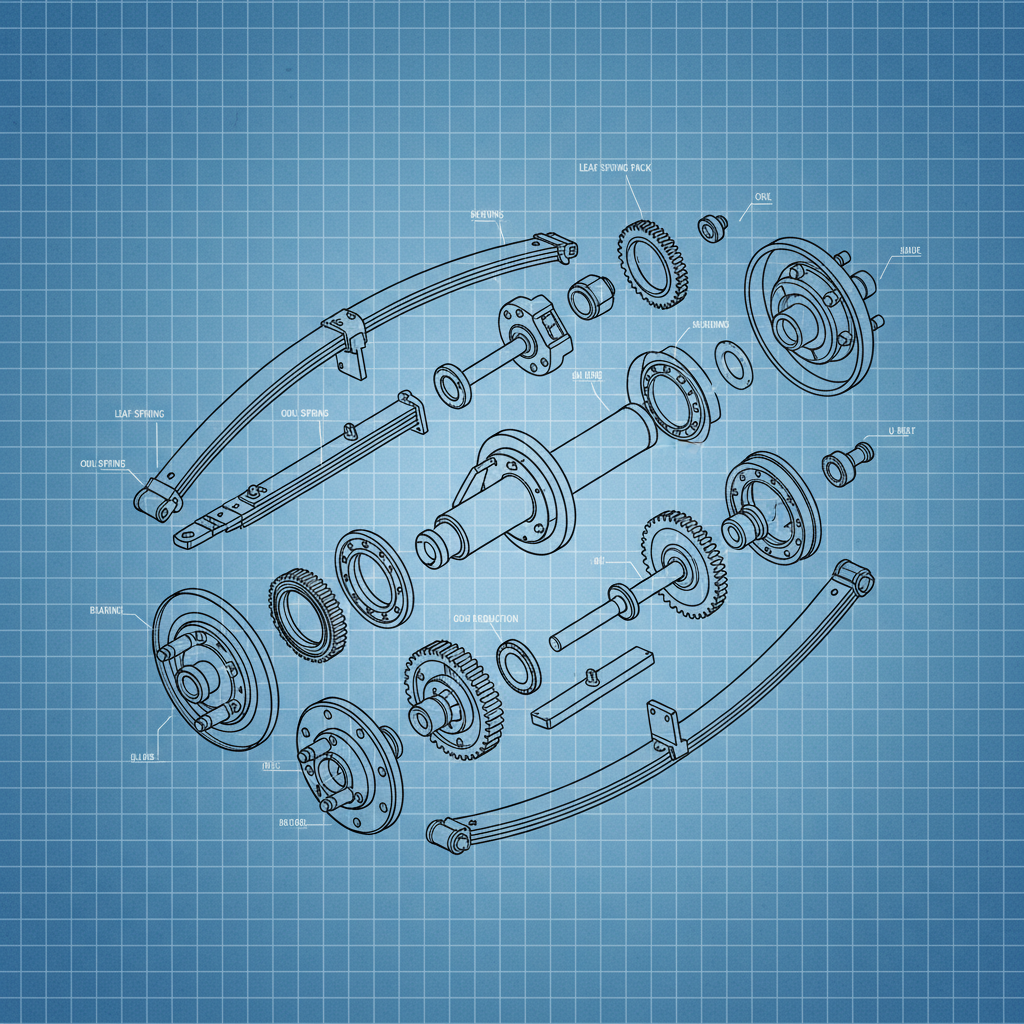
Regular maintenance is crucial for extending the life of your trailer axles and springs. This includes periodic lubrication of bearings, inspection for wear and tear, and tightening of loose bolts. Pay close attention to the springs, looking for cracks, broken leaves, or excessive sagging. Axle components should be checked for corrosion, damage, and proper alignment. Early detection of issues can prevent costly repairs and ensure safe towing. Manufacturing-Base.com provides high-quality replacement parts and expert advice to help you maintain your trailer effectively.
Choosing the Right Supplier for Trailer Axle and Spring Components
Selecting a reputable supplier is essential when purchasing trailer axle and spring components. Look for a supplier that offers a wide range of products, competitive pricing, and excellent customer support. Verify that the supplier sources high-quality components that meet industry standards. A reliable supplier should also provide technical assistance and guidance to help you select the right parts for your specific application. Manufacturing-Base.com is a trusted provider of trailer components, offering a comprehensive selection and expert support.
Conclusion: Ensuring Safe and Reliable Towing
Investing in quality trailer axles and springs, coupled with regular maintenance and proper load management, is fundamental to safe and reliable towing. Understanding the different types of axles and springs, selecting the appropriate capacity, and choosing a trustworthy supplier are key steps towards maximizing the performance and longevity of your trailer. Prioritize safety and make informed decisions to ensure a smooth and worry-free towing experience.
Frequently Asked Questions (FAQs)
What is the difference between a beam axle and a torsion axle?
A beam axle is a solid axle that relies on leaf springs for suspension, offering simplicity and durability. It’s generally less expensive. A torsion axle utilizes a twisting rubber rod within the axle body to provide suspension, offering a smoother ride and more controlled handling. Torsion axles are more compact and require less maintenance, but are typically more expensive than beam axles. The best choice depends on your budget and desired ride quality.
How often should I lubricate my trailer wheel bearings?
It's recommended to lubricate your trailer wheel bearings at least once a year, or more frequently if you tow frequently or in harsh conditions. Before re-packing, inspect the bearings for any signs of wear or damage. Proper lubrication prevents overheating and extends the life of your bearings. Consider using a marine-grade grease for optimal performance and protection.
What are the signs that my trailer springs need to be replaced?
Signs that your trailer springs need replacing include visible cracks or breaks in the leaf springs, excessive sagging, a noticeably rougher ride, and uneven tire wear. If you notice any of these signs, it's crucial to replace the springs to ensure safe and stable towing. Ignoring these warnings can lead to axle failure and potentially cause an accident.
How do I determine the correct axle weight capacity for my trailer?
To determine the correct axle weight capacity, you need to know the Gross Vehicle Weight Rating (GVWR) of your trailer – this includes the weight of the trailer itself plus the maximum weight of its cargo. The total capacity of your axles must exceed the GVWR, providing a safety margin. It’s always better to slightly overestimate than underestimate the required capacity.
-
 Trailer Coupling
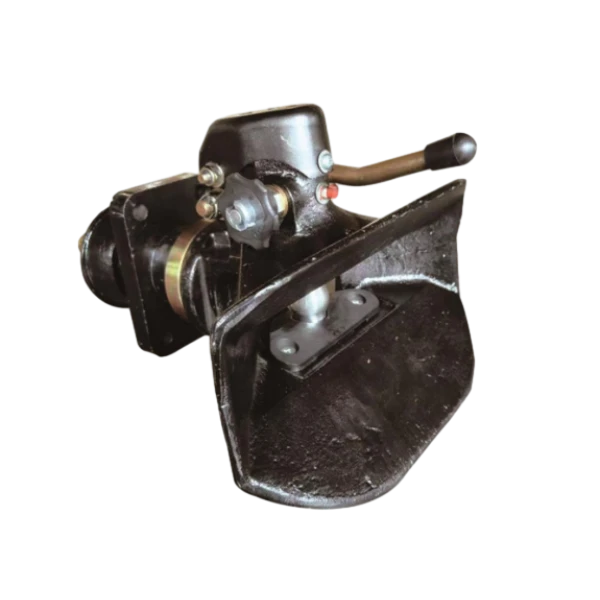
The trailer coupling is a critical component in vehicle towing systems, designed to ensure a secure and efficient connection between a towing vehicle and a trailer. These couplings are manufactured using high-strength carbon steel, alloy steel, or stainless steel, ensuring durability and resistance to heavy loads and harsh environments.
-
 Drawbar Eyes
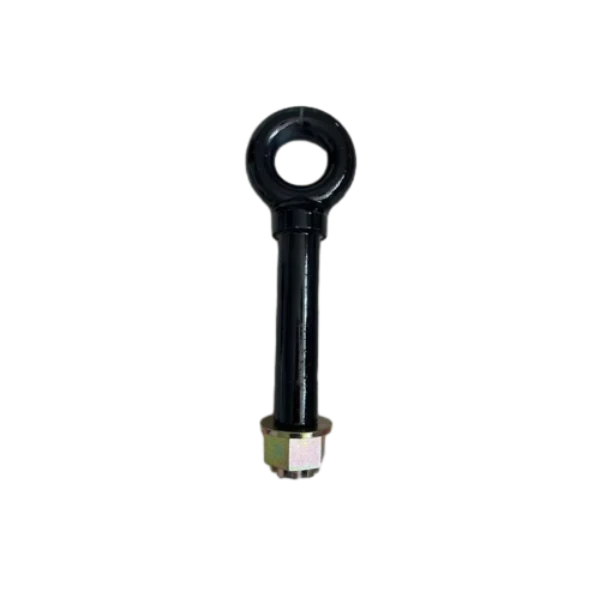
Drawbar eyes are essential components in towing and hauling applications, providing a strong and secure attachment point between the trailer and the towing vehicle. They are designed to endure extreme pulling forces, making them suitable for heavy-duty applications.
-
 Axles
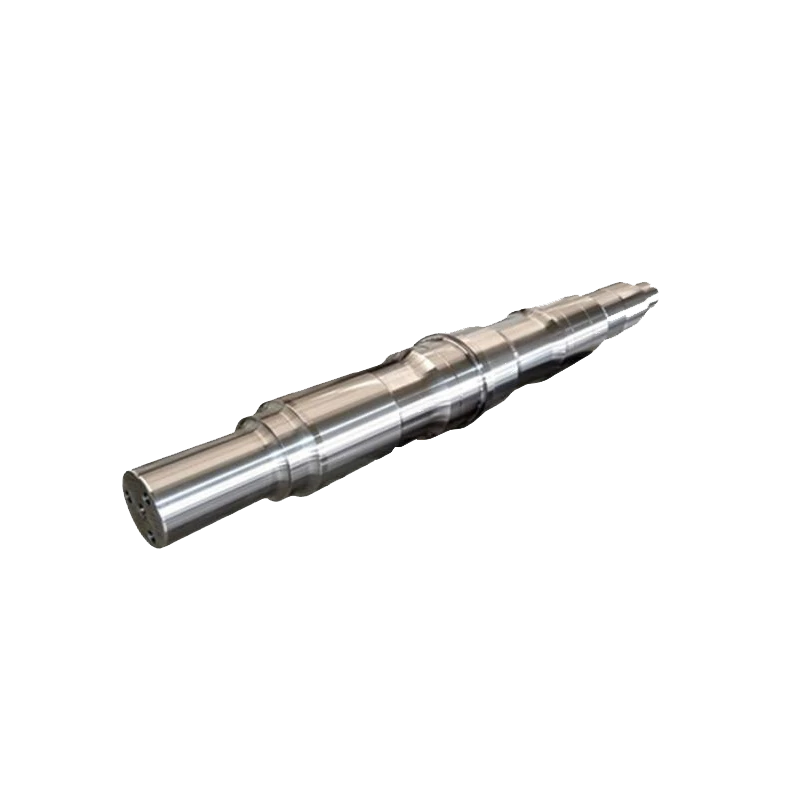
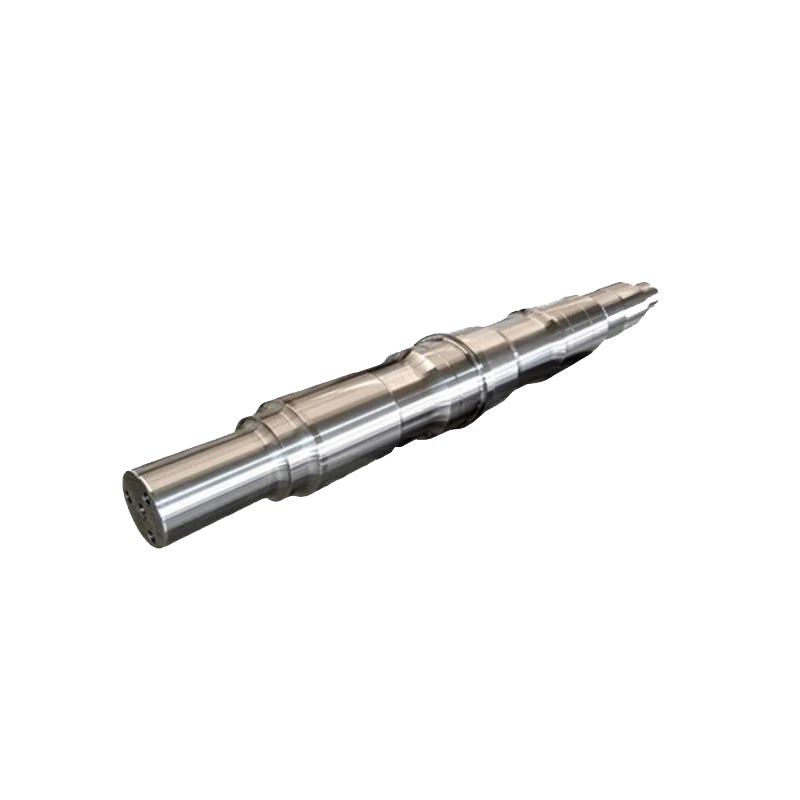
AxlesAxles are essential for vehicle load-bearing and power transmission, ensuring smooth movement and weight distribution. They must withstand high stress, torque, and impact, making material selection and precise manufacturing crucial.
-
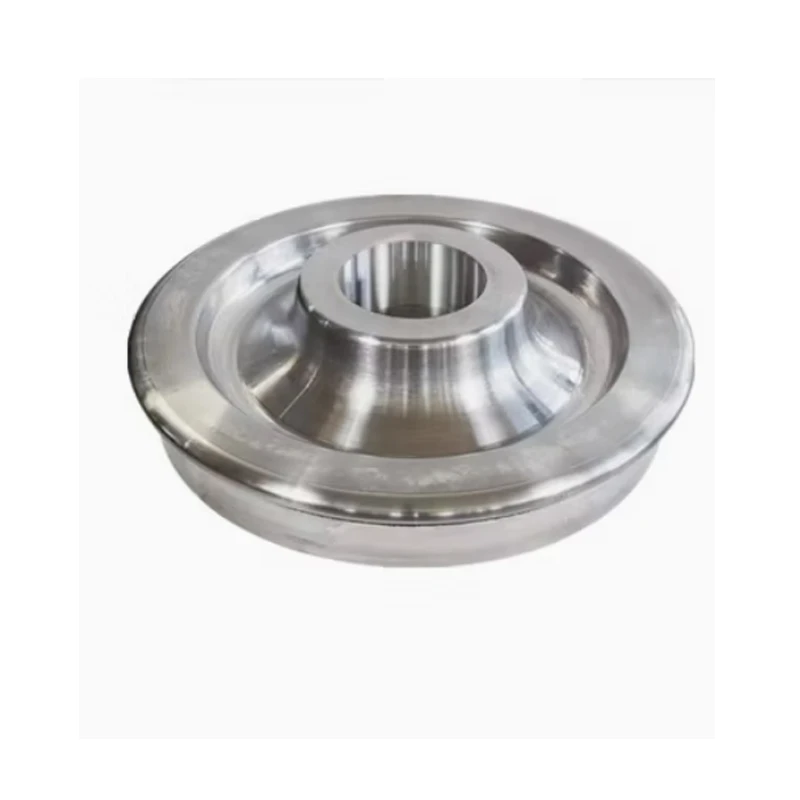 Profile S1002 Series Rail Wheels
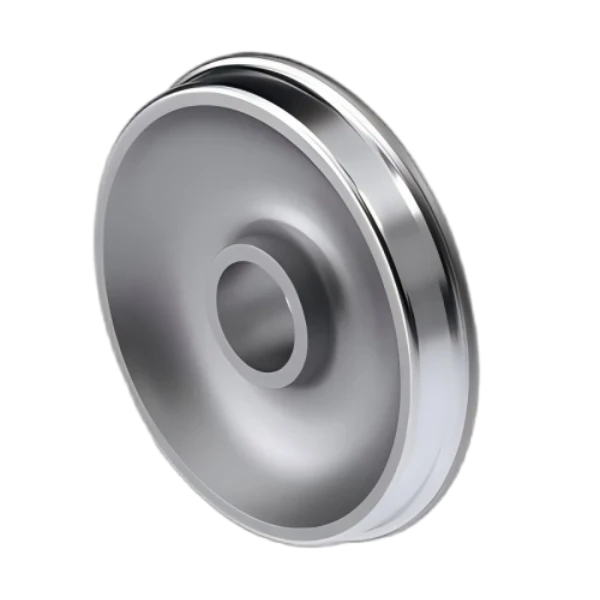
The S1002 series rail wheels are designed for Rail-Road Vehicles (RRVs) that require seamless operation on both roads and railway tracks. Engineered with high precision and durability, these wheels conform to S1002 tread profiles, ensuring compatibility with standard railway systems.
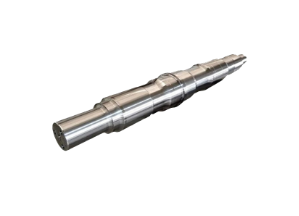
A Comprehensive Guide to Axles Types for Industry Decision Makers | Manufacturing Base
Axles Types is a key solution in the industry, specifically within heavy machinery and transportation sectors. This article explores how https://www.manufacturing-base.com supports professionals with durable, high-performance products
>
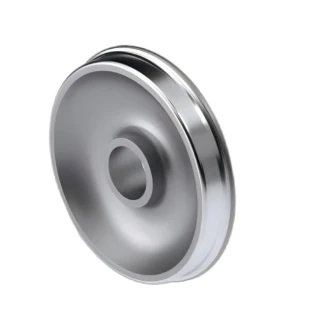
Reliable Rail Wheels: Optimize Your Rail Transport Solutions
For industries that rely on rail-based vehicles, choosing the right rail wheels is essential for smooth operations and safety.
>
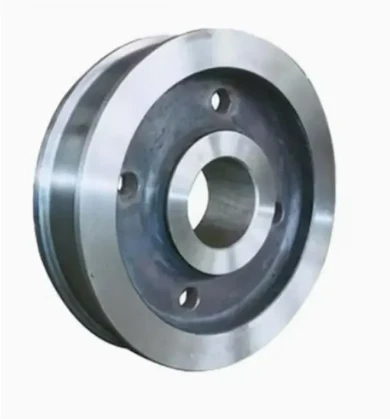
Premium Overhead Crane Wheels For Sale: Enhance Industrial Lifting Efficiency
In modern industrial operations, high-quality overhead crane wheels for sale are essential for safe, reliable, and efficient lifting.
>
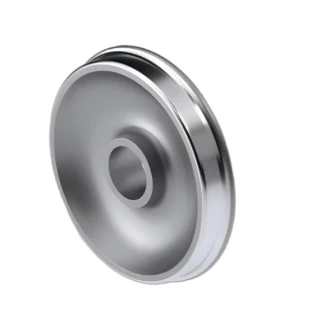
Premium Hi Rail Wheels For Sale: Boost Rail Vehicle Performance
In the modern industrial and railway sectors, having reliable hi rail wheels for sale is essential for operational efficiency and safety.
>
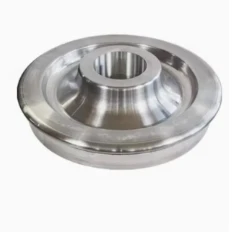
High-Quality Hi Rail Wheels For Sale: Enhance Your Rail Equipment Efficiency
When it comes to reliable rail maintenance and industrial operations, investing in hi rail wheels for sale is crucial.
>
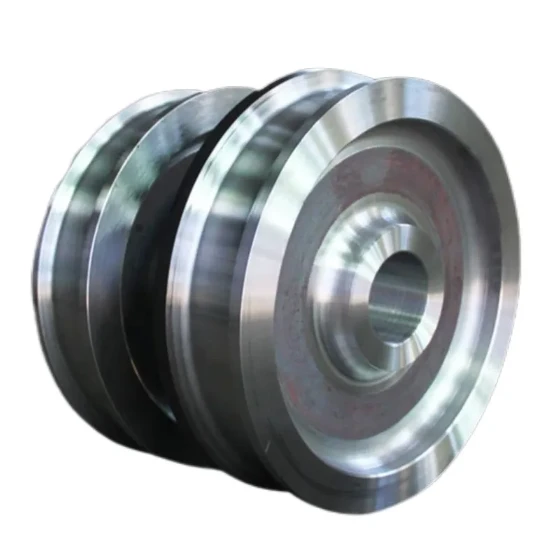
High-Quality Crane Wheels For Sale: Enhance Your Crane Operations
For industries relying on heavy lifting and material handling, investing in high-quality crane wheels for sale is crucial.
>
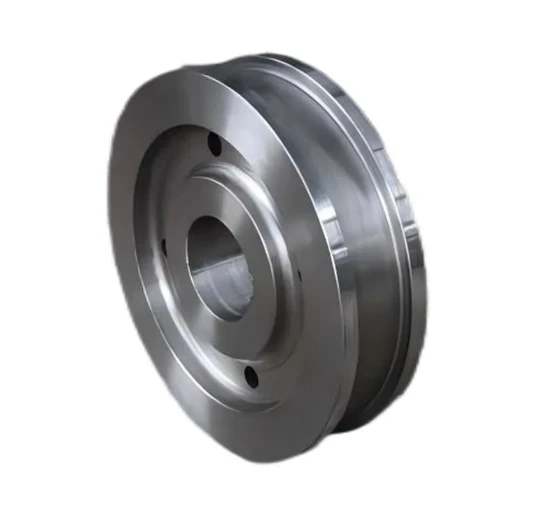
Durable Gantry Crane Wheels For Sale: Maximize Lifting Efficiency
For industries relying on heavy-duty lifting and material handling, selecting the right gantry crane wheels for sale is vital.
>
Reliable Tandem Drive Axles for Heavy-Duty Industrial Vehicles
Tandem Drive Axles: What I’ve Learned After Years in the Industrial Equipment Sector Ha
>
Reliable Semi Trailer Axles for Heavy-Duty Trailers | Expert Insight
Understanding semi trailer axles: The Backbone of Heavy Hauling Having spent more than a deca
>
RC Portal Axles: Industrial Strength and Custom Performance
RC Portal Axles: A Veteran’s Take on Industrial-Grade Performance Having spent over a d
>
Engineered for Excellence
Our forged solutions deliver reliability and performance, powering demanding industries to keep operations running smoothly.

Sign up
for Newsletter
Subscribe to the weekly newsletter for all the latest updates