- Tel: +86 311 82620404
- Cell: 86 -13739710551
- Email: sales@potentia.cn

Comprehensive Guide to Braked Trailer Axles – Safety, Efficiency, and Innovation
Understanding Braked Trailer Axles: A Key Component in Global Transport Efficiency
Braked trailer axles might not get much airtime like some flashy automotive parts, but in the world of logistics and transport, they’re absolutely critical. Essentially, they’re about controlling momentum—helping trailers slow down safely when hauled behind trucks or other vehicles. Across the globe, they enhance road safety, vehicle control, and ultimately reduce operational costs and downtime. Knowing how braked trailer axles work, and the options available, is crucial for companies that depend on moving goods safely and efficiently.
Why Do Braked Trailer Axles Matter Globally?
Transport forms the backbone of global trade, accounting for roughly 14% of global greenhouse gas emissions, according to the International Transport Forum (ITF) under OECD (1). In road freight, braked axles reduce wear on towing vehicles and improve stopping performance, which lowers accident risk and emissions with less braking force required overall. The UN’s Sustainable Development Goals underline improved transport safety and infrastructure as vital to stable economies and humanitarian aid delivery (2). But here’s the challenge: many hauling setups still rely on unbraked axles or poorly maintained brakes, increasing risks on crowded highways or rough terrain. Thoughtfully engineered braked trailer axles are part of the green, safe future freight needs.
Mini takeaway: In real terms, investing in better braking systems doesn’t just save lives—it supports sustainability goals by improving vehicle efficiency and reducing environmental footprint.
What Are Braked Trailer Axles? Breaking Down the Basics
Simply put, braked trailer axles are axles equipped with a dedicated braking mechanism—drum or disc brakes—that act on the trailer wheels. Unlike unbraked axles, which passively rotate and rely solely on the towing vehicle’s brakes, braked axles actively slow and stop the trailer independently. This distinction is huge when hauling heavy loads or traveling downhill. The braking system adds control and safety, ensuring trailers behave predictably under diverse conditions.
In industries ranging from agriculture and construction to humanitarian supply chains, braked axles prevent load sway and wear on tow vehicles—critical when materials must reach remote or fragile settings with minimal delay or damage.
Core Components and Key Factors of Braked Trailer Axles
1. Durability and Material Quality
Trailer axles face tough stresses—dynamic loads, corrosive elements, and variable terrain. Materials like high-grade steel alloys and protective coatings extend lifetime service far beyond unbraked assemblies. It feels like corrosion resistance gets underestimated, but field engineers I spoke to say it’s a leading cause of premature axle failure.
2. Brake Type and Performance
There are drum brakes that offer robustness and are cost-effective, versus disc brakes that provide better heat dissipation and quicker response. Each suits different payload classes and usage patterns. Choosing the right brake type depends on operating environment and maintenance capacity.
3. Load Capacity and Scalability
Braked trailer axles come in capacities roughly from 1,000 kg up to 10,000+ kg per axle, letting manufacturers build anything from lightweight utility trailers up to heavy-duty commercial rigs. Scalability here means modular designs where extra axles can be added or swapped to meet new transport demands.
4. Maintenance and Ease of Service
Trailer operators say ease of brake inspection, tune-ups, and axle greasing makes a huge difference. Some newer axles incorporate sealed bearings and low-maintenance drums that save countless service hours annually.
5. Integration with Electronic Braking Systems (EBS)
Modern braked trailer axles often come equipped or ready for electric braking controls, enhancing safety with ABS (anti-lock braking systems) and traction control.
| Specification | Value / Range | Notes |
|---|---|---|
| Load Capacity per Axle | 1,000 - 10,000 kg+ | Varies by model and application |
| Brake Type | Drum / Disc | Disc brakes more common in heavy/industrial trailers |
| Material | High-strength steel alloy | Corrosion resistant coating applied |
| Integration | Compatible with ABS/EBS | Essential for modern safety standards |
| Maintenance | Low-maintenance options available | Sealed bearings, easy brake adjustments |
Mini takeaway: Picking the right combination of materials, brakes, and smart design can save loads of headaches later—and improve safety dramatically.
How Braked Trailer Axles Are Changing the World: Use Cases and Applications
In Europe and North America, heavy freight haulers depend on braked trailer axles to meet stringent safety regulations that limit stopping distances and improve control on highways. Meanwhile, in emerging markets—think parts of Africa and Southeast Asia—robust, low-cost, braked axles enable agricultural machinery and mobile clinics to reach rural areas without breakdowns or accidents.
Oddly enough, in humanitarian logistics, organizations like the Red Cross rely on trailers with dependable braked axles for rapid disaster relief convoys. Smooth braking can mean life or death when navigating damaged roads, carrying medical supplies or food aid. And in remote mining operations in places like Australia or Chile, braked axles help heavy equipment trailers maintain control on steep, slippery terrain.
So yeah, these components are often the quiet heroes in the field—literally supporting everything from your weekly groceries to life-saving emergency responses.
Comparing Leading Vendors for Braked Trailer Axles
| Vendor | Typical Capacity Range | Brake Types Offered | Special Features | Global Reach |
|---|---|---|---|---|
| AxleCo | 1,500 - 7,000 kg | Drum & Disc | Custom coating options; robust warranty | Europe, Americas |
| BrakeTech Solutions | 2,000 - 10,000 kg+ | Disc Exclusive | EBS integration, digital diagnostics | Global, with strong presence in Asia |
| Rural Haul Axles | 1,000 - 5,000 kg | Drum Only | Low-cost, heavy-duty for rough terrain | Focused on Africa & South America |
Why Investing in Braked Trailer Axles Pays Off Long-Term
Frankly, the benefits extend well beyond the obvious safety improvements. Optimized braking systems reduce wear on towing vehicle brakes, translating into lower maintenance costs and less downtime. That’s good news for fleet managers and truck operators juggling tight delivery schedules.
On the sustainability front, efficient braking means smoother stops and fewer abrupt maneuvers, which can reduce fuel consumption. In an era where freight emissions come under increasing scrutiny, that counts for something.
And on an emotional level—there’s peace of mind knowing the trailer won’t jackknife or fishtail on a rainy highway. Drivers, shippers, and recipients all benefit from a more predictable, reliable haul.
Looking Ahead: Innovations Shaping the Future of Braked Trailer Axles
We’re in an age of electrification and smart systems, and braked trailer axles aren’t being left out. Green technologies like regenerative braking on trailers are being tested, allowing kinetic energy recovery that improves overall efficiency.
Also, digital sensors embedded in axles now provide real-time data on brake wear and axle load, integrating with fleet management software—so problems can be flagged before failures occur. This “smart braking” is particularly valuable in long-haul cross-border transport.
Materials science is moving forward too: composites and advanced alloys yield lighter axles without sacrificing strength. For trailers, that means more payload per trip—always welcome.
Addressing Challenges: What Holds Back Braked Trailer Axle Performance?
Though advances abound, some persistent issues linger: cost sensitivity limits adoption of high-tech axles in low-income regions, while maintenance skills or spare parts availability can be scarce. In tougher climates, corrosion from salt or humidity remains a headache.
The solution? Manufacturers are already offering modular parts kits, regional training for technicians, and more resilient coatings. Partnerships between suppliers and logistics operators play an increasingly vital role in ensuring every axle performs as promised.
FAQs About Braked Trailer Axles
- What are the main benefits of braked trailer axles over unbraked ones?
- Braked axles improve safety by allowing the trailer to stop independently, reducing stress on the towing vehicle. They enable better control, especially at high speeds or on slopes, and minimize wear on tow-vehicle brakes, enhancing overall system longevity.
- How often should trailer axle brakes be inspected or serviced?
- Typically, manufacturers recommend brake checks every 12 months or every 10,000-15,000 km, whichever comes first. High-frequency use or rough conditions might require more frequent inspections to maintain performance and safety.
- Can braked trailer axles improve fuel efficiency?
- Yes, smoother braking reduces abrupt slowdowns and acceleration, which can save fuel over time. Additionally, reducing wear on towing vehicle brakes contributes indirectly to better overall vehicle efficiency.
- Are electronic braking systems (EBS) compatible with all braked trailer axles?
- Most modern braked trailer axles can be integrated with EBS or ABS for enhanced safety features. However, it's important to verify compatibility based on model and vehicle specifications before installation.
Final Thoughts and Next Steps
Understanding and investing in quality braked trailer axles brings clear, long-term benefits—whether it's safeguarding human lives, reducing environmental impact, or cutting operational costs. In a transport landscape leaning ever more heavily towards sustainability and digital intelligence, these components are quietly stepping into the spotlight.
Interested in sourcing or upgrading your trailer axles? Visit our detailed resource page braked trailer axles for trusted suppliers, technical guides, and real-world reviews to keep your fleet safe and efficient.
References:
-
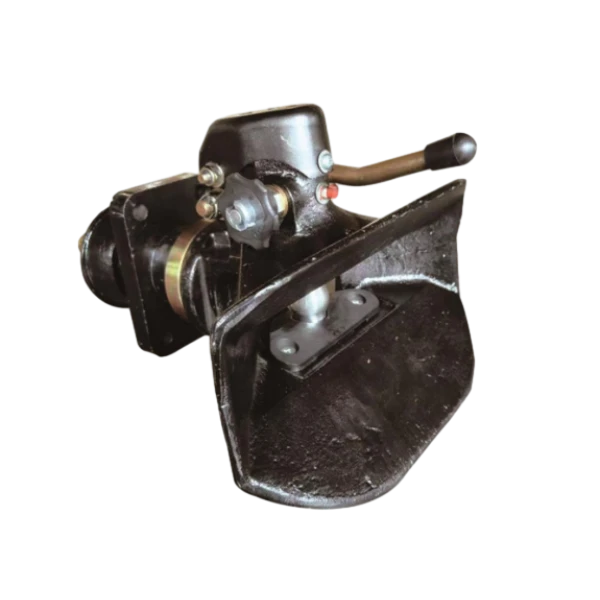 Trailer Coupling
The trailer coupling is a critical component in vehicle towing systems, designed to ensure a secure and efficient connection between a towing vehicle and a trailer. These couplings are manufactured using high-strength carbon steel, alloy steel, or stainless steel, ensuring durability and resistance to heavy loads and harsh environments.
-
 Drawbar Eyes
Drawbar eyes are essential components in towing and hauling applications, providing a strong and secure attachment point between the trailer and the towing vehicle. They are designed to endure extreme pulling forces, making them suitable for heavy-duty applications.
-
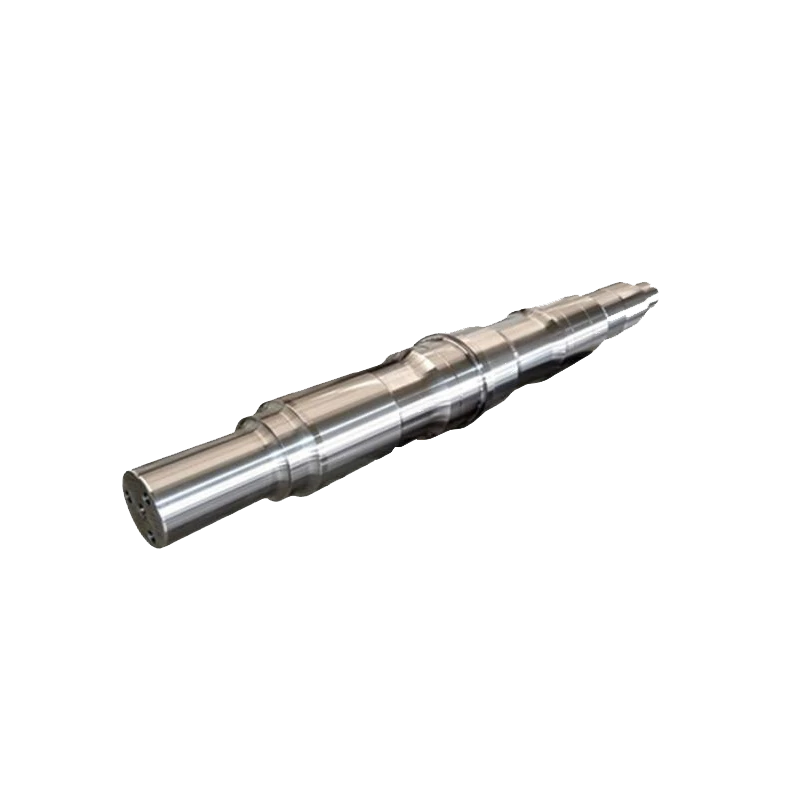 Axles
AxlesAxles are essential for vehicle load-bearing and power transmission, ensuring smooth movement and weight distribution. They must withstand high stress, torque, and impact, making material selection and precise manufacturing crucial.
-
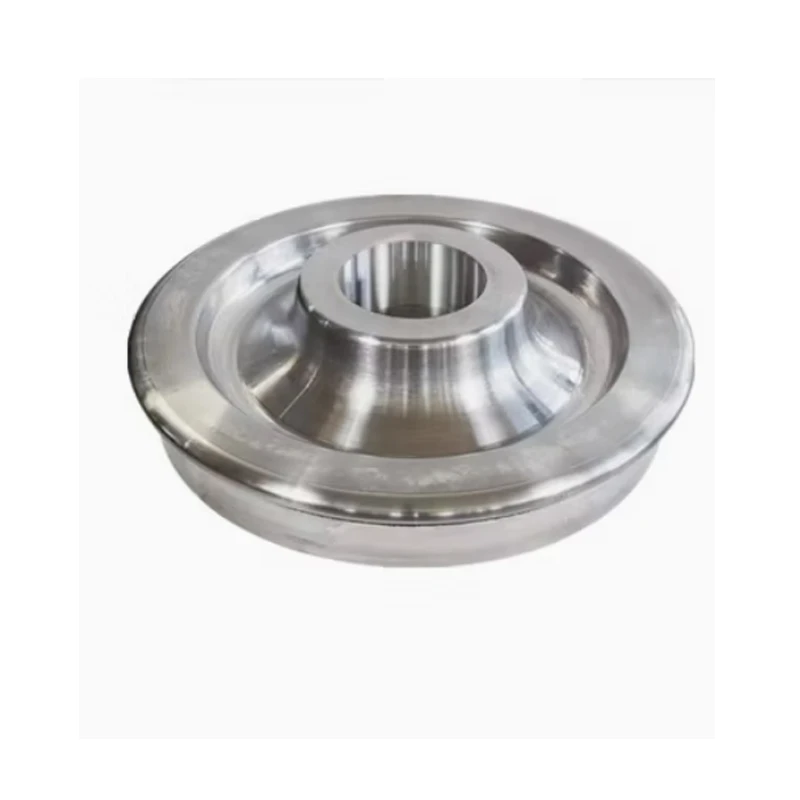 Profile S1002 Series Rail Wheels
The S1002 series rail wheels are designed for Rail-Road Vehicles (RRVs) that require seamless operation on both roads and railway tracks. Engineered with high precision and durability, these wheels conform to S1002 tread profiles, ensuring compatibility with standard railway systems.
A Comprehensive Guide to Axles Types for Industry Decision Makers | Manufacturing Base
Axles Types is a key solution in the industry, specifically within heavy machinery and transportation sectors. This article explores how https://www.manufacturing-base.com supports professionals with durable, high-performance products
>
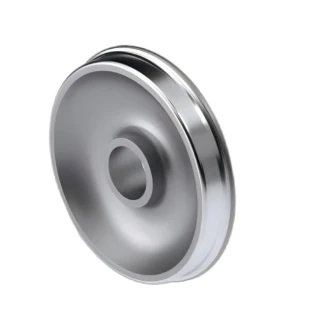
Reliable Rail Wheels: Optimize Your Rail Transport Solutions
For industries that rely on rail-based vehicles, choosing the right rail wheels is essential for smooth operations and safety.
>
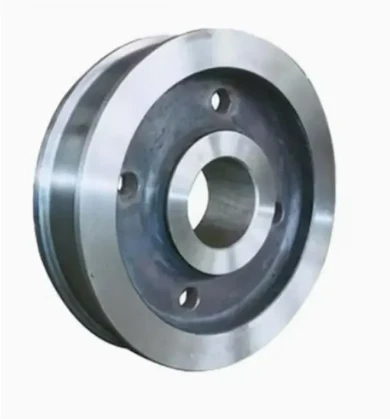
Premium Overhead Crane Wheels For Sale: Enhance Industrial Lifting Efficiency
In modern industrial operations, high-quality overhead crane wheels for sale are essential for safe, reliable, and efficient lifting.
>
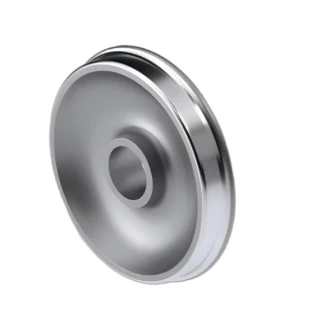
Premium Hi Rail Wheels For Sale: Boost Rail Vehicle Performance
In the modern industrial and railway sectors, having reliable hi rail wheels for sale is essential for operational efficiency and safety.
>
High-Quality Hi Rail Wheels For Sale: Enhance Your Rail Equipment Efficiency
When it comes to reliable rail maintenance and industrial operations, investing in hi rail wheels for sale is crucial.
>
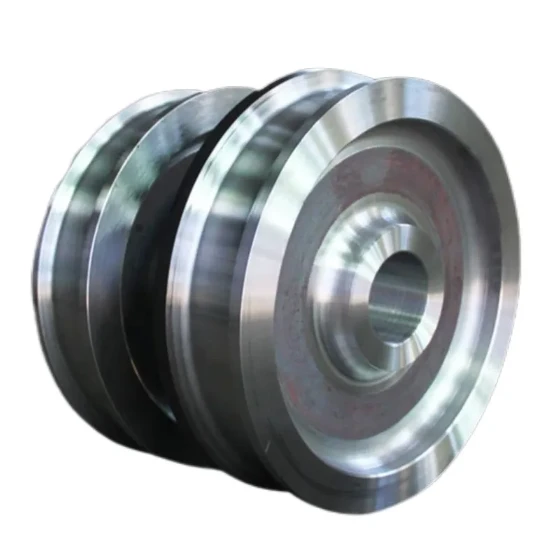
High-Quality Crane Wheels For Sale: Enhance Your Crane Operations
For industries relying on heavy lifting and material handling, investing in high-quality crane wheels for sale is crucial.
>
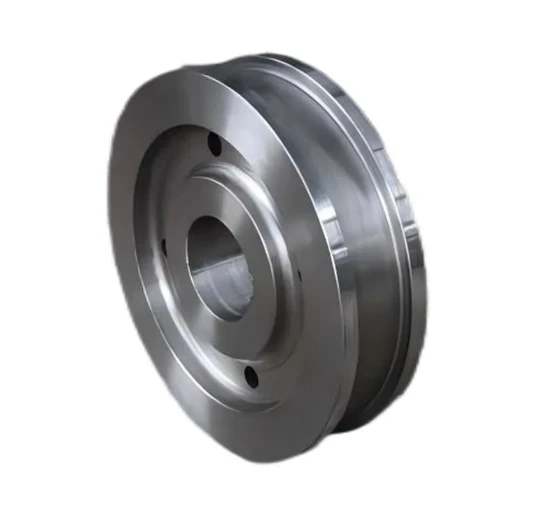
Durable Gantry Crane Wheels For Sale: Maximize Lifting Efficiency
For industries relying on heavy-duty lifting and material handling, selecting the right gantry crane wheels for sale is vital.
>
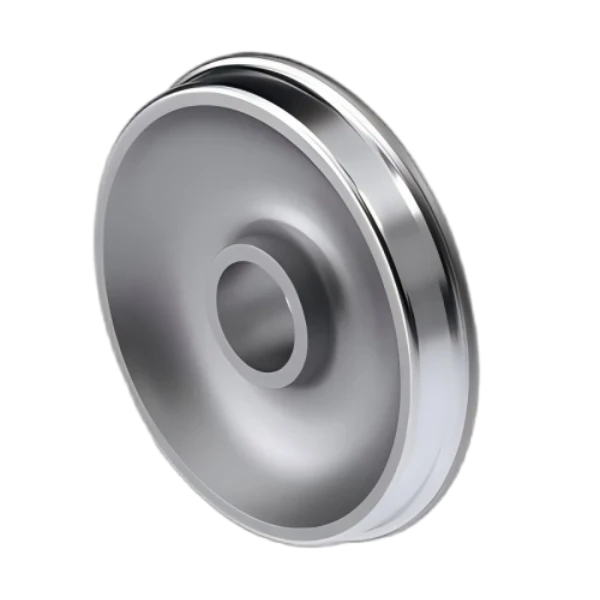
Reliable Tandem Drive Axles for Heavy-Duty Industrial Vehicles
Tandem Drive Axles: What I’ve Learned After Years in the Industrial Equipment Sector Ha
>

Reliable Semi Trailer Axles for Heavy-Duty Trailers | Expert Insight
Understanding semi trailer axles: The Backbone of Heavy Hauling Having spent more than a deca
>
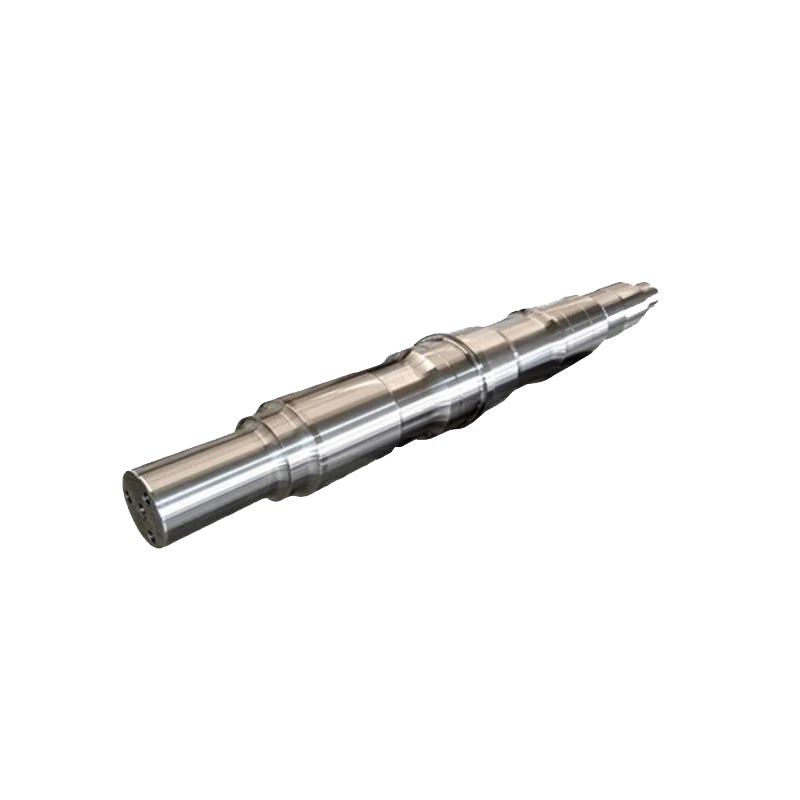
RC Portal Axles: Industrial Strength and Custom Performance
RC Portal Axles: A Veteran’s Take on Industrial-Grade Performance Having spent over a d
>
Engineered for Excellence
Our forged solutions deliver reliability and performance, powering demanding industries to keep operations running smoothly.

Sign up
for Newsletter
Subscribe to the weekly newsletter for all the latest updates