- Tel: +86 311 82620404
- Cell: 86 -13739710551
- Email: sales@potentia.cn

Comprehensive Guide to Axles: Applications, Benefits, and Innovations
Understanding Axles: The Unsung Backbone of Modern Transport
When you think of vehicles — cars, trucks, trailers, even bicycles — few parts are as essential yet overlooked as axles. These humble shafts bear the weight of the entire vehicle, transfer power to the wheels, and maintain balance during motion. Globally, axles underpin not just transport but industries, supply chains, and humanitarian efforts. Grasping their role unlocks better design, safer roads, and innovations that ripple far beyond the workshop floor.
Why Axles Matter on a Global Scale
The United Nations notes that transport infrastructure is critical for trade and development, and within that, components like axles enable everything from agricultural machinery in rural Africa to freight trucks moving goods across Asia and Europe. A rough estimate suggests that over one billion vehicles — commercial and private — depend on axles worldwide. The challenge? Designing axles that are durable, adaptable, and cost-effective while meeting environmental and safety standards.
According to the International Organization for Standardization (ISO), advances in axle materials and manufacturing impact vehicle emissions and efficiency, directly linking these parts to sustainability goals. In real terms, a faulty or weak axle can trigger accidents, costly downtime, or supply chain bottlenecks. So yeah, a piece of metal that spins quietly can make or break an industry.
Mini takeaway: Axles might seem simple, but they carry immense responsibility globally — supporting everything from daily commutes to humanitarian aid delivery.
What Exactly Are Axles?
Put simply, an axle is a rod or shaft that rotates with the wheels or acts as a stationary support on which the wheels turn. Depending on the vehicle type, axles can be fixed or driven by the engine. They tie the wheels together and bear the weight of the vehicle and passengers or cargo. From bicycles to massive freight carriers, axles provide stability and power transmission.
Beyond vehicles, axles are vital in agricultural equipment, construction machinery, and even some renewable energy devices, such as wind turbines where similar rotational shafts exist. In humanitarian contexts—say, post-disaster relief where rugged off-road vehicles need tough axles—these components ensure aid reaches where it's most needed.
Key Aspects of Axles and Why They Matter
1. Durability
Axles must withstand massive forces — from heavy loads to rough terrain shocks. Materials like high-strength steel alloys dominate, chosen for longevity and resistance to wear or fatigue. Proper heat treatment and testing ensure axles won’t fail mid-journey.
2. Load Capacity
Depending on vehicle type, axles are rated to handle specific maximum weights. Oversizing adds cost and weight, while undersizing risks breakage. Precision in engineering helps balance this equation.
3. Weight & Efficiency
Lighter axles reduce overall vehicle mass, improving fuel economy—something many manufacturers chase in line with environmental standards. Recent alloys and composites are stepping into this arena, though steel remains king.
4. Cost Efficiency
Mass production allows economies of scale, but customized or specialized axles—for example, those meant for harsh climates or electric vehicles—carry premium costs. Striking a balance between upfront costs and lifecycle savings is always a strategic decision.
5. Integration with Modern Tech
Some advanced axles include sensors for real-time monitoring of stress and temperature — part of the growing “smart vehicle components” trend. This proactive data helps prevent failures, decreasing downtime.
Mini takeaway: The best axles are a finely tuned mix of strength, efficiency, and adaptability to their intended use.
Axles in Real-World Applications: From Cities to Disaster Zones
Axles find homes everywhere. Freight trucks in North America rely on multi-axle configurations to haul enormous payloads, complying with road regulations and ensuring safety. In Europe, lightweight axles contribute to greener public transit buses. Meanwhile, in Asia and Africa, rugged axles empower tractors plowing fields or delivering goods across challenging landscapes.
Consider humanitarian operations in earthquake zones: off-road vehicles equipped with reinforced axles ferry medical supplies where narrow, broken roads prevent normal access. Likewise, industries like mining depend heavily on axles designed to endure harsh vibrations and heavy shocks over uneven terrain.
And then there are the axles in high-tech sectors — electric vehicles demand lighter, cooler-running axles, often integrated with electric motors (the “e-axle”), representing a whole new frontier.
Axle Specification Snapshot
| Specification | Typical Range | Notes |
|---|---|---|
| Material | Alloy Steel, Carbon Steel | Heat treated for strength |
| Load Capacity | 1,000 - 20,000+ kg | Varies by vehicle type |
| Length | 0.5m - 3m | Customizable |
| Weight | 20 - 300+ kg | Depends on design/material |
| Coating | Powder Coating, Phosphate | Corrosion resistance |
| Sensor Integration | Optional | For predictive maintenance |
Comparing Leading Axle Vendors: A Quick Guide
| Vendor | Specialty | Material Options | Custom Solutions | Global Reach |
|---|---|---|---|---|
| Vendor A | Heavy-duty truck axles | Carbon Steel, Alloy Steel | Yes, including OEM | North America, Europe |
| Vendor B | Agricultural machinery axles | Hardened Steel | Standard and bespoke | Asia, Africa |
| Vendor C | Electric and smart axles | Lightweight alloys, composites | High customization | Global |
Benefits and Long-Term Value of Quality Axles
- Cost savings: Durable axles reduce maintenance and replacement expenses over time.
- Sustainability: Efficient materials and design lower vehicle weight and fuel consumption.
- Safety: Reliable axles prevent accidents caused by mechanical failure, preserving lives and assets.
- Operational reliability: Less downtime means smoother logistics and better end-user satisfaction.
Plus, from a human angle, sturdy axles in vehicles used for emergency response instill trust. For drivers and operators alike, knowing your equipment can endure rough paths or heavy loads is worth its weight in gold — or steel.
What’s Next? Future Trends Shaping Axle Technology
We’re seeing a marriage of materials science and digital tech influencing axle designs. Lightweight alloys and composite materials promise reductions in axle mass without sacrificing strength. Simultaneously, embedding sensors enables predictive maintenance, reducing unexpected breakdowns. In green energy, hybrid and electric vehicles encourage novel axle concepts such as the integrated e-axle motors.
Automation and Industry 4.0 also push manufacturers to produce more precise, customizable axles faster and more sustainably. Regulations demanding lower emissions mean every kilo of weight saved counts—and axles are no exception.
Challenges in Axle Manufacturing and How the Industry is Responding
Despite progress, challenges remain. Corrosion from rough environments, fatigue from constant loading cycles, and cost pressures are barriers manufacturers face daily. Sourcing raw materials sustainably can also be tricky, especially amid global supply chain disruptions.
Experts recommend ongoing R&D to pioneer new coatings and alloys, extend fatigue life, and use AI-driven quality control. Manufacturers are adopting modular designs that can be serviced more easily in the field, reducing logistics costs and improving turnaround.
FAQ: Frequently Asked Questions About Axles
Q1: How do I know if an axle suits my vehicle’s load needs?
Axle specifications should match or exceed your vehicle's maximum gross weight and intended terrain stresses. Consult manufacturer datasheets and engineering experts who can recommend based on vehicle type, use-case, and safety factors.
Q2: Can axle wear affect vehicle safety?
Absolutely. Worn or damaged axles can cause wheel misalignment or failure, leading to dangerous situations. Regular inspections and maintenance are crucial to ensure safe operation.
Q3: Are smart axles with sensors expensive?
Initially, yes—smart axles cost more due to embedded technology. However, the savings from predictive maintenance and fewer breakdowns often outweigh upfront costs over time.
Q4: What environmental conditions impact axle lifespan most?
Exposure to moisture, salt (especially on winter roads), and extreme temperature fluctuations accelerate corrosion and fatigue. Protective coatings and suitable materials help mitigate these effects.
Q5: Is customization important for axles?
If your vehicle or machinery operates under unique conditions (heavy off-road use, extreme weights, or innovative propulsion), customization ensures the axle meets performance and safety requirements better than a generic model.
Conclusion: Why Investing in Quality Axles Pays Off
In the big picture, axles might be unglamorous, but the right ones can drive efficiency, safety, and innovation across industries. Whether you’re upgrading a fleet or developing new machinery, prioritizing axle quality and fit means fewer headaches down the line.
Ready to explore your options? Visit our website for comprehensive resources and trusted partners here.
Mini takeaway: A good axle is like a good foundation — often invisible but absolutely vital to everything it supports.
References
-
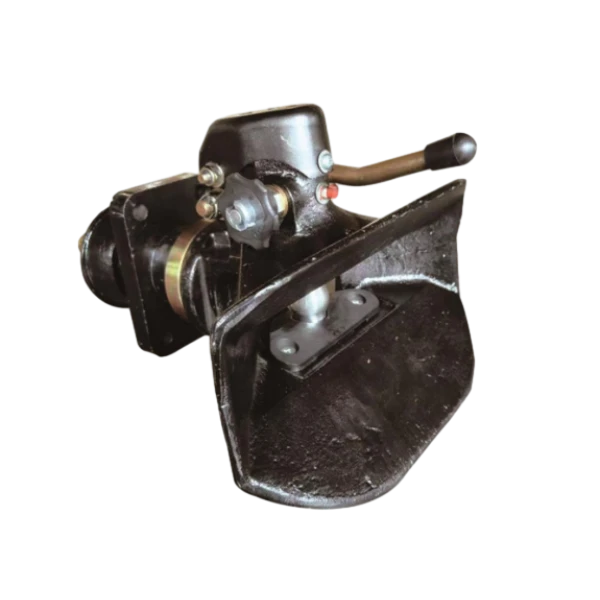 Trailer Coupling
The trailer coupling is a critical component in vehicle towing systems, designed to ensure a secure and efficient connection between a towing vehicle and a trailer. These couplings are manufactured using high-strength carbon steel, alloy steel, or stainless steel, ensuring durability and resistance to heavy loads and harsh environments.
-
 Drawbar Eyes
Drawbar eyes are essential components in towing and hauling applications, providing a strong and secure attachment point between the trailer and the towing vehicle. They are designed to endure extreme pulling forces, making them suitable for heavy-duty applications.
-
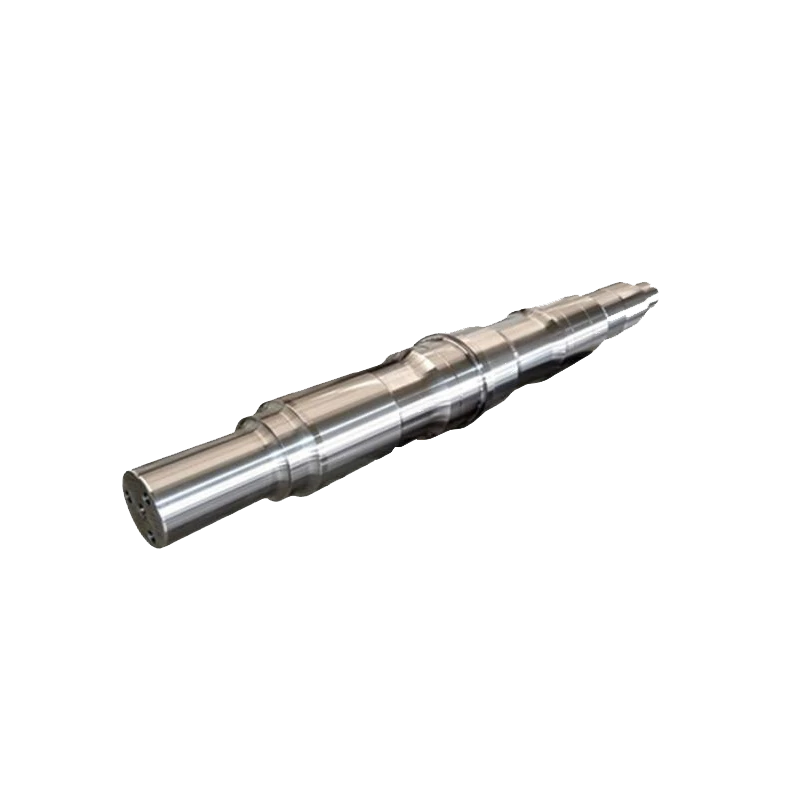 Axles
AxlesAxles are essential for vehicle load-bearing and power transmission, ensuring smooth movement and weight distribution. They must withstand high stress, torque, and impact, making material selection and precise manufacturing crucial.
-
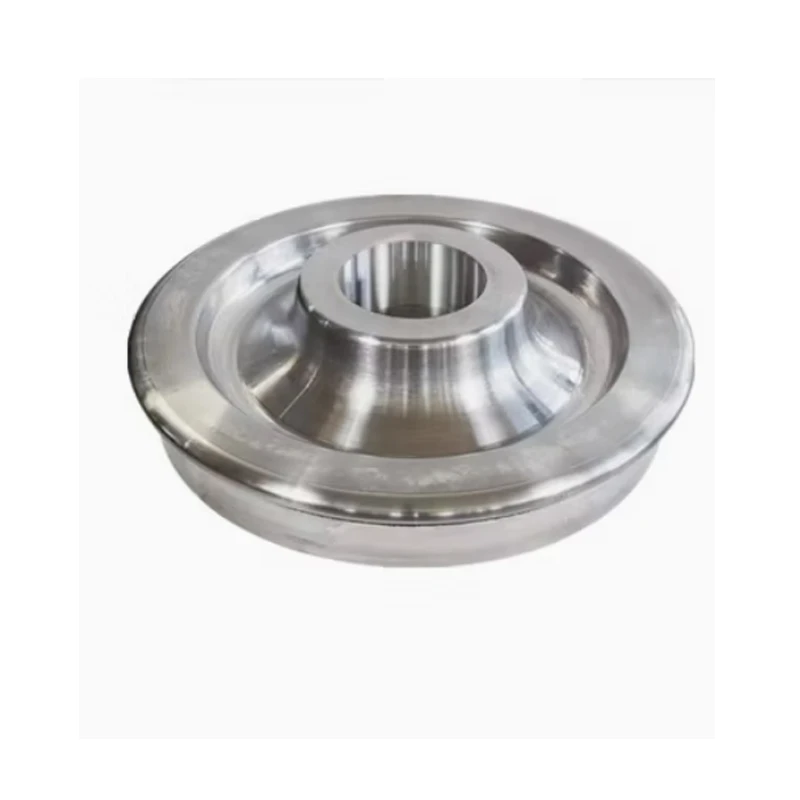 Profile S1002 Series Rail Wheels
The S1002 series rail wheels are designed for Rail-Road Vehicles (RRVs) that require seamless operation on both roads and railway tracks. Engineered with high precision and durability, these wheels conform to S1002 tread profiles, ensuring compatibility with standard railway systems.
A Comprehensive Guide to Axles Types for Industry Decision Makers | Manufacturing Base
Axles Types is a key solution in the industry, specifically within heavy machinery and transportation sectors. This article explores how https://www.manufacturing-base.com supports professionals with durable, high-performance products
>
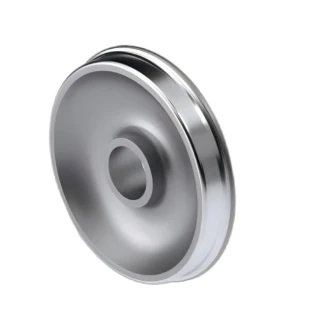
Reliable Rail Wheels: Optimize Your Rail Transport Solutions
For industries that rely on rail-based vehicles, choosing the right rail wheels is essential for smooth operations and safety.
>
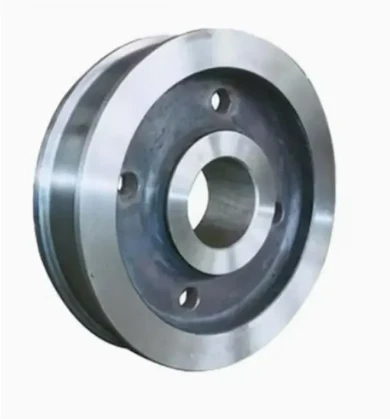
Premium Overhead Crane Wheels For Sale: Enhance Industrial Lifting Efficiency
In modern industrial operations, high-quality overhead crane wheels for sale are essential for safe, reliable, and efficient lifting.
>
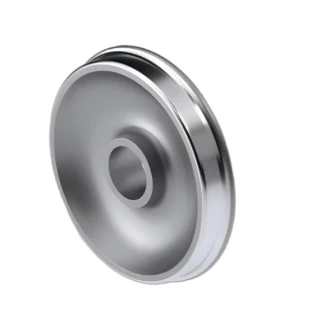
Premium Hi Rail Wheels For Sale: Boost Rail Vehicle Performance
In the modern industrial and railway sectors, having reliable hi rail wheels for sale is essential for operational efficiency and safety.
>
High-Quality Hi Rail Wheels For Sale: Enhance Your Rail Equipment Efficiency
When it comes to reliable rail maintenance and industrial operations, investing in hi rail wheels for sale is crucial.
>
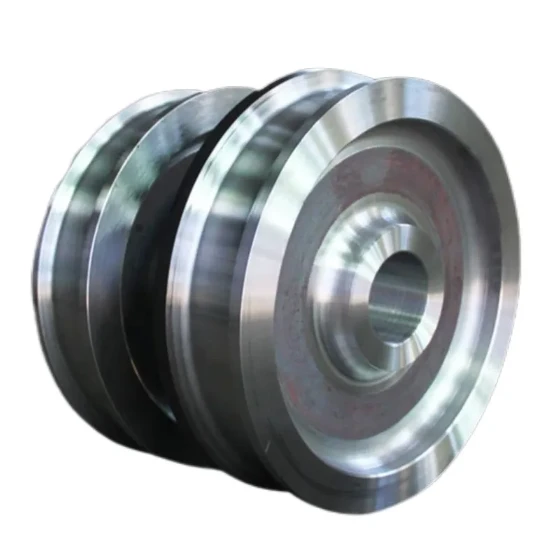
High-Quality Crane Wheels For Sale: Enhance Your Crane Operations
For industries relying on heavy lifting and material handling, investing in high-quality crane wheels for sale is crucial.
>
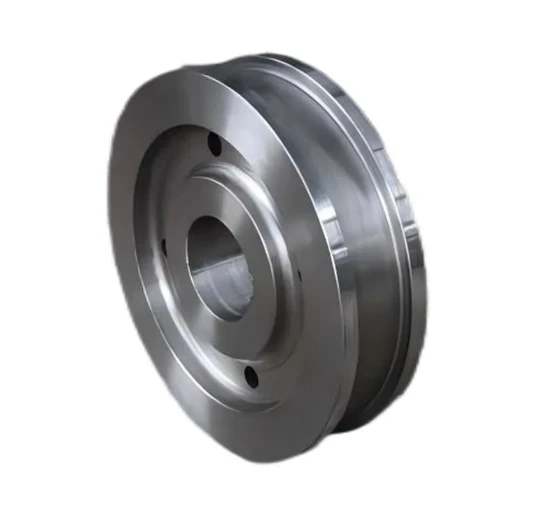
Durable Gantry Crane Wheels For Sale: Maximize Lifting Efficiency
For industries relying on heavy-duty lifting and material handling, selecting the right gantry crane wheels for sale is vital.
>
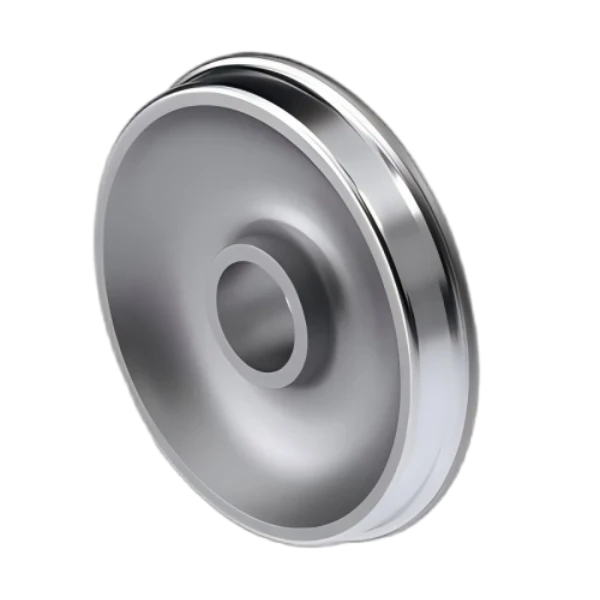
Reliable Tandem Drive Axles for Heavy-Duty Industrial Vehicles
Tandem Drive Axles: What I’ve Learned After Years in the Industrial Equipment Sector Ha
>

Reliable Semi Trailer Axles for Heavy-Duty Trailers | Expert Insight
Understanding semi trailer axles: The Backbone of Heavy Hauling Having spent more than a deca
>
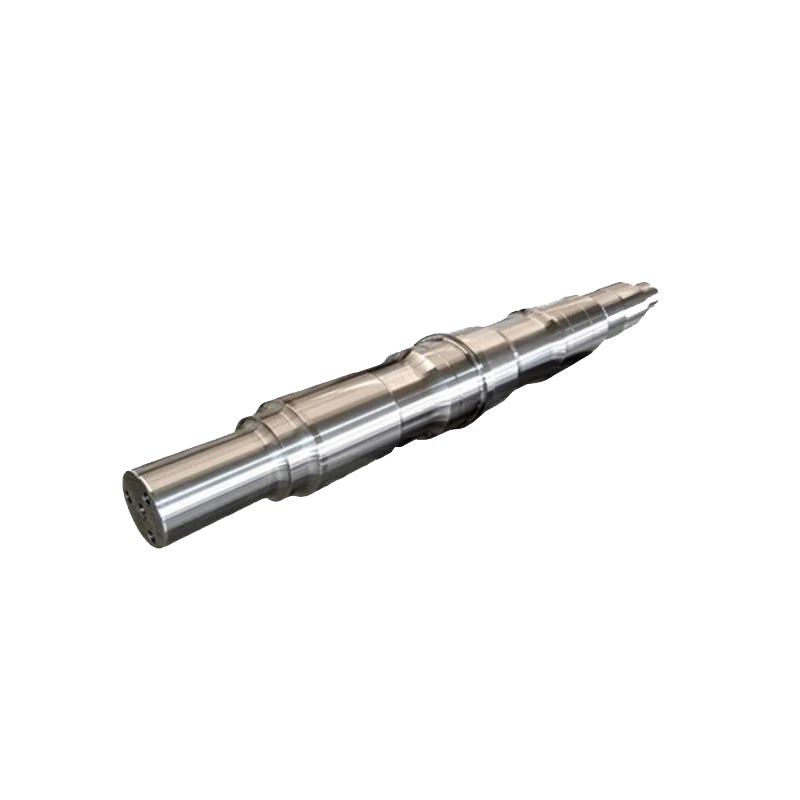
RC Portal Axles: Industrial Strength and Custom Performance
RC Portal Axles: A Veteran’s Take on Industrial-Grade Performance Having spent over a d
>
Engineered for Excellence
Our forged solutions deliver reliability and performance, powering demanding industries to keep operations running smoothly.

Sign up
for Newsletter
Subscribe to the weekly newsletter for all the latest updates